Preparing For Global Big Day On May 13, 2017

Cornell_Lab_Global_Big_Day_Map-625px

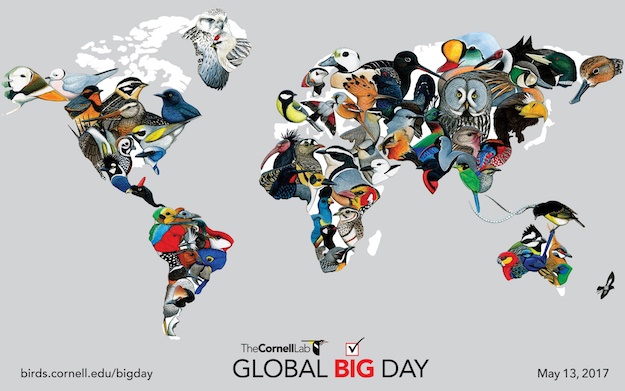
Global Big Day map painted by Luke Seitz, a Bartels Science Illustration intern and member of the Redheads student birding team.

We have about two months to prepare, and this third year of Global Big Day could be epic. When we started participating in this annual event in 2015 our work still mostly focused on the Western Ghats region of southwest India, but we were migrating back to the Mesoamerica region so our attention has been shifting. Now we are all in at Chan Chich Lodge and we want to help ensure that this year Belize is as strong a contributor as possible to the goals of this program:

In our ongoing effort to push the boundaries of a Big Day, we’re inviting everybody around the world to join together and participate in our Global Big Day to support global conservation.

How to Participate

Submit Your Data to eBird on May 13

It’s that simple. If you submit your birds to eBird they count. Learn how to take part. Don’t worry — you don’t need to be a bird expert, or to go out all day long. Even a half hour checklist from your backyard will help. Of course, you are welcome to spend the entire day in the field, but know that it is not required! Please enter your data as soon as you can, preferably by Tuesday, May 16. Continue reading

Please Support Sierra Club On This Initiative

rtaImage

Photo credit: B. Bartel/USFWS

We know that most of our readers on this platform, and most guests we serve at the various properties we have developed and managed over the years, care deeply about primary forests and the ecosystems they support. Here is a chance to vocalize together with one of the influential organizers of vocalization:

Help Protect Tongass National Forest: Stop the Clearcutting

They’re about to start their chainsaws. Timber companies are trying to clearcut one of the most primeval wild places — and this is our last chance to stop them.

Alaska’s Tongass National Forest is nothing short of magical: it contains centuries-old trees and one-of-a-kind wilderness, home to animals like Alexander Archipelago wolves and bald eagles. Your voice is needed to pressure Congress to bring an end to old growth logging and save the Tongass for our children and grandchildren.

Take action today to save the Tongass National Forest.

Responsible Fish-Sourcing, 2.x

image1-25-_custom-3db4ae8eae0b5e55705a0a56736bb1277bb1d1e3-s1400-c85

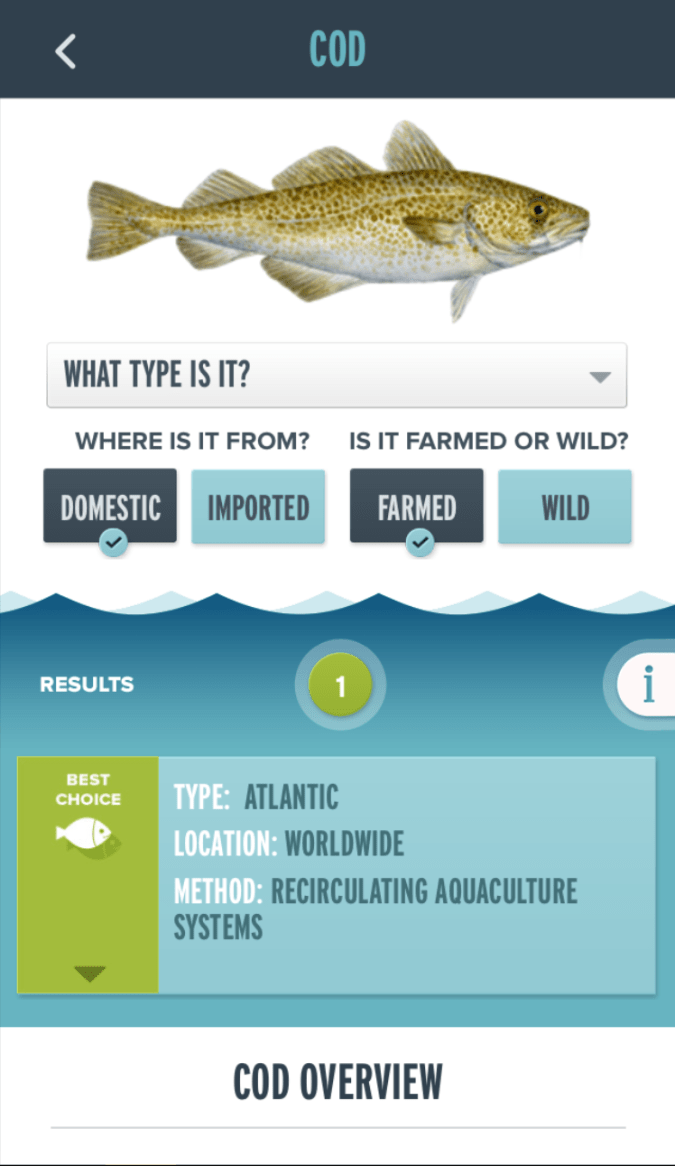
Monterey Bay Aquarium Seafood Watch App best choice recommendations for cod. Screenshot by NPR

Rules change. Guides get updated. Staying on top of this topic requires effort. But it is worth it. Thanks to the folks at the salt for an acknowledgement that choosing fish in a responsible manner is no easy task, even for those regularly paying attention:

This month, I ventured to ask the man behind the counter at a Whole Foods Market what kind of shrimp he was selling. “I don’t know,” he replied. “I think they’re just normal shrimp.” I glanced at the sustainable seafood guide on my phone. There were 80 entries for shrimp, none of them listed “normal.”

What about the cod? Was it Atlantic or Pacific? Atlantic. How was it caught? I asked. “I’m not sure,” he said, looking doubtfully at a creamy fish slab. “With nets, I think. Not with harpoons.” Continue reading

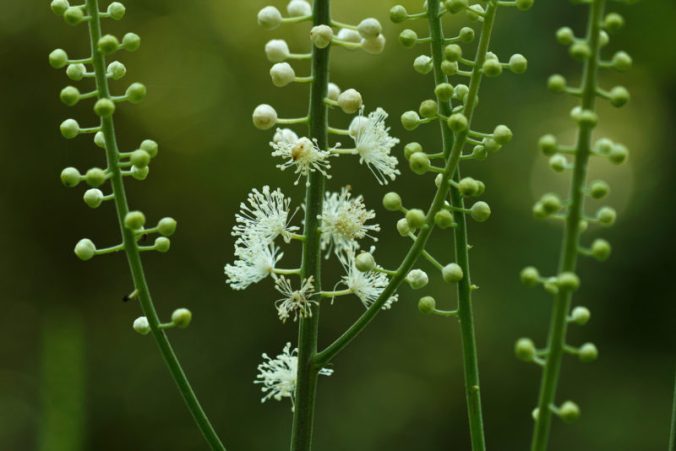
Herbal Patrimony Saved For Posterity, And For The Health Of Present Generations

BlackCohosh_MtCubaCenterDE_TomPotterfieldFlickr_2000

Black cohosh is a valuable commercial medicinal plant, used to treat symptoms of menopause. TOM POTTERFIELD/FLICKR

Thanks to Nancy Averett at Yale360 for this:

Seeds of Commerce: Saving Native Plants in the Heart of Appalachia

In southern Appalachia, botanist Joe-Ann McCoy is collecting the seeds of thousands of native plant species threatened by climate change. But in this job-scarce region, she also hopes to attract an herbal products company to cultivate the area’s medicinal plants. Continue reading

Keeping It Green At Chan Chich Lodge

CCLSnake3.jpg

When I see a face like this I can only smile. I am not sure why, and I do not like to anthropomorphize animals, but this creature looks friendly, even a bit happy. Maybe because I am partial to the color green? Continue reading

Norms At Chan Chich Lodge

CCLMar10.jpg

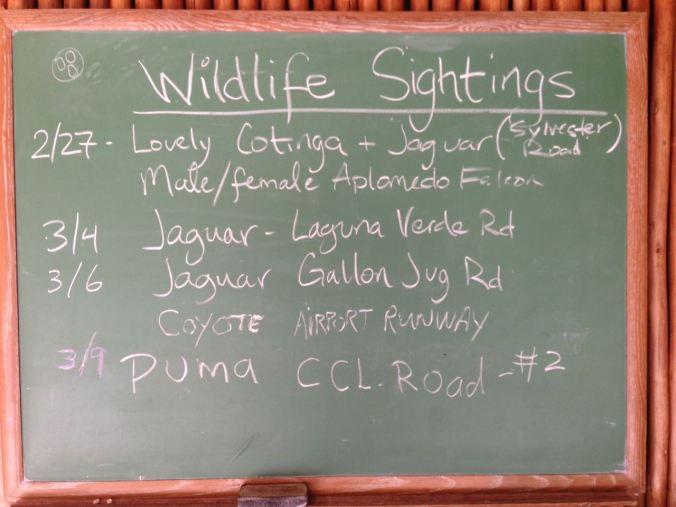
Norms have developed on the sightings board at Chan Chich Lodge over the years; unusual birds and apex predators get most of the attention most of the time.

CCLHowler.jpg

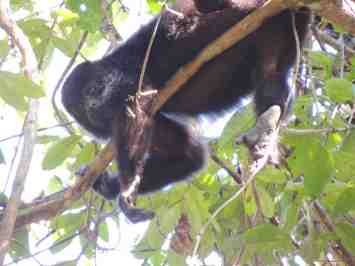
howler monkey

And for good reason. But on a day to day basis, monkeys are almost always in the trees in close proximity to the lodgings. The variety to the left is a noisy one, territorial and vocal in a manner that you will recognize from the soundscape of whatever King Kong movie you might have seen. Urbanite guests seem to favor that noise, we have noticed. Continue reading

Massive Scale of Discovery In Remaining Forests Inspires, Raising The Stakes For Conservation

Douglas Adams @ 65

It has been four years since we last noted his birthday and the most recent public event we can find now is this video is from two years ago.  65 is a suitable birthday to merit coming back to a favored writer and thinker with a small celebration. Neil Gaiman, starting at about nine minutes in to this video, pays fitting tribute to his friend, and ours, and what may have been his most important work.

Borneo Bridge Not Needed, Thank You

6060

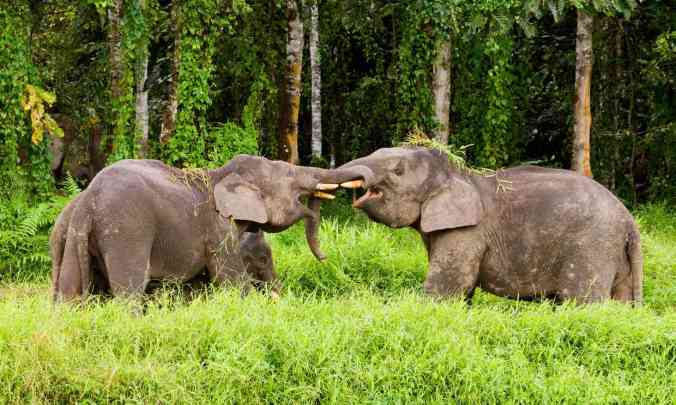
Pygmy elephant males play-fighting near the Kinabatangan river in Borneo. Photograph: Alamy

What he said:

David Attenborough attacks plan for Borneo bridge that threatens orangutans

Endangered pygmy elephants and orangutans threatened by scheme for Kinabatangan Wildlife Sanctuary

David Attenborough and Steve Backshall have joined conservationists and charities asking officials in Borneo to reconsider a bridge that threatens one of the last sanctuaries of the rare pygmy elephant.

Continue reading

Merlin Flying Further Afield

We’ve written about this amazing APP on our pages before, and it’s exciting to watch it’s evolution and expansion of both technology and territory.

Our work has yet to expand to Mexico, but birds don’t acknowledge national borders, so the majority of the species in the Yucatan  can be found in all 3 countries that make up the peninsula – Belize, Guatemala and of course, Mexico.

We look forward to having our marvelous guides try it out just for fun!

 Merlin Expands to Mexico

We’ve spent the last few months working to expand coverage of Merlin, and we’ve just released a new bird pack for the Yucatan Peninsula. Research at the Cornell Lab of Ornithology repeatedly points to the Yucatan Peninsula as a vital wintering ground for many of our favorite breeding birds in the United States. It’s also home to many dazzling birds unique to the Neotropics. Continue reading

Galapagos, Bird Behavior & More Great Science Writing

07BOOBIESJP2-jumbo-v3.jpg

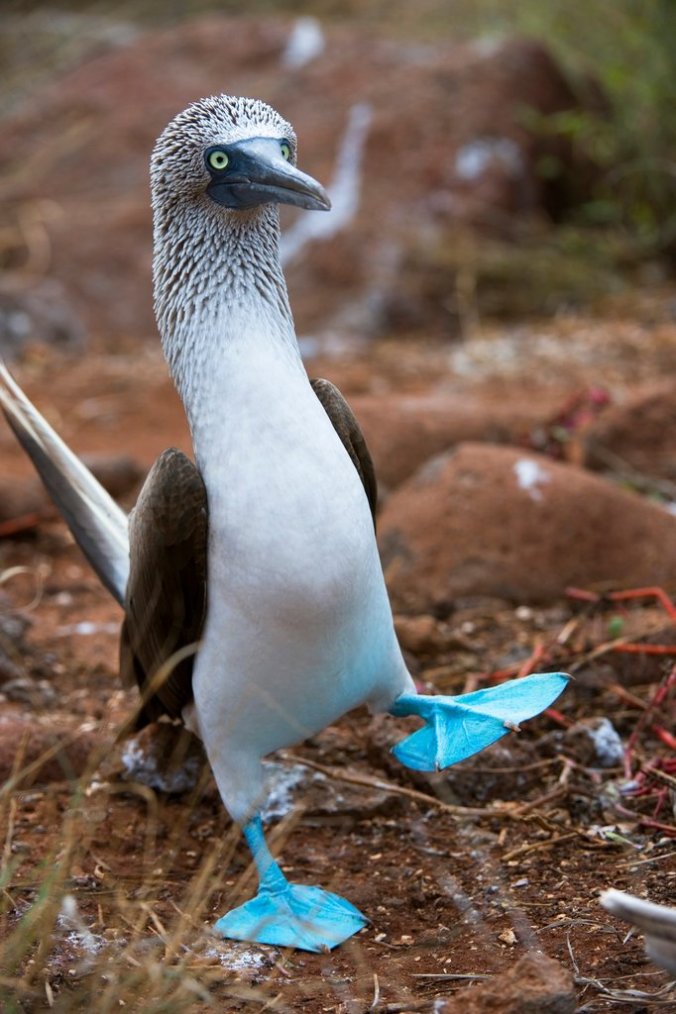
A booby doing its mating dance. Credit Wolfgang Kaehler/LightRocket, via Getty Images

We had missed one of our favorite science writers for a while and we are so happy she is back! In her latest outing, covering ground we thought was already familiar, we get some new clues to the meaning of their coloration and rituals:

On Galápagos, Revealing theBlue-Footed Booby’s True Colors

With no real predators, the birds live proud, public lives. That accessibility has proved a bonanza for scientists, casting light on their mating habits and even why the shade of their feet matters.

By Natalie AngierContinue reading

Chan Chich Wildlife

CCLBoard.jpg

A couple weeks back, there were a string of remarkable sightings, recorded by guests in a series of photos and then listed on the board by the Chan Chich Lodge reception area. That was a good preview for what happened yesterday, when guests arriving to the Lodge encountered a mature jaguar crossing the road. Continue reading

Marvelous Marvin’s Magical Mysteries

17039220_1419637051415082_6579151992410107862_o

At Chan Chich Lodge, in the northwest of Belize, something brings loyal guest back year after year, sometimes multiple times a year. There are many guests who have been coming to Chan Chich year after year for decades; there are more than a handful of guests who have had more than 200 total night stays at the Lodge, one couple approaching 300 nights and at least one couple approaching 400 nights. Having grown up in this business and knowing no other business, I do not have metrics to compare this level of loyalty to any other kind of business. Continue reading

Diving For Megalodon

cohen-aprehistorickillerburiedinmuck-1200

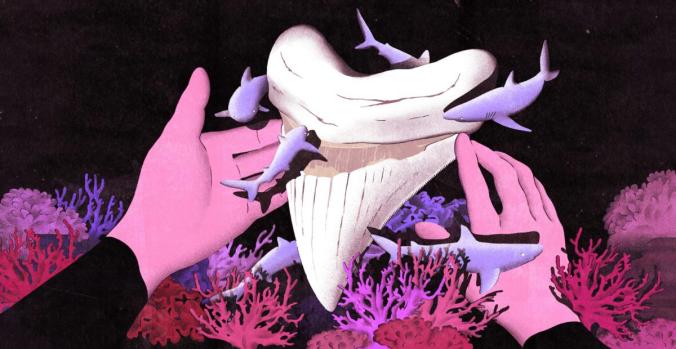
Hunting the teeth of the Megalodon, the largest shark that ever lived, can be very profitable—and very dangerous. ILLUSTRATION BY JEE-OOK CHOI

Thanks to Brent Crane for this posting about a search for one of prehistory’s wonders:

On a sunny January morning outside Richmond Hill, Georgia, Bill Eberlein, a fifty-two-year-old former I.T. specialist, went diving in a local creek. He wore a wetsuit, a drysuit, a dive hood, and an orange kayaking helmet affixed with a waterproof headlamp, whose ten thousand lumens would afford him six inches of visibility under the murky water. Continue reading

Cacao’s Curious Clues

4TB-amazon1-superJumbo.jpg

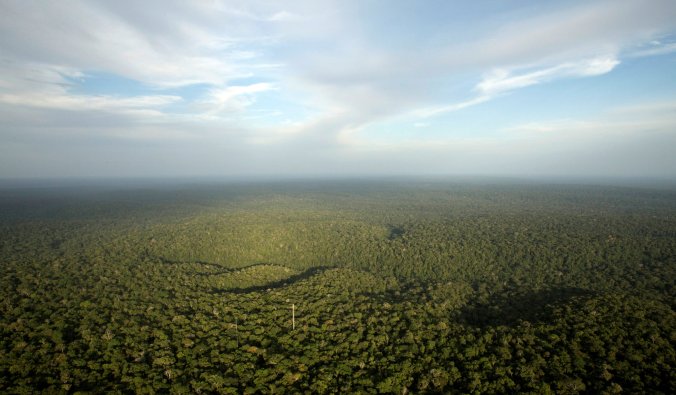
A view from the Amazon Tall Tower Observatory in São Sebastião do Uatumã, Brazil. A new study examines correlations between plant species in the forest today and archaeological finds. Credit Bruno Kelly/Reuters

Different day, different location, and our interest in cacao is  piqued again:

How the Amazon’s Cashews and Cacao Point to Cultivation by the Ancients

By

Scientists studying the Amazon rain forest are tangled in a debate of nature versus nurture.

Many ecologists tend to think that before Europeans arrived in the Americas, the vast wilderness was pristine and untouched by humans. But several archaeologists argue that ancient civilizations once thrived in its thickets and played a role in its development. Continue reading

Last Of A Kind

what-do-you-call-the-last-of-a-species-1200

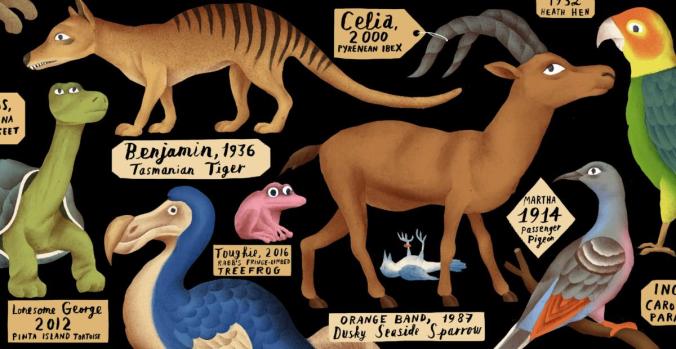
The word “endling” has given artists, writers, and others a new way to reckon with the meaning of extinction. ILLUSTRATION BY BJØRN LIE

Douglas Adams provided my first adult consideration of extinction, after a childhood fascination with dinosaurs, which I loved in part because of the mythology that their extinction seemed to encourage; Last Chance to See was an eye-opener, sad, funny and more. So this post on the New Yorker website catches my attention. Same depressing topic, with a New Yorker twist of wit:

WHAT DO YOU CALL THE LAST OF A SPECIES?

By Michelle Nijhuis

When Robert Webster, a physician in Jasper, Georgia, died, in 2004, he was survived by his wife of more than half a century, two daughters, four grandchildren, and a single word, which he had coined himself: “endling,” defined as the last person, animal, or other individual in a lineage.

Continue reading

Her Majesty’s Secret

adolescjags

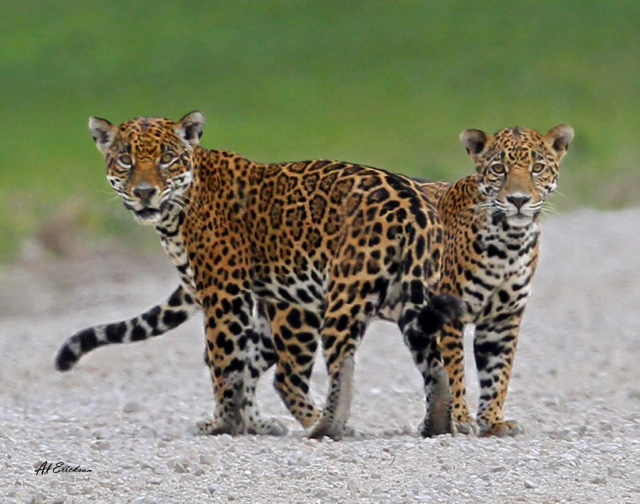
The guests of Chan Chich Lodge who had the good fortune to see her majesty last week were kind enough to share their photos. Thanks again to Al Erickson for his follow up visit the day after the mother jaguar was spotted, back to the same general location; this time he spotted these two adolescents wandering on the road. They must have been out of sight the day prior, mother guarding her secret while she posed for a portrait. This day, no secrets. Only pride.

Same Jaguar, Different Camera

ccljag1

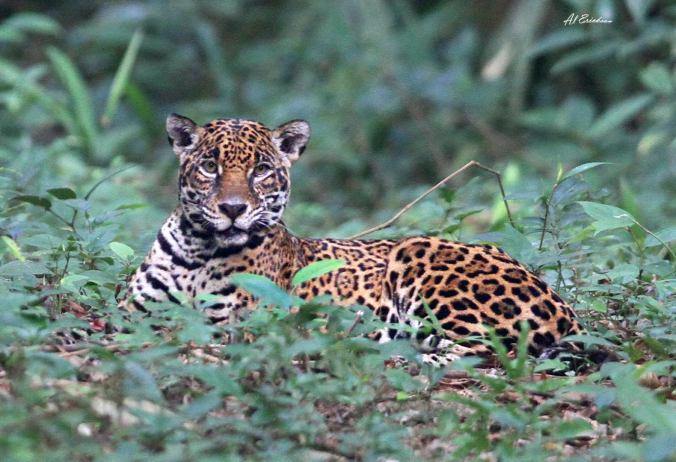
Yesterday I posted a couple images from a guest’s phone camera, including one of the cat above seen through the lens of a scope. What I did not know when I posted that was that another guide, Marvin who was with two other guests, had come upon the cat first and had signaled to Luis to bring his two guests to see the cat, which seemed quite relaxed in this location. Al Erickson, who is at Chan Chich primarily for photographing birds, took the photo above. Incidentally, he and his wife were the ones who pointed us to Bird Tales.

Jaguar & Other Surprises At Chan Chich Lodge

CCLJaguar.jpg

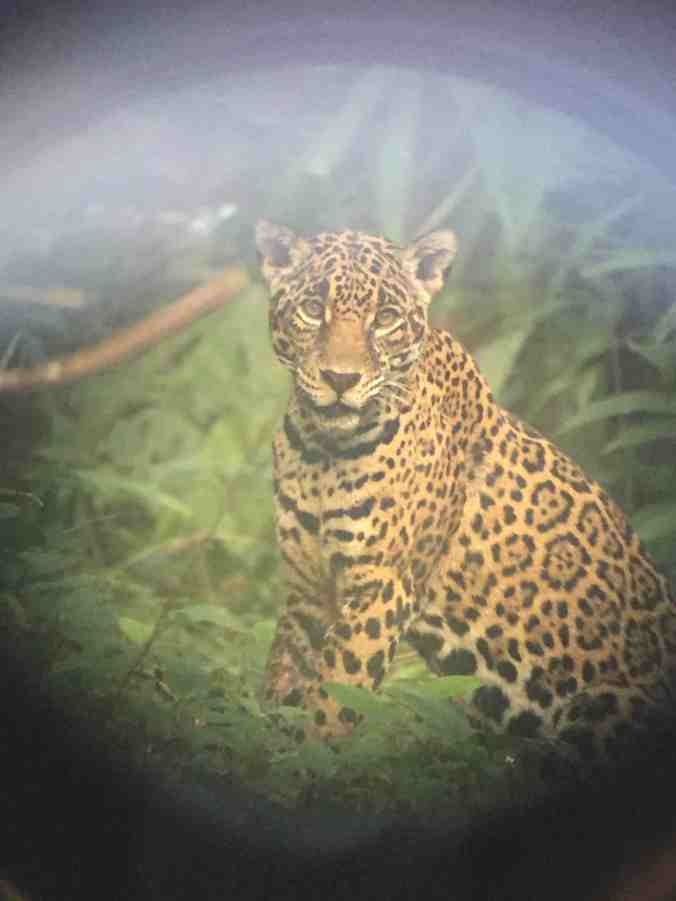
I was just starting to think how surprisingly awesome broccoli is, when a guest at Chan Chich Lodge showed me the photo he took about an hour ago. It was taken using his phone, through the scope that our guide Luis had while they were on the morning Gallon Jug tour. That complements well, to say the least, the photo the guest took with just his phone last night. Continue reading

Fossils, In Technicolor, Can Get You Thinking

tb17fossil2-master1050

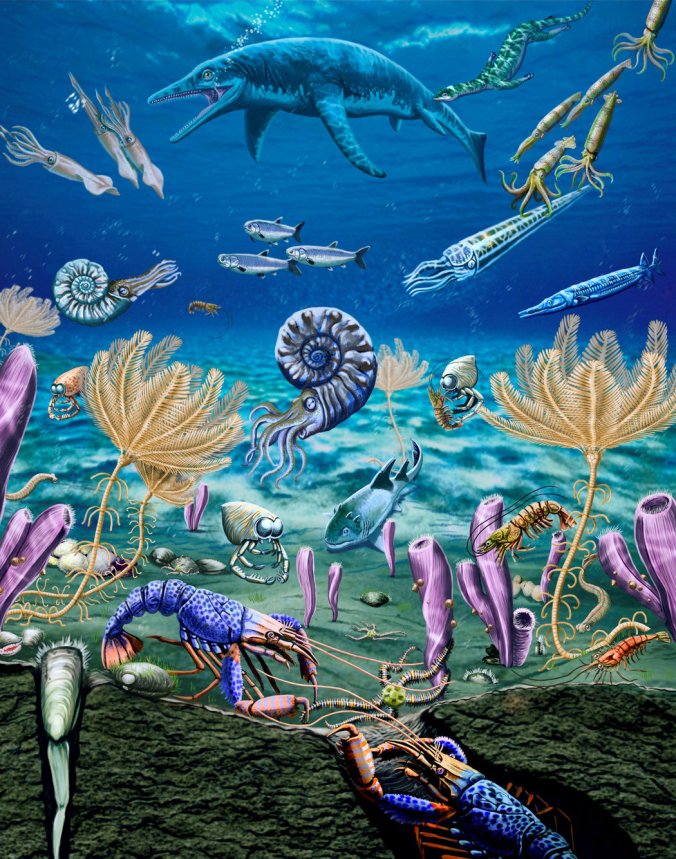
Evidence of marine life that was thriving about 1.3 million years after the largest mass extinction on Earth has been found in what is now Paris Canyon in Idaho. Credit Jorge Gonzalez

The moment I saw this illustration above I was taken back to the books of my childhood–the ones my parents knew I liked the best, and a favored gift on birthdays, with fantastic illustrations of prehistoric creatures. These books also taught me the value of a public library, where I could triple my inventory for weeks at a time, and they kept my flashlight in use after lights out.  Thanks to illustrator Jorge Gonzaelez for this memory, and for providing another reason to appreciate the importance of the work of Nicholas St. Fleur and his contemporaries, the new generation of science writers who bring natural history to life:

After Earth’s Worst Mass Extinction, Life Rebounded Rapidly, Fossils Suggest

By Nicholas St. Fleur

One day when L. J. Krumenacker was a teenager, he left his home to hunt for fossils. He drove about an hour and a half to Paris Canyon in Bear Lake County in southeastern Idaho and stopped at a foothill covered in sagebrush. Mr. Krumenacker got out of his car, picked up the first large rock he saw and smashed it with a hammer, uncovering seven or eight fossilized shark teeth. Continue reading