Beware & Resist The Frack

4896

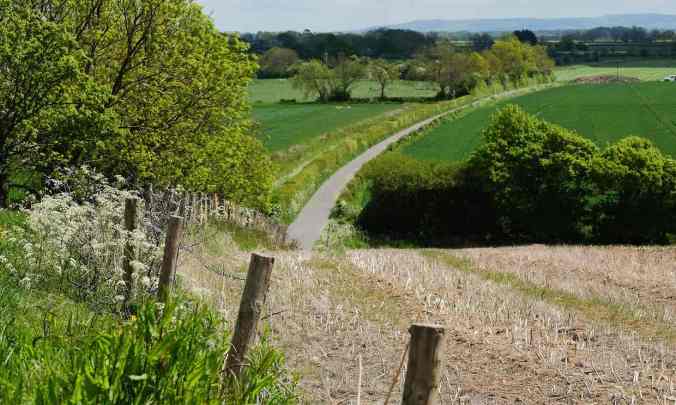
Countryside near the village of Kirby Misperton in North Yorkshire where a planning application by Third Energy to frack was recently approved. Photograph: Ian Forsyth/Getty Images

Many claim to tire of hearing about climate change, species extinction, threats from fracking and other environmental issues of great importance. Thanks to the Guardian for continuing to pay attention:

Majority of potential UK fracking sites are rich in important wildlife

Almost two-thirds of proposed areas have higher biodiversity, valuable for functions such as pollination and pest control, analysis shows

Many of the areas that have been recently marked as potential sites for fracking are rich in wildlife that perform crucial functions from pollination to decomposition, researchers have found.

Scientists say that almost two-thirds of the areas that have been labelled as suitable for shale gas extraction have levels of biodiversity equal to or above the national average, according to a new analysis of records collected from across the country. Continue reading
Great Brothers

smith-remembering-the-craigheads-01-690

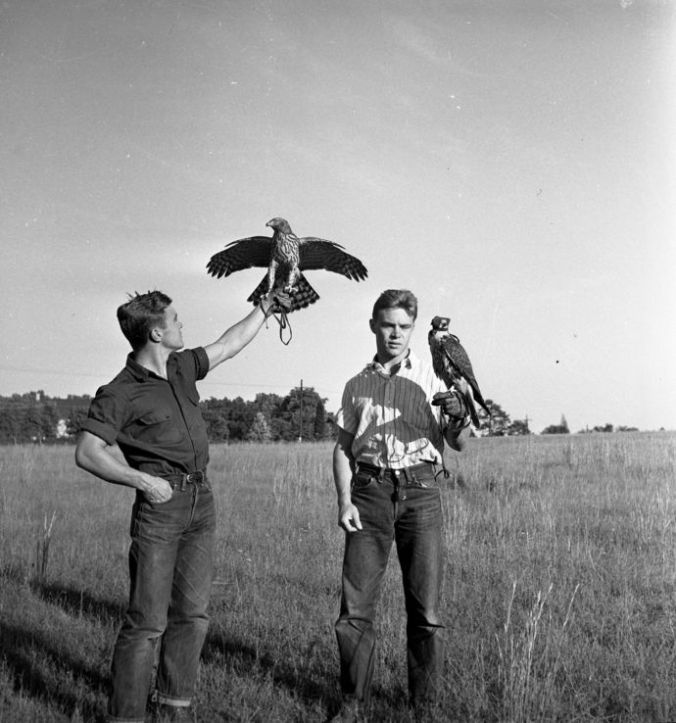
Frank Craighead, left, with a goshawk, and John Craighead, right, with a peregrine falcon, in the late nineteen-thirties.

It is rare that we link to remembrances or obituaries in these pages, but the rare occasions are typically when it was someone(s) who we did not know about and realize we should have. This seems to me to be one of those cases where I can recommend the short read about two superstars of the best variety. It starts with a melancholy air, but gets bright and is worth reading to the end:

REMEMBERING THE CRAIGHEADS, PIONEERS OF WILDLIFE BIOLOGY

At dawn on Sunday, September 18th, a blanket of clouds hung over the tawny grass mountainsides around Missoula, Montana. The cottonwoods had begun to turn yellow. Continue reading

The Great Iguana Comeback

11tb-iguana1-superjumbo

The Jamaican rock iguana, a critically endangered species, is making a comeback. Credit Robin Moore

We love comeback stories! Here is a great one from an island country that was featured in these pages much more last year, and we miss hearing about the place:

Jamaican Rock Iguanas Get a Shot at a New Home in the Wild

By

Meet the Jamaican rock iguana. Its scaly body stretches around two feet long, tail not included. Slate blue spikes stick up along its spine, and a saggy sac of loose skin wraps around its head like a hoodless cowl. When cornered, it strikes with its front claws — one reportedly ripped an eye from a dog. Continue reading

Underwater Pollination

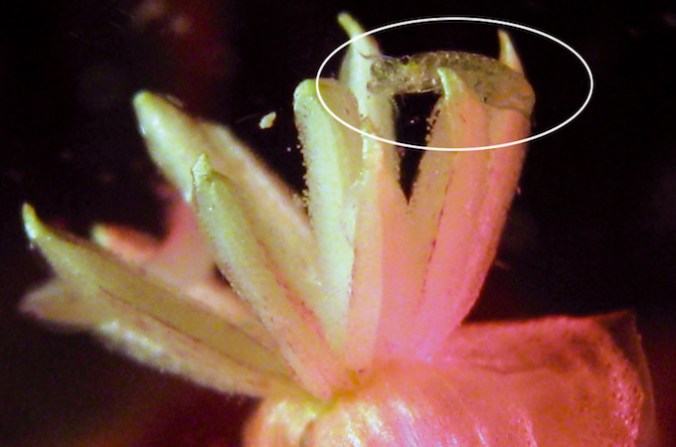
seagrass_pollinator

Image: Brigitta van Tussenbroek

We try to learn something new each day, and when we do, we pass it along here. Thanks to Conservation magazine for this one:

THE NEW UNDERWATER WORLD OF POLLINATION

Even at this relatively late stage in Earth’s exploration, it’s still possible to discover phenomena that are widespread, ecologically important, and—frankly—beautiful. Continue reading

Stromatolites & You

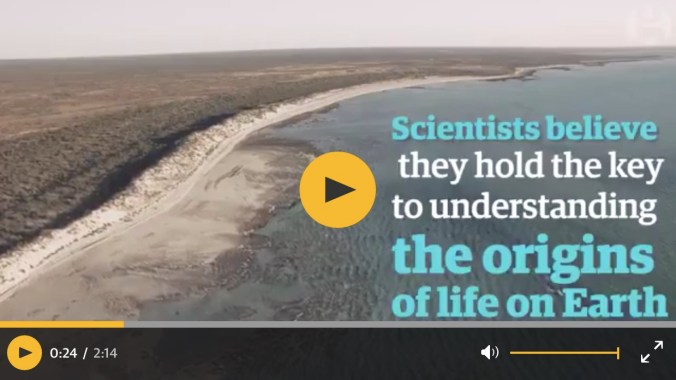
screen-shot-2016-10-09-at-10-29-39-am

We humans are part of a very tiny slice of history, whereas in Western Australia we can have a glimpse at a big slice of history. It is humbling, and at the same time inspiring. As good science journalism should be. We are not too proud to admit that these had completely escaped our attention until just now:

The natural wonder that holds the key to the origins of life – and warns of its destruction

Stromatolite-building bacteria once ruled the Earth, then changed its climate so much they nearly became extinct. Michael Slezak visits the world’s largest surviving colony in Hamelin pool, Western Australia

Just shy of the westernmost tip of the Australian continent lies a pool that provides an unparalleled window into the origins of life on Earth. In its warm, briny waters a biological process takes place that began just as the continents were starting to form.

It is this very process that made the abundance of life on the planet possible and studying it today promises insights into how life began as well as what the Earth was like 3.7bn years ago. Continue reading

Amboli’s Abundant Birdlife

We wouldn’t be true to one of our core interests if we didn’t take birding into account while doing our reconnaissance of the natural and cultural activities surrounding Aarvli.

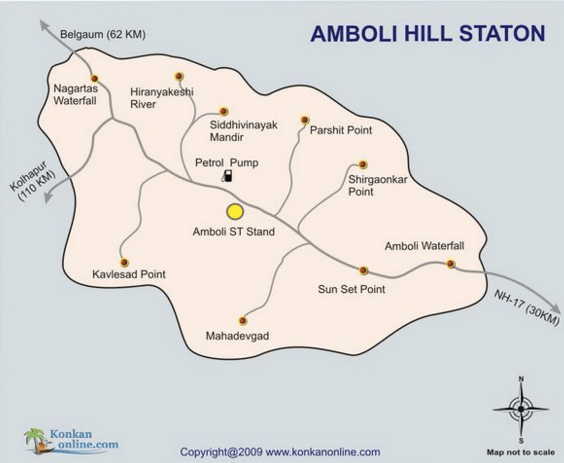
Crist’s trip to the Amboli Reserve earlier in the week was one such visit. A quick search of eBird hotspots turned up Amboli Village (with a count of 116 species) and  Amboli Forest (with a count of 65 species). The map above gives a brief sense of the multiple look out points that could prove to be excellent birding opportunities.  Continue reading

If You Happen to Be In Gainsville

This slideshow requires JavaScript.

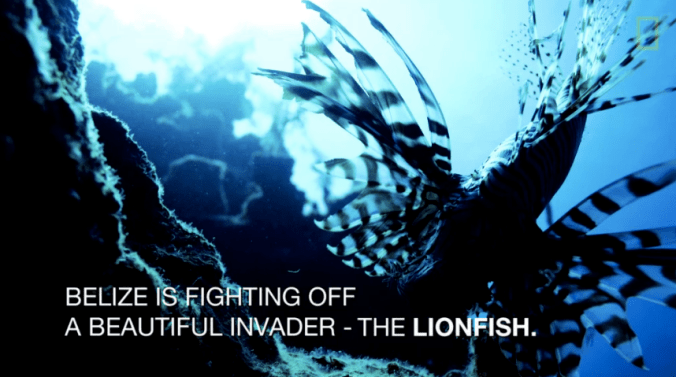
We’ve been posting on the environmental impact of the invasive lionfish ever since contributor Phil Karp took on the project of building a demand for the notoriously difficult to catch fish. Helping to build a market for the delicious meat and beautiful spines created income for local fishermen and their families in numerous areas of the Caribbean.

ReefSavers was created with all these goals in mind. Founded to gain control of the Lionfish population in the southeast US and Caribbean, they work toward both harvesting and developing a stable market in which supply can always meet the current demands. By unifying

the organizations working to control the Lionfish outbreak into a cohesive market place. Channeling all harvested Lionfish through a centralized market place will allow for a more stabilized fishery. With the creation of the Lionfish Market Place organizations will have a centralized place to sell their catch and buyers will not have to worry about limited supplies. By opening the Lionfish Market buyers for the whole state of Florida will be connected with a more constant supply, in turn this access will help to grow the industry and put revenue into the hands of the people trying to fight the outbreak.

The ReefSavers team came up with innovative strategies to help with supply and demand logistics, fanning the market for the fish for both chefs and more importantly, consumers. Welcome the Lionfish Invasion Tour in Gainsville, Florida! Continue reading

A River Runs Through Amboli Reserve

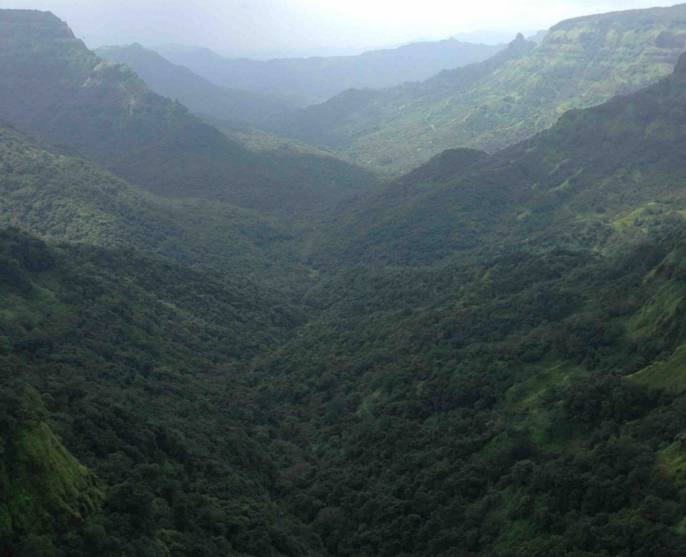
On my Saturday afternoon I followed up a morning of farm visits with a visit to the local agricultural research extension of the state university. More on that tomorrow. For now, I want to share some images from my Sunday exploration about an hour from the farms described, due inland and into the Western Ghats. Specifically, Amboli Reserve, which is in the view above.

Continue reading

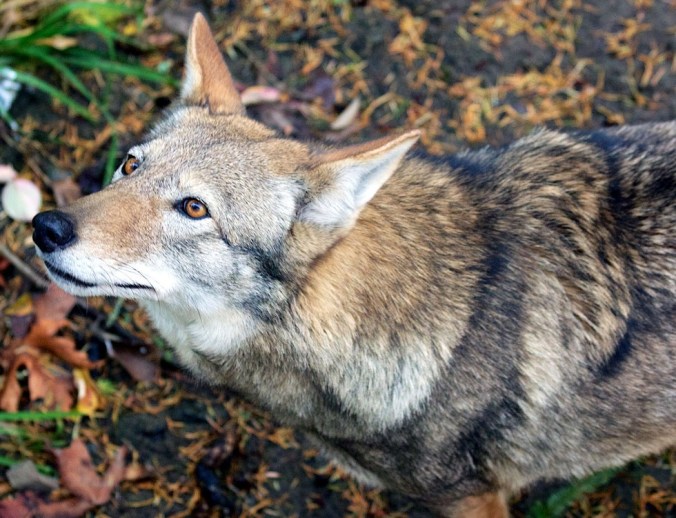
45 Red Wolves Remain In North Carolina

980x (3).jpg

Captive red wolf at Species Survival Plan facility, Point Defiance Zoo and Aquarium (Tacoma, Washington).B. Bartel / USFWS

Thanks to EcoWatch for this news

The U.S. District Court for the Eastern District of North Carolina today issued a preliminary injunction that orders the U.S. Fish and Wildlife Service (USFWS) to stop capturing and killing—and authorizing private landowners to capture and kill—members of the rapidly dwindling population of wild red wolves. Continue reading

Down An Amazing Rabbithole

Yesterday’s post got us looking through the MacArthur Foundation’s website, and lots of worthy material there to investigate, including this news we missed a couple months back. In some ways the findings are intuitive, and maybe seem not surprising; but the scientific evidence of the challenges facing biodiversity on the planet are certainly useful for policy planning, not to mention strengthening our resolved commitment to entrepreneurial conservation:

screen-shot-2016-09-25-at-3-23-18-pmMost Biodiverse Countries Spending the Least on Conservation, Study Finds

biodiversity-200.jpg.580x580_q85.jpgCountries that contain most of the world’s species biodiversity are also spending the least on a per-person basis to protect these natural assets, according to a MacArthur-supported study by theWildlife Conservation Society and the University of Queensland. Countries near or in the tropics, where most of the world’s diversity is located, spent the least on biodiversity conservation. The report recommends engaging leadership of these countries and promoting conservation through existing social traits within cultures that do not currently prioritize conservation.  Continue reading

Beauty Is A Beast

3029

Culling could undermine the viability of the entire Norwegian wolf population, say conservationists. Photograph: Roger Strandli Berghagen

We love sheep, and sheep farmers, and shepherds, and wool, and so on. But we cannot read this without feeling more sympathy for the wolves, at this moment:

Norway’s wolf cull pits sheep farmers against conservationists

Norway’s recent decision to destroy 70% of its tiny endangered population of wolves shocked conservationists worldwide and saw 35,000 sign a local petition. But in a region dominated by sheep farming support for the cull runs deep

Elisabeth Ulven and Tone Sutterud in Oslo

Conservation groups worldwide were astonished to hear of the recent, unprecedented decision to destroy 70% of the Norway’s tiny and endangered population of 68 wolves, the biggest cull for almost a century. Continue reading

Bees, Status, Survival Of The Fitted

1004542_1_0922-bumble-bee_standard

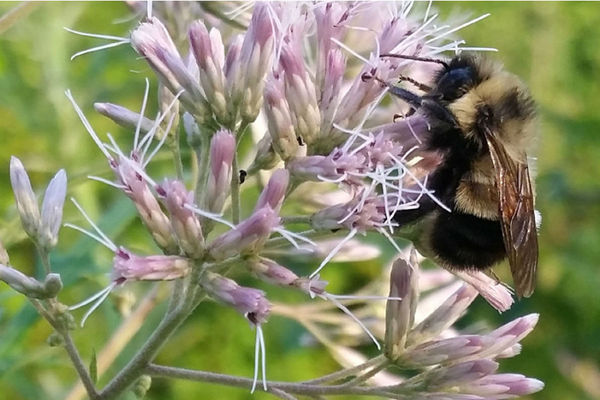
A rusty patched bumble bee, under consideration for listing as an endangered species by the US Fish and Wildlife Service, pollinates a flower in Madison, Wis. Rich Hatfield/Reuters/File

The CS Monitor has an article today that raises an interesting question, whether the same rules that have worked well for eagles, owls, fish, wolves and bears (among other animal species) would be effective for the humble bumble bee and other similar creatures. We see a very good fit between the problem, which we have noted here frequently, and the solution, whose track record is not perfect but it is clearly the best mechanism we’ve got:

Could putting a bumble bee on the endangered list save it?

By Weston Williams

The past several years have not been kind to the humble bee.

But perhaps none suffer more than the rusty patched bumble bee, orBombus affinis, a fuzzy insect with a rust-colored patch on its abdomen. The bee used to be a common sight across the Midwestern United States, but now, the bee struggles to survive in a habitat broken apart by increased farming and commercial development.

The US Fish and Wildlife Service (FWS) is proposing to list the bee as endangered, which would grant it significant protections and hopefully save the bee from extinction. Continue reading

Lionfish Tales

This is issue has been on our radar for some time, in most part due to contributor Phil Karp‘s posts on his work with groups in Belize and other parts of the Caribbean focused on this goal. The concept of “If You Can’t Beat ’em, Wear ’em” carries a powerful message of innovative practices to manage the invasive species that’s causing havoc in the southern Atlantic and Caribbean waters. Continue reading

The Future Of Coffee Matters To Us For More Than One Reason

3000

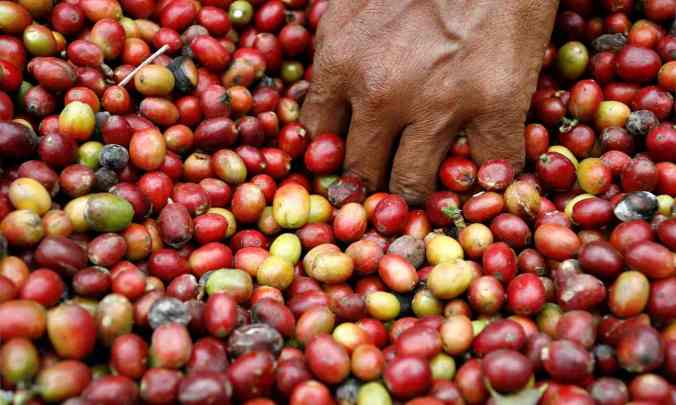
A farmer with coffee cherries from his latest crop, the seeds of which are roasted, ground and brewed to make coffee. Photograph: YT Haryono/Reuters

We work in several countries where coffee production is important to the national economy. We serve coffee in every property we have ever managed. Many of us working in La Paz Group are coffee junkies.

But more than that, as I have mentioned at least once in these pages, we care extra deeply about the future of coffee because on one of the properties we manage, some excellent arabica estate coffee is growing in the shade of a rainforest canopy. I owe you more on that topic. For now, what has my attention is ensuring the long run sustainability of this organic coffee production.

So you can be sure of where some of our team members will be next Tuesday. Join us if you can:

Climate change is threatening the world’s coffee supplies: what can we do? – live chat

Join us on this page on Tuesday 20 September, 2-3pm (BST), to debate the future of coffee, and the millions who depend on it, in the face of climate change

What we’ll be discussing Continue reading

Seagrass In The Food Chain

090616_Daru_0005.jpg

Harvard University Post-Doctoral Fellow in Organismic and Evolutionary Biology, Barnabas Daru, researches seagrasses of the world. He is at Carson Beach in South Boston, where he found no seagrasses. Rose Lincoln/Harvard Staff Photographer

Postdoctoral researchers contribute to scientific knowledge akin, perhaps, to the way seagrass contributes to the robustness of a marine ecosystem’s biodiversity:

Strong case for seagrass

Researcher behind biodiversity analysis cites key role in food chain

By Alvin Powell, Harvard Staff Writer

new analysis of a key contributor to the marine food web has turned up a surprising twist: more unique species in cooler waters than in the tropics, a reversal of the situation on land.

The findings highlight the need to direct limited conservation dollars according to science, with a focus on places where biodiversity is most at risk, said Barnabas Daru, Harvard Herbaria Postdoctoral Fellow in Organismic and Evolutionary Biology, who performed the analysis on the world’s 70 species of seagrass.

Daru acknowledged that seagrass isn’t as exciting as sharks or tuna, or as marine mammals such as seals, dolphins, and manatees. But for anyone who cares about the health of marine animals, he said, the role of humble seagrass at the beginning of the marine food chain is key. Continue reading

Using Those Final Months Well

midwayatoll_wide-1f160673ec1ed0fd74e6f9d1873a19f4ecc530f8-s1100-c85

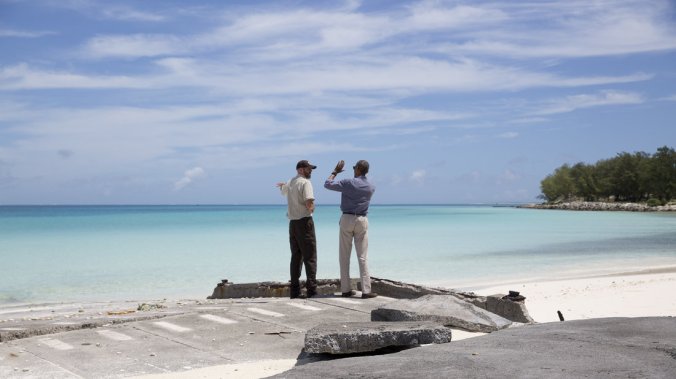
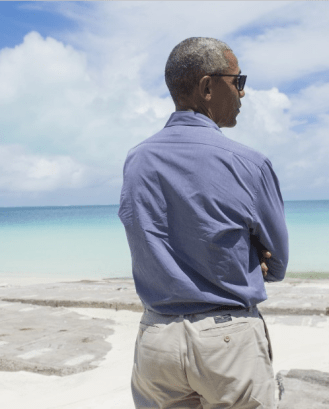
President Barack Obama on Midway Atoll in the Papahānaumokuākea Marine National Monument, Northwestern Hawaiian Islands, earlier this month with Marine National Monuments Superintendent Matt Brown. Obama expanded the monument using his authority under the 1906 Antiquities Act. Carolyn Kaster/AP

We are happy to see the Antiquities Act again proving so useful, so soon (the clock is ticking):

Obama To Designate First Marine National Monument In The Atlantic Ocean

During the Our Ocean conference later this morning in Washington, D.C., President Obama will establish the first national marine monument in the Atlantic Ocean.

The area of the Northeast Canyons and Seamounts Marine National Monument is the size of Connecticut and has been called an “underwater Yellowstone” and “a deep sea Serengeti.” Continue reading

The Man Behind The Hidden Life of Trees

3648

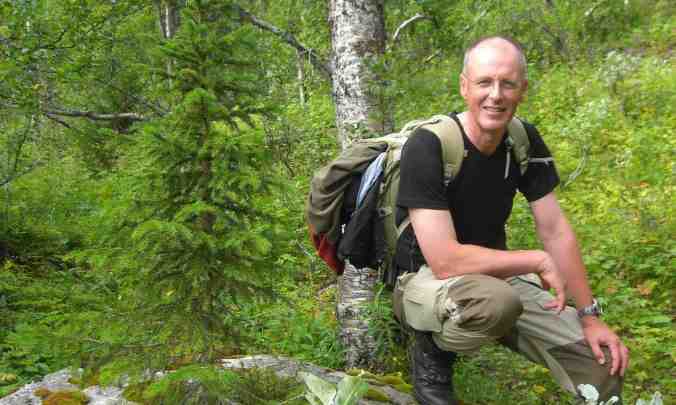
Trees a crowd … Peter Wohlleben and friends. Photograph: Peter Wohlleben

9781771642484The man who thinks trees talk to each other

Beech trees are bullies and willows are loners, says forester Peter Wohlleben, author of a new book claiming that trees have personalities and communicate via a below-ground ‘woodwide web’

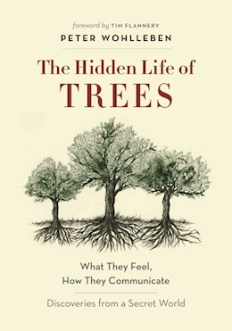
Early this year I linked out to a profile of Peter Wohlleben, and that post was remarkably well received. The post about the woodwide web concept more recently, clearly connected conceptually, was also well received, while pointing to the findings of other researchers (if you did not listen to the Radio Lab piece, do yourself a favor and do so). I am happy to link to more about the ideas in this book, and to learn more about the man himself:

Trees have friends, feel loneliness, scream with pain and communicate underground via the “woodwide web”. Some act as parents and good neighbours. Others do more than just throw shade – they’re brutal bullies to rival species. The young ones take risks with their drinking and leaf-dropping then remember the hard lessons from their mistakes. It’s a hard-knock life.

Continue reading

The Medicine We Fear Instinctively

Specter-Gene-Drives-And-Endangered-Birds-1200.jpg

Genetically modified mosquitoes could be the solution to Hawaii’s quickly disappearing avian population, including the island’s famous honeycreepers. PHOTOGRAPH BY RESOURCE HAWAII / ALAMY

Michael Specter writes frequently (but not exclusively) about frighteningly unpleasant, sometimes devastatingly horrible topics with grace not often found in technically rigorous writing. Here, in a short post, he addresses the prospects of a technology many rightly fear and its potential to address many rightly feared environmental (the one in the title below obviously catches our attention) and health challenges:

COULD GENETICALLY MODIFIED MOSQUITOES SAVE HAWAII’S ENDANGERED BIRDS?

By

Every four years, thousands of environmentalists gather at the World Conservation Congress to assess the state of the planet, and to consider what might be done to protect it.  Continue reading

VLMPAs Face Risks of Becoming Paper Parks

Image © CNN

President Obama at Midway Atoll. Image © CNN

Two definitions are needed here at the outset: VLMPAs are “very large marine protection areas” and “paper parks” is a phrase used by conservationists and researchers to convey the idea of parks designated by governments only on paper – that is, they don’t get appropriate funding or management to create actual conservation within park limits. Most paper parks are found in developing nations where politicians may have good intentions in setting aside land to protect, but then don’t have enough resources to enforce the rules adequately, or in worse-case scenarios turn a blind eye to extraction if it favors them. Last week I discussed a possible race for bigger parks, and both examples happened to be marine in nature. Two researchers have commented in the academic journal Marine Policy to warn against creating ever-larger marine parks in remote areas that might be hard to monitor, unless there’s commitment for real enforcement. John Vidal reports:

“It is not enough to simply cover the remotest parts of our oceans in notional ‘protection’ – we need to focus on seas closer to shore, where most of the fishing and drilling actually happens,” said Peter Jones, a marine researcher at University College London.

Co-author Elizabeth de Santo, an assistant professor at Franklin and Marshall College in Pennsylvania, added that the push for quantity over quality threatens to undermine sustainability.

Continue reading

Papahānaumokuākea Quadrupled

Humuhumunukunukuāpua`a, the state fish of Hawaii (reef trigger fish) via statesymbolsusa.org

Hot on the heels of the creation of the new Katahdin Woods and Waters National Monument comes the expansion of Papahānaumokuākea Marine National Monument, which was designated by President George W. Bush in 2006 and became a World Heritage site four years later. This growth in the protected area quadruples the conservation monument’s size to 582,578 square miles and has been accomplished under President Barack Obama’s use of the Antiquities Act. Oliver Milman reports:

The monument, which is now double the size of Texas, stretches outward from the north-western Hawaiian islands and includes Midway Atoll, famed for its former military base and eponymous battle that was crucial in the US defeat of Japan in the second world war. The protected area is now larger than the previous largest marine reserve, situated around the Pitcairn Islands and announced by the UK last year.

Continue reading