Scotland, Running On Almost 100% Renewables

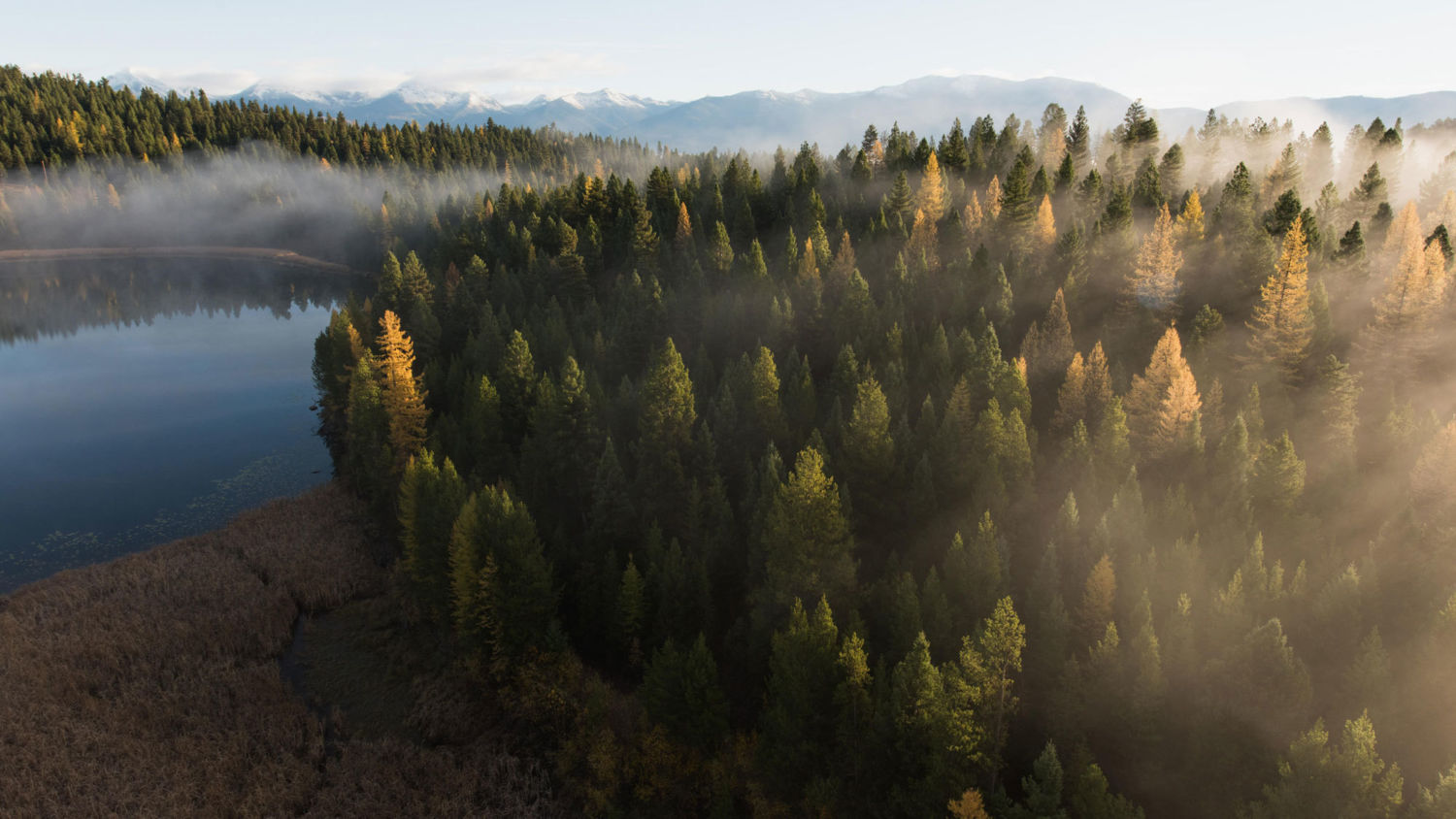
GETTY IMAGES. Scotland’s renewables output has tripled in 10 years

Thanks to Scotland, for the ambition and demonstration; and to the BBC for reporting this:

Renewables met 97% of Scotland’s electricity demand in 2020

GETTY IMAGES. WWF Scotland is calling for an increased roll-out of electric vehicles

Scotland has narrowly missed a target to generate the equivalent of 100% of its electricity demand from renewables in 2020.

New figures reveal it reached 97.4% from renewable sources.

This target was set in 2011, when renewable technologies generated just 37% of national demand. Continue reading

Power Plants Signal Intent

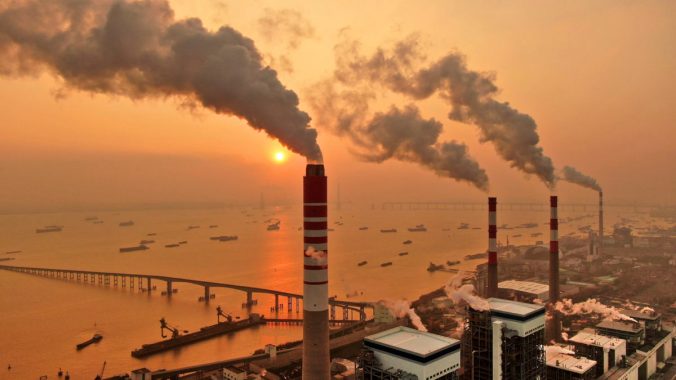
A coal-fired power plant in China’s Jiangsu province. XU CONGJUN – IMAGINECHINA

What is the real intent on addressing climate change, we must wonder:

Despite Pledges to Cut Emissions, China Goes on a Coal Spree

China is building large numbers of coal-fired power plants to drive its post-pandemic economy. The government has promised a CO2 emissions peak by 2030, but the new coal binge jeopardizes both China’s decarbonization plans and global efforts to tackle climate change.

China’s National People’s Congress meetings, which ended earlier this month, were shrouded in both a real and figurative haze about how strong its climate ambitions really are and how quickly the country can wean itself from its main source of energy — coal. Continue reading

Bottom Trawling’s Carbon Release

Beam trawlers’ heavy chains are dragged along the seabed, releasing carbon into the seawater. Photograph: aphperspective/Alamy

One of the many things that humans have been doing for a long time that are going to have to change:

Bottom trawling releases as much carbon as air travel, landmark study finds

Dragging heavy nets across seabed disturbs marine sediments, world’s largest carbon sink, scientists report

Fishing boats that trawl the ocean floor release as much carbon dioxide as the entire aviation industry, according to a groundbreaking study.

Bottom trawling, a widespread practice in which heavy nets are dragged along the seabed, pumps out 1 gigaton of carbon every year, says the study written by 26 marine biologists, climate experts and economists and published in Nature on Wednesday. Continue reading

Turning Point In USA’s Transition To Electric Vehicles

General Motors has partnered with EVgo to deploy more than 2,700 fast chargers across the U.S. CREDIT: GM

John Paul MacDuffie and Sarah E. Light, both professors at the Wharton School of Business at the University of Pennsylvania, have published an article on Yale E360 highlighting the improving potential for electric vehicles to dominate the USA market sooner than previously expected:

EV Turning Point: Momentum Builds for U.S. Electric Vehicle Transition

Driven by GM, Tesla, and the Biden administration, the U.S. is now poised to press ahead in the transformation to electric vehicles. Big challenges still loom, but technological advances, government support, and growing consumer appeal will drive the inevitable switch to EVs.

Last month’s failure of the Texas electric grid, coming just weeks after General Motors’ pledge to make only electric vehicles by 2035, highlights the daunting task the United States faces as it takes the first steps toward weaning its economy off fossil fuels. Continue reading

Corn Belt Soil

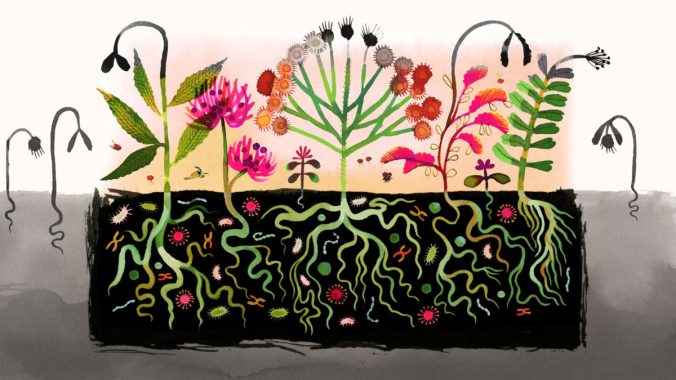
ENZO PÉRÈS-LABOURDETTE / YALE E360

Thanks to Verlyn Klinkenborg for this essay:

How the Loss of Soil Is Sacrificing America’s Natural Heritage

A new study points to a stunning loss of topsoil in the Corn Belt — the result of farming practices that have depleted this once-fertile ground. Beyond diminished agricultural productivity and more carbon in the atmosphere, it is a catastrophic loss of an irreplaceable resource.

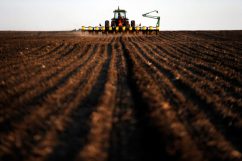
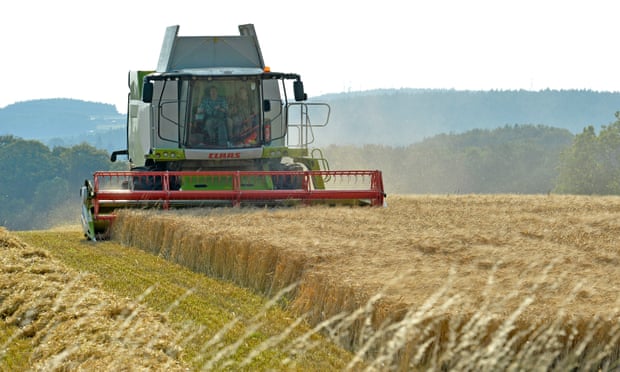
A corn field being planted in Hull, Sioux County, Iowa. MELINA MARA/ THE WASHINGTON POST VIA GETTY IMAGES

Geologically speaking, I grew up in a small farm town on the Des Moines lobe, a huge tongue-shaped remnant of glacial activity that reaches south across central Iowa. All around us were mollisols with a deep A-horizon — a type of rich black topsoil visible in farm fields for miles in every direction. In school we were taught only one thing about that soil: to be proud of it. It was a given, a blessing, a moral fact. In a sense, it seemed to have no history. Continue reading

Dry Season Here; Massive Tree-Planting There

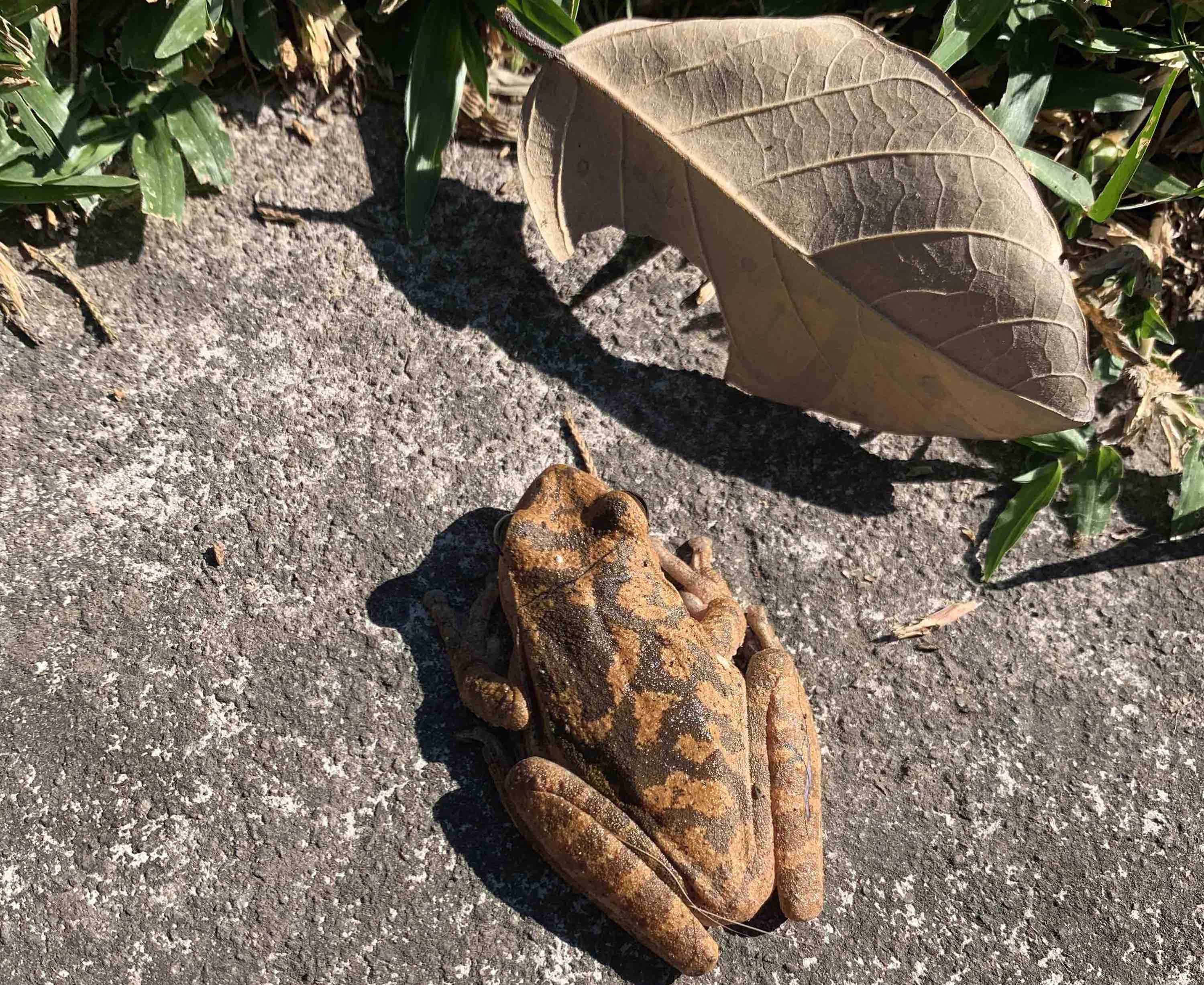
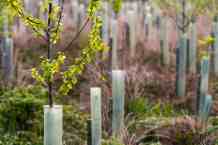
We got as many trees in the ground as we could during 2020, and since it has been dry season for a couple months now we are mostly in maintenance mode. The most pleasure to be had during these months is seeing how the wildlife on our small plot of land changes. For example, the creature above, which I saw yesterday. I believe it is a Drab Tree Frog, but if you have a different opinion please let me know. Tomorrow we begin coffee germination, take two–and I will post on that. Meanwhile, thanks to the Guardian’s coverage of the environment, we have this news:

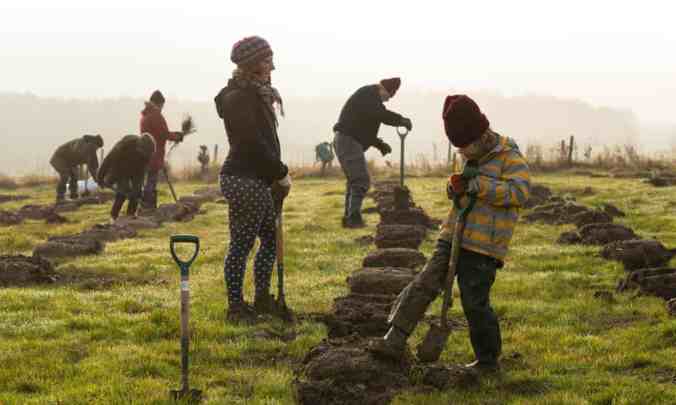
Volunteers helping on project for Woodland Trust, which sent out a million trees last year. Photograph: Philip Formby/PA

Digging in: a million trees planted as villages and schools join climate battle

Community forest projects have seen a surge in volunteers keen to reduce CO2 emissions by creating new woodlands

According to the Horticultural Trades Association, garden centre sales of hardy plants, shrubs and trees have soared. Photograph: Alamy

The UK may be in the grip of a winter lockdown but in one village on the edge of the Yorkshire Dales the local climate-change group has been busy.

Plans are afoot to plant hundreds of trees on land surrounding Newton-le-Willows, in lower Wensleydale, in an effort to tackle the climate crisis. According to scientists, planting billions of trees across the world is one of the biggest and cheapest ways of taking CO2 out of the atmosphere. Continue reading

Yaak Valley’s Fate, To Be Determined

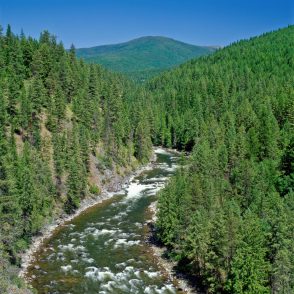
The Biden Administration’s next few weeks may decide the fate of the remote Yaak Valley, on Montana’s Canadian border. Photograph by John Lambing / Alamy

Bill McKibben’s weekly newsletter, as usual, has gems worthy of attention, and the fate of the Yaak Valley qualifies:

The blizzard of federal climate initiatives last week (a blizzard that might help allow actual blizzards to persist into the future) is without precedent. For the first time in the thirty-plus years of our awareness of the climate crisis, Washington roused itself to urgent action; veterans of the cautious Obama Administration—the domestic climate adviser Gina McCarthy and the global climate czar John Kerry chief among them—were suddenly going for broke. In fact, only one branch of the Cabinet seemed conspicuous by its muted presence: the Department of Agriculture, which has responsibility for the nation’s farms and for many of its forests—that is, for the natural features that will either speed or slow the flow of carbon into the atmosphere. Continue reading

Waking Up 30 Years & Billions Of Tons Of Carbon Dioxide Behind Schedule

Elizabeth Kolbert rarely, if ever, could be faulted for sugar coating anything, but here she is lauding the simple act of the government of the USA talking about climate change again:

A New Day for the Climate

It remains to be seen whether Joe Biden’s sweeping climate directives can make a meaningful difference, but a critical threshold has been crossed.

Illustration by João Fazenda

Nine years ago, Senator Sheldon Whitehouse had a sign made up that showed a photograph of the Earth as seen from space. “time to wake up,” it urged, in large, unevenly spaced letters. Every week that the Senate was in session, Whitehouse, a Democrat from Rhode Island, would tote the sign to the chamber, set it on an easel, and, before a hundred chairs—most of them empty—deliver a speech. Though the details changed, the subject of the speech remained the same. Continue reading

Making A Better Carbon Chain

Animation by Megan McGrew/PBS Newshour

Thanks to Isabella Isaacs-Thomas and PBS Newshour for a look at our carbon chain through the lens of a scientist determined to making that chain more sustainable:

How this chemical engineer is hacking plastic production to promote sustainability

The products many of us purchase on a regular basis — the water bottles, clothes and, perhaps especially in the era of COVID, take-out containers from our local restaurants — are often plastic, disposable and bound to outlive us for generations. But the enormous amount of plastic waste that humans leave behind is a logistical and ecological nightmare, and experts say potential solutions must be approached from multiple angles, both for the planet’s sake and for our own. Continue reading

First Things First

Last week I walked with my grand-daughter among these almendro trees. Amie and I helped plant these when they were foot-high saplings in 2019, and we tagged one with our grand-daughter’s name. The trees, now 3+ feet high, are part of a coastal reforestation scheme; their beneficence includes producing fruits favored by scarlet macaws.

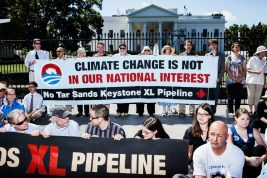
Demonstrators gather in front of the White House to protest the proposed Keystone XL pipeline, in the summer of 2011. Photograph by Melissa Golden / Redux

Everyone loves scarlet macaws. And these trees grow faster than our grand-daughter, giving constant positive feedback. When you have an opportunity to do something like plant a tree, or any other restorative act, first things first: do it. Thanks to Bill McKibben for pointing this out as one of the highlights of yesterday’s change of scenery in Washington, D.C.:

Joe Biden’s Cancellation of the Keystone Pipeline Is a Landmark in the Climate Fight

In his first hours in office, Joe Biden has settled—almost certainly, once and for all—one of the greatest environmental battles this country has seen. He has cancelled the permit allowing the Keystone XL pipeline to cross the border from Canada into the United States, and the story behind that victory illustrates a lot about where we stand in the push for a fair and working planet. Continue reading

Natural Corks Perform Ecosystem Services

Thanks to Sarah Kennedy and ChavoBart Digital Media for this story at Yale Climate Connections:

The surprising link between wine corks and climate change

Give a toast to cork forests, which store a great deal of carbon pollution.

If you open a bottle of champagne or wine this New Year’s Eve, take a look at the stopper.

In recent years, plastic stoppers and screw tops have come on the market as alternatives to natural cork, but cork can be better for the climate.

Cork is harvested in the Mediterranean from the bark of cork oak trees. The process does not harm the tree, and the bark regrows. But the first harvest cannot begin until the tree is about 25 years old. Continue reading

Ending Perverse Subsidies

The wealthiest landowners – those receiving payments over £150,000 a year – will face the sharpest cuts. Photograph: Owen Humphreys/PA

We post so much about farming on this platform that it could be considered a major topic of interest. Subsidies, less so, but just as with farming there are both better and worse forms of subsidies. We favor reforming the perverse ones, and so cheer this news:

Environment to benefit from ‘biggest farming shake-up in 50 years’

£1.6bn subsidies for owning land in England to end, with funds going to improve nature

Wildlife, nature and the climate will benefit from the biggest shake-up in farming policy in England for 50 years, according to government plans.

The £1.6bn subsidy farmers receive every year for simply owning land will be phased out by 2028, with the funds used instead to pay them to restore wild habitats, create new woodlands, boost soils and cut pesticide use.

The wealthiest landowners – those receiving annual payments over £150,000 a year – will face the sharpest cuts, starting with 25% in 2021. Those receiving under £30,000 will see a 5% cut next year. Continue reading

Does Planting A Trillion Trees Sound Implausible?

A nursery manager plants a whitebark pine at Glacier National Park in Montana in September 2019, part of an effort to restore vegetation following a wildfire. (Chip Somodevilla/Getty Images)

Here in Iota-drenched Costa Rica there is damage from this hurricane and from the one that just ended a week earlier, but it is minuscule compared to what Nicaragua and Honduras have sustained. If you are scientifically inclined, then two complementary ideas are easy to digest: 1) the people suffering most from the effects of climate change are among the least responsible for causing it; and 2) they live in places that may be best-suited for mitigating it.  For our part, planting trees when coffee is purchased is a drop in the ocean of need. A story we missed from a few months ago gives some hope that this particular idea has a future:

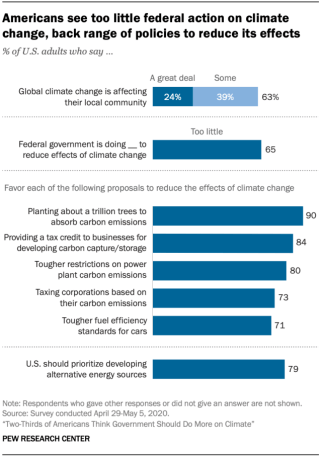
Two-Thirds of Americans Think Government Should Do More on Climate

Bipartisan backing for carbon capture tax credits, extensive tree-planting efforts

A majority of Americans continue to say they see the effects of climate change in their own communities and believe that the federal government falls short in its efforts to reduce the impacts of climate change.

At a time when partisanship colors most views of policy, broad majorities of the public – including more than half of Republicans and overwhelming shares of Democrats – say they would favor a range of initiatives to reduce the impacts of climate change, including large-scale tree planting efforts, tax credits for businesses that capture carbon emissions and tougher fuel efficiency standards for vehicles, according to a new Pew Research Center survey. Continue reading

Protecting Peat Bog Is Big

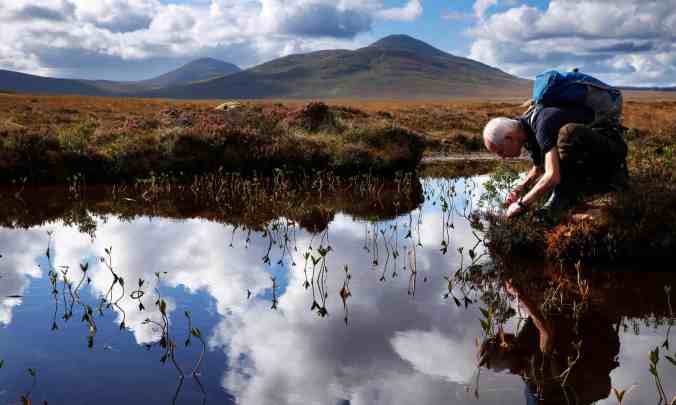
Andrew Coupar, a NatureScot peatlands expert, at the Forsinard visitor centre. Photograph: Murdo MacLeod/The Guardian

If you go to the home improvement center, or any gardening shop, you will see this stuff in plastic bags, ranging in size from small pillow to half-bale. If you purchase it you are buying into a destructive practice that goes beyond the destruction of amazingly beautiful landscape. If heritage status helps end that, we are all for it:

World heritage status for Scottish peat bogs could help UK hit net zero goals

Hopes rise that the Flow Country, the world’s largest carbon store, could become first peatland to win the status

Ecologists estimate that while peatlands cover only 3% of the Earth’s land surface, they hold 30% of the carbon stored on land. Photograph: Murdo MacLeod/The Guardian

Andrew Coupar has crouched down by a small pool, its surface peppered with the small stalks of bogbean. In autumn its dark green oval leaves echo the muted browns, greens and ochres of the surrounding peatland.

In spring, however, the bogbean’s pink-fringed white flowers put on a remarkable display, carpeting the cluster of pools that mirror the blue skies and light clouds above and, along the horizon to west, the mountains of Sutherland. Continue reading
A 2020 Bright Spot

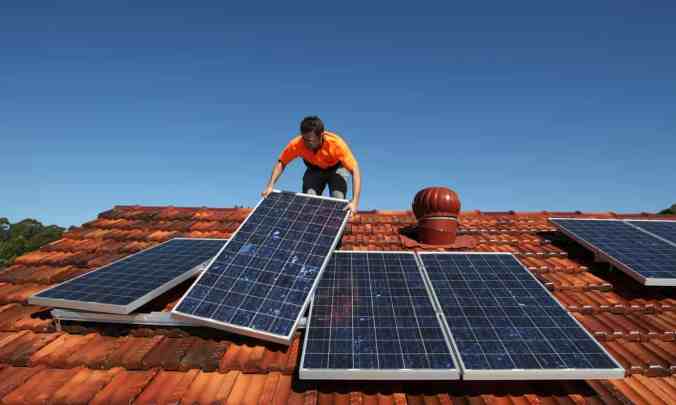
Solar panels are installed on to the roof of a house in Sydney, Australia. Almost 90% of new electricity generation in 2020 will be renewable, the IEA says. Photograph: Reuters

Thanks to the Guardian’s Environment editor Damian Carrington for this sunny news:

International Energy Agency expects green electricity to end coal’s 50-year reign by 2025

Global renewable electricity installation will hit a record level in 2020, according to the International Energy Agency, in sharp contrast with the declines caused by the coronavirus pandemic in the fossil fuel sectors. Continue reading

From Seedlings To Saplings in 90 Days

PoroSeedlings

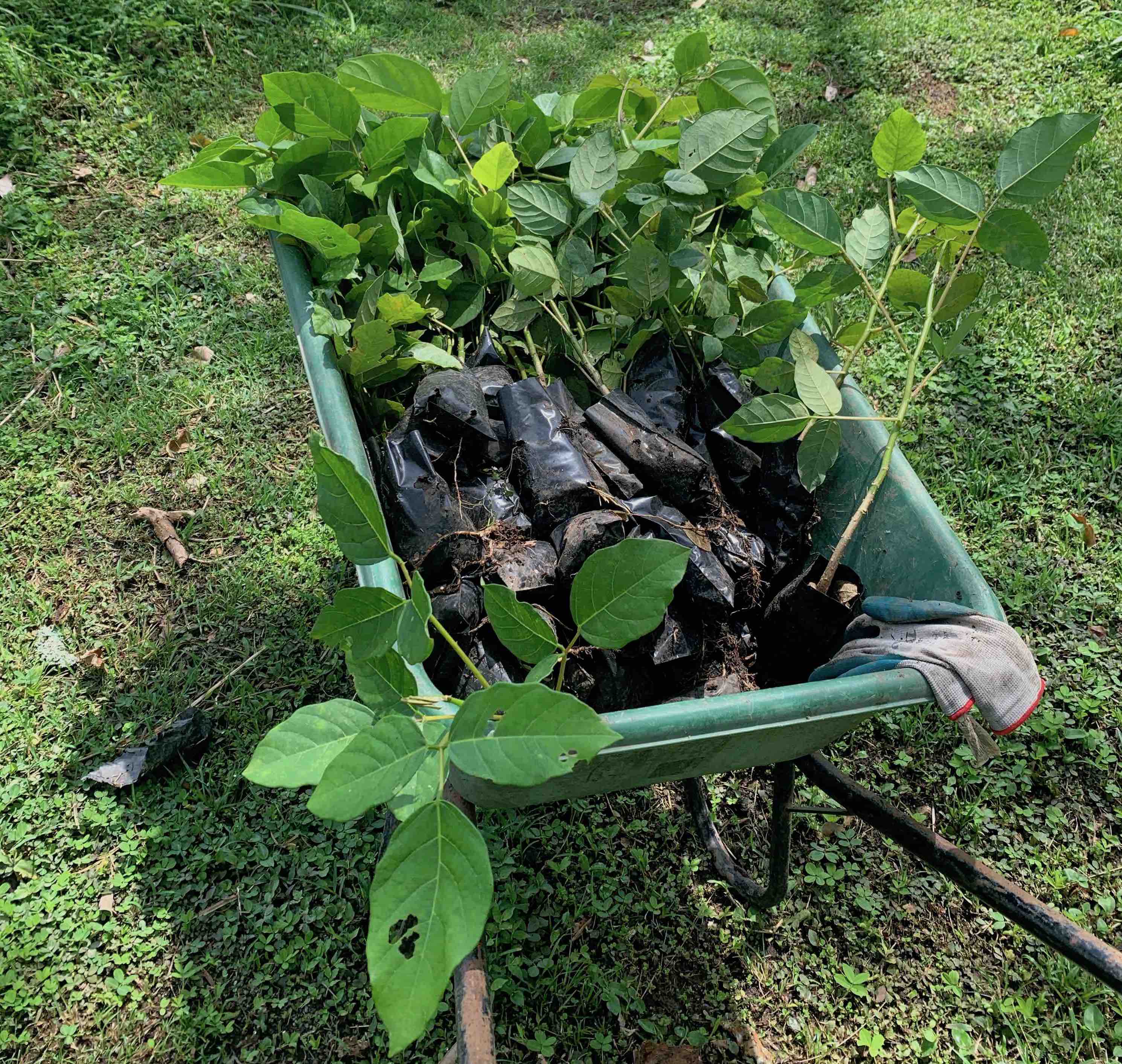
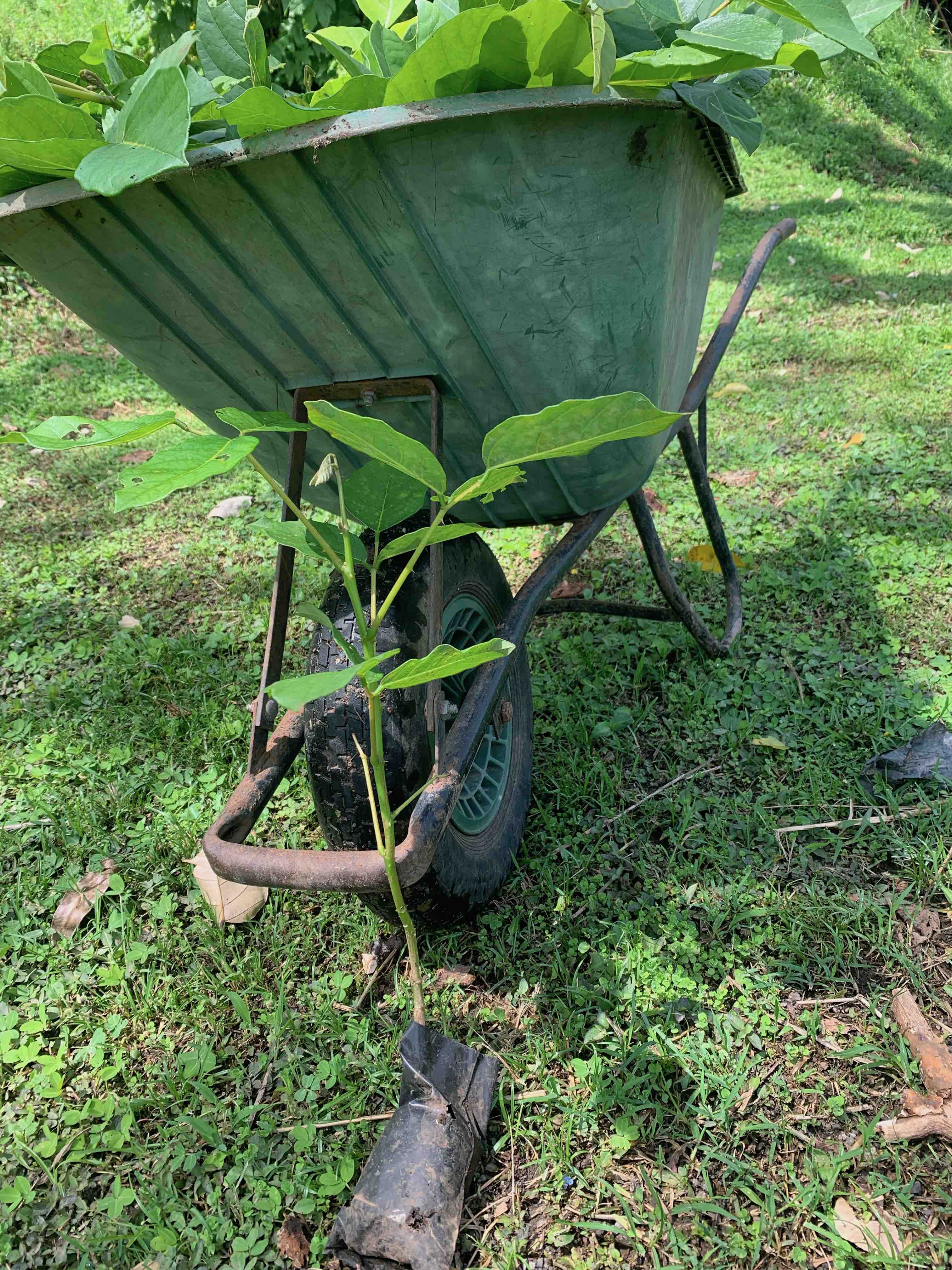
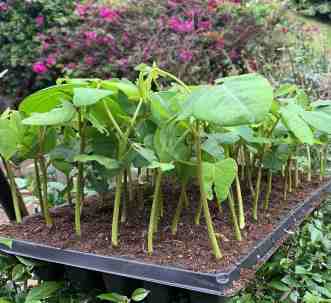
Last mention of poro tree seedlings was three months ago. We are regenerating bird habitat by restoring a portion of an erstwhile coffee estate.

Those six-inch seedlings have become two-foot saplings over the three months since that post. Yesterday we started planting those. 60 so far.

Marine Ecosystem Restoration Success Stories

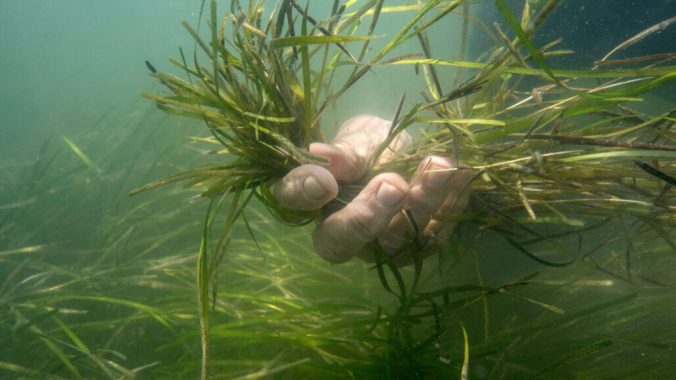
Seagrass beds off Virginia’s Eastern Shore went from barren sediment to abundant meadows in 20 years in the world’s largest restoration project. credit: JAY FLEMING

Thanks for Science News for this wonderful example of successful ecosystem restoration.

How planting 70 million eelgrass seeds led to an ecosystem’s rapid recovery

The study is a blueprint for capitalizing on this habitat’s capacity to store carbon

In the world’s largest seagrass restoration project, scientists have observed an ecosystem from birth to full flowering.

As part of a 20-plus-years project, researchers and volunteers spread more than 70 million eelgrass seeds over plots covering more than 200 hectares, just beyond the wide expanses of salt marsh off the southern end of Virginia’s Eastern Shore. Long-term monitoring of the restored seagrass beds reveals a remarkably hardy ecosystem that is trapping carbon and nitrogen that would otherwise contribute to global warming and pollution, the team reports October 7 in Science Advances. That success provides a glimmer of hope for the climate and for ecosystems, the researchers say.

The project, led by the Virginia Institute of Marine Science and The Nature Conservancy, has now grown to cover 3,612 hectares — and counting — in new seagrass beds. By comparison, the largest such project in Australia aims to restore 10 hectares of seagrass.

The results are “a game changer,” says Carlos Duarte. Continue reading
Cambium Carbon’s Reforestation Hubs

When we started this platform for sharing news and experiences related to innovative approaches to conservation, Seth was in Nicaragua and wrote multiple posts on Simplemente Madera  It is odd not to find a more recent post about their One Tree initiative because in early 2019 while sourcing for Authentica we sought out products that supported tree-planting. Today I am reminded of all that from a link I followed to Cambium Carbon in this story:

Courtesy of Cambium Carbon. Cambium Carbon aims to turn cut or fallen urban trees into wood products that can be sold to fund tree-planting efforts. Currently, most trees removed from cities are either chipped for low-grade application or hauled to a landfill at a significant cost.

Reforestation Hubs, ‘Coming Soon’ to a City Near You

Cambium Carbon, an initiative founded by YSE students to combat climate change and revitalize urban communities by reimagining the urban tree lifecycle, has earned a $200,000 Natural Climate Solution Accelerator Grant from The Nature Conservancy, in partnership with The Arbor Day Foundation. Continue reading
Forests & Human Intervention

The Tuppers Lake area in western Montana.

The Tuppers Lake area in western Montana. STEVEN GNAM

Even as we may feel overdosed on news about forest fires, understanding what to do next is important. Thanks to Fred Pearce and Yale e360 for sharing relevant science:

Natural Debate: Do Forests Grow Better With Our Help or Without?

Nations around the world are pledging to plant billions of trees to grow new forests. But a new study shows that the potential for natural forest regrowth to absorb carbon from the atmosphere and fight climate change is far greater than has previously been estimated.

When Susan Cook-Patton was doing a post-doc in forest restoration at the Smithsonian Environmental Research Center in Maryland seven years ago, she says she helped plant 20,000 trees along Chesapeake Bay. It was a salutary lesson. “The ones that grew best were mostly ones we didn’t plant,” she remembers. “They just grew naturally on the ground we had set aside for planting. Lots popped up all around. It was a good reminder that nature knows what it is doing.” Continue reading
Paint Color: More Than An Aesthetic Choice

Image: Tyros.andi/Wikimedia Commons

Wind is a formidable renewable energy option, but the impacts on wildlife have long been discussed. It’s heartening that such a simple solution as paint has the potential to so drastically reduce the dangers to birds and bats.

A simple paint job can save birds from wind turbines

A small study in Norway showed that painting one blade of a wind turbine black reduced bird mortality by over 70%.

Wind energy is one of the world’s most popular renewables. It’s also one of the most promising—some calculations suggest that strategically placed wind turbines could conceivably power the entire planet. As more turbines go up worldwide, they’ll help us reduce pollution, water use and carbon emissions, along with the environmental degradation, habitat loss and human health risks that come with fracking and oil extraction.

But there are some who don’t benefit quite as much: flying animals. Each year, turbine blades kill hundreds of thousands of birds and bats. As wind power becomes more prevalent, this number may rise into the millions—although it’s important to remember that other power generation methods likely kill far more birds than wind farms do.

This concern has led to a number of proposed interventions, from turning off wind farms during migrations to installing special whistles only bats can hear. A new study presents a relatively low-cost, set-it-and-forget-it option: just paint one of the turbine blades black.

Continue reading