Gardens As Havens For Wildlife

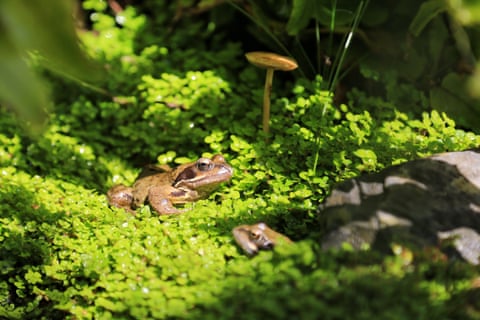
Two frogs in a garden pond enjoying the sunshine on a bed of weed.

Common frogs and other amphibians will spawn in the most modest of garden ponds. Photograph: Brendan Allis/Getty Images/iStockphoto

There are many variations on the theme of garden as haven in our pages over the years. The common thread is that at the scale of a garden, there is much that the individual can do to support conservation. Thanks to Jules Howard for adding to the theme:

The frogs may be gone, but life goes on: how I regained my faith in gardening for wildlife

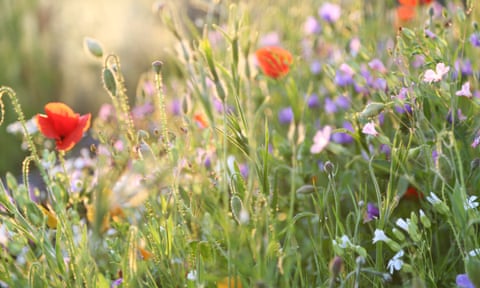
Wildflower field

Gardens allowed to grow a little wild can be a lifeline for struggling pollinator populations – in rural as well as urban areas. Photograph: kirin_photo/Getty Images/iStockphoto

The extremes of the climate crisis mean it’s harder than ever to provide a garden haven for birds, insects and other animals. Some gardeners are questioning whether trying to do the right thing is time well spent

More than two decades ago, I had the honour of running the world’s last (possibly only) frog telephone helpline. No, this is not a set-up for a punchline. Continue reading

Emma Marris On Urban Shade

A man wipes his forehead under the hot sun as he walks under shade sail.

Matt McClain / The Washington Post / Getty

The science writer Emma Marris, here featured in The Atlantic, first came to our attention in a passing mention ten years ago, then again in full force six years ago. Whether or not you live in an urban area, you likely depend on urban areas for some part of your livelihood so her essay may be of interest:

Trees are nice and all, but they’re not enough.

On a 92-degree Saturday afternoon in Portland, Oregon, I went looking for shade in Cully Park, which was built on top of an old landfill and opened in 2018. The city included plenty of trees in the design—I mean, this is Oregon. Continue reading

Evolution Of Eating & Adaptation Of Dining

A photo illustration showing watermelon and other fruits cut up and stacked in a precarious tower.

Alma Haser

We recommend two recent op-eds from the New York Times, starting with this one by David Wallace-Wells:

From the vantage of the American supermarket aisle, the modern food system looks like a kind of miracle. Everything has been carefully cultivated for taste and convenience — even those foods billed as organic or heirloom — and produce regarded as exotic luxuries just a few generations ago now seems more like staples, available on demand: avocados, mangoes, out-of-season blueberries imported from Uruguay…

A photo illustration of a squash in the desert, with a hose above it dripping water.

Photo illustration by Scott Semler

And if time allows after reading that, continue on with today’s essay by Aaron Timms, a cultural critic whose upcoming book about modern food culture we hope to preview in these pages soon:

International Seabed Authority

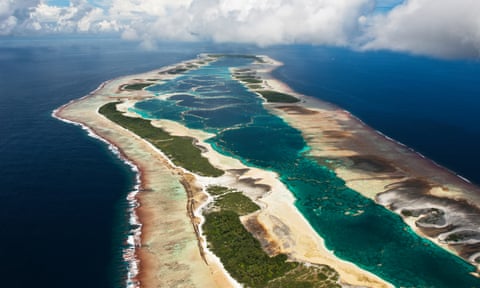
A long thin atoll around a lagoon

The Millennium Atoll in Kiribati, the Pacific state that is sponsoring Michael Lodge for re-election as ISA leader. Photograph: Mauricio Handler/Getty

Before we leave the subject of oceans, back to the question of how their protection is managed, and by whom.

We are learning today that some of the planet’s smaller nation states have a potentially significant, and clearly long overdue influence on how the oceans surrounding them will be protected:

The rare dumbo octopus (Cirrothauma murrayi)

The rare dumbo octopus (Cirrothauma murrayi) is one of many creatures potentially at risk from deep-sea mining. Photograph: NOAA

Inside the battle for top job that will decide the future of deep-sea mining

Marking a pivotal moment for the fate of the barely known ecosystems on the ocean floor, 168 nations will decide this week who will head the International Seabed Authority

Deep-sea mining exploration machinery in the Pacific Ocean

Deep-sea mining exploration trials under way in the Clarion-Clipperton Zone of the Pacific Ocean between Hawaii and Mexico. Photograph: Richard Baron/The Metals Company

Leticia Carvalho is clear what the problem is with the body she hopes to be elected to run: “Trust is broken and leadership is missing.” Later this week, at the headquarters of the International Seabed Authority (ISA) in Kingston, Jamaica, nations negotiating rules governing deep-sea mining face a critical vote that could impact the nascent industry for years: who should be the next leader of the regulatory body? Continue reading

The Ocean’s Depths & You

An illustration of sea creatures floating in outer space. The planet Earth is in the center.

Isabel Seliger

While Brisa surfs in Tahiti, the fate of our oceans will be on our minds. While not self-evidently important to most of us, most of the time, their scale on our planet gets us to pay attention when someone makes the case. Porter Fox, who reports on climate change, has come to the following conclusions with regard to those waters:

There’s a New Reason to Save Life in the Deep Ocean

Honey Long and Prue Stent

To most of us, the ocean is a no man’s land — a vast, bottomless and uncharted void. Three-quarters of the ocean has never been seen by humans, and only a quarter of its floor has been mapped in detail, which means we have a better understanding of the surface of Mars than we do of the seas on our own planet. It is this lack of exploration and appreciation — particularly of the layer of cold, dark water that begins where light fades, known as the ocean’s twilight zone — that has led us to a very precarious place. Continue reading
Dos Rios, California’s New State Park

Dos Rios mural signage, photographed June 28, 2024 in Dos Rios located in Modesto, California

Grayson muralist Jose Muñóz hand-painted this sign welcoming visitors to Dos Rios. Geloy Concepcion for NPR

California has a new protected area, complete with a Native Use Garden. Visit the website for the Dos Rios, described by National Public Radio (USA) as follows:

A view from the Oak Tree Grove June 28, 2024 in Dos Rios State Park in Modesto, California.

The sun rises, shedding light onto an oak grove along the western edge of Dos Rios. Geloy Concepcion for NPR

California’s newest state park is like a time machine

At the crack of dawn in California’s Central Valley, birds sing their morning songs and critters chirp unabashedly. In a shady grove next to a river, an owl swoops down from the spindling branches of an oak tree that has stood its ground for centuries.

A few feet above the tree’s base, its massive trunk is lined with a white ring, indicating how high the San Joaquin River rose during a flood last year. Dos Rios is supposed to flood — it’s a floodplain, recently transformed into California’s newest state park.

Native use garden on June 28, 2024 in Dos Rios State Park in Modesto, California.

The Native Use Garden is a place where, with permission from Dos Rios staff, tribal members can go to gather native plants for ceremonial use and other cultural practices. Geloy Concepcion for NPR

The park opened this summer, emerging among the never-ending rows of agriculture the valley is known for. It’s a lush 2.5 square miles now bursting with hundreds of thousands of native trees, bushes and animals.

Dos Rios, named for the Tuolumne and San Joaquin rivers that meet at the edge of the park, is the first new California state park in more than a decade.

But it isn’t like most state parks. In addition to bringing much-needed green space to an underserved area, its unusual design uses nature-based climate solutions that reinvigorate native wildlife. Continue reading
Petrostate Is A Choice

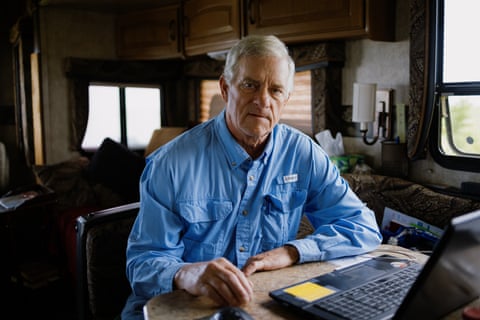
A middle-aged man in a blue button-up shirt sits in front of a laptop.

John Allaire, a former oil industry worker, has turned his efforts to blocking LNG plants from being built directly next to his camper home in Cameron parish.

Some states are moving forward with new technologies leading to a cleaner energy future. We respect John Allaire’s work to protect his state from leaning in to dirty energy, reminding us of the choice we all have to just watch others make decisions affecting where you live, or to do something:

‘This used to be a beautiful place’: how the US became the world’s biggest fossil fuel state

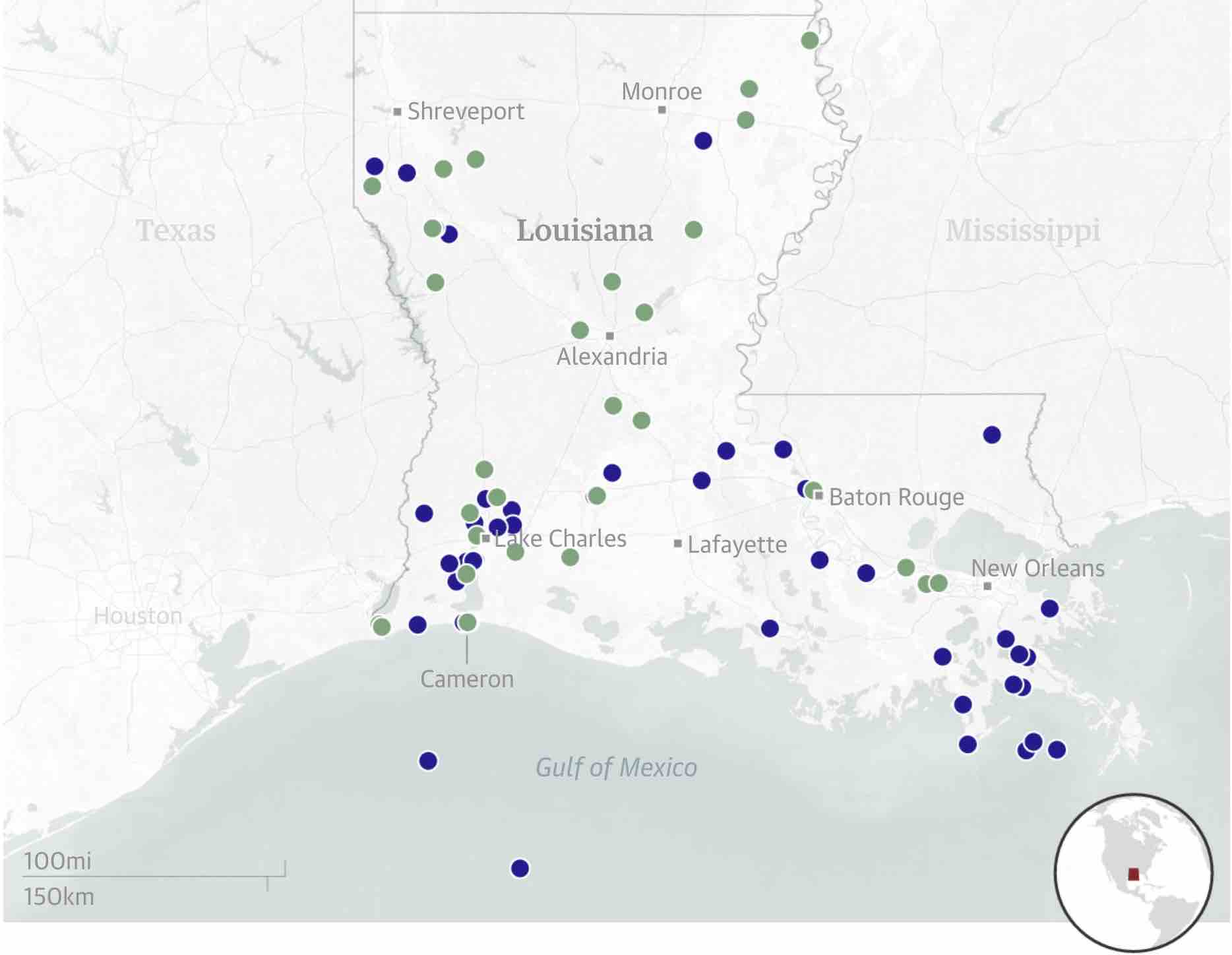
Guardian graphic. Sources: Oil & Gas Watch. Note: Map includes oil, gas and liquified natural gas projects. Those classified as ‘Announced / underway’ also include projects with statuses of ‘Under construction’, ‘Pre-construction’, ‘Commissioning’ and ‘On hold’.

No country has ever in history produced as much oil and gas as the US does now and Louisiana is ground zero

To witness how the United States has become the world’s unchallenged oil and gas behemoth is to contemplate the scene from John Allaire’s home, situated on a small spit of coastal land on the fraying, pancake-flat western flank of Louisiana.

Allaire’s looming neighbor, barely a mile east across a ship channel that has been pushed into the Gulf of Mexico, is a hulking liquified natural gas (or LNG) plant, served by leviathan ships shuttling its chilled cargo overseas. Continue reading
Appalachian Solar & Remediation

A photo of solar panels under a blue skyThanks to Bridgett Ennis at Yale Climate Connections for expanding our coverage of brownfield remediation, which surprisingly has only featured in one previous post in our 13 years linking to environmental news stories. Now two:

Massive solar farm planned for coal mine site in eastern Kentucky

Solar developer BrightNight is set to transform the Starfire coal mine into an 800-megawatt solar farm, bringing renewable energy and jobs to southern Appalachia.

A massive solar farm is in the works at the site of one of the largest coal mines in southern Appalachia. Continue reading
Dry, Hot Places Greening?

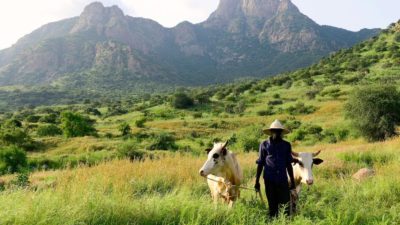
The Guera Mountains in southern Chad, a region that has grown greener in recent decades.

The Guera Mountains in southern Chad, a region that has grown greener in recent decades. NATURE PICTURE LIBRARY / ALAMY STOCK PHOTO

Fred Pearce, writing in Yale e360, offers this surprising news from some of the driest, hottest places:

With CO2 Levels Rising, World’s Drylands Are Turning Green

Despite warnings that climate change would create widespread desertification, many drylands are getting greener because of increased CO2 in the air — a trend that recent studies indicate will continue. But scientists warn this added vegetation may soak up scarce water supplies.

Southeast Australia has been getting hotter and drier. Droughts have lengthened, and temperatures regularly soar above 95 degrees F (35 degrees C). Continue reading
USA Environmental Policy Opinion Landscape

An illustration showing a corn field, a wind turbine and an electric car on top of a solar farmIt is political season, which can be overwhelming. But it has moments of inspiration. Karin Kirk at Yale Climate Connections summarizes the landscape of opinion on key environmental issues:

Six incredibly popular climate policies

The majority of registered U.S. voters support electrification and renewable energy.

An infographic showing strong support for climate-pollution reducing policies

A strong majority of registered voters support certain policies aimed at tackling climate change, according to recent research by the Yale Program on Climate Change Communication (the publisher of this site) and the Center for Climate Change Communication at George Mason University.

Here’s a summary of these results. Continue reading
Groundwater Springs & Habitat

A spring in a forest in Bavaria, Germany.

A spring in a forest in Bavaria, Germany. IMAGEBROKER.COM GMBH & CO. KG / ALAMY STOCK PHOTO

Thanks to Yale e360 for publishing this article by Christian Schwägerl, whose influential book The Anthropocene was published one decade ago:

As World’s Springs Vanish, Ripple Effects Alter Ecosystems

Springs, which bring groundwater to the surface and support a host of unique species, are disappearing globally, victims of development and drought. Researchers are working to document and map these life-giving habitats in an effort to save them before they are gone.

A tufa spring in the Neumarkt region in Bavaria, Germany.

A tufa spring in the Neumarkt region in Bavaria, Germany. CHRISTIAN SCHWÄGERL

Strong winds sweep over the Rhön, a vast region of rolling, forested hills and pastureland in central Germany. Undeterred, Stefan Zaenker, leading a group of four volunteers, runs through his checklist alongside a forest road. Are rubber boots disinfected to prevent introducing potentially harmful microorganisms into the wetland? Are the team app and GPS functioning correctly? Have enough flags been packed?

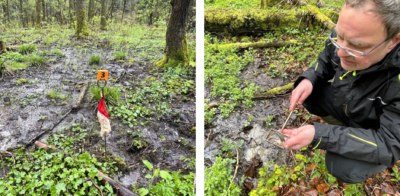
Left: A flag marks a helocrene spring in the Rhön region of Germany. Right: Stefan Zaenker takes a sample from a spring.

Left: A flag marks a helocrene spring in the Rhön region of Germany. Right: Stefan Zaenker takes a sample from a spring. CHRISTIAN SCHWÄGERL

When all is in order, Zaenker, 56, leads the group into a soggy alder forest. Its mission for the day: to locate and map as-yet-undiscovered springs and document any species inhabiting them.

A senior conservation official for the state of Hesse, Zaenker considers springs so important for human life and biodiversity that he — along with volunteers from the Hesse Association for Cave and Karst Research — spends much of his spare time conducting large-scale searches for them in the Rhön, which includes the German states of Bavaria, Thuringia, and Hesse, and in a nearby national park. Continue reading
Fungi & Brownfield Remediation

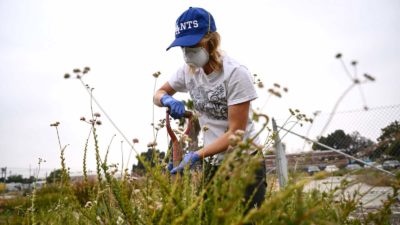
Researcher Danielle Stevenson digs up California buckwheat grown at a brownfield site in Los Angeles.

Researcher Danielle Stevenson digs up California buckwheat grown at a brownfield site in Los Angeles. PATRICK T. FALLON / AFP VIA GETTY IMAGES

Corporate irresponsibility abounds, so brownfield sites are abundant. And fungi sometimes offer relevant remediation options. Thanks to Richard Schiffman and Yale e360 for this interview on a topic we have cared about since launching this platform, and which we believe will be of increasing importance in our future:

Turning Brownfields to Blooming Meadows, With the Help of Fungi

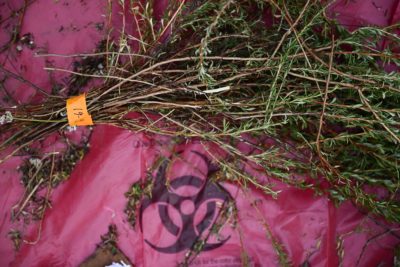
California buckwheat that has absorbed lead at a contaminated site in Los Angeles.

California buckwheat that has absorbed lead at a contaminated site in Los Angeles. PATRICK T. FALLON / AFP VIA GETTY IMAGES

Toxicologist Danielle Stevenson cleans up carbon-based pollutants and heavy metals from contaminated sites using fungi and plants. She’s also training environmental justice and tribal communities in using these methods so they can remediate toxic sites on their own.

The United States is dotted with up to a million brownfields — industrial and commercial properties polluted with hazardous substances. Continue reading

Adapting Maple Syrup Making

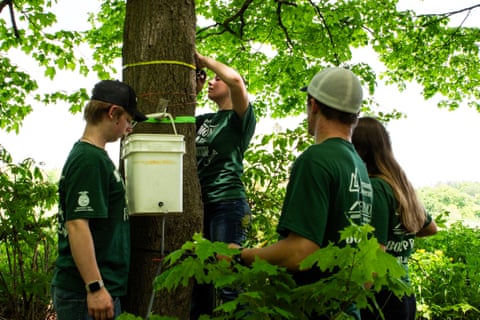
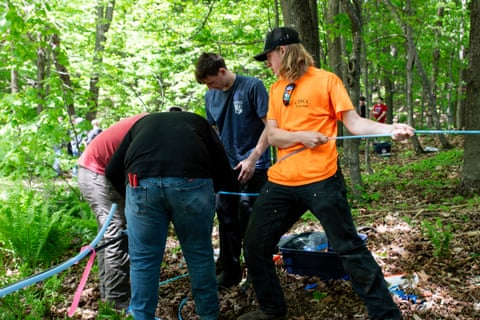
Students tap a tree for maple syrup in Randolph, Vermont, on 20 May 2024.

Students tap a tree for maple syrup in Randolph, Vermont, on 20 May 2024. Photograph: Olivia Gieger/The Guardian

Maple syrup is a good example of what we call taste of place products, and we are happy to see the next generation in Vermont adapting the making of this one for the future:

‘It’s the future of sugar’: new technology feeds Vermont maple syrup boom amid climate crisis

With tools as seemingly simple as these blue tubes, it’s easier than ever to extract sap from maple trees, as these young people demonstrated during a May Future Farmers of America convention on 20 May.

With tools as seemingly simple as these blue tubes, it’s easier than ever to extract sap from maple trees, as these young people demonstrated during a Future Farmers of America convention on 20 May. Photograph: Olivia Gieger/The Guardian

The season to tap trees is now earlier and longer, but new processes and generations are helping the industry thrive

On a warm May Monday, more than three dozen high school students took to the forest behind a former dairy barn at Vermont State University in Randolph.

In teams of four, they ran blue plastic tubing from tree to tree, racing to connect the tubes across three trees in 30 minutes. One student leaned back and pulled it taut with his body weight while another secured tube to tree. Quickly, they dashed to the next in what appears to be a twisted tug-of-war. Continue reading
California, Solar Showcase


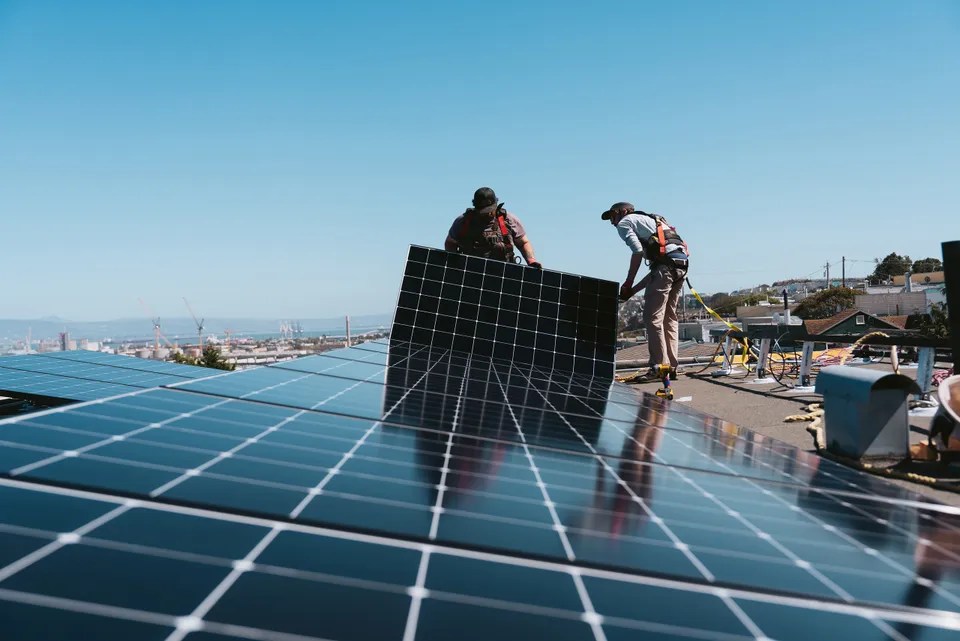
Workers install solar panels at a home in San Francisco, California.Photograph by Michaela Vatcheva / Bloomberg / Getty

McKibben’s essay in the New Yorker, showcasing the showcase for renewable energy, will brighten your day:

California Is Showing How a Big State Can Power Itself Without Fossil Fuels

For part of almost every day this spring, the state produced more electricity than it needed from renewable sources.

Something approaching a miracle has been taking place in California this spring. Beginning in early March, for some portion of almost every day, a combination of solar, wind, geothermal, and hydropower has been producing more than a hundred per cent of the state’s demand for electricity. Continue reading
Just Stop Oil & Alternative Approaches

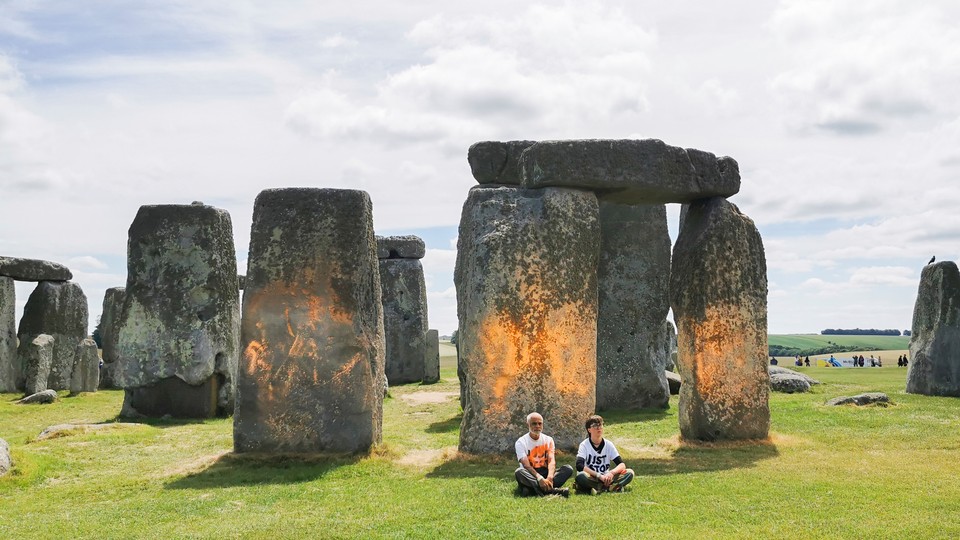
A photo of two protesters sitting in front of Stonehenge, which has orange spray paint on it

Just Stop Oil via AP

On this platform dedicated to environmental and conservation topics, purposeful stone alteration has appeared in our pages exactly once before. Environmental vandalism, likewise. I appreciate this essay by Tyler Austin Harper, an assistant professor of environmental studies at Bates College and a contributing writer at The Atlantic, about a recent act of environmental vandalism:

Maybe Don’t Spray-Paint Stonehenge

Climate protests should be pro-humanity.

They run toward Stonehenge in white shirts. just stop oil is emblazoned on the front, marking them as emissaries of a British climate-activism group. The pair—one of them young, the other older—carry twin orange canisters that emit a cloud of what looks like colored smoke (we later learn it’s dyed corn flour). Continue reading
Bullish On Solar

image: la boca

The Economist makes a compelling case for us all to be more bullish on solar–not that we needed much convincing:

The exponential growth of solar power will change the world

An energy-rich future is within reach

It is 70 years since at&t’s Bell Labs unveiled a new technology for turning sunlight into power. The phone company hoped it could replace the batteries that run equipment in out-of-the-way places. It also realised that powering devices with light alone showed how science could make the future seem wonderful; hence a press event at which sunshine kept a toy Ferris wheel spinning round and round. Continue reading
Greenhouse Reflective Effects

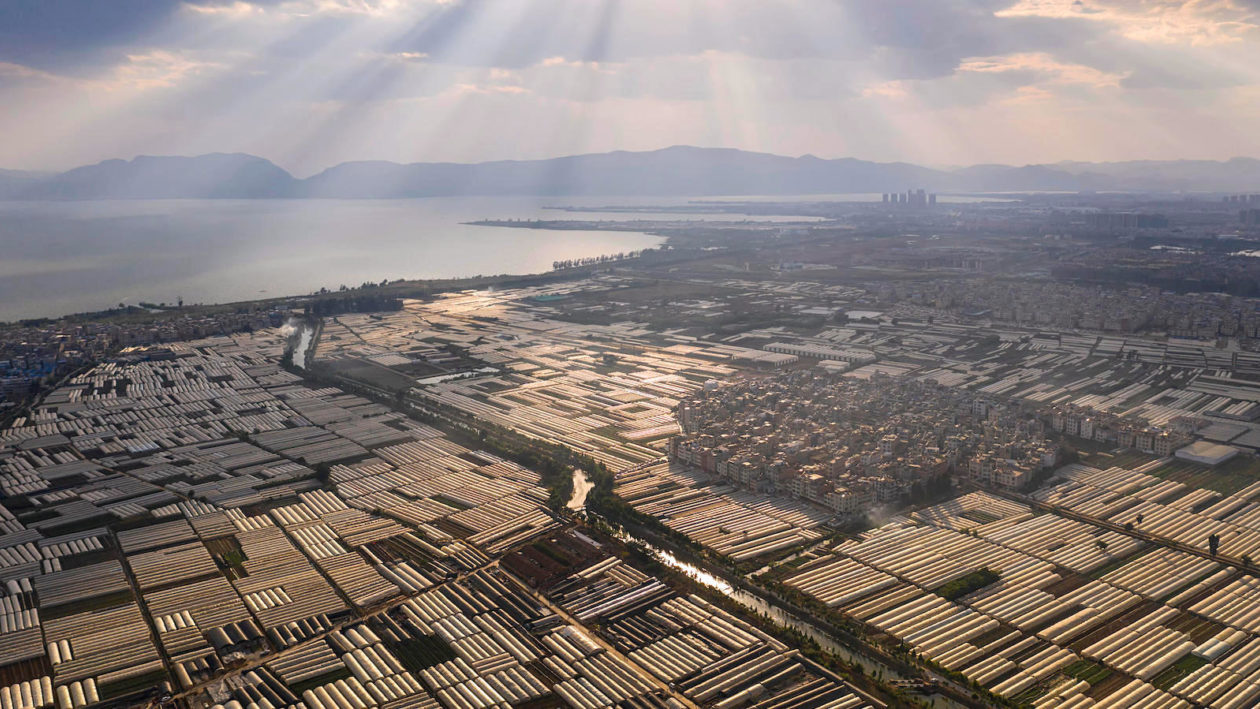
Greenhouse roofs reflect sunlight in Kunming, China. FABIO NODARI / ALAMY STOCK PHOTO

Fred Pearce, in Yale e360, offers reason to further consider the greenhouse:

Could the Global Boom in Greenhouses Help Cool the Planet?

As agricultural greenhouses proliferate, researchers are finding that their reflective roofs are having a cooling effect. Some experts see this as an unintended experiment with lessons for cooling cities, but others point to the environmental damage that greenhouses can cause.

The world is awash with greenhouses growing fresh vegetables year-round for health-conscious urbanites. There are so many of them that in places their plastic and glass roofs are reflecting sufficient solar radiation to cool local temperatures — even as surrounding areas warm due to climate change. Continue reading
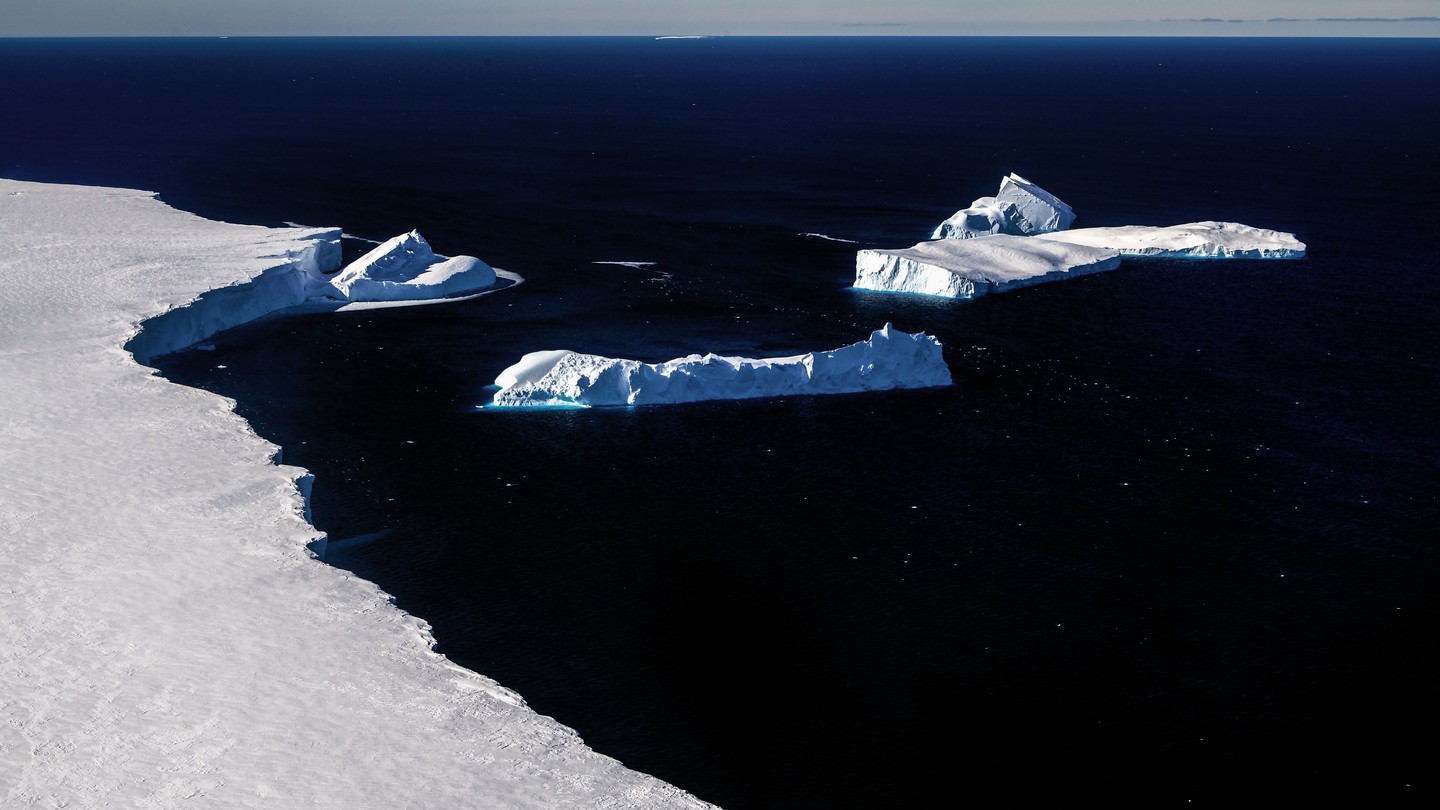
Greenland’s Ice Sheet & Our Future

photo of curving white edge of glacier with several calved icebergs and dark blue sea

The edge of the Thwaites Glacier, 2023 (Nicolas Bayou)

Ross Andersen, writing for this focused issue of Atlantic, is worth reading for more than just the adventure he encountered reporting it:

A WILD PLAN TO AVERT CATASTROPHIC SEA-LEVEL RISE

The collapse of Antarctica’s ice sheets would be disastrous. A group of scientists has an idea to save them.

The edge of Greenland’s ice sheet looked like a big lick of sludgy white frosting spilling over a rise of billion-year-old brown rock. Inside the Twin Otter’s cabin, there were five of us: two pilots, a scientist, an engineer, and me. Farther north, we would have needed another seat for a rifle-armed guard. Here, we were told to just look around for polar-bear tracks on our descent. Continue reading

Scottish Seaweed Innovations

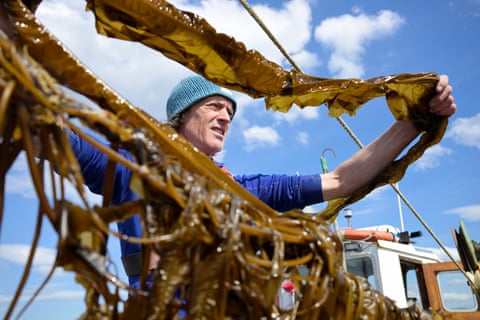
Alex Glasgow of KelpCrofters on a boat harvesting kelp on Skye

Alex Glasgow of KelpCrofters harvesting the seaweed on Skye

Most of us in the Americas and the European  region have not yet had the opportunity to try seaweed, except perhaps in Japanese or other Asian ethnic restaurants. So hearing what the folks who grow seaweed in Scotland are doing with their product to get more of us interested in it–that’s interesting. For these photographs by Christian Sinibaldi and words by Joanna Moorhead we thank the Guardian:

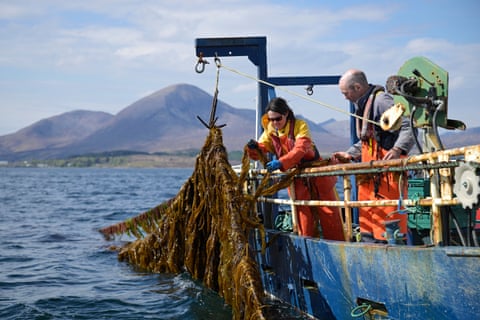
Kyla Orr and Martin Welch of KelpCrofters check the crop from their boat

Kyla Orr and Martin Welch of KelpCrofters check the crop from their boat. Photograph: Christian Sinibaldi/The Guardian

Kelp help? How Scotland’s seaweed growers are aiming to revolutionise what we buy

Farmed kelp could produce plastic substitutes, beauty products and food supplements. Just steer clear of seaweed chocolate

Think sun, sea, Skye – and seaweed. It’s early summer off the west coast of Scotland, and Alex Glasgow is landing a long string of orangey-black seaweed on to the barge of his water farm. Continue reading

The Atlantic Editor’s Note, July/August 2024

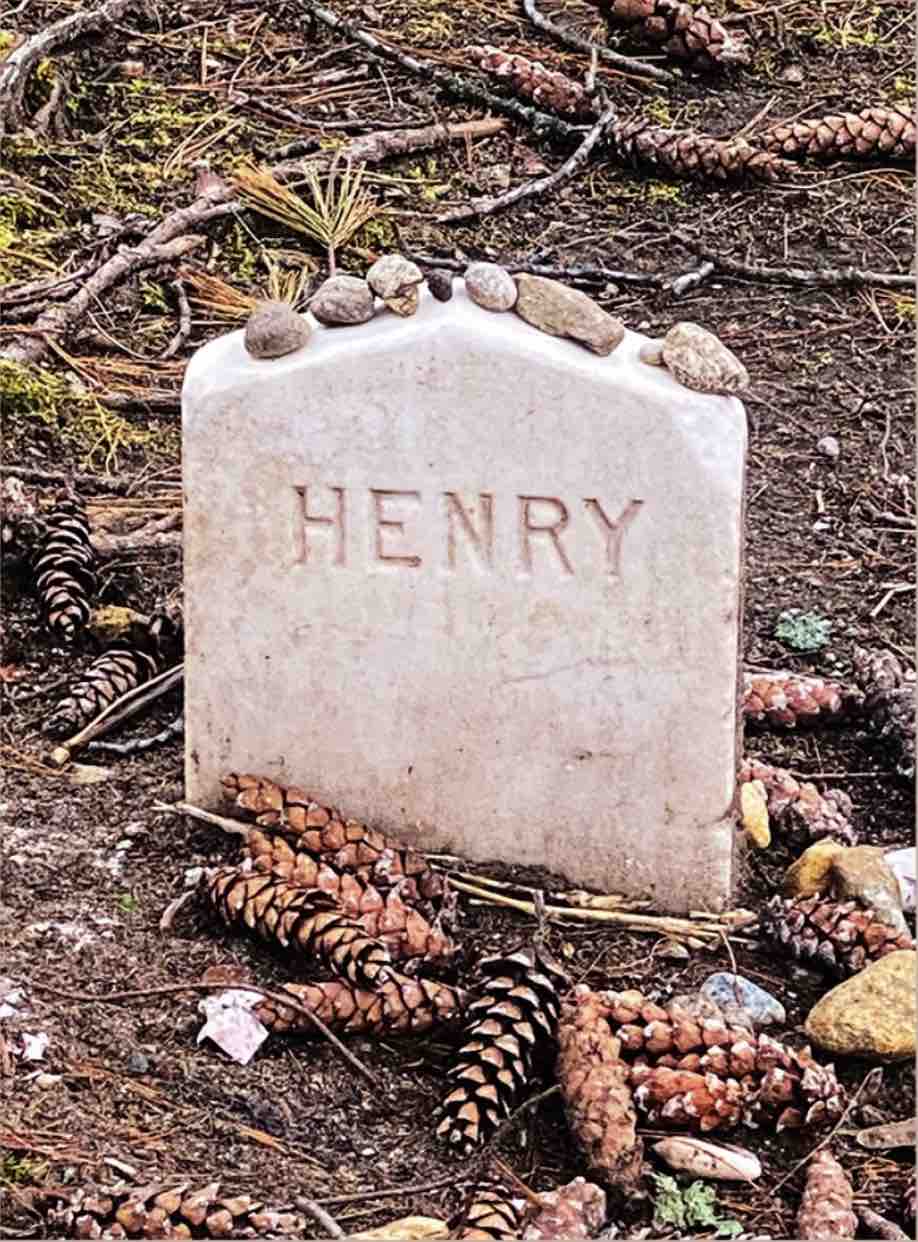
Henry David Thoreau’s grave, Concord, Massachusetts (Jeffrey Goldberg)

Jeffrey Goldberg has not appeared in our pages directly before, but his work has had a profound impact on how we see the world. His editorship of The Atlantic, starting in 2016, overlaps with an increase in that magazine’s coverage of climate change in ways that we have found useful. His introduction to the summer issue of the magazine is a fitting example of his commitment to the topic:

In Wildness Is the Preservation of the World

Returning the planet to some sort of climate equilibrium is a universal interest.

Loyal readers of this magazine know that we are preoccupied with matters of climate change, and that we worry about the future of our home planet. I appreciate (I really do) Elon Musk’s notion that humans, as a species, ought to pursue an extraplanetary solution to our environmental crisis, but I believe in exploration for exploration’s sake, not as a pathway to a time share on Mars. Continue reading