Elephant Blessings

Photo Credits :Ramesh Kidangoor

Photo Credits: Ramesh Kidangoor

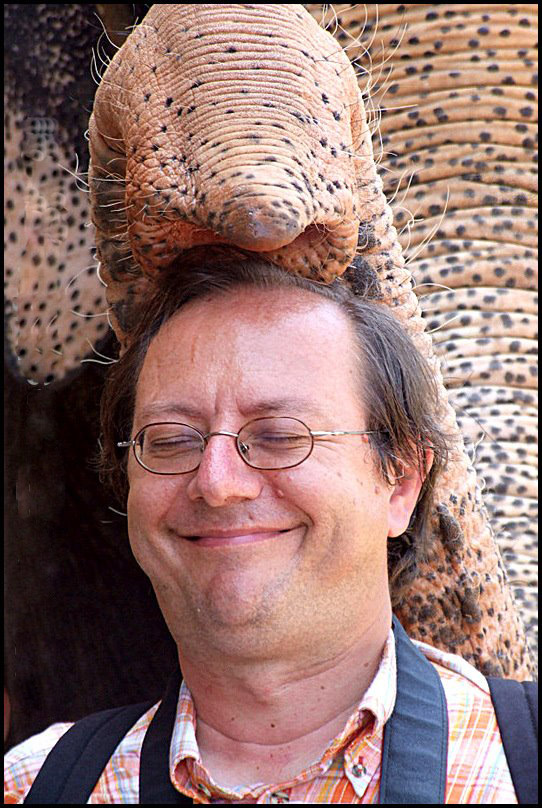
In Hinduism, the elephant represents one of the most important Gods: Lord Ganesh. Many Hindu temples in south India have elephants stationed outside the main door to give blessing to visitors. For a long time, elephants have been part of life in Kerala. People here consider this animal a harbinger of good fortune, a remover of obstacles and an inseparable part of religious and economic life. Continue reading

Notes from the Garden: A Harvest for Everyone

10491215_10201551076698566_8417073961388965292_n (1)

Green beans at Cardamom County

When we see an abundant harvest overflowing from a wheelbarrow, maybe it’s primal, but I think there is a sense of never going hungry. There is a sense of the aliveness of freshly picked food.

Remember how we used to share our food? Remember the connection to food we had before it came from chain grocery stores? I think something in us does. Or something in us wants to remember.

By simply putting out our hand, the food passes into our possession, but it’s a different kind of possession than picking up something in a supermarket and putting it in a cart. A possession isn’t really yours, which happened without the exchange of money. I think that the natural givingness of the land makes us feel like it is not really ours and that it is for everyone, meant to be shared. When I harvest, I remember this gift. I like sharing it with other people.


Since I have been here as an intern, I haven’t done all that much field work. This is probably the first day I’ve been able to help just by providing extra hands. I felt like it was a way to connect with the people I am working with as language barrier has stopped us. I appreciate the togetherness that can be felt by simply harvesting something together. They are teaching me Malayalam words and using the English words they know.

Continue reading

Meenakshi Temple Gopuram – Madurai

Photo credits : Remash Kidangoor

Photo credits: Remash Kidangoor

Madurai has a historical legacy over 2500 years, making it the oldest city in Tamil Nadu. On the banks of the river Vaigai, Meenakshi Temple dominates the city of Madurai, which evolved around it. The architecture in this temple is purely Dravidian, but the styles of many dynasties have influenced the decorations and construction of Meenakshi since it has changed hands over the centuries. Continue reading

Ramayana Masam

Photo credit: Ranjith

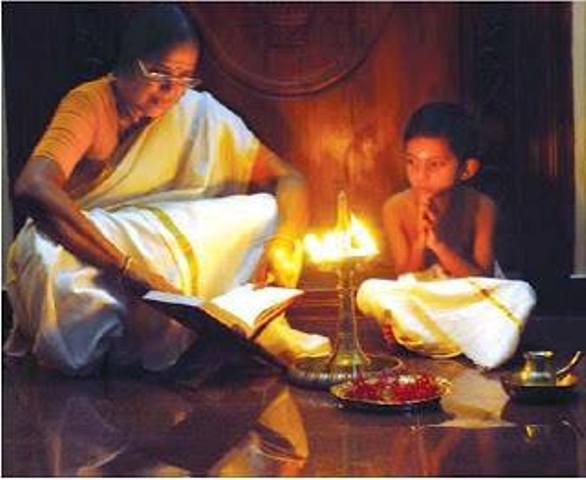
The Ramayana is the holy book of Hindus. In Kerala during Karkkidaka Masam, which is the last month of Malayalam calender, the epic Ramayana is read in Hindu homes and temples. This year Ramayana Masam begins on July 17th and ends August 16th. Continue reading

Wayanad Natives


Photo credits : Jithin vijay

Photo credits: Jithin vijay

“Tribals,” the term used to refer to native peoples in Kerala/India, have been an integral part of Wayanad for ages. As dense forests and wooded hillsides made way for commercial farming and plantations, Wayanad lost a great part of its quintessential character. Today, around 200,000 tribals belonging to different tribes subsist in isolated pockets, making a living from small land holdings to big plantations. Continue reading

Monkeying around in Cardamom County

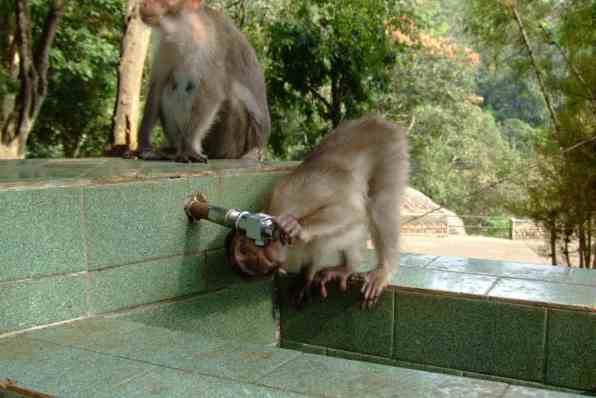
Monkey mischief at the Periyar Tiger Reserve, neighbor of Cardamom County

I have never had to take monkeys into consideration when gardening before.

I am at this jungle-like Raxa Collective property in Thekkady, India. I am here to work as an intern to help with creating a more farm-to-table relationship in the restaurant at Cardamom County. There is an organic garden here that is already providing the restaurant with a decent percentage of their staple foods. However, we face a little problem with some main ingredients such as tomatoes, eggplants, and actually anything sweet that we might like to grow such as grapes or pomegranates.

Monkeys. Continue reading

Snake Worship

Photo credits : Shymon

Photo credits: Shymon

Mannarasala is a famous shrine devoted to the worship of the snake gods, or Nagaraja. Thousands of the granite snake idols you see in the photo above line the path through the forest to the Mannarasala Temple in Alappuzha, Kerala, and more are put there by people seeking favour from the Nagaraja every year. Continue reading

Arattupuzha Pooram – Thrissur

Photo credits : Jithin Vijay

Photo credits: Jithin Vijay

As per the inscriptions found in the temple at Arattupuzha, in the Thrissur district, this village’s pooram, or festival, started around 1,400 years back and is the oldest festival in Kerala. It is believed that on the pooram day, gods and goddesses from twenty-three temples participate in this festival–thus, the festival is also called Deva Samagamam, or “the assembly of gods.” Continue reading

Kottiyoor Temple

Photo credits : Shymon

Photo credits: Shymon

Kottiyoor is an ancient Hindu pilgrim center, situated in the Kannur district of Kerala. This temple is dedicated to Lord Shiva and the Goddess Parvathi, and is located deep in the forest. Kottiyoor is a unique festival celebrated for 28 days, and it falls during the months of May and June. Continue reading

Via Kerala = Kerala

Via Kerala uses Malayalam as a motif to bridge the gap between the traditional and the contemporary

Via Kerala uses Malayalam as a motif to bridge the gap between the traditional and the contemporary

Our friends at Thought Factory and Via Kerala are important members of our collaborative tribe, so of course we were thrilled to read this article highlighting their efforts. We manage their flagship store in Thekkady at Cardamom County, and the new RAXA Shop at Spice Harbour also showcases some of their iconic products.

Malayalam alphabet and the Malayali’s personality have some things in common. Just as the rounded letters, we, as a people, are not aggressive and have rounded personalities. We are a bit complicated, too. Theresa J. George uses Malayalam typography as a metaphor for our culture and the very essence of being Malayali.

Her company Via Kerala uses Malayalam as a motif to bridge the gap between the traditional and the contemporary. “We are proud of our roots, yet there is a slight disconnect between it and the younger generation,” she says. Continue reading

How Do You Write 200 Crore, In Words And Deeds, In The New Improved India?

Screen Shot 2014-06-15 at 11.37.21 AM

200 crore is a uniquely Indian way of saying a number. Two billion; or 2,000,000,000 is the way to see the number written out in Western terminology, but the Indian deeds associated with this particular number are much more important, according to news headlines across India in recent days (here taken from the Hindu):

The government plans to plant 200 crore trees along the entire 1 lakh km National Highways network across the country to employ jobless youth.

“The length of National Highways in the country is one lakh kilometre. I have asked officials to come out with a plan to plant 200 crore trees along these stretches which in turn would create jobs for the unemployed on the one hand and protect the environment on the other,” Road Transport, Highways, Shipping and Rural Development Minister Nitin Jairam Gadkari said in New Delhi on Friday.

A similar scheme could be implemented under MNREGA (Mahatma Gandhi National Rural Employment Gurantee Act) along the village and district roads and state highways. That has the potential to employ 30 lakh youth, he said while inaugurating a conference on “Regeneration of Rivers”.

Mr. Gadkari said Gram Panchayats will be taken into confidence and the unemployed youth could be assigned 50 trees each which could fetch livelihood for them from the produce. Continue reading

Rudraksha Prayer Beads

Photo credits : Shymon

Photo credits: Shymon

Seeds from the rudraksha tree have been traditionally used as Hindu prayer beads. The rudaksha tree’s name means the “eyes of Lord Shiva,” rudra being another name for Lord Shiva. Mythology has it that the rudraksha plant was born out of Lord Shiva’s tear drops. Monks and yogis have found that merely wearing beads from the rudraksha tree imparts an astonishing tranquility to the wearer. Continue reading

“Patagonia Sin Represas”–Finalmente

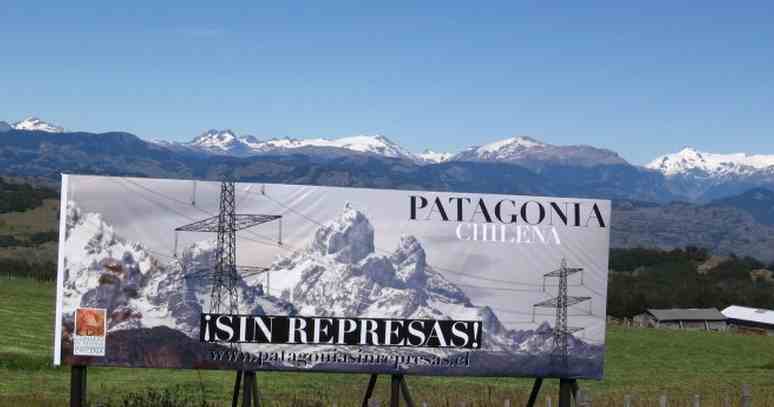
One of the many billboards representing the outcry from environmentalists and concerned members of the tourism sector

One of the many billboards representing the outcry from environmentalists and concerned members of the tourism sector

It’s been some years since our work brought me to this magical part of the world, but all of Patagonia and the specific region of Aysen have long been close to our hearts. So the news that the Chilean government overturned their 2011 approval of the HidroAysén project was happy indeed. The Baker and Pascua Rivers, previously slated for a series of 5 dams, are two of Patagonias wildest, and that’s saying a lot in a country filled with rugged beauty as diverse as it’s 4,300 kilometer length can possibly hold.

Part of that diversity has the potential to offer multiple options for renewable energy sources other than hydro-electric power. Solar power from the Atacama Desert, wave and tide projects from that enormous coastline, as well as wind turbines in areas of the country where winds reach gale force strength on a regular day are all possible options.  Continue reading

Chakkiyarkoothu

Photo credit : Shymon

Photo credit: Shymon

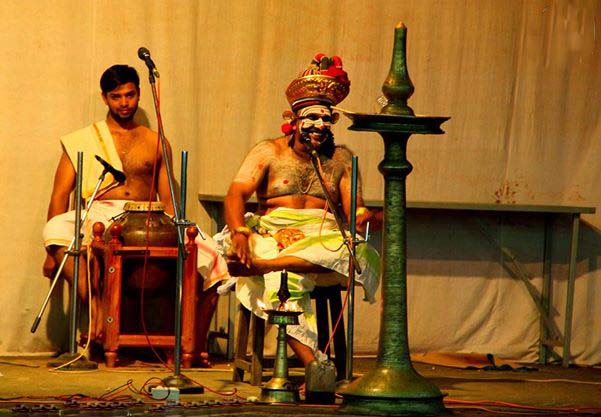
Chakkiyarkoothu is a traditional dance form originally performed by priests at Hindu temples. This solo performance was traditionally performed only by the Chakkiyar community, a Brahmin caste of Kerala. The Chakkiyar narrates the story based on the Holy books of ‘Ramayana and Mahabharata’.

Performing Arts – Chamundi Theyyam

Photo credits : Jithin Vijay

Photo credits: Jithin Vijay

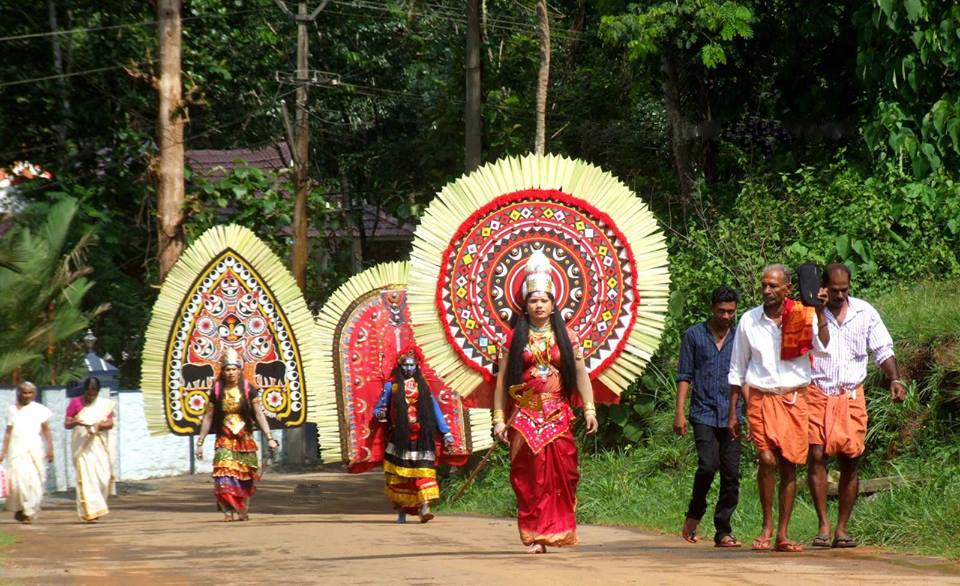
Kerala has a veritable array of performing arts. Theyyam or Kaliyattom is one of the most popular ritualistic dances of Kerala. Costumes with crownlike headgear, breastplates, ornaments, special face painting and variously shaped garments of cloth and palm leaf fronds make Theyyam a colourful visual. It is a devotional performance with a surrealistic representation of the divine. Continue reading

Performing Arts – Padayani

Photo credits : Ramesh Kidangoor

Photo credits: Ramesh Kidangoor

Padayani literally means the “ranks of an army”, but is also related to religious rituals and mythological stories. It is the symbolic victory march of Goddess Bhadrakali after she defeated the demon Darikan. Unmarred by caste distinction, it is a community celebration with audiences providing an active participatory role with drums and pipes used for musical support. Continue reading

Portraiture Of Self-Sufficiency

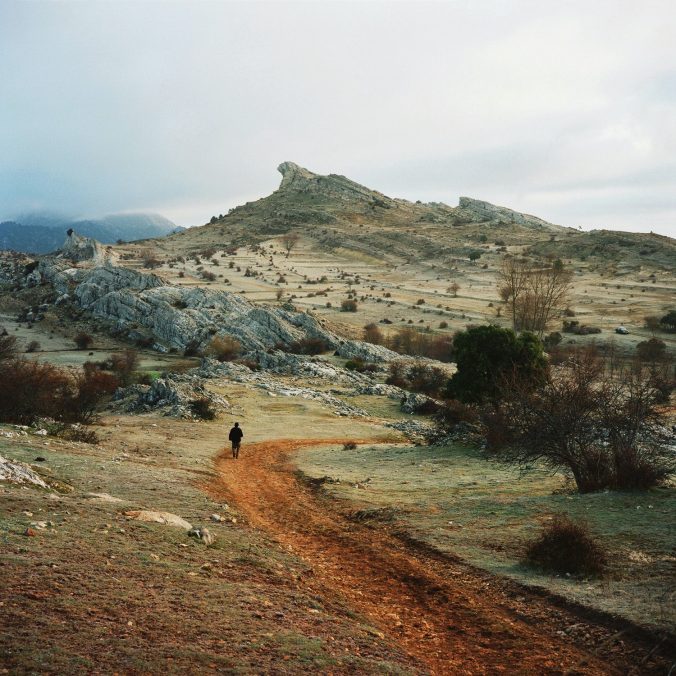
A view of the village of El Pardal, Sierra de Cazorla, Spain, 2013.

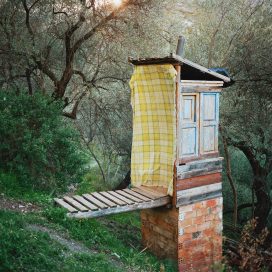
A composting toilet, Sierra Nevada, Spain, 2013.

Many contributors to our platform here, and its readers, have probably considered life off-grid.  Most will experiment during their travels, but stop short of the full monty, which would mean divestiture or most/all possessions and hitting the road. Thanks to this photographer (and the New Yorker‘s far-reaching sampling) for giving us both candid and portrait-like views into some examples of “self-sufficient” lives:

In 2006, while he was backpacking in Australia, the French photographer Antoine Bruy signed up with an international exchange program for volunteers who want to work on organic farms.

Continue reading

Ekambareswar Temple – Tamil Nadu

Photo credits : Renuka Menon

Photo credits: Renuka Menon

Located in Kanchipuram in the state of Tamil Nadu, Ekambareswar Temple is one of  the famous Hindu temples dedicated to Lord Shiva. This vast temple, covering an area over 40 acres, is one of the most ancient in India having been in existence since at least 600AD.

Continue reading

Google, Maps, And Modern Conservation

StreetViewGrandCanyon-1-630

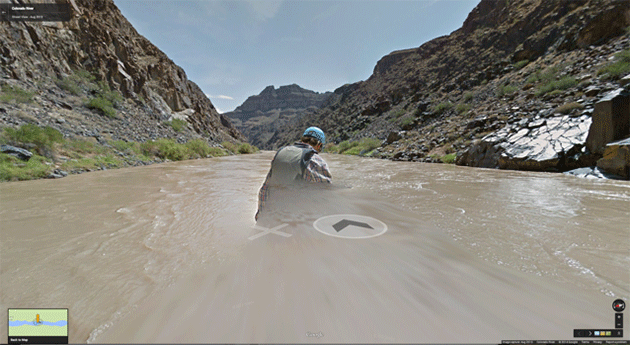
Screen capture from Google’s Street View Grand Canyon

We have not been sourcing from Harper’s, one of the great magazines covering topics of interest to Raxa Collective. We will mend our ways starting now:

Grand Plan

Why has Google added the Grand Canyon to Street View? By Jeremy Miller

Continue reading