Dam Damage Done

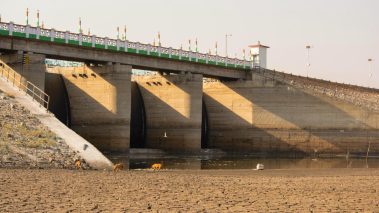
A dried-up reservoir behind a dam in North Karnataka, India. LAKSHMIPRASAD S. / ALAMY STOCK PHOTO

A couple of our earliest posts was about life around a dam in India, so the photo heading this article rings a bell of sorts:

As Projects Decline, the Era of Building Big Dams Draws to a Close

Escalating construction costs, the rise of solar and wind power, and mounting public opposition have led to a precipitous decrease in massive new hydropower projects. Experts say the world has hit “peak dams,” which conservationists hail as good news for riverine ecosystems.

The end of the big dam era is approaching. Continue reading

McKibben Embraces Green Building Boom

Grace J. Kim

We link to one person more than anyone else, for good reason:

ELECTRIFY EVERYTHING

Yes in Our Backyards
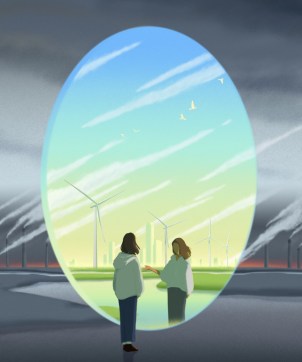
It’s time progressives like me learned to love the green building boom.

The United States is on the brink of its most consequential transformation since the New Deal. Read more about what it takes to decarbonize the economy, and what stands in the way, here

I’m an environmentalist, which means I’ve got some practice in saying no. It’s what we do: John Muir saying no to the destruction of Yosemite helped kick off environmentalism; Rachel Carson said no to DDT; the Sierra Club said no to the damming of the Grand Canyon. Continue reading

Tagging Large Land Animals

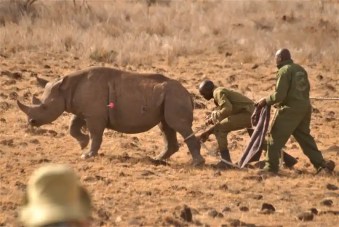
The team secure a darted rhino with nylon rope, then take its temperature and use a pulsemeter to monitor its heart rate and blood oxygenation

We have previous links to articles on tagging animals, but few land animals this big:

How to tag a rhino? Use tech, tact … and plenty of caution – a photo essay

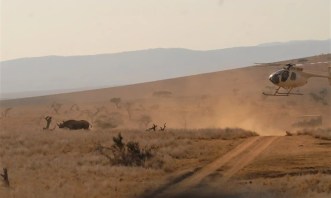
Fewer than 2,000 rhino remain in Kenya, and the country’s wildlife service needs to keep tabs on them to make sure they thrive. It’s a major undertaking, involving a helicopter, 4x4s and a lot of rangers

Here comes a chopper … a helicopter is used to dart the highly aggressive black rhino

Kenya has the world’s third largest rhinoceros population: a total of 1,890 including 966 black rhinos, 922 southern white and two northern white. But how to keep track of them and ensure the species are thriving? Every two or three years, Kenya Wildlife Service (KWS) carries out an ear-notching exercise in all rhino sanctuaries in the country to ensure that at least 60% of the animals are uniquely identifiable. Continue reading

A Proposal For The Colorado River States

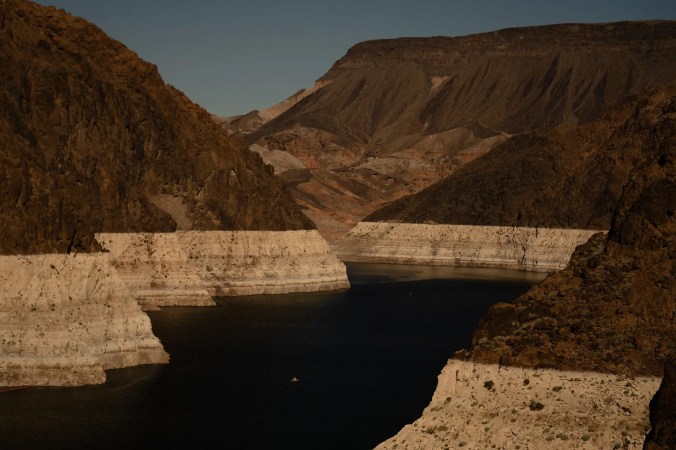
The Lake Mead reservoir in Nevada is showing a “bathtub ring” because of drought. Erin Schaff/The New York Times

We have featured the river plenty in recent years. No easy solutions. Bruce Babbitt, who was secretary of the Interior Department in the Clinton administration, and before that a governor of Arizona, has this to say:

Before Western States Suck the Colorado River Dry, We Have One Last Chance to Act

The Interior Department last summer dropped a bomb on the seven states that depend upon the Colorado River for water. Continue reading

Anthropocene’s Marker

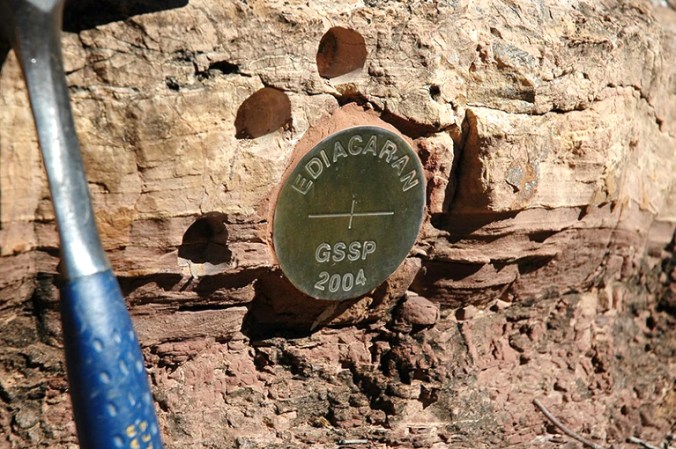
The Ediacaran Period, which ended some 540 million years ago, is marked by a gold spike in the Flinders Ranges of South Australia. JAMES ST. JOHN

We do not love the word Anthropocene, but we appreciate the marker it represents. And until now we did not know there would be a physical counterpart, a marker that will be placed in a representative location:

A Golden Spike Would Mark the Earth’s Next Epoch: But Where?

Before the Anthropocene can be officially proclaimed, a scientific working group must select a single site that permanently captures the new human-influenced epoch. Nine candidate sites — from California to China to Antarctica — are under consideration, with a decision expected soon.

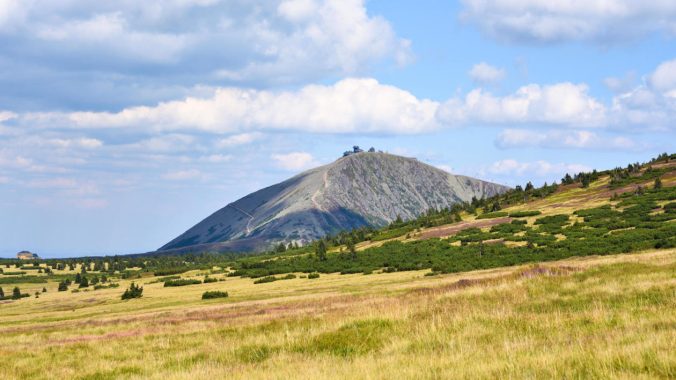
The peatland below Poland’s Mount Śnieżka contains contaminants from burning fossil fuels, nuclear testing, and other human activities. MYSTICWALKER / ALAMY STOCK PHOTO

At first glance, these nine sites scattered across the globe seem unremarkable. Continue reading

Planting For Foraging

Picking too many fiddleheads from a single ostrich fern plant can reduce its productivity. Jared Rosenbaum, a field botanist, never harvests more than one or two from any individual plant. (Also, cooking with fiddleheads can be toxic, so be sure to wash them well and never eat them raw: Always boil them before you sauté or cook them in any other way.) Jared Rosenbaum/Wild Ridge Plants

Margaret Roach delivers the goods when we need a dose of useful plant life information:

Why It’s Better to Plant Wild Greens Than to Forage for Them

This spring, don’t forage for wild edible plants. Instead, welcome them into your garden.

Jared Rosenbaum knows the primal thrill of foraging — a sense of interdependence with the natural world that he wants his son to experience, too.

But as a field botanist, he also understands that foraging is one of the many pressures on native-plant populations. And he has a proposition for gardeners: What if we gave back to the wild edible plants that tempt us on our springtime woodland hikes, by welcoming them into the landscapes we cultivate?
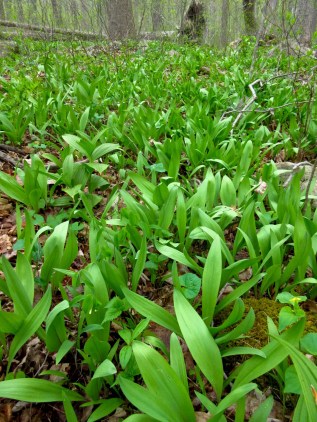
For a fleeting moment each spring, wild leeks (otherwise known as ramps) are a star of restaurant menus, creating a demand that has intensified the pressure on wild populations. Jared Rosenbaum/Wild Ridge Plants

It’s one layer of the habitat restoration and ecological design inspiration that he and his wife, Rachel Mackow, provide to clients of Wild Ridge Plants, in rural Pohatcong Township, N.J. And it’s reflected in many of their mail-order nursery’s plant choices, too.

In Mr. Rosenbaum’s recent book, “Wild Plant Culture: A Guide to Restoring Edible and Medicinal Native Plant Communities,” he revisits that idea: “The time has come to reconnect with our habitats, right where we live, work, and play,” he writes. “Not as museum pieces, but as vital, sustaining elements in our lives, livelihoods, and lifeways.”

That includes our gardens. Continue reading

Valuation Of Biodiversity

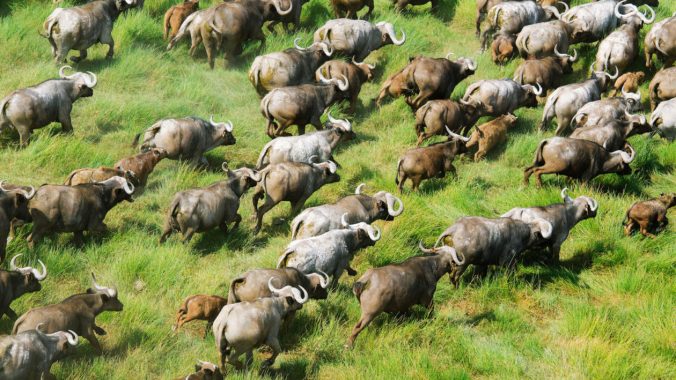
Cape Buffalo in Kenya. MARTIN HARVEY / ALAMY

Biodiversity valuation is a topic we link to from time to time, so we thank Zach St. George for this article’s contribution to our understanding:

Pricing Nature: Can ‘Biodiversity Credits’ Propel Global Conservation?

Backed by the UN, an alliance of conservationists and policymakers is devising new ways to finance the preservation of biodiversity by placing economic values on ecosystems. Some analysts say such schemes have the potential to boost conservation, but others are skeptical.

In 2009, as global financial markets shuddered, David Dorr became interested in the possibility of putting a price on nature. Dorr is a Cayman Islands-based global macro trader, attuned to what he calls the “butterfly effect” of geopolitics and other international forces on financial markets. Continue reading

Wilding The Golf Course

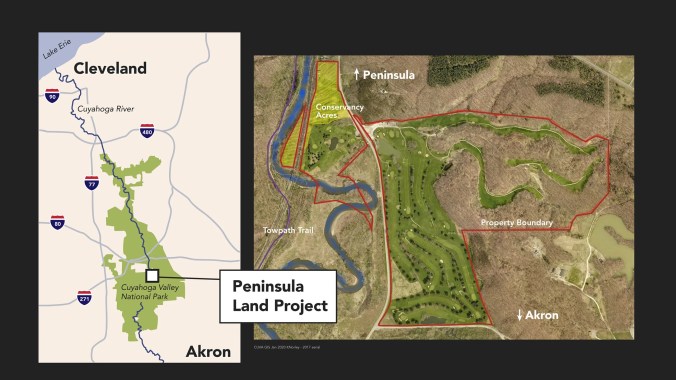
Map by Anna Yantek / Ideastream Public Media, with satellite imagery via the Conservancy for Cuyahoga Valley National Park

We do not mind the sport, per se, but its footprint is quite problematic. This story by Abigail Bottar with photos and video by Ryan Loew is worth a few minutes of your time, either reading or listening, if you want to see what is possible to mitigate the footprint:

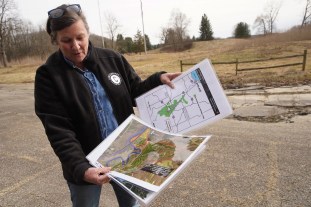
Stacey Rusher, director of park projects at the Conservancy for Cuyahoga Valley National Park, holds maps of the former Brandywine Country Club golf course property.

Back to nature

At the former Brandywine golf course in Peninsula, a national park acquisition is allowing Mother Nature to retake her land.

On a warm winter day, Stacey Rusher serves as a guide through what used to be the par three golf course at the former Brandywine Country Club. Through fields of dry brush, up leaf-covered hills and past resting geese, she arrives at the banks of the Cuyahoga River. Continue reading

Final Words On P-22

We linked to stories about this great cat frequently enough that its demise was sad news. So this requiem is overdue and quite welcome. We rarely have words with no images, but for P-22 it seems like the way to do it (as is the reference to a domestic cat in the author’s life):

Requiem for a Great Cat

The beloved mountain lion P-22 connected humans to feline mysteries.

The citizens of Los Angeles have not forgotten about P-22, the furtively majestic mountain lion of Griffith Park, who died a week before Christmas, at the age of about twelve. A handsome beast with amber eyes and a white muzzle, P-22 was probably born in the Santa Monica Mountains, the coastal range west of L.A. His father was P-1, the first animal to have been tagged in a National Park Service mountain-lion study that began in 2002. Continue reading

Brazil’s Amazon Complications, 2023 Onward

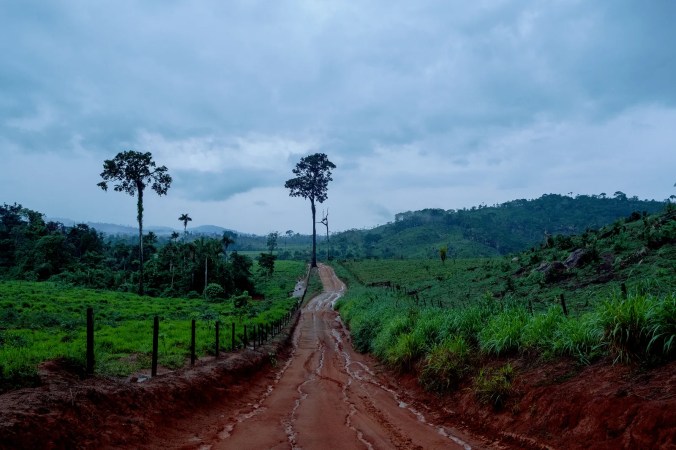
On the road from Novo Progresso to Baú Village.

We are always thankful to Jon Lee Anderson for his illuminations on complicated places, such as Brazil:

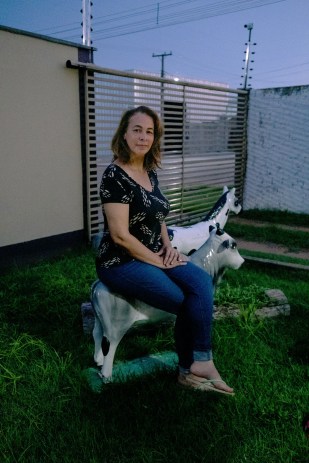
Dulce Sousa, a resident of Novo Progresso, agrees with the former President Jair Bolsonaro that local residents should be free to profit from the forest’s resources.

Who Can Save the Amazon?

Brazil’s President, Luiz Inácio Lula da Silva, promises to keep miners and loggers from destroying the rain forest. On the ground, the fight is complicated.

The Brazilian Amazon is riven by two long highways, in the shape of a cross: the BR-163, which extends more than four thousand miles from north to south, and the Trans-Amazonian, which runs twenty-four hundred miles from east to west. The roads were carved from the jungle in the nineteen-seventies, to open the wilderness to settlers and development. The effects have been calamitous. As colonists flooded in, the human population in Brazil’s Amazon has quadrupled, to nearly thirty million. Continue reading

Bees’ Brains

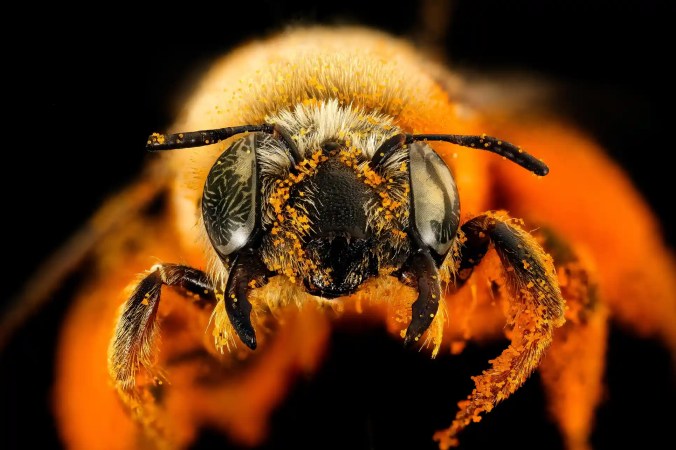
Bees are in a class by themselves as pollinators, a role that requires a sophisticated mind, says one expert. Photograph: Alamy

Stories about bees in our pages are the proverbial bees knees, again, this time with some information on their sense of the world:

‘Bees are sentient’: inside the stunning brains of nature’s hardest workers

‘Fringe’ research suggests the insects that are essential to agriculture have emotions, dreams and even PTSD, raising complex ethical questions

When Stephen Buchmann finds a wayward bee on a window inside his Tucson, Arizona, home, he goes to great lengths to capture and release it unharmed. Continue reading

Yosemite, John Muir & Robert Underwood Johnson

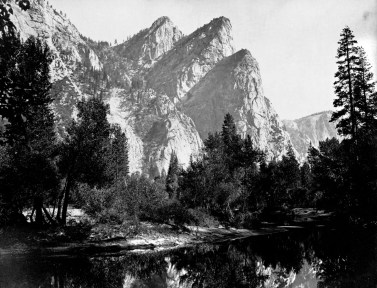
The Three Brothers, taken just east of El Capitan, by Carleton Watkins, ca. 1865. “A sharp earthquake shock at 7:30 a.m.,” Muir wrote in his journal on January 5, 1873. “Rotary motion tremored the river. . . . A boulder from the second of the Three Brothers fell today.” (Courtesy of the Library of Congress)

This book review in the LA Times will be of interest to those who find the history of conservation innovations entertaining:

The odd couple that saved Yosemite

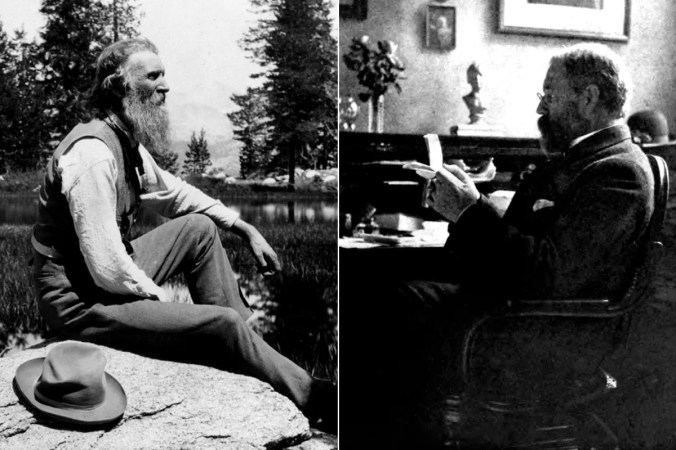
John Muir and Robert Underwood Johnson were unlikely allies in the war to preserve Yosemite. Muir, son of a Scripture-quoting Scottish immigrant father, was raised poor on a Wisconsin farm, but he wrote and spoke with the fervor of a prophet, and his craggy visage, tough constitution and unshakable devotion to the natural world drew admirers like a magnet. The urbane and cultured Johnson was an insider with a vast network of contacts in publishing and politics. The editor of one of the country’s preeminent magazines, Johnson hosted New York literary salons, mingled with America’s elite and eventually became the U.S. ambassador to Italy.

John Muir in California nature, 1902, left, and Robert Underwood Johnson, associate editor of the Century Magazine, at his office on Union Square in New York City. Their complementary skills helped carve out Yosemite National Park.(Courtesy of the Library of Congress; Courtesy of Wikimedia Commons)

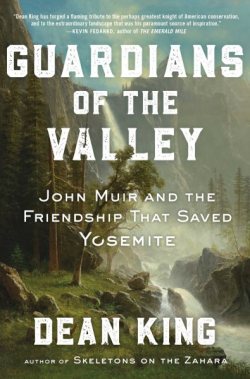
It was improbable that they even met — Muir was on the West Coast, Johnson on the East. But on one memorable journey into the California kingdom now known as Yosemite National Park, the two agreed to pull together to wage the nation’s “first great environmental war,” battling through the administrations of seven presidents to save Yosemite. It’s fair to say that the valley’s matchless terrain and fragile ecosystem would have been logged, plowed and plundered without their relentless efforts. Veteran nonfiction writer Dean King tells their story in “Guardians of the Valley: John Muir and the Friendship that Saved Yosemite.” Continue reading

Trashy Fashion

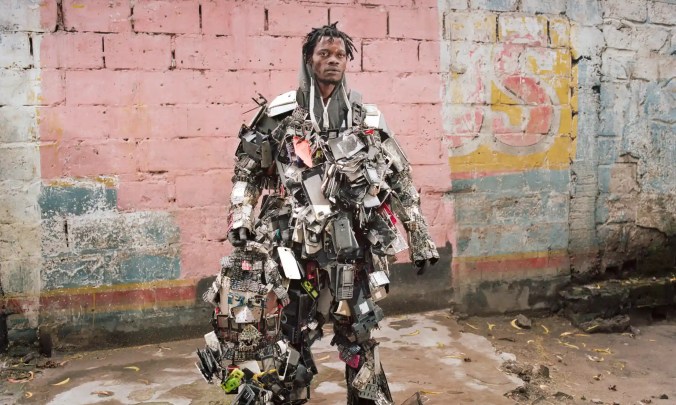
Congolese artist Nada Thsibwabwa photographed by Colin Delfosse wearing a costume made of mobile phones in Matonge district, Kinshasa, Democratic Republic of the Congo. All images © Colin Delfosse

Congolese artist Hemock Kilomboshi posing in his rubber costume in Matonge district, Kinshasa. A member of the Kinact platform, Kilomboshi performs in Kinshasa’s streets to raise issues about globalisation and economic plunder in the DRC.

We featured an African social enterprise in our pages, back in the days of our Ghana work, that today’s story reminds us of. Whether on the streets of Accra, or the streets of Kinshasa, we love the creative approach. Click any image, or the title link below, to see the entire collection in the Guardian:

Rubbish fashion: street art costumes of Kinshasa – in pictures

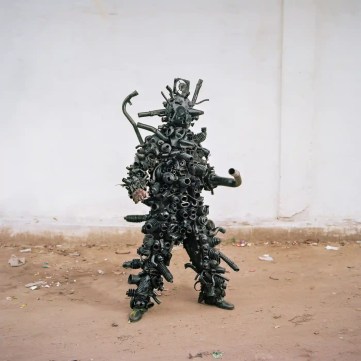
In his series Fulu Act, Brussels-based documentary photographer Colin Delfosse captures street artists in Kinshasa, who craft striking costumes out of everyday objects found littering the streets, such as discarded wigs, wires, soda cans and bottle lids, to raise awareness of environmental issues facing the Democratic Republic of the Congo. “The statement behind their costumes is to condemn and inform about overconsumption and its side effects, namely pollution, poverty, lack of reliable investments and so on,” says Delfosse. “By capturing these images, I’m giving an echo to their crucial work.”

Congolese artist Jean Precy Numbi Samba, AKA Robot Kimbalambala, pictured in his costume made of car spare parts in the Ngiri-Ngiri district, Kinshasa, December 2019. The car market in the capital’s suburbs is mostly made of highly polluting secondhand (or thirdhand) vehicles from Europe.


Op-Ed For Amphibians

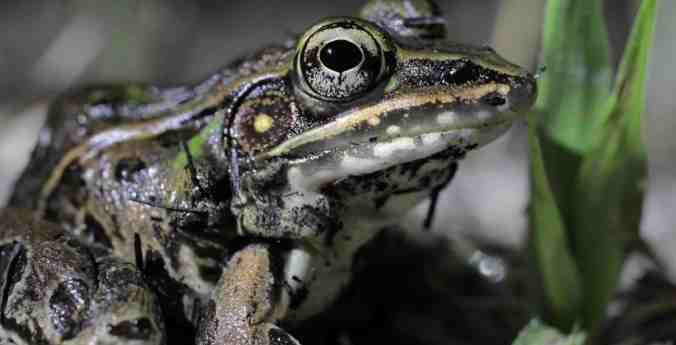
Photographs and video were taken by Bobby Altman at the Francis Marion National Forest, S.C., with assistance from Amphibian and Reptile Conservancy, a national nonprofit.

Every now and then we link to a gem by Margaret Renkl, and these often calm the environmentally-rattled nerves, as is the case today:

Why Tiny Ponds and Singing Frogs Matter So Much

NASHVILLE — I wish you could hear what it sounds like to sleep near an ephemeral pond in early springtime on the Cumberland Plateau, especially on a rainy night. As darkness begins to fall, the small frogs called spring peepers begin to sing. At first their song is the sonic equivalent of the way popcorn pops: each peep a single sound, each sound buffered on either side by silence. Continue reading

Audubon, The Name

American Goldfinch on cup plant. Photo: Catherine Mullhaupt/Audubon Photography Awards

Elizabeth Gray, Chief Executive Officer and Ex Officio Board Director of Audubon offers this:

Open Letter from the CEO on Audubon’s Name

Hear directly from Dr. Elizabeth Gray on why Audubon is keeping its name.

Dear Flock,

This past year, the National Audubon Society embarked on a process to reexamine the name of our organization, in light of the personal history of the organization’s namesake, John James Audubon.  Continue reading

Keeping It Honest In Costa Rica

The Nairi Awari Indigenous community in Limón, Costa Rica. EZEQUIEL BECERRA / AFP VIA GETTY IMAGES

We are proud of the country we call home, and where our work us based. But even as I celebrate it from time to time, I never mistake it for perfect. There is always more work to be done. Thanks to Fred Pearce, as always, for the details we need to know:

Lauded as Green Model, Costa Rica Faces Unrest in Its Forests

Indigenous park ranger Osvaldo Martinez tours the Nairi Awari indigenous community in Limon, Costa Rica on November 9, 2021. – The indigenous people of this community are payed for caring for the environment, as part of a program awarded by the British royalty. (Photo by Ezequiel BECERRA / AFP) (Photo by EZEQUIEL BECERRA/AFP via Getty Images)

Costa Rica has won international acclaim for its initiatives to restore its forests. But those successes are now jeopardized by conflicts over the government’s failure to return traditional lands to the Indigenous people who are regarded as the best forest stewards.

Costa Rica has a green halo. In recent decades, the small Central American nation has transformed itself from a notorious hotspot for deforestation into a beacon of reforestation that is the envy of the world. Many of its more than 12,000 species of plants, 1,200 butterflies, 800 birds, and 650 mammals, reptiles, and amphibians have gone from bust to boom, and eco-tourists are savoring the spectacle. Continue reading

The Birds Of Australia, Interactive Exhibition Of John & Elizabeth Gould’s Illustrations

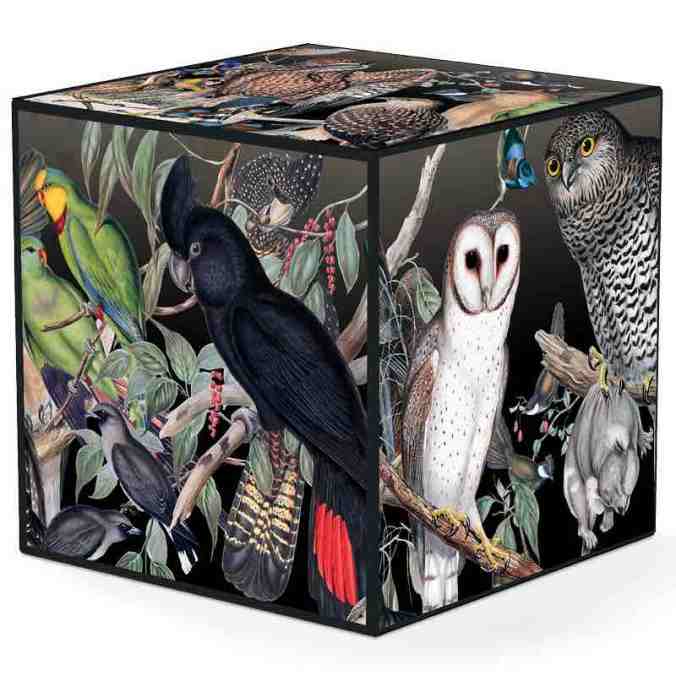
A new exhibition showcasing the incredible world of Australia’s birdlife will launch in Newcastle. Presented on STORYBOX, an interactive storytelling cube, The Birds of Australia, brings to life the iconic bird illustrations of John and Elizabeth Gould together with First Nations storytelling and knowledges.

We have linked to stories about both John Gould and his wife Elizabeth, and now there is a museum exhibition honoring both together, so if you happen to be in Australia:

Touring exhibition: The Birds of Australia

Trace the journey of English ornithologist John Gould and his wife Elizabeth, as they travelled across New South Wales in the 1800s on one of the most significant birding expeditions in history, helping inform contemporary knowledge and conservation of Australian birds. The Goulds described and illustrated over 300 birds that were completely new to science, including the Pied Butcherbird (Cracticus nigrogularis) and the now extinct Paradise Parrot (Psephotellus pulcherrimus). It was an astonishing record of observation and sustained hard work. Continue reading

Golden Oldies

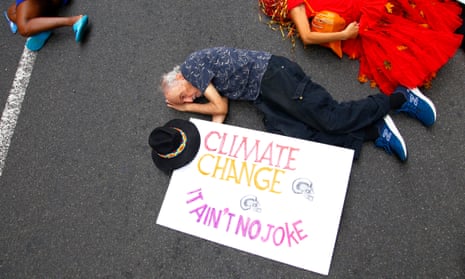
People perform a die-in on Third Avenue in New York during a protest in 2021.

People perform a die-in on Third Avenue in New York during a protest in 2021. Photograph: Michael M Santiago/Getty Images

Thanks to Oliver Milman, as ever:

‘We have money and power’: older Americans to blockade banks in climate protest

Demonstrations at 90 sites are billed as first major action by older activists: ‘It’s not fair to ask 18-year-olds to solve this’

Climate activists across the US will on Tuesday blockade branches of banks that finance fossil fuels, cutting up their credit cards in protest and holding rallies featuring everything from flash mobs to papier-mache orca whales. Unusually for such a spectacle, the protests won’t be led by young activists but those of a grayer hue. Continue reading

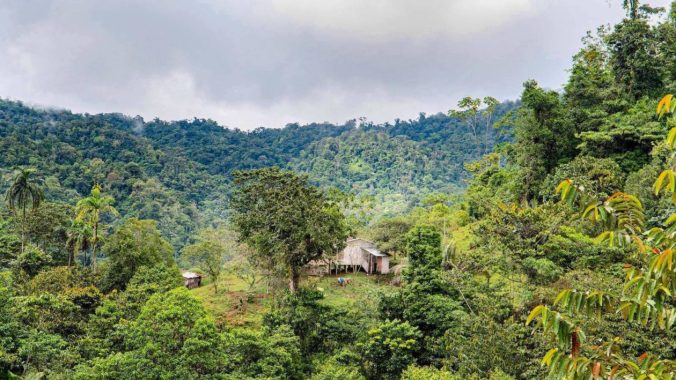
Leveraging Guarani Knowhow For Reforestation

A Guarani man walks through a cleared patch of Brazil’s Atlantic Forest that the local Indigenous community is trying to reforest. DIEGO HERCULANO / NURPHOTO VIA GETTY IMAGES

Thanks to Jill Langlois and Yale e360:

How Indigenous People Are Restoring Brazil’s Atlantic Forest

The Guarani Mbya people are working to restore the once-vast Atlantic Forest, which has been largely lost to development. Gaining official tenure of their lands, they hope, will boost their efforts, which range from planting native trees to reintroducing pollinators.

It was 2016 when Jurandir Jekupe noticed the bees were gone.

Their nests were once common in Yvy Porã, the Guarani Mbya village where Jekupe grew up and still lives. Continue reading

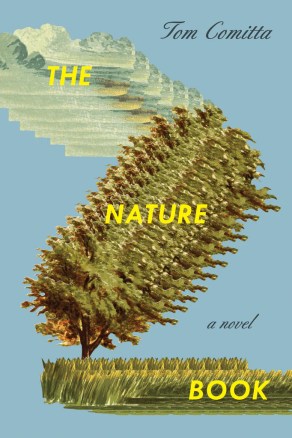
The Nature Book, Reviewed

Neither the author of the book,  nor Cara Blue Adams who reviews it in the essay below, is familiar in our pages. But it is an essay that evokes familiar themes, so here goes:

Searching for Unfamiliar Terrain in “The Nature Book”

We go to the wilderness to test ourselves against an environment indifferent to our presence. Can this experience be re-created in fiction?

The Wilderness Act, passed in 1964, established the National Wilderness Preservation System to safeguard federally owned land, beginning with 9.1 million acres, called “wilderness areas,” to be “designated for preservation and protection in their natural condition.” Continue reading