Costa Rica And India, Friends In And Friends Of Democracy

14-oscar-arias-indiaink-tmagArticle

Jeffrey Arguedas/European Pressphoto Agency

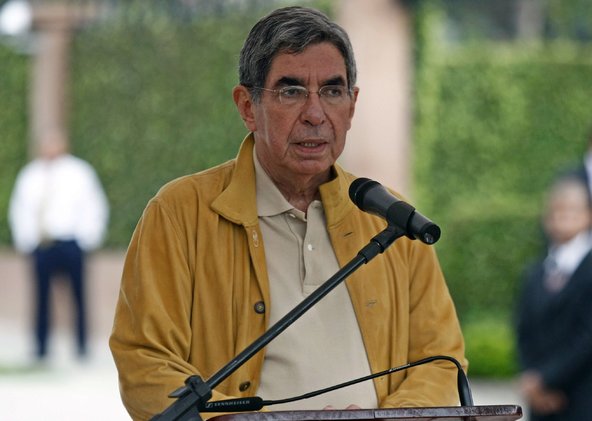
I was rushing through an airport recently, in transit between one workplace and another, when the man in the picture above walked past me and our eyes connected; we both stopped.  We were not in his country or mine. There was no reason for him to remember who I was, but I had good reason to greet him with “Mr President, you are looking well.” The man has not seemed to age a day since I first met him nearly 20 years ago.

To my astonishment, he recognized me and reminded me that our last meeting was in his office in Costa Rica with a group of conservation-oriented investors interested in that little country’s commitments to its national park system. Oscar Arias played an important role, as President nearly three decades ago, and then again as President in the last decade, innovating a more sustainable future for the national park system, and these investors were interested to hear his views.

Lest anyone misinterpret this as an exercise in name-dropping, my point in mentioning this is very much the opposite. Costa Rica, to use a great metaphor from an otherwise not great sport, “punches above its weight class” in conservation, in health indicators, in education, and even in happiness.

This explains its success in attracting foreign direct investment, and makes all the more remarkable that a Nobel laureate who has twice been president of Costa Rica is approachable and friendly, generous with his time. It is the Costa Rican way, without regard to status. He has time to say hello to a random gringo in an airport. He has time to come to India to say hello to the 15o million new voters (added to the hundreds of millions of experienced voters) engaged in the current exercise of the world’s largest democracy: Continue reading
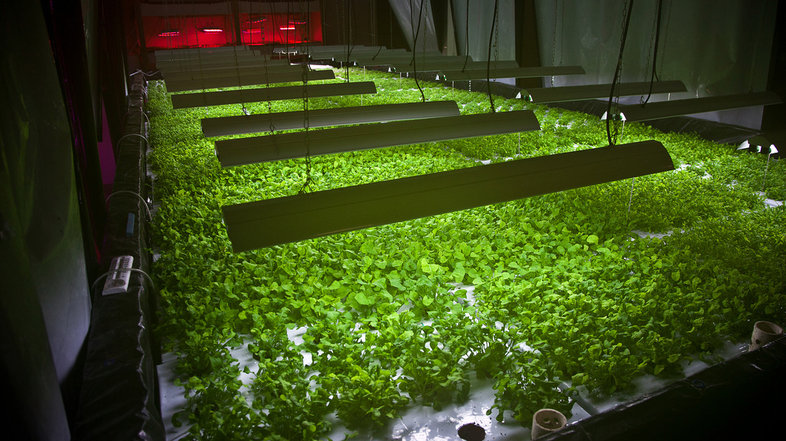

Chicago’s Vertical Farming

Plant Chicago, NFP/Rachel Swenie

Arugula plant beds inside The Plant, a vertical farm operation in Chicago. Plant Chicago, NFP/Rachel Swenie

Thanks to National Public Radio (USA) for this story on their weekly program called The Salt:

From plant factories fueled by the magenta glow of blue and red LED lights, to the 30-foot tall Ferris wheel for plants in Singapore, we’ve shown you the design possibilities for growing vegetables up instead of out.

But critics ask, what kind of stresses does that put on the plant? And how do you feed this kind of intensive cultivation without spending more than what you get back in the harvest? Continue reading

Better Brewed Beer

foamy-beer

A time-honored artisanal endeavor is quietly articulating a 21st century version of industrial production

When we have links to articles reviewing the literature of vegetarian cooking and/or first-person stories, told in multiple parts about the ecological benefits of eating invasive fish species, it is only fitting that we offer information about ecologically sensitive beverages. The community of craft beer producers in the USA in particular has undergone nothing less than a renaissance. Thanks to the magazine website of Conservation for this story:

From the outside, the New Belgium Brewery, located on 50 acres near downtown Fort Collins, Colorado, appears to be an environmentalist’s dreamscape. Company-issued bicycles surround the facility. A parking lot next to the brew house has an electric car charging station. Solar panels layer the roof of the bottling plant. A well-worn biking path snakes across the property. Continue reading

Natural Capital Valuation and Protection of Marine Megafauna

Photo © Fabrice Jaine

I’ve noticed a number of positive and interesting developments as of late in the area of marine species protection, pointing to an increasing recognition, by policymakers, of the value of natural capital and associated ecosystem services, particularly the value arising from ecotourism.

In February of this year, the Government of Indonesia granted full protection to manta rays within its nearly 6 million square kilometer exclusive economic zone (EEZ), making it the world’s largest sanctuary for manta rays. This reverses the trend of the past three decades wherein Indonesia has had the dubious distinction of being home to the world’s largest fishery for sharks and rays. Why the reversal? It seem that studies showing that the ecotourism value of a manta ray is an estimated $1 million over its lifetime, as compared to the onetime value of several hundred dollars for its gill rakers and meat played a key role in persuading policymakers to take action to protect the iconic species.

A few weeks later, the President of Palau announced that the country’s entire 200 nautical mile EEZ will be declared a marine sanctuary and closed to commercial fishing and seabed mining.  This follows a move a few years earlier to declare Palau a shark sanctuary. In explaining the reasoning behind the moves Palau’s president noted that a dead shark is worth several hundred dollars, whereas a live shark is worth $1.9 million in tourism during its life span, and that his country will promote scuba diving, snorkelling and ecotourism as an alternative income to commercial fishing. Continue reading

Bad Behavior Gets Curiouser And Curiouser


Sony Dong was charged with smuggling songbirds into the United States by strapping fourteen of them to his legs and trying to walk out of the Los Angeles International Airport.

Sony Dong was charged with smuggling songbirds into the United States by strapping fourteen of them to his legs and trying to walk out of the Los Angeles International Airport.

Click the image above to go to this story, with podcast, at National Public Radio (USA), which covers the illicit wildlife trade story we linked to yesterday from a different angle:

Exotic animal trafficking is big business, and Southern California is a hub.

In March, Cheng Zhuo Liu of Chula Vista, Calif., pleaded guilty to smuggling frozen sea cucumbers over the Mexico border. The 100 pounds of sea cucumbers, worth up to $10,000, were found in the spare tire compartment of Liu’s Hyundai.

Fish and Wildlife Service agent Erin Dean says there are many ways to traffic wildlife in Southern California. She says smuggling avenues include LAX, the sixth-busiest airport in the world; the Port of Los Angeles, the busiest port in the nation; and the Mexican border. Continue reading

Better Driving

tumblr_mo9zu18bZf1qz5g9bo1_1280

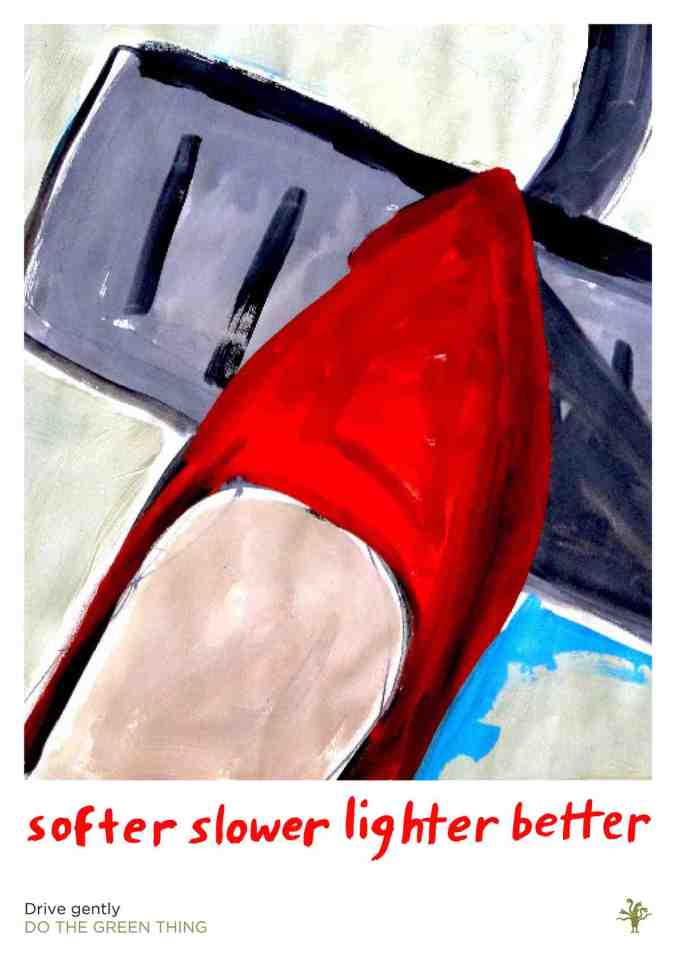
No matter how you view it, driving more fuel-efficiently is a worthy goal, but in a world with more than enough aggression already we think “Softer Slower” by Huntley Muir sends just the right visual reminder of another reason why driving more gently is a worthy goal:

Su and Donna, the two halves of artist duo Huntley Muir, have painted a poster that encourages people to be more tender on the accelerator.

“We decided to cut our speed by 10 miles an hour to save fuel and cut pollution and noise. It really works – we do use less fuel, it’s safer, less stressful and we don’t even notice the difference. And we are below the legal speed limits as well. Such goody two shoes. Continue reading

Thank You, Australia

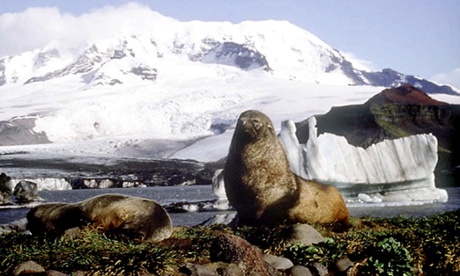
An elephant seals basks on Heard Island. Photograph: Australian Antarctic Division, HO/AP

An elephant seals basks on Heard Island. Photograph: Australian Antarctic Division, HO/AP

Thanks to the Guardian for their coverage of environmental issues around the world. We give credit where due, and this is continued good news for marine conservation without any qualifications (not even going to mention mining policies):

The government has created Australia’s largest fully protected marine reserve near two far-flung islands, in a move which environmental groups say will help safeguard rare whale species.

The Heard Island and McDonald Islands Marine Reserve has been expanded by 6,200 sq km following a scientific assessment of its conservation values.

The reserve now spans 71,200 sq km of ocean. Heard and McDonald Islands, an Australian external territory located 4,100km south-west of Perth, are barren, uninhabited outposts considered among the most remote places on Earth. Continue reading

Amazon Not Prime

Screen Shot 2014-04-04 at 9.06.54 AMJeff Bezos wants Amazon to be “Earth’s most customer-centric company.” What do customers’ interests and concerns include? We believe customers increasingly care about the environmental practices, and cultural impact, of companies they buy from.

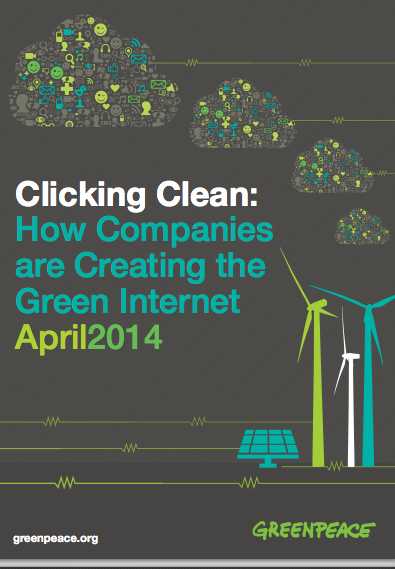
George Packer published a profile of Amazon in mid-February that raises questions about the modern form of capitalism, especially with regard to its impact on culture. Today in a follow up blog post about Amazon on the New Yorker’s website Packer brought to our attention this study about cloud computing’s best and worst corporate citizens. Amazon does not fare well in the analysis. Click the image to the left to go to the full publication, but start with the quick summary below:

Executive Summary

For the estimated 2.5 billion people around the world who are connected to the internet, it is impossible to imagine life without it. The internet  has rewoven the fabric of our daily lives – how we communicate with each other, work and entertain ourselves – and become a foundation of the global economy.

Seemingly on a daily basis, new businesses that use the internet as their foundation are disrupting and often replacing long-standing business models and industries. From music and video to communications and mail, more and more of our “offline” world is moving online. We can expect that trend to continue and accelerate as the global online population reaches 50% of the world’s projected population, moving from 2.3 billion in 2012 to an expected 3.6 billion people by 2017. Continue reading

Perchance To Dream

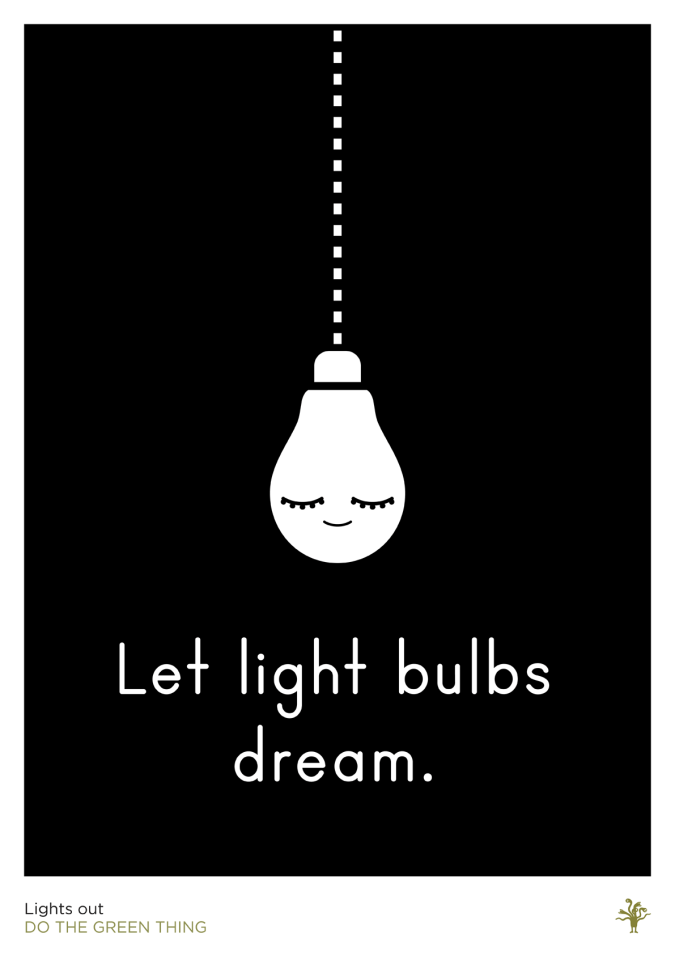
Endearing, yes, unless “Lights Out” makes you think the way Philip K. Dick did about dreaming while inanimate, or even as Shakespeare did; dark stuff that, but we get the point of our friends at this great initiative:

Design company Hudson-Powell have created this rather endearing poster, encouraging us to show light bulbs a bit of compassion.

“In the Shinto religion inanimate objects are often given a persona or spirit to help people relate to them in a more humanistic way and to create a dialog with the object. Taking this idea and applying it to light bulbs, making them delicate living things that need rest and can dream seemed like a playful way of getting people to remember to turn them off.”

Why? Continue reading

Bring Your Own Bottle

tumblr_mrzmgv3ZXg1qz5g9bo1_1280

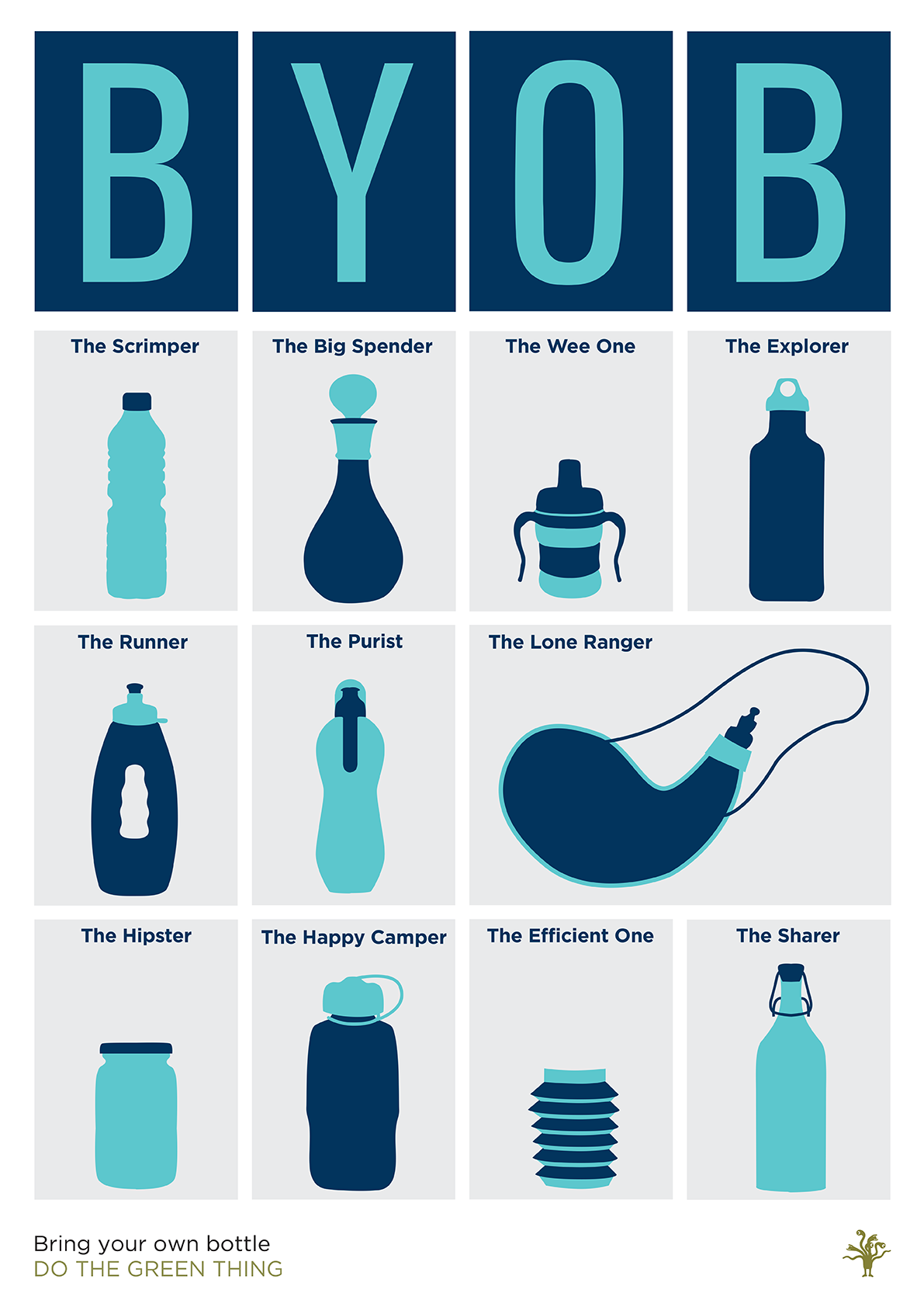
The image above is a reminder for us, as much as it is a pass along to you. After finally securing, in early 2013, a supply of beautiful glass water bottles for all of our restaurants and guest rooms in Kerala, Raxa Collective has been working for the last year to source a reusable and conveniently portable water bottle. The Earth Hour original purpose of the series of which the above poster is a part has a long tail of utility. Today we give thanks for “BYOB” by Rebecca Penmore, one of the altruistic designers at Pentagram giving us more clarity on why we should re-use:

On a hot summer’s day when hydration was the name of the game, Pentagram designer Rebecca Penmore noticed that our bottles of tap water are much more than liquid containers – they are an extension of our personality.

“The aim of my poster is to encourage people to carry their own bottle of tap water and avoid countlessly re-buying mineral water. I have used the well known acronym BYOB as a simple and straightforward way to communicate this message,” says Rebecca. “Bringing your own bottle is not only an easy way to reduce your global footprint, but it can be a great form of self expression!”

Why? Continue reading

If You Happen To Be In Philadelphia

This slideshow requires JavaScript.

We are on a Prosek roll…Currently, through June in Wood Gallery 227 at the Philadelphia Museum of Art, you can experience an exhibition dear to the heart of many members of Raxa Collective’s team in South Asia, and travelers from around the world, from the artist’s 2008 work:

The Peacock and the Cobra, a portfolio by artist and naturalist James Prosek (American, born 1975), forms the centerpiece of this exhibition. Also on view are a variety of painted pages and other objects from the Museum’s rich collection of art from India and Pakistan. While Prosek is not himself South Asian, the narratives that compose The Peacock and the Cobra invoke a range of ideas and images from the subcontinent. Continue reading

Make The Pledge by Nikki Miles

tumblr_mwb61wXD4G1qz5g9bo1_1280

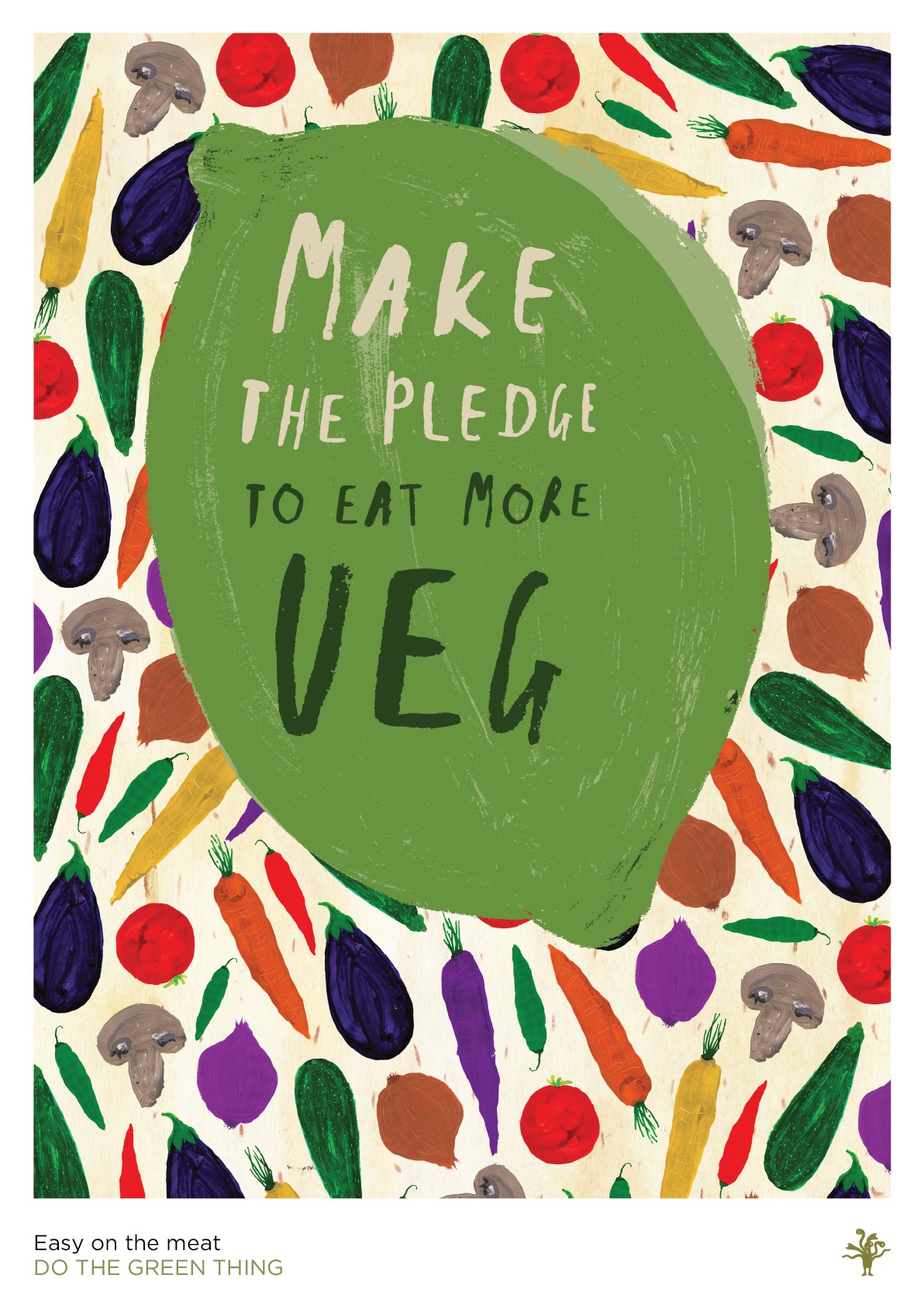
The day has come. Come! During the last month of food trials at 51, we were looking forward to the day–yesterday–when the doors officially opened and we could invite both vegetarian and non-vegetarian friends to dine, and in particular feast on a roasted vegetable dish rooted in Malabar Coast vegetables and Eastern European foodways. Thanks to another of the Young Creatives for this encouragement on getting non-vegetarians to pledge to add more vegetables to their diet–all it takes is better-tasting veggies, we think, and some creative promotion:

With this playful painting, illustrator Nikki Miles is urging us to make a pinky promise to go easy on the meat and its carbon consequences and enjoy some veg instead.

“I don’t eat a lot of meat but I’m not strictly a vegetarian either,” says Nikki. I have tried being a vegetarian in the past but I found it to hard to give up the odd bacon sandwich or roast dinner with beef gravy.  I only eat meat around once or twice a week because vegetables are yummy too! Eating more veg and less meat is a simple way to make a big difference to your health and the environment.” Continue reading

Earth Hour 2014


Earth Hour

Earth Hour

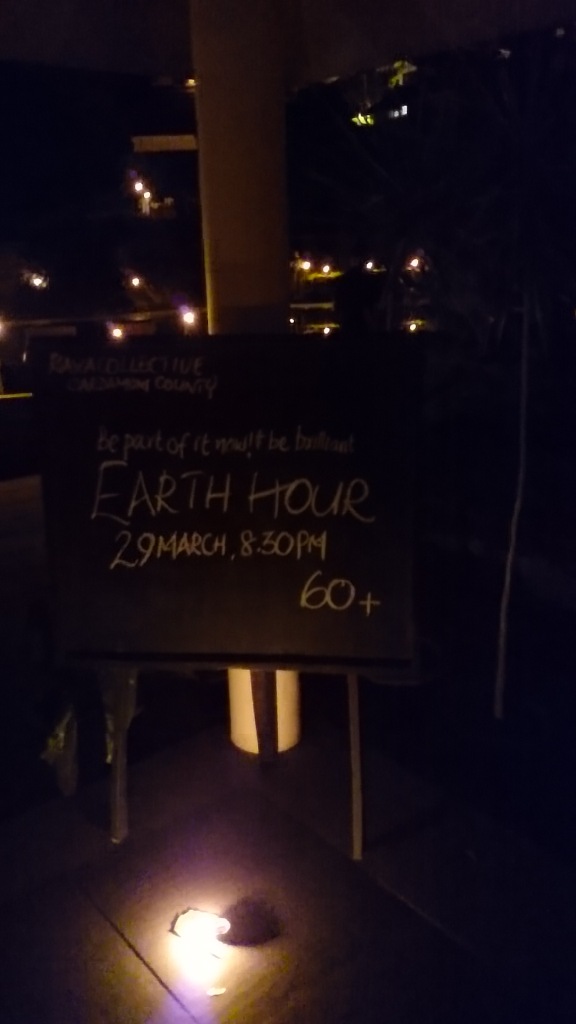
RAXA Collective properties joined the millions of people around the world celebrating Earth Hour on March 29th. Earth Hour is a voluntary movement with the goal to highlight global activism about energy consumption. One hour staggered in local time across the globe people come together and switch off all their electricity. Continue reading

The Lights Are On by Sylvia Moritz

tumblr_n0msx5vlNw1qz5g9bo1_1280

As noted yesterday, we will continue highlighting the best of the Young Creatives for the Do The Green Thing campaign. Raxa Collective’s operations teams at various properties can relate to Sylvia’s challenge to all of us to collaborate on conservation of electricity, whether in the hospitality community, the traveler community, in our residential home community or wherever:

Graphic designer and illustrator Sylvia Moritz wants to spell an end to the stupidity of leaving lights on in empty rooms.

“Electricity is a daily comfort we take for granted,” says Sylvia. “It is our sun when it is night, it is our means of living out our modern daily lifestyles. To recklessly exhaust this energy source, to squander something so integral to our survival, is wasteful. I hope this illustrated idiom can switch people’s behaviour.” Continue reading

Thanneermukkom Bund

Thanneermukkom Bund

Thanneermukkom Bund

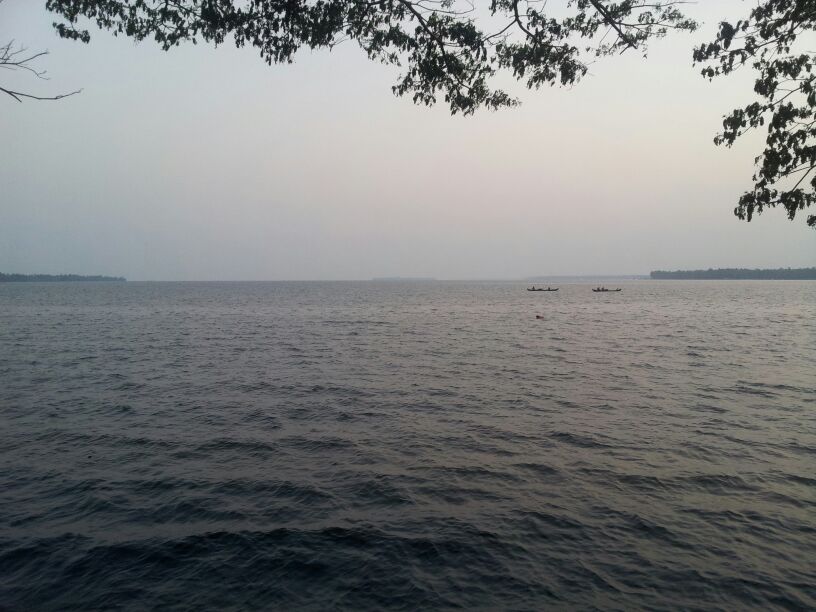
Constructed in 1974 and functional since 1976, the Thanneermukkom Bund was build to prevent tidal action and intrusion of salt water into the low-lands and the backwaters of Vembanad Lake. One of the biggest lakes in Kerala, Vembanad is a famous tourist spot where house boats and local fishing practices are a common attraction. Continue reading

Still Counting On Do The Green Thing

tumblr_n377x1rxqr1qz5g9bo1_1280

Since we started highlighting these posters only during its final week or so, there are many other posters to highlight and we intend to do so in the coming days. Not all, since not all creative output is created equal. In this final campaign poster, about reduction of light pollution, the Young Creatives series concluded on a cosmic note:

The shining star of our 29 Posters for the Planet campaign is Rebecca Charlton, the winner of WWF and Do The Green Thing’s Young Creatives competition. With her intricate and dazzling illustration, she reminds every person in every building in every city that stars not bulbs are the best sources of light in the night.

Continue reading

Do The Green Thing Countdown 29/29

29 Posters Final Template

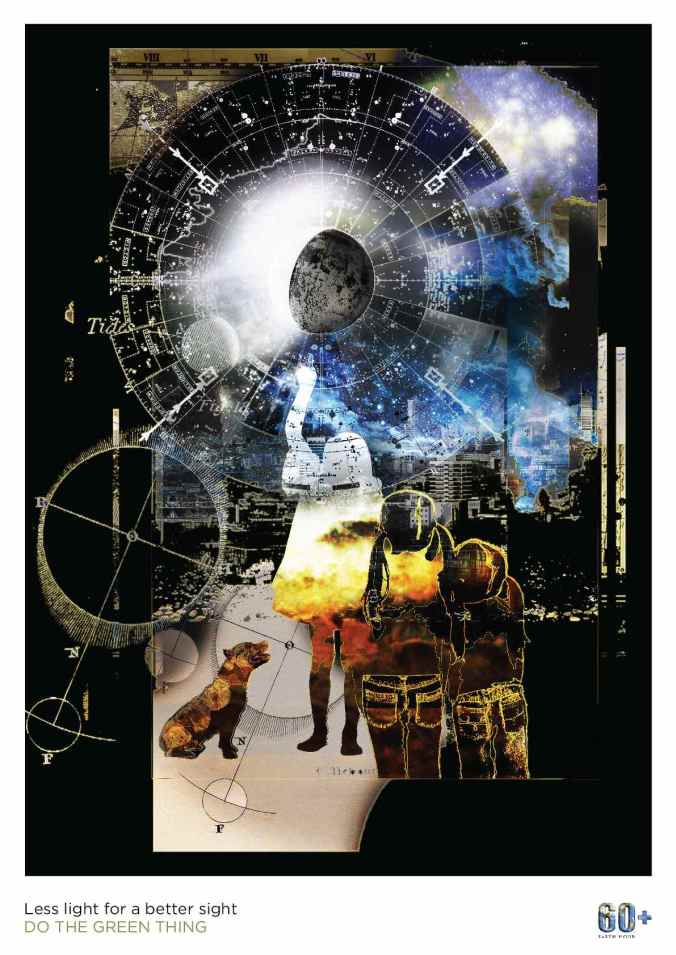
Today’s the day this series was designed for, and Shiv’s “Less Light” provides a fitting conclusion about doing the green thing this evening:

Illustrator and art director Shiv uses a blend of photography and computer trickery to create a bewitching image to get us warmed up for Earth Hour tomorrow evening. Her poster urges us to switch off, save energy and enjoy the the galaxies above. Shiv said:

“I moved out of London nearer the countryside a couple of years ago and what I love is how much of the sky at night i can see now. I think Earth Hour is a great opportunity to see the stars while the urban lights are down, and that everyone should take advantage of this.”

Why?

Continue reading

Do The Green Thing Countdown 28/29

tumblr_n33p2xFFaL1qz5g9bo1_1280

“Let’s Ride” is a cool, clean visual that says it all, whether you are already a member of the biking community, or yet to become one:

Josh Higgins built and led the design team behind Barack Obama’s 2012 presidential campaign and is now Communication Design Manager for Facebook. Using fresh colours and geometrical shapes, his poster rallies the world to do more bike riding and less driving.

“I have always loved cycling and rode a bike since age 6 because it is fun,” says Josh. “Now I am a bit older I realize it is so much more. Riding a bike is a proven stress releaser. It is great for our environment and whether you are riding purely for pleasure or to get from point A to point B, you will arrive feeling relaxed, energized and happier about the world.”

Why?

Continue reading

Add Cello To The Trinity Of C-Words


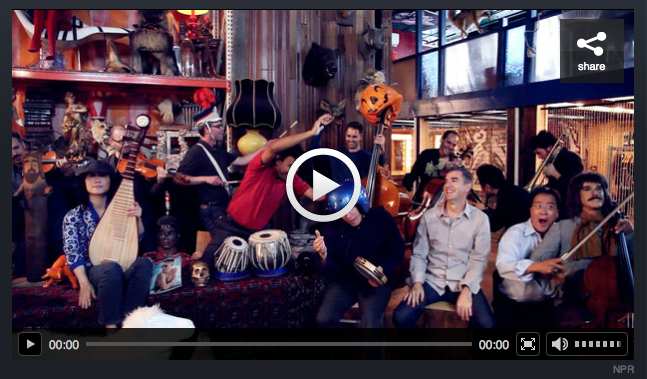
Welcome To Yo-Yo’s Playhouse…Watch the superstar cellist Yo-Yo Ma and many of his close friends from all over the world in action at a theatrical props warehouse in Brooklyn.

Ever on the lookout for stories that have one or more connections to our primary interests–community, collaboration, conservation–we are particularly fond of bifectas and trifectas, double-dips and triple plays. Versatility and eclecticism are signatures of Yo-Yo Ma, so no surprise that today we see a bit of all our interests combined in this story on the National Public Radio (a USA radio network funded by listeners, corporate/foundation donors, and taxpayers) website:

by ANASTASIA TSIOULCAS

When you’re lucky enough to have cellist Yo-Yo Ma and members of the Silk Road Ensemble, some of the world’s premiere instrumentalists and composers, gather for an afternoon of offstage music making, you’ve got to think long and hard about where to put them. And we decided that the perfect match would be ACME Studio, a theatrical props warehouse in Brooklyn.

Continue reading

Do The Green Thing Countdown 27/29

tumblr_n31wkrCfVp1qz5g9bo1_1280

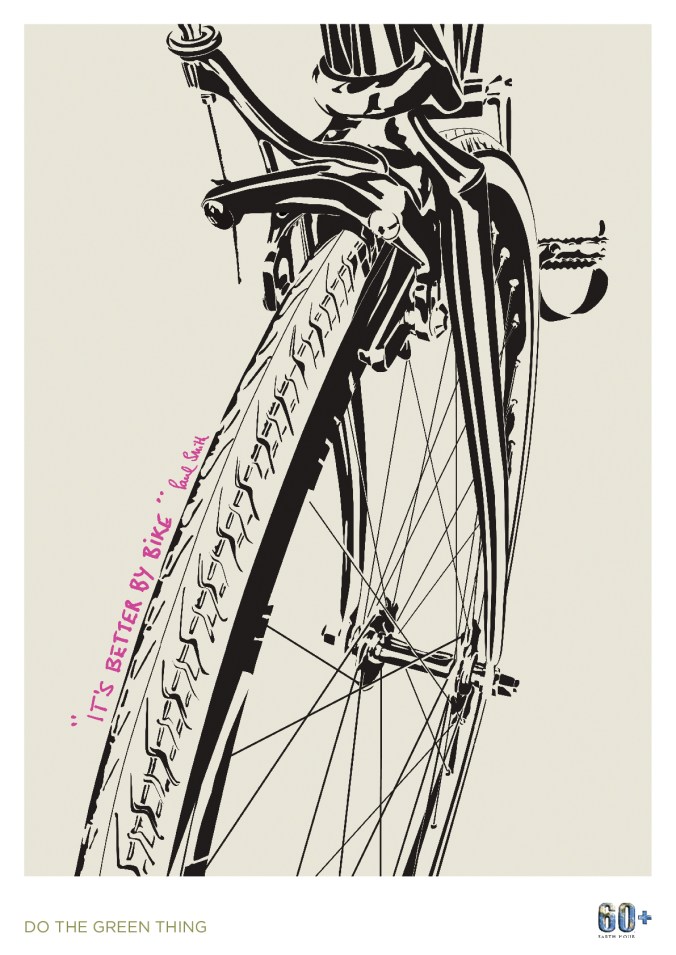
Better By Bike” speaks again on the topic of bicycle power, in the interest of Earth Hour as promoted by WWF and which Raxa Collective’s community will be participating in:

Today we are delighted to present a poster from a man who needs no introduction, but that won’t stop us from introducing him anyway. Sir Paul Smith is one of the most admired figures in the world of fashion: a style guru, a gentleman and a mad keen cyclist. He has created a piece of heartfelt pro-pedal propaganda featuring one of his own cycles and a message in his own writing: “it’s better by bike”. We agree.

Why?  Continue reading