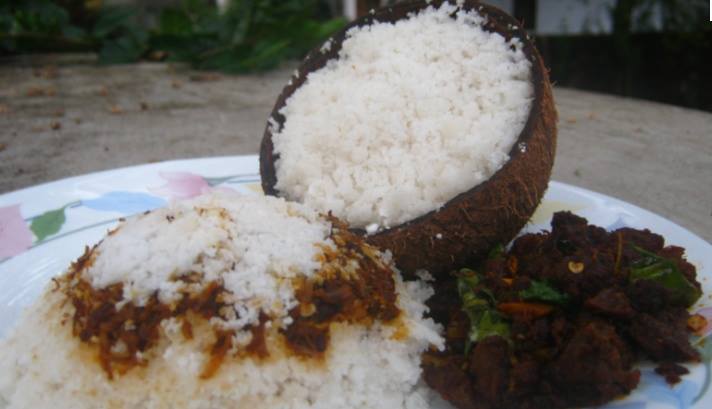
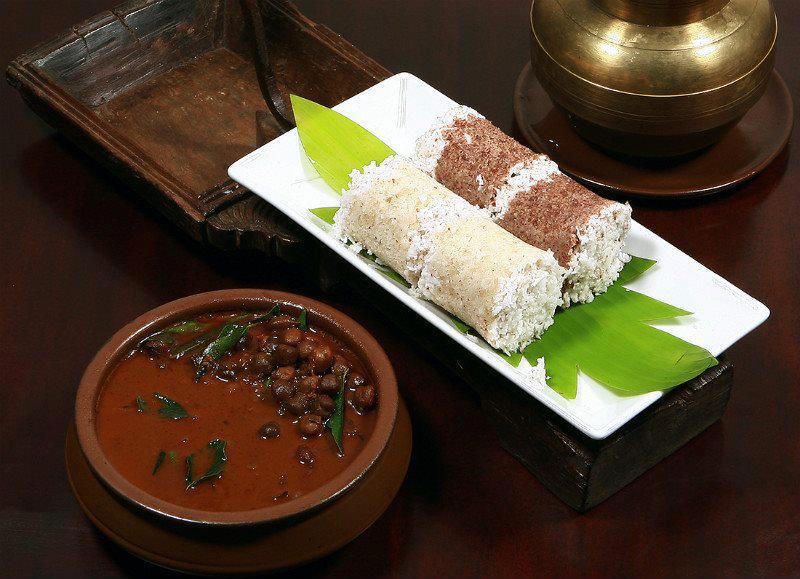
Chiratta Puttu is a variety of the Kerala Puttu that is steamed in a tube shaped vessel. The traditional method requires soaking the rice for about one hour. Next clean a half coconut shell and make a hole in the “eye” portion. Boil the water in the Puttu vessel. Continue reading
Cuisine
Lunchtime, 51
As this post goes up, it is time to step in through the front door of 51. On Bazar Road, neighboring the spice merchants who have been plying their trade for centuries here in the Mattanchery neighborhood of Fort Kochi, you will see this sign on the left side of the road passing from the Brunton Ferry in the direction of the Dutch Palace.
Tasting Tour In Northern India
Food in India, and regional specialties in particular, are on our mind currently during kitchen tests for 51, so this article from the Travel section of the New York Times this week (click on the image to the left to go to the story) catches our eye:
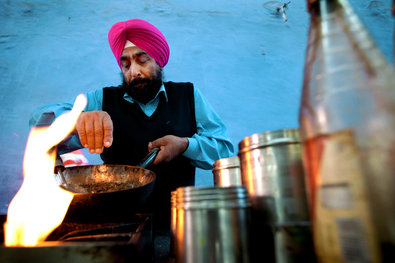
Cooking at Surjit Food Plaza in Amritsar, India.
The author heads to northern India for a tasting tour of dhabas, casual restaurants famous for their inexpensive and remarkably tasty cuisine. Continue reading
Not For Vegetarians, Nor For Kids In Some Cultures, But Worthy Of Consideration
The New York Times Dining section has this video to ponder “another” white meat for those so inclined:
Rabbit is no harder to cook at home than chicken. Melissa Clark shows how to enhance this lean meat with olives, lemon and feta cheese.
Inspiration, 51
This post is for the team at 51, a new restaurant we are opening soon, located on the waterfront of Fort Cochin’s harbor in the history-intact, spice-trading Mattanchery neighborhood. That team is a group of men and women, chefs, support cooks, self-made cuisine historians, and other interested parties collaborating on a new concept. It is a concept, but deftly avoiding pretension. More about fun historical convergences, good taste, and communities interacting over long stretches of time to create new food ways. Following is a restaurant review whose accompanying photo was the main draw, but so was the notion of foraging that has become so compelling to foodies of late:
It seems strange to say that the best thing at a place that specializes in juice cleanses is the porchetta, but Foragers Market and Table encapsulates the contradictory nature of the New York diet, serving quality food that feels “healthy,” and is often local and organic, but with none of that dull avocado-based asceticism. Continue reading
Flavours of Kerala – Pappadam
Kerala pappadams make a very popular side dish served with Kerala sadya (meals like the own depicted below). The main ingredients of pappadams are black gram (a type of lentil flour) and salt. Continue reading
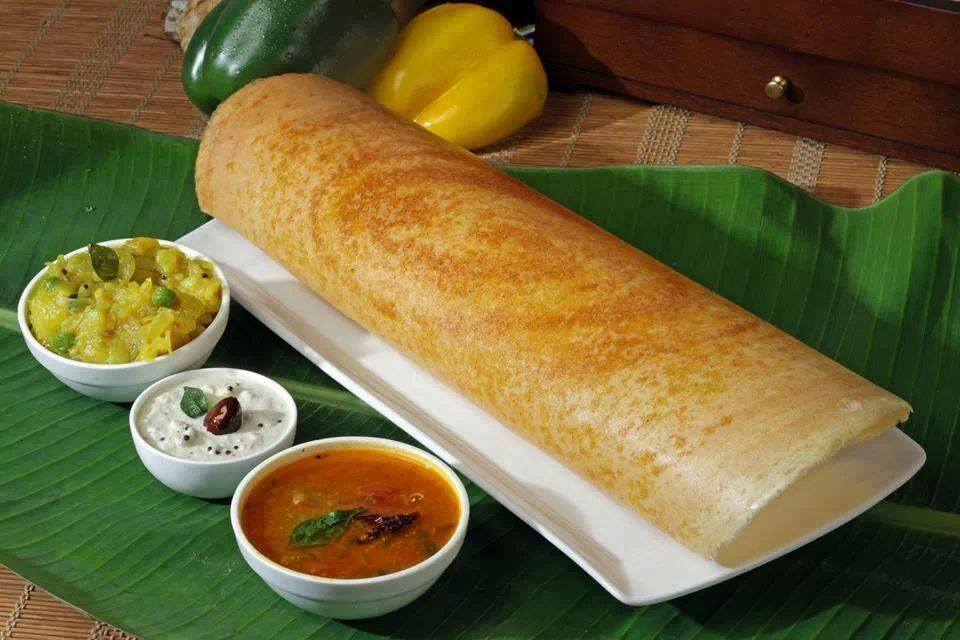
Flavours Of Kerala – Ghee Dosa
Ghee Dosa is a popular breakfast or late afternoon snack in South India. The main ingredients for the batter are black gram dal, rice flour and ghee, which is drizzled over the cooking dosa, making it crispy and golden brown. Continue reading
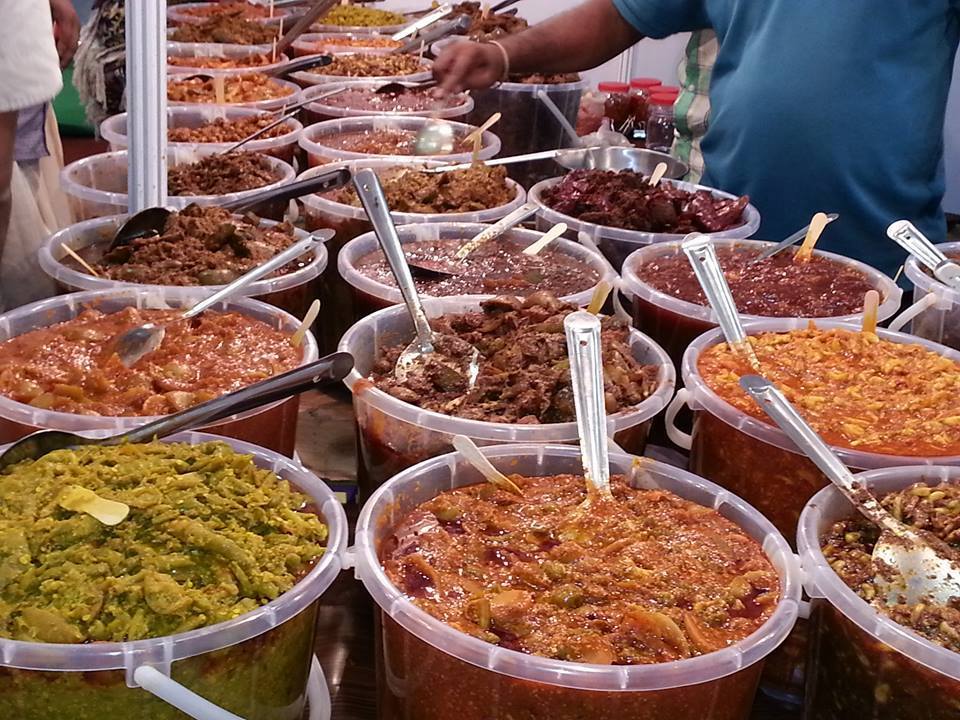
Taste Of Kerala – Pickles
Pickles are a traditional condiment served with Indian meals. Called achaar in Kerala, they are an important part of a traditional sadya meal, always served next to the salt on the upper lefthand corner of the banana leaf. Continue reading
Flavours of Kerala – Puttu and Kadalakari
Puttu and kadalakari (chickpeas), make a popular breakfast for Keralites. Puttu is made by steaming rice flour along with grated coconut in a puttu kudam (a steamer in cylindrical shape) Continue reading
Flavours of Kerala
Kerala offers an amazing diversity of dishes for every meal and every occasion. Food is an important indicator of a region’s history, and with a rich and vibrant ancient culture greatly influenced by civilizations from almost every corner of the globe down the ages, Kerala is indeed the proverbial melting pot. Continue reading
At Play In A Greek Kitchen

William Brinson for The New York Times. Food stylist: Suzanne Lenzer. Prop stylist: Deborah Williams.
Click the image to the right to go to the story (and take a few minutes to watch the video), which contains a brief cooking lesson in the form of a travelogue. It will either get you reaching for your cookbook, or your travel planner. As we prepare the opening of a restaurant facing a harbor whose waters have hosted ships from the Mediterranean for thousands of years now, we find ourselves with a soft spot for any and all mentions of the foods from that faraway region.
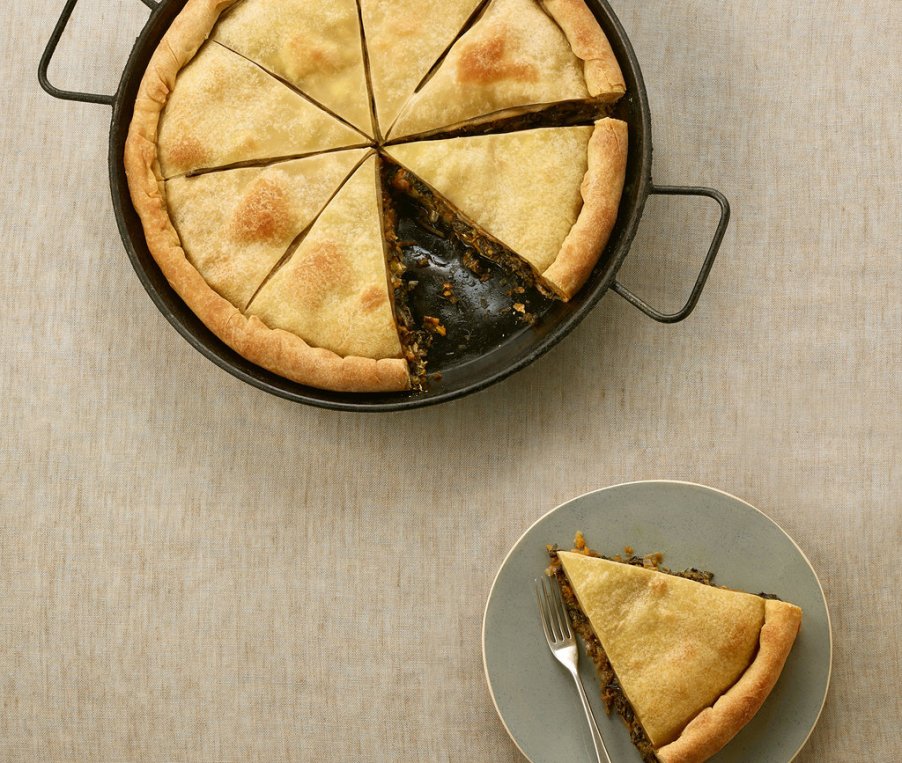
We have been offering authentic Malabar cuisine, in its present day form, in multiple venues over the years already. Now it is time to go back to some of the less considered influences. For that reason, a quick trip to a kitchen in the Greek islands is a welcome diversion. In his article Life of Pie the food writer Mark Bittman has described the same food in the same location where Amie and I recently ate what we thought was the best hortopita, a variation on the more well known spanakopita, we had ever tasted. And by chance we were on a scouting mission on the island of Ikaria, so this article and the forthcoming cookbook are both perfectly timed for us:
When Diane Kochilas said we were making phyllo, I confess I was intimidated. But as Kochilas taught me, although “phyllo” means “leaf,” that leaf need not be the paper-thin type we’re accustomed to seeing in flaky Middle Eastern pastries. It may be, as it is here, a thin but readily made dough, rich in olive oil, smooth to the touch and easy to handle. Continue reading
Spicing Things Up
We normally don’t post advertisements on this blog, but the video above by the folks at Machine Shop, in collaboration with MJ Cole for the spice flavoring company Schwartz, is too cool and creative to ignore when we have such a deep connection to spices in Kerala, both historically and for visitors today. Continue reading
New Year and New Beginnings, 2014
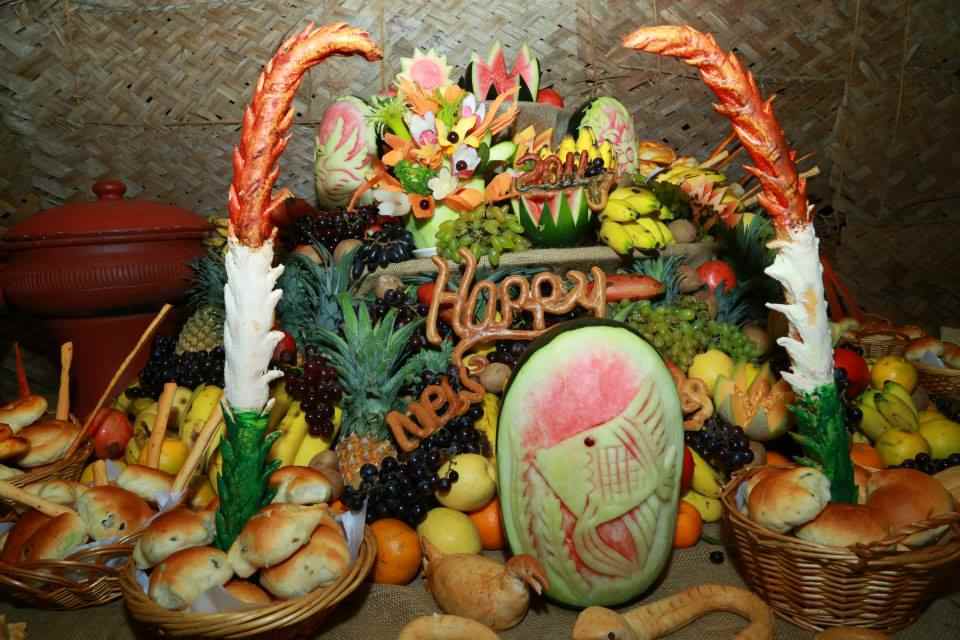
New Year’s Eve is a time of new beginnings.We believe in celebrating with all our guests all the achievements and learning of the previous year along with the joy of stepping into a new year with new expectations and beliefs and hope for new opportunities. We welcome our guests in the traditional Indian way with a small performance followed by aarthi and tikka and blessings from an elephant who represents the elephant headed god Ganesha, the god of beginnings. Continue reading
Wild Mushrooms
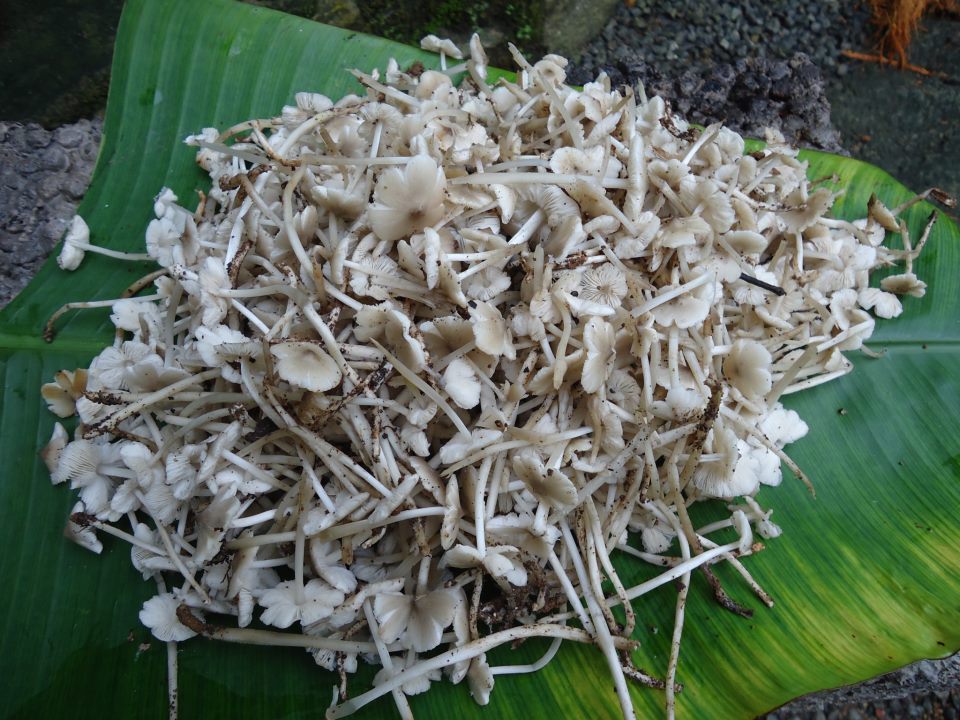
Mushrooms are found on almost every continent and due to the rich flora of Kerala they usually flourish unattended in the Western Ghats. Wild mushrooms are used for cooking various dishes from curries to dry starters and are relished by vegetarians and non-vegetarians alike. Continue reading
Flavours of Kerala
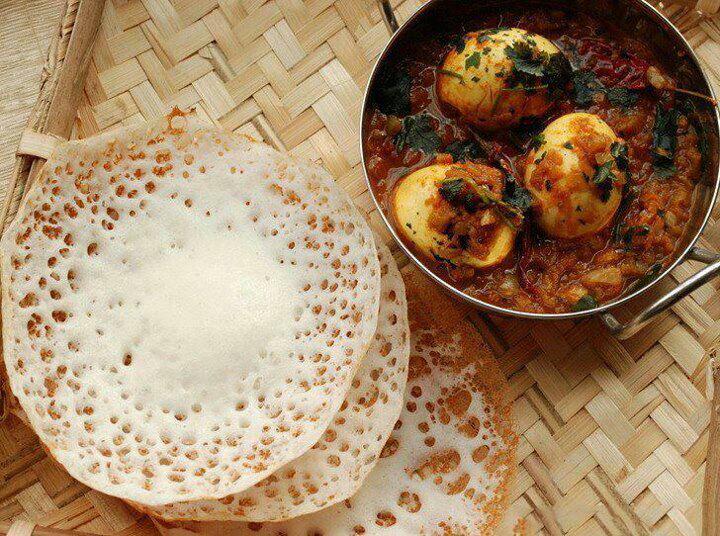
Appam is a sort of rice pancake which is usually accompanied with savory curries ranging from meat, fish, egg to vegetarian. This light and tasty dish is commonly eaten for breakfast with Egg Roast, and is the closest one would find to the usual toast and egg in the state of Kerala. Continue reading
Culinary Flag-Waving
We’ve noted before how local cuisine helps to define local culture. From the regional to the national people are proud of their food ways.
We love these literal examples !
Dealing with Invasive Species One Holiday Table at a Time
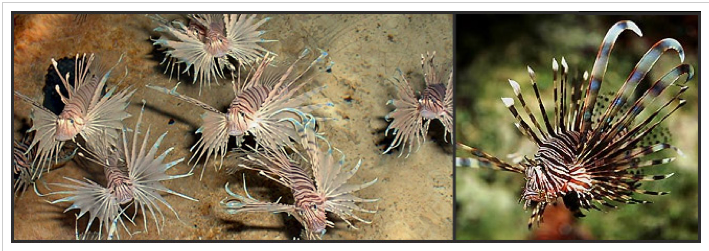
When I was growing up a common Thanksgiving holiday decoration included a colored paper turkey formed by a tracing of my hand, the fingers forming turkey feathers. While that memory might seem out of left field it makes more sense when you start looking at photos of turkeys parading around a barnyard alongside the many lion fish photos we’ve been publishing in our Citizen Science in Belize series.
This NOAA article about lion fish, or turkey fish as they’re imaginatively calling it, is a perfect “if you can’t beat’em, eat ’em” extension. Continue reading
Crossing the Borders of Cuisine or Who Is General Tso Anyway?
NYTimes reporter Jennifer 8. Lee talks about her culinary mission for the origins of familiar Chinese-American dishes, that in many cases aren’t really either one and in others have combined to form a new cuisine.
Let me present the question to you: If our benchmark for Americanness is apple pie, you should ask yourself, how often do you eat apple pie, versus how often do you eat Chinese food..If you think about it, a lot of the foods that Americans think of as Chinese food are barely recognizable to Chinese. For example, I took a whole bunch of fortune cookies back to China, gave them to Chinese to see how they would react. Continue reading
Rice Soup
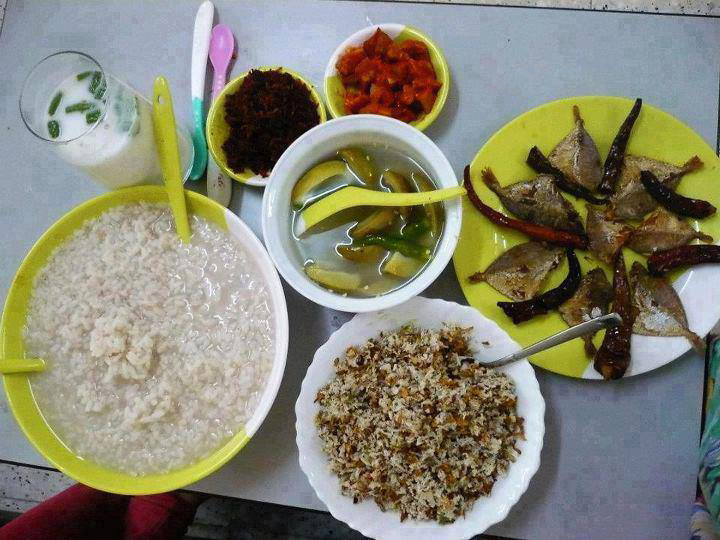
Rice is one of the staples of Kerala cuisine and a rice soup called Kanji is one of the classic dishes. The soup is a simple preparation of serving the rice in the water it was cooked in. Kanji is usually eaten for as the evening meal as the dish is light, rich in nutrients and easily digested. This dish is usually enjoyed with condiments like pickle or chutney, as well as Kerala’s favorite dry fish and pappadam. Continue reading
Appam at Home
Yesterday, Jake and I were kindly invited by our Assistant Manager Salim to dinner with his clients and family. His wife cooked us beef stew, fish fries, tapioca, appam, and many other things. The other dishes were mouthwatering and flavorful, but everyone was so amazed by her soft, fluffy, sweet and delicious appam! Continue reading