Podcast Proliferation

VoxPodNearly one month ago, Vox launched a new way for us to source stories. We have sourced from their website when the story fits our mission. For us to scan the news daily and link to at least one article or book review or other media that seems consistent with our mission, we increasingly bump up against the fact that producers of and channels for accessing relevant information seem to be increasing faster than we can possibly keep up.

Today we sampled from their sonic venture, a story about changes way up north, wrought by climate change, geopolitical ambitions, head in the sand-ism and other intrigue. Finding an episode like this one stretches our horizons in a healthy, productive manner:

VoxPod2

There’s a new Cold War being fought in the North Pole between the United States and Russia (but also China, Finland, Norway, Canada, Greenland and more). Fueling the battle is the melting Arctic, which just had its warmest winter in recorded history. Vox’s Brian Resnick gives us the science before Yochi Dreazen takes us to the war.

It must also be mentioned that having outlets we trust recommend other outlets is a must. And here is an example of one we appreciate:

“Today, Explained”: An Edgy New Vox Podcast to Compete with “The Daily”

By 

Larson-Today-Explained

Hosted by Sean Rameswaram, the Vox podcast “Today, Explained” feels funny, knowing, and energetic—which, in this news climate, isn’t easy. Photograph by James Bareham / Vox Media

Podcast-wise, 2017 was arguably the year of “The Daily,” the beautifully produced, gently voiced narrative-news offering from the Times, hosted by Michael Barbaro, which started last January and quickly became indispensable. The show, which parses a different news story in each episode, through a conversation with a reporter or other guest, then delivers a brief news roundup, has sufficient perspective and empathy that it produces in its listeners an intoxicating, if temporary, feeling of sanity; by now, its theme song alone cues in me a Pavlovian calm. The show garners 4.5 million unique listeners each month; in April, it will expand to public-radio syndication. Continue reading

The Wisdom Of Wolves

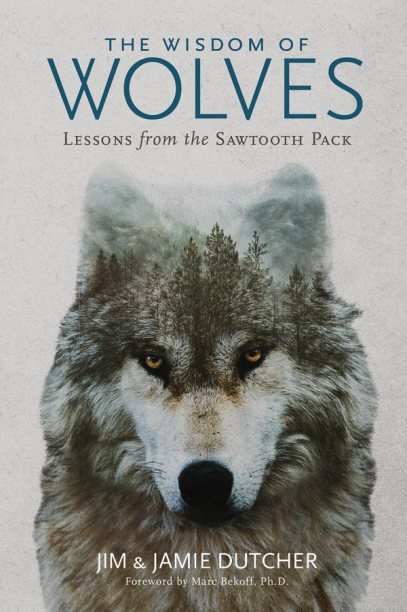
WisdomofWolvesCover.600x900.jpgWe first heard of the book here, so thanks to Public Radio station WNYC. However, in the blurb for the podcast interview with the authors, the link to the book went directly to Amazon. Must it forever more be so? Hope not.

So, click the image to the left to go to the actual source of the book, which seems a more worthy place to consider purchasing it, even though here too they give you the option to buy on Amazon. But there is a slight favoring of the publisher, National Geographic, in the purchase options. Here’s what they say:

CURIOSITY. COMPASSION. FAMILY FIRST.

After living among the wolves of The Sawtooth Pack for years, Jim and Jamie Dutcher present a new book, The Wisdom of Wolves: Lessons from the Sawtooth Packproviding groundbreaking observations of their unique experience.

As strong, and just as immediately recognizable as the ties that unite a human family, the emotional bonds shared among wolves are far more complex than ever realized, and now are detailed in this exceptional book. Continue reading

Blue Planet II’s Attenborough Masterpiece

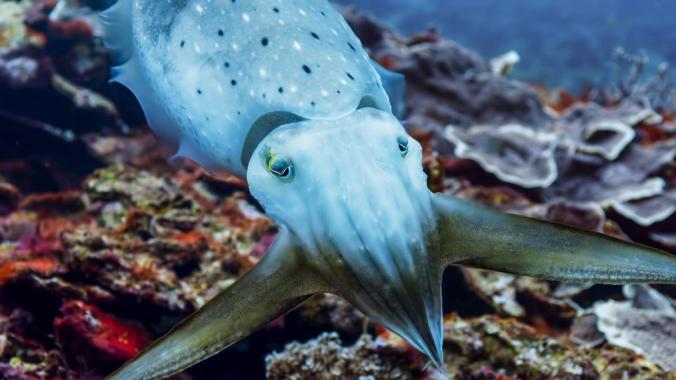
Blue Planet II_EP03_Coral Reefs

The broadclub cuttlefish is one of the psychedelic creatures featured in “Blue Planet II.” Photograph courtesy BBC

blue_planetWe have not linked to many television reviews, and the reason is simply that we instead mostly promote going and seeing instead of sitting and watching.

But this one seems a perfect exception to the norm because the series narrator is such a frequent guest in these pages, for good reason after many good reasons. This show may be his own sense of a masterpiece, if you consider what he says in a recent interview to a confirmed urbanist, which is worth half an hour of listening to in addition to the review below:

“Blue Planet II” Reviewed: The Ocean Continues to Impress

The seven-episode follow-up to the 2001 series flexes the BBC’s mastery of a genre that it created.

By Troy Patterson

The nature documentary “Blue Planet II” is oceanic in topic, tone, scope, and majesty. A production of the BBC Natural History Unit, the seven-episode series flexes its broadcaster’s mastery of a genre that it created. Over excellent footage shot on a circumglobal photo safari, the venerable narrator David Attenborough orates zoological narratives as if delivering a state-of-nature address. “Blue Planet II” follows the network’s “The Blue Planet,” which dropped in 2001, but it is less a sequel than a subsequent quest, like the second voyage of the H.M.S. Beagle, or Apollo 14. Continue reading

Jane Goodall Then And Now

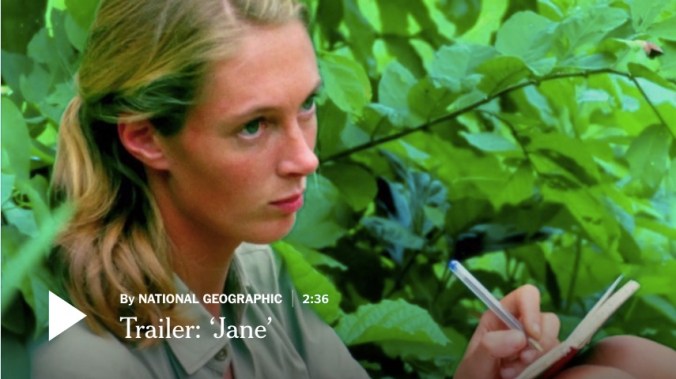
Jane

A preview of the film. By NATIONAL GEOGRAPHIC on Publish DateOctober 18, 2017.Image courtesy of Internet Video Archive. Watch in Times Video »

Several of us contributing to this platform have had the opportunity to meet her, and can attest to what Melena Ryzyk says below. There really are not sufficiently powerful words to describe her, but we link out to those stories that try.  It may be that photography or film offer the best medium for understanding and more fully appreciating her work. Click above for the trailer, or click the title below to read the review of this film, high on our list for viewing:

Jane Goodall’s Unparalleled Life, in Never-Before-Seen Footage

If you ever meet Jane Goodall and well up with overwhelmed joy, you won’t be alone. “I make everybody cry,” said Dr. Goodall, the primatologist and conservationist. “The Jane effect.” Continue reading

Chan Chich Archeology Season, When Skygazing Is Also At A Premium

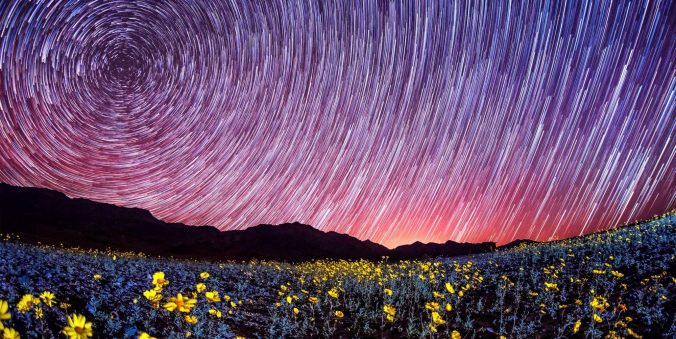
Death-Valley-2-Skyglow-Desktop-Wallpapers-e1492808806156.jpg

Today and tomorrow we are finalizing preparation for receiving a nearly full house of archeologists, who will be at Chan Chich Lodge for the next couple months. I came across the photo above at the same time I was looking at the to-do list related to their arrival, and am remembering that in May 2016 I was struck by the quality of night sky at Chan Chich for stargazing.

So this is a shout out to all those people who are intrigued by Mayan archeology, are stargazers, and have not yet made vacation plans for the next couple months. We have a few rooms available, so come on over!  The photo above is paid content from Intel, and while usually we avoid passing along commercials, this is on a topic we care about. It is worthy of a read. Also, after the text the Skyglow short on Vimeo is worth a look:

Timelapse photographers zigzagged 150,000 miles across the U.S. to capture the wonders of the dark skies and raise awareness about the growing threat of light pollution.

Their family and friends think they’re crazy for devoting so many nights to create Skyglow, a book and video born from Gavin Heffernan and Harun Mehmedinovic’s passion for nature and photography. Just how Carl Sagan and Stephen Hawking brought deeper understanding of the cosmos, Heffernan and Mehmedinovic are raising awareness about the damage caused by ever increasing light pollution. Their magical timelapse photography just might do the trick. Continue reading

Cry Sadness Into The Coming Rain

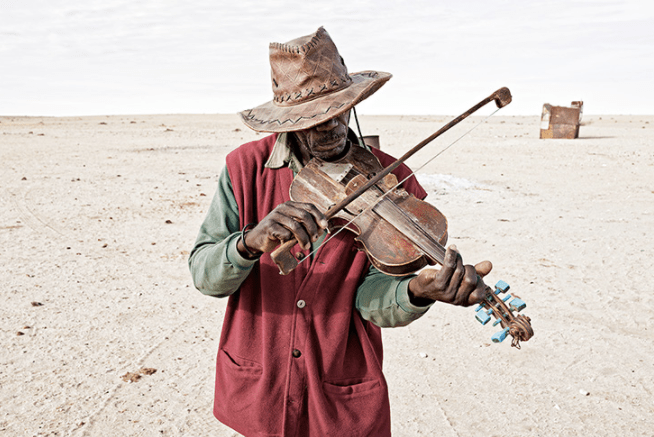
Gottlieb ǂKhatanab ǁGaseb aka Die vioolman (The Violinist) plays traditional Damara music at the funeral of Ouma Juliana ≠Û-khui ǁAreses on the family farm beneath the Dâures. Uis District, Erongo Region. December 2014

As an international company, our team tends to be spread out across the world, so more often than not many of our posts is a surprise to the rest. It was with that sense of synchronicity that I read Crist’s piece on Gerhard Steidl’s conservation work yesterday while I was in the midst of writing about this upcoming publication.

Born in Namibia, photographer Margaret Courtney-Clarke spent decades capturing life in remote places in Italy, the USA and numerous parts of Africa. Returning to Namibia after years away, she found the once familiar landscape drastically changed.

Cry Sadness Into the Coming Rain is a forthcoming publication by Steidl, Germany, 2017.

With strong memories of my formative years growing up on the edge of the Namib Desert in what was then known as South West Africa, I have returned to explore my obsession with this place and my lifelong curiosity for the notion of shelter. I have covered thousands of dusty kilometres across remote plains, through dry river beds, over sand dunes and salt pans, through conservancies and communal lands to photograph families in desperate, forgotten outposts. I try to capture the ‘transhumance’ – the search for work, forage and water – and the remnants of former habitats alongside once productive land.

In coastal towns I move with women and children across stretches of desert from one garbage dump to another – often with the loot they carry in their quest to create shelter and eke out a living. I focus on human enterprise and failure, on the bare circumstances of ordinary women and men forced to negotiate life, and of an environment in crisis. Continue reading

Planet Earth II

4344

Planet Earth II has attracted audiences of up to 10.6 million. Photograph: David Willis/BBC

Thanks to the Guardian for this:

Planet Earth II a form of therapy for viewers, says Attenborough

Veteran broadcaster says blockbuster BBC nature show offers audiences respite from their concerns about the world

by Esther Addley

Millions of people are tuning into the BBC’s nature series Planet Earth II because they crave a respite from their concerns about the future of the planet, Sir David Attenborough has said. Continue reading

Polar Bears On View


Thanks to EcoWatch for this one:

WATCH LIVE CAM: Annual Polar Bear Migration

Explore.org welcomes back the mystical polar bear species to Pearls of the Planet live nature cam family for another season.

The live cameras are being hosted with nonprofit Polar Bears International, which is dedicated to conserving polar bears and the sea ice they depend on. Frontiers North Adventures, a long time ecotourism partner will provide views from its Tundra Buggy Lodge. Continue reading

The Adapters to Climate Change

field-notes-bangladesh-adapt-676-1

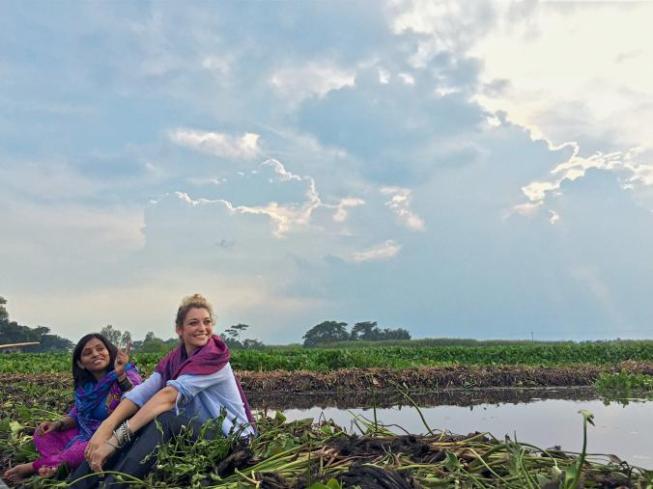
Bouyant fields made of plants and manure can support crops in Bangladesh. Source: National Geographic

Climate change is a tough reality, but in spite of its devastating impacts on the natural environment, there are people who are drawing from their ingenuity to find alternative farming methods in the affected surroundings. Alezé Carrère, a National Geographic grantee, is on a journey to study the people and communities that are adapting to climate change, and she and a film crew are documenting cases into a video series called Adaptation.

[In 2012 Carrère] learned of a group of farmers in Madagascar who were figuring out how to farm in fields eroded by deforestation and heavy rains. Instead of depending on development aid to reforest washed-out areas, the farmers adapted. Soon they began to prefer farming in the eroded gullies, which became rich with water and nutrients.

Continue reading

If You Happen To Be in Berlin…

The Berlin International Film Festival 2016 is underway and the submission of the documentary film Olympic Pride, American Prejudice dovetails beautifully with the tradition of Black History Month in the United States.

Olympic Pride, American Prejudice is a feature length documentary exploring the trials and triumphs of 18 African American Olympians in 1936. Set against the strained and turbulent atmosphere of a racially divided America, which was torn between boycotting Hitler’s Olympics or participating in the Third Reich’s grandest affair, the film follows 16 men and two women before, during and after their heroic turn at the Summer Olympic Games in Berlin. Continue reading

From The Department Of Save It For Later

Screen Shot 2015-04-09 at 4.58.56 AM

Anyone, anywhere, who believes that something is worth saving (preserving, conserving, protecting, etc.) enough to dedicate time and effort, among other resources, we are likely to support it however we can. Our Bird of the Day feature is an example that goes back to one man’s collection of photographs he took personally containing all the birds, endemic and otherwise, that inhabit and/or migrate through south India. This collection is part of his passionate commitment to wilderness conservation in Kerala and other neighboring states.

We asked, in 2011, if Vijaykumar would allow us to publish his photographs in the interest of promoting conservation. He said yes. By now we have probably published all of the collection as it was in 2011, but he is still photographing and contributing. And four years later we have talented birders, many of whom are also exceptional wildlife photographers, contributing their photographs from all over the world. Seth became an employee of the Cornell Lab of Ornithology that same year, and that has led to a whole bunch of other interesting bird-related posts that we host.

Meanwhile New York City has rarely been a subject we cover from a conservation perspective, though its Public Library is of special interest to us. We have not linked to Jeremiah’s blog previously, but it is the type we favor, as you might have noticed, so here goes. Maybe there is more NYC in store for us.

Continue reading

Feathers’ Maps Rediscovered

Map

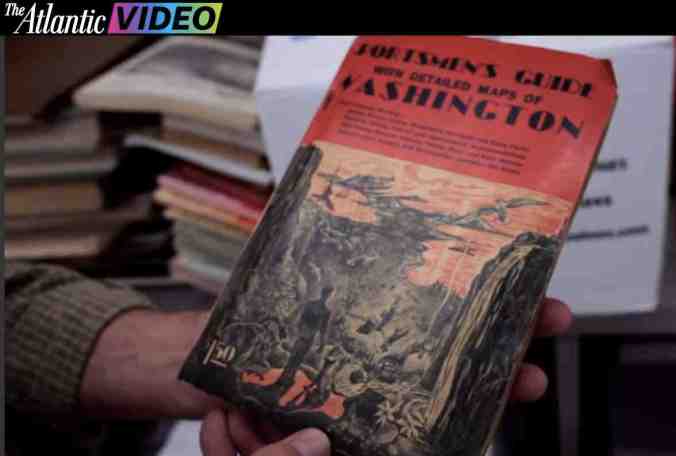
Thanks to the Atlantic‘s website for this Editor’s Pick, a fascinating video about a map collection and its conservation:

‘A Hidden Treasure’: The Unusual Story Behind a Rare Map Collection

Video by Alec Ernest

In this short documentary produced for the Los Angeles Review of Books, Alec Ernest digs into the story behind an extraordinary private collection of maps discovered by Glen Creason, a librarian.

Continue reading

Resin Painting, Explained By A Master

Screen Shot 2015-01-31 at 3.55.00 PM

There is no explanation for how this post relates to other posts on this blog–not much to say about community, collaboration or conservation here. But it fits in with our general appreciation and sharing of stories in which creativity, craft and the broader art world feature. Thanks to the Atlantic, by way of Vimeo, for this five minute wonder:

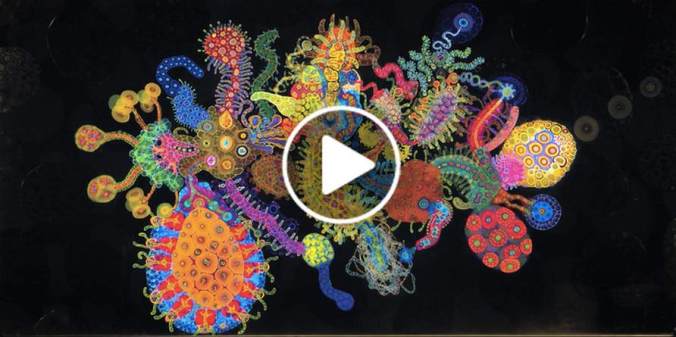
In this short documentary, filmmakers Jason Stanfield and Jordan Olshansky visit the studio of artist Bruce Riley, who paints abstract wonders with poured resin. His art blooms as he works; each layer of dripped paint reacts with the others, creating deep patterns that bear an uncanny resemblance to what a biologist might see under a high-powered microscope. “It’s obvious when it works,” Riley says. “It’s obvious when it fails.”

Riley publishes photos of his artwork on Flickr. Stanfield and Olshansky frequently collaborate with brands to tell their stories through documentaries. To learn more, visit truestoriessf.com and stanfieldwork.com.

Jaguar, Conservation, Book Time

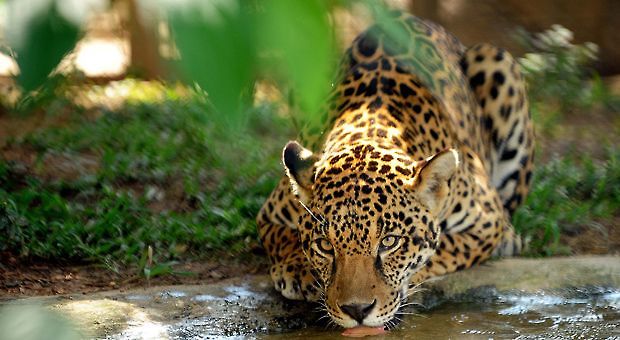
A captive jaguar drinks water in an enclosure at Petro Velho Farm, a refuge of the non-governmental organization NEX in Corumba de Goias, about 80 km from Brasilia, on January 11, 2013. EVARISTO SA/AFP/Getty Images

A captive jaguar drinks water in an enclosure at Petro Velho Farm, a refuge of the non-governmental organization NEX in Corumba de Goias, about 80 km from Brasilia, on January 11, 2013. EVARISTO SA/AFP/Getty Images

Listening to this interview it is just enough to clue you in to how Alan Rabinowitz has touched the lives of so many with the work he has done on behalf of jaguars and particularly conservation of their habitat:

Jaguars are the world’s third-largest wild cat – after tigers and lions. They have distinctive black rosettes on their fur and can weigh up to 250 pounds. Jaguars have been eradicated from 40 percent of their historic range. Today they live along a corridor from Argentina to Mexico. Their future is threatened by illegal hunting, deforestation and a loss of prey. One of the world’s leading big cat experts is responsible for creating a jaguar preserve in Central America, the first of its kind. In a new book, he shares why he’s committed to giving a voice to jaguars and how they helped him find his own voice.

Continue reading

Andrew Forsthoefel, Come To Kerala!

AndrewSlider

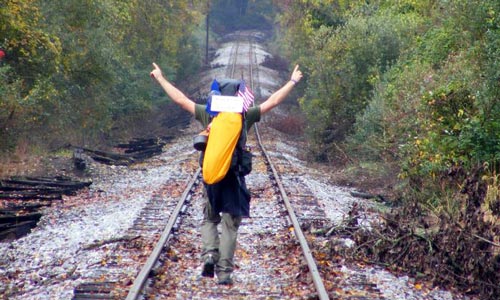
Andrew Forsthoefel. Photo by Therese Jornlin, Andrew’s mom. Chadds Ford, PA.

The interns we have had the honor of hosting since setting up shop in Kerala a few years ago have all shared in the responsibility to communicate their experiences in writing on this blog. We are committed to the written word, but not Ludditically opposed to other forms of communication. We have barely put a toe in the water with video, and not even thought about radio as an option, even though we consider Jay Allison an epic hero of good, important communication.

Because of him, we know alot of worthy things that otherwise would have escaped our attention; most recently we learned of and from Andrew Forsthoefel, whose radio story is worth an hour of your time. After which, if you are like us, you will want to know where he is now, and what he is doing. We hope Andrew will see our shout out here and consider our welcome mat in Kerala. Here is his introduction to the podcast when it originally aired nearly 17 months ago: Continue reading

Humans of New York: The power of documentation

10575445_746153385458764_7383111873998406356_o

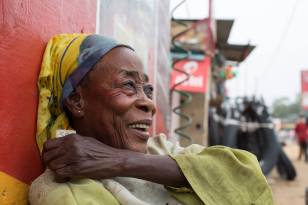
She said she’d let me take her photo if I bought some peanuts from her. Afterward, I asked if she could remember the saddest moment of her life. She laughed, and said: “You’re going to need to buy some more peanuts.” (Kasangulu, Democratic Republic of Congo) Photo Credit: Brandon Stanton

This article from the New York Times describes the recent social media phenomenon- Brandon Stanton’s Humans of New York site and facebook page. At first he was just making portraits of strangers in New York City after losing his job as a bond trader. Then it evolved into interviewing the people about their lives and using them as captions to the photos. Now, he has been commissioned by the United Nations to do a 50-day world tour doing the same thing, but in some of the areas of the world with “the most extreme headlines coming out” to document life on the streets there.  The purpose of the tour is to raise awareness for the UN Millenium Development Goals and to inspire a more global perspective.

I have been a part of the 9.2 million people following him on facebook and just watching the exponential rise in followers since this UN tour has been quite incredible. There has been overwhelming support for his work. Thousands of people writing extensive comments reflecting on how the portraits capture what’s happening in the world. I’ve noticed a lot of heartfelt dialogue inspired by his work in the comments. Continue reading

Salt of the Earth


Sisyphus-retouched-HD-pre-LA

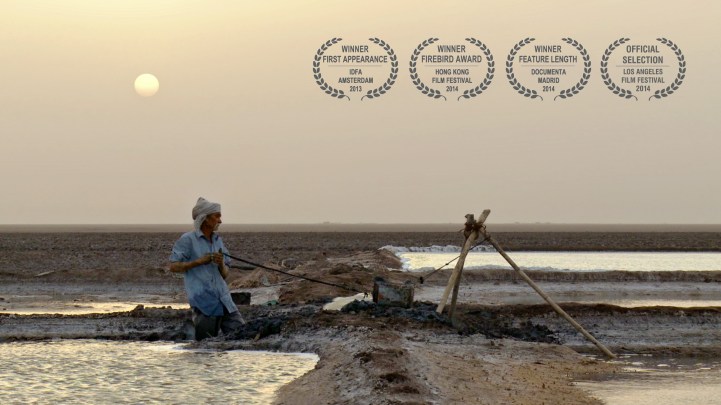
Salt is a quiet seasoning, making its culinary point by bringing out the best in the dish it’s been added to. The crystaline mineral is so ubiquotus that we often don’t consider its vast history in the forging (and funding) of empires. Neither do we think about the labor it takes to bring it forth from the earth and water around the world.

Indian film maker Farida Pacha has the perfectionist sensibility to share the story of the families who return to the saline desert of Gujarat’s Little Rann of Kutch to laboriously extract the salt from the desolate landscape. This seasonal migration has been going on for generations and the work is a matter of pride more than economy.

Director’s Notes: This is not a social issue film, even though the story of the salt people and their exploitation is a shocking one. What attracts me is the more fundamentally tragic question at the heart of their existence: what compels them to return to the desert to labor tediously year after year, generation after generation? What meaning do they find in this existence? Continue reading

If You Happen To Be In Amsterdam

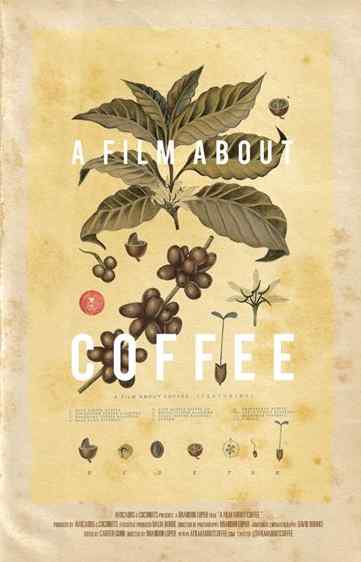
Most of our followers know we love coffee. We love how it grows. We love how it tastes. We love the settings where we can drink it. Which makes it all the more unfortunate that we’re in India and not in Amsterdam this weekend to experience Coffee Week NL 2014.

The festival collaboration with the Allegra Foundation makes participation all the more enticing:

50% of all ticket sales to The Amsterdam Coffee Festival will go towards Project Waterfall, the charitable components of NL Coffee Week. Continue reading

Watch, Weep, Read, Wonder, Share

A synopsis of this documentary is here:

Blackfish tells the story of Tilikum, a performing killer whale that killed several people while in captivity. Along the way, director-producer Gabriela Cowperthwaite compiles shocking footage and emotional interviews to explore the creature’s extraordinary nature, the species’ cruel treatment in captivity, the lives and losses of the trainers and the pressures brought to bear by the multi-billion dollar sea-park industry. Continue reading

The Hut of Romulus

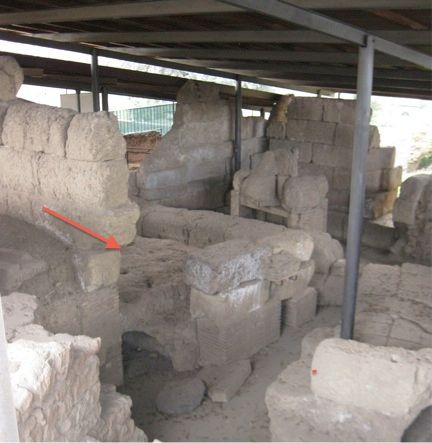
Hut of Romulus (Post holes where arrow is pointing.)

Today, all that remains of the so-called “Hut of Romulus” are the holes you see in the picture above (the slight indentations on the platform where the arrow is pointing). When intact, Romulus’ humble wattle-and-daub dwelling, located in the southwest corner of the Palatine Hill in Rome, might have looked something like this. One might have expected that the passing of nearly three millennia would not have treated well the wood, straw, and twisted bark ties of the hut, but even in its own day the Hut was prone to accidental destruction. One particularly ignominious story has a crow dropping Continue reading