Sidestepping Oil With Sugar

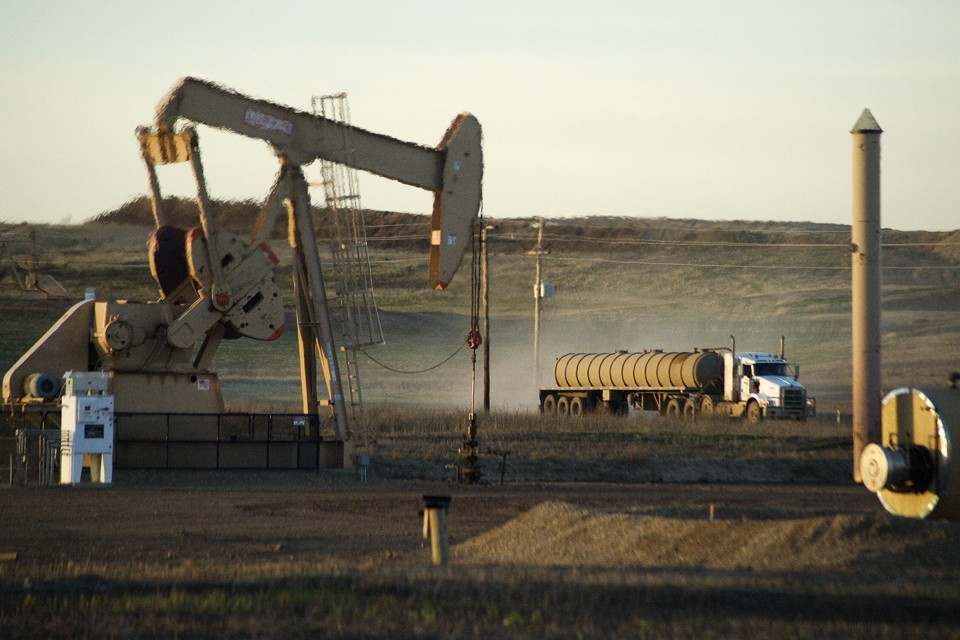
A service truck drives past an oil well on the Fort Berthold Indian Reservation in North Dakota, which produces nearly a third of US' oil. PHOTO: Andrew Cullen

A service truck drives past an oil well on the Fort Berthold Indian Reservation in North Dakota, which produces nearly a third of US’ oil. PHOTO: Andrew Cullen

Oil is one of the non-renewable resources available on the planet, and its scarcity is inevitable if the supply does not meet the growing demand in the current scenario, and it may even lead to “resource wars” among states in the coming years. Oil prices are now near a six-year low, moving down today to about $44 a barrel. The fall has been precipitous: Only a year ago, crude oil was more than $100 a barrel. With the world of oil production being susceptible to the smallest of changes in the global market, it shows up as a space conducive to innovations that can potentially make it economical.
Continue reading

More Internet, More Power

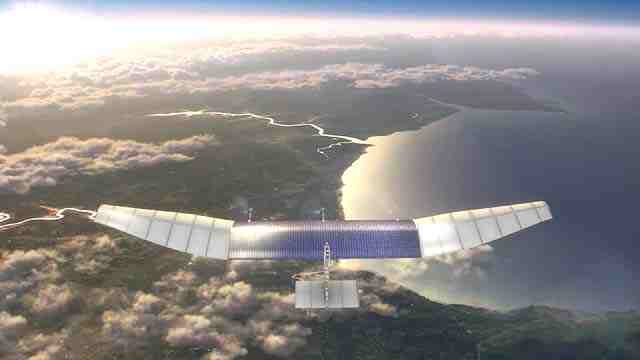
Facebook’s ‘Aquila’, the first solar powered internet drone, parallels Google’s Project Loon PHOTO: Jewish Business News

Facebook has unveiled its ambitious project with its first comprehensive solar powered drone. With the help of its first drone code named Aquila, the social networking giant aims to provide internet connection to 4 billion users across the secluded parts of the globe. In fact, Aquila joins Google’s Project Loon in the space of connecting people and places.

Continue reading

Prefab Solar Classrooms Power Education in Kenya

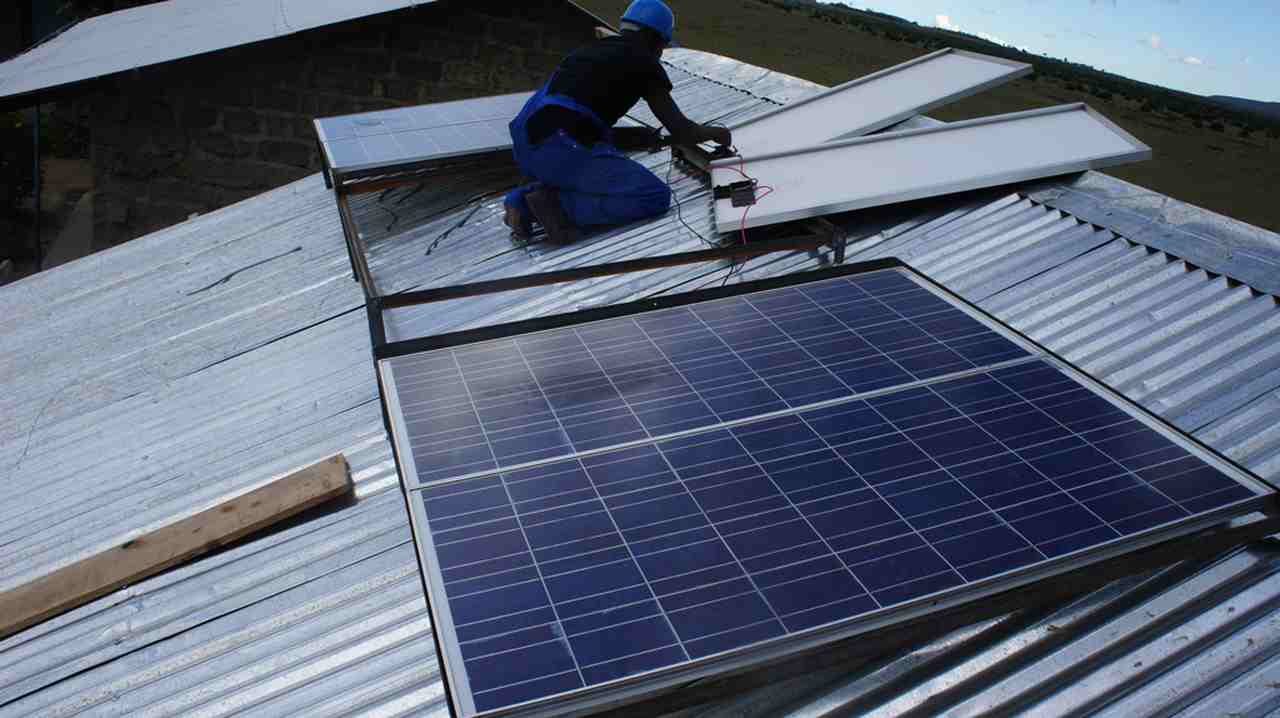
According to a UN report, there are around 57 million children who don’t have a school to go to.The UN’s Educational, Scientific and Cultural Organisation (Unesco) says in some areas it could take 70 years before there are enough primary school places for every child. There has been some progress though; there are now half as many children unable to go to school as there were in the year 2000. That means in the past 13 years around 60 million more children now have access to an education. And initiatives like Aleutia’s definitely play a big role in bringing down the number of children who lack access to education.

Continue reading

A Backyard Solution to Oil Spills

Waste like human hair, sawdust and bird feathers can clean oil spills from water. PHOTO:  Nation of Change

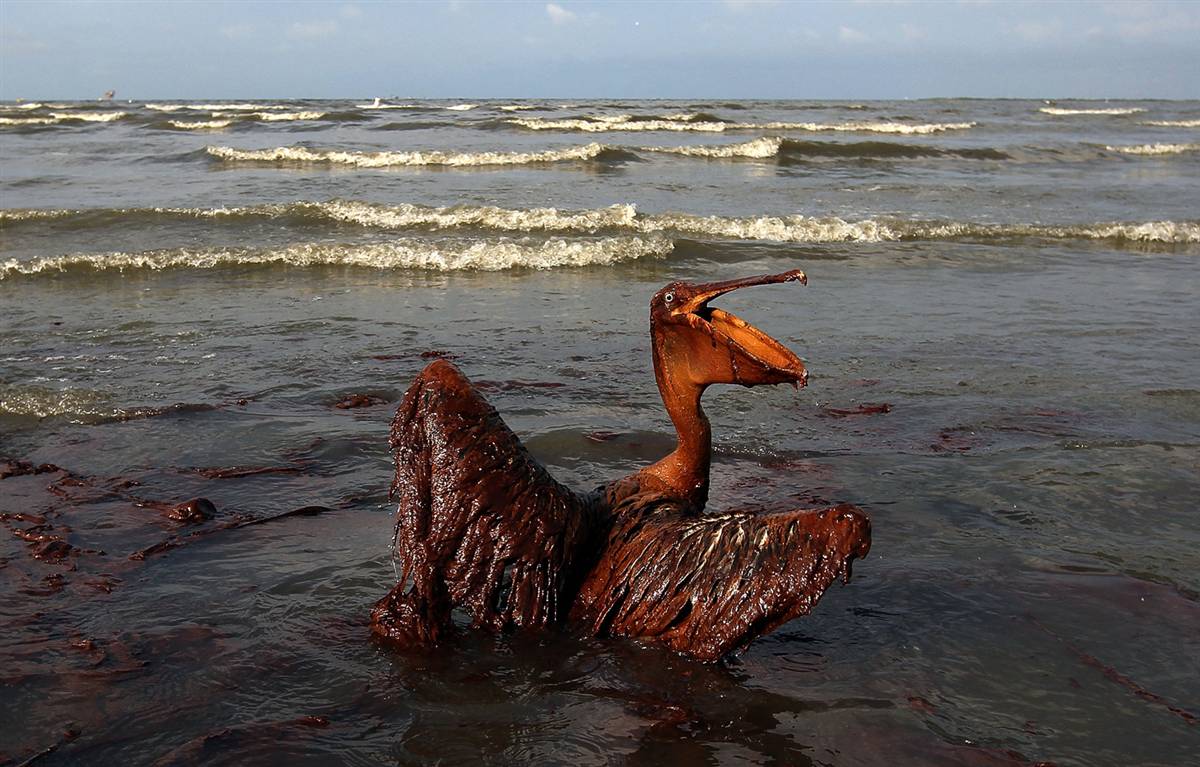
Waste like human hair, sawdust and bird feathers can clean oil spills from water. PHOTO: Nation of Change

Biosorption is a property of certain types of inactive, dead, microbial biomass to bind and concentrate heavy metals from even very dilute aqueous solutions. And Nikhilesh Das discovered just this, at the age of 13, demonstrating reuse and effective waste management. Scalable models of these and we may just have a potent option to deal with oil spills that destroy marine ecosystems for years together.

Continue reading

Fancy Some Printed Food?

What is 3D printing's effect on fine dining? PHOTO: Shiftgig

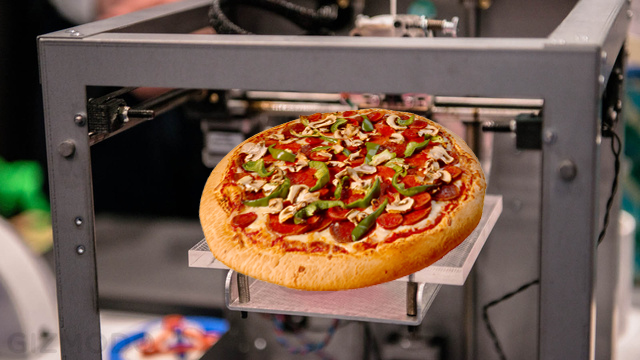
What is 3D printing’s effect on fine dining? PHOTO: Shiftgig

What connects information and software to cooking? 3D printers. Though still finding a fan base among top chefs, the technology is poised to redefine the fine world of fine dining. For now the mechanism is nascent, it takes multiple materials to ‘print’ one dish and its newness is a put-off but it’s also stirring up some interesting innovations in the culinary world. No, not a la carte.

Continue reading

Two Tablespoons of Salt Please

This eco-friendly lamp runs on just 2 tbsp of salt and a single glass of water. PHOTO: SALt

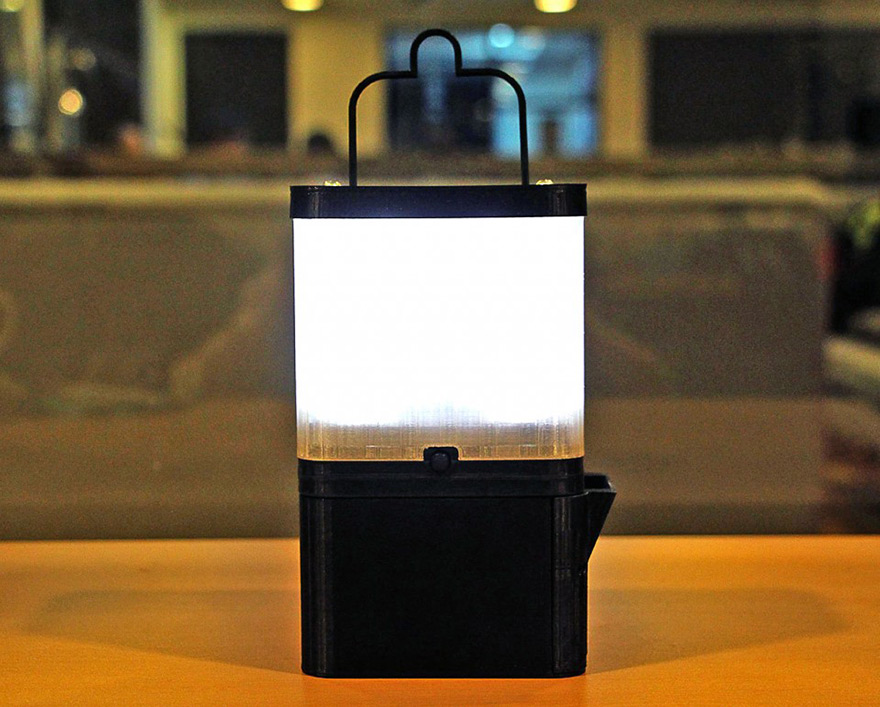
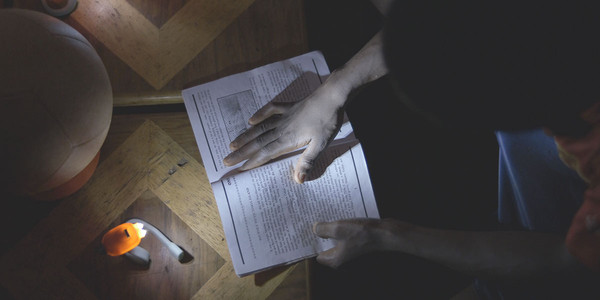
This eco-friendly lamp runs on just 2 tbsp of salt and a single glass of water. PHOTO: SALt

When you discuss abundance of resources, it’s inevitable that shortage creeps into the conversation. So when one looks at how many of the 7,000 islands that make Philippines lack electricity, it’s also difficult to miss the natural and abundant seawater. Engineer Lipa Aisa Mijena and team put both in the same equation and the result is a a lamp that’s capable emitting light for 8 hours on just 1 cup of saltwater.

Continue reading

A 3D Printed Shell for Fred

Fred the tortoise received a 3D printed shell after a horrific fire destroyed his original. PHOTO: 3DPrint

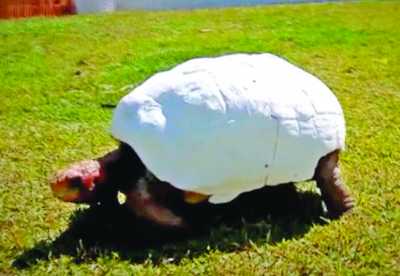
Fred the tortoise received a 3D printed shell after a horrific fire destroyed his original. PHOTO: 3DPrint

This one’s a win for goodwill and technology, a fine example of how how ideas can traverse diverse spaces and change lives. The high cost of human prostheses has long been a challenge for amputees and people born with missing limbs, but 3D printers have begun to change that. Unlike traditional manufacturing, 3D printing can create an object in almost any shape by reading a digital model. Using cheap materials, companies and non-profits can now print simple prosthetic hands and arms for as little as $50. And animals like Grecia and Derby, and now Fred, stand to gain, too.

Continue reading

Playing to Light Up Lives

Uncharted Play is a social enterprise based in New York City founded with the mission of harnessing the power of play to achieve social good. PHOTO: UP

Uncharted Play is a social enterprise based in New York City founded with the mission of harnessing the power of play to achieve social good. PHOTO: UP

1.2 billion people around the world lack access to reliable electricity. They end up using kerosene lamps or diesel generators for their lighting requirements. But did you know that the annual collective emissions from kerosene lamps all over the world is equal to the carbon emissions of 38 million automobiles? It’s not just the carbon footprint – burning kerosene lamps indoors is as bad for the lungs as smoking two packs of cigarettes per day.

Continue reading

Use Them Lights to Grow Some Vegetables

In this huge urban farming lab, LED "Recipes" grow juicier tomatoes and sweeter basil. PHOTO: Co Exist

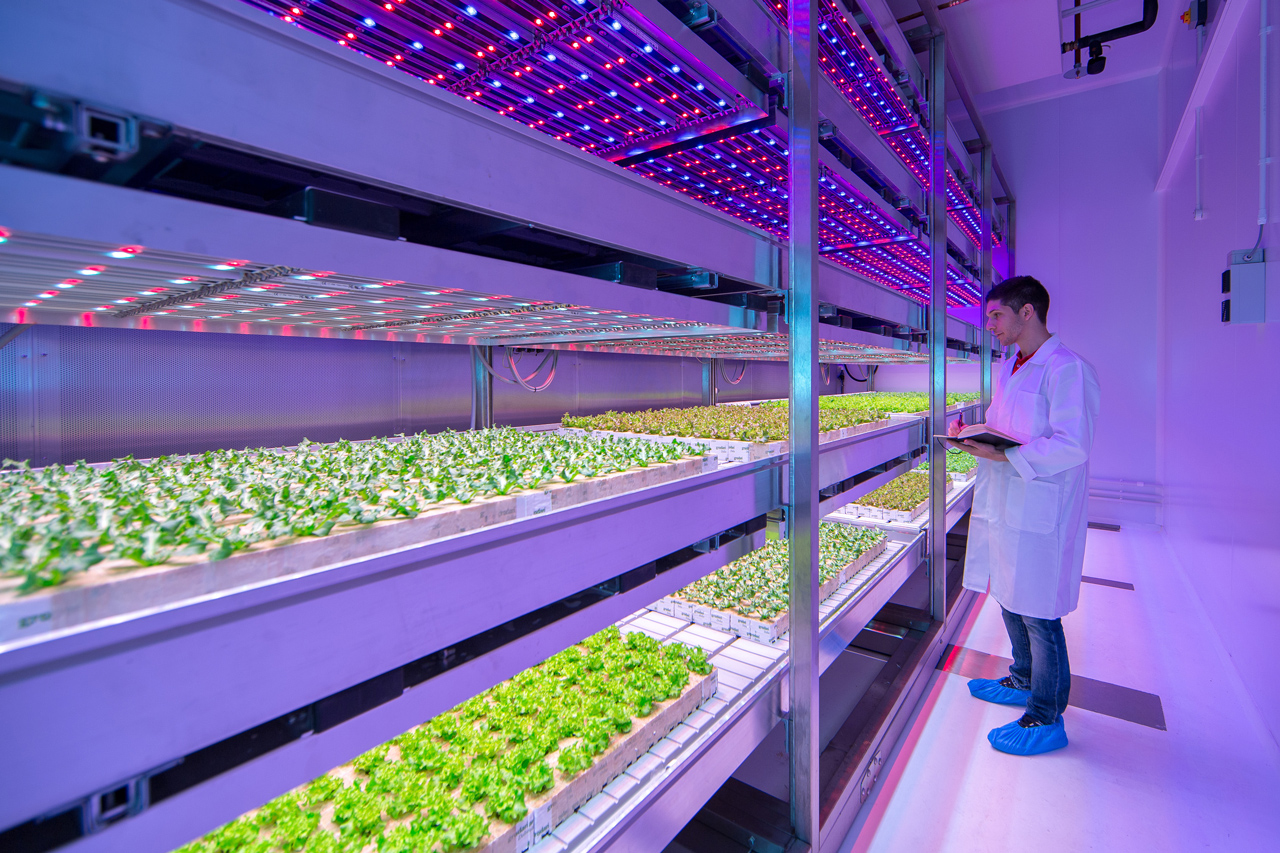
In this huge urban farming lab, LED “Recipes” grow juicier tomatoes and sweeter basil. PHOTO: Co Exist

Behind a vault-like door, the long, windowless room has the same purple glow as the cabin on a Virgin America flight. Instead of passengers, the space is filled with row after row of plants, each growing under a carefully calibrated series of red and blue lights. White-coated researchers walk by studying each leaf of lettuce or kale. Welcome to the GrowWise Center, one of the largest homes for urban farming research in the world.

Continue reading

Solar Power Just an Adapter Away

Now you can power your iPhone from the sun, even if you can't afford solar panels.

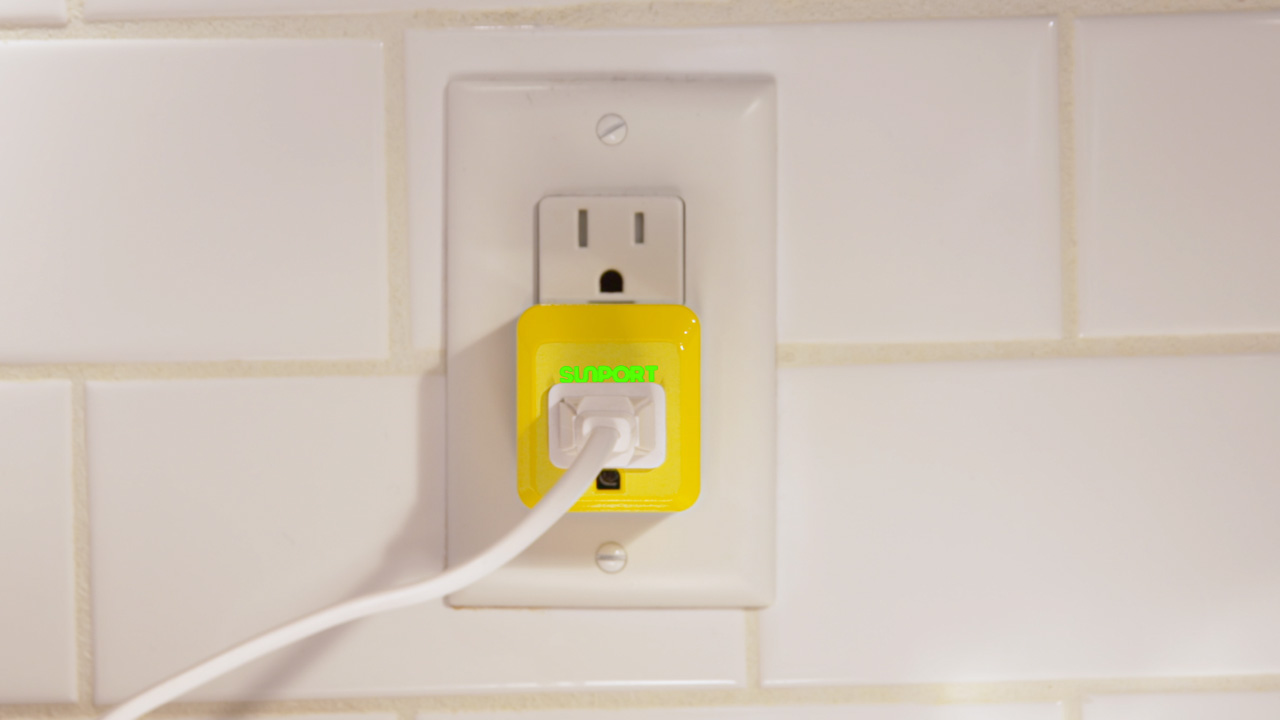
Now you can power your iPhone from the sun, even if you can’t afford solar panels.

Thanks to steeply falling prices, solar power keeps breaking records for new installations. But it still makes up less than 1% of total energy production in the U.S. The chances are good that you probably don’t yet have solar panels on your roof yet. Now, however, you can run your gadgets on solar just by using a different outlet. Plug your laptop into the SunPort, and it will automatically calculate how much power you’re drawing from the grid—and “upgrade” you to solar instead of coal, natural gas, or whatever else your local utility happens to use.

Continue reading

From Perfume Research to Eco-friendly Pesticides

Jim White's Anti-Pest-O grew out of ill effects of working with chemicals as a botanist. PHOTO: Gordon Chibroski

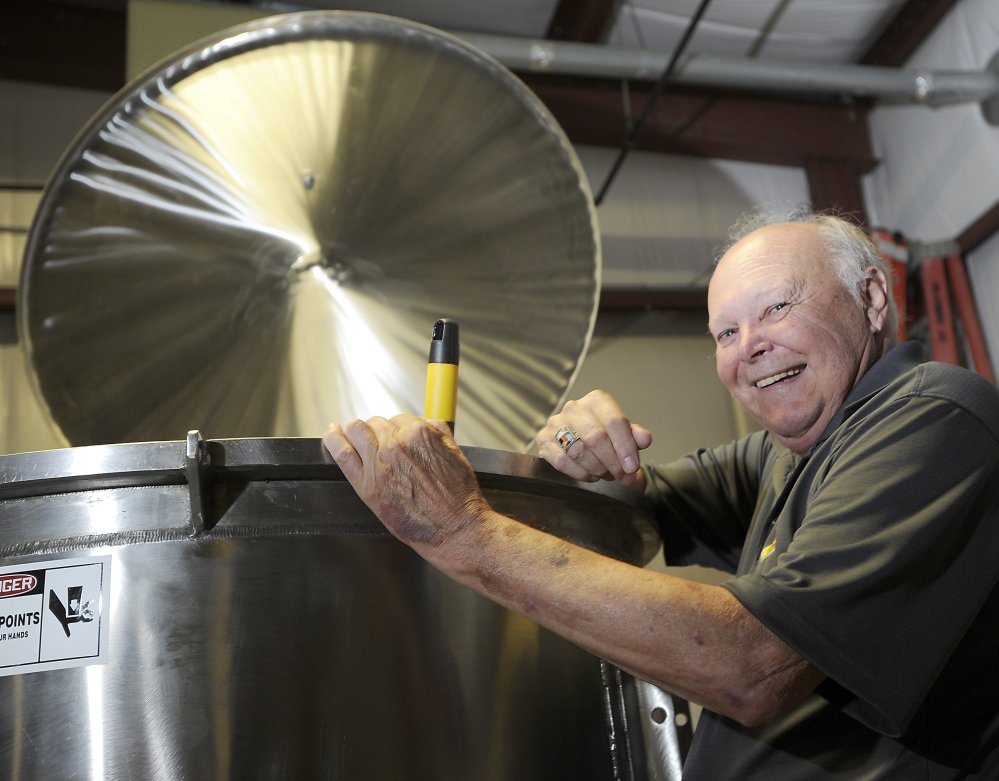
Jim White’s Anti-Pest-O grew out of ill effects of working with chemicals as a botanist. PHOTO: Gordon Chibroski

Are the beanstalks over your heads and the Japanese beetles in your garden driving you into a murderous rage? Then meet Jim White, creator of an eco-friendly insect repellent called Anti-Pest-O. Talk to him about bugs and find how we can dispense with them in the garden without relying on hard-core chemicals. The Portland resident came up with the formula for his product in the late 1990s as a form of self-defense when he was working as a botanist; every time he sprayed his plants with pesticides he broke out in a rash and/or developed a cough.

Continue reading

Is That a Real Swan?

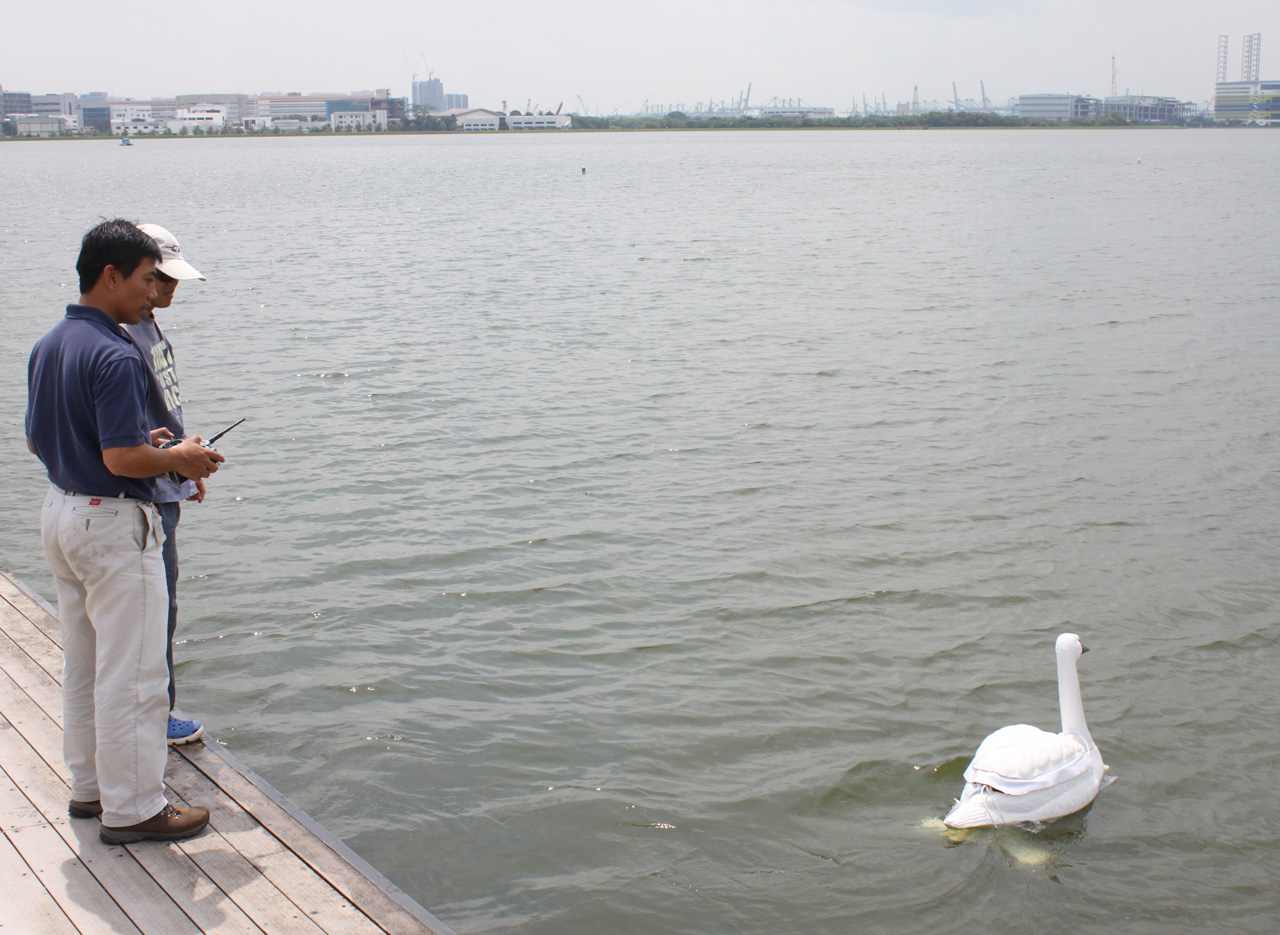
Robot swans patrol Singapore’s reservoirs, hunting pollution. PHOTO: CoExist

Robot swans patrol Singapore’s reservoirs, hunting pollution. PHOTO: CoExist

The  National University of Singapore has deployed robot swans to swim around water reservoirs and keep an eye on water quality. Presently, monitoring Singapore’s reservoirs is done by humans in boats, which is impractical, slow and not very scaleable. The NUSwan can swim tirelessly, continually testing pH, dissolved oxygen, turbidity (cloudiness) and chlorophyll. The results are transmitted wirelessly back to researchers, the GPS-equipped swans sweep the lake without duplicating any already-tested spots, and they automatically return to base for recharging when batteries run low.

Continue reading

Give it Up for the Dutch!

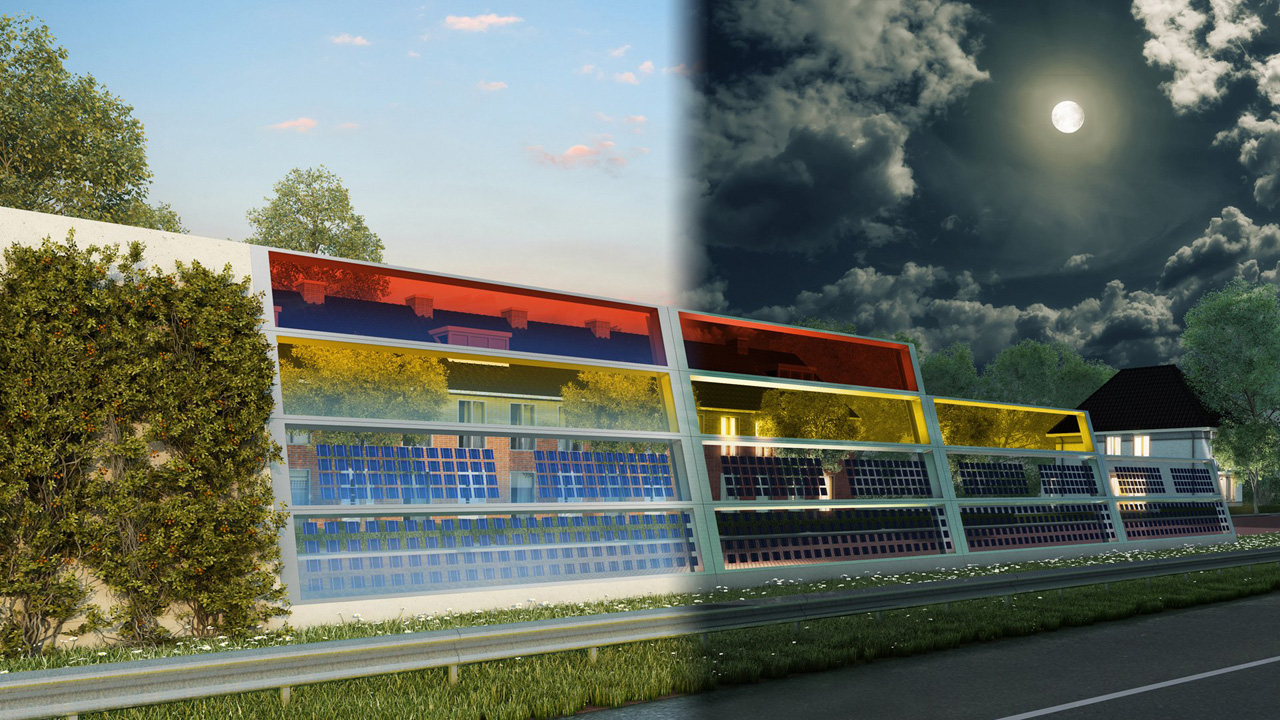
These beautiful, translucent barriers quiet traffic—and generate power at the same time

These beautiful, translucent barriers quiet traffic—and generate power at the same time

Driving the Dutch highways just got a lot more colorful. And this has to be one of the best Dutch ideas yet—roadside noise barriers that also generate solar power. Not only that, they work on cloudy days, and one kilometer (0.62 miles) provides enough electricity to power 50 homes. Continue reading

Dubai Thinks Solar Palm Trees

These solar "Palm Trees" in Dubai will charge phones at parks and beaches

These solar “Palm Trees” in Dubai will charge phones at parks and beaches

Look at what’s installed and ready-for-use in Dubai this summer: “Smart palms” that store solar energy during the day and discharge power at night. Smart Palm, the company, has set up two so far—one on Surf Beach, another in a park near the waterfront. It plans to plant them in 103 locations under a contract with the United Arab Emirates city.

Continue reading

A Brick to Breathe Easy?

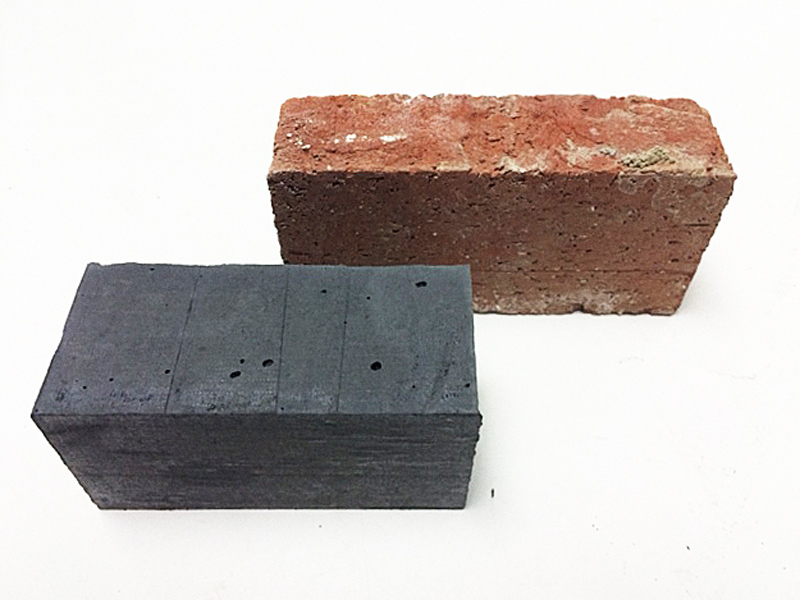
MIT students have created a brick that could end pollution from dirty brick kilns. PHOTO: CoExist

MIT students have created a brick that could end pollution from dirty brick kilns. PHOTO: CoExist

India’s brick industry, spread out over 100,000 kilns and producing up to 2 billion bricks a year, is a big source of pollution. To fire to hot temperatures, the kilns use huge amounts of coal and diesel, and the residue is horrendous: thick particulate matter, poor working conditions, and lots of climate-changing emissions. MIT students have created an alternative. The Eco BLAC brick requires no firing at all and makes use of waste boiler ash that otherwise clogs up landfills.

Continue reading

A Scooter That Charges Faster Than Your Phone

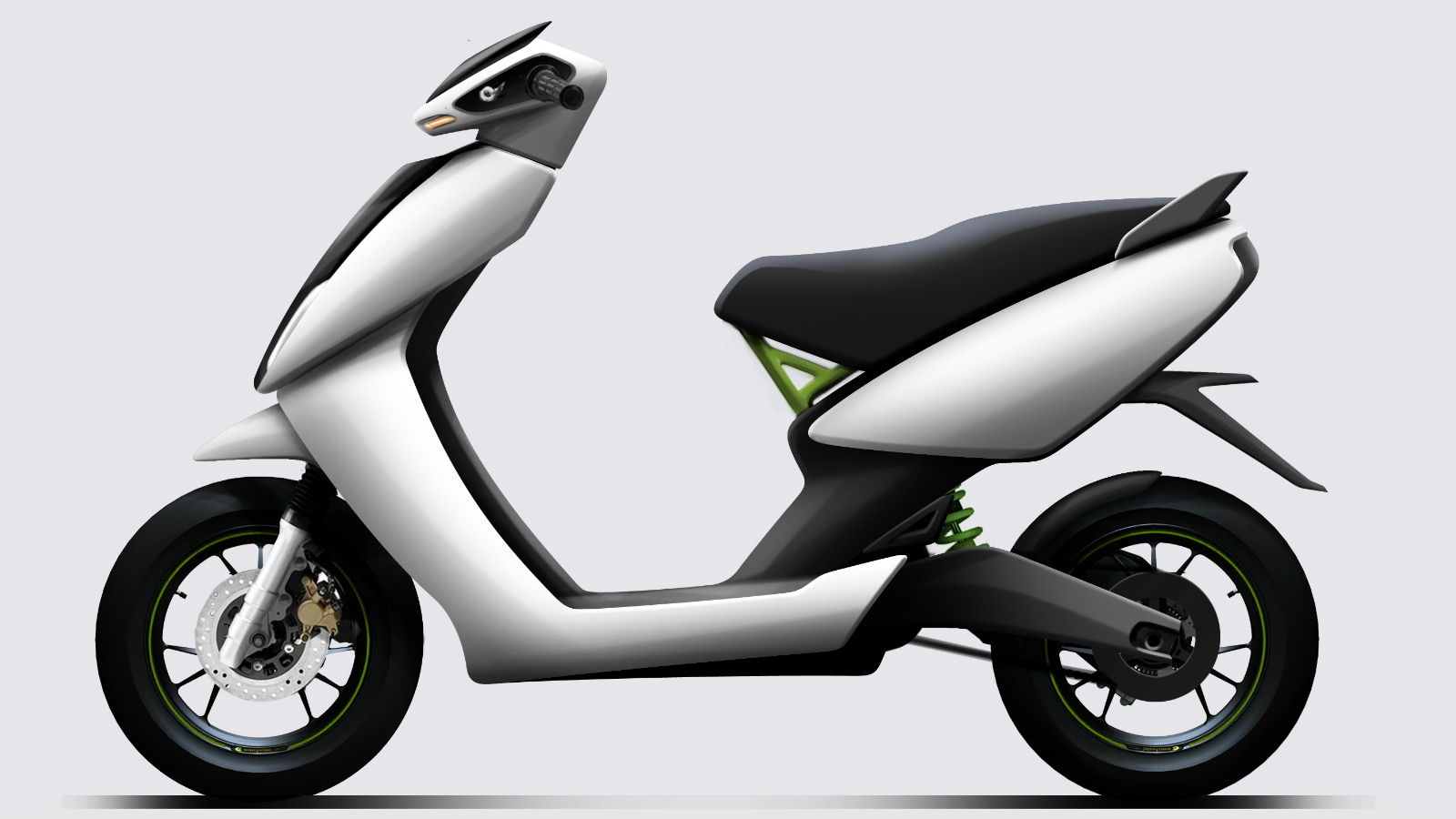
Ather Energy's e-scooter - S340 - is powered by a battery that charges within an hour

Ather Energy’s e-scooter – S340 – is powered by a battery that charges within an hour

India is the world’s second largest market for two-wheelers, and more than 14 million two-wheelers were sold last year. But electric scooters, so far, aren’t too big a part of that pie. When electric two-wheelers were first introduced nearly a decade ago, companies were betting big. They had a brief honeymoon period between 2008 and 2010, with sales more than doubling during that time. But all that dwindled once the government slashed its Rs22,000 ($346) subsidy for lithium battery packs in 2012. From selling 100,000 units two years ago, sales plunged to 21,000 units by 2014. But Ather Energy is bent on revising the trend.

Continue reading

Can GPS Be Replaced?

A new geolocation system is helping people get around in places where the streets have no name. PHOTO: Mapcode

A new geolocation system is helping people get around in places where the streets have no name. PHOTO: Mapcode

Rely on numbers to get around the neighbourhood? Then this one’s for you. A nonprofit called the Mapcode Foundation, has designed a system that assigns a unique and easily remembered address to any spot on the planet, without reference to landmarks or street names. Mapcodes consist of between four and nine digits and letters, which correspond to a five-square-metre patch on land or sea. Vowels have been eliminated from the system—so that mapcodes would not look like words, and because “O”s and “I”s cause confusion—but the remaining Latin consonants can be replaced with characters from the alphabets of most major languages. And the addresses are largely sequential: take a few steps in any direction and you’re in another square with a similar mapcode.

Continue reading

Travel Made Easy Through Air

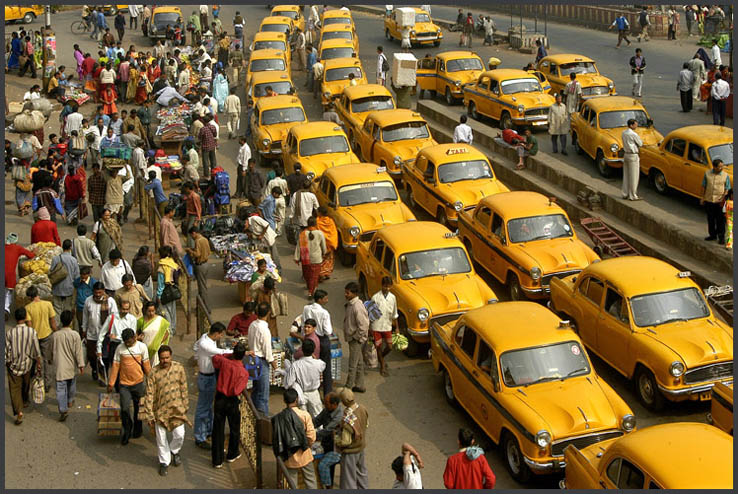
An upcoming aerial ropeway might be the solution to Kolkata's traffic congestion issues

An upcoming aerial ropeway might be the solution to Kolkata’s traffic congestion issues

No, we are not talking flying here. But the Curvo, the world’s first non-linear aerial ropeway for second tier urban commutation. Pollution and traffic-free, the service, operational on electricity, would be on steel frames spreading at a distance of around 90-100 m running through the existing arterial and other roads to avoid congested streets of the city. There will be elevated stops at every distance of 750 m and the cars would be able to gain speed of about 4.25 m per second (12.5 km/hour) with the ability to carry an estimated 2,000 people every hour. Curvo is expected to be introduced in 18-24 months. The cabins will have an accommodation capacity of 8-10 persons.

Continue reading

Repel, Trap and Steer Light

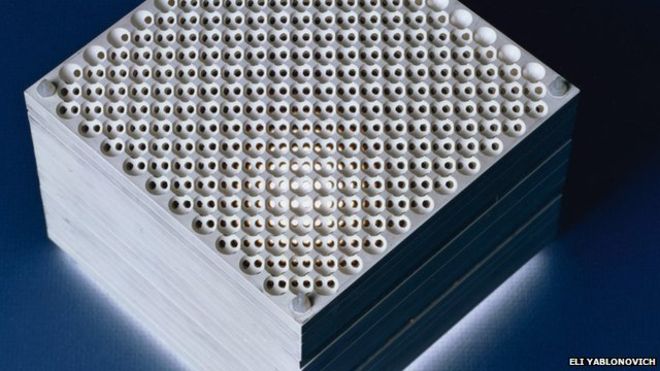
Photonic crystals can manipulate light in the same way that a semiconductor like silicon can steer electrical current. PHOT: Eli Nablonovich

Photonic crystals can manipulate light in the same way that a semiconductor like silicon can steer electrical current. PHOTO: Eli Nablonovich

The US physicist who first discovered “photonic crystals” which can repel, trap and steer light is to receive the Newton Medal, the BBC has revealed. This is the highest honor given by the Institute of Physics in London. Prof Eli Yablonovitch of the University of California, Berkeley, proposed and created the crystals in the 1980s.  Photonic crystals are periodic dielectric structures that have a band gap that forbids propagation of a certain frequency range of light. This property enables one to control light with amazing facility and produce effects that are impossible with conventional optics. Butterfly wings and the colorful plumage of peacocks and some parrots all contain examples, which were only understood after Yablonovitch and his fellow physicists fully described photonic crystals in the 1980s.Even the chameleon was recently shown to produce – and control – its color using the shape of photonic crystals.

Continue reading

Let’s See You Shop Sustainably

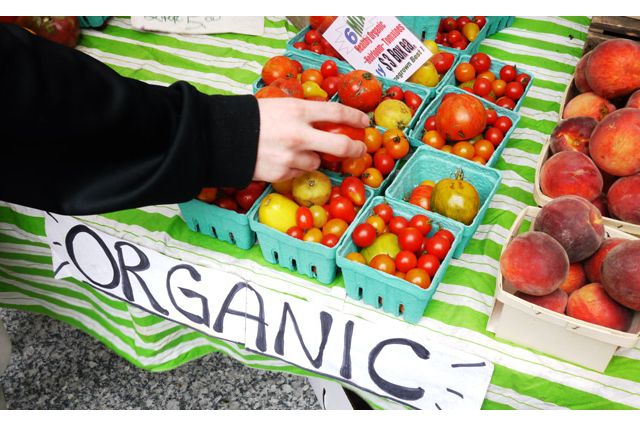
HowGood, an independent research organization based in New York City, may have answers for the food industry’s many scales of sustainability. PHOTO: ucla.edu

HowGood, an independent research organization based in New York City, may have answers for the food industry’s many scales of sustainability. PHOTO: ucla.edu

Are you a conscientious shopper? Do tags of ‘organic’, ‘locally sourced’, ‘homegrown’, ‘all-natural’, etc easily sway you and your shopping cart? Got questions that can better aid your shopping choices? Then HowGood is where you should stop by before you head to the check-out counter.

But if one apple touts organic certification, and an adjacent apple boasts local sourcing, which green reigns supreme? And what grocery store offers the singular scale for weighing the overall benefits? HowGood, an independent research organization based in New York City, has toppled the food industry’s many scales of sustainability to answer these questions through a more nuanced, easy to understand system.

Continue reading