“Here’s the digital avatar. Researchers, 10-year-old kids, artists—have at it.”

Screen Shot 2014-05-05 at 9.19.09 AM

dinosaur-scanner-01-0514-mdn

Thanks to Carl Zimmer, a science writer we feature from time to time (and then again and again and whenever when we can) for reminding us why our youth-time go-to publication for tech-stuff is still worthy of visitation:

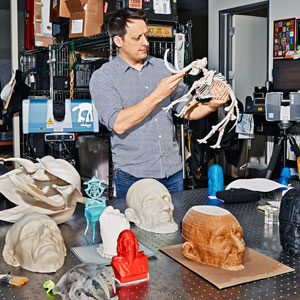
One morning in November 2011, trucks were roaring down the Pan-American Highway, carrying loads of ore from mines in the Atacama Desert to the port town of Caldera, Chile. The trucks screamed past a young goateed American paleontologist named Nicholas Pyenson, who was standing at the side of the road, gazing at a 250-meter-long strip of sandstone that construction workers had cleared in preparation for building new lanes. Continue reading

Democracy In Places Big And Small


Luis Guillermo Solis, presidential candidate of the Citizens' Action Party (PAC), smiles during a walk in San Jose April 4, 2014. Costa Rica's center-left presidential candidate Solis is expected to cruise to victory in the run-off election on April 6 after his ruling party rival quit campaigning in a bizarre twist last month. REUTERS/JUAN CARLOS ULATE

Luis Guillermo Solis, presidential candidate of the Citizens’ Action Party (PAC), smiles during a walk in San Jose April 4, 2014. REUTERS/JUAN CARLOS ULATE

Raxa Collective is at home in India, which begins the world’s largest democratic elections this week, and in Costa Rica which just concluded its own national elections. We cannot point to many similarities between India and Costa Rica given the differences in size, population, history and just about every other dimension you can think of. But since the late 1940s both have been outlier democracies in their own ways. And maybe that is part of the reason we feel at home in both countries.

We congratulate Mr. Solis and all Costa Ricans on their recent election, and in India, as they say, may the best candidate win. Thanks to Reuters for this update on the election run-off in Costa Rica, and we will highlight as appropriate India’s election results:

A center-left academic who has never held elected office easily won Costa Rica’s presidential election on Sunday, ousting the graft-stained ruling party from power after its candidate quit campaigning a month ago.

Former diplomat Luis Guillermo Solis, of the Citizen Action Party (PAC), won with around 78 percent of votes by tapping in to public anger at rising inequality and government corruption scandals.

His win dislodges a two-party dynasty that has governed the coffee-producing country for decades. It is also another victory for Latin America’s center-left parties, which have steadily gained ground across the region in recent years. Continue reading

51 Salutes Switchel

04f778_3d19542de89242f921d6738c20c90a25.jpg_srz_608_123_75_22_0.50_1.20_0.00_jpg_srz

We first heard of them, and heard them, on one of our favorite Public Radio (listener- and taxpayer-funded, thank you citizens of the USA) podcasts here:

Up with Switchel, Herman Melville’s Energy Drink

When we heard, at the end of the conversation with these entrepreneurs, that Melville was a switchel drinker, or at least that he mentions it in one of his books, we started thinking about a new 51 signature beverage. Melville, of course, knew a thing or two about sailors. And 51 is located within the property of Spice Harbour which, in a previous lifetime, was a “chummery” for ship captains coming in to Fort Cochin harbor.

Chummery, in Indian English from an earlier era, is akin to saying “boarding house for chums (male friends, buddies, guys what have you)” so it seems plausible that a captain who knew the drink switchel from a Caribbean or North American port of call might have once introduced this drink in the biggest harbor on the Malabar Coast. Even if none did, we will. In doing so, we salute our fellow entrepreneurs, and Melville, and the sailors. Also, we like what we read About them (the Vermont guys):

Continue reading

Do The Green Thing Countdown 24/29

tumblr_n2w32ylMQS1qz5g9bo1_400

We will walk the walk until March 29, when Earth Hour comes, and talk that walk too. To infinity, and beyond, if possible. Yesterday, when this campaign first came to our attention, we posted three samples from the campaign linked from Phaidon’s article. Today, straight from the source:

Our motto is Creativity vs Climate Change. Our product is a feed of beautiful, subversive and delightful inspiration made by great creative talent from around the world. Our aim is to inspire as many people as possible to live in a less selfish, less consumptive, more imaginative and more sustainable way. Try it. You might even like it. Continue reading

A Man, A Plan, A Canal

Palm trees in the tiny fishing village of Brito. In the mid-nineteenth century, Cornelius Vanderbilt, the American steamship and railroad tycoon, developed a route across the Nicaraguan isthmus, and his passengers transferred from stagecoach to steamship here.

Palm trees in the tiny fishing village of Brito. In the mid-nineteenth century, Cornelius Vanderbilt, the American steamship and railroad tycoon, developed a route across the Nicaraguan isthmus, and his passengers transferred from stagecoach to steamship here. Photograph by Jehad Nga.

When Xandari joined Raxa Collective in December, the Central America map became important in our office, and in our news tracking. Several contributors to Raxa Collective got their start in Central America in the 1990s, as did most of Xandari’s staff, most of whom have been working their for nearly two decades; so goings on in that region are of special interest.  Big goings on are of big interest. Especially when the socio-economic costs and benefits are understood in relation to ecological impact. In case you never heard the campaign slogan dating back to President Theodore Roosevelt’s time–A Man, A Plan, A Canal, Panama–it is worth noting it is a palindrome, a sort of word puzzle in that it reads the same forward and backwards.   In this week’s issue of the New Yorker, another kind of puzzle related to another Central American canal is reported by Jon Lee Anderson who profiles one (or more) man’s plan to:

…“launch the largest civil engineering and construction project in the world: a new transoceanic canal across Nicaragua.” The canal is a pet project of Daniel Ortega, the President of Nicaragua, who has argued that an Atlantic-Pacific shipping route “will bring well-being, prosperity, and happiness to the Nicaraguan people.” But while the canal’s supporters have praised its economic potential—Nicaragua is Central America’s largest and poorest country, and nearly half its population lives below the poverty line—opponents have criticized the lack of public input on the plan, which is expected to cost at least fifty billion dollars. They also argue that the project represents an affront to Nicaragua’s sovereignty: the Hong Kong Nicaragua Canal Development Investment Company, an obscure Chinese firm that holds the concession to build the canal, has been granted broad rights throughout the country, including the right to expropriate and develop private property. Continue reading

Bhutan, Inspiration For A Happier World

Click the image to the left to go to the Kingdom of Bhutan’s website, which we have been visiting in recent months in advance of a planned visit for work. Our friends to the north will surely appreciate the sentiments and insights of this essay in the current issue of Orion magazine, which we find useful background preparation in case our visit, and prospective new project, come to pass:

FROM THE FORESTED HILLSIDE above us, a bulldozer sends giant rocks and tree limbs sailing down onto the hundreds-of-years-old footpath leading us from the Paro Valley floor to Dra Lhakhang, a cliffside temple where the six of us plan to sleep on the first night of our three-day hike to, Dragipangtsho, a lake considered holy. Karma Wangchuk, the leader of our hiking party, blows his pocket whistle and screams along with the rest of us, hoping our distressed voices will penetrate the roar of the machine. Finally, the bulldozer stops and the road crew hollers and waves down to us in acknowledgement, oblivious to our peril. Continue reading

Camera Trap Commentary

The following was contributed by Dr. Jason G. Goldman to Scientific American‘s blog. The author received his Ph.D. in Developmental Psychology at the University of Southern California, so when we read his views on camera traps, a subject that we have posted on as often as possible, we can feel confident that his scientific perspective is a worthy one:

…Maybe it’s because camera traps offer up a rare opportunity to catch a glimpse of nature on its own, undisturbed by our species. It’s a romantic notion, isn’t it? Nature untouched. It’s foolish to think that humans exist apart from nature; we are but one species in a massive tree of life. As in physics, so too in wildlife biology. Continue reading

Hermes Circa 1983

Blacksmithing and Greek language, two ambitions placed in my path by the trickster god of transitions, two ambitions that strengthened my arms and tongue and confidence that looking backward was not my future, were both important deviations. There had been no plan or map but both of these deviations helped ensure that my path would not be too straight or narrow. A couple years later I was preparing for another deviation. On September 23, 1983 I would get on an airplane and make another pilgrimage to Vourthonia. Continue reading

Thekkady Nature in Focus

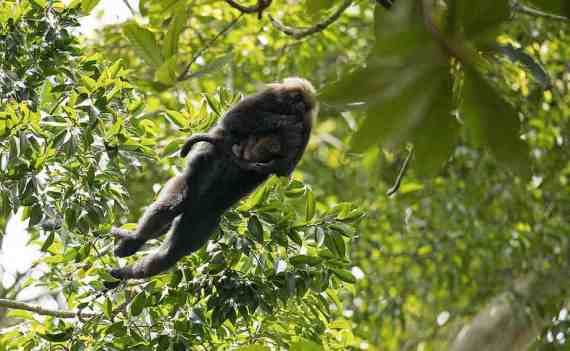
Adult nilgiri langur holding young leaping between trees

I’m a pediatrician by profession but a wildlife photographer by passion. They might not appear connected at first glance but the joy of being with children and the ability to be patient and understand their world has assisted me behind the camera in the field. Photographing animals has allowed me to use my expertise to get closer insights into their behavior.
The idea of having a photographic workshop in the lap of nature, in the Western Ghats with renowned wildlife photography guru Sudhir Shivaram was very exciting. I felt like a child waiting to get a new toy.


Thekkady-Kumily and the Periyar Tiger Reserve lie near the border between Kerala and Tamil Nadu. Periyar lake is an important watershed and a lifeline for wildlife in the region. The lake was created by the building of the Mullaperiyar Dam in 1895. What was started as a private game reserve became a wildlife sanctuary, and later the Periyar Tiger Reserve. While the area where the reserve is located is well-known as Thekkady, the town is named Kumily. It was a 5 minutes drive from our hotel to the PRT (Periyar Tiger Reserve) and from the entrance it’s a 500 meter walk to reach the boating jetty. From the jetty point, many visitors to the reserve take an hour-long boating safari where, with luck, the action along the bank can be viewed. For birders, most of the aquatic species can be expected, so luck is far less of an issue.

The evening of our arrival we had a workshop session during which our mentor gave us a good grip on exposure, metering, ISO and lots of inputs about the technical aspects of photography in general and wildlife photography in particular.

White-cheeked Barbet by Dr. Eash Hoskote - La Paz Group

White-cheeked Barbet

Early morning on the first day after a quick tea and snacks we headed out to PRT with all our gear. We were met by forest naturalists who were very well versed with the local conditions and the birding scene at that particular time of the year. We were given thick canvas knee-length “leech” socks which are dusted with tobacco powder, making them 100% leech resistant. We boarded a small raft driven by rope pulley to cross one of the many “fingers” of the many branched reservoir. After a brief time following the banks of the water we turned into the dense forest, where the penetration of morning sunlight was minimal. With such heavy equipment we really had to dodge the trees and hanging vines and made our way through the forest. The bird species sighted that first day were Malabar Trogon, White-bellied flycatcher, small blue kingfisher, spot-billed ducks, grey heron, Indian pond heron, little cormorant, white-cheeked barbet and a Malabar frog as an added bonus. It was a good 3 hr forest walk with birds chirping, frogs croaking and crickets making their presence felt. While just walking out of the PRT, we had a good sighting of a pair of grey Malabar hornbill with good photographic opportunity for all of us at close range. Our mammalian captures included a Malabar giant squirrel munching a nut and a group of Nilgiri langurs with young ones jumping around trees providing fantastic opportunities for dynamic shots. Continue reading

Flawed Definition Of Luxury

Beautiful, environmentally valuable natural areas increasingly seem to fit the definition of luxury, based on their scarcity and the quality of the pleasure they provide.  Golf, also, is often defined as a luxury.  Can golf and pristine wilderness both be defined, correctly, as luxuries?  Linguists, please weigh in.

Meanwhile, above, a promo clip on a new documentary about a beautiful place, Trumped (talk about misdefining luxury!).  Thanks to the Green blog at the New York Times website, this story which even an avid golfer might wince at:

On July 15, Trump International Golf Links finally opened. But not everyone was delighted to see one of Britain’s last stretches of coastal wilderness transformed into a putting green. Continue reading

Ain’t Periyar “Great”?

The jungle forests of the Periyar Tiger Reserve continue to amaze me.  Every time I venture into this wild paradise, I leave with wonderful memories, already looking forward with great excitement to my next exploration.  I think it has become fairly obvious over the past year and a half or so of blogging for Raxa Collective that I have more than a slight interest in birds.  Even though Periyar has amazing four-legged animals such as elephants, bison, giant squirrels, and langurs, for me it is the two-legged ones that make this reserve so special.  In fact, the word “special” does not come close to expressing what I feel for this birding wonderland!

Continue reading

Target Birds


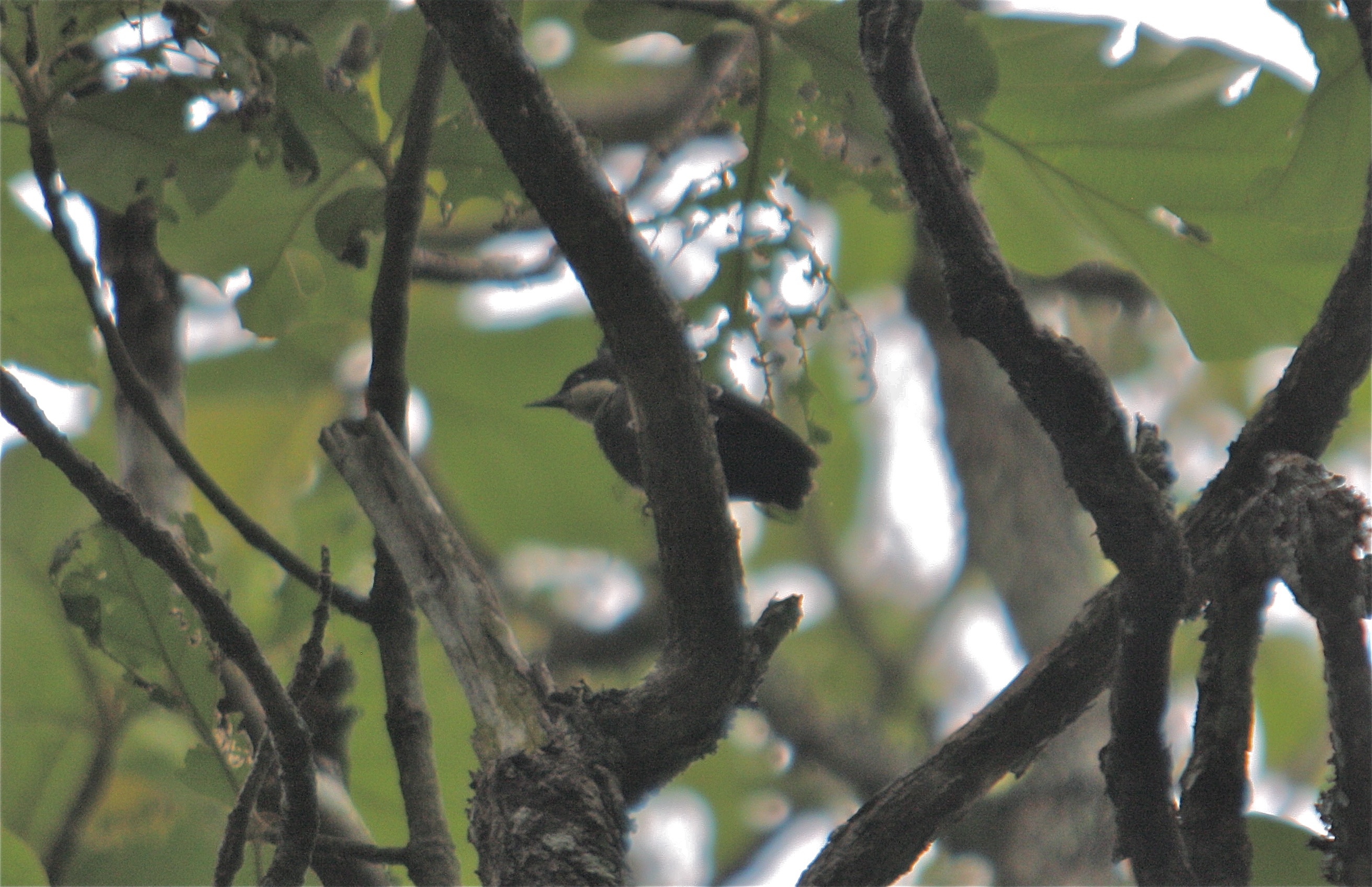
After trying for about half an hour to photograph this little Heart-spotted Woodpecker all I could manage was this photo! I’ll take it!!

Before embarking on a birding trip, I always attend to a few traditions.  First, I get a bird book for the location to which I am traveling, a necessary step in order to familiarize myself with the birds of that region.  When I am birding in the eastern United States, my guide of choice is Sibley’s Guide to Eastern Birds; likewise, when birding in the western United States, I choose its contemporary, Sibley’s Guide to Western Birds.  However, when birding internationally, I have found that Princeton makes unbelievably good field guides for a tremendous variety of places.  I purchased the Princeton Field Guide to the Birds of East Africa for my trip to Kenya, and for this most recent trip, the choice was easy – the Princeton Field Guide to the Birds of India (including Pakistan, Nepal, Bangladesh, Bhutan, Sri Lanka, and the Maldives).

Continue reading

The Road to 1,000 World Birds

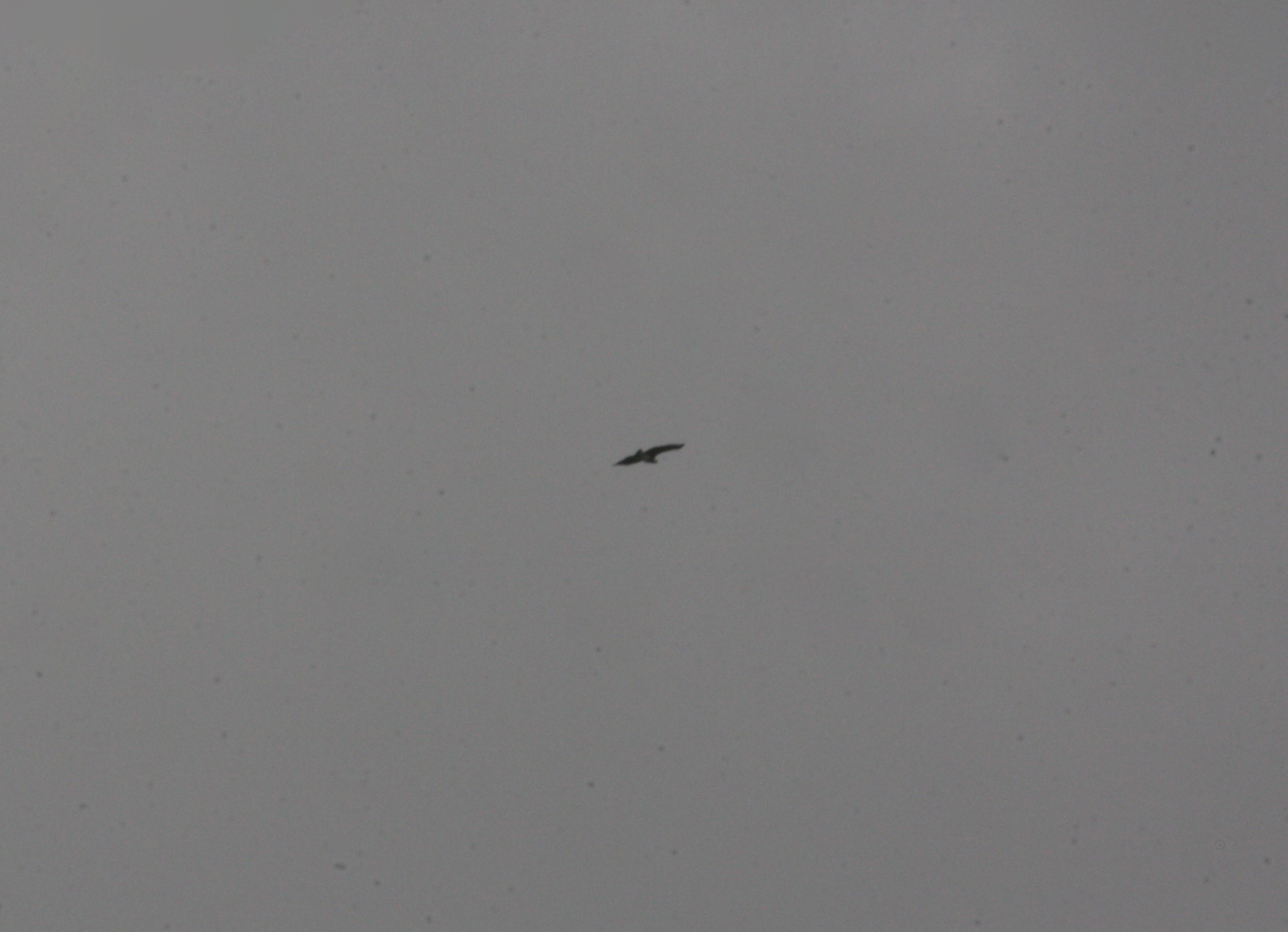
A photo I had to take and post. Although you probably cannot even make out the bird this is #1000,                                      a Grey-headed Fish Eagle

Five years ago, my dad and I walked out of our front door and embarked on my first serious bird walk.  As soon as we stepped outside, a House Sparrow flew from the roof of my neighbor’s house and landed in a nearby bush – #1.  Throughout the next year, the two of us birded New Jersey extensively, adding to my North American life list.  Luckily, New Jersey is one of the best birding states in the country.  It is small enough to travel from one location to another in less than four hours to see any bird that winds up in a place like Cape May or even Stokes Forest in High Point, and located right by the coast, it has become famous for both spring and fall migrants and for seabirds on Sandy Hook and at Cape May Point.  Furthermore, the hawk migration, during the fall months in the mountainous western part of the state, is certainly something to behold and has captivated my interest over the past few years.  Within a year of birding in New Jersey alone, I was able to see 200 birds, my 200th being a Clapper Rail in the marshes at Edwin B. Forsythe NWR.

Continue reading

990…991…The Road to 1,000 World Birds

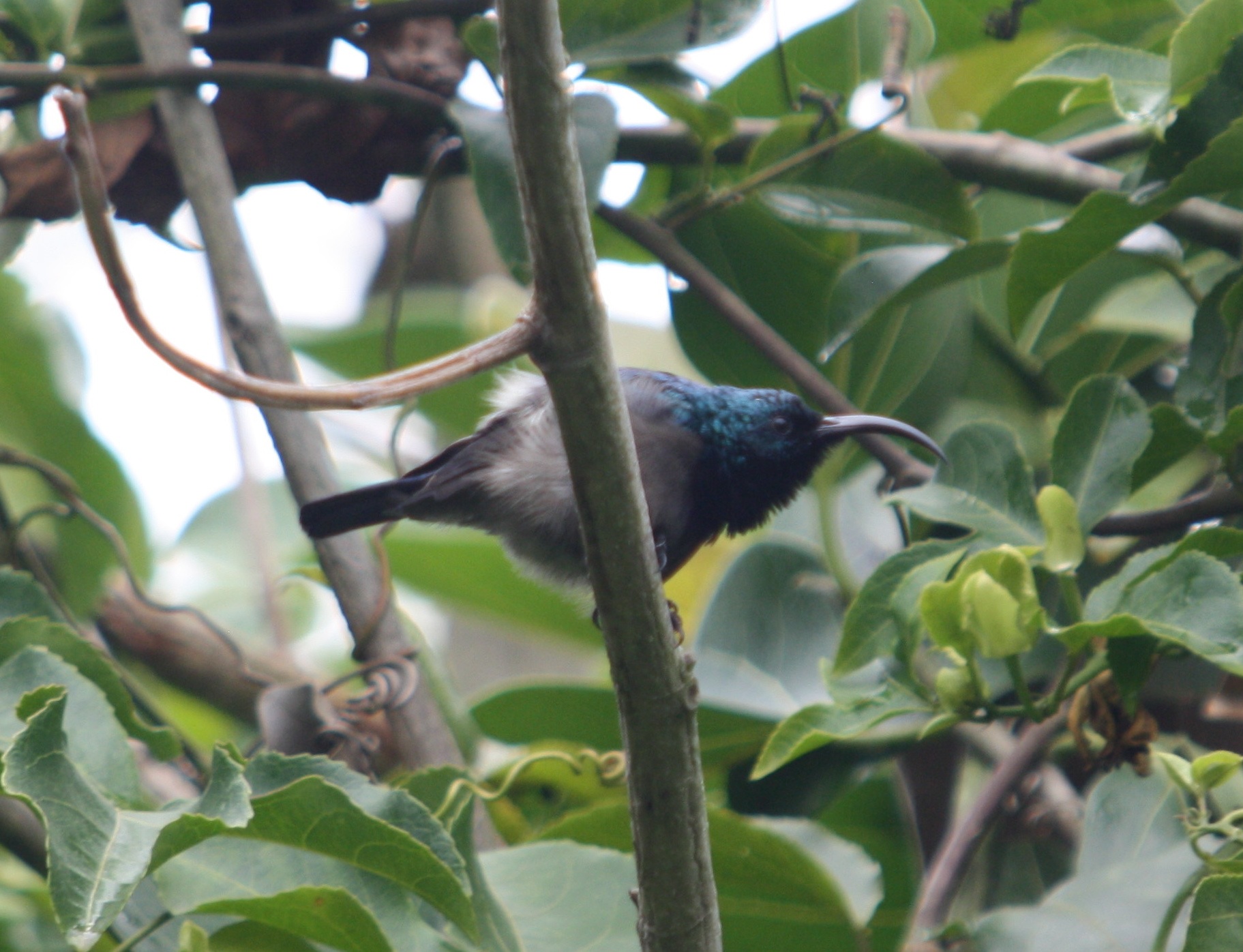
Long-billed Sunbird

I now have a better understanding of what baseball players mean when they talk about reaching an important milestone and how happy they will be when it’s over.  The nerves and anticipation that go along with these symbolic but meaningful round numbers have always captivated people, myself included.  I remember being in the stands when Alex Rodriguez of the New York Yankees hit his 500th home run; the relief and joy on his face were exciting to see.  Now, my circumstance is nowhere near as significant, and the media is certainly not following me, but I myself am on the brink of a major milestone here at Cardamom County.

Continue reading

Cardamom County Day One

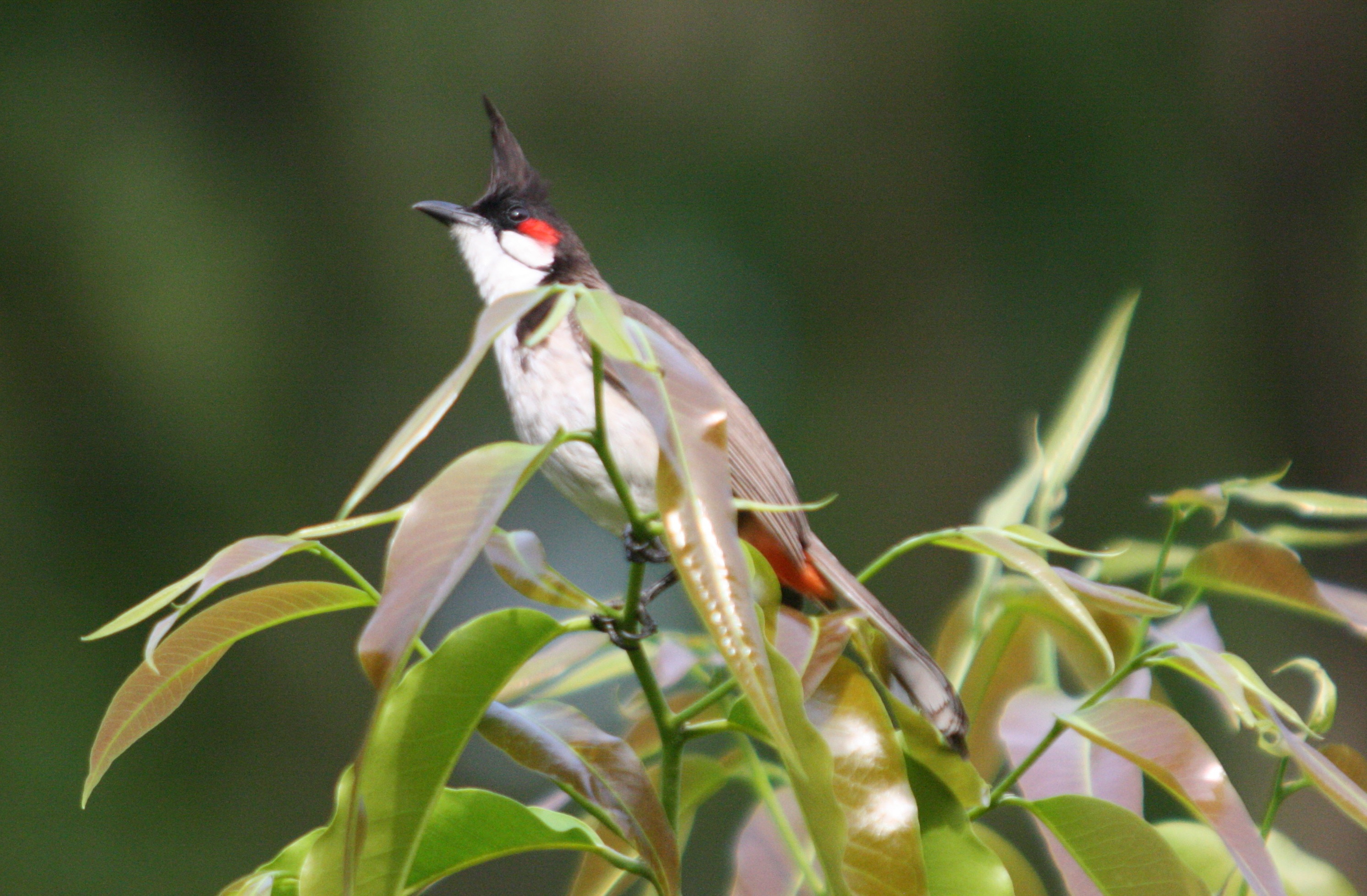
Red-whiskered Bulbul

I awoke this morning to one of the loudest dawn choruses I have ever heard.  I quickly rushed outside, camera and binoculars ready, for what would be a fantastic day of birding.  Staying within the confines of the resort proved to be an insignificant handicap, as in the parking lot I was immediately surrounded by Red-whiskered Bulbul, White-cheeked Barbet, White-throated Kingfisher, Nilgiri Flowerpecker, Crested Treeswift, Common Tailorbird, Loten’s Sunbird, Greater Racket-tailed Drongo, Rufous Magpie, and Lesser Hill Myna.  The beautiful colors of an Orange Minivet radiated from the top of a nearby tree, and in the adjacent tree a Golden-fronted Leafbird was busy foraging.  Kites and eagles soared effortlessly overhead, and I soon understood why Kerala (and the Western Ghats in particular) is such an attractive birding location.

Continue reading

Pico’s Words Of Wisdom

Amie’s post about this careful observer and eloquent writer makes the reviews of this new book even more noteworthy.  While nominally about Graham Greene, according to the LA Times review it is as much a Pico Iyer-ish book as anything else published prior:

…But there he is, in spite of everything. Not a hero or a counselor or the kind of person I would otherwise want to claim as kin. I see the gangly, long-legged figure graciously receiving a visitor in his room and keeping the intruder at bay with an offer of a drink, folding his awkward limbs around himself on the sofa; I see the high color in his cheeks, and the pale, unearthly blue eyes that speak to everyone of the troubled depths he’s both concealing and perceiving in the world… Continue reading

To The Past

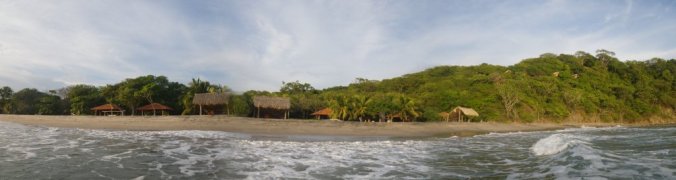
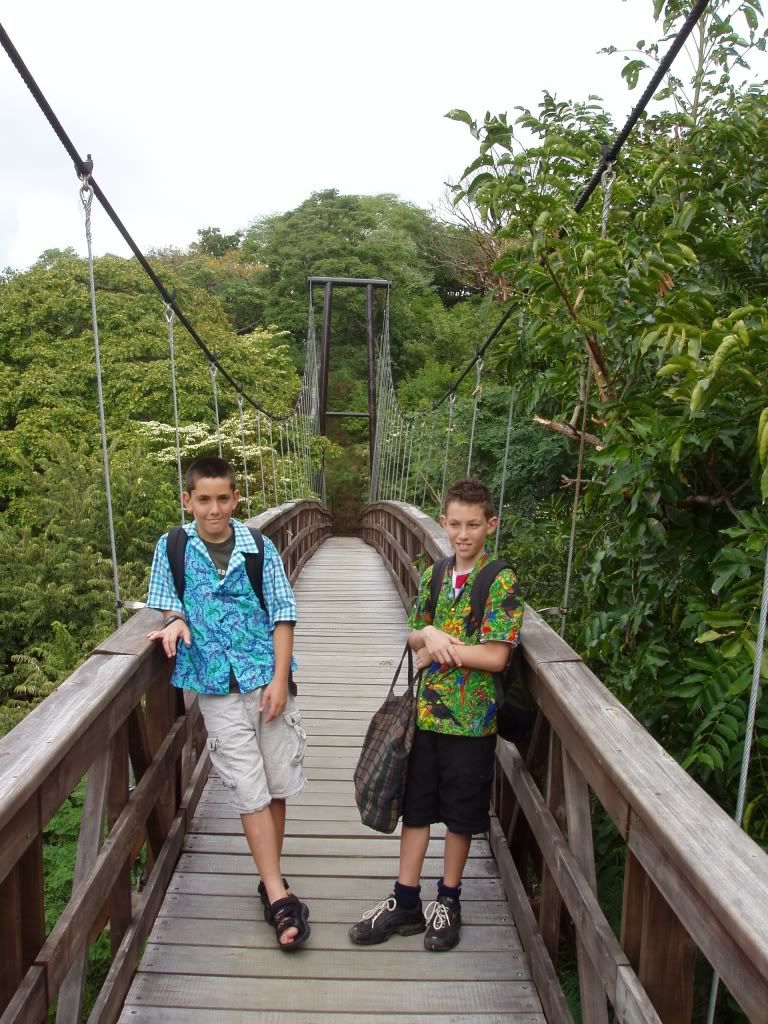
In 2004, my family visited a completed Morgan’s Rock after having camped on the undeveloped property several years earlier. The camping trip had helped establish the best potential locations for bungalows–the bungalows that you can now only reach by the pictured bridge.

Last summer, Continue reading

Deep Ecology, American Roots: Part 4

Here are some final thoughts following my discussion of the relationship between deep ecology and certain American figures:

Just as deep ecologists at heart may need to stay closeted to keep their public shallow ecology jobs, shallow ecology groups such as The Group of Ten must retain their traditional views in order to maintain government support and continue to receive public donations from massive bases.  In the early 1980s alone, Sierra Club membership grew by 90%; as the mainstream groups grow, it makes sense that more radical splinters will form.  Unlike traditional environmental groups, however, the fringe splinters are fairly flexible to fundamental changes in ideology.  David Foreman eventually left Earth First!, thinking it had become too concerned with social justice issues when the group opened alliances with labor unions; he believed wilderness preservation had lost priority as the group’s mission.  But was this shift in Earth First!’s goals one from deep to shallow ecology?  This query presents issues inherent in social justice, which are far too vast to discuss here; the simplest answer, it seems, would depend greatly on whom the group was serving, and to what ends. Continue reading

Deep Ecology, American Roots: Part 3

I left off my Part 2 post with the claim that environmental groups adopted a shallower ecology as they became more mainstream. I will continue to discuss this below, and focus on a more radical fringe environmental group.

With wider supporter bases, the largest and most influential organizations—The Group of Ten—tended toward demureness while working with the US government, which in many cases meant acceding to the demands of corporations; none of the Ten showed up to protest the controversial dumping of toxic PCBs in Afton, North Carolina.  When The Group of Ten began to cooperate with (or behave more pragmatically towards) extractive industries, generally the more lucrative variety, many activists found themselves looking for more adversarial policies, and abandoned their positions for more “active” ones.  Many of these people may have considered themselves liberal members of the environmental groups before, but given the dynamics of mainstream discourse, the splinter groups became much more radical.  Here are some examples of frustrated people leaving mainstream groups: David Brower was fired from the Sierra Club and ended up forming Friends of the Earth and two other grassroots organizations; David Foreman quit his job at the Wilderness Society and co-founded Earth First!; Rick Sutherland declared the Sierra Club Legal Defense Fund independent of the Sierra Club to litigate more freely in the name of the environment.

Continue reading