Monarch Butterflies’ Future

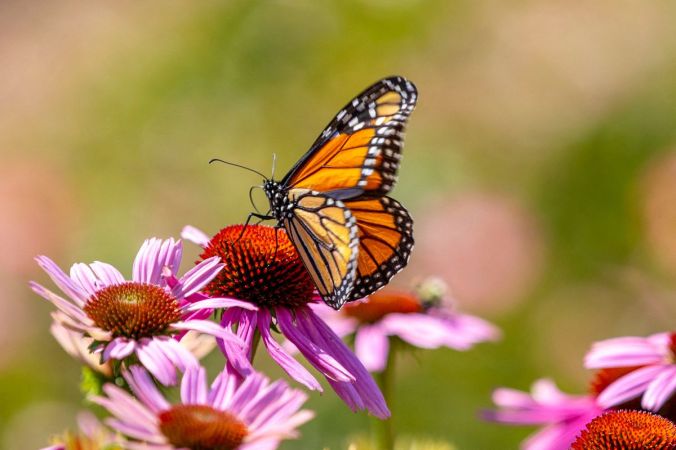
A Monarch butterfly, which is now placed in the endangered category of the International Union for the Conservation of Nature’s Red List of Threatened Species, perches at the Royal Botanical Gardens in Burlington, Ontario, Canada July 21, 2022. REUTERS/Carlos Osorio

Butterflies in general, and this species in particular, have graced our pages more than most other insects over the years. Thanks to Emma Farge and Gloria Dickie, from Reuters, for this:
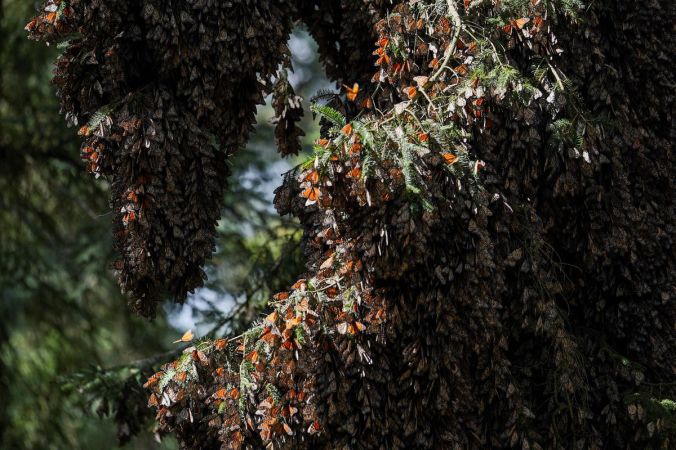
Monarch butterflies rest on a tree at El Rosario sanctuary, in El Rosario, in Michoacan state, Mexico February 11, 2021. Picture taken February 11, 2021. REUTERS/Toya Sarno Jordan/File Photo

Kaleidoscopic migratory monarch butterfly joins global endangered species list

GENEVA, July 21 (Reuters) – The migratory monarch butterfly, which has for millennia turned North American woodlands into kaleidoscopes of colour in one of nature’s most spectacular mass migrations, is threatened with extinction, international conservationists said on Wednesday. Continue reading →
What Is Birdsong?

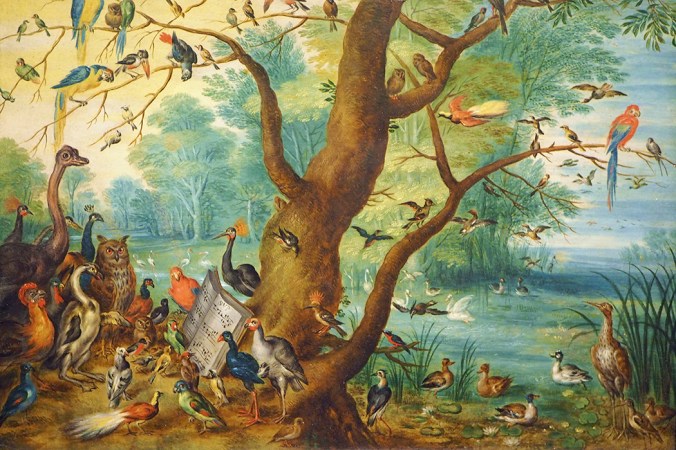
Das Vogelkonzert (The Bird Concert) by Jan Brueghel the Younger, c. 1640-1645 via Wikimedia Commons

If you have been educated to carry out academic research, JSTOR is familiar to you. And if not, but you have the sort of curiosity demonstrated in our pages, then JSTOR daily might be a good companion, as demonstrated here:

Every Good Bird Does Fine

Is birdsong music, speech, or something else altogether? The question has raged for millennia, drawing in everyone from St. Augustine to Virginia Woolf.

To some extent, we all know music when we hear it: a melody, a rhythm, a progression of individual notes that, taken together, elevates the whole into the realm of auditory art. Continue reading →

Vertical Farming Super Strawberries

Illustration by João Fazenda

In the early years of this platform we were developing new properties in Kerala, India and food was a focal point. More recently when we indulge in the culinary it is Costa Rica taste of place we are talking about. Occasionally vertical farming makes its way into these pages, but it has been a while:

Selling “Omakase” Strawberries, for the Price of a Full Meal

The founder of Oishii, whose haute-cuisine strawberries have sold for as much as ten dollars a pop, offers a tour of one of his V.C.-backed vertical farms, modelled on the foothills of Japan and built in New Jersey.

Consider the strawberry: red, ripe, an ephemeral pleasure as fleeting as a summer fling. Continue reading →
Charismatic Megafauna UK Rewilding

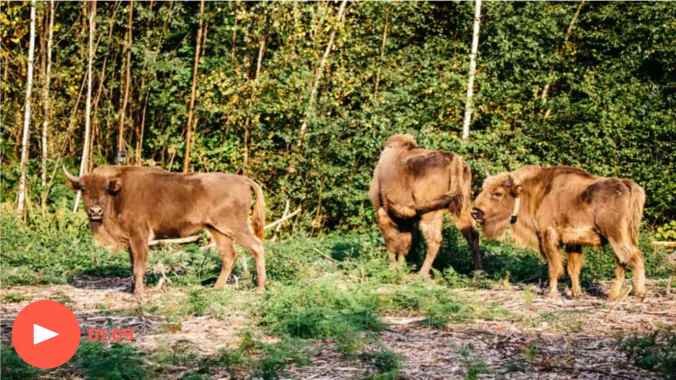
Wild bison released into Kent countryside – video

In Scotland the first such project we became aware of had wild but smaller animals as their focal point. Reforesting and other United Kingdom rewilding initiatives have until now been missing the biggest possible charismatic megafauna:

Wild bison return to UK for first time in thousands of years

The gentle giants released in Kent should transform a commercial pine forest into a vibrant natural woodland

Early on Monday morning, three gentle giants wandered out of a corral in the Kent countryside to become the first wild bison to roam in Britain for thousands of years. Continue reading →

Trillion Tree Puzzles

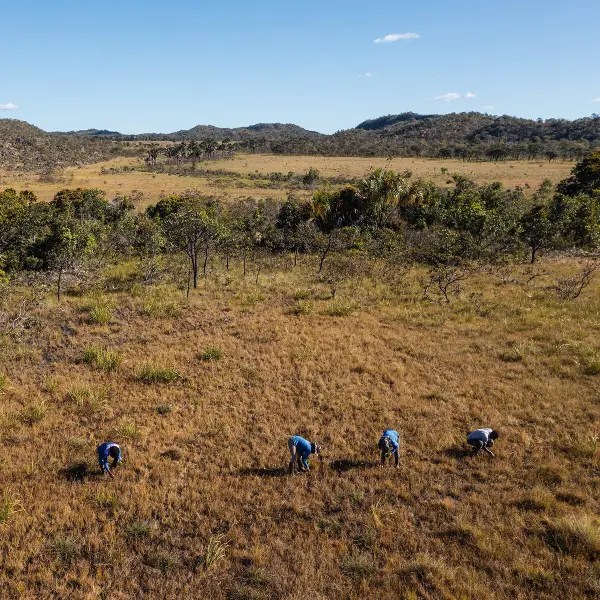
Villagers hired by Eden Reforestation Projects planting trees in the northern part of Goiás State, Brazil. Lalo de Almeida for The New York Times

Zach St. George showcases why the compelling idea is problematic, and why the problematic idea is so compelling:

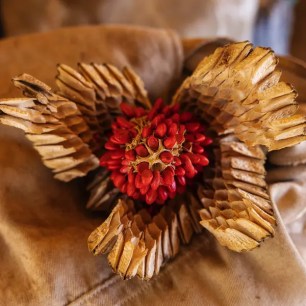
A plant from which Eden separates seeds to plant in Goiás. Lalo de Almeida for The New York Times

To fight climate change, companies and nonprofits have been promoting worldwide planting campaigns. Getting to a trillion is easier said than done.

On a hot morning in April, near the start of Brazil’s dry season, four women and two men walked single file across a sodden field at the edge of Engenho, a village in the northern part of Goiás State. They wore long sleeves and wide-brimmed hats to protect against the sun, and leather gaiters and gloves to protect against snakes. In a plastic tub, they carried an entire forest. Continue reading →

Air Conditioning 2.0

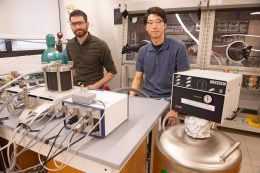
The new mechanism (pictured) could replace traditional vapor-compression cooling technology, which has remained largely unchanged since the early 20th century.

Oddly, we have only mentioned air conditioning twice before in our pages since 2011. So much of the human population is in need of it, and its carbon footprint is so problematic, it presents a significant challenge to efforts to mitigate climate change. Here is reason to mention it again:

Assistant Professor of Chemistry Jarad Mason (left) and co-author Jinyoung Seo have developed a new class of solid-state refrigerants that could enable energy-efficient and emission-free cooling. Jon Chase/Harvard Staff Photographer

Keeping cool without warming the planet

A summer dilemma worthy of Solomon: how to stay cool in days of high heat and humidity without turning to traditional air conditioning, which consumes vast amounts of electricity and emits potent climate-changing greenhouse gases.

The answer potentially involves a new class of solid-state refrigerants that could enable energy-efficient and emission-free cooling. Continue reading →

Orchid Hunters Teaching Their Craft

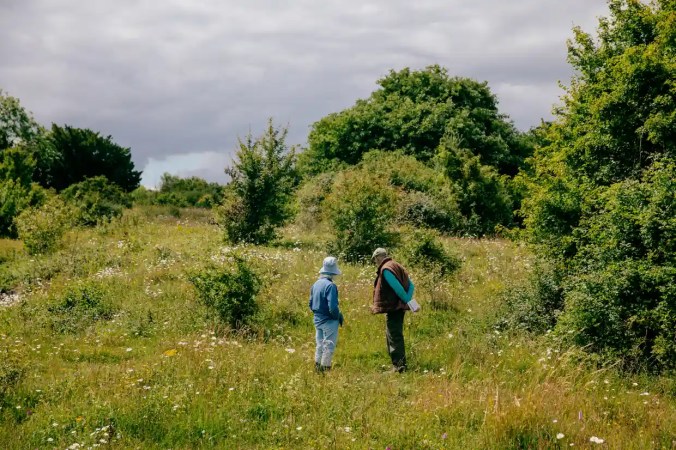
Orchid enthusiasts on the hunt at Noar Hill. Photograph: Peter Flude/The Guardian

We feature stories involving orchids whenever there is something new to learn:

Bersweden stops to smell a musk orchid at Noar Hill. Photograph: Peter Flude/The Guardian

‘Like stroppy teenagers’: the joy of hunting devious and demanding orchids

For British botanist Leif Bersweden, finding an orchid is ‘pure joy’ and one that he is happy to share with fellow enthusiasts as they scour a nature reserve in Hampshire

It’s a Friday, and half a dozen retirees are scouring the ground for flowers. Continue reading →

82 Leading Scientists Agree

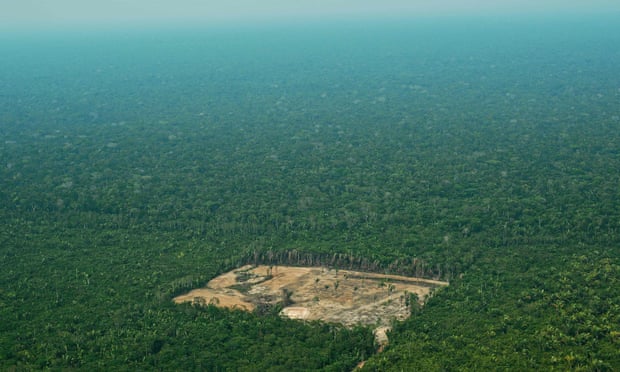
Aerial view of deforestation in the Western Amazon region of Brazil.

Aerial view of deforestation in the Western Amazon region of Brazil. Photograph: Carl de Souza/AFP/Getty Images

To state the obvious, yes:

Humans need to value nature as well as profits to survive, UN report finds

Focus on market has led to climate crises, with spiritual, cultural and emotional benefits of nature ignored

Taking into account all the benefits nature provides to humans and redefining what it means to have a “good quality of life” is key to living sustainably on Earth, a four-year assessment by 82 leading scientists has found. Continue reading →

Net Zero’s Three Major Flaws

The flaws of Net Zero campaigns have been linked to several times in our pages. So have some of the inspirational yet problematic proposals like tree-planting initiatives and direct air capture. I recommend taking five minutes to read and view this to get a clearer view on the three major flaws with the latest buzzwords:

New Climate Promises, Same Old Global Warming

In what seems like a rapid shift of gears, corporations are finally jumping into action on climate change. Continue reading →

Us & Them, Then & Now

A cartoon from the mid-1800s, using apparently sophisticated insects to satirise French society (Credit: Getty Images)

Thomas Moynihan, a research fellow at Forethought Foundation and St Benet’s College, Oxford University offers this entertaining treatment of how Western culture has seen and thought about its insect co-habitants of the planet.

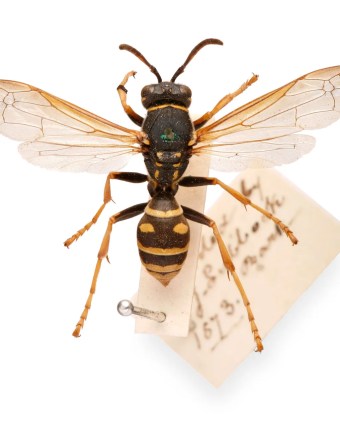
Lubbock’s wasp, described by one journalist as “a little gentleman in a brown overcoat, with black and yellow nether garments” (Credit: Alamy)

How insect ‘civilisations’ recast our place in the Universe

When looking to other creatures for signs of intelligence, insects are rarely the most obvious candidates, but as the historian Thomas Moynihan writes, it wasn’t always so. What can the early-20th Century fascination with bug societies tell us about our own?

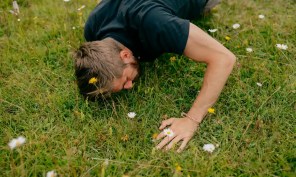
It is 1919, and a young astronomer turns a street corner in Pasadena, California. Something seemingly humdrum on the ground distracts him. It’s an ant heap. Dropping to his knees, peering closer, he has an epiphany – about deep time, our place within it, and humanity’s uncertain fate. Continue reading →