Critical Mass On Greener Steel

Getty

Greening the production of steel has been the topic of exactly one previous post, which linked to an article by Matthew Hutson from last September that made passing reference to the company featured in the article below. Maybe we are getting closer to critical mass:

Roughly a tenth of global carbon emissions comes from the steel industry. Doing something about that is easier said than done.

In the city of Woburn, Massachusetts, a suburb just north of Boston, a cadre of engineers and scientists in white coats inspected an orderly stack of brick-size, gunmetal-gray steel ingots on a desk inside a neon-illuminated lab space.

What they were looking at was a batch of steel created using an innovative manufacturing method, one that Boston Metal, a company that spun out a decade ago from MIT, hopes will dramatically reshape the way the alloy has been made for centuries. Continue reading
Desalination’s Discontents

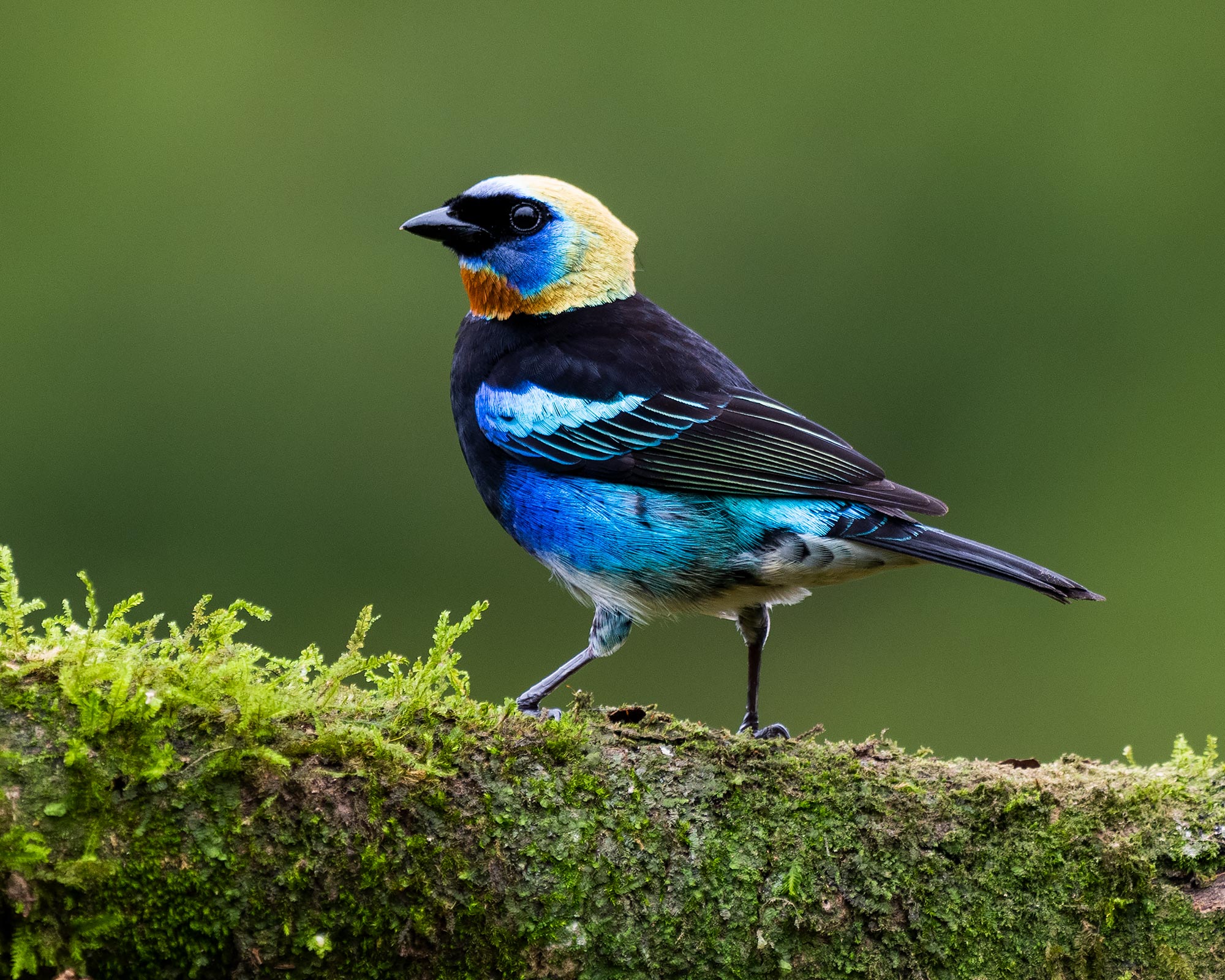
The commissioner of the panel said: ‘The ocean is under attack … I cannot say in good conscience that this amount of damage is OK.’ Photograph: Mike Blake/Reuters

Desalination, which we celebrated multiple times over the years, might not be all as good we thought it was:

Joy for environmentalists as California blocks bid for $1.4bn desalination plant

Poseidon Water sought to turn seawater into drinking water but activists said plan would devastate ecosystem on Pacific coast

California coastal panel on Thursday rejected a longstanding proposal to build a $1.4bn seawater desalination plant to turn Pacific Ocean water into drinking water as the state grapples with persistent drought that is expected to worsen in coming years with climate change. Continue reading
Graphic Food For Thought

I came across this graph posted on LinkedIn. More interesting than the graph is the commentary it provoked.

Looking at the affiliations of the commenters it is clear in some cases why, for example dairy farmers, they would have claims contrary to those in the graph.

But read all the comments.

Who are all these people?

100% Renewable California Energy Milestone

Solar and wind power projects have been booming in California, like the Pine Tree Wind Farm and Solar Power Plant in the Tehachapi Mountains, but that doesn’t mean fossil fuels are fading away quickly. Irfan Khan/Los Angeles Times via Getty Images

Recovery from a long-term addiction to fossil fuels was never going to be easy. Necessary? Yes. But it will still be a long haul even with milestones like this one in the western USA. Thanks to National Public Radio (USA) for this news:

California just ran on 100% renewable energy, but fossil fuels aren’t fading away yet

On a mild Sunday afternoon, California set a historic milestone in the quest for clean energy. The sun was shining, the wind was blowing and on May 8th, the state produced enough renewable electricity to meet 103% of consumer demand. That broke a record set a week earlier of 99.9%. Continue reading
Altered States & Perspective On Nature

Illustration by Ian Mackay

Matthew Hutson, who only recently came to my attention, has shared a story about a brief bit of inspired clarity in How I Started to See Trees as Smart that I find compelling. Not everyone can do what he has done to get this clarity, but isn’t that one of the great reasons to respect writers? If the subtitle triggers any bad memories you might have from your own experience with hallucinogens, try to get over it and read on. Reference to The Soul of an Octopus early on will calm any wobblies. The final paragraph, and especially the final sentence, are worth arriving at:

First, I took an acid trip. Then I asked scientists about the power of altered states.

A couple of decades ago, on a backpacking trip in the Sierra Nevada, I was marching up a mountain solo under the influence of LSD. Halfway to the top, I took a break near a scrubby tree pushing up through the rocky soil. Gulping water and catching my breath, I admired both its beauty and its resilience. Its twisty, weathered branches had endured by wresting moisture and nutrients from seemingly unwelcoming terrain, solving a puzzle beyond my reckoning. Continue reading

Camping, The Book Review

A recent book by the historian Phoebe S. K. Young explores what, exactly, camping is, and how the pursuit intersects with protest culture, homelessness, and identity. Illustration by Sally Deng

We have not featured much on camping recently, but some old favorites come to mind when reading this book review titled The Confounding Politics of Camping in America by Dan Piepenbring:

For centuries, sleeping outside has been embraced or condemned, depending on who’s doing it.

By the eighteen-seventies, the society pages of Scribner’s Monthly could no longer hide it: the “American pleasure-seeking public” had run out of places to seek their pleasure. Summer after summer, vacationers resigned themselves to “broiling in a roadside farm-house” among the “odor of piggery and soap-suds.” Or they visited costly resort towns, finding “more anxious swarming crowds than those left behind.” Continue reading

Solar Farms At Sea

Tug boats pull floating solar panels into place near Portugal’s Alto Rabagão dam. An even larger floating array is planned for Portugal’s Alqueva dam. EDP

A topic we thought of as novel in 2011 has become so mainstream that we consider news like this as normal. Thanks to Yale e360:

Europe’s Largest Floating Solar Farm to Go Online in Portugal

Europe’s largest floating solar farm, an array the size of four soccer fields, is set to begin operating in Portugal’s Alqueva reservoir in July. Continue reading

Dendrochronology & Salvaged Wood

Salvaged wood first made an appearance in my life three decades ago while converting a barn into a house. Shaver Brothers made it possible to acquire “previously used” lumber to build ceiling beams, stairs and walls; install solid oak flooring and interior doors; a clawfoot tub; and otherwise complete a home with limited resources. Plus, we liked the idea of bringing new life to old things.

A cross-section of wood from a post-hurricane timber salvage operation in Nicaragua

My meager doctoral student stipend, supplemented by Amie’s salary from work producing home furnishings, meant that we needed to be creative in finding materials to build out a home. The pieces that Amie painted at work, akin to the one seen in the photo above (in our family room to this day, made by Amie and her co-workers at that time) was frequently salvaged wooden furniture.

And to this day salvaged timber like this piece of wood from Nicaragua (to the right), or the pillar at the entrance to our home (below left) provide highlights to our sense of home.

Decorative pillar from the one tree removed to build our home

So, by the time we met the artisans of Ceiba, we were longtime converts to the concept of salvage. And I am always on the lookout for more reasons to appreciate salvaged wood. My reading recommendation today is this article by Rivka Galchen titled Making New Climate Data from Old Timber, for reasons related to all that salvaged wood in our lives:

Illustration by Tyler Keeton Robbins

When an old building is demolished, its construction materials can reveal the secrets of the past.

In the nineteenth and twentieth centuries, the Eastern Seaboard’s old-growth forests were cut down almost in their entirety. Today, trying to find a tree in this area that is more than two hundred years old is like looking for a button that you lost a few years back.But New York City—unlike the surrounding forests—is host to a great crowd of old wood. It’s just that it exists in the form of beams and joists within buildings. Continue reading

Still Life, Montenegro & Creative Explanation

Still life painted at The Faculty of Fine Arts in Cetinje, Montenegro

While working in Montenegro two decades ago I came across the painting in the photo above, which is in our dining room.

“Still Life With a Gilt Cup” painted in 1635 by Willem Claesz Heda, displayed in the grand central gallery of the Rijksmuseum in Amsterdam.

In our travels over several decades I was on the lookout for a reasonably priced painting like the one to the right, featured in the article below. Soft, luscious, and full of items to wonder about, the style made classic by Dutch still life painters was my hoped for find. Instead, I found the one in Montenegro, which nods to traditional form but is stark.

Willem Kalf, “Still Life with a Chinese Bowl, Nautilus Cup and Other Objects,” 1662/Museo Nacional Thyssen-Bornemisza, Madrid

It seemed perfectly attuned to my personal experience of Montenegro at that moment. While not typical of the themes we cover in these pages, but continuing with our admiration for creative approaches to explanation, this piece by Jason Farago will make your Sunday if, like me, you have a thing for still life paintings and do not know exactly why. It is one of the longest explanatory multi-media articles we have ever linked to, but if you have the time it is as effective as any museum docent. Most importantly for me, it explains the tradition of lemons that wittingly or not, the Montenegran painter was adding to:

Willem Claesz Heda, “Still Life With a Broken Glass,” 1642/Rijksmuseum

A Messy Table, a Map of the World

It was a grand time, but the party’s over. Continue reading

Microfauna, Microbiota & Other Wonders Of Soil

When a plant root pushes into soil, it triggers an explosion of activity in billions of bacteria. Photograph: Liz McBurney/The Guardian

I used the word microflora in the title of a post I wrote 3+ years ago, and today I learned something that serves as a correction. I used that word to distinguish from the better known charisma of megafauna. But there is a better word I should have used in that title, so I am using it in the title of today’s post. The word microbiota has made a few fleeting appearances in our pages, buried in the text of scientific explanations. This editorial by George Monbiot got me to look up the word microflora and from now on I will avoid the misnomer:

The secret world beneath our feet is mind-blowing – and the key to our planet’s future

Don’t dismiss soil: its unknowable wonders could ensure the survival of our species

Beneath our feet is an ecosystem so astonishing that it tests the limits of our imagination. It’s as diverse as a rainforest or a coral reef. We depend on it for 99% of our food, yet we scarcely know it. Soil. Continue reading