Meat Me Half Way

Changing the way we eat to improve our lives and save our planet has been a common theme over the years on this platform. In case you missed yesterday’s post, this new book by Brian Kateman was mentioned in the newsletter:

We know that eating animals is bad for the planet and bad for our health, and yet we do it anyway. Ask anyone in the plant-based movement and the solution seems obvious: Stop eating meat.

But, for many people, that stark solution is neither appealing nor practical. Continue reading

When Diplomats Must Be Undiplomatic

Yesterday I posted about one of the easier topics among the many options I have to post about every day. Today, a topic increasingly frequent in my posts, but definitely not an easy one. So I look to one person to summarize our week-to-week progress or lack of it. As always, I recommend signing up for his newsletter:

The World’s Top Diplomat Has Had It Up to Here

The Secretary General of the UN models how to think about climate change

I can remember when some of us organized what may have been the planet’s first truly huge climate march, with 400,000 people descending on New York in 2014. Then UN Secretary General Ban Ki-moon came to walk with us for a few blocks, and it was considered remarkable: the world’s top diplomat had previously been too diplomatic to join in protests challenging the policies of his member nations. Continue reading

Coffee, Birds & Bees

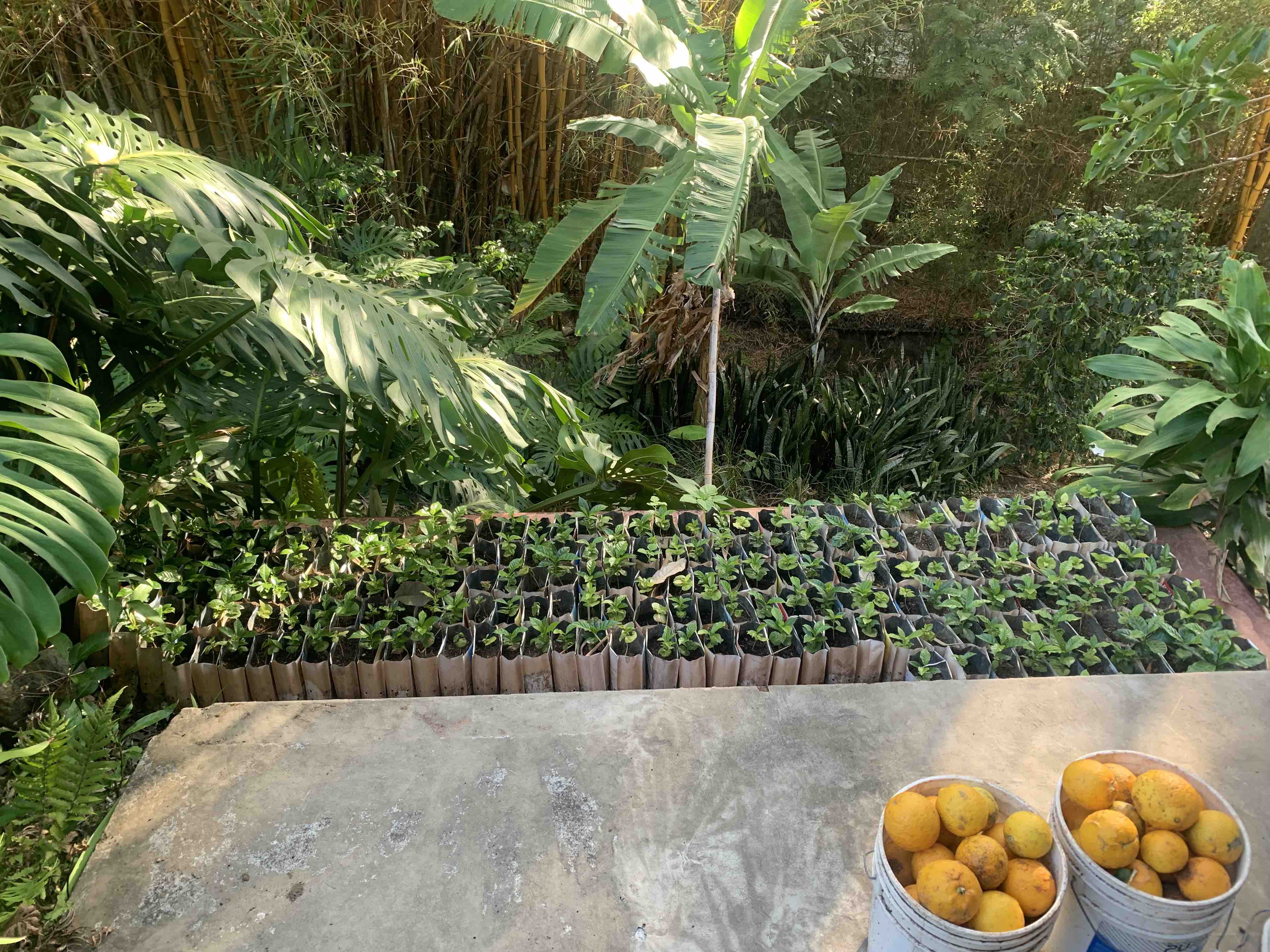
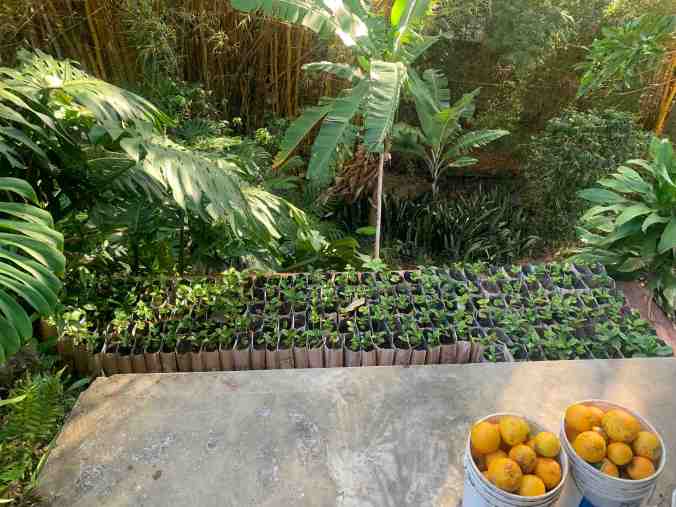
Seedlings from coffee picked in early 2021

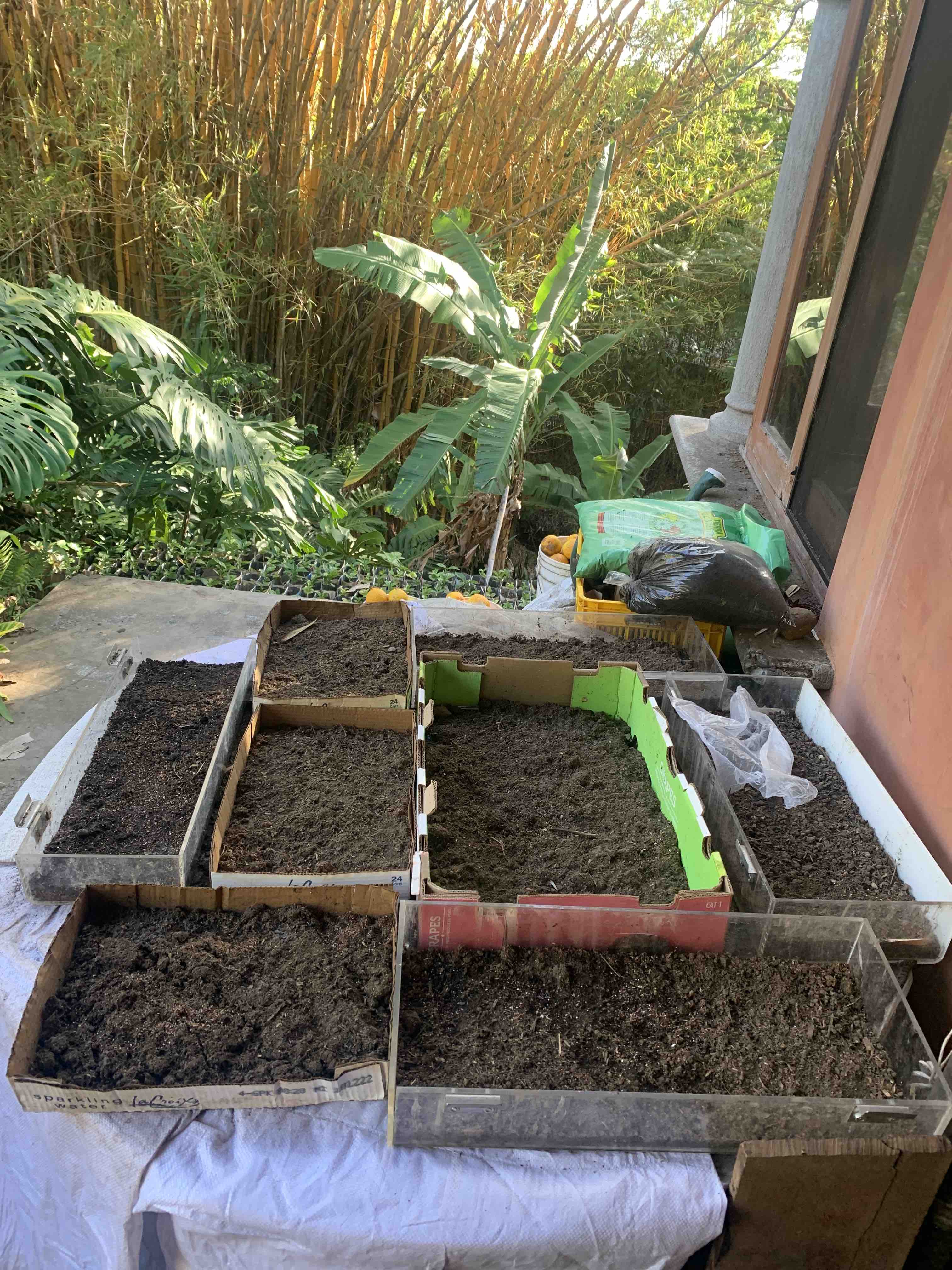
On a couple of acres of mountain land in Escazu, on property that once was part of a larger coffee farm, we have been preparing to plant a thousand or so coffee saplings, which will eventually become trees among trees. Above are the thriving seedlings from 2021 germination, and below the early stage of germination from this year’s pickings.
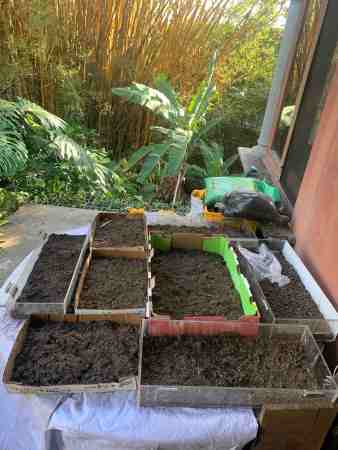
Germination of coffee picked in early 2022

Coffee culture has been a long time in the making, so the slow pace of the Organikos arc has not intimidated me. And yet, if I could speed it up, I would because of the variety of beneficiaries.

Today an article by Cristen Hemingway Jaynes on the website EcoWatch brings to my attention a team of researchers who I will pay more attention to. Some are here in Costa Rica, at CATIE; the others at University of Vermont. Their work makes me appreciate the value of getting on with this:
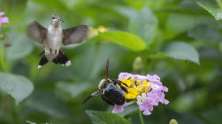
Birds and Bees Make Better Coffee, Study Finds

Birds and bees work together as pollinators. DansPhotoArt on flickr / Moment / Getty Images

For many people, one rich, pleasant smell signals the start of a new day more than any other: coffee. Different techniques have been used to get the best cup of the caffeine-rich liquid, from a French press to the pour-over method.

A unique new study has found that the secret to better coffee is really in control of the birds and the bees. Continue reading

Vagrancies Better Appreciated

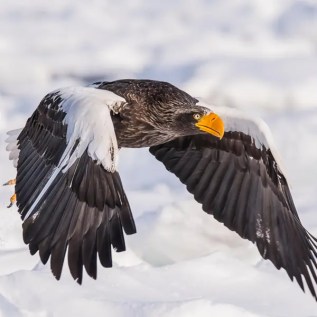
A Stellar’s sea eagle, native to East Asia. Design Pics Inc./Alamy

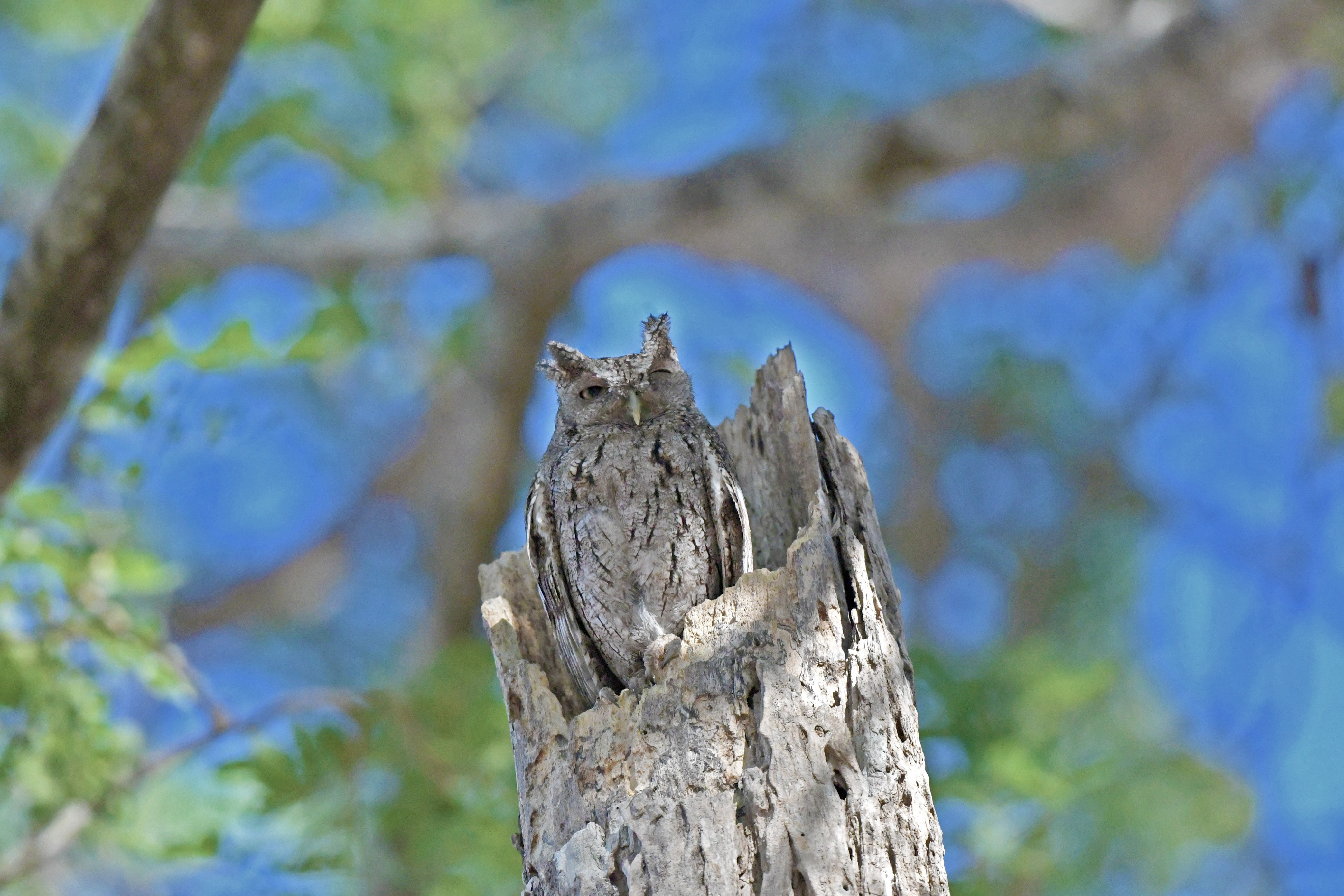
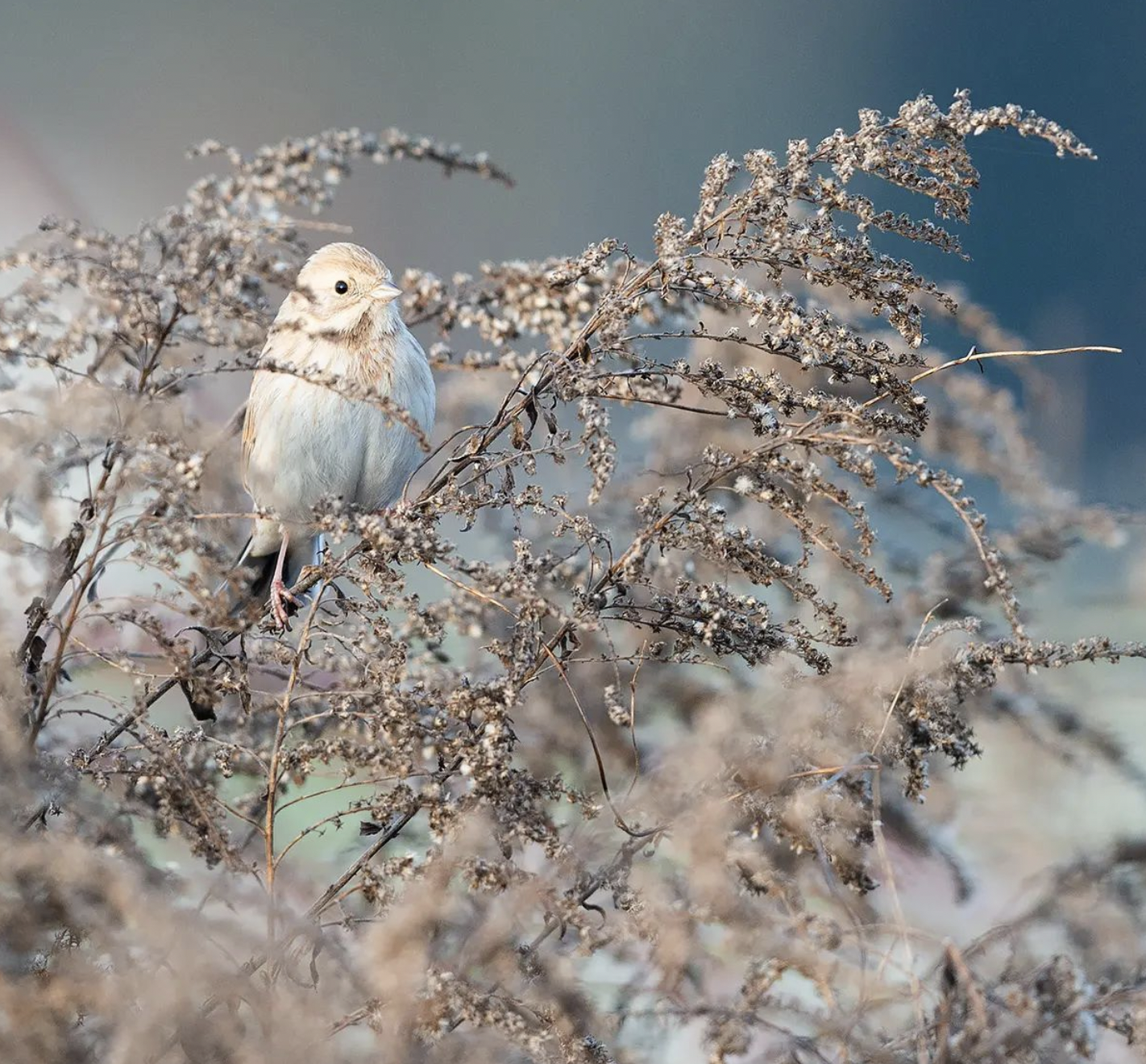
These two themes, birds and their various forms of adaptation, make Marion Renault’s article These Birds Aren’t Lost. They’re Adapting a perfect fit for sharing here as an excerpt, and recommending that you read the story where it was published:

Bird-watchers love to see vagrants, or birds that have traveled far outside their range. But scientists say they have a lot to teach us in a world facing ecological change.

From what we can tell, the Steller’s sea eagle trekking across North America does not appear homesick.

The bird has strayed thousands of miles from its native range in East Asia over the last two years, roving from the Denali Highway in Alaska down to a potential sighting South Texas before moving eastward and back north to Canada and New England. Its cartoonish yellow beak and distinctive wing coloration recently attracted crowds of rapt birders to Maine before turning up on April Fools’ Day in Nova Scotia. Continue reading

Octopus As White Whale

Bret Grasse, a manager of cephalopod operations at the Marine Biological Laboratory in Woods Hole, Mass., with his charge, a lesser Pacific striped octopus.

Yesterday, a story about a small and late victory for whales. Today, a small victory for our other favorite sea creature, in the form of a search for the white whale equivalent among octopus:

A lab in Massachusetts may have finally found an eight-armed cephalopod that can serve as a model organism and assist scientific research.

From a first batch of seven wild Octopus chierchiae, Mr. Grasse and his colleagues have raised over 700 children, grandchildren and great-grandchildren.

The tank looked empty, but turning over a shell revealed a hidden octopus no bigger than a Ping-Pong ball. She didn’t move. Then all at once, she stretched her ruffled arms as her skin changed from pearly beige to a pattern of vivid bronze stripes.

“She’s trying to talk with us,” said Bret Grasse, manager of cephalopod operations at the Marine Biological Laboratory, an international research center in Woods Hole, Mass., in the southwestern corner of Cape Cod. Continue reading

Watching Whales, Hopefully Forever

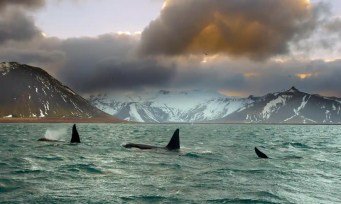
An orca pod feeding. Iceland, one of the few countries that still hunts whales commercially plans to end the practice from 2024. Photograph: Nature Picture Library/Alamy

Of all the dozens of times in our pages where whales are the central topic, there was once when Icelandic whaling was featured. And that story was about ending the practice of hunting these majestic animals. Today’s story–‘Meet us, don’t eat us’: Iceland turns from whale eaters to whale watchers–is the first time I have heard that travelers are the primary market for whale meat there. Strange, but true:

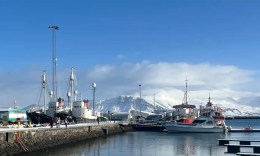
Reykjavik harbour. The small red boat on the right is an Elding whale-watching vessel. The blue one with a tall mast is a whaling boat. Photograph: Abby Young-Powell

The country’s plan to end commercial whaling is driven by falling demand but also a 15-year-long campaign aimed at their biggest consumers of whale meat – tourists

Onboard a small whale-watching boat making its way across the choppy waters of Faxaflói Bay, off the south-west coast of Iceland, a guide urges tourists not to eat whale meat. Continue reading

Tracking Disappearing Species

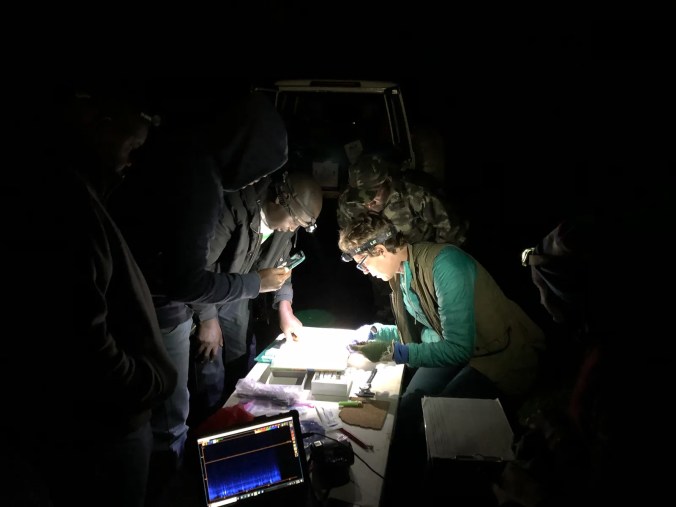
Researchers work through taxonomic keys to determine whether they had just caught a Hills’ horseshoe bat in Rwanda’s Nyungwe National Park.Photograph by Jon Flanders / Courtesy Bat Conservation International

Disappearing species as a topic in these pages has taken many forms. Hunters of disappearing species, less so. My exposure to this topic is limited to one project that Seth participated in. But the fact that Seth also had experience on a different type of project in Rwanda’s Nyungwe National Park made this article particularly of interest. Carolyn Kormann, once again, thank you:

The Hunt for a Lost Bat

The obsessive people who track down disappearing species are their own variety of rare—sparsely found across a wide geographic range, in all sorts of habitats.

In January, 2019, a multinational team of biologists set out into the rain forest of southwestern Rwanda, in search of a near-mythical bat that they thought might be extinct. Continue reading

Letters To Strangers

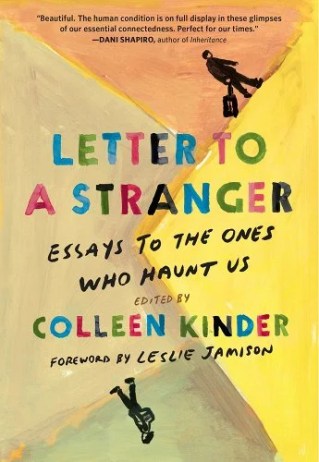
This book looks like a must-read for multiple reasons. At least 65. That is the number of writers musing on a simple question: how can an “ephemeral encounter with a stranger leave such an eternal mark?” As someone whose life story hinges on a chance encounter in an airport, and so believes that strangers can make great co-adventurers, I am in. If you want a taste of what is in store, this essay by an author we have appreciated in these pages several times over the years, titled To My Lost Trishaw Driver, is excerpted from it:

Yangon, Myanmar, via Creative Commons.

Pico Iyer on decades of letters to a man he met, once, in Myanmar.

Travel is, deep down, an exercise in trust, and sometimes I think it was you who became my life’s most enduring teacher. I had every reason to be wary when, in 1985, I clambered out of the overnight train and stepped out into the October sunshine of Mandalay, blinking amidst the dust and bustle of the “City of Kings.” Continue reading

Pythons, Bobcats & Camera Traps

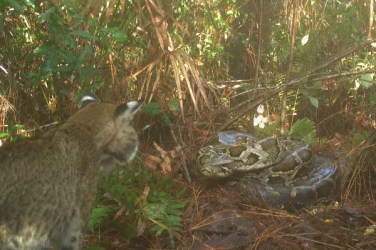
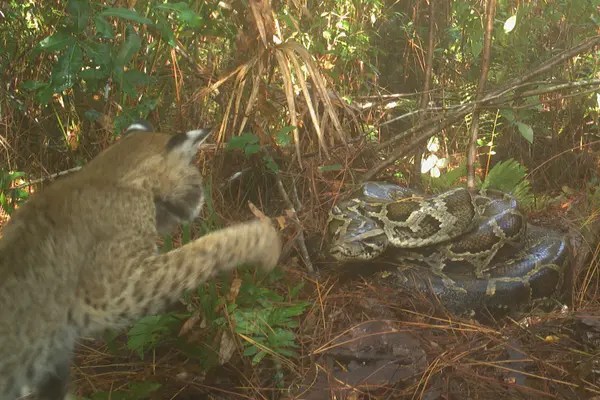
A Burmese python and a bobcat facing off in the Big Cypress National Preserve in Florida last June, captured by a trap camera set up by the U.S. Geological Survey. U.S.G.S.

We have been posting about invasive pythons, as well as plenty of other invasive species, annually for more than a decade now. Likewise, feline wildlife has been a recurring theme. Not to mention camera traps, another theme we care about.

For a surprising overlap of those two themes, or otherwise just a very well-written story about wildlife, read Matt Kaplan’s article about how Bobcats With a Taste for Python Eggs Might Be the Guardians of Florida’s Swamp.

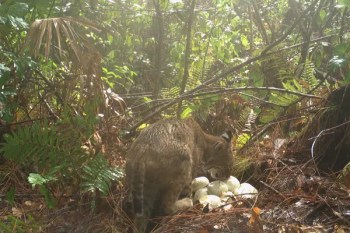
The bobcat eating the eggs. U.S.G.S.

Our congratulations to Dr. Andrea Currylow for the determined pursuit leading this scientific finding, and with no disrespect to pythons as a species in their native territories, in this case may the best cat win:

Cameras captured the wild feline purloining a Burmese python’s eggs, giving hope that the state’s native species are responding to a voracious, invasive predator.

The bobcat took a swipe. U.S.G.S.

The voracious appetite of the invasive Burmese python is causing Florida’s mammal and bird populations to plummet. With little natural competition to control the big snake’s numbers, the situation looks desperate. But new observations suggest that the bobcat, a wildcat native to Florida, might be able to help. Continue reading

If SUVs Were An Individual Country

The Biden Administration is set to unveil a new set of fuel-efficiency standards on Friday. Photograph by David Paul Morris / Bloomberg / Getty

Elizabeth Kolbert’s essay offers perspective on how the SUV category has grown as a percentage of the global fleet, and what that has meant for fuel consumption. The point of the essay seems not to demonize owners of SUVs, but to suggest a mechanism to put the category on a level playing field with more fuel efficient vehicles. The humanist in me imagines that most SUV owners would own up, given the chance, and take responsibility for their footprint and pay their fair share:

A Better Idea Than Releasing Oil from the Strategic Reserve

It’s time to do away with the S.U.V. loophole.

On Thursday afternoon, President Joe Biden announced that the federal government would release up to a hundred and eighty million barrels of oil from the Strategic Petroleum Reserve over six months. The move, aimed at bringing down gas prices—“Americans are feeling Putin’s gas price hike at the pump,” Biden tweeted—is obviously politically motivated. Continue reading