Orca, Climeworks & The Philosopher’s Stone

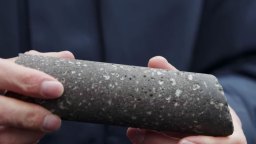
We started noticing Climeworks three years ago and have posted about Orca a couple times since then. But the video above is worth the longer look, and our thanks to Yale Climate Connections for pointing to it in their story Iceland facility sucks carbon dioxide from air, turns it into rock:

(Image credit: Climeworks video)

The technology will need a lot of scaling up to make a difference to the climate.

In Iceland, a new facility called Orca is pulling carbon dioxide out of the air so it can be stored underground. Continue reading

Tamil Nadu, Rice, Identity

In the early days of our posting here south Indian rice was a staple in our meals, and we knew that this now global foodstuff had a long history in other cultures. But it looks like the state neighboring where we lived may have found a clue to how much longer they have had rice in their diet:

An ancient rice bowl complicates the story of civilisation in India

In Tamil Nadu, archaeology is part of a contest over history and identity

Rarely can a spoonful of rice have caused such a stir. When M.K. Stalin, chief minister of Tamil Nadu, addressed the south Indian state’s legislature on September 9th, he celebrated a musty sample of the country’s humble staple. Carbon dating by an American laboratory, he said, had just proved that the rice, found in a small clay offering bowl—itself tucked inside a burial urn outside the village of Sivakalai, near the southernmost tip of India—was some 3,200 years old. This made it the earliest evidence yet found of civilisation in Tamil Nadu. The top duty of his government, the chief minister triumphantly declared, was to establish that the history of India “begins from the landscape of the Tamils”. Continue reading

Bottled Green Revolution?

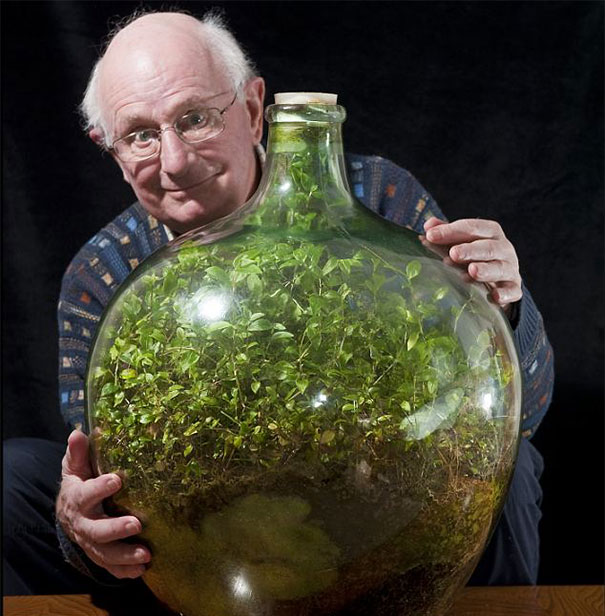
Not  sure whether this changes anything we read about yesterday, but at least for some it could be interesting to read about how this 80-Year-Old Man Hasn’t Watered This Sealed Bottle Garden Since 1972 And It’s Still Alive:

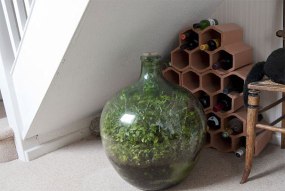
In a beautiful example of a closed but functional ecosystem, David Latimer has grown a garden sealed inside a giant glass bottle that he has only opened once since he started it almost 60 years ago.
Latimer planted the terrarium garden on Easter Sunday in 1960. He placed some compost and a quarter pint of water into a 10-gallon glass carboy and inserted a spiderwort sprout, which is not typically an indoor plant, using wires. Continue reading

A Second Green Revolution?

It is often said that the world now needs a Second Green Revolution. Illustration by Derrick Schultz

Elizabeth Kolbert continues exploring the potential costs and benefits of mankind’s attempted mastery over nature:

Creating a Better Leaf

Could tinkering with photosynthesis prevent a global food crisis?

This story begins about two billion years ago, when the world, if not young, exactly, was a lot more impressionable. The planet spun faster, so the sun rose every twenty-one hours. The earliest continents were forming—Arctica, for instance, which persists as bits and pieces of Siberia. Most of the globe was given over to oceans, and the oceans teemed with microbes. Continue reading

The New Carbon Trading Rules

Hundreds of billions of dollars could change hands in coming years through a global market in greenhouse emissions. Last month’s climate summit in Glasgow, Scotland, approved the new trading system.
Peter Dejong/AP

This article provides a coherent summary of the carbon trading market’s prospects after the Glasgow Summit, including the key criticism of the scheme:

Carbon trading gets a green light from the U.N., and Brazil hopes to earn billions

Carbon emissions trading is poised to go global, and billions of dollars — maybe even trillions — could be at stake. That’s thanks to last month’s U.N. climate summit in Glasgow, Scotland, which approved a new international trading system where companies pay for cuts in greenhouse gas emissions somewhere else, rather than doing it themselves. Continue reading

Gifts That Give

How can you gift in a way that does not generate waste, that reduces waste, or that regenerates ecosystems? Sara has a fun and practical list in her Yale Climate Connections column, which I have linked to below. It got me thinking of what I would add to her list. Yesterday I reached back to a couple of posts from two years ago when we were preparing to open the Authentica shops, mentioning products we carry from artisan groups that recycle heavy plastics, in one case, and wood in the other. We have other products made from recycled materials, but our best selling product is Organikos coffee, all of the proceeds of which are invested in ecosystem regeneration. Laura’s question about gifting toward climate action is one we all should be asking:

ASK SARA

Eco-friendly gifts for every budget in 2021

Holiday cheer that’s good for the planet, too.

Hi Sara!

I’m trying to find a gift for my mother for Christmas, and I like the idea of gifting toward climate action. Might you have recommendations?

Thank you for your time

— Laura

Hi Laura,

Sure thing. Here’s a list of climate-friendly gift ideas for every budget.

A board game, puzzle, houseplant, or other item from your local “Buy Nothing” group (Price: Free)

Why it’s climate-friendly: Manufacturing stuff requires consumption of energy and natural resources, so it’s better for the climate to reuse products rather than buying new. Continue reading

287 Pounds Of Plastic Per Person Each Year?

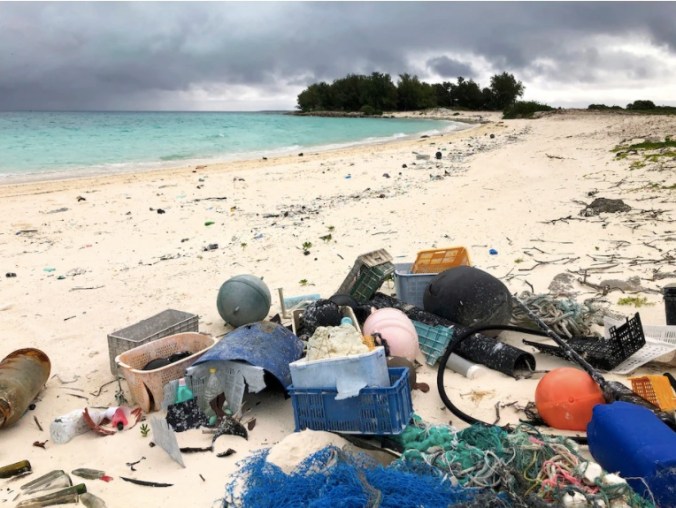
Plastic and other debris is seen on the beach on Midway Atoll in the Northwestern Hawaiian Islands in 2019. (Caleb Jones/AP)

It is clear to me now, after two years of our two Authentica shops offering products made from recycled plastic (among other recycled materials), we will need to be at this for a long time to make a dent. Of all the amazing capabilities we humans have, our ability to generate plastic waste is among the most remarkable. Our thanks to Tik Root for reporting on this finding:

U.S. is top contributor to plastic waste, report shows

Scientists reveal the U.S. role in the ‘deluge’ of plastic littering the world’s oceans in a congressionally mandated report

The United States ranks as the world’s leading contributor of plastic waste and needs a national strategy to combat the issue, according to a congressionally mandated report released Tuesday. Continue reading

David Attenborough’s Green Planet

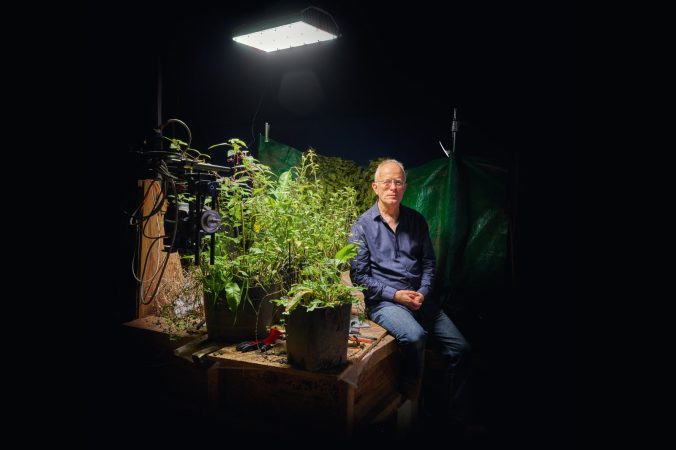
Mike Gunton, creative director of the BBC Natural History Unit and a long-time collaborator with David Attenborough.PHOTOGRAPH: BENEDICT REDGROVE

David Attenborough has been a frequent feature in our pages over the years. Each conversation with him repeats something we already knew but shares something we had not previously known:

David Attenborough’s Unending Mission to Save Our Planet

“We tend to think we are the be all and end all—but we’re not. The sooner we can realize that the natural world goes its way, not our way, the better.”

David Attenborough’s Green Planet is his latest series in a career that began in the 1950s and is as notable for its variety of firsts—pioneering 16-mm film in TV; first to film a Komodo dragon; first to use drone cameras—as it is for his long-standing commitment to bringing wildlife and environmental issues into the homes of viewers around the world. PHOTOGRAPH: NADAV KANDER

WE MAKE LOTS of programs about natural history, but the basis of all life is plants.” Sir David Attenborough is at Kew Gardens on a cloudy, overcast August day waiting to deliver his final piece to camera for his latest natural history epic, The Green Planet. Planes roar overhead, constantly interrupting filming, and he keeps putting his jacket on during pauses. “We ignore them because they don’t seem to do much, but they can be very vicious things,” he says. “Plants throttle one another, you know—they can move very fast, have all sorts of strange techniques to make sure that they can disperse themselves over a whole continent, have many ways of meeting so they can fertilize one another and we never actually see it happening.” He smiles. “But now we can.” Continue reading

Points For Creativity

Edward Constance and Brian Souyana race on Rasta Rocket, made from plastic drain pipes and fishing buoys that washed up on Aldabra. About 68 tonnes of marine litter a year is washed ashore

Do not ask yourself whether this will change anything; just smile and acknowledge that it is probably not hurting anyone to have some creative fun with environmental disasters:

Recycled regatta: world heritage site highlights plastic pollution crisis

When environmentalists on a Seychelles atoll decided to race boats made from ocean litter, they had 500 tonnes to pick from

Photographs: Anna Koester/Seychelles Islands Foundation

Martin van Rooyen, a researcher, and Luke A’Bear, a science coordinator, prepare to set sail on Red Lion, buoyed by discarded oil drums

Red Lion is the kind of boat you would not see in most regattas. Its frame is made of bamboo, sourced from washed-up fishing equipment, and it uses two old oil drums for buoyancy.

Equally strange is Rasta Rocket – made from old plastic drain pipes, washed-up floats and fishing buoys.

These were two of the boats in the inaugural Aldabra Regatta: an ironic attempt to draw attention to marine plastic pollution by racing boats made from marine debris. Continue reading

Planetary Health Diet

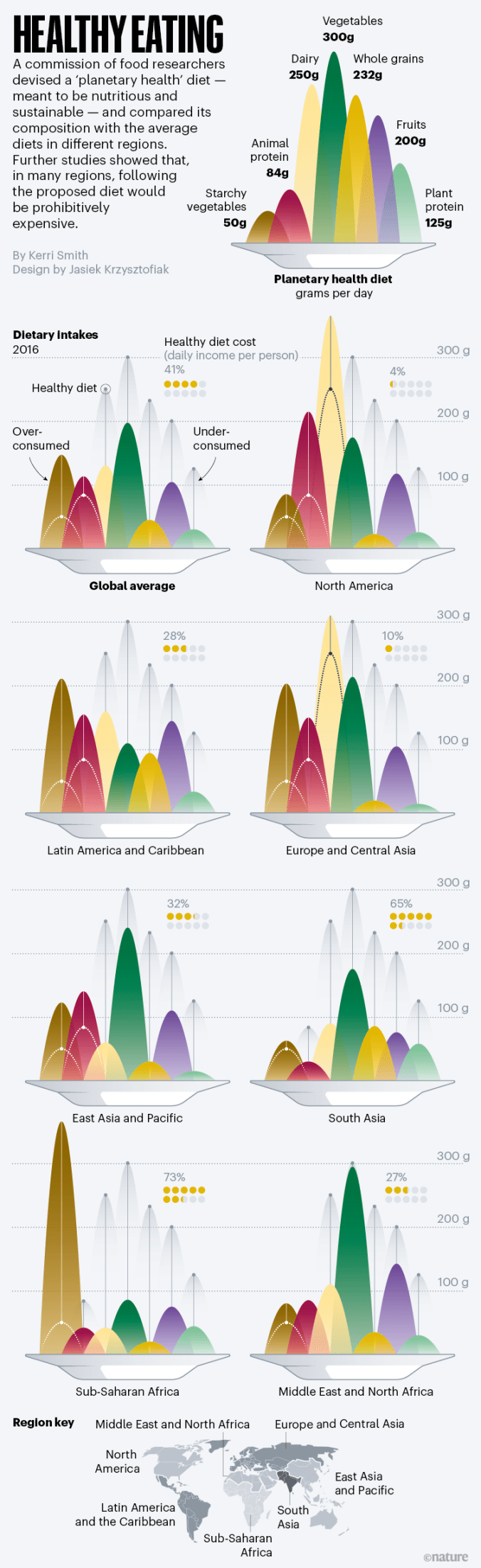
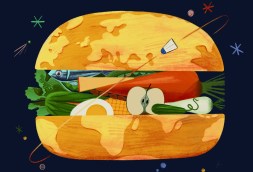
What we should eat for the sake of our individual and communal futures is one of the topics most posted on this platform.  Gayathri Vaidyanathan’s article below adds to the most macro of perspectives on these topics. It takes a moment to process the information in the graphic above, but this article from the journal Nature makes it clear:

What humanity should eat to stay healthy and save the planet

What we eat needs to be nutritious and sustainable. Researchers are trying to figure out what that looks like around the world.

Illustration by Paweł Jońca

A clutch of fishing villages dot the coast near Kilifi, north of Mombasa in Kenya. The waters are home to parrot fish, octopus and other edible species. But despite living on the shores, the children in the villages rarely eat seafood. Their staple meal is ugali, maize (corn) flour mixed with water, and most of their nutrition comes from plants. Continue reading