Admiring A Horticultural Refuge

Stella Kalinina

Community gardens have been a regular topic in our pages over the last decade. We never tire of the subject. I personally have a soft spot for roses, especially those found in unexpected places. So, Raúl Laly Fernández, you are my hero. I hope that the next time I am in Los Angeles I will find you in this garden and bear witness to the rose wonders I see in these photographs. Kudos to the writer/photographer Stella Kalinina for capturing this intersection between immigrant culture, working class refuge, and horticultural knowhow:

Mr. Fernández decorates a sitting area in his plot with roses that he grows.

In Los Angeles, Glimpses of an Oasis With Deep Immigrant Roots

The San Pedro Community Gardens have provided physical and spiritual nourishment for the past half a century to multiple generations of immigrant Angelenos.

Kimberly Mentlow received a plot in San Pedro after three years on a waiting list. “Being able to plant something or see something grow — it’s extremely therapeutic,” she said.

Ten minutes from my home, next to a decommissioned landfill, a freeway and the largest port in the country, sits an unlikely hillside oasis of vegetables and fruit trees.

Emerging like a mirage from its surroundings, the San Pedro Community Gardens occupy a six-acre parcel of city-owned land in the otherwise highly industrialized area of the blue-collar harbor community of San Pedro, in Los Angeles. Continue reading
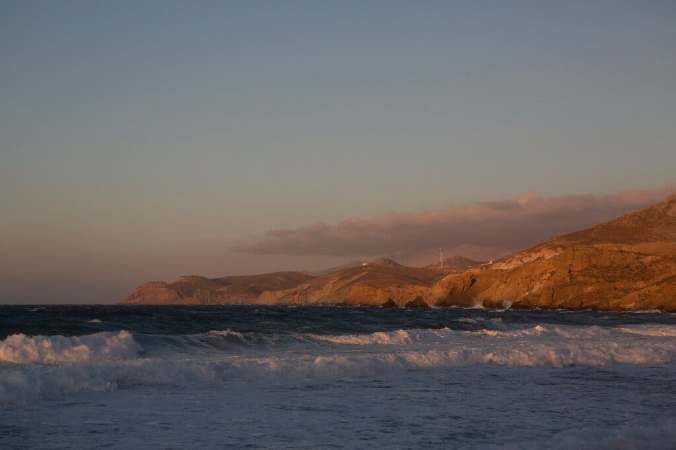
Smithsonian Craft Show

Some of the crafts we carry seem museum quality to us, but we offer them in the context of commerce.

We would love to attend this show at the Smithsonian, primarily to see the work of Jessica Beels, whose work is showing in the Mixed Media and Paper section of the Show. Her website is full of reasons to see more of her work.

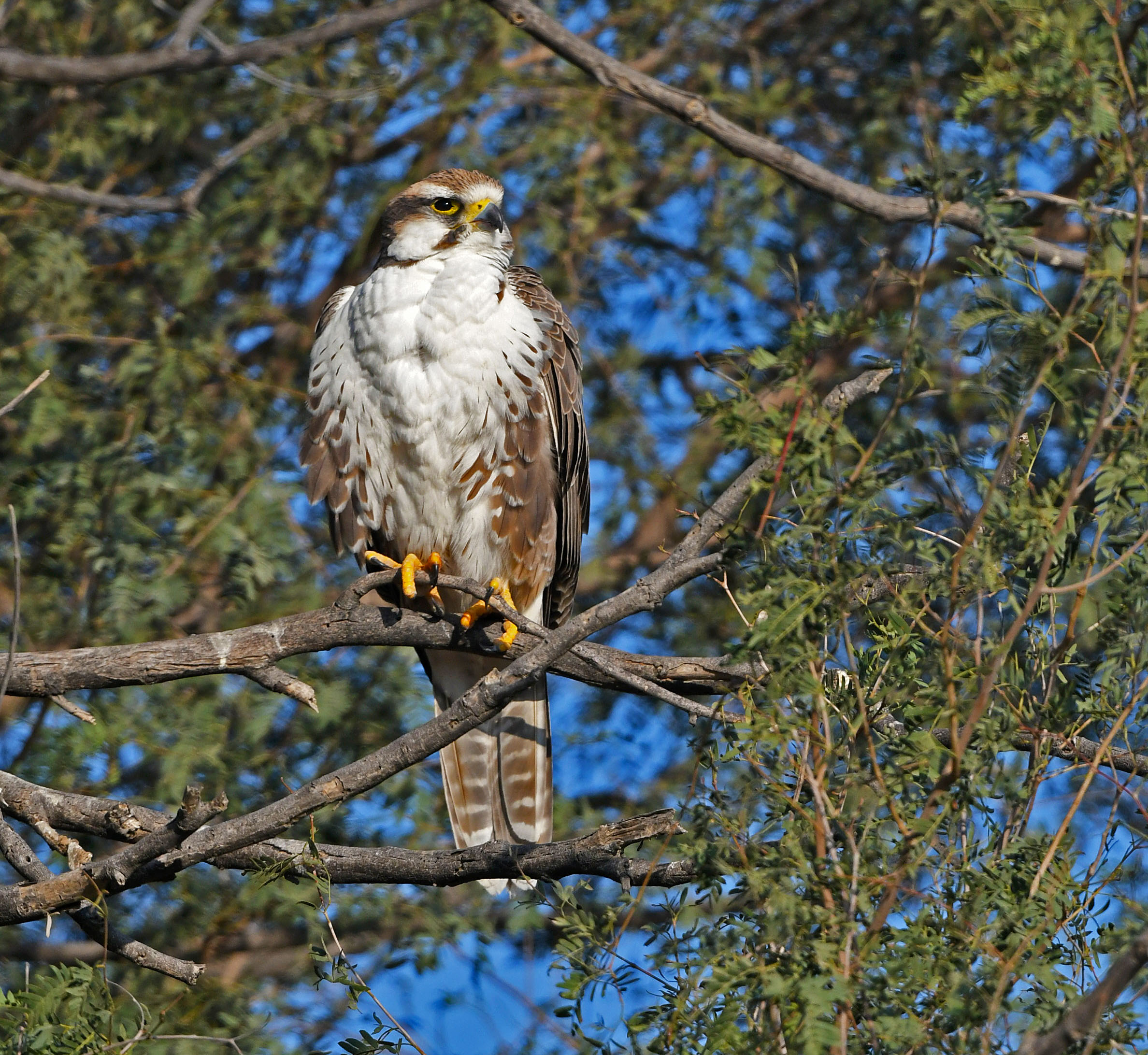
Nowhere on that site do  we see works like these three bird figures. We favor birds in art, wherever it may be, and when the medium stretches boundaries as these do, all the more interesting.

Auténtica @ Authentica

We have just placed these books on display in the two Authentica shops in Costa Rica, one at Marriott Los Suenos and the other at Marriott Hacienda Belen. The author, Isabel Campabadal, has been an author and chef for nearly five decades, and is a perfect fit with one of our aims as merchants: respect traditions and respectfully update them with all that the modern world offers.

Telling Off The Fossil Fuel CEO

Click to the right to see the CEO of an oil company take a strong verbal assault from a fellow panelist.  It is uncomfortable to watch. And that is exactly the purpose. Read more about the context in the description below, titled Shell CEO Roasted at TED Climate Conference He Was Foolishly Invited to Speak At. We can expect to see more disruptions like this one in the future:

As Shell’s CEO Ben van Beurden spoke at a TED conference, he was interrupted by organizers, one of whom called him “one of the most evil people in the world.”

On Thursday, a strange scene unfolded at the International Conference Centrein Edinburgh. Shell CEO Ben van Beurden took the stage with a prominent climate scientist and Christiana Figueres, the woman who negotiated the Paris Agreement, at a TED Countdown conference. Continue reading

Sometimes, The Sky Really Is Falling

The meteorite that crashed into Ruth Hamilton’s bedroom in Golden, British Columbia. Ruth Hamilton

Natural wonders have been a mainstay of our work on this platform since we started. We have tried diligently to mix those wonders with appropriate warnings about how nature’s wonders can also be transformed into danger, without being too Henny Penny about it. But when we read stories like this one, we can mix our wonder at the universe with our concern about what the sky might do next:

Meteorite Crashes Through Ceiling and Lands on Woman’s Bed

After a fireball streaked through the Canadian sky, Ruth Hamilton, of British Columbia, found a 2.8-pound rock the size of a large man’s fist near her pillow.

The meteorite in Ms. Hamilton’s bed and the hole in the ceiling caused by it. Ruth Hamilton

Ruth Hamilton was fast asleep in her home in British Columbia when she awoke to the sound of her dog barking, followed by “an explosion.” She jumped up and turned on the light, only to see a hole in the ceiling. Her clock said 11:35 p.m.

At first, Ms. Hamilton, 66, thought that a tree had fallen on her house. But, no, all the trees were there. She called 911 and, while on the phone with an operator, noticed a large charcoal gray object between her two floral pillows.

“Oh, my gosh,” she recalled telling the operator, “there’s a rock in my bed.”

A meteorite, she later learned. Continue reading
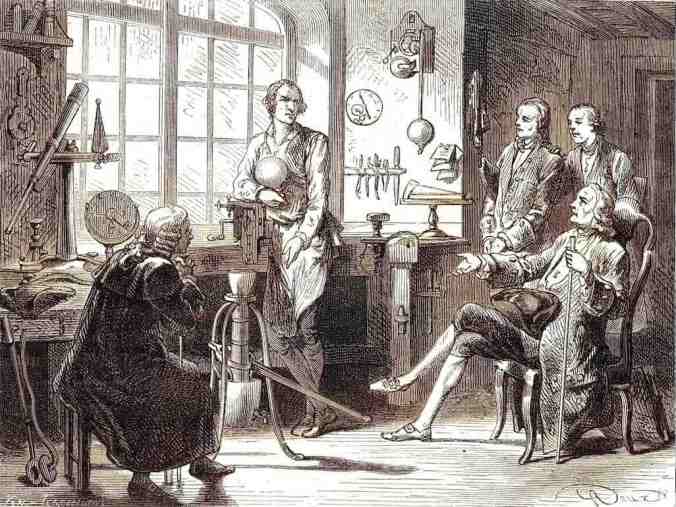
Understanding What Is At Stake At The Glasgow Climate Conference

Glasgow, Scotland, site of the 2021 UN climate conference in November. TREASUREGALORE / SHUTTERSTOCK

Fred Pearce has a unique ability to make big, complex important matters more understandable:

At Climate Talks, Can the World Move from Aspiration to Action?

Negotiators at the Glasgow climate conference will face a critical choice: Set firm emissions targets for 2030, or settle for goals of achieving “net zero” by 2050? The course they set could determine if we have a shot at avoiding the worst impacts of climate change.

CLIMATE ACTION TRACKER

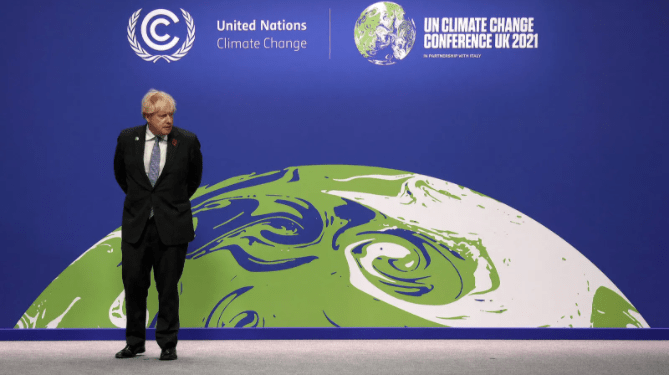
Glasgow, once the second city of the British Empire and the biggest shipbuilder on the planet, next month hosts the 26th conference of nations aiming to halt dangerous climate change. The negotiators face the challenge of turning the aspiration of the 2015 Paris Agreement to achieve “net zero” emissions by mid-century into the detailed near-term action plans necessary to turn those hopes into reality in time to halt warming at or near 1.5 degrees Celsius (2.7 degrees Fahrenheit). Continue reading
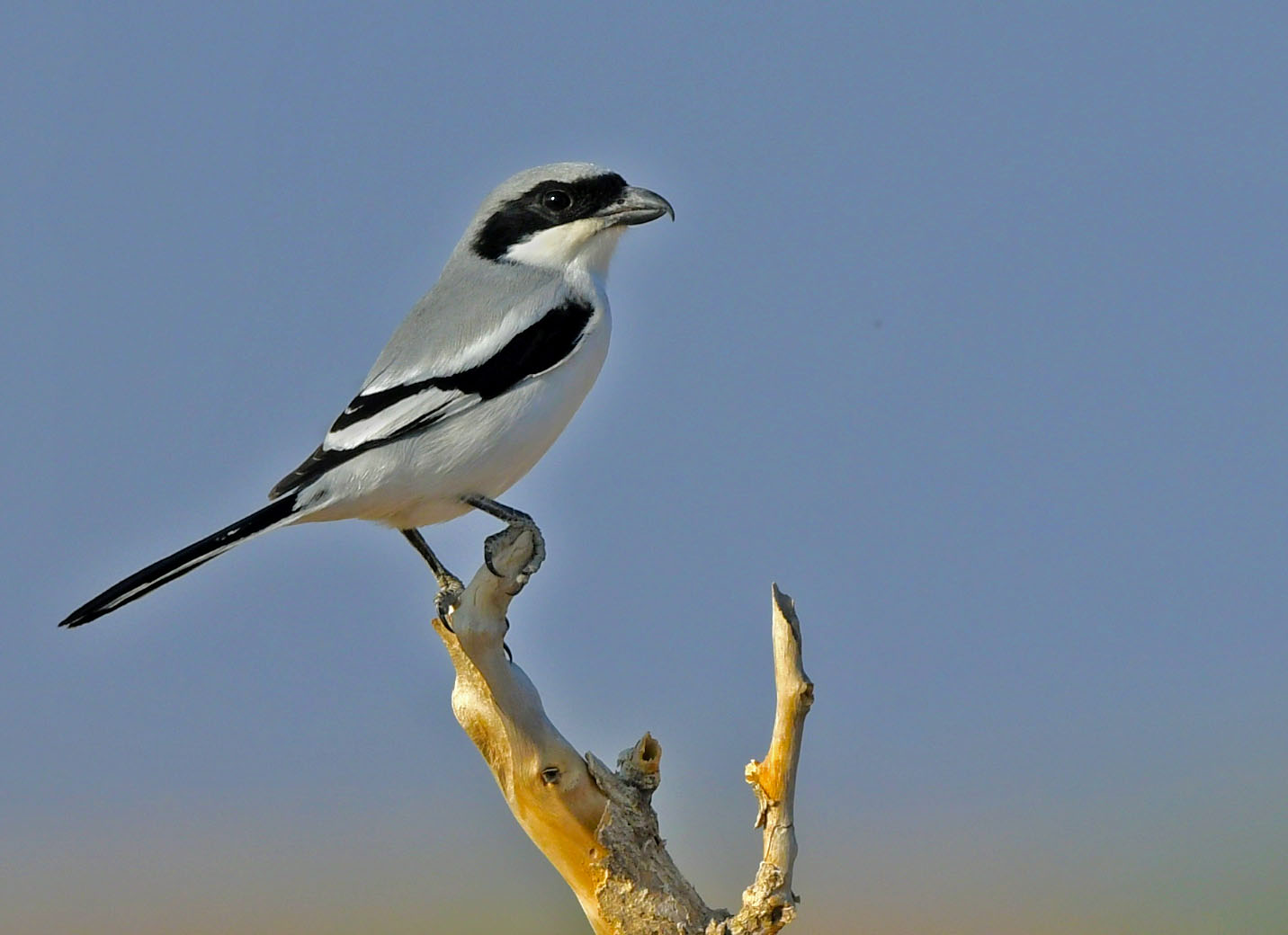
Seawalls Seem Inevitable

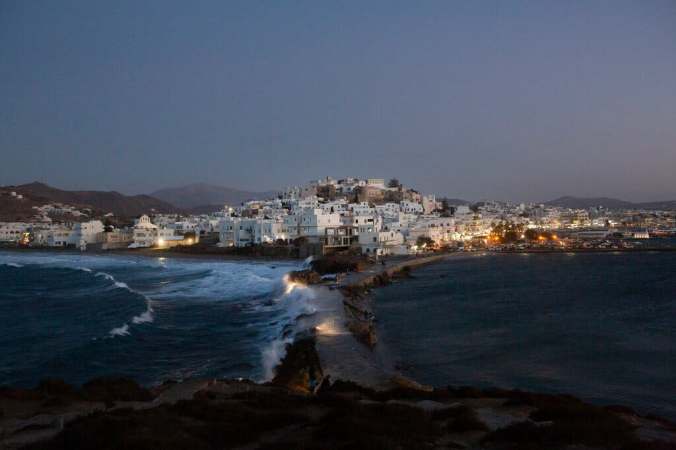
The seawall in front of Aminoko, a village near Katoku. Noriko Hayashi for The New York Times

This Pristine Beach Is One of Japan’s Last. Soon It Will Be Filled With Concrete.

In rural Japan, the unstoppable forces of nature meet the immovable determination of the construction state. Can this village survive?

Katoku beach and its village are wrestling with how to cope with increasingly damaging storms. Noriko Hayashi for The New York Times

KATOKU, Japan — Standing on its mountain-fringed beach, there is no hint that the Japanese village of Katoku even exists. Its handful of houses hide behind a dune covered with morning glories and pandanus trees, the chitter of cicadas interrupted only by the cadence of waves and the call of an azure-winged jay.

In July, the beach became part of a new UNESCO World Heritage Site, a preserve of verdant peaks and mangrove forests in far southwestern Japan that is home to almost a dozen endangered species. Continue reading

Legal Consequences For Deforestation

Ron Haviv / VII / Redux

This article by Robinson Meyer, a staff writer at The Atlantic and the author of the newsletter The Weekly Planet, is worth reading if Brazil’s role in climate change has been on your mind:

Deforestation Is a Crime

A new bipartisan bill would treat it that way.

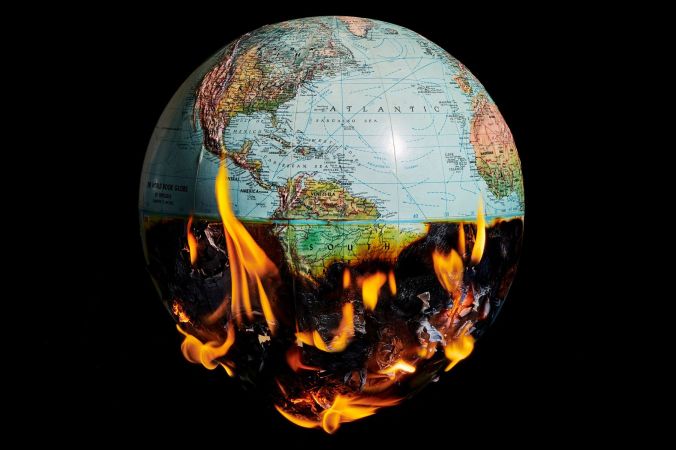
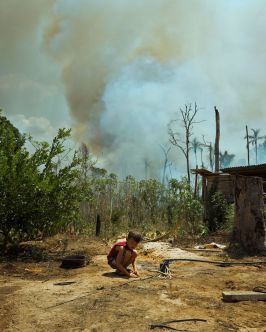
The world doesn’t agree on many things, but one of them is that global deforestation is a problem. If deforestation were a country, it would be the world’s third-largest source of climate-warming pollution, after the United States and China. (It would also be a terrible place to live—bulldozers everywhere and no shade to speak of.) Parts of the Amazon now emit more carbon pollution than they capture because of deforestation, a recent study found.

Knowing about a problem is, of course, different from knowing what to do about it. Continue reading

Monbiot’s Scrutiny In Perspective

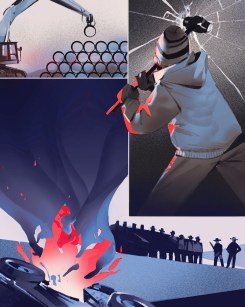
Illustration by Eva Bee

The first I heard of him, nearly a decade ago, I was immediately hooked on his writing, and the ideas he was offering were surprising to read in a mainstream, if progressive, publication. He introduced me to rewilding. If you have not been reading or perhaps listening to George Monbiot during this decade you may not have noticed how his radicalism has evolved. In this editorial ostensibly about the Pandora Papers I learned something about Madeira that I want to read more about:

…A few decades after the Portuguese colonised Madeira in 1420, they developed a system that differed in some respects from anything that had gone before. By felling the forests after which they named the island (madeira is Portuguese for wood), they created, in this uninhabited sphere, a blank slate – a terra nullius – in which a new economy could be built. Continue reading

Planned Obsolescence Reconsidered

Sandra Goldmark’s essay, Built Not to Last: How to Overcome Planned Obsolescence, is worthy of a few minutes:

What you can do as an individual consumer, a business patron, and a voter

In 2020, people worldwide bought some 24 billion pairs of shoes, 64 million cars, and 1.4 billion smartphones—200 million of them from Apple. More than 80 percent of iPhones sold last year went to “upgraders,” not first-time buyers. It’s all part of business as usual. Continue reading