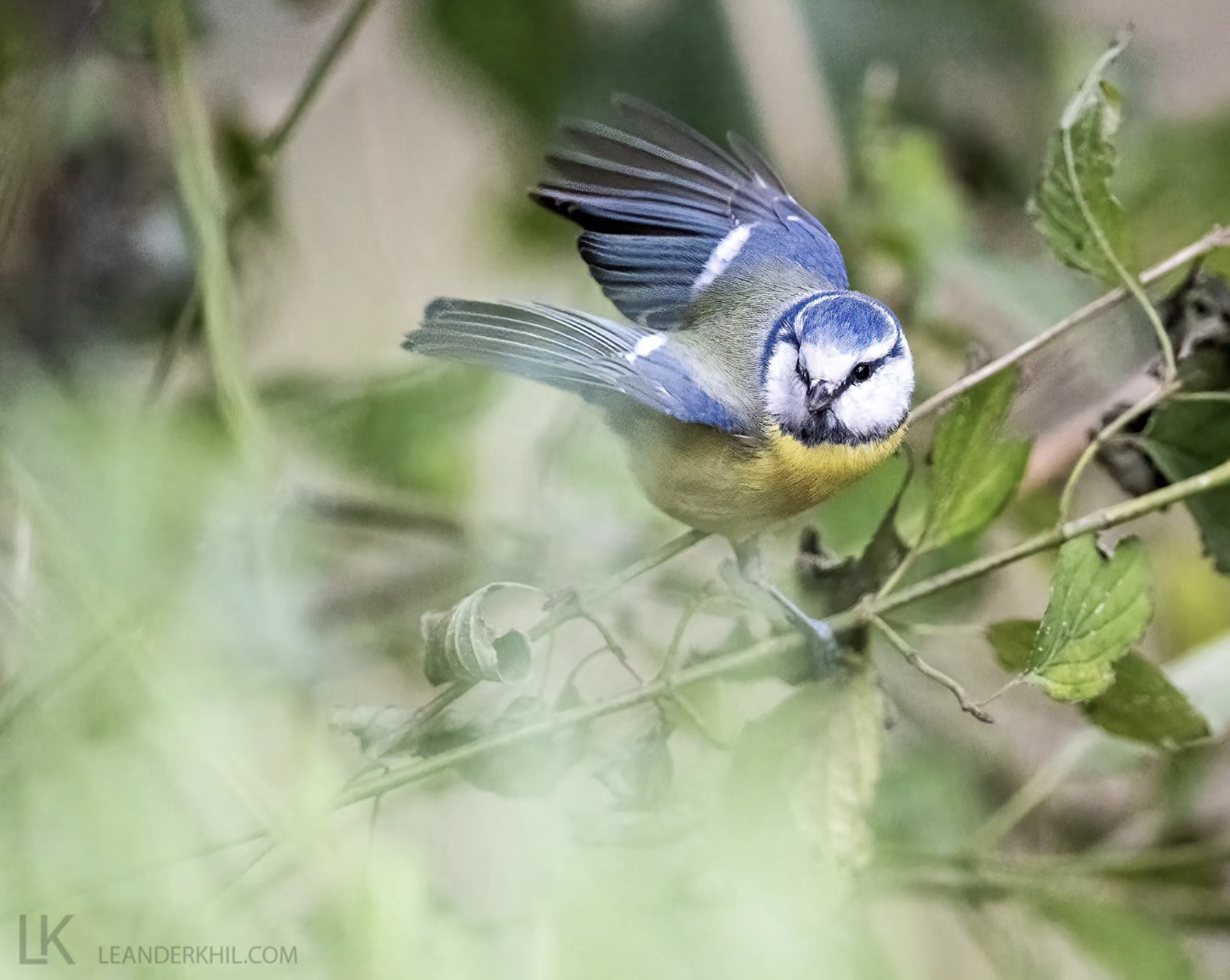
Seewinkel National Park, Austria
Garden Conservancy’s Open Days

One of “the marquee gardens” welcoming the public during the Garden Conservancy Open Days belongs to the interior designer Bunny Williams, in Falls Village, Conn. Courtesy of Bunny Williams
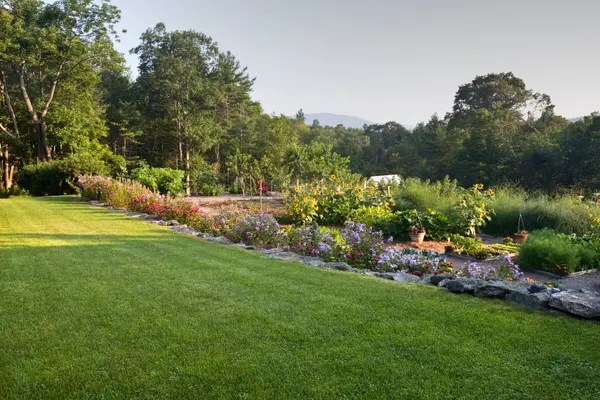
Eleanor Briggs’s garden in New Hampshire, designed some 30 years ago by the landscape architect Diane McGuire, includes long borders that offer places for new must-have plants. Eleanor Briggs
Margaret Roach, a wealth of information on gardens, offers another option to salve the doom-scrolling. She provides this link to get more information on the Garden Conservancy’s open days:
Your Chance to Snoop: It’s ‘Open Days’ Season in the Garden
This year, more than 360 private gardens across the country are opening to visitors. Don’t miss your chance to learn from some of the best.
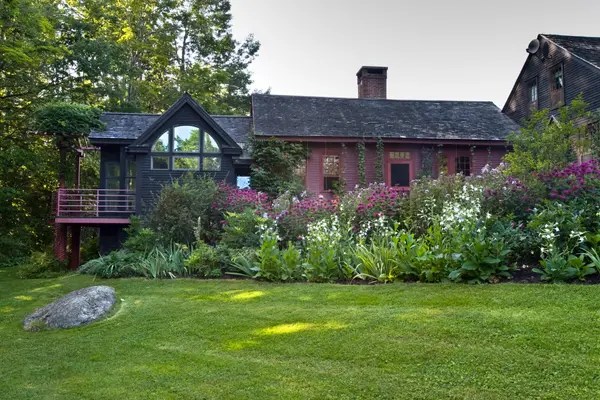
Ms. Briggs has opened her garden at Skatutakee Farm, her updated 18th-century home, numerous times since 2005. The next tour date is Aug. 24. Eleanor Briggs
I was at my station, a folding table dressed up with a burlap cloth, checking in visitors at a Garden Conservancy Open Days event maybe 10 years ago and answering questions from those who had already explored my garden, when I saw someone across the yard taking a photograph.
But of what, I wondered — what’s over there? There was nothing in that spot, I felt certain. Continue reading
Bird of the Day: Lesser Violetear

San Gerardo de Dota, Costa Rica
Worthy Weekly Workout
 This platform is for sharing stories that can inspire readers to take care of things worth caring about. Unfortunately, doom comes with the territory because we are not as good at taking care of as we are at caring. Lawrence Wood offers a respite from the doom in the book to the left, excerpted below in the Atlantic. It is a reminder of one of the many options to work out that doom on a regular basis. In his case (followed by some in our own family), it is this caption contest.
Try this weekly workout yourself, or just read about how best to approach it:
How I Became the Ken Jennings of the New Yorker Caption Contest
I hold the competition’s all-time record. And I might have some insight into how you can beat me at my own game.
When my twin daughters were 10, they created an animated slideshow depicting scenes from our life. One slide showed a cartoon version of me happily daydreaming on the toilet with my pants around my ankles. Above my head they put a thought bubble that read, “New Yorker, New Yorker, New Yorker.” Continue reading
Bird of the Day: Greater Flamingos
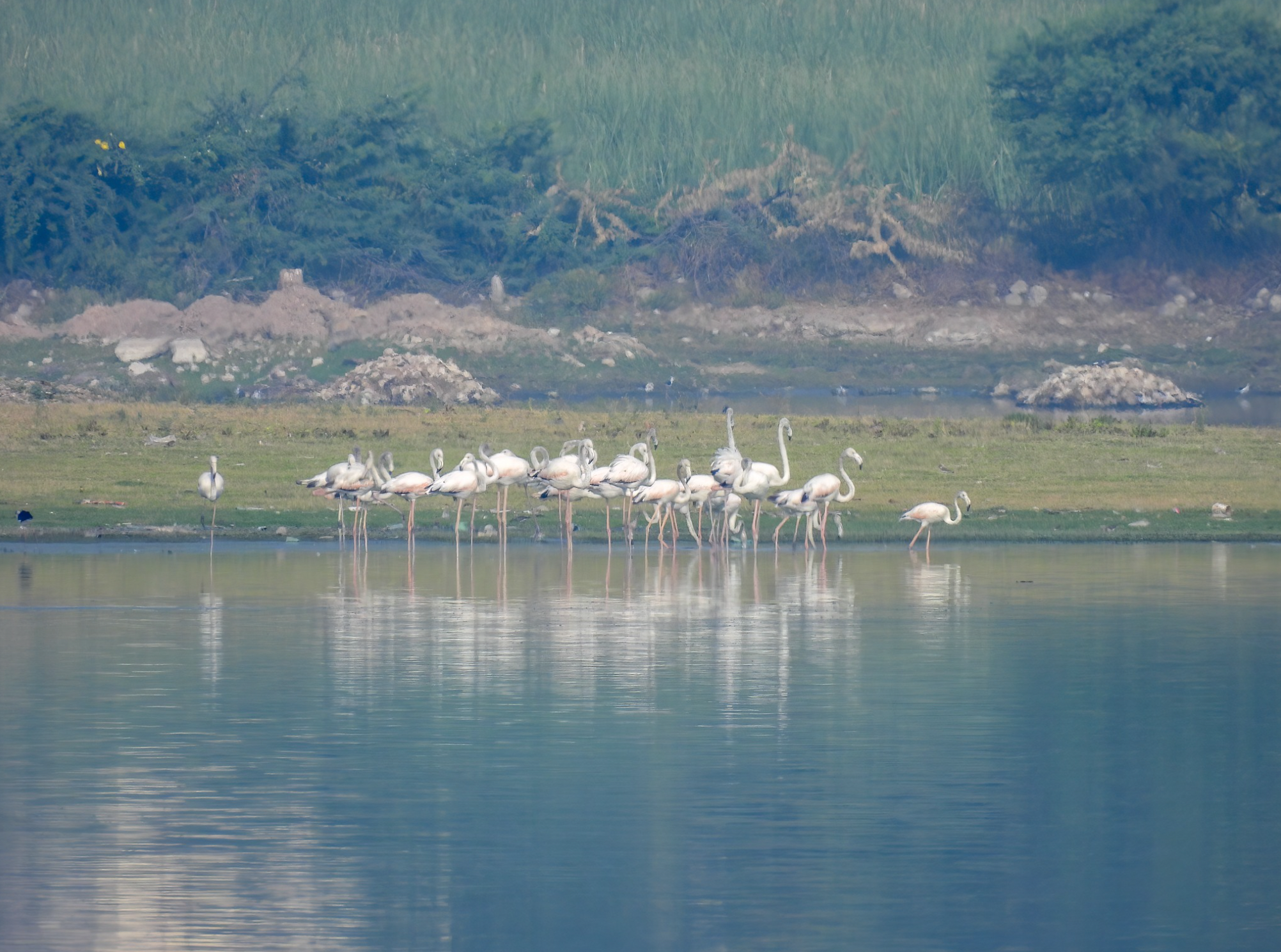
Hanichinal Lake, Bijapur
More Youth Demanding Liveable Futures

portion of the Kenai Peninsula in Alaska in 2023. The project would involve construction of a liquefaction plant to prepare the gas for export to Asia. Photograph: Richard Ellis/Alamy
Our appreciation to Dharna Noor for writing a clear story about this new legal initiative, and to the Guardian for publishing it. What started in Montana, a naturally well-endowed state with a mixed environmental record, now continues in Alaska, the biggest frontier of the American West. Our thanks to the younger generation for taking up the fight creatively:
Young Alaskans sue state over fossil fuel project they claim violates their rights
Plaintiffs claim $38.7bn gas export project, which would triple state’s greenhouse gas emissions, infringes constitutional rights
Eight young people are suing the government of Alaska – the nation’s fastest-warming state – claiming a major new fossil fuel project violates their state constitutional rights. Continue reading
Bird of the Day: Coal Tit
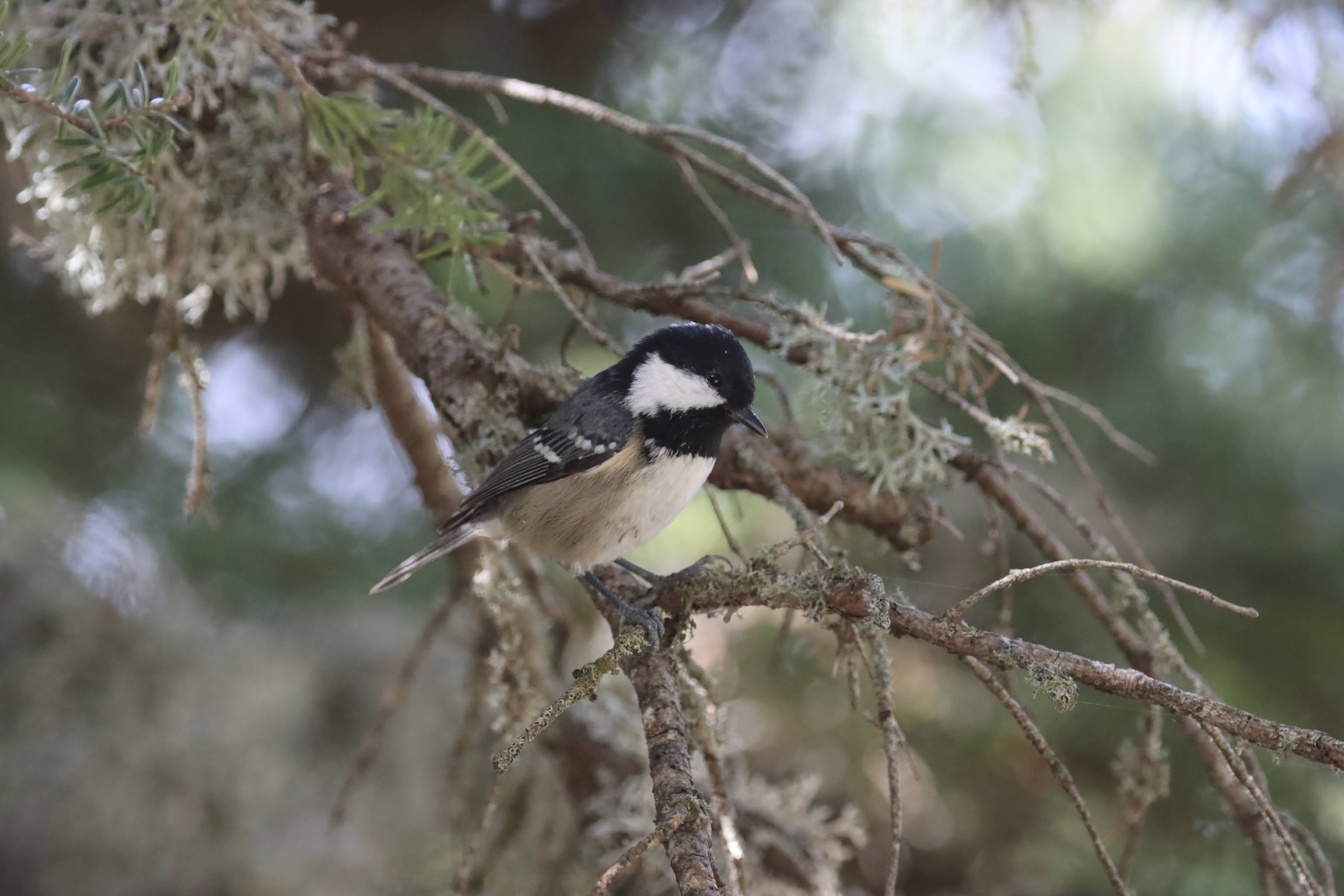
Taygetos Mountains, Greece
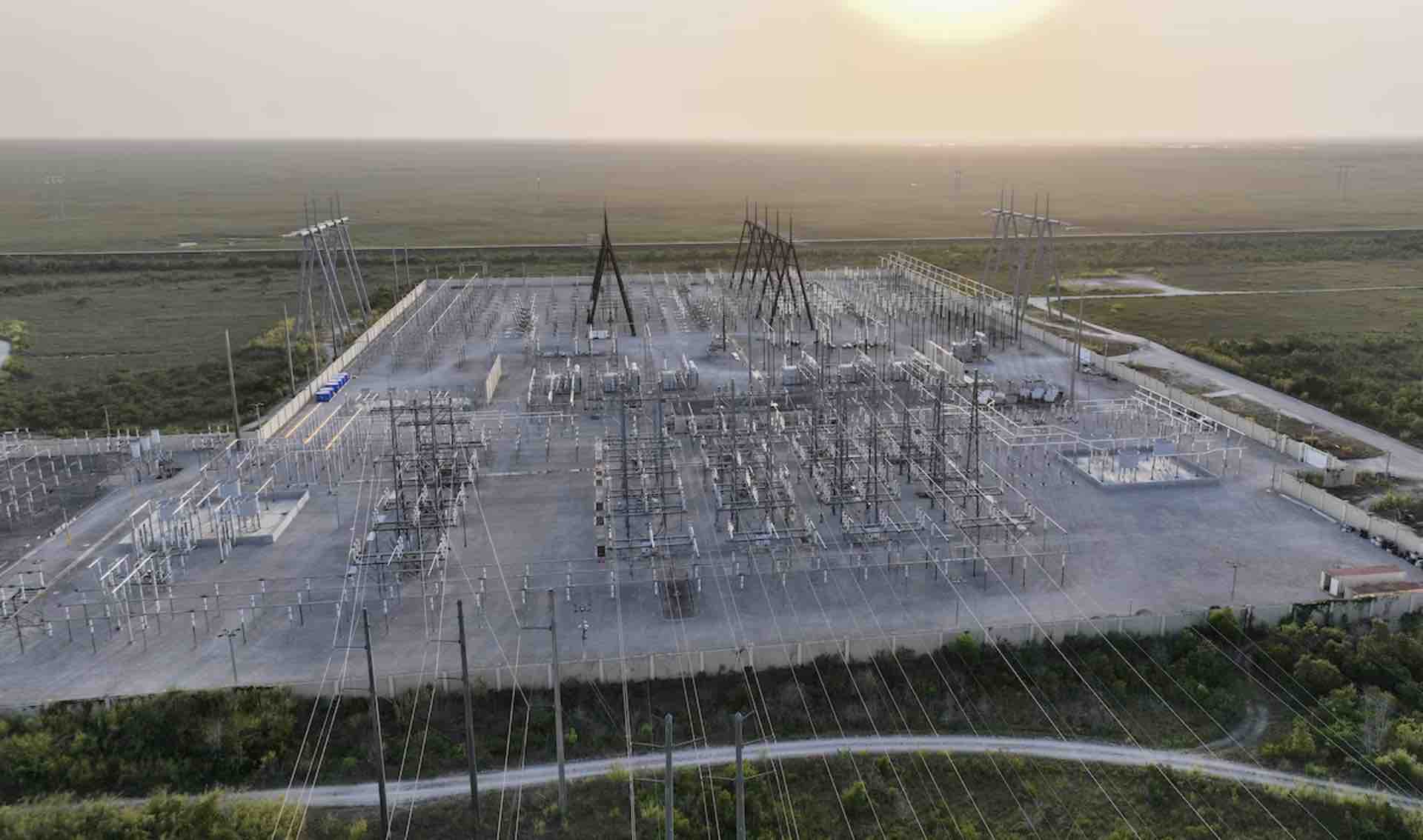
Upgrading Electrical Power Lines
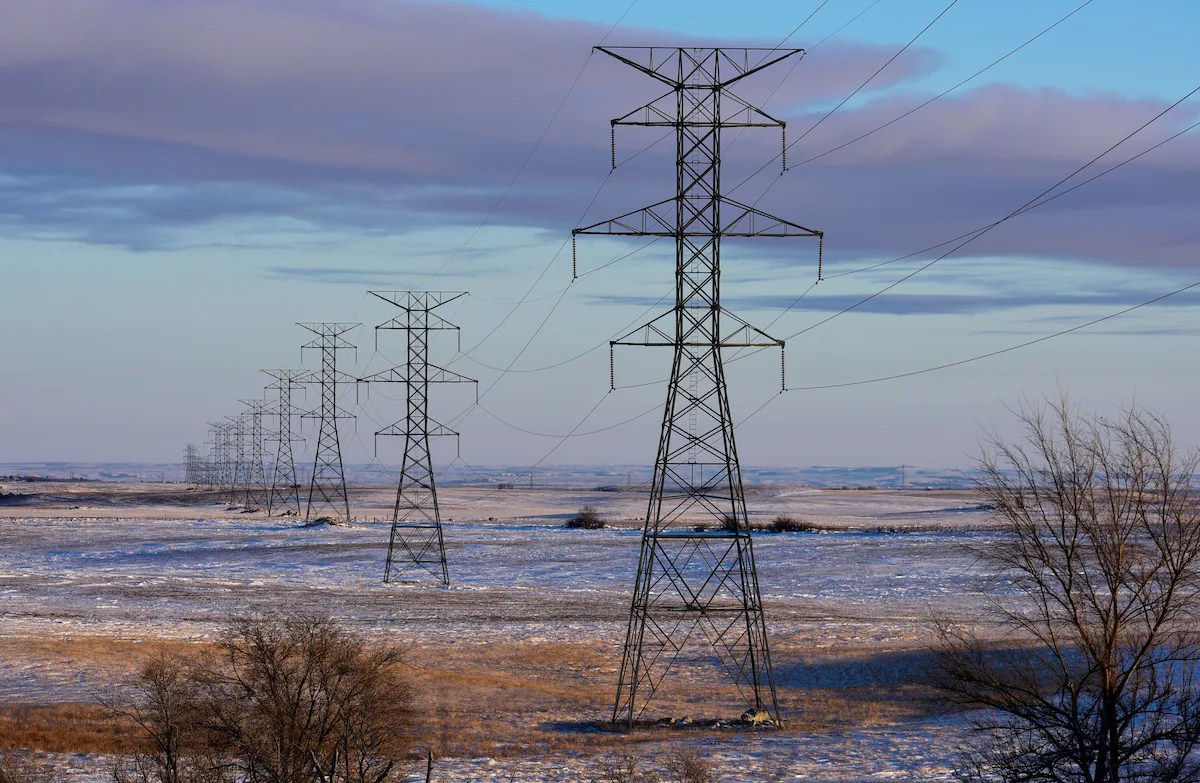
High voltage power transmission lines near Underwood, N.D. Installing new wires on the high-voltage lines that already carry power hundreds of miles across America could double the amount of power those lines carry. (Dan Koeck for The Washington Post)
Shannon Osaka, writing in The Washington Post, offers an unglamorous but effective-sounding story about the role that electrical transmission lines may play in upgrading our energy infrastructure:
How a simple fix could double the size of the U.S. electricity grid
Rewiring miles of power lines could make space for data centers, AI and a boom in renewables.
Bird of the Day: Osprey

Burnet County Park, Lake Buchanan, TX
Tiny Creatures Also Need Climate Stability
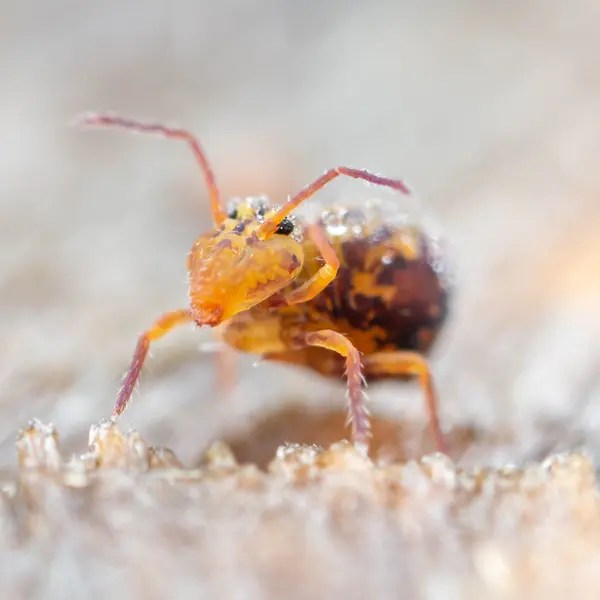
Scientists have identified about 9,000 species of springtails, but that number might represent just a fraction of their global species richness. Frank Ashwood
We have shared articles about the type of small creatures that we rarely think about, but which may be important to the wellbeing of the planet. Sofia Quaglia, an award-winning freelance science journalist (new to us), has written this story for the New York Times with exceptional photos by Frank Asherood:
Life in the Dirt Is Hard. And Climate Change Isn’t Helping.
Heat and drought are taking a toll on the tiny soil creatures that help to lock away planet-warming carbon, according to a new analysis.
They’re dirt-dwelling invertebrates, but, in a sense, they’re the real backbone of Earth’s carbon cycle.
Thousands of species of mites and springtails, living in soil all around the world, provide a crucial service by munching organic matter like fallen leaves and wood, transferring its planet-warming carbon into the ground and releasing nutrients that help new plants grow. Continue reading
Bird of the Day: Bramblings
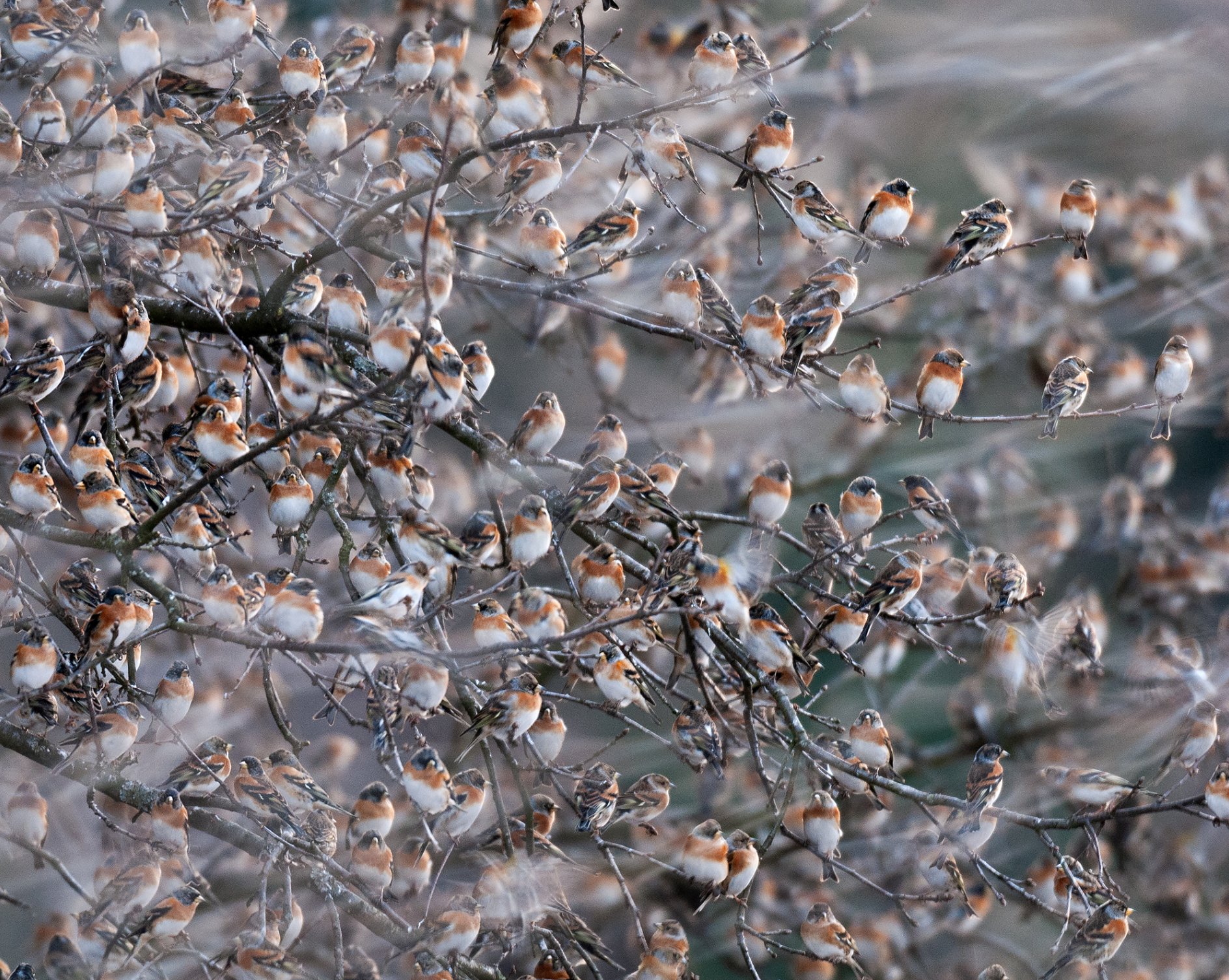
Leander Khil Photography
Probably the largest gathering of birds in Austria, several million mountain finches in January 2009
Oststeiermark, Austria
Implementing The Inflation Reduction Act

Illustration by Ben Kothe / The Atlantic
We celebrate when a law is passed that moves the USA in the right direction, but the biggest such law ever still is in the process of implementation. So, creativity and vigilance are still key ingredients to making the best of the law:
The Next Front in the War Against Climate Change
Clean-energy investment in America is off the charts—but it still isn’t translating into enough electricity that people can actually use.
On august 2022, the U.S. passed the most ambitious climate legislation of any country, ever. As the director of President Joe Biden’s National Economic Council at the time, I helped design the law. Continue reading
Bird of the Day: Keel-billed Toucan

Boca Tapada, Costa Rica
Making Good Trouble In India
Another of this year’s trouble-making prize-winners:
Alok Shukla led a successful community campaign that saved 445,000 acres of biodiversity-rich forests from 21 planned coal mines in the central Indian state of Chhattisgarh. In July 2022, the government canceled the 21 proposed coal mines in Hasdeo Aranya, whose pristine forests—popularly known as the lungs of Chhattisgarh—are one of the largest intact forest areas in India. Continue reading

Bird of the Day: Carolina Wren
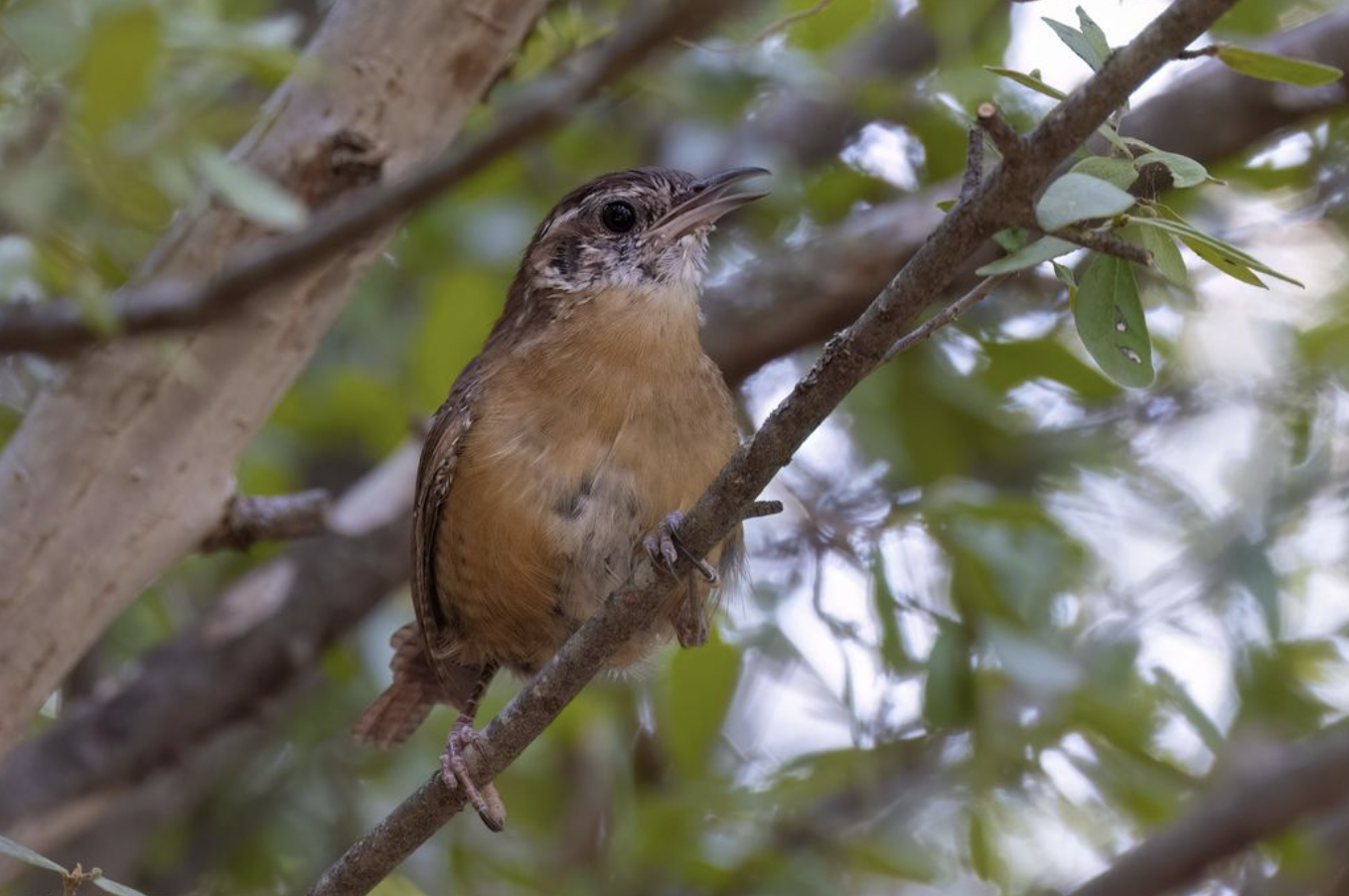
Travis County, TX
Shrimp Transparency
 We link to the work of Erik Vance for its clarity and utility:
Is Shrimp Good for You? It’s Complicated.
Americans love their prawns. So how healthy are they — for us and for the planet?
Americans aren’t particularly enthusiastic about seafood. We eat less than half of what a Japanese or Indonesian person does. Less than a third of the average Icelander. But there is one big exception: shrimp. Continue reading
Bird of the Day: Bimaculated Lark
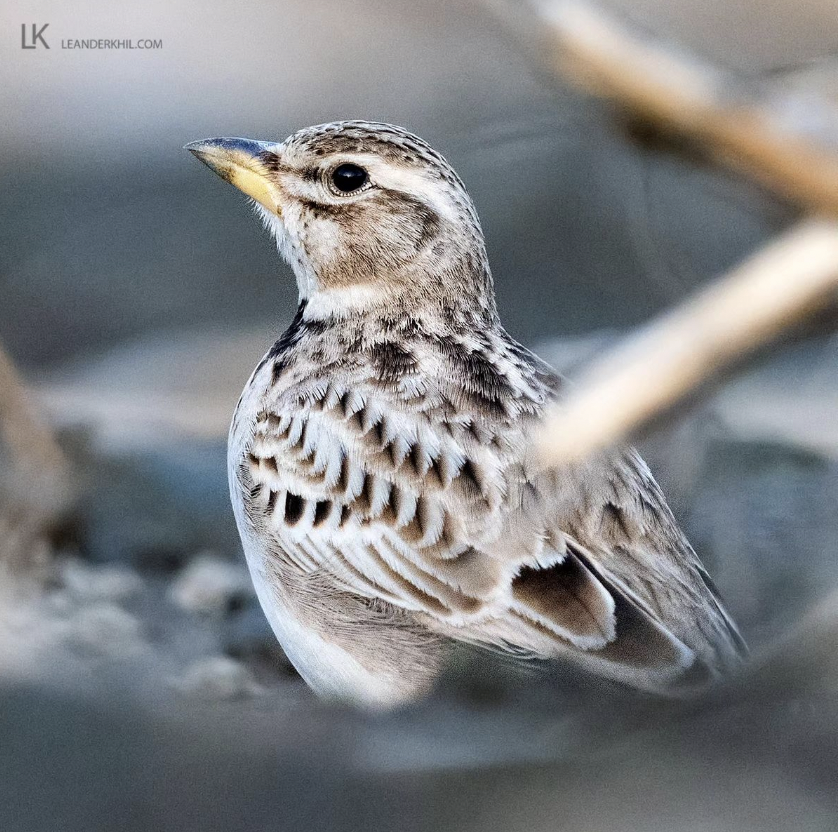
Aigen im Ennstal, Austria
Vermont Vote Victory

Flooding in downtown Montpelier, Vermont, in July, 2023.Photograph by John Tully / Washington Post / Getty
When you read to the end of this short commentary, you will wonder whether this is a victory at all, but when Elizabeth Kolbert says it is, it probably is. It just requires more pondering to understand how it is:
Vermont Moves to Hold Fossil-Fuel Companies Liable for Climate-Change Damage
A new constituency is willing to stand up to Big Oil (and Gas and Coal): state government.
On July 10, 2023, Vermont’s state capital, Montpelier, was hit with more than five inches of rain. Continue reading
Bird of the Day: Siberian Stonechat
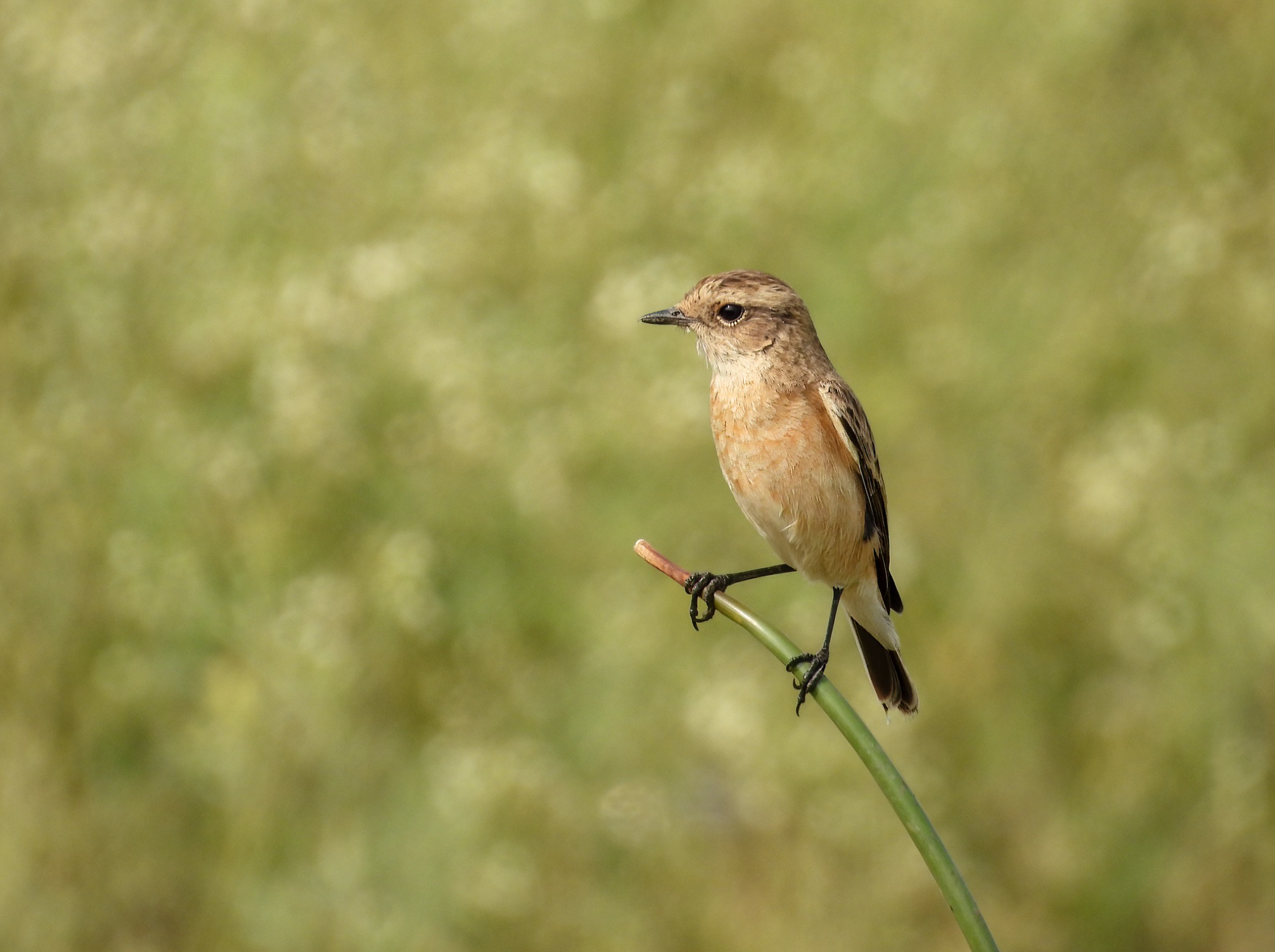
Hanchinal Lake, Bijapur
Nature’s Ghosts, Author’s Viewpoint
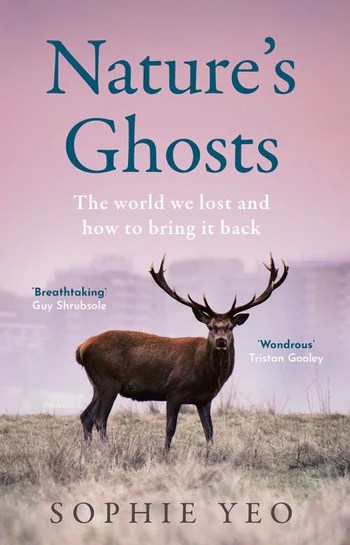 Thanks to Sophie Yeo, editor of Inkcap Journal and the author of this book to the right, for sharing that book’s key insights in essay form in the Guardian:
Nature’s ghosts: how reviving medieval farming offers wildlife an unexpected haven
Agriculture is often seen as the enemy of biodiversity, but in an excerpt from her new book Sophie Yeo explains how techniques from the middle ages allow plants and animals to flourish
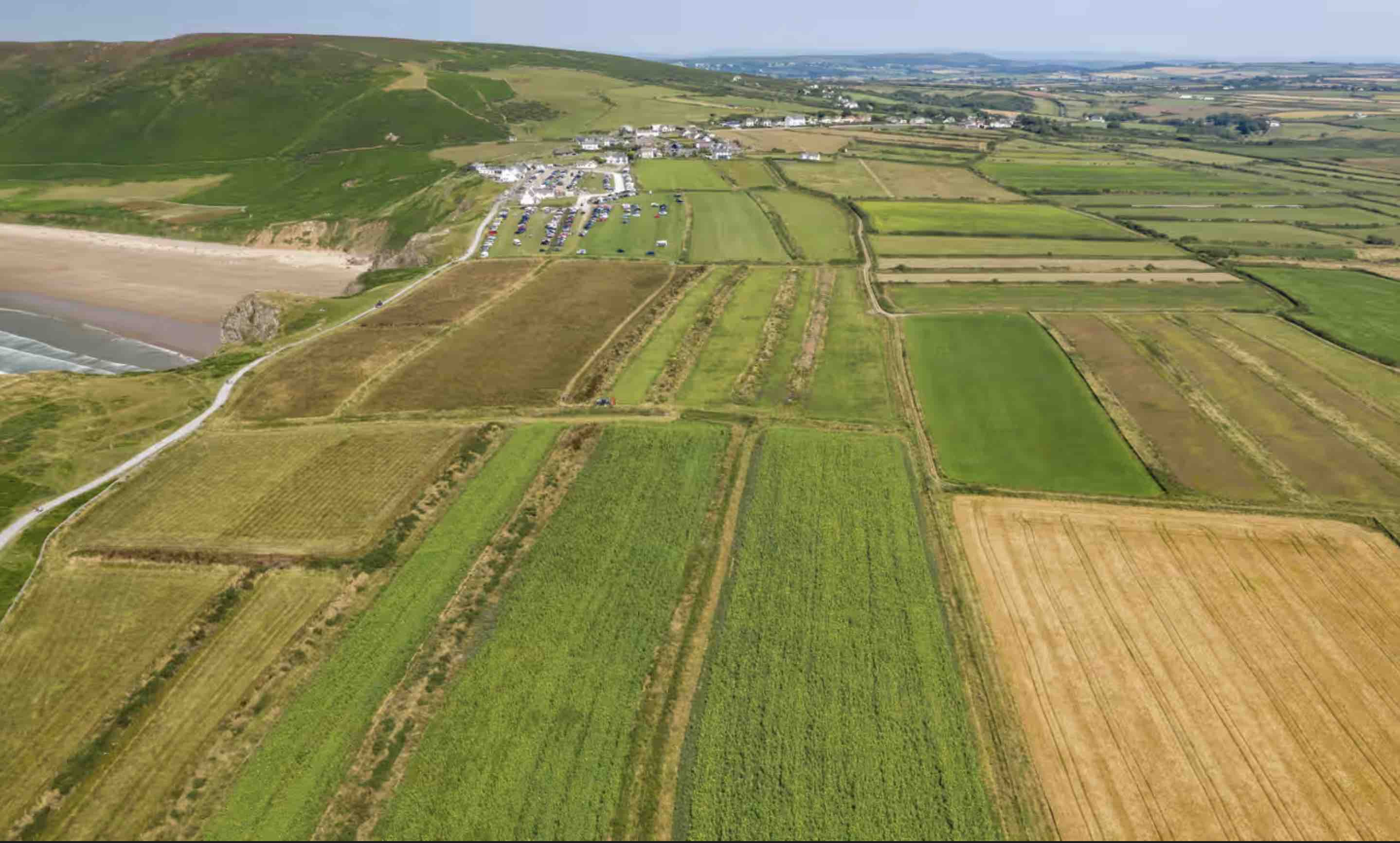
The Vile, a medieval strip field system below Rhossili village, Gower, Wales. Photograph: Wales/Alamy
The Vile clings on to the edge of the Gower peninsula. Its fields are lined up like strips of carpet, together leading to the edge of the cliff that drops into the sea. Each one is tiny, around 1-2 acres. From the sky, they look like airport runways, although this comparison would have seemed nonsensical to those who tended them for most of their existence.
A field of lavender on the Vile above Fall bay, Rhossili, planted in summer 2019 to encourage pollinating insects. Photograph: Holden Wildlife/Alamy
That is because the Vile is special: a working example of how much of Britain would have been farmed during the middle ages. Farmers have most likely been trying to tame this promontory since before the Norman conquest.
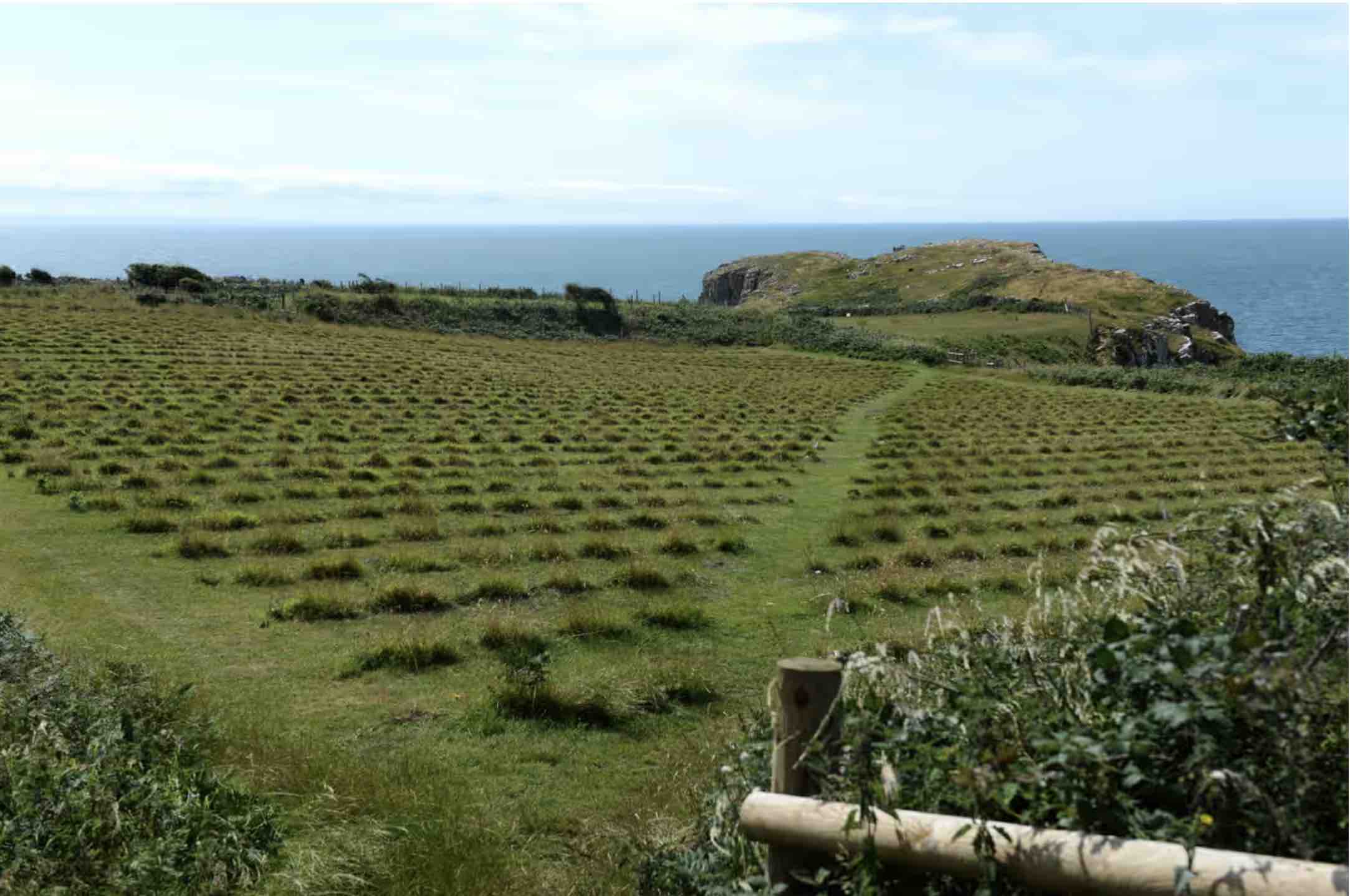
The fields have retained their old names, speaking to a long history of struggle against the soil. Stoneyland. Sandyland. Bramble Bush. Mounds of soil known as “baulks” separate one strip from the next. Continue reading
 Organikos