New Rules, Fishing & Conservation

seal-caught_custom-88cc31db868f28dc5d59726aed04e66499e21c83-s1400-c85.jpg

Divers release a seal from fishing gear. Getting entangled in active or abandoned fishing gear often leads to injury or death in marine mammals. NOAA Marine Debris Program/Flickr

Thanks to the salt folks at National Public Radio (USA) for this news on a rule change that could do for all marine mammals what has already been done for dolphins:

The vaquita is a small porpoise found only in the northern Gulf of California, in Mexico. Today, the species is critically endangered, with less than 60 animals left in the wild, thanks to fishing nets to catch fish and shrimp for sale in Mexico and America. The animal is an accidental victim of the fishing industry, as are many other marine mammals. Continue reading

2017, International Year Of Sustainable Tourism For Development

The United Nations, and its subsidiary the World Tourism Organization, are promoting the celebration of 2017 as the International Year of Sustainable Tourism for Development. We just celebrated 20 years of working in the sustainable tourism space, and UNWTO’s efforts help focus our attention now on the next decade’s worth of effort:

“With more than one billion international tourists now traveling the world each year, tourism has become a powerful and transformative force that is making a genuine difference in the lives of millions of people. The potential of tourism for sustainable development is considerable.  As one of the world’s leading employment sectors, tourism provides important livelihood opportunities, helping to alleviate poverty and drive inclusive development.”
 United Nations Secretary-General, Banki-moon
World Tourism Day Message, 2015

Continue reading

Avocados Of The Future

avocado-109231343-1024x683.jpg

Thanks to Wired for this preview of things to come in the world of avocados:

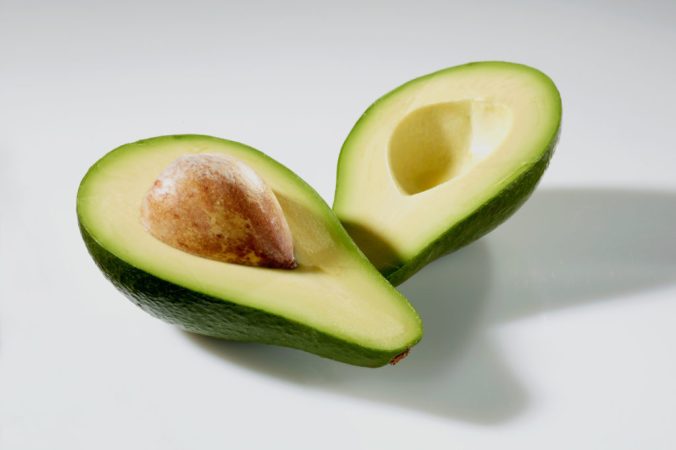
IT’S THE WINTER avocado harvest at the University of California’s orchard in Lindcove, and the fruit jumbled in the back of Eric Focht’s SUV are a palette of earthy tones, some rough and flecked with frosted tips, others green and smooth. The horticulturist selects three miniature fruit, bright green and rotund, which together fit easily in the palm of his hand. “We were thinking of calling it the Lunch Box,” says Mary Lu Arpaia, who oversees the avocado breeding program at the orchard. But for now it’s just an experimental variety, officially known by a string of numbers. It’s too soon to tell if “Lunch Box” will ever be released to the world.: Continue reading

Beverage Innovations, Vegan Spirit Edition

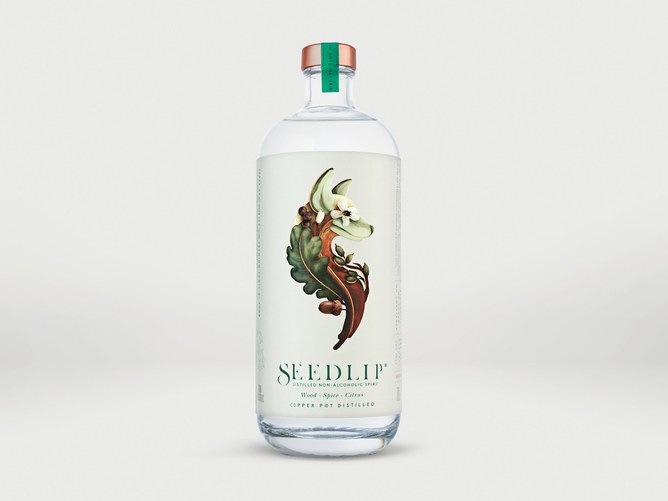
seedlip.jpg

We do not need to repeat our distaste for the word mocktail, nor are we on a dry spell; nonetheless we are happy to see attention to beverages like this (pricey!) one:

SPIRITED AWAY: SEEDLIP SPICE 94 ($39, 700 ML) Continue reading

Fish & Coconuts & Conservation

S.W. Reddy’s discussion of the islands where she carried out empirical research in the behavioral economics vein reminds of some fundamental similarities to Kerala, especially the fish and coconuts part. Thanks to the Nature Conservancy’s Cool Green Science for bringing this to our attention (if you do not have 15 minutes for the video now, save the text below for later reading):

Bringing Behavioral Insights into Conservation Programs and Policies

By Sheila Walsh Reddy

Behavioral science and economics have provided important insights for health, finance, and many other domains, but are largely untapped resources for conservation. A new paper in Conservation Letters helps practitioners tap into behavioral sciences. Continue reading

Celebrating Real Accomplishment

feeney

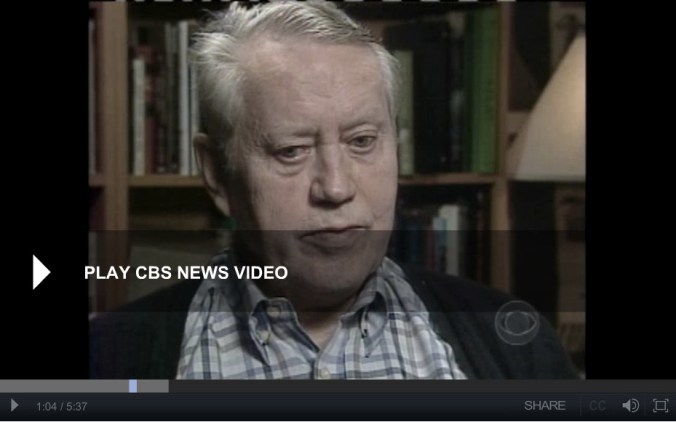
If you attended Cornell University 1980s or 1990s and earlier you may have heard his name if you were part of the Hotel School community, which he occasionally visited. Even then you would have heard simply that he was “a good friend” of his alma mater. It was only in the last decade or so that his visionary generosity was made public, most notably on CBS news in the USA. He had worked hard to keep his name out of the stories related to his foundation’s philanthropic giving.

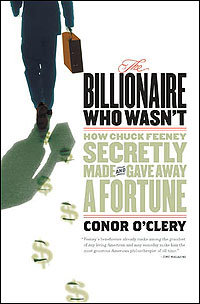
billionaircover-ecad87c5e5af133a76297c2d555e210992476de9-s1400-c85It eventually became easier to find information about  where all of that money went. Journalists did their work, and after he was revealed to be a genius of anonymous giving on a grand scale he reluctantly agreed to proper documentation of it all. He even agreed to a book-length documentation, which we first learned about here. Today the New York Times is reporting that he has finally achieved his goal of giving it all away. Bravo, Mr. Feeney, and thank you for reminding us what real accomplishment looks like:

…Nearly five years ago, Charles F. Feeney sat in a cushy armchair in an apartment on the east side of Manhattan, grandchildren’s artwork taped to the walls, and said that by the end of 2016, he was going to hand out the last of a great fortune that he had made. Continue reading

Urban Tracking And Other Soft Local Adventures

raccoontrack-1260x708

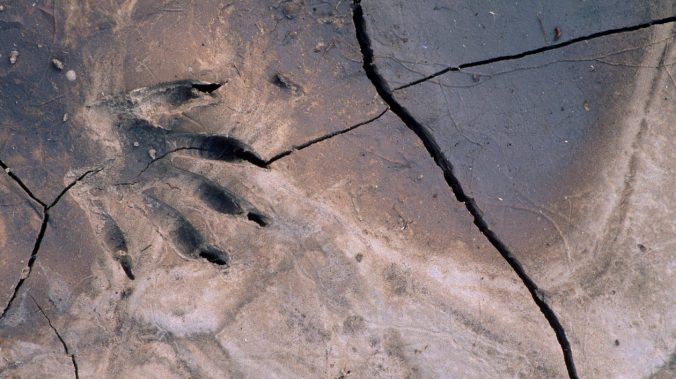
Raccoon track in mud along stream. Sarpy County, Nebraska. October 1996. Central Tallgrass Prairie Ecoregion. Photo © The Nature Conservancy (Chris Helzer)

It seems to go hand in hand with today’s other post, so thanks to The Nature Conservancy as always for this one:

A Field Guide to Tracking in Your Neighborhood

By Matt Miller

Tracking is one of the most family-friendly wildlife activities; you can enjoy it anywhere there is a patch of open ground. As I’ve written previously, kids love deciphering the mysteries of animal tracks. Even my two-year-old son loves checking out the tracks in our yard.

Continue reading

Urban Environments & Evolution


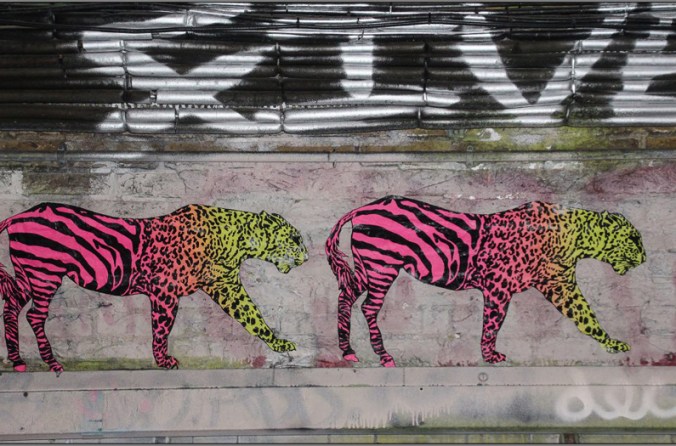
streetartevolution

Header image: Street art in London by Aida. Credit: Maureen Barlin via Flickr.

Anthropocene is back, after a brief holiday break, with a good summary of findings on urban-influenced evolution:

Cities are the new laboratories of evolution

Altruism Is So 2011, And Even More So 2017

110905_r21085_g2048-670

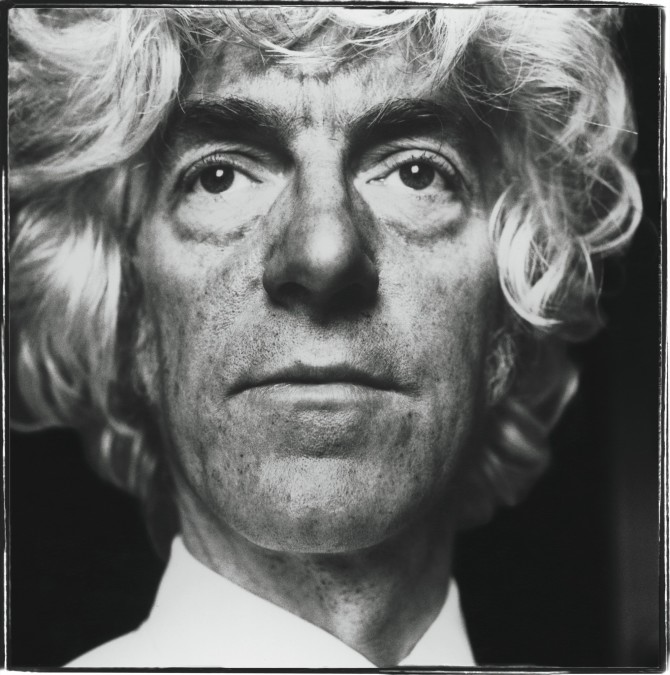
Derek Parfit has few memories of his past and almost never thinks about it, a fact that he attributes to an inability to form mental images. Photograph by Steve Pyke / GETTY

Even though we had started a series of posts on the topic of altruism in 2011, our first year creating this platform, it was just after this article was published that we started paying close attention to the topic, and we had forgotten about it until just now.

Derek Parfit communicates convincingly about a logic for the common good being more important than that of the individual, and even put his own life and mortality into perfect context of the logic he was developing. So, though we resist posting obituaries of even our greatest heroes, his passing this week makes us think this profile is worthy of re-reading and sharing.

Even though our early attention to altruism led to hundreds of posts since 2011 for which altruism is at the core, this remembrance may stimulate even closer attention to altruism, a topic more worthy of attention than ever:

HOW TO BE GOOD

An Oxford philosopher thinks he can distill all morality into a formula. Is he right? Continue reading

Sanskrit Scholarship & Mystical Journeys

guru

Our random meeting and conversations with some scholars in southern India led to an exploration of the origins of yoga, which we linked to here.

guru1

Next, using some of the same clues provided by those conversations, we were led to some excellent programming by Smithsonian Channel that includes one of the two scholarly co-authors mentioned in that previous post (see the second book) plus someone you may recognize from another context:

MYSTICAL JOURNEY: KUMBH MELA

West meets East when acclaimed actor Dominic West joins his childhood friend on a pilgrimage to Northern India and the biggest religious festival in the world, Kumbh Mela. Here, 100 million Hindus have gathered to wash away their sins in the holy rivers near Allahabad, on the banks of Sangam. It is also where Dominic’s friend Sir James Mallinson will be initiated into a senior role called a mahant. Follow these friends on this incredible two-week journey, and submerge yourself in the sacred waters and culture of this triennial celebration.

Camera Trap, Australia Edition

Thanks to the Nature Conservancy’s blog for this addition to our growing file of stories about non-intrusive filming of wild animals in remote places:

Camera Trapping in the Australian Desert

BY JUSTINE E. HAUSHEER

When trying to drink out of a tiny waterhole, camels hit approximately a 9.5 on a scale from 1 to Exceptionally Awkward. Continue reading

Carbon Capture In India

3264-1

Tuticorin thermal power station near the port of Thoothukudi on the Bay of Bengal, southern India. The plant is said to be the first industrial-scale example of carbon capture and utilisation (CCU). Photograph: Roger Harrabin

Thanks to the Guardian’s Environment section for this news:

Indian firm makes carbon capture breakthrough

Carbonclean is turning planet-heating emissions into profit by converting CO2 into baking powder – and could lock up 60,000 tonnes of CO2 a year Continue reading

Keeping The Science Moving Forward, Rather Than Sideways or Backwards

00syngenta1-jumbo

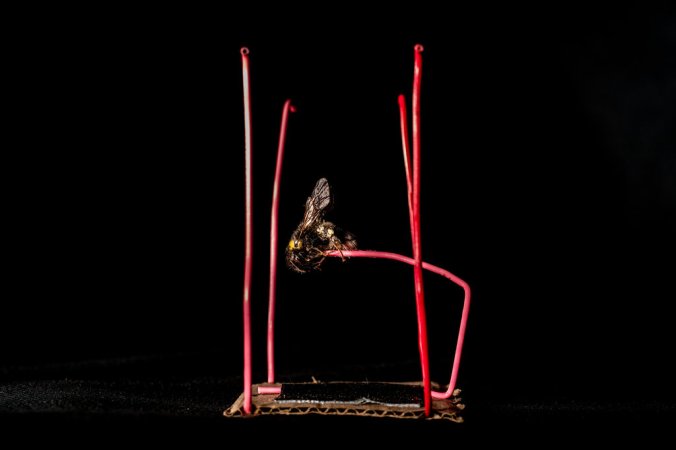
James Cresswell, a professor at the University of Exeter in England, has turned to less controversial areas of research on bees. Here, a bee is mounted on a wire in a wind tunnel, for research designed to estimate normal bee density. CreditAndrew Testa for The New York Times

It is a bit of a mystery story, worthy of the time if you care about bees (a minor character here) and especially if you care about the moral character of scientists while under pressure:

Scientists Loved and Loathed by an Agrochemical Giant

With corporate funding of research, “There’s no scientist who comes out of this unscathed.”

By

EXETER, England — The bee findings were not what Syngenta expected to hear. Continue reading

Mayan City, Deep Jungle Discovery

NYerMaya.jpg

Mr. Preston shares an experience that is not familiar to many people, and perhaps only considered enviable by a select few. The team at Chan Chich Lodge meets visitors every day of the year who are looking for a distant cousin of this experience described below, and those guests come away invariably awed by the opportunity to have a safe, comfortable adventure deep in nature, exploring well protected remains of a Mayan civilization buried by time and jungle. For them, this is worth a read:

AN ANCIENT CITY EMERGES IN A REMOTE RAIN FOREST

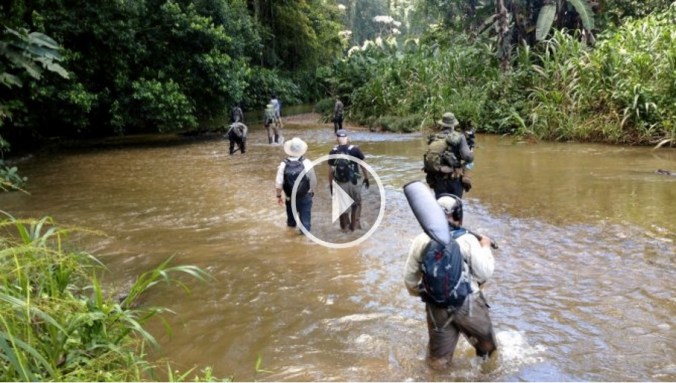
…The revelation of an ancient city in a valley in the Mosquitia mountains, of Honduras, one of the last scientifically unexplored regions on Earth, was a different story. This was the first time a large archaeological site had been discovered in a purely speculative search using a technology called lidar, or “light detection and ranging,” which can map terrain through the thickest jungle foliage, an event I chronicled in a story for the magazine in 2013. As a result, this discovery revealed something vanishingly rare: a city in an absolutely intact, undisturbed, pristine state, buried in a rain forest so remote and untouched that the animals there appeared never to have seen people before. Continue reading