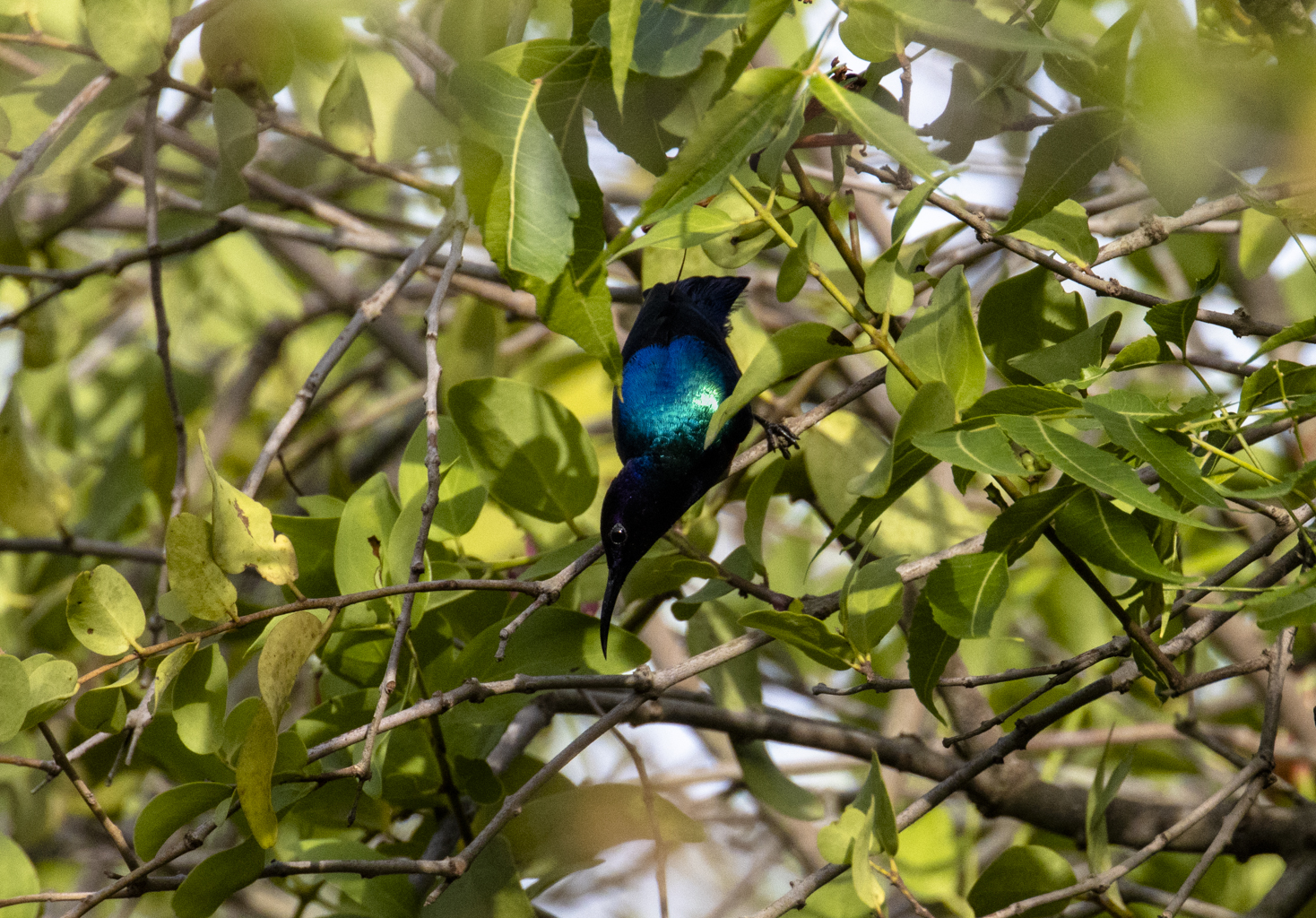
Shai Hills Resource Reserve, Ghana
Shai Hills Resource Reserve, Ghana

Elizabeth Kolbert always carries out her duty, which often makes it difficult to savor life’s small pleasures or even big victories without considering the law of unintended consequences. Give 20 minutes of your time to this one:
The Perverse Policies That Fuel Wildfires
Strategies intended to safeguard forests and homes have instead increased the likelihood that they’ll burn.
The provincial government of Alberta defines a “wildfire of note” as a blaze that could “pose a threat to public safety, communities or critical infrastructure.” Continue reading
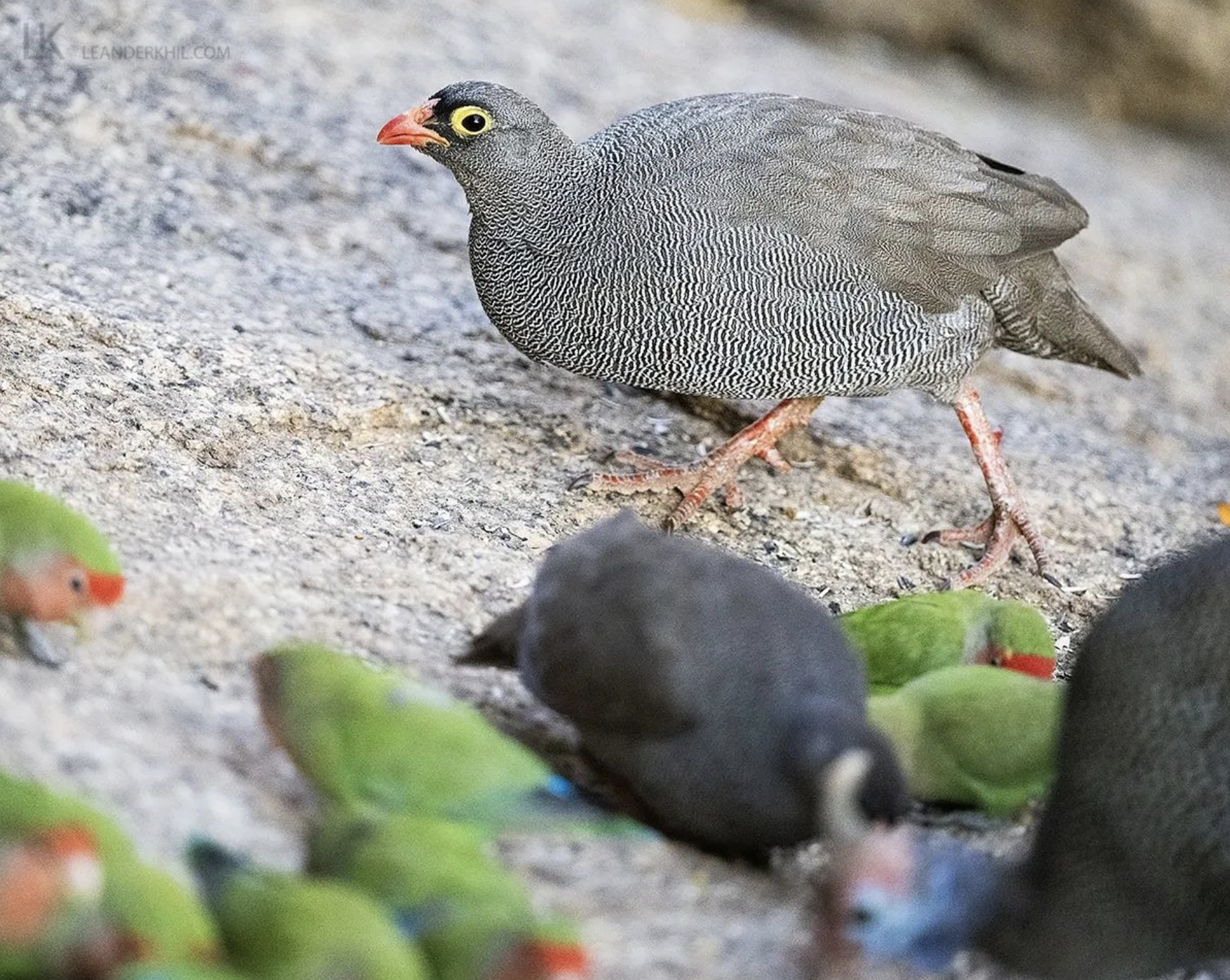
Etosha National Park, Namibia
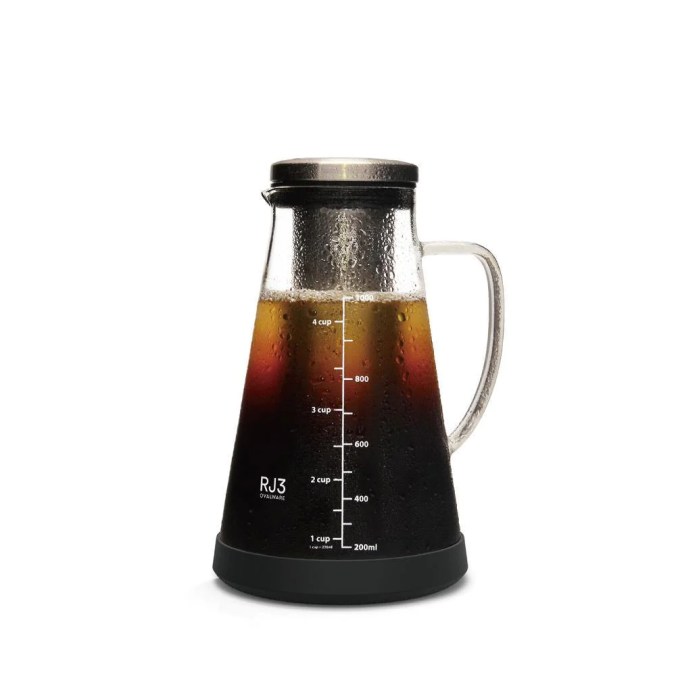
Cold brew is one of those initiatives that came to and held my attention when time was more abundant. And then time was not so abundant. It has been months now since Amie gifted me this new tool, and I still have not brewed with it. The video above, and the photo below, are my motivators to get brewing:
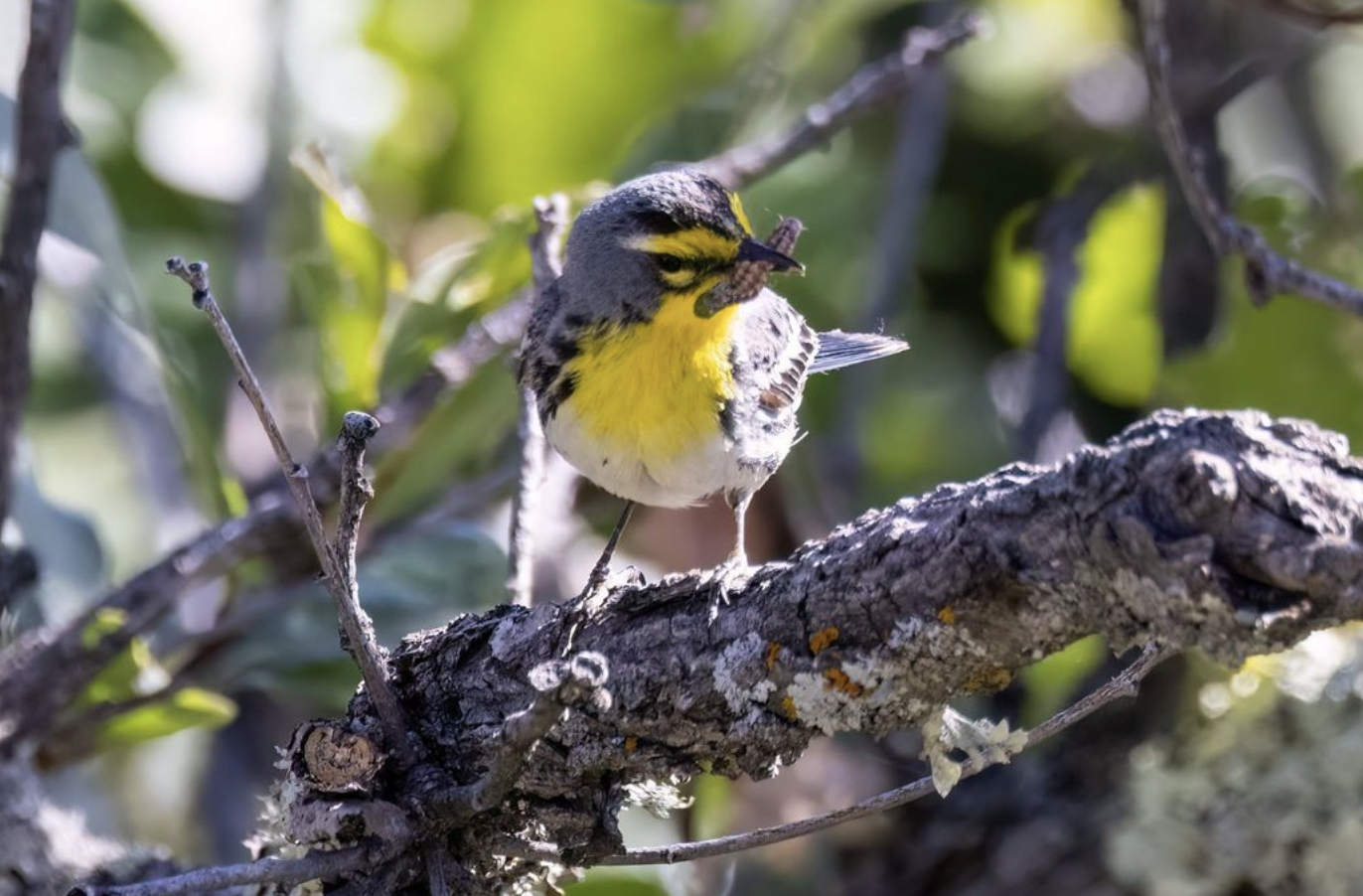
Davis Mountains, TX
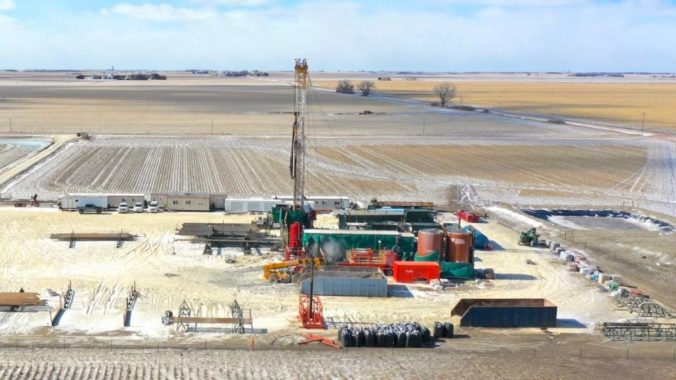
A hydrogen drilling facility in Nebraska. NATURAL HYDROGEN ENERGY
Thanks to Fred Pearce, as always, for making the complex more comprehensible; and to Yale e360′s contribution to our continuous learning:
Natural Hydrogen: A Potential Clean Energy Source Beneath Our Feet
As studies show far more natural hydrogen underground than believed, well-funded efforts to drill for the gas are underway around the globe. Boosters see a plentiful green replacement for fossil fuels, but skeptics say its large-scale use may not be practical or cost-effective.
A remote community of mud huts and corrugated iron roofs in the arid savannah of West Africa could be a trailblazer for a new form of carbon-free energy. Continue reading
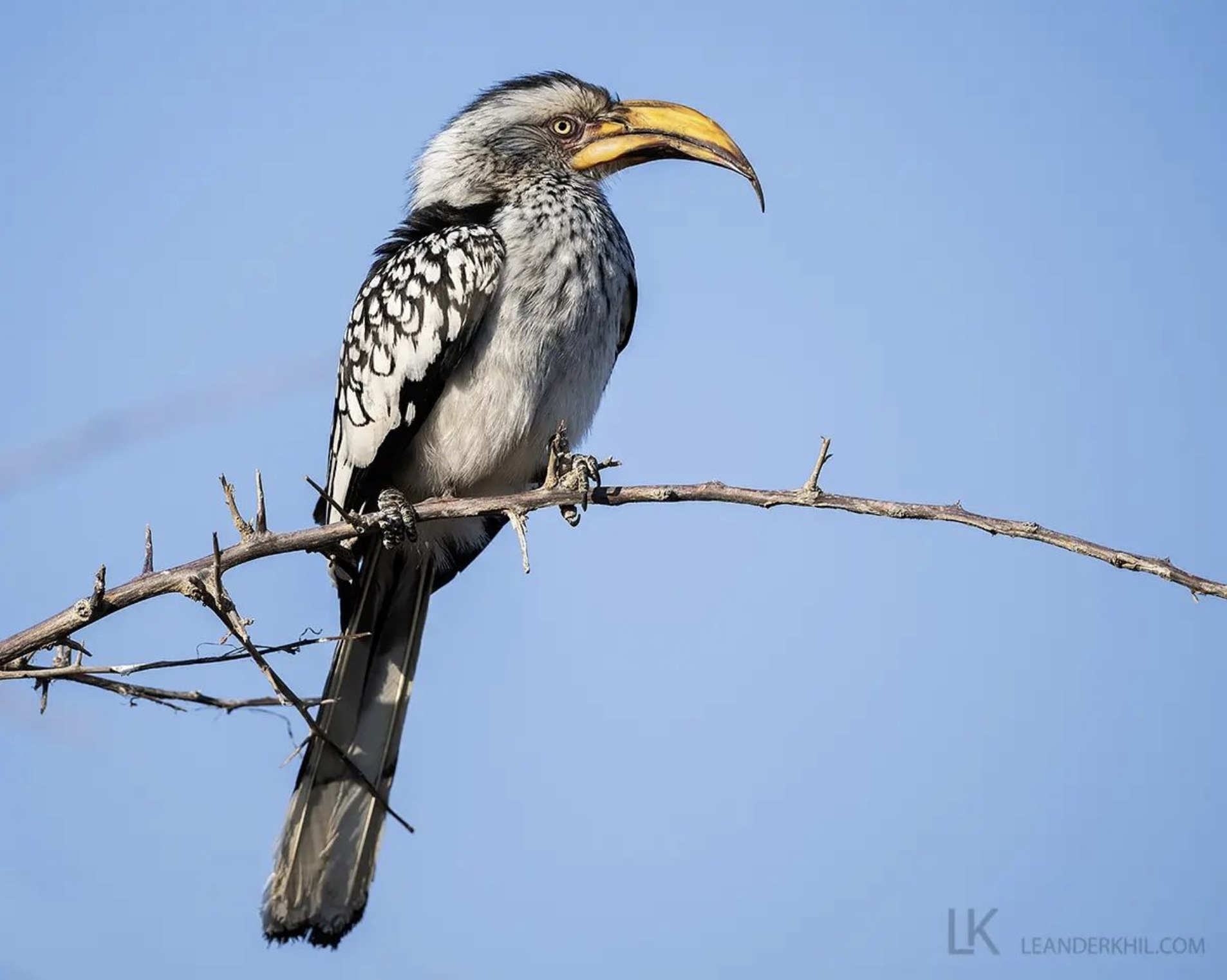
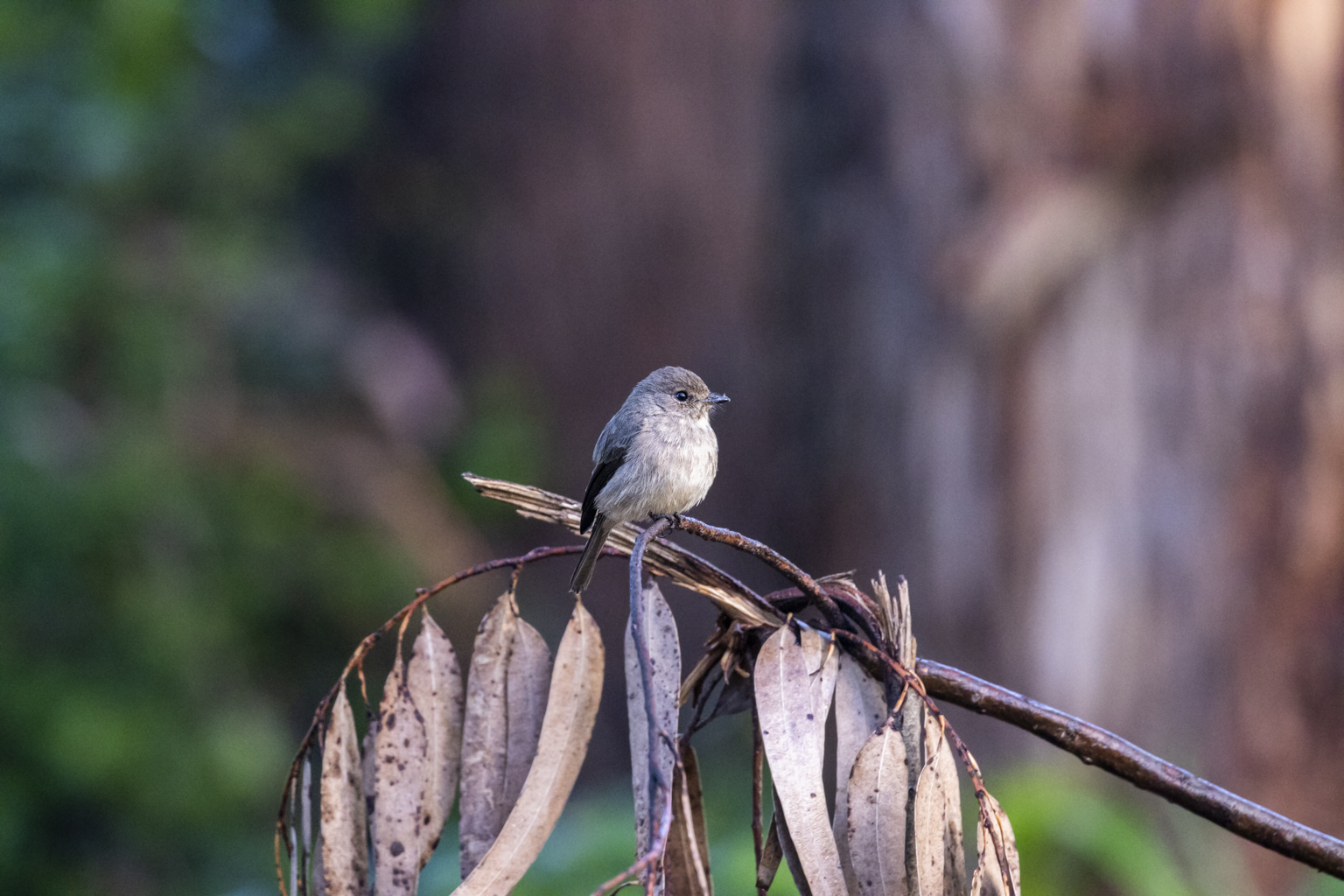
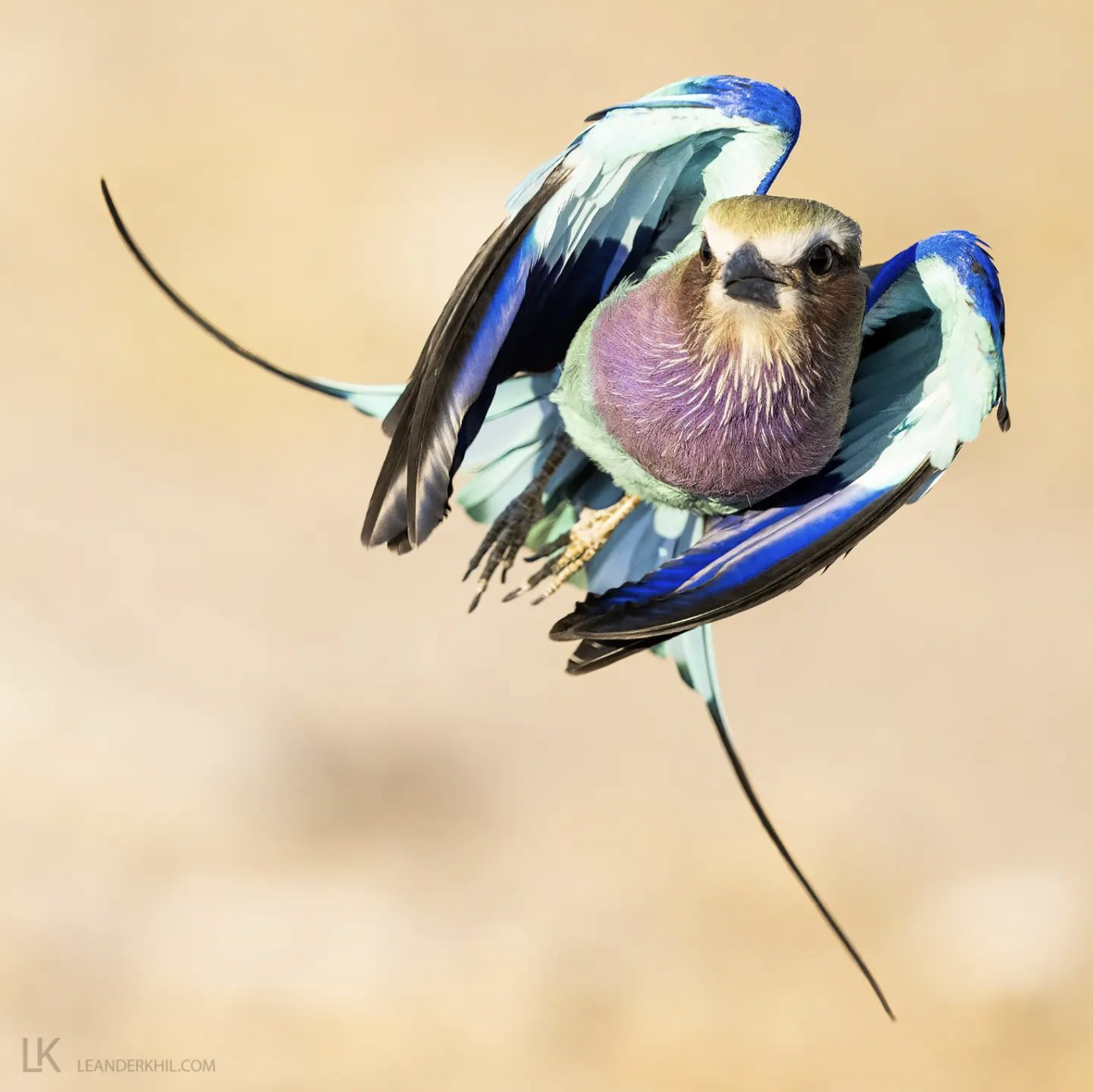
(With bill deformation) – Leander Khil Photography
Namibia

Illustration by Ben Kothe / The Atlantic. Source: Getty.
Considering the coffee habits, and commercial interests of those of us contributing on this platform, we thank Yasmin Tayag, at The Atlantic for this:
Caffeine’s Dirty Little Secret
“How much is too much?” is an impossible question.
On Tuesday, curiosity finally got the best of me. How potent could Panera’s Charged Lemonades really be? Within minutes of my first sip of the hyper-caffeinated drink in its strawberry-lemon-mint flavor, I understood why memes have likened it to an illicit drug. My vision sharpened; sweat slicked my palms. Continue reading

Ol Kalou, Kenya
 When Bill McKibben announces victory, savor it but stay vigilant:
A Massive Win, and What It Means
For Once, Big Oil Takes It on the Chin
I wrote you two days ago with provisional good news—it looked as if the long and deep fight to rein in runaway LNG export growth had scored a huge victory. Continue reading
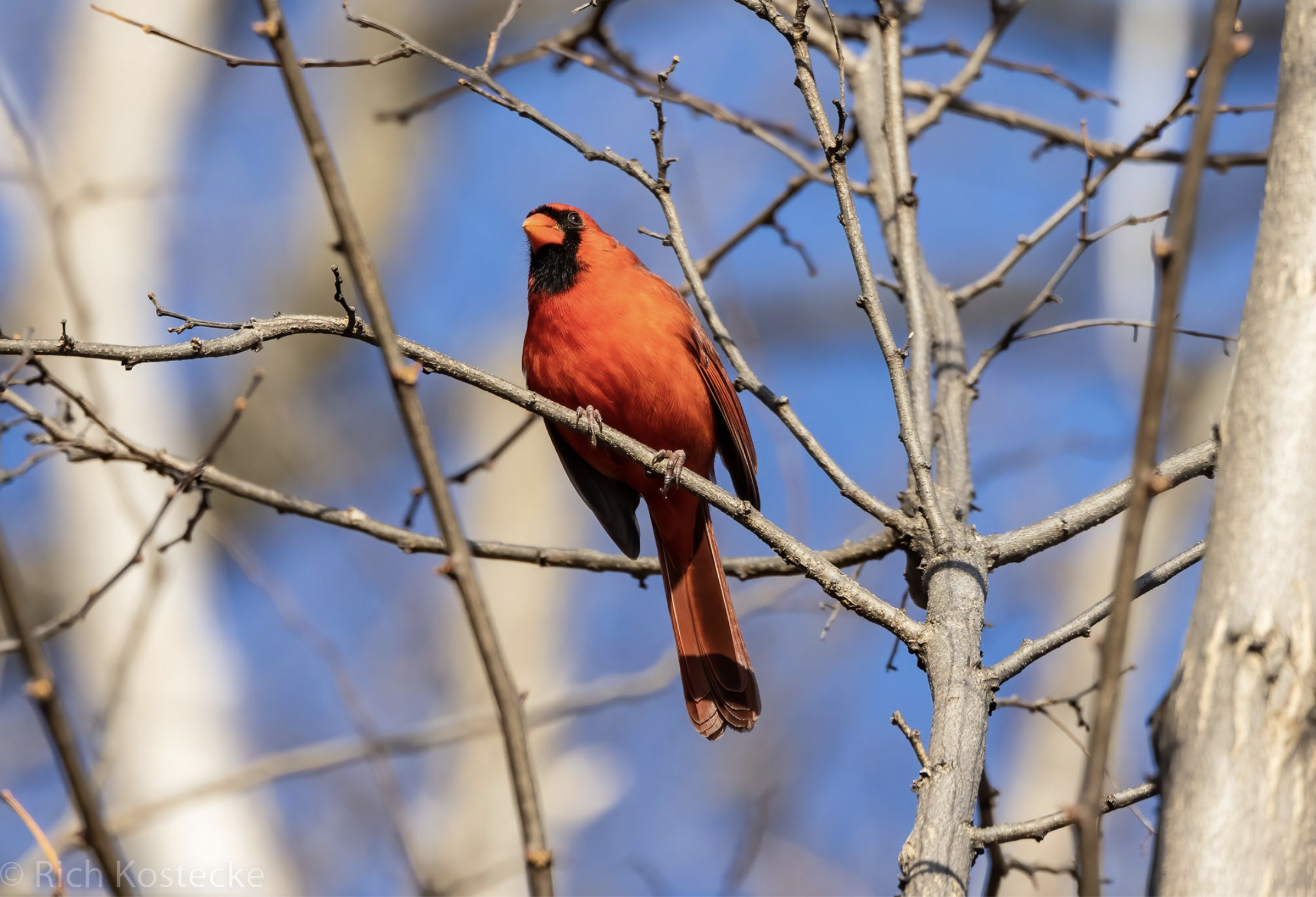
St. Louis, Missouri
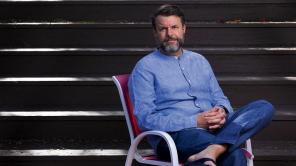
Charles Duhigg at home. PHOTOGRAPH OF CHARLES DUHIGG BY GLENN MATSUMURA
The themes in Charles Duhigg’s work are ones we aim to pay more attention to this year. So, thanks to Jonathan Shaw at Harvard Magazine for this:
Charles Duhigg unpacks how business and finance—and you—really work.
IN THE HISTORY OF stock market rallies and economic recessions, much defies quantitative explanation. Whether looking back on the tulip mania that gripped the Netherlands in the 1630s, or to the present obsession with bitcoin, the decisive role of human behavior fascinates journalist and author Charles Duhigg. Continue reading
Namibia
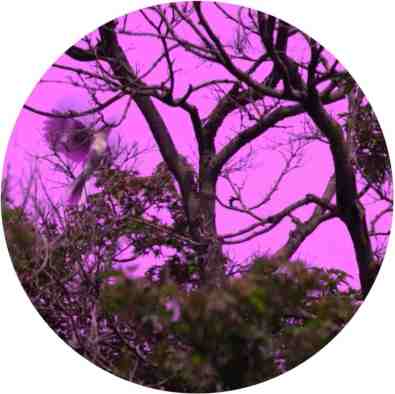
Forget cerulean — a bright, clear sky is actually dominated by ultraviolet light. Humans can’t see ultraviolet light, but many birds can. “Their sky will be essentially an ultraviolet sky,” said Daniel Hanley, a sensory ecologist at George Mason University.
Birds have gotten more attention in our pages than any other person, place or thing since we first started. Today that attention is focused on their sight:
A Bird’s-Eye View of a Technicolor World
Scientists have devised a new video system that reveals how animals see color, and us.
Is the sky truly blue?
Thomson’s Falls Lodge, Kenya

The Royal Caribbean Icon of the Seas cruise ship docked in Miami on Jan. 11. Photographer: Eva Marie Uzcategui/Bloomberg
The “floating hotel” that many people consider the best way to vacation–cruise ships—are not the best environmentally.
 We knew that. Now we know this in addition, thanks to Kendra Pierre-Louis at Bloomberg:
The World’s Largest Cruise Ship Is a Climate Liability
Water slides at the Thrill Island waterpark onboard the Icon of the Seas.Photographer: Eva Marie Uzcategui/Bloomberg
As massive ships like Royal Caribbean’s Icon of the Seas tack on more energy-intensive amenities, emissions from the cruise industry are climbing.
When Royal Caribbean’s Icon of the Seas embarks on its first official voyage on Jan. 27, the journey is sure to make waves. The world’s largest cruise ship, the Icon is over 1,000 feet long (360 meters) and weighs in around 250,000 gross registered tons. It boasts 20 different decks; 40 restaurants, bars and lounges; seven pools; six waterslides and a 55-foot waterfall. Royal Caribbean says its boat will usher in “a new era of vacations.” Continue reading

Juvenile – Leander Khil Photography
Walvis Bay, Namibia
Costco is being urged to cut ties with Citi, the bank that acts as its credit card issuer.
We knew about dirty banking, and now this story from Bill McKibben’s newsletter got us reading about change activism in Progressive Grocer:
Costco Becomes Target of Climate Action Petition
Wholesaler’s credit card issuer Citi is said to have a poor climate record
Costco Wholesale CEO Ron Vachris will receive a petition signed by 40,000 of its shoppers, shareholders and many climate activists on Jan. 17 urging the retailer to drop Citi as its credit card issuer due to the bank’s problematic climate record. Continue reading
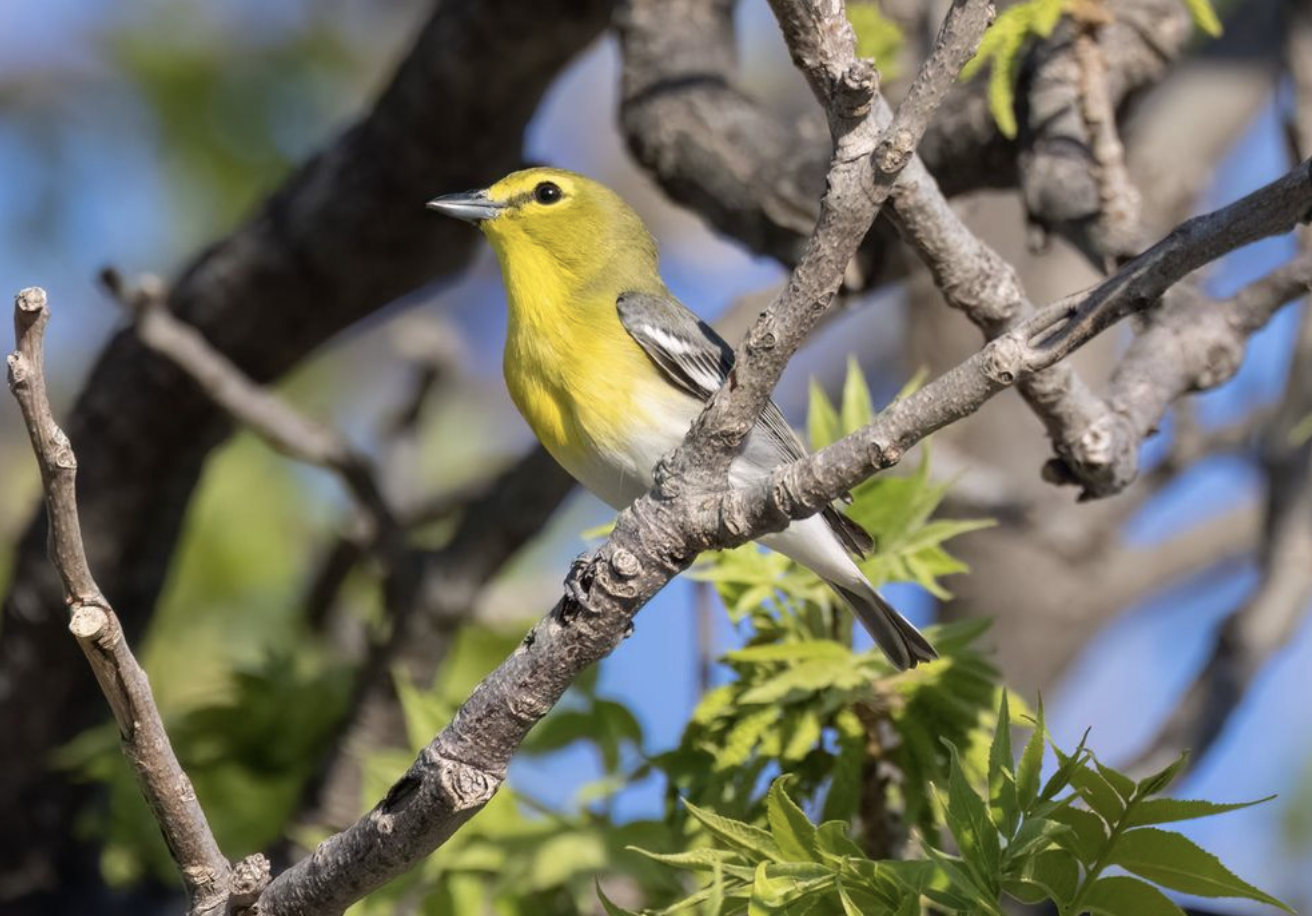
Independence Creek Preserve, Terrell County, TX
A monarch caterpillar on a common milkweed leaf at a solar farm in Minnesota. LEE WALSTON / ARGONNE NATIONAL LABORATORY
We have already linked a couple of times to the multidimensional benefits of solar, and here is another dimension:
At Solar Farms Planted with Native Vegetation, Insects Flourish
To reach its climate goals, the U.S. will need to build solar arrays on some 15,000 square miles of land, an area larger than Maryland. Continue reading

 Organikos