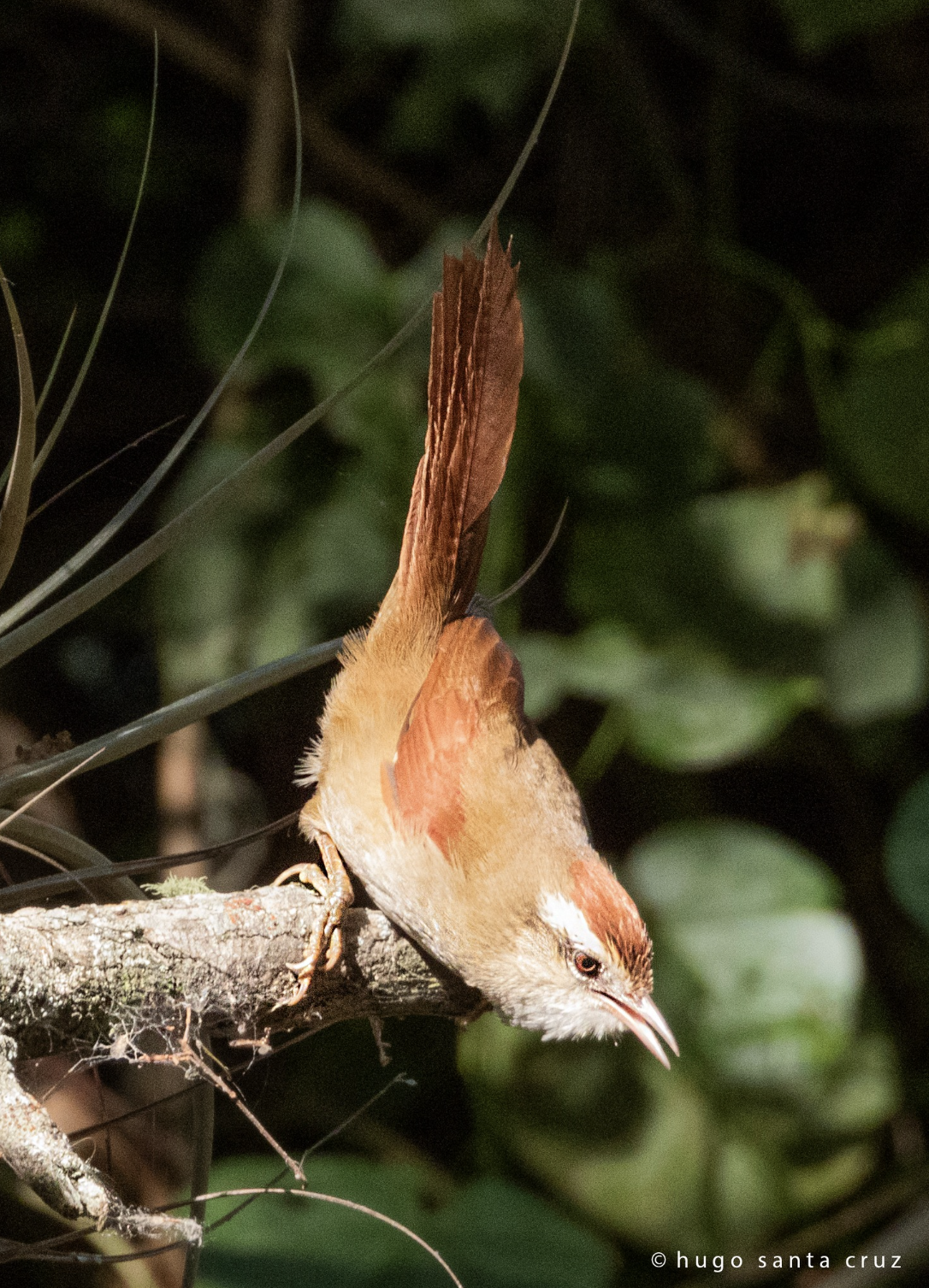
Sacambaya River, La Paz, Bolivia
Sacambaya River, La Paz, Bolivia
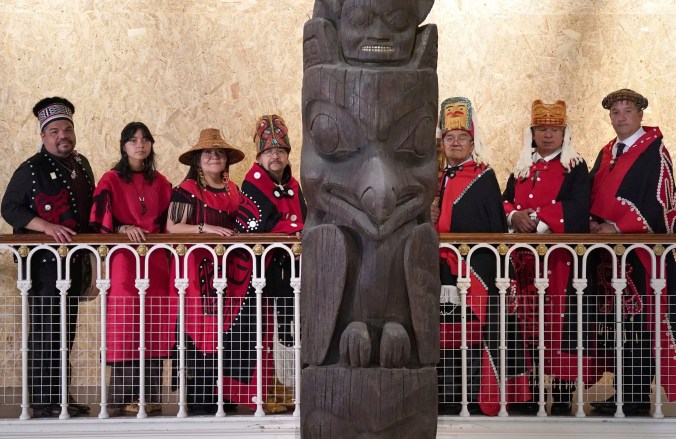
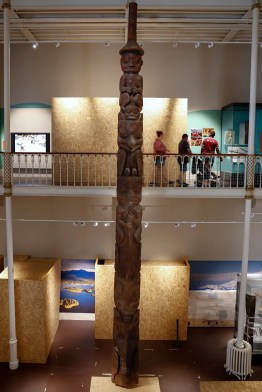
Earl Stephens, who goes by the Nisga’a cultural name Chief Ni’is Joohl, center left, and members of a delegation from the Nisga’a nation pose beside a 36-foot tall memorial pole during a visit to the National Museum of Scotland on Monday. Andrew Milligan/Press Association, via Associated Press
The legitimacy of museums possessing artifacts from other cultures is not inherently dubious, but as the Parthenon marbles example has demonstrated, there are plenty of reasonable questions. This story about a museum’s move to the better side of history is worth a read:
The pole is soon to be moved to British Columbia on the west coast of Canada. Jeff J Mitchell/Getty Images
Totem Pole Taken 94 Years Ago Begins 4,000-Mile Journey Home
The 36-foot tall memorial pole has spent almost a century in a Scottish museum. Now it will be returned to the Nisga’a Nation in Canada.
Almost 100 years ago, a hand-carved totem pole was cut down in the Nass Valley in the northwest of Canada’s British Columbia.
The 36-foot tall pole had been carved from red cedar in the 1860s to honor Ts’wawit, a warrior from the Indigenous Nisga’a Nation, who was next in line to become chief before he was killed in conflict. Continue reading
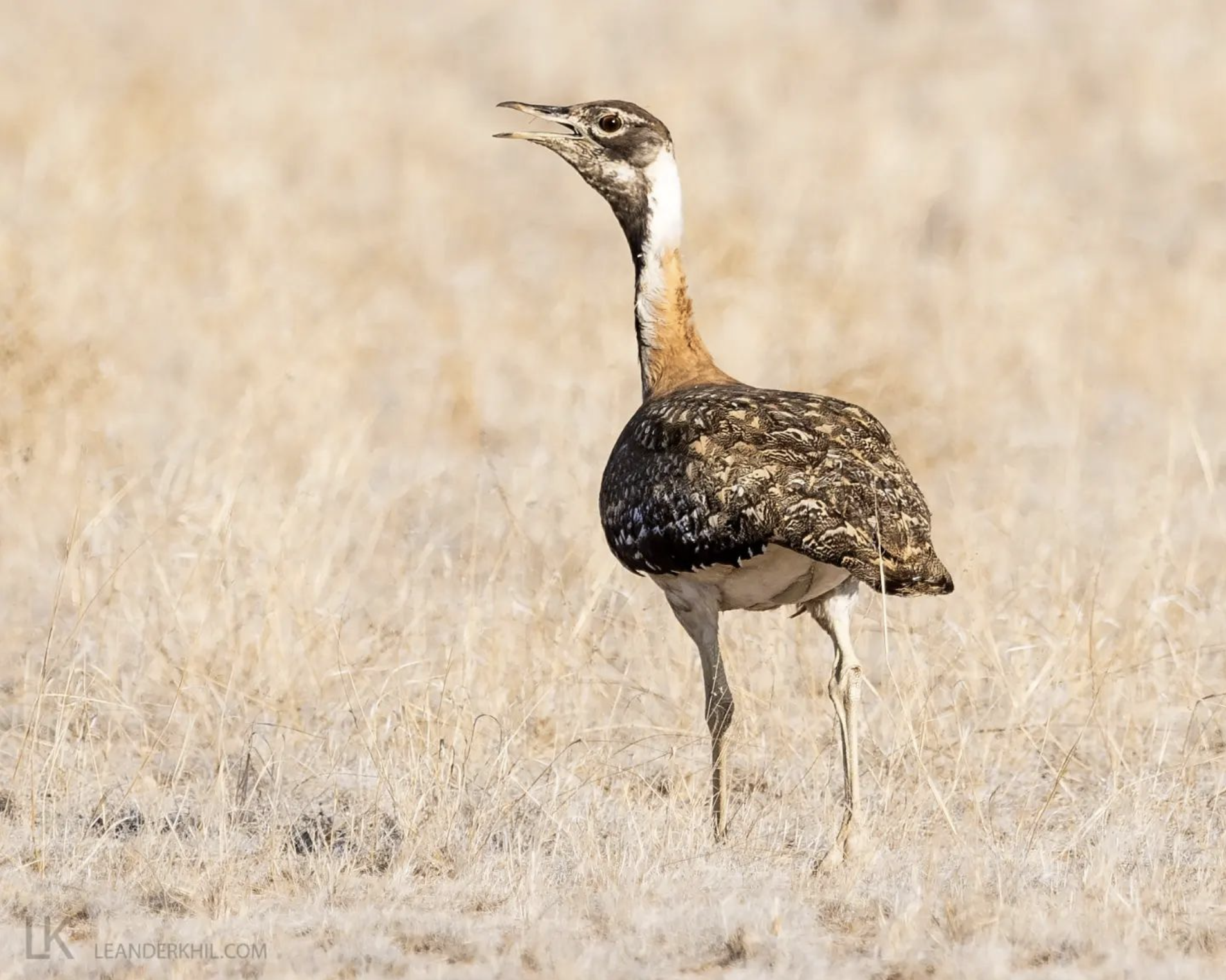
Namibia

I rarely read comments from other readers on articles, but for some reason I did on this one; they are almost as interesting as the article itself:
For Migrating Birds, It’s the Flight of Their Lives
America’s birds are in trouble. Since 1970, nearly 3 billion birds have vanished from the skies over North America. Continue reading
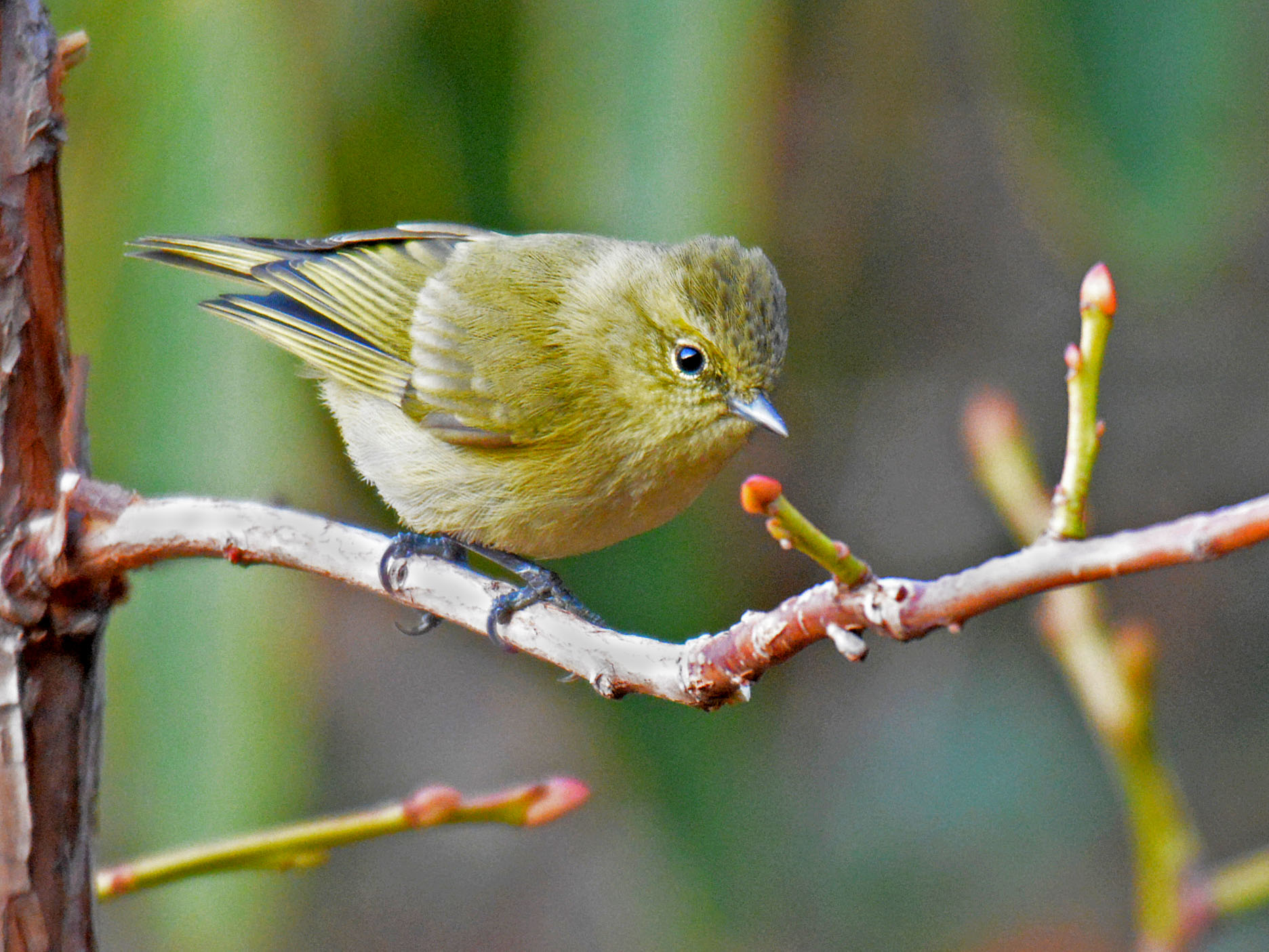
Kumaon Hills, Uttarakhand
Sapo National Park in Liberia. Under a deal now being negotiated, Blue Carbon would sell carbon credits from the park. EVAN BOWEN-JONES / ALAMY STOCK PHOTO
For the decade during which the market for carbon credits has been on our radar, concerns about credibility have been lurking. Now this:
In New Scramble for Africa, an Arab Sheikh Is Taking the Lead
A company established by a Dubai sheikh is finalizing agreements with African nations to manage vast tracts of their forests and sell the carbon credits. Critics are concerned the deals will not benefit Africans and will just help foreign governments perpetuate high emissions.
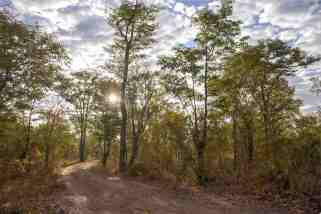
A forest in Mbire, Zimbabwe that is generating carbon credits. Blue Carbon has signed a memorandum of understanding with Zimbabwe to sell carbon credits from its woodlands. CYNTHIA R. MATONHODZE / BLOOMBERG VIA GETTY IMAGES
A prominent sheikh in the oil-rich Gulf state hosting this year’s UN climate negotiations, COP28, is heading a new rush to capture and sell carbon credits by managing tens of millions of acres of forests across Africa. Sheikh Ahmed Dalmook Al Maktoum, a member of the royal family of Dubai, which is part of the United Arab Emirates (UAE), wants to sell those credits to rich governments in the Gulf and elsewhere, so they can offset their carbon emissions to help them meet their carbon pledges under the 2015 Paris Agreement. Continue reading
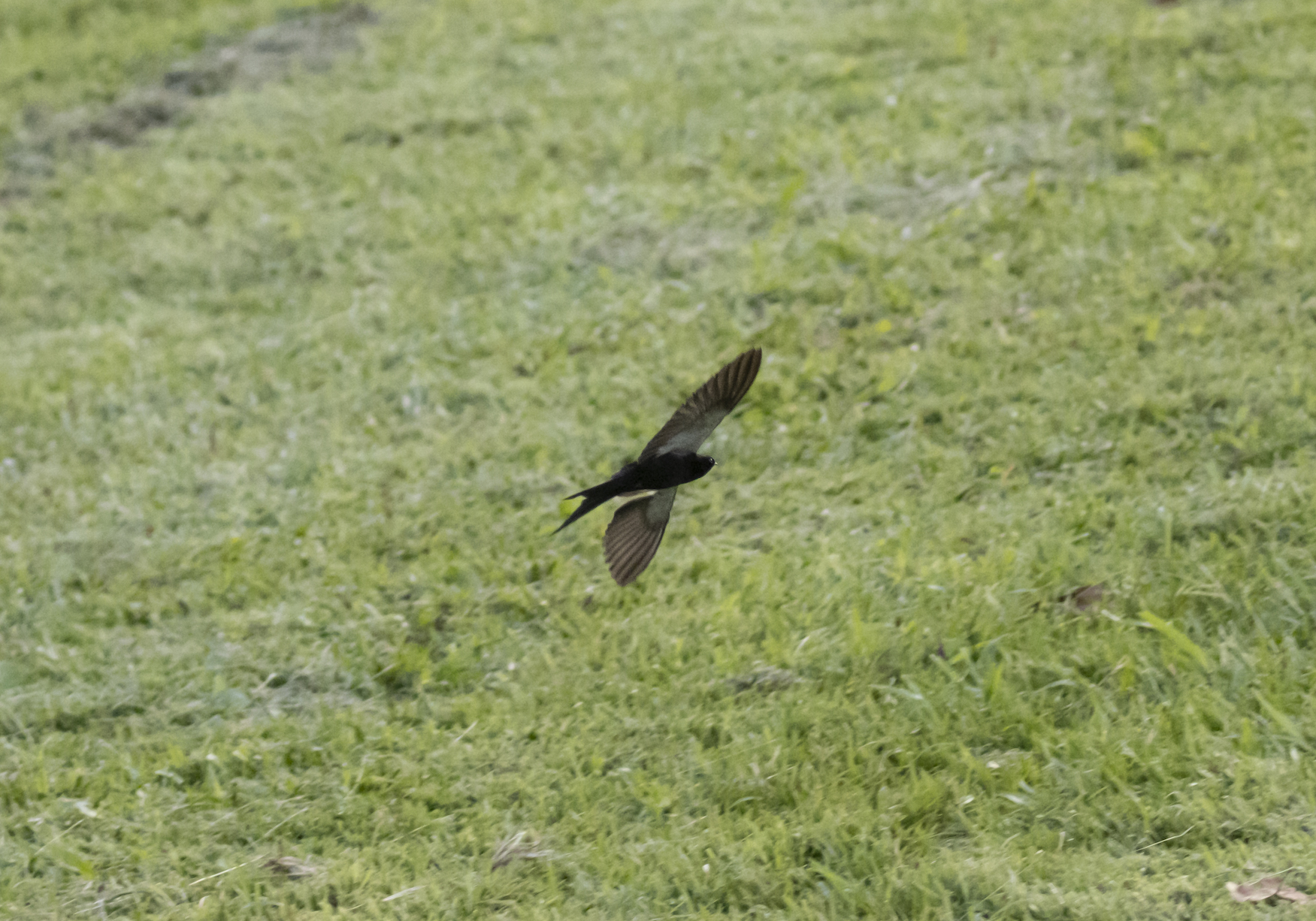
Yaoundé, Cameroon

Not all natural resource utilization problems are simply a matter of pricing the resource correctly. But clearly it matters. Water hogging is apparently more widespread than we thought, and the price is clearly not right on this resource. This first in a series on the causes and consequences of disappearing water, by Mira Rojanasakul, Christopher Flavelle, Blacki Migliozzi and Eli Murray, has excellent interactive features to help understand these challenges:
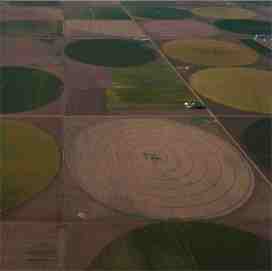
Center-pivot irrigation. Farming is a major groundwater user. Loren Elliott for The New York Times
America Is Using Up Its Groundwater Like There’s No Tomorrow
Overuse is draining and damaging aquifers nationwide, a New York Times data investigation revealed.
GLOBAL WARMING HAS FOCUSED concern on land and sky as soaring temperatures intensify hurricanes, droughts and wildfires. But another climate crisis is unfolding, underfoot and out of view.
Most American communities also rely on wells for tap water. Rebecca Noble for The New York Times
Many of the aquifers that supply 90 percent of the nation’s water systems, and which have transformed vast stretches of America into some of the world’s most bountiful farmland, are being severely depleted. These declines are threatening irreversible harm to the American economy and society as a whole.
The New York Times conducted a months-long examination of groundwater depletion, interviewing more than 100 experts, traveling the country and creating a comprehensive database using millions of readings from monitoring sites. Continue reading
Finca Los Tarrales, Guatemala

If you click on the image above you will experience through a short video what can happen when technically skilled map-makers, using GIS, combine forces with scholars of antiquity. Better yet, go straight to the software they have created. In advance of travel commemorating 40 years since two of us met, my daily omnivorous media diet brought me to Dipylon, via a profile by Nick Romeo, which I highly recommend (to better understand the origins and workings of Dipylon) whether or not you are planning to visit Athens:
Illustration by Eleni Kalorkoti
The Hidden Archeologists of Athens
By collecting long-forgotten archeological data, a new project reveals the researchers who toiled unrecognized.
In Don DeLillo’s 1982 novel “The Names,” an American businessman living in Athens can’t quite bring himself to visit its most iconic monument. “For a long time I stayed away from the Acropolis,” he says. Continue reading
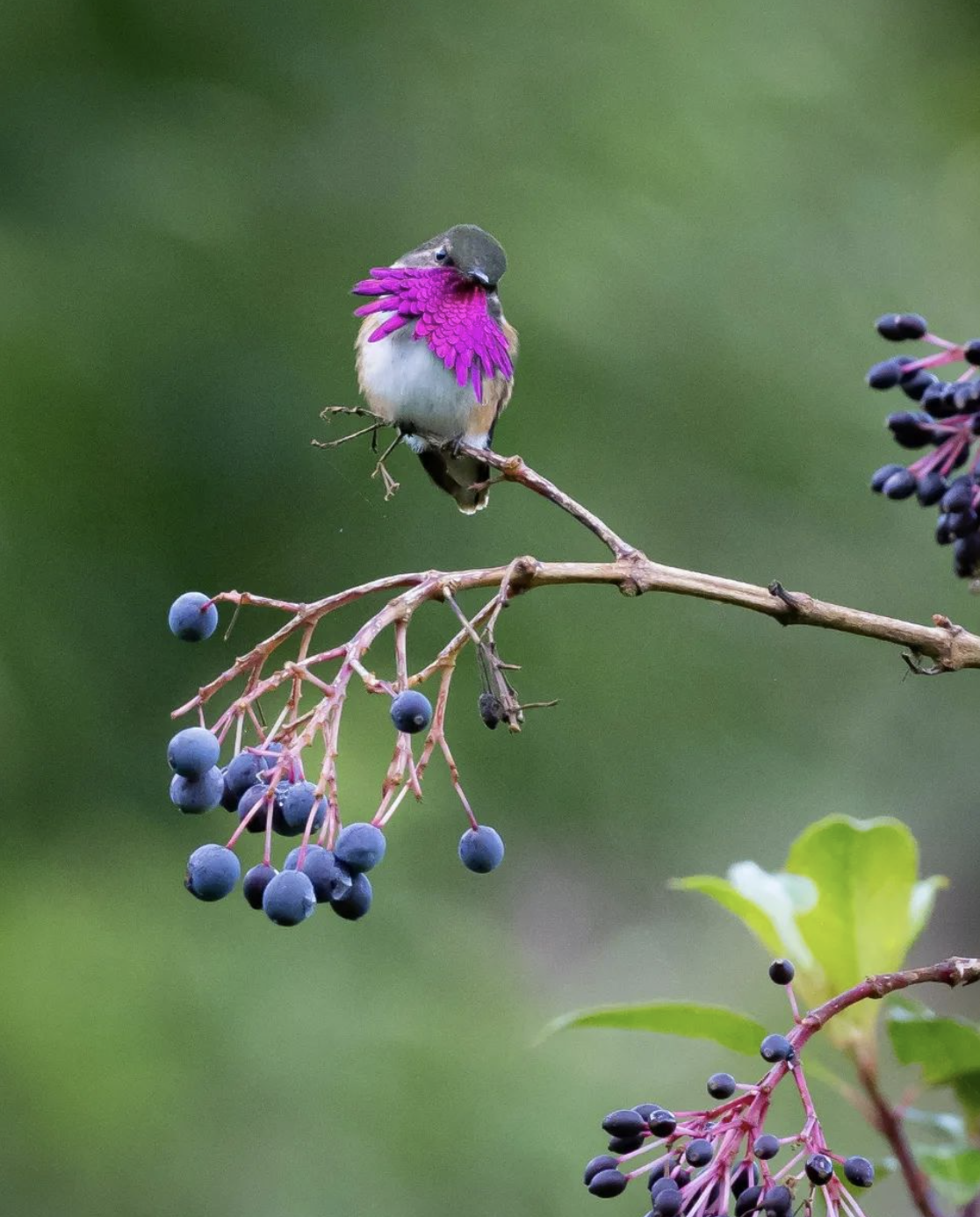
Santiago de Atitlan, Guatemala

A huge field of pineapples in Maui, Hawaii. The extensive use of pesticides on Maui’s pineapple fields poisoned nearby water wells. Photograph: David Olsen/Alamy
In addition to helping understand how fire came to ravage a Hawaiian island, this article’s highlighting of water hogs makes the case obvious that water is an underpriced, therefore undervalued natural resource, so it gets wasted:
A sugar mill in Hawaii. Photograph: University of Southern California and California Historical Society
Land privatization and water depletion set the stage for the Lahaina fire 150 years ago. Now, land companies may benefit even more
In the late 18th century, when the Hawaiian Kingdom became a sovereign state, Lahaina carried such an abundance of water that early explorers reportedly anointed it “Venice of the Pacific”. A glut of natural wetlands nourished breadfruit trees, extensive taro terraces and fishponds that sustained wildlife and generations of Native Hawaiian families. Continue reading
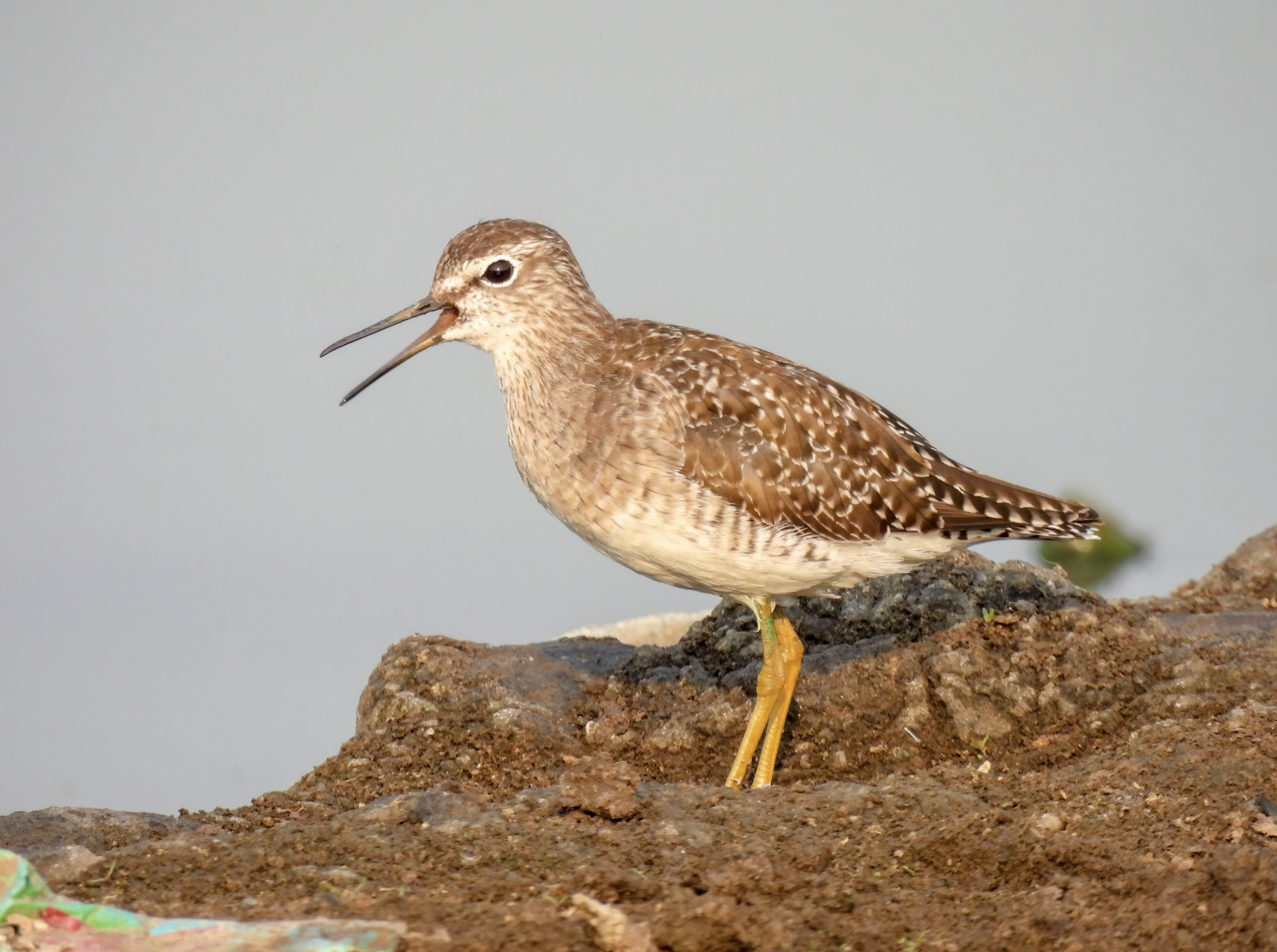
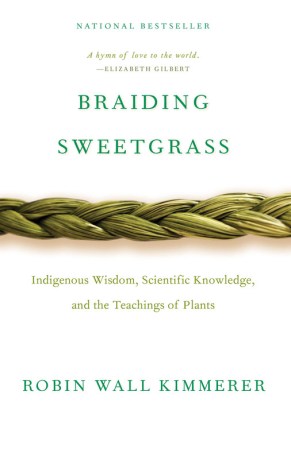 My daily news scanning, reading and listening diet are fairly omnivorous, but I am constantly reminded of how much I miss. This sounds like a book I should have read in 2015 when it was first published, but instead I only heard about it this morning. Listening to the author talk about it, I learned that she lives where I lived when I was a boy, in a region where my family history is partly rooted; the same region where I spent seven years to get to an idea that has guided my work ever since; where both our sons and our grand daughter were born. Which is to say, as she talks about nature in that conversation, I know that particular nature. Which is to say, I will find this book.
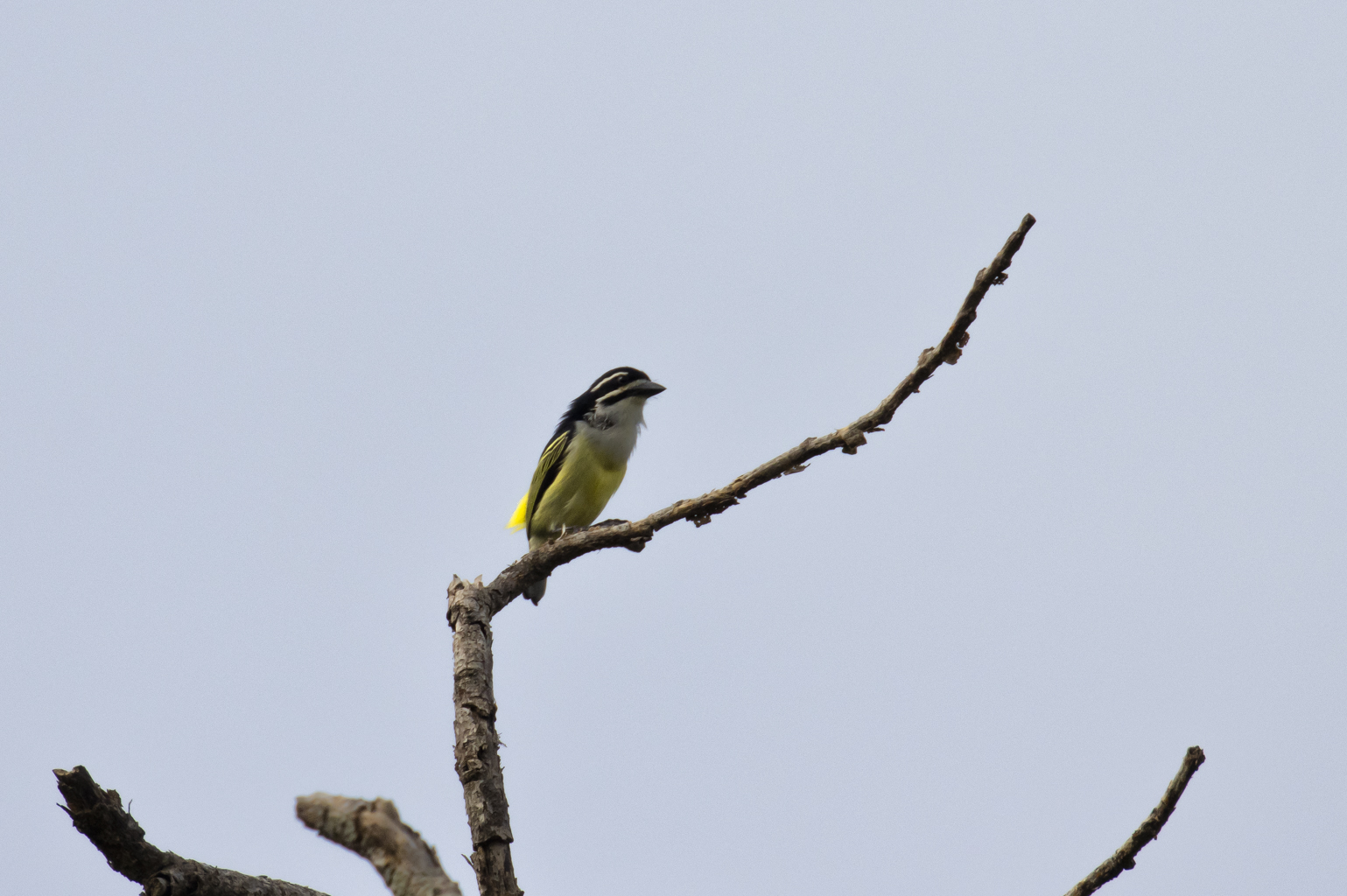
Shai Hills Resource Reserve, Ghana
 The Economist’s explanation (subscription required) is clear:
Superbatteries will transform the performance of EVs
Provided manufacturers can find enough raw materials to make them
Asked what they most want from an electric car, many motorists would list three things: a long driving range, a short charging time and a price competitive with a similarly equipped vehicle that has an internal-combustion engine. Continue reading
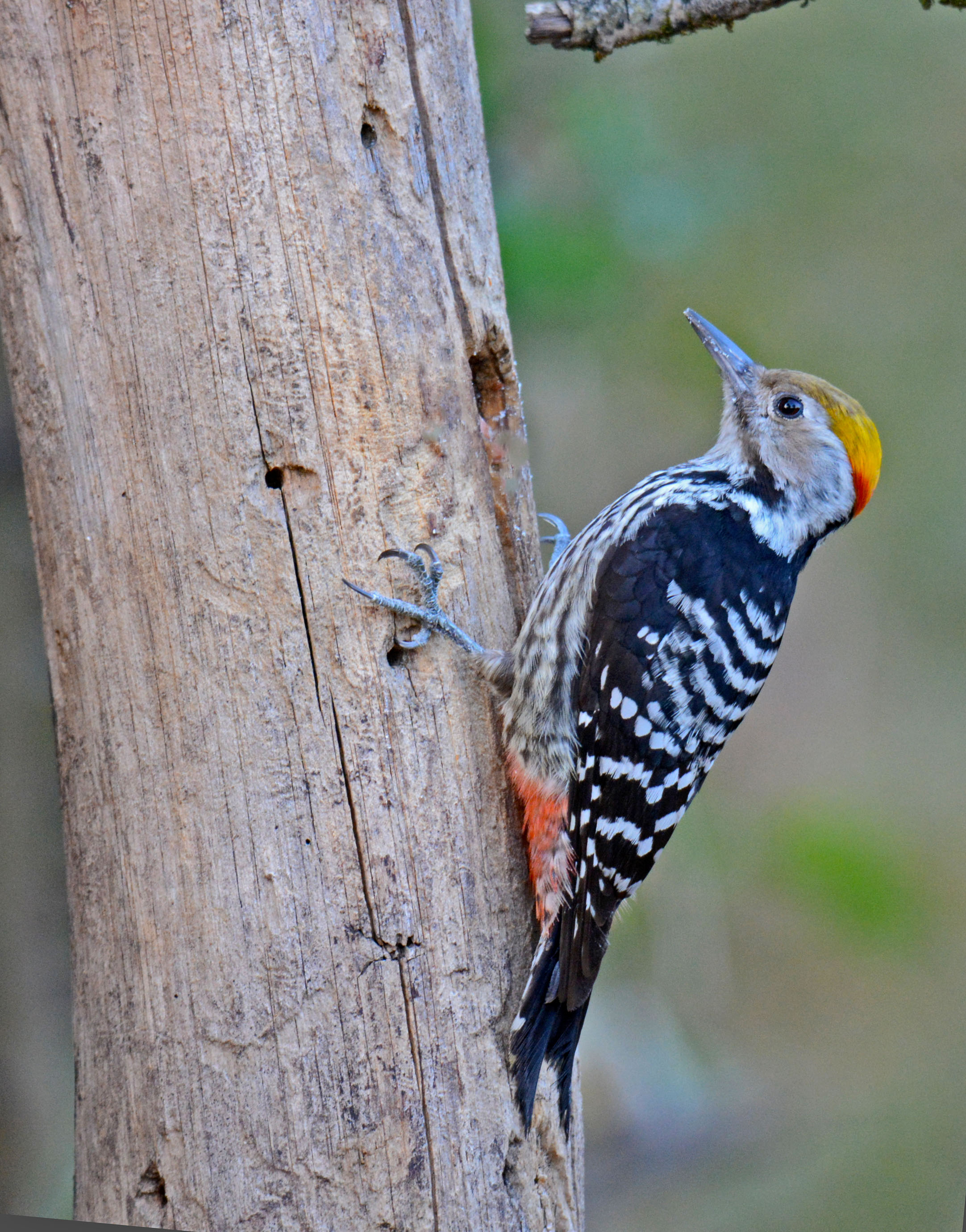
Kumaon Hills, Uttarakhand
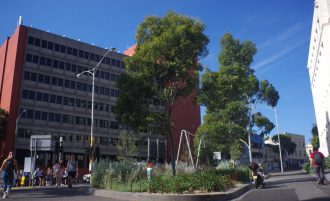
A small patch of native plants in Melbourne, Australia, draws native insects. MATA, ET AL.
Thanks to Yale e360 for this short story on small wonders:
Even a Small Patch of Native Greenery Can Give a Big Boost to Local Insects
In cities, a little native greenery can go a long way. Australian scientists found that, after adding native shrubs to a planting in Melbourne, the number of insect species at the site increased sevenfold. Continue reading
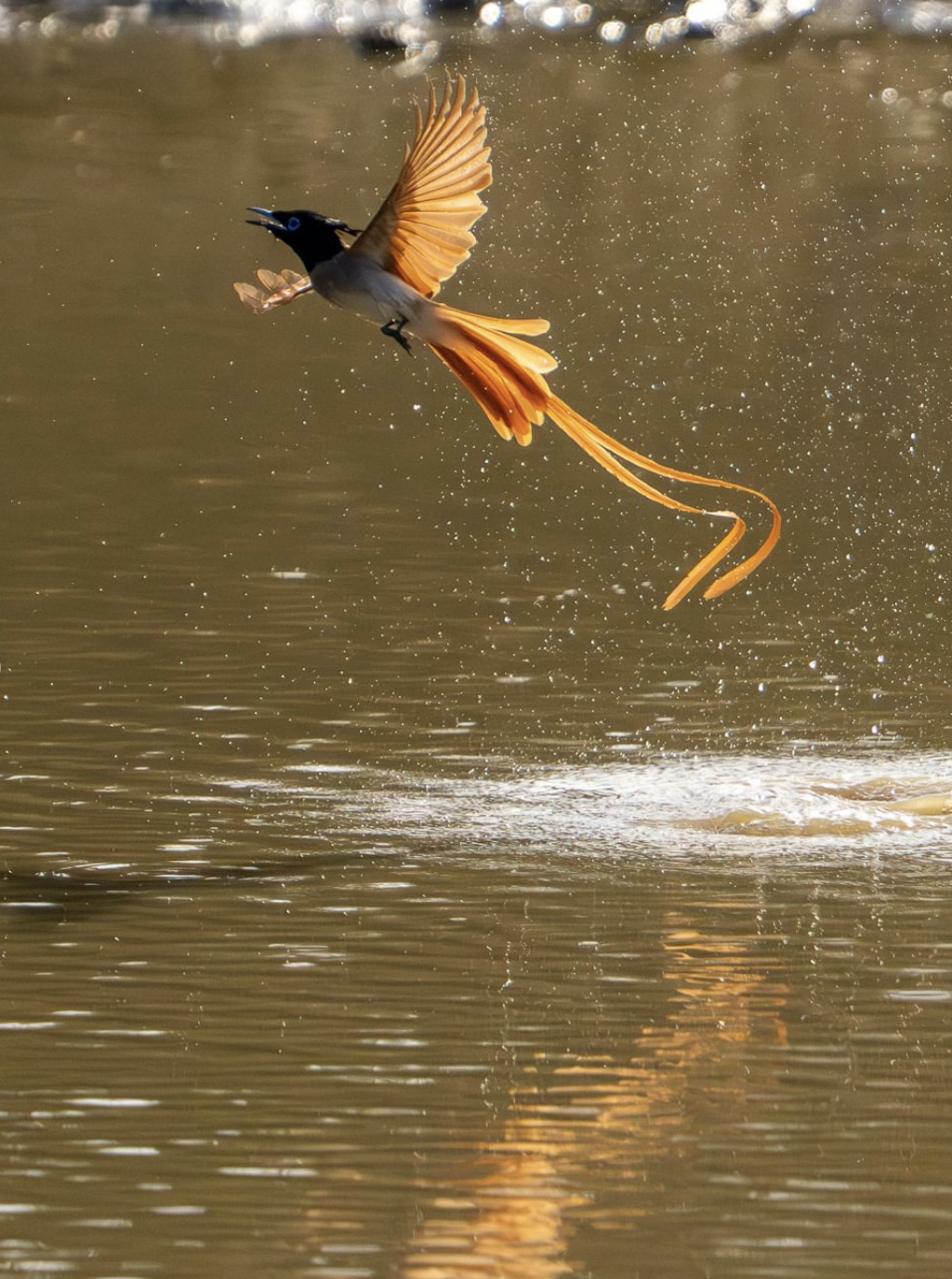
Adult male – Cinnamon morph coloration
Panna Tiger Reserve, Madhya Pradesh
Thanks to National Public Radio (USA) for bringing this to our attention:

Members of the Chumash tribe have pushed for a decade to create a new marine sanctuary. If created, it would be the first to be designated with tribal involvement from the outset. Robert Schwemmer/NOAA
Biden proposes vast new marine sanctuary in partnership with California tribe
The Biden administration is one step away from designating the first national marine sanctuary nominated by a tribe. The Chumash Heritage National Marine Sanctuary would protect 5,600 square miles of ocean off the central California coast, an area known for its kelp forests, sea otters and migratory whales. Tribal members of the Chumash, who have lobbied for its creation for more than a decade, would be involved in managing it…

The First Tribally Nominated Sanctuary
Preserving marine and cultural resources along 156 miles of Central California Coastline
Estimated to generate $23 million in economic activity and create 600 new jobs
Will safeguard the Central Coast from offshore oil expansion and other threats


 Organikos