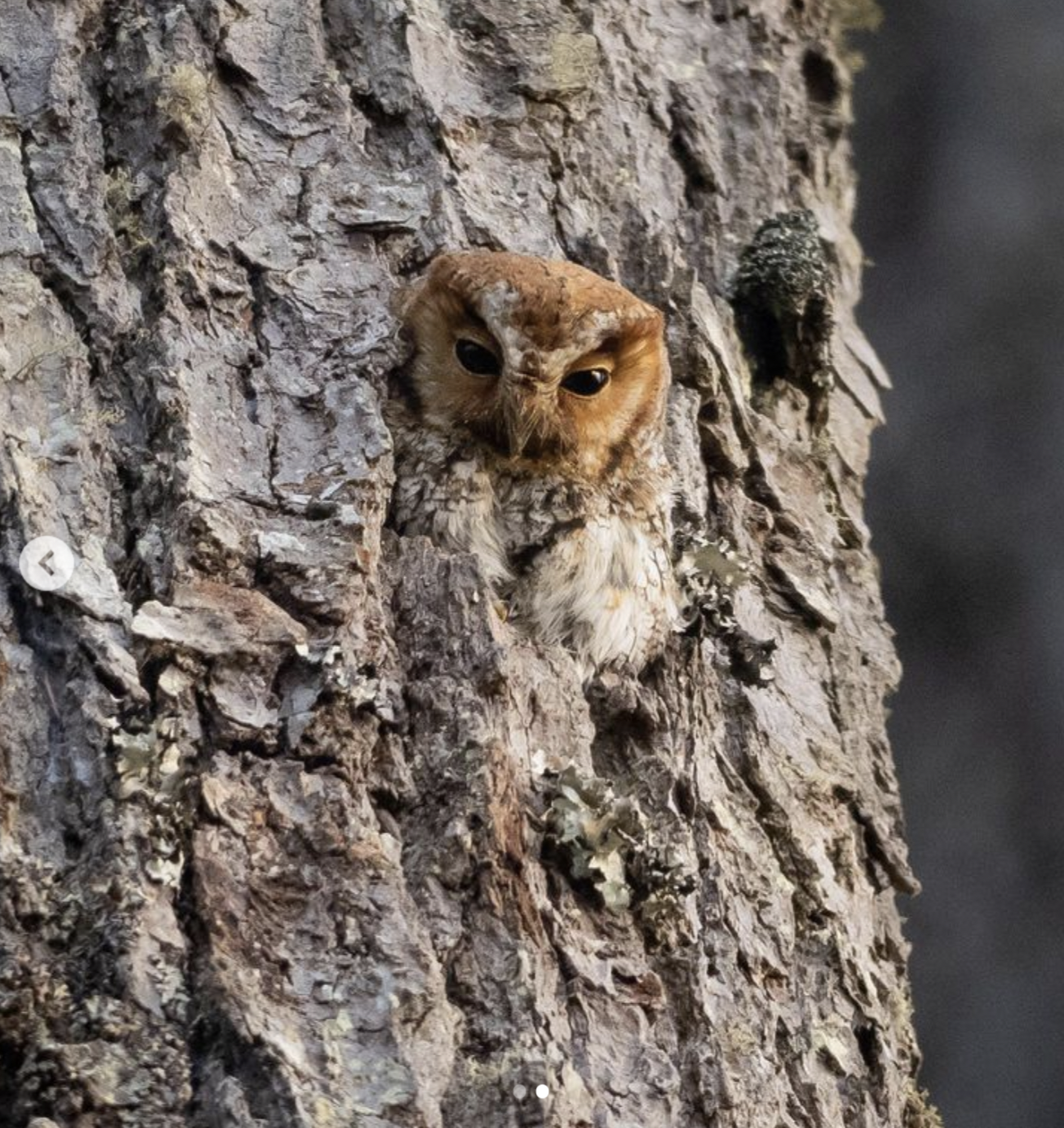
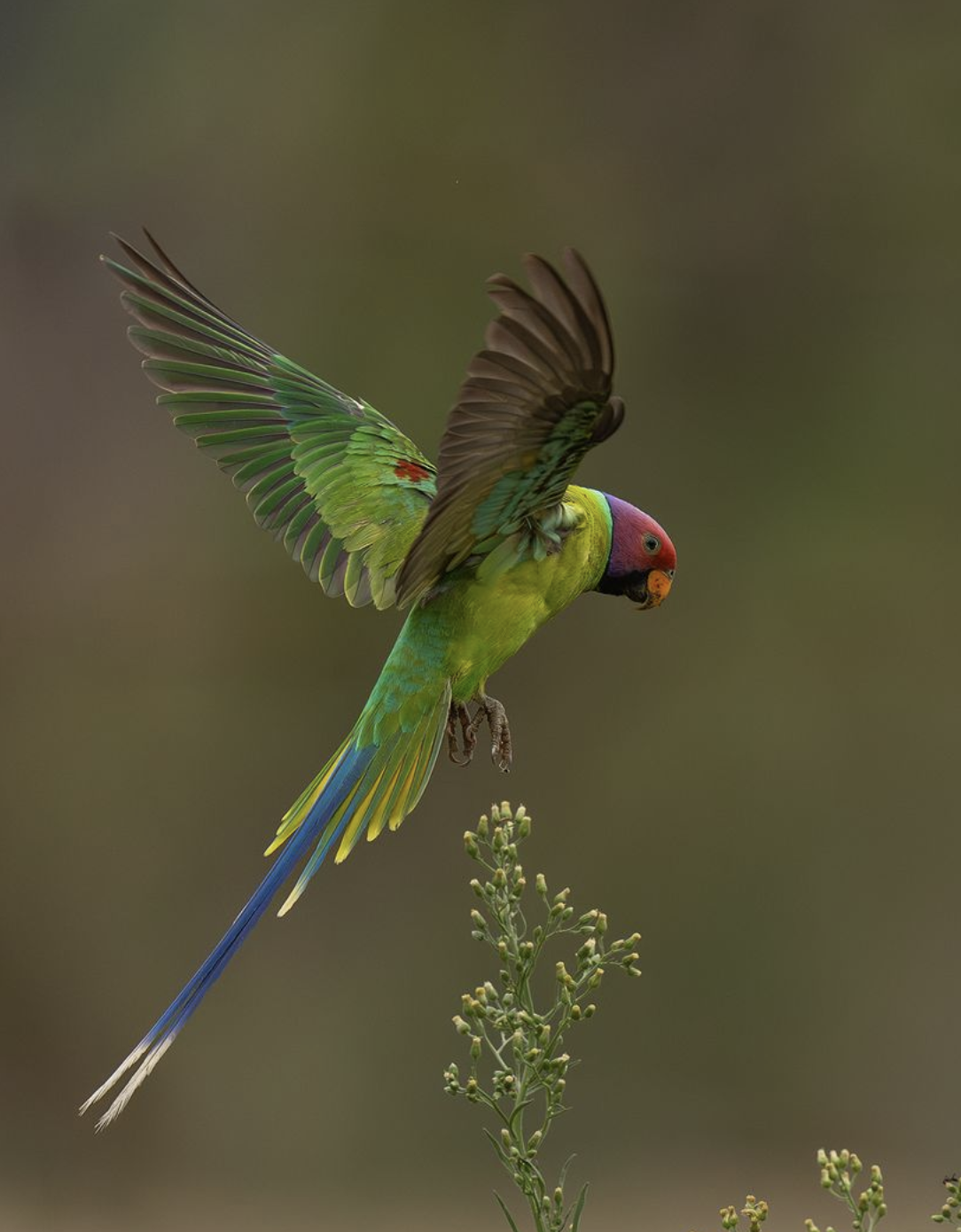
rare migratory species in Guatemala
Huehuetenango, Guatemala
rare migratory species in Guatemala
Huehuetenango, Guatemala

Illustration by Benoit Leva
Yesterday a writer, whose care for nature is as famous as his books are popular, posted this:
To succeed—to get people to care about preserving the world—it can’t be only about nature.
The Bible is a foundational text in Western literature, ignored at an aspiring writer’s hazard, and when I was younger I had the ambition to read it cover to cover. After breezing through the early stories and slogging through the religious laws, which were at least of sociological interest, I chose to cut myself some slack with Kings and Chronicles, whose lists of patriarchs and their many sons seemed no more necessary to read than a phonebook. Continue reading
Sanaga River, Cameroon
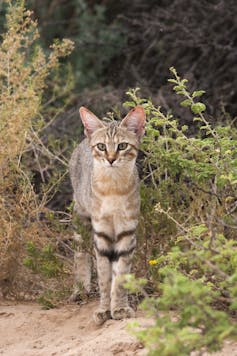
Wild cats were a big part of our life in Belize, when our business included operating a lodge in the northwest of the country. As a “cat person” I appreciate this evolutionary biologist walking me through the adaptation from wild cats to domesticated:
An African wildcat doesn’t look so different from a domestic cat. pum_eva/iStock via Getty Images Plus
Cats first finagled their way into human hearts and homes thousands of years ago – here’s how
A few years ago, I had the opportunity to go on safari in southern Africa. One of the greatest thrills was going out at night looking for predators on the prowl: lions, leopards, hyenas.
As we drove through the darkness, though, our spotlight occasionally lit up a smaller hunter – a slender, tawny feline, faintly spotted or striped. The glare would catch the small cat for a moment before it darted back into the shadows. Continue reading

Hotel Quelitales, Cartago, Costa Rica
 This book comes with a strong pitch by Bill McKibben. It came to my attention while reading this profile by Andrew Marantz. Full of ambiguity, about a balancing act between privilege inherited from fossil fuel wealth and sincere commitment to solidarity movements, what follows is entirely worth the read to get to the last paragraph (which only works if you have made it through the entire text):
What Should You Do with an Oil Fortune?
The Hunt family owns one of the largest private oil companies in the country. Leah Hunt-Hendrix funds social movements that want to end the use of fossil fuels.
“Leah was clearly preoccupied with how a person of extreme privilege can live responsibly in the world,” her Ph.D. adviser said. Photograph by Platon for The New Yorker
Let’s say you were born into a legacy that is, you have come to believe, ruining the world. What can you do? You could be paralyzed with guilt. You could run away from your legacy, turn inward, cultivate your garden. If you have a lot of money, you could give it away a bit at a time—enough to assuage your conscience, and your annual tax burden, but not enough to hamper your life style—and only to causes (libraries, museums, one or both political parties) that would not make anyone close to you too uncomfortable. Or you could just give it all away—to a blind trust, to the first person you pass on the sidewalk—which would be admirable: a grand gesture of renunciation in exchange for moral purity. But, if you believe that the world is being ruined by structural causes, you will have done little to challenge those structures. Continue reading

Kumaon Hills, Uttarakhand
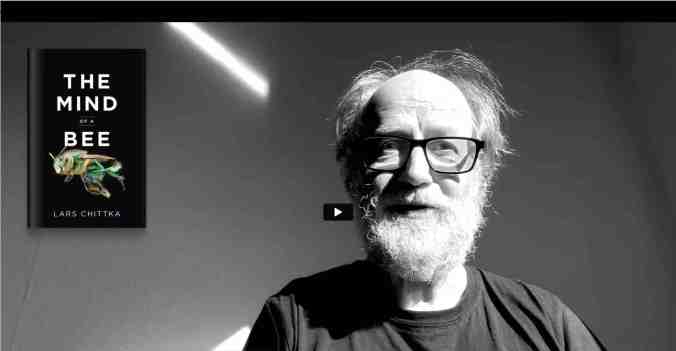
Bees’ brains are always of interest, and both the publisher below and the author above makes a good case for why this book matters:
Most of us are aware of the hive mind—the power of bees as an amazing collective. But do we know how uniquely intelligent bees are as individuals? In The Mind of a Bee, Lars Chittka draws from decades of research, including his own pioneering work, to argue that bees have remarkable cognitive abilities. He shows that they are profoundly smart, have distinct personalities, can recognize flowers and human faces, exhibit basic emotions, count, use simple tools, solve problems, and learn by observing others. They may even possess consciousness. Continue reading

Granger Lake Friendship Park, TX
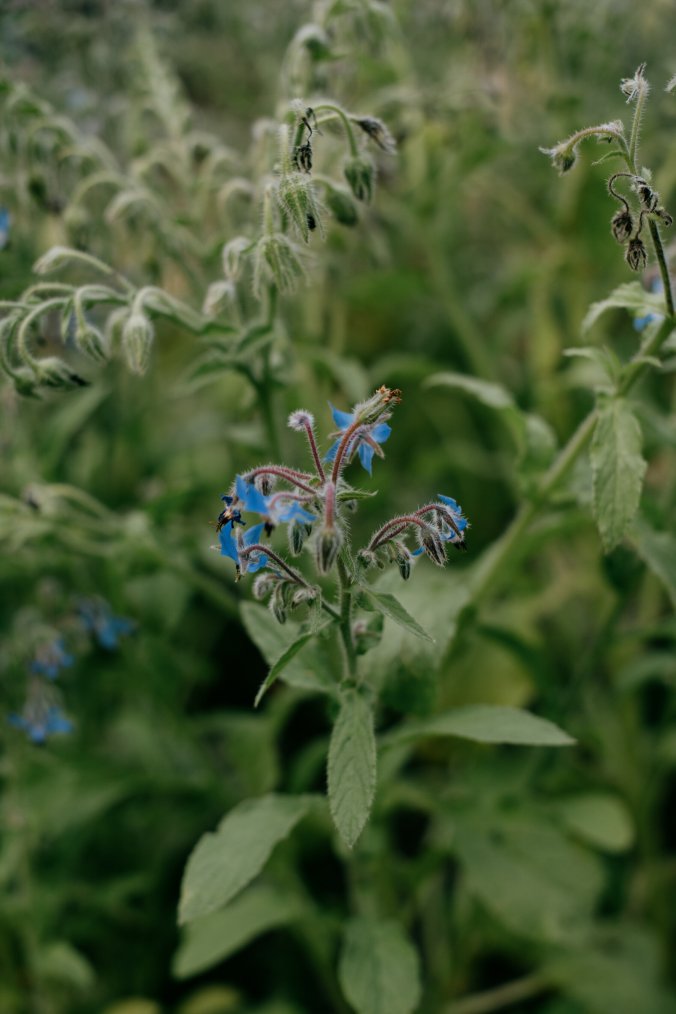
Borage
The thoughts and images in this article inspire pre-dawn work on that soil I mentioned yesterday. We do not have the heat here that she does there, but the nudge to go out in the dark is welcome. My attention has been solely focused on regeneration below for the coffee that once thrived above ground. Time to start thinking of accent colors and other edibles:
Stokes asters
What You Discover When You Garden at Night
Daytime heat forced a writer with a green thumb to change her routine. She found unexpected pleasures.
When it’s too hot to garden during the day, what is there to do but garden at night? Neither floppy hat nor gobs of sunscreen will lure me into the glare of a hot and humid, possibly record-breaking, 90-plus-degree day. Or, as our local meteorologist reports: one with a heat index of 103. So instead, I venture out into the garden after dinner, dogs in tow, surveying the raised beds in the coolness of evening.
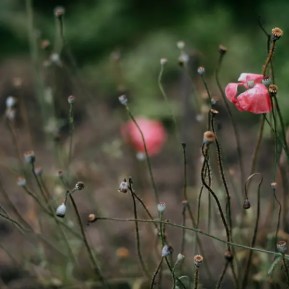
Poppies that have gone to seed, bringing to mind “the coming glory of red, white, and pink blooms” next season.
I carry a basket full of seeds, green string to tie the tomatoes higher, and wooden stakes and black markers to record once again what I have sown, some new crops and others a repeat of those planted earlier in the season. It is midsummer now and the lettuce, radishes, and shallots are fading, but the basil and tomatoes, beans and zucchini are finally coming into their own. A little more rain and warmth and I will be able to make my first tomato sandwich, one of the driving forces, no doubt, behind planting a vegetable garden. Continue reading
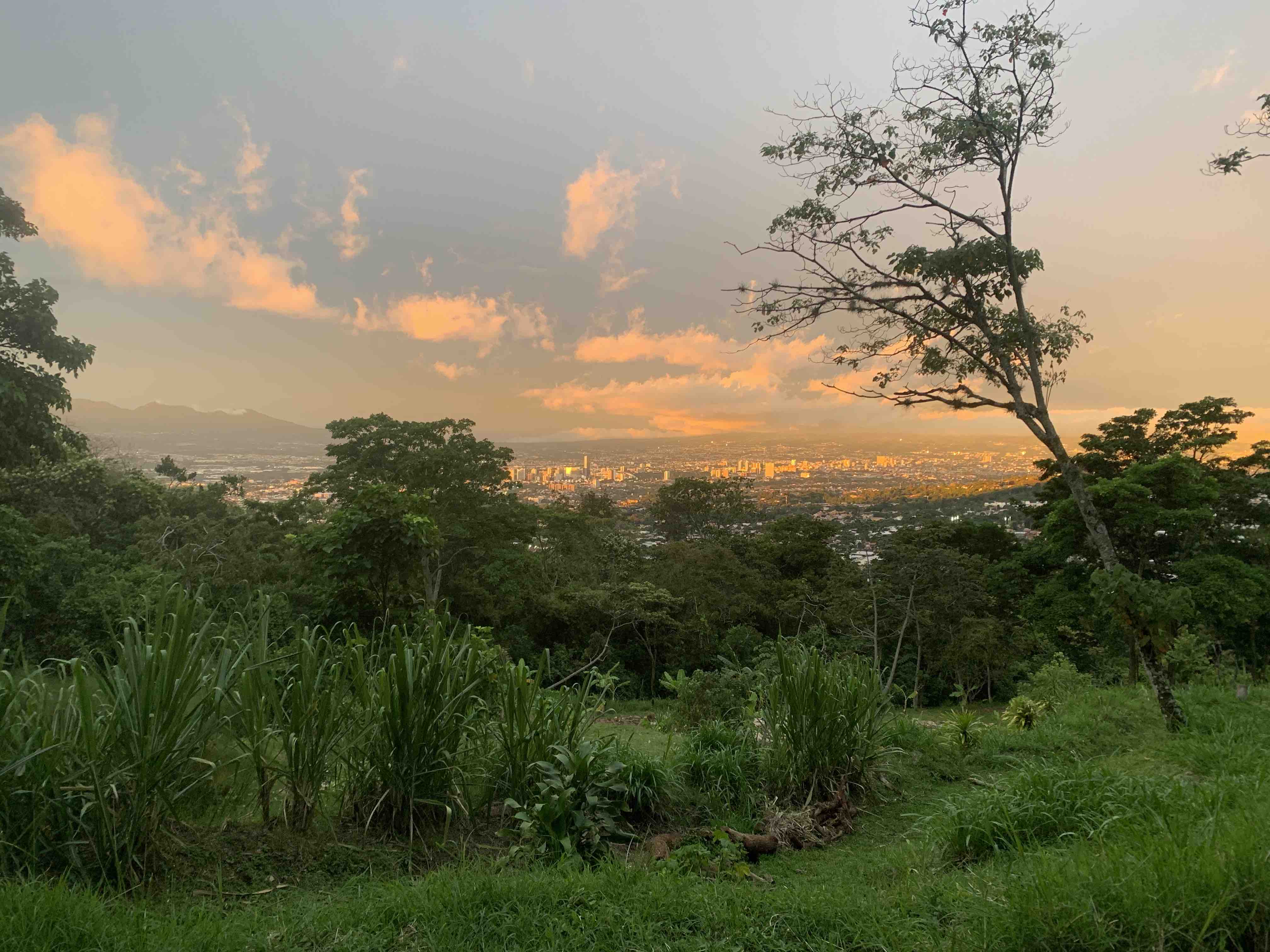
Organikos soil regeneration view from above, early Tuesday morning
When we started the berm where the sugarcane grows now, we knew we had a multi-year project ahead of us. This morning, before the sun had risen enough to shine on the land, I snapped the photo above, looking down on the acreage where we have planted more than 100 trees to provide shade for coffee we will plant in the near future. Besides all that, plenty of good ideas for how and why to regenerate the quality of the soil on that land; here’s some more:

A springtail crawls over snail eggs. ANDY MURRAY
Nearly Two-Thirds of All Species Live in the Ground, Scientists Estimate
Soils are more rich in life than coral reefs or rainforest canopies, providing a home to nearly two-thirds of all species, according to a sprawling new analysis. Continue reading
The Lost Tinamou Nature Preserve, Guatemala
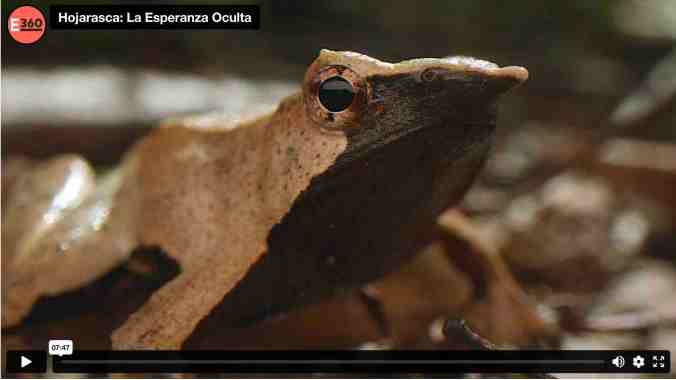
We first noticed this film contest three years ago, and have followed it since. The 3rd-place winner of this year’s film contest was made in the Huilo Huilo Biological Reserve, habitat of the endangered species pictured above. In 2009 I was in the middle of a two-year work engagement in southern Chile. During the middle of that year Amie, as well as Seth and Milo, were able to join me for a few months and we spent time in this reserve. I am happy to be reminded:
In a Chilean Forest Reserve, the Remarkable Darwin’s Frog Endures
Four emerging filmmakers from Latin America collaborated to film Darwin’s frog and the biologist who studies the endangered species in Chile’s Huilo Huilo Biological Reserve. “Hojarasca: The Hidden Hope” is the Third-Place Winner of the 2023 Yale Environment 360 Film Contest.
Worldwide, amphibians are going extinct — victims of habitat loss, climate change, pollution, and fungal diseases. Continue reading
Ndjeke, Cameroon

L GORE SPEAKS AT TED COUNTDOWN SUMMIT. JULY 11-14, 2023, DETROIT, MI. PHOTO: GILBERTO TADDAY / TED
Air quotes, sometimes called scare quotes, are embracing two words in the title of this post because we remain ambivalent about optimism related to climate change. But this article, which we missed last month, points to a video that gives more context:
Uplifting Climate Change Good News — According To Al Gore
Former U.S. Vice President Al Gore has been a huge player in the fight against climate change for as long as most of us can remember. As the founder and current chair of the Climate Reality Project, he has dedicated his life to climate action. Continue reading

Llano River, TX
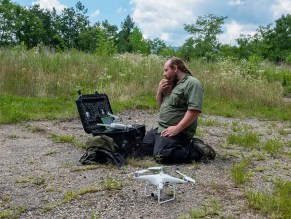
Junior Walk of Coal River Mountain Watch in Naoma, West Virginia, prepares his drone to fly near a reclaimed surface mine in Edwight. Roger May/The Guardian
Mother Jones shares a story we missed in its original publication:
One Man’s Aerial Crusade Against West Virginia’s Coal Industry
Citizen vigilante uses his drone to expose polluters—”I don’t have a lot of friends around here.”
Coal has stalked Junior Walk his entire life.
Valencia, Spain
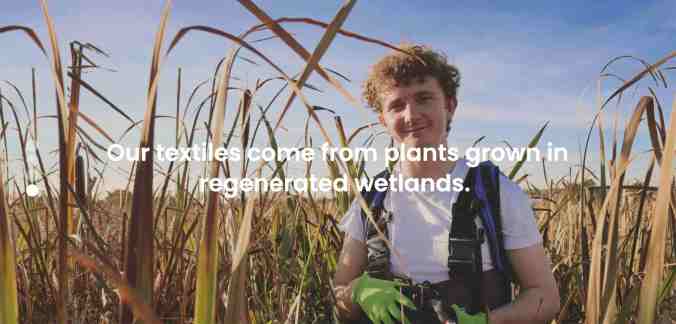
The first and last time some of us heard the word bullrush was with regard to baby Moses. That may change. Thanks to Patrick Greenfield at the Guardian for bringing this company and its innovative product to our attention:
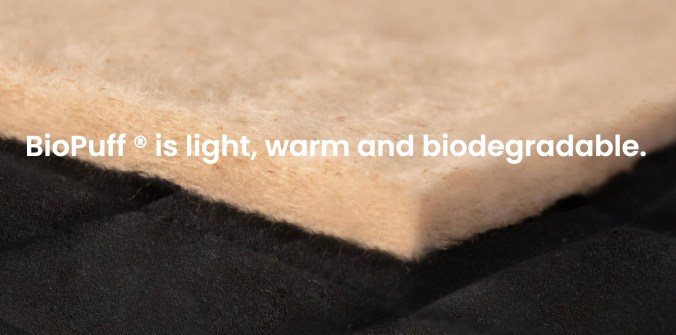
Goosedown out, bulrush in: the plant refashioning puffer jackets
By 2026, a rewetted peatland site in Greater Manchester will be harvesting bulrushes in a trial that aims to boost UK biodiversity, cut carbon emissions and provide eco-friendly stuffing for clothes
Bulrushes grow in marshes and peatland across the UK. Photograph: Krys Bailey/Alamy
The humble bulrush does not look like the next big thing in fashion. Growing in marshes and peatland, its brown sausage-shaped heads and fluffy seeds are a common sight across the UK. Yet a project near Salford in north-west England is aiming to help transform the plant into an environmentally friendly alternative to the goosedown and synthetic fibres that line jackets, boosting the climate and the productivity of rewetted peatland in the process. Continue reading




 Organikos