
Sanaga River, Cameroon
Sanaga River, Cameroon

We rarely link to audio or video, instead sharing reading material we think can give unique insight into the topics we are interested in. The link to this podcast episode is unusual, in that sense, but not at all unusual in terms of the quality of conversation that Sam Harris conducts. Subscription recommended to be able to listen to the whole episode with Martin Rees (and all of the consistently excellent episodes):
Sam Harris speaks with Martin Rees about the importance of science and scientific institutions. They discuss the provisionality of science, the paradox of authority, genius, civilizational risks, pandemic preparedness, artificial intelligence, nuclear weapons, the far future, the Fermi problem, the prospect of a “Great Filter”, the multiverse, string theory, exoplanets, large telescopes, improving scientific institutions, wealth inequality, atheism, the conflict between science and religion, moral realism, and other topics. Continue reading
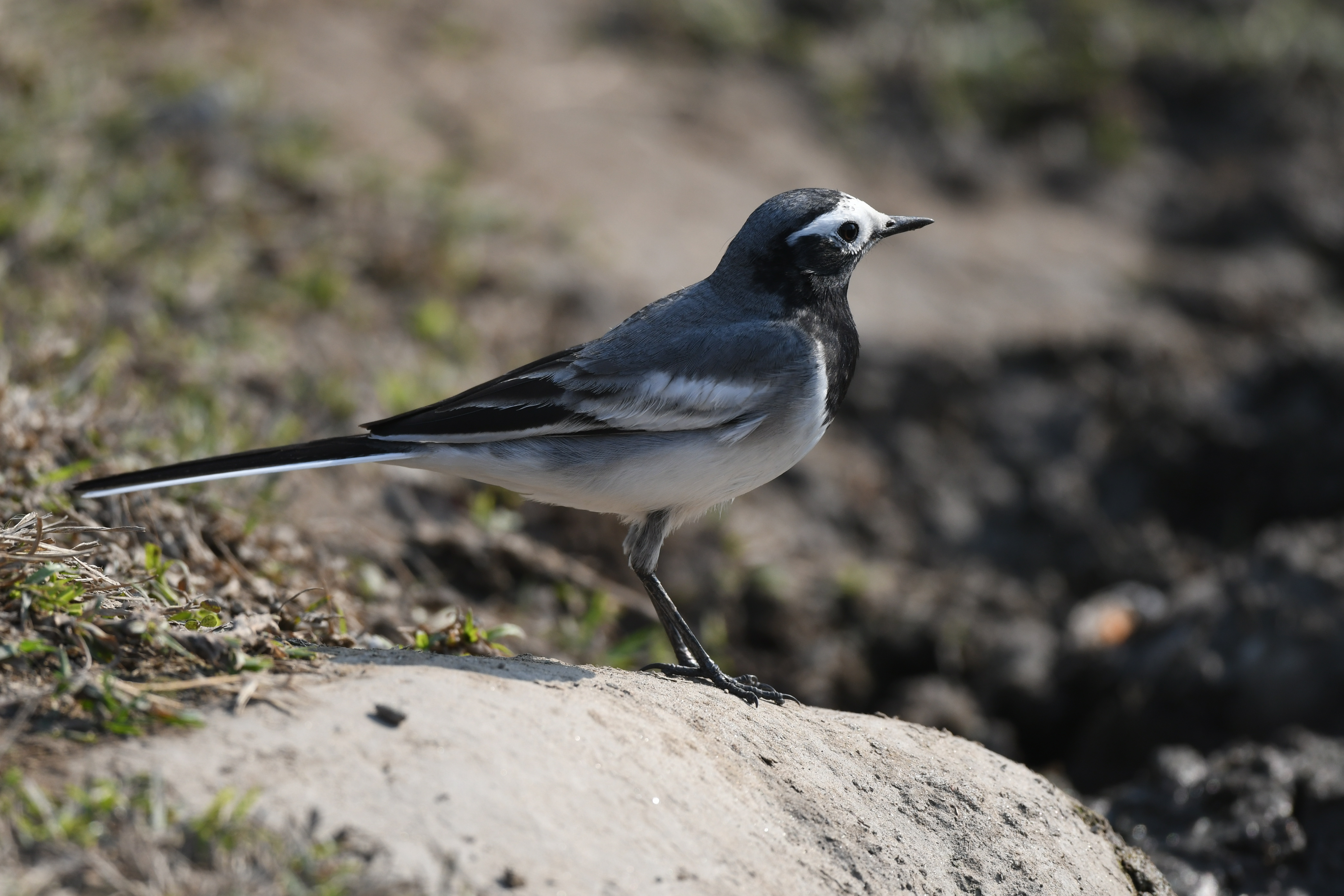
Rishikesh, Uttarakhand

©Anthropocene Magazine
Anthropocene Magazine has a useful summary, created by Mark Harris, of the strength’s, weaknesses, opportunities and threats of various carbon credit schemes. In a short read it helps clarify some, if not all, questions that can generate from conflicting headlines on the topic:
What Counts As A Carbon Credit?
A new UN draft report threatens to sideline billions of tons of future carbon removal
Back in 2015, the Paris Agreement called for the creation of an international program through which countries could trade emissions to meet their climate commitments. For that to happen, the world has to agree on what qualifies for a carbon credit. Continue reading
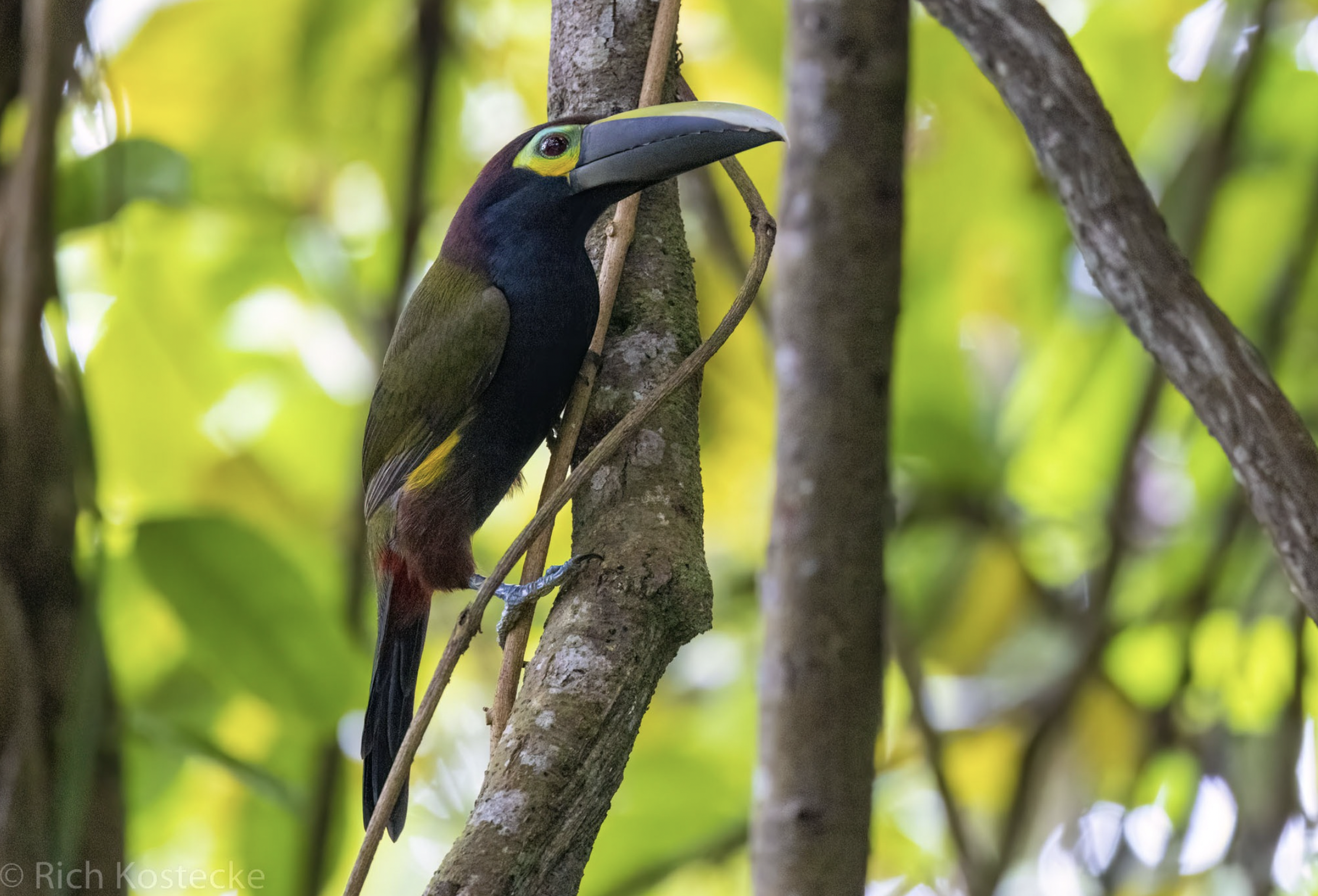
Arenal Volcano, Costa Rica

‘The climate crisis threatens the planet we live on, and people around the world who Jesus Christ calls us to love as our neighbours,’ says Justin Welby, the archbishop of Canterbury. Photograph: Gareth Fuller/PA
This is likely the first, and maybe the only time we ever thank a church in our pages (religion has shown up only a few times, whereas divestment is quite common in our pages), but it is certainly warranted in this case:
C of E divests of fossil fuels as oil and gas firms ditch climate pledges
Church pension and endowment funds shed holdings after U-turns by BP and Shell
The Church of England is divesting from fossil fuels in its multibillion pound endowment and pension funds over climate concerns and what the church claims are recent U-turns by oil and gas companies. Continue reading
Frauenkirchen, Austria

Federal regulators have sued Amazon, alleging the company for years “tricked” people into Prime memberships that were purposefully hard to cancel. FREDERIC J. BROWN/AFP via Getty Images
We have shared our concern about the company so many times in the last decade it is surprising that this part of their market aggression has not featured until now:
FTC sues Amazon for ‘tricking and trapping’ people in Prime subscriptions
Federal regulators have sued Amazon, alleging the company for years “tricked” people into buying Prime memberships that were purposefully hard to cancel. Continue reading

Yaoundé, Cameroon

The World Vegetable Center conducts research, builds networks, and carries out training and promotion activities to raise awareness of the role of vegetables for improved health and global poverty alleviation.
Among the essential components of Kerala cuisine, various chili peppers were central in our diet during the India work years. I became quite tolerant of high intensity heat from capsicum, and learned to enjoy the steamy delirium of a typical mango curry. I am out of practice, not sure I can still handle high Scoville meals any more, but heartened to know that Derek Barchenger and the W.V.C team are taking care for capsicum’s future, so thanks to Clarissa Wei for this story:
The Quest to Save Chili Peppers
A seed bank in Taiwan is home to more chili varieties than anywhere else on earth. In a warming world, we’re going to need them.
In 1999, Susan Lin, a bespectacled plant researcher at the World Vegetable Center, in Taiwan, pulled on a pair of latex gloves and got to work cross-pollinating some chili peppers. She collected tiny white flowers from a cayenne-pepper plant, shook their pollen into a tiny test tube, and walked over to an aji-chili plant. Using tweezers, she removed the petals and anthers from its flower buds, exposing the thread-like stigmas that serve as the plant’s female reproductive organs. Then she dipped the stigmas into the pollen, hoping that they would eventually form peppers. Continue reading
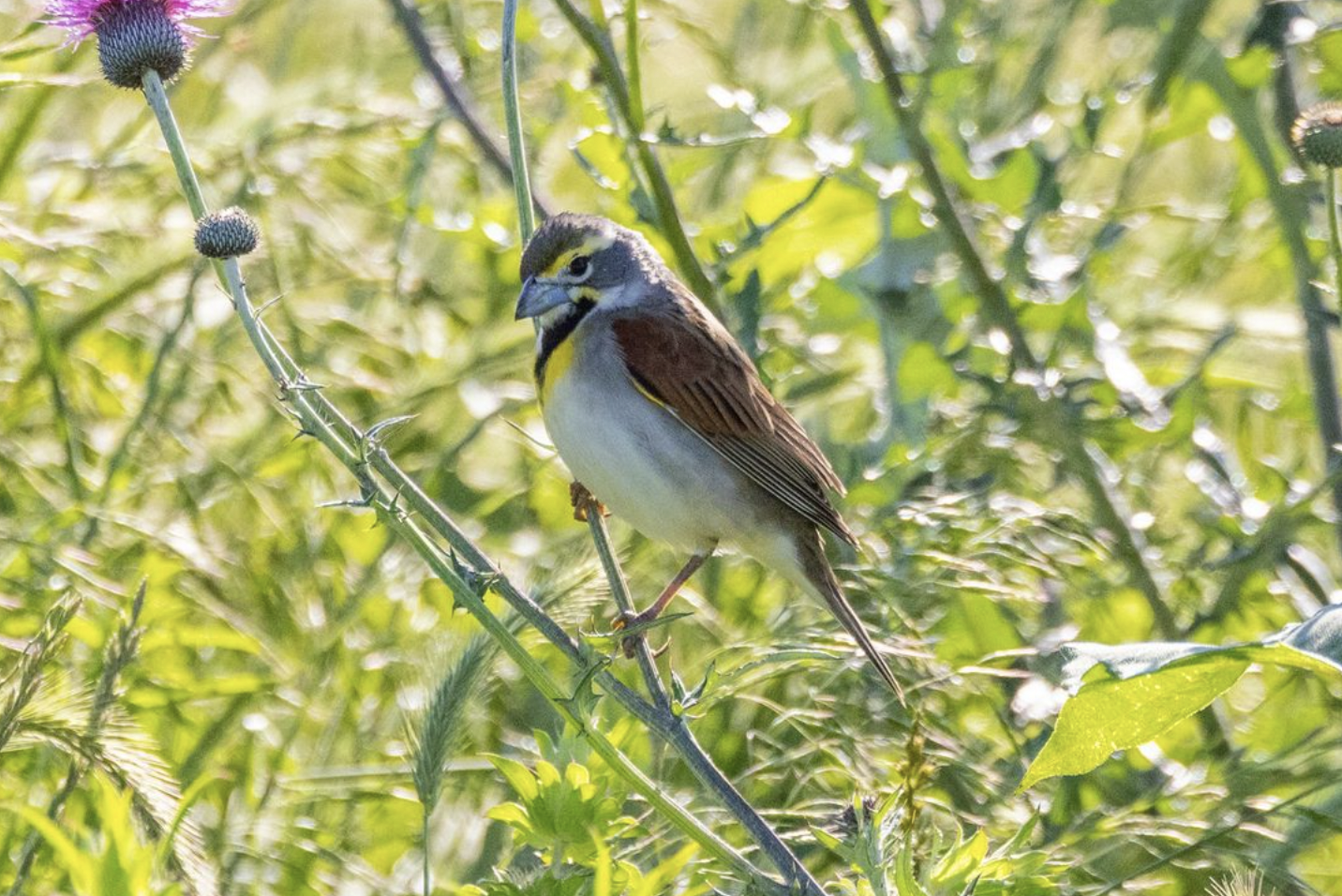
Granger Lake, Williamson County, TX
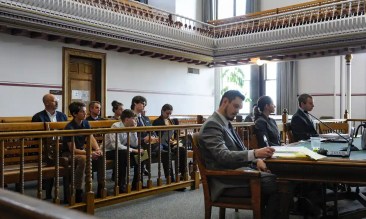
The plaintiffs look on during a status hearing for Held v Montana in the Lewis and Clark county courthouse in Helena, Montana, last month. Photograph: Thom Bridge/AP
At first it sounded like a gimmick, but listen to and read about it: there is a useful half hour podcast on this topic, and here we thank the Guardian for a bit more detailed coverage:
‘My life and my home’: young people start to testify at historic US climate trial
Some of the plaintiffs listen to arguments during the hearing in Montana. Photograph: Thom Bridge/AP
The plaintiffs note that Montana’s constitution pledges a healthy environment ‘for present and future generations’
The US’s first-ever trial in a constitutional climate lawsuit kicked off on Monday morning in a packed courtroom in Helena, Montana.
The case, Held v Montana, was brought in 2020 by 16 plaintiffs between the ages of five and 22 from around the state who allege state officials violated their constitutional right to a healthy environment by enacting pro-fossil fuel policies. Continue reading
Frauenkirchen, Austria

Plastic waste at a disposal plant in Tokyo. THE YOMIURI SHIMBUN VIA AP IMAGES
We have a difficult time giving Exxon and other petroleum companies the benefit of the doubt, but at minimum we want to understand what they say about what they are selling:
As Plastics Keep Piling Up, Can ‘Advanced’ Recycling Cut the Waste?
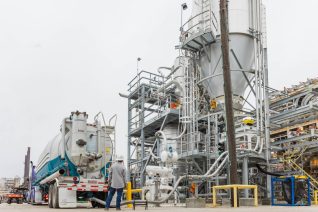
Exxon’s advanced recycling facility in Baytown, Texas. BUSINESS WIRE
Proponents of a process called pyrolysis — including oil and gas companies — contend it will keep post-consumer plastics out of landfills and reduce pollution. But critics say that by converting waste to petroleum feedstock, it will only perpetuate a dependence on fossil fuels.
Bob Powell had spent more than a decade in the energy industry when he turned his attention to the problem of plastic waste. Continue reading
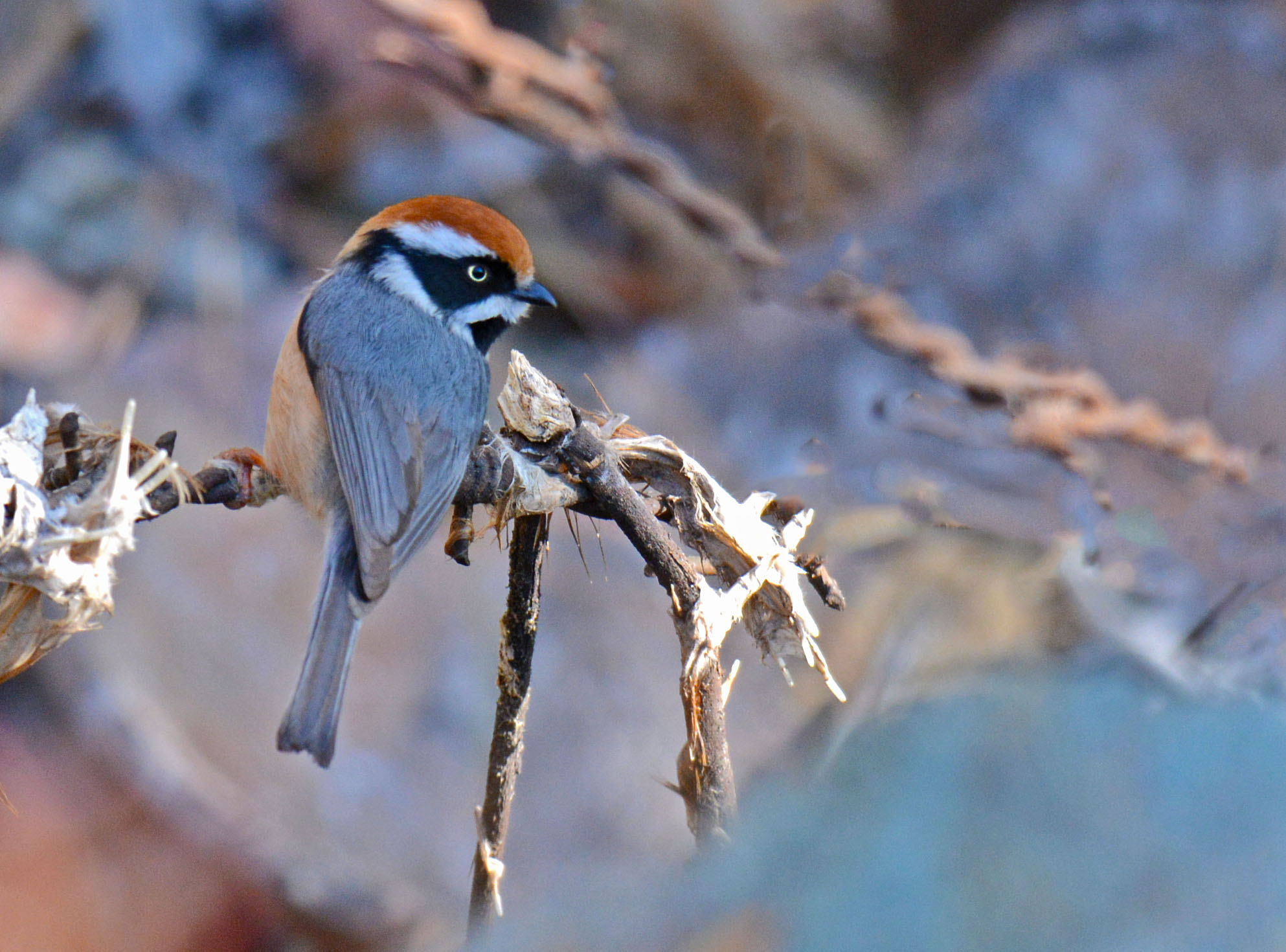
Kumaon Hills, Uttarakhand
 A new (to us) podcast to get your bird nerd fix:
Let’s All Go to Gullah Geechee Sea Islands with Isaiah Scott
Bring Birds Back Season 4: Episode 4
This episode’s guest may be too young to remember the 90’s children’s show, Gullah Gullah Island, but he’s certainly influencing the next generation the same! Isaiah Scott, a rising Gen-Z bird-influencer and ornithologist, reconnects with Tenijah to dish all about his journey into birding while young, Black and curious. He also shares how his Gullah Geechee heritage continues to inspire his work, including a forthcoming field guide that seeks to preserve his ancestral connection to birds. There’s definitely “lots to see and to do there”– press play and take the journey with us!

Shai Hills Resource Reserve, Ghana
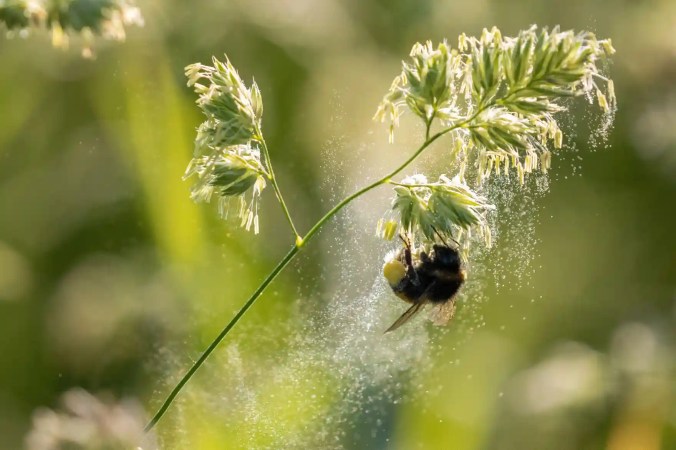
A bee collects pollen on a hot summer’s morning in Burley-in-Wharfedale, UK
Photograph: Rebecca Cole/Alamy Live News/Alamy Live News.
For a brief visual bit of relief, visit Joanna Ruck’s collection:
The week in wildlife – in pictures
The best of this week’s wildlife photographs, including hot monkeys, baby flamingos and a hitchhiking cygnet
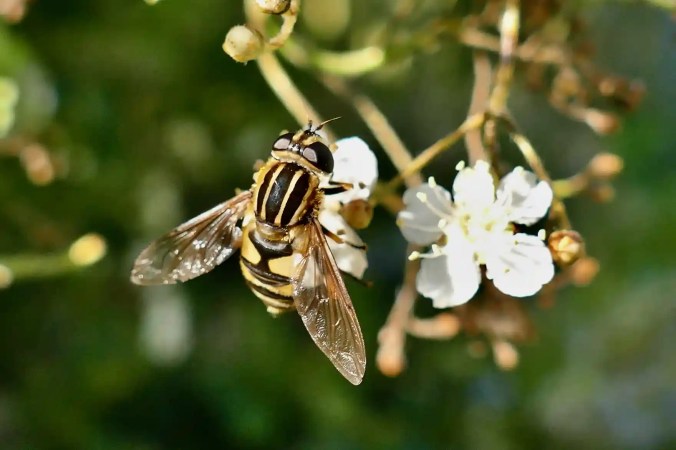
A European hoverfly (Helophilus pendulus) on pyracantha blossom in Dunsden, UK
Photograph: Geoffrey Swaine/Shutterstock

Kumaon Hills, Uttarakhand
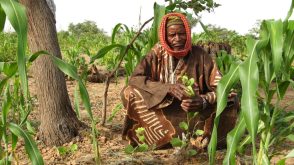
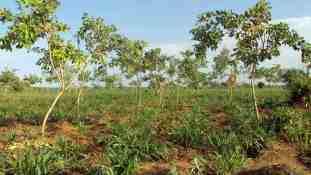
A farmer in Niger tends to a tree sprout growing among his millet crop. TONY RINAUDO / WORLD VISION AUSTRALIA
I am nearing the point where I can offer an update on the trees we have planted in advance of 1,000+ coffee plants going into the ground in their shade. Thanks to Fred Pearce, reporting in Yale E360, I have some inspiration coming from across the Atlantic on the broader value of those trees:
Dooki (Combretum glutinosum) trees grow on a millet field in Niger. P. SAVADOGO / ICRAF
As Africa Loses Forest, Its Small Farmers Are Bringing Back Trees
The loss of forests across Africa has long been documented. But recent studies show that small farmers from Senegal to Ethiopia to Malawi are allowing trees to regenerate on their lands, resulting in improved crop yields, productive fruit harvests, and a boost for carbon storage.
For decades, there have been reports of the deforestation of Africa. And they are true — the continent’s forests are disappearing, lost mainly to expanding agriculture, logging, and charcoal-making. But the trees? Continue reading



 Organikos