The lake Mattupetty, created by a hydroelectric dam only 13 kilometers from one of the Western Ghats’ most visited hill stations – Munnar.
The lake Mattupetty, created by a hydroelectric dam only 13 kilometers from one of the Western Ghats’ most visited hill stations – Munnar.
We’ve made a few references to Big Ideas–first to raise the gauntlet and recently intending to drop it. One paragraph from this article set our discussion in motion:
But if information was once grist for ideas, over the last decade it has become competition for them. We are like the farmer who has too much wheat to make flour. We are inundated with so much information that we wouldn’t have time to process it even if we wanted to, and most of us don’t want to.
David Carr, writing about how Steve Jobs has changed the landscape of multiple businesses, has added a nice twist to the discussion by noting how ideas can become outsized when they take shape as things in a particular way: Continue reading
There just seems to be something about Owls. Wisdom personified. Avatar of the Greek Goddess Athena and also of the Hindu Goddess Lakshmi. Which came first? To complicate matters, in other ancient traditions they represent less desirable qualities (bad omens in Arabian mythology, and death in some African and Mesoamerican cultures).
I can almost picture a Zack Snyder battle on the big screen covering all this territory.
Meanwhile they remain charismatic members of the ornithological world.
According to veteran Owl researcher Denver Holt:
“People pay attention to owls more than other birds because they look like us,” he said. “They have a symmetrical face, eyes facing forward, a round, flat face and a round head with feathers that look like hair.”
In his New York Times article Jim Robbins writes that owls are not only harbingers but barometers, helping us understand the status of fragile ecosystems. Daniel J. Cox’s photographs give readers a stunning view of both the owl’s majesty and scientific importance in these studies.
Bird of the Day? Let’s call these Strigiforme ambassadors the Bird of the Hour!
Mark Bittman took it down quite a notch when he started up-slumming with celebrities. Nothing against Gwyneth, nor Mario. Just that this fellow is better at what he does than they are at what they do. Case in point today: he is on game.
An article in yesterday’s Science section of the New York Times touched on a question raised in Amie’s post. Synchronicity?

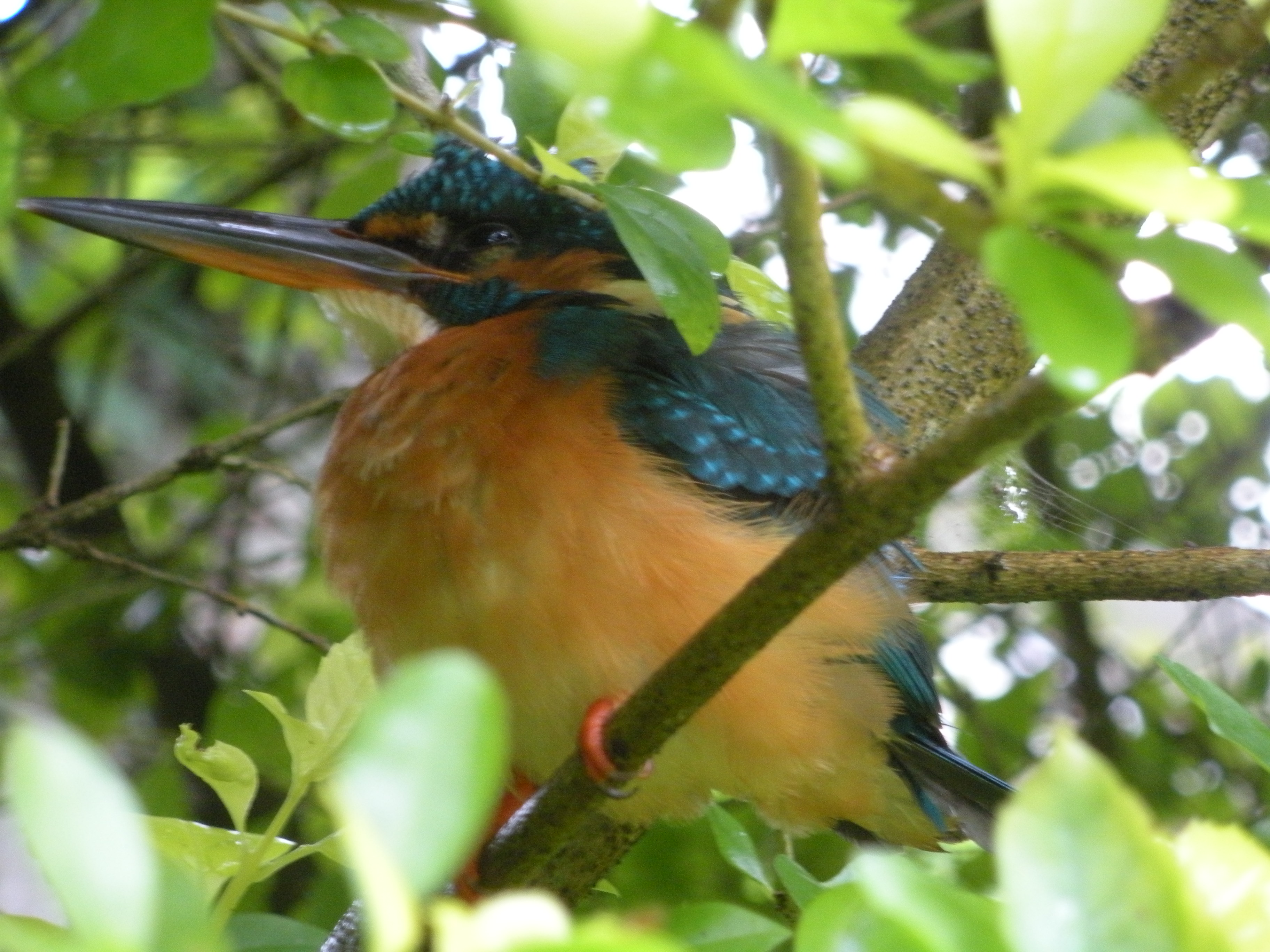
BAM! The usual silence of the internet café at Cardamom County is suddenly and startlingly broken as one of its large windows deflects a wayward bird. The bird, a kingfisher with feathers as vibrantly colorful as nature allows, lay still in the bush, ostensibly lifeless.
This is how my morning started, but thankfully, not how it ended. I quickly ran next door to the gift shop seeking help from Manoj, guest relations executive, thinking that he might know what to do. We approached the bush to find the bird still breathing. Manoj tugged at it gently, expecting to extract a paralyzed, fading animal. Then, with the same unexpected abruptness that it collided with the windowpane, it fluttered and flew away, as if all it needed was to be untangled from the branches it landed in. The kingfisher, disoriented, had another less than graceful clash, this time with the bushes that line the pool. Fearing again the worst, I approached, and it took flight again, finally landing as intended, perched on the branch of another of the poolside shrubs. It was stunned. As it took its time recollecting itself, I ran and got my camera to snap these photos.

We’ve lived in India a year now (more on that in another post) and for much of this time I’ve wanted to visit Munnar, the iconic tea-laden hill station in the Western Ghats. Most of our mountain excursions have been to Thekkady, a place we’ve grown to love for its proximity to the Periyar Tiger Reserve, and the team we work with at Cardamom County.
This weekend we had the best reason for a change of route–to scout a prospective organic farm that might join our portfolio of properties under management–so I was looking forward to also discovering the differences between these two hill stations. I did in fact find something different in Munnar, but not in the way I was expecting it. Continue reading
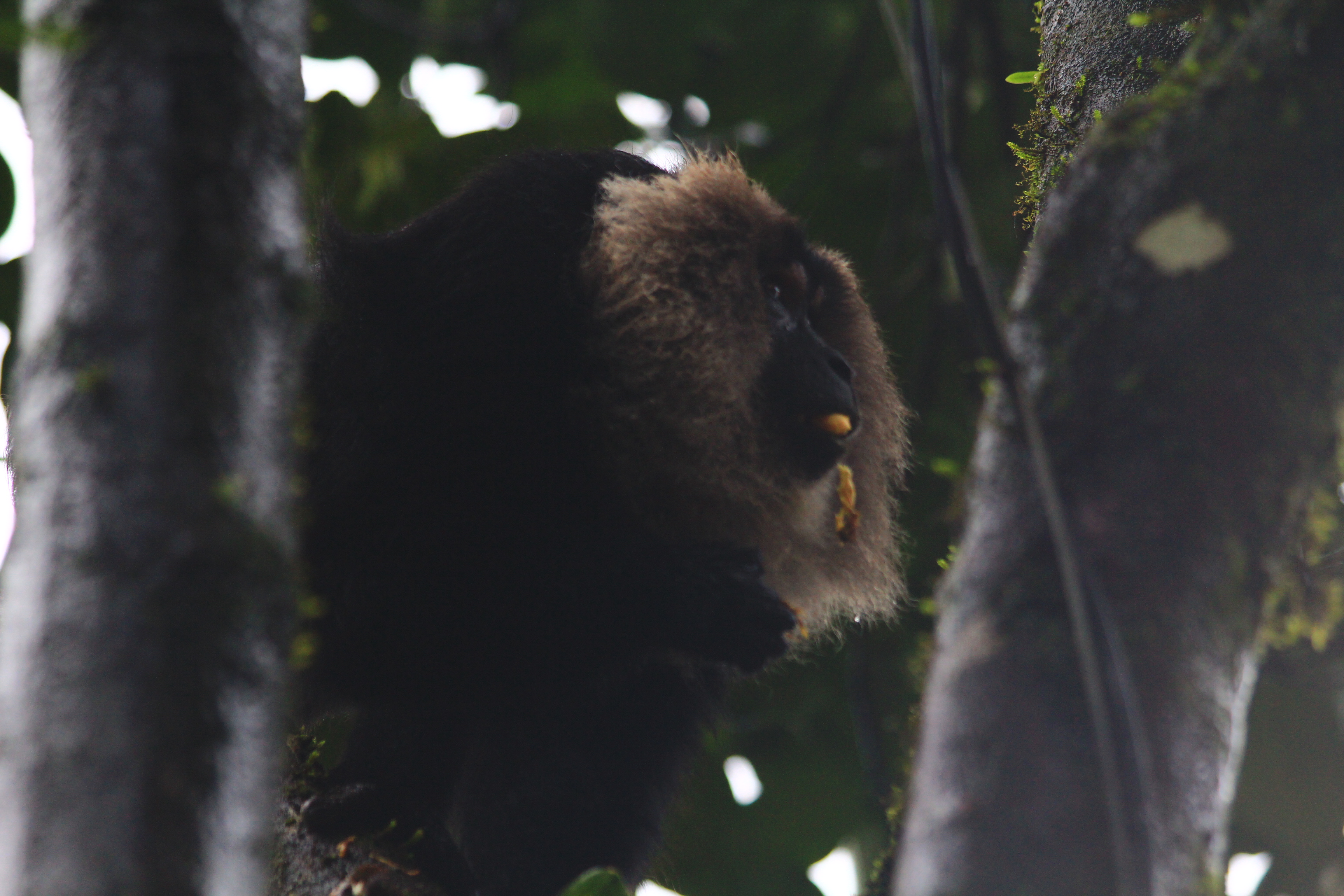
As promised in yesterday’s post, here are some photos and video of the lion-tailed macaque. (Thanks to Sung).
Our quest to find new, ever-more effective ways to live well and responsibly (simultaneously), if not Big Ideas, sometimes leads us to counter-trendy moments of truth. It feels right to discuss sustainable development using the language that has been in circulation for 25 years or so:
meet the needs of the present without compromising the ability of future generations to meet their own needs
Yet, it was a refreshing splash of water on the face, a dash of realism, to read the last line of this brief profile:
…Lassoie’s personal belief that no one wants to sacrifice their present condition for the condition of future generations.
“I’ve never met anybody anywhere who would sacrifice their children for their unborn grandchildren,” he said.
Read the article to understand the context, and you may find yourself thinking about returning to graduate school if you consider this kind of conundrum (truly good statements contrasted with realistically true statements) fascinating, as we do. Finding this profile was an extension of our investigation into the resources at Cornell University related to sustainable development and conservation, which previously led us here.
Notice the new tab to the right inviting you to engage with our Facebook page. In the spirit of community, collaboration & conservation, we are asking you to get social and share ideas there. As an informal platform, we are connecting people from around the globe who are interested or invested in “getting in touch with the luxury that nature offers,” using any interpretation of the phrase that fits the circumstance.
Have something to say about conservation, social enterprise, sustainable tourism? Have an interesting travel story in a destination where these things may be relevant, or a first-hand experience with RAXA Collective? Photos you’d like to share? Why not share them with us and others by posting on our wall?
This is helping our momentum in making a difference… with your stories and consideration for the people and places who make travel worthwhile. Join in!
Around Cardamom County, we’re used to seeing bonnet macaques, those overly friendly little grayish-brown rascals that scurry about causing the cute kinds of mischief that might be typical of a cartoon character. More recently, we’ve been visited almost daily by small troops of nilgiri langurs, endangered primates with a little less personality and a bit more intimidation factor. Having grown relatively familiar with these two species, I’d thought I’d seen all the monkeys that the Periyar had to offer. How naïve of me…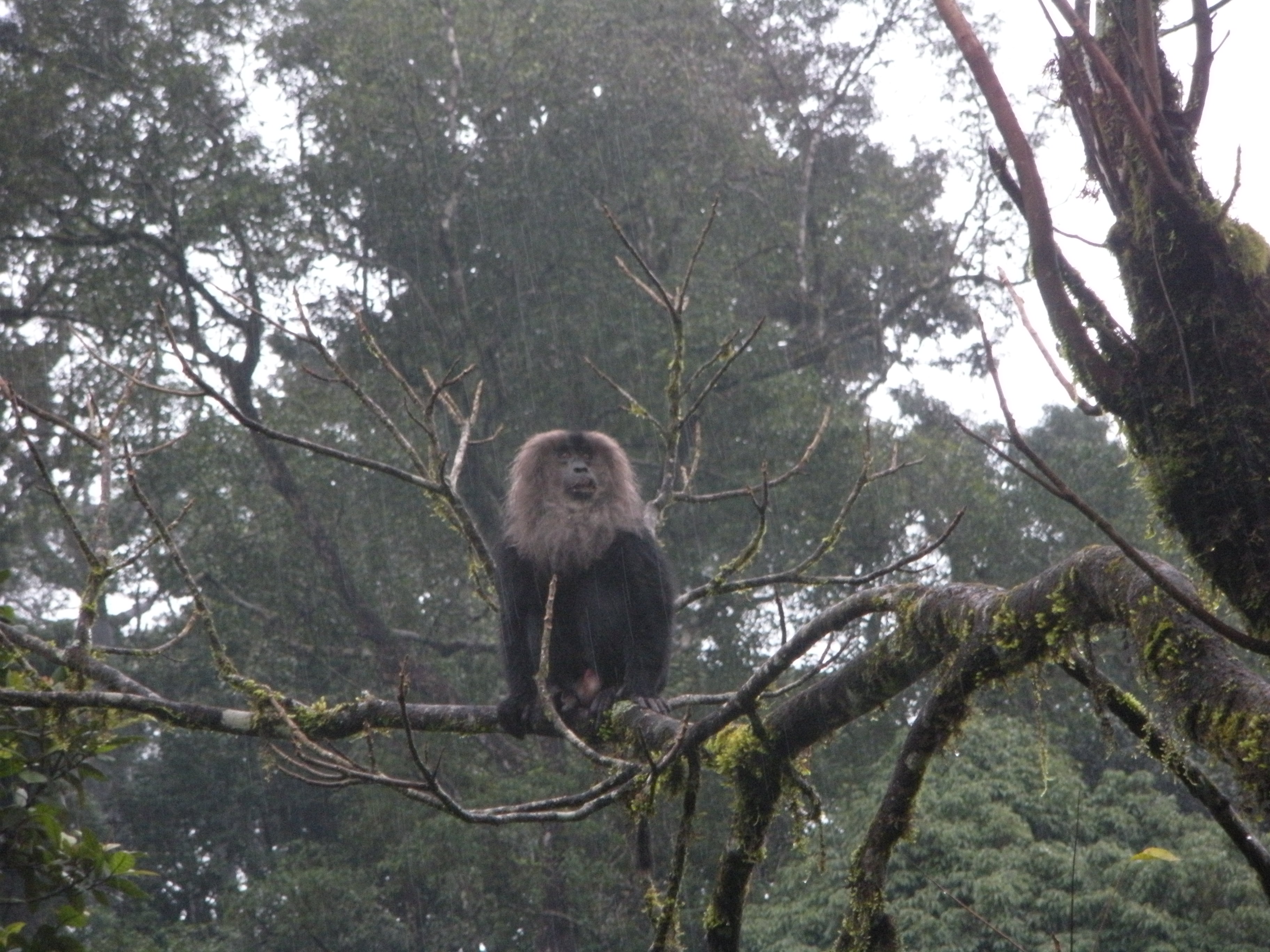
Allow me to introduce to you, the lion-tailed macaque.
 If you have already read his more famous books, and enjoy his writing, you will wonder why this one is not considered among Umberto Eco’s most important. He does not even mention it in one of the best interviews he has granted in the English language.
Strange. My being in India now is at least in part due to this book. For the work we do it is an illuminating text, in an Eco-intuitive, not everything is as it seems kind of way. If I made a list of top 10 choices for the one book to take on one of those desert island strandings, this would be on it.

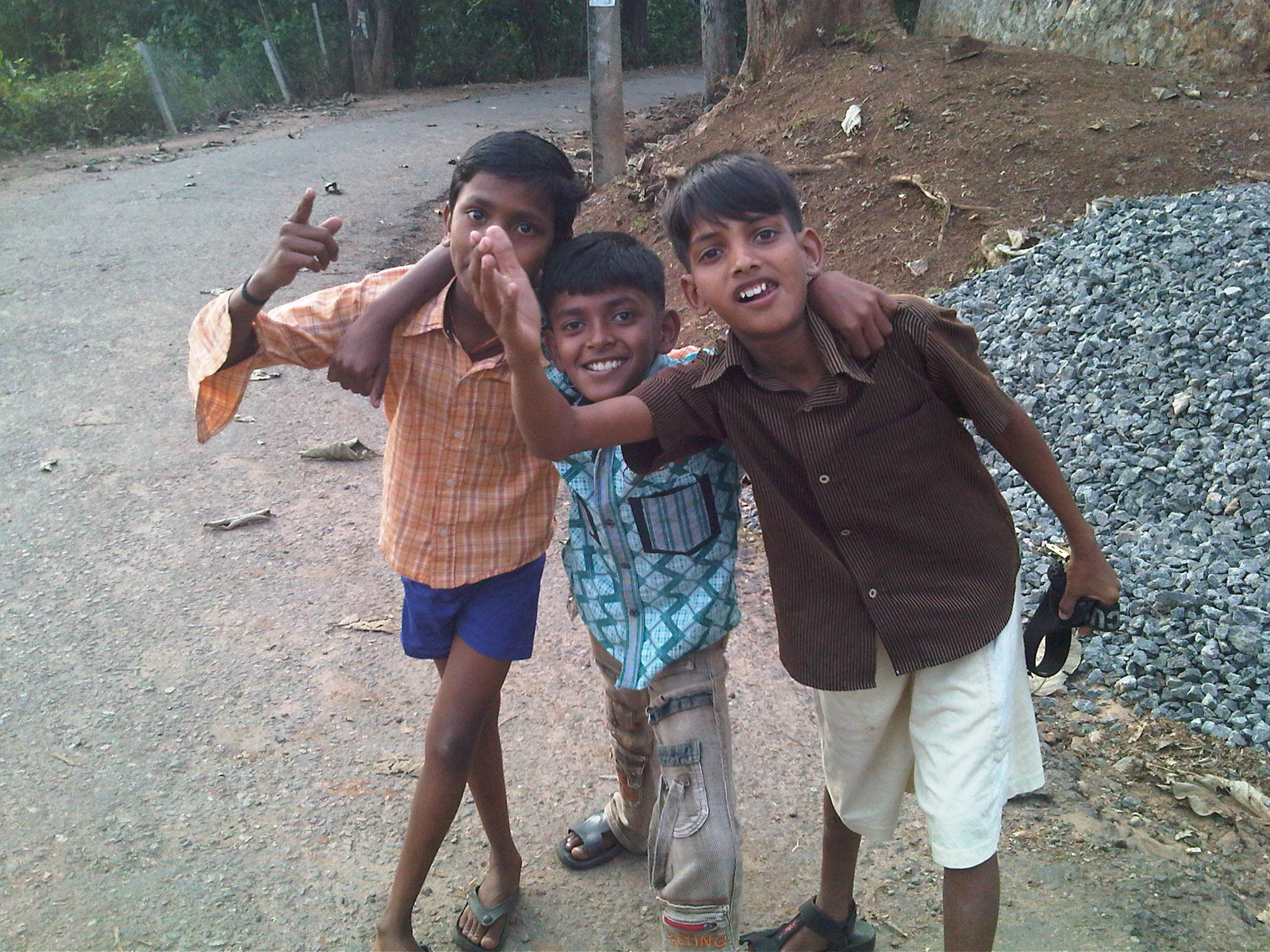
Behind Cardamom County there is a hill leading up to a ranger’s entrance to the Periyar Reserve. On that hill, there is a group of boys. If they encounter you, and you appear to have music (telltale earbuds), they will want to know what you are listening to. If they like the music, they will invite you to dance to it. It is an invitation you cannot, or at least should not, refuse. When you dance, they will dance with you, copying your moves but teaching you new ones at the same time. Practice those moves before your next visit to the hill. This little gang will invite the entire neighborhood to watch. There will be laughter. But it will be with you, not at you.

Many major hotel firms with an international presence put a heavy emphasis on global standards of service, operations, amenities and rooms. Combined with product branding, what often results is a relatively indistinguishable hotel experience, instigating a sort of déjà vu effect in anyone who has seen enough of them. Globe-trotting business people find themselves waking up in a hotel room in London that is identical to last week’s hotel room in New York and eerily similar to last month’s hotel room in Buenos Aires. For those with enough experience in these big-box hotels, they all start to blend together, and even the feng shui starts to flow in the same rhombic way. My tone here might sound like one of aversion to this homogeneity, but it’s only out of preference for a different approach. The emphasis on standards is of course reasonable and has its benefits: guests are not thrown by inconsistencies; their comforts and preferences are reliably tended to; hospitality organizations can streamline project development and design. But an alternative approach, favored by travelers who seek to connect authentically with their destinations, is a tip of the hat to the immediate surroundings; a fusion of the salient hospitality experience with the more ethereal cultural and environmental elements of the host locale. Continue reading
Is it possibly an answer to the question posed near the end of this post?
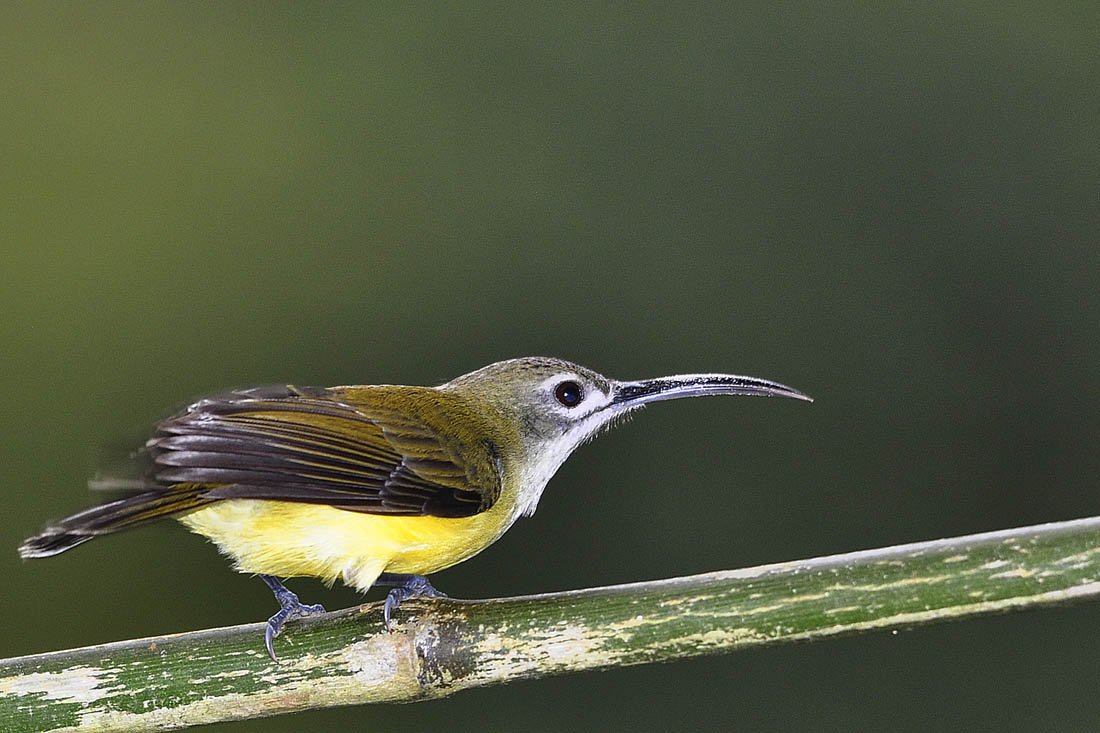
Today we had a visit from a very important contributor, Mr. Vijaykumar Thondaman, the generous gentleman whose remarkable photography skills and passion for wildlife have furnished us with the ever-popular “Bird of the Day” series.
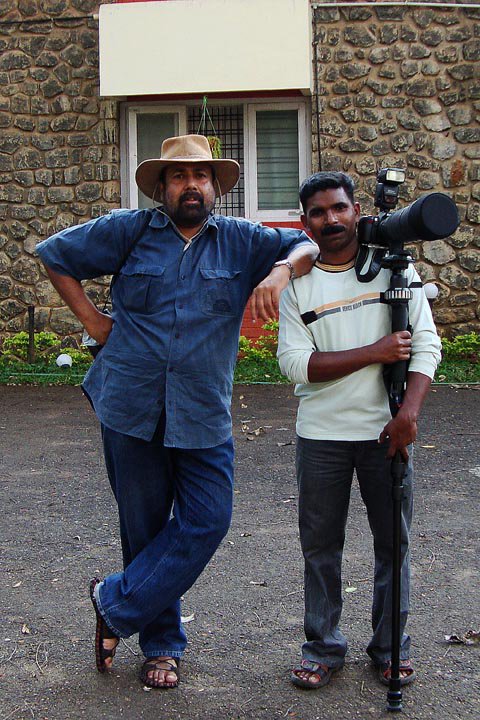
We forgot to snap a photo so we stole this one of Mr. Thondaman (left) with assistant Jayan
Sipping tea and chatting with Vijaykumar was not only an honor (in addition to being an accomplished wildlife photographer and naturalist, he is the nephew of the Late His Highness Raja Rajagopala Thondaman, the ninth and last ruler of the erstwhile Pudukottai State), but it was also an educational exploration of the feathered fauna of southern India. With a palpable passion for the subject, his ornithological knowledge is the consequence of a unique upbringing, as his father, Maharajkumar Radhakrishna Thondaman, maintained a mini zoo with blackbuck, sambar, chital, barking deer, four-horned antelope, foxes, crocodiles, pythons and wild and imported birds. More specific than his father’s captive collection was his small ornithological museum where Vijaykumar learned taxidermy at a young age. Vijaykumar grew up in the 100-acre campus of the New-Palace (the present Collectorate), which had a collection of rare trees and shrubs and wildly roaming peacocks, rabbits, partridges, quails, blackbucks and chitals, none of which exist there anymore. His love affair with wild-life, however, has been an indelible part of his life ever since. Continue reading

 Organikos