
El Paredon, Guatemala
Solar@School, Win-Win-Win
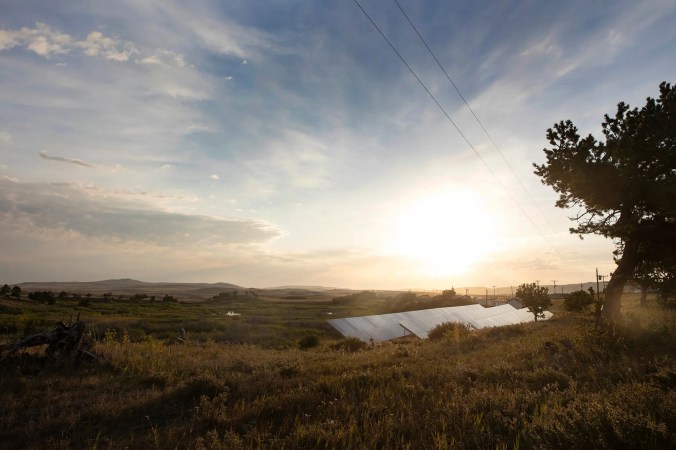
Solar panels installed near the Heart-Butte schools in Montana. Janie Osborne for The New York Times

Students at Heart-Butte School exploring their area of the world on a map in the “Blackfeet Immersion” classroom. Janie Osborne for The New York Times
In the USA it has become normal to think that partisan divisions prevent collaboration on issues of common interest. The partisan divisions are real, and then some; but there are silver linings here and there. Cara Buckley, a climate reporter, continues to demonstrate a talent for finding cases where communities benefit from collective action in the act of taking better care of the environment:

Goats cared for by Batesville High School’s 4-H students, next to the school’s solar panels. “If you’re conservative, we didn’t ask you for more taxes, if you’re liberal, you love the green concept,” Dr. Hester said. Terra Fondriest for The New York Times
Facing Budget Shortfalls, These Schools Are Turning to the Sun
Public schools are increasingly using savings from solar energy to upgrade facilities, help their communities, and give teachers raises — often with no cost to taxpayers.
One school district was able to give pay raises to its teachers as big as 30 percent. Another bought new heating and ventilation systems, all the better to help students and educators breathe easier in these times. The improvements didn’t cost taxpayers a cent, and were paid for by an endlessly renewable source — the sun.
Mike Tatsey, superintendent of schools in Heart-Butte, believes that freeing up extra money for staples like groceries and shoes could have a ripple effect in classrooms. Janie Osborne for The New York Times
As solar energy gains traction across the country, one beneficiary have been schools, particularly those in cash-strapped districts contending with dwindling tax bases.
From New Jersey to California, nearly one in 10 K-12 public and private schools across the country were using solar energy by early 2022, according to data released Thursday by Generation180, a nonprofit that promotes and tracks clean energy. That’s twice as many as existed in 2015. Continue reading

Bird of the Day: Bare-necked Umbrellabird

Canopy San Luis, Costa Rica
12,000 & Onward
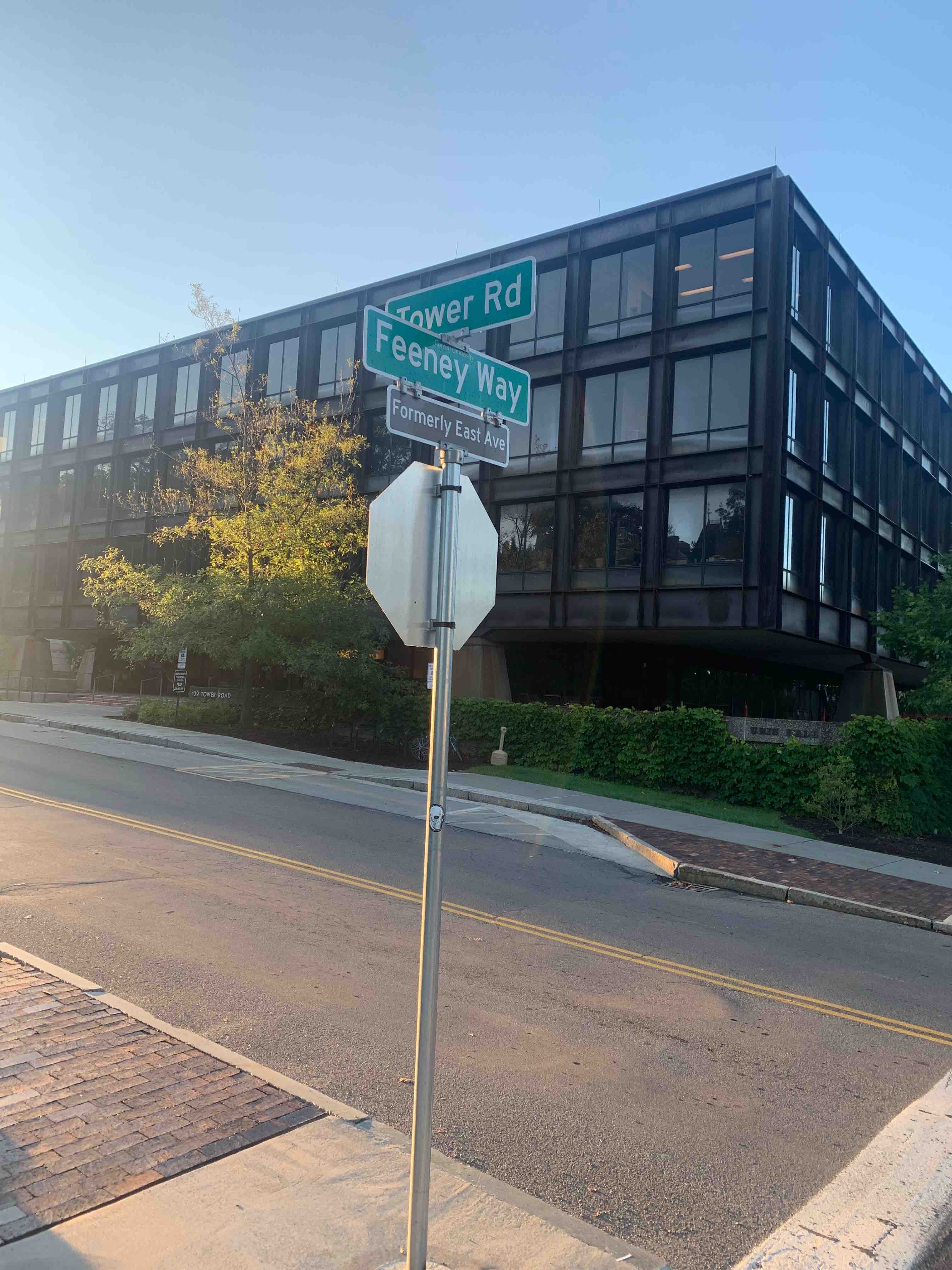 When I posted about the Botanic Gardens, I did not realize that it was the 12,000th post on this platform; the “promises fulfilled” referenced in the title (and the final photo) seems apt. We started the platform in mid-2011, so we have averaged more than 1,000 posts per year, which is one way to measure how thoroughly the promises have been fulfilled. In the photo to the right, which was taken just prior to my arriving back at the Statler Hotel after my walk through the Botanic Gardens, I was reminded of someone else’s much more consequential promises fulfilled.

Chuck Feeney appeared in our pages because of his unusual, even radical generosity combined with his preference to stay out of the spotlight. I do not know how he felt about having the main campus thoroughfare renamed in his honor, but I have a guess he was reluctant. Even so, I think that in the same spirit that this other signage campaign on campus is valuable, it is also valuable anyone visiting the Cornell campus to know at least a little about Mr. Feeney’s contributions.
Bird of the Day: Rufous-collared Sparrow

Finca El Iral, San José Province, Costa Rica
Cornell Botanic Gardens & Promises Fulfilled
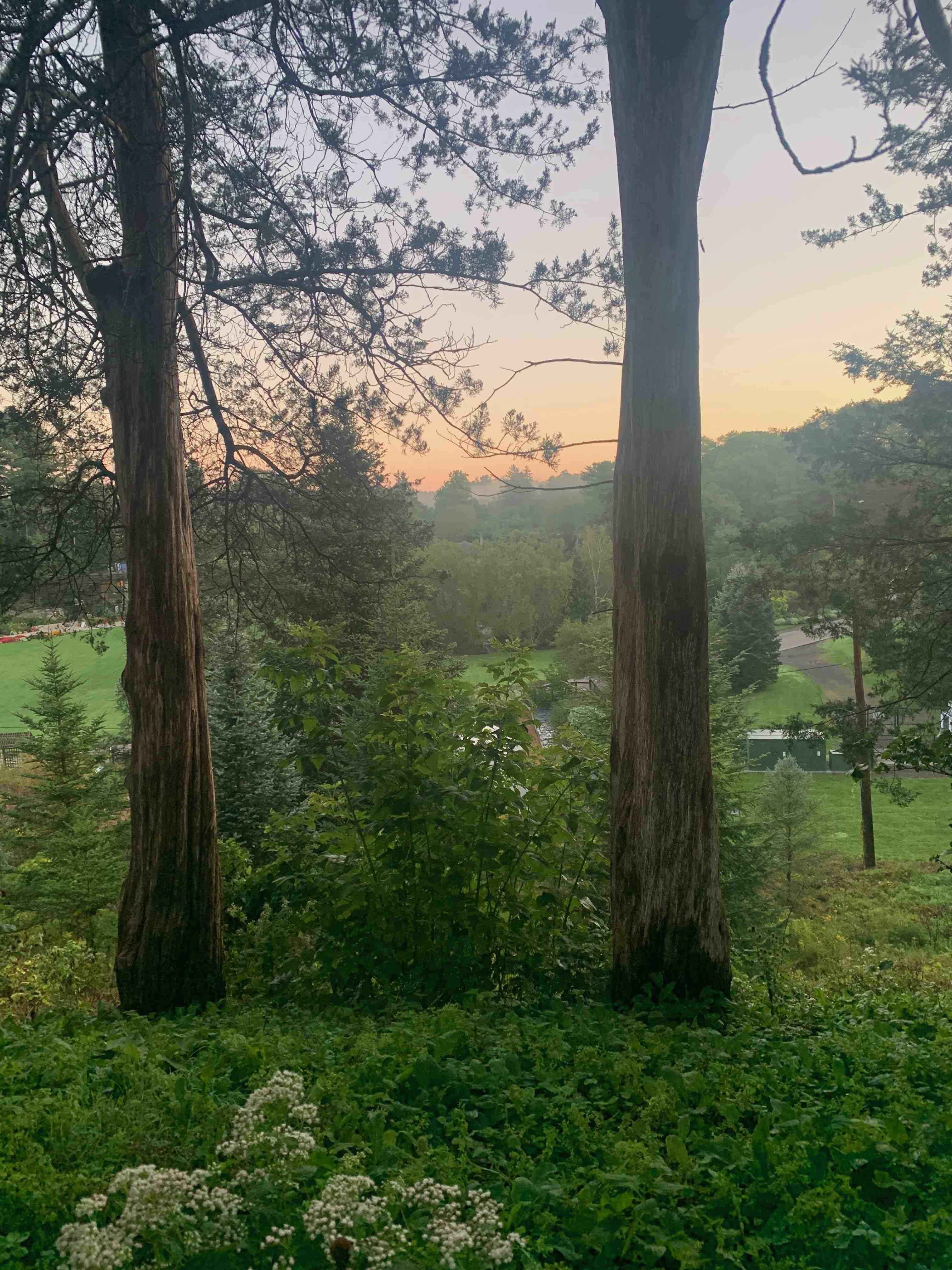
Picking up where I left off yesterday, this group of photos captures the essence of my morning walk. Destination: the Botanic Gardens on the campus of Cornell University. The photo above is from one of the main campus roads, looking down onto my destination. Continue reading
Bird of the Day: Ruff – male in breeding plumage

Varanger Peninsula, Norway
Cornell Parking Learning Hotspots
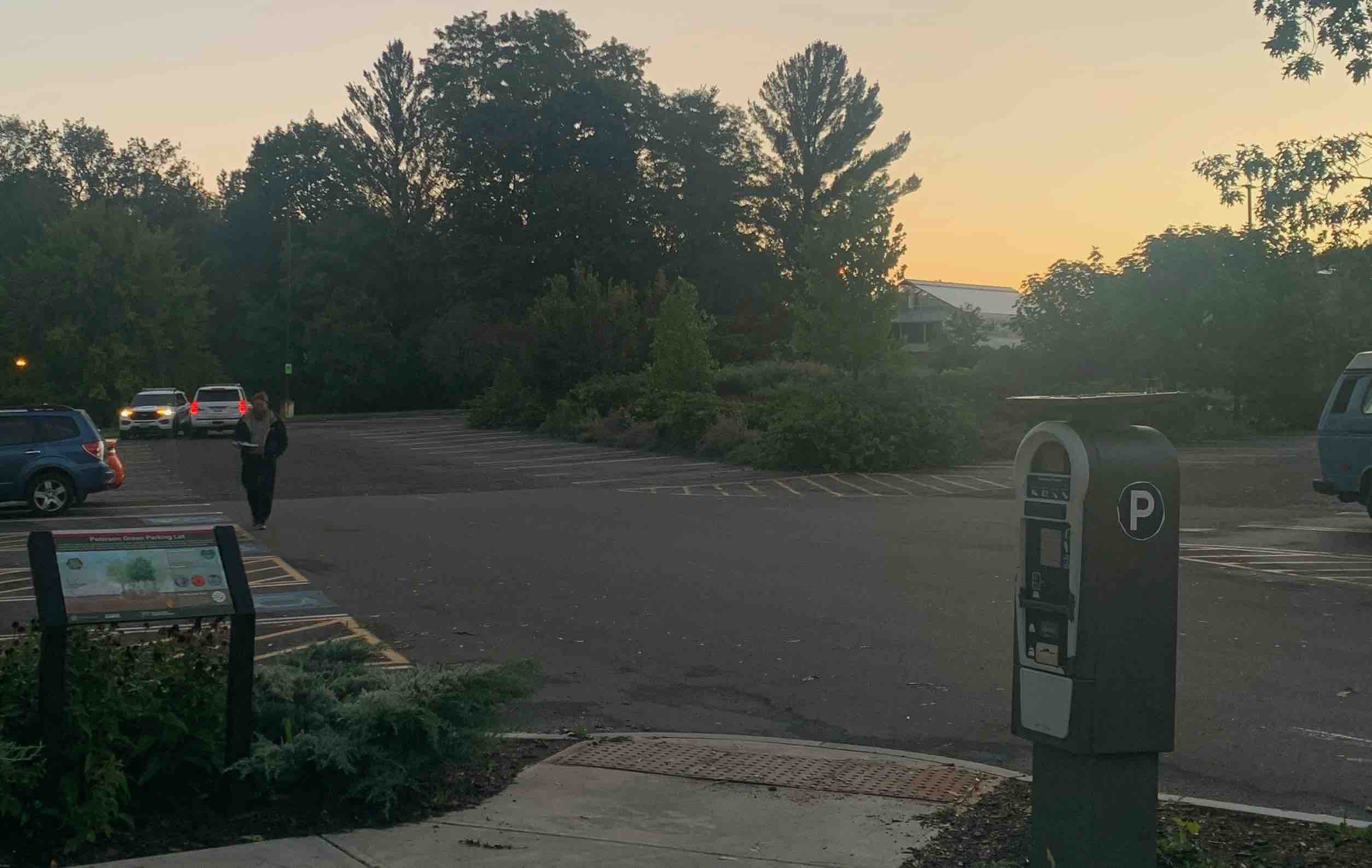
On my final morning of this visit to the Cornell campus I started a walk at sunrise. I discovered that parking lots around campus now have learning embedded in them. Continue reading
Bird of the Day: Lesser Whistling Duck

Bhutnal Lake, Vijayapura, Karnataka
Olives, Farmers, Beauty & Beastly Heat
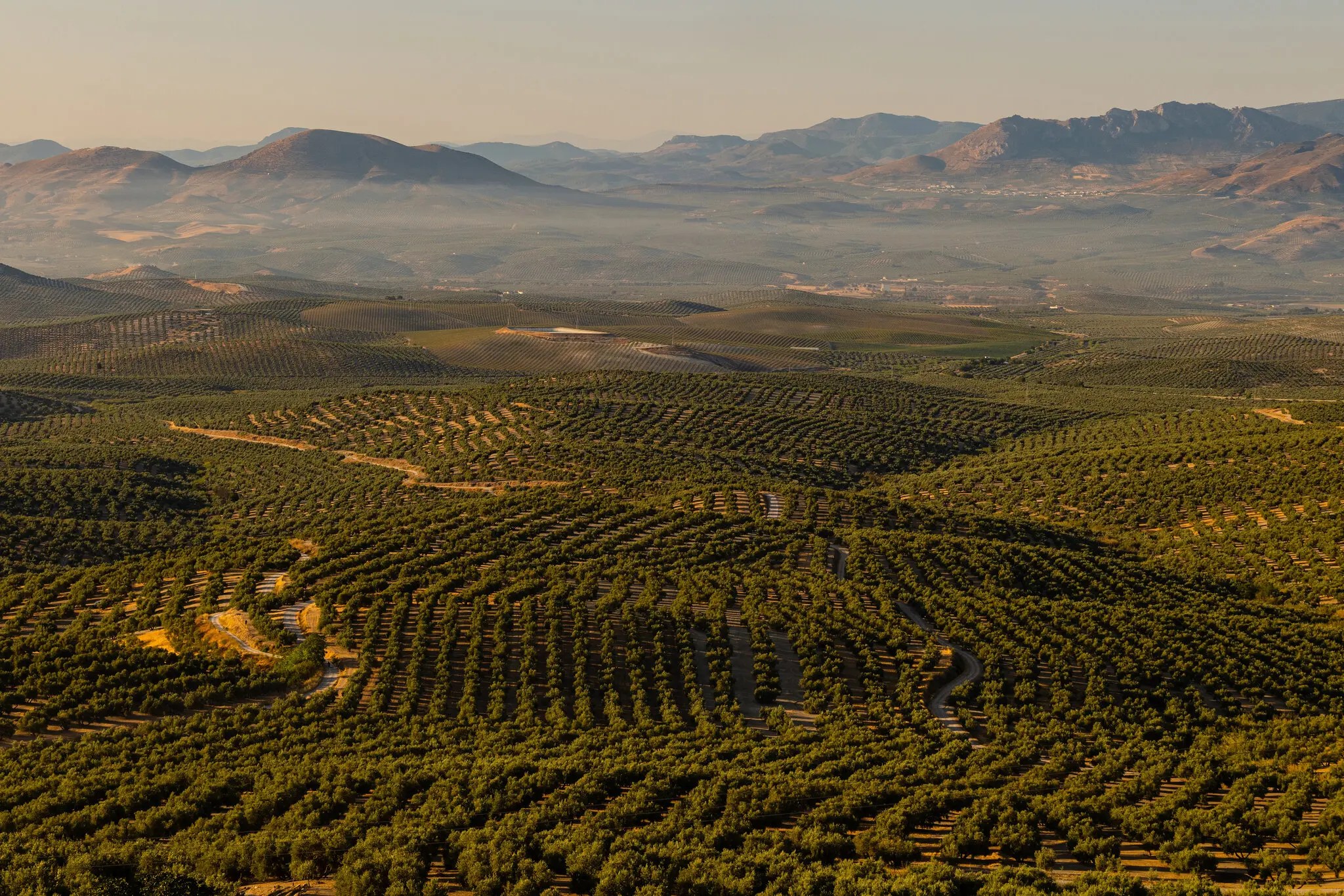
Emilio Parra Doiztua for The New York Times
My thoughts today start with the people who farm olives in this location deprived of the water needed to sustain their livelihoods. Because my mother was born on an olive-producing farm in an olive-privileged region of Greece, my eye is always drawn to stories about olive farmers.
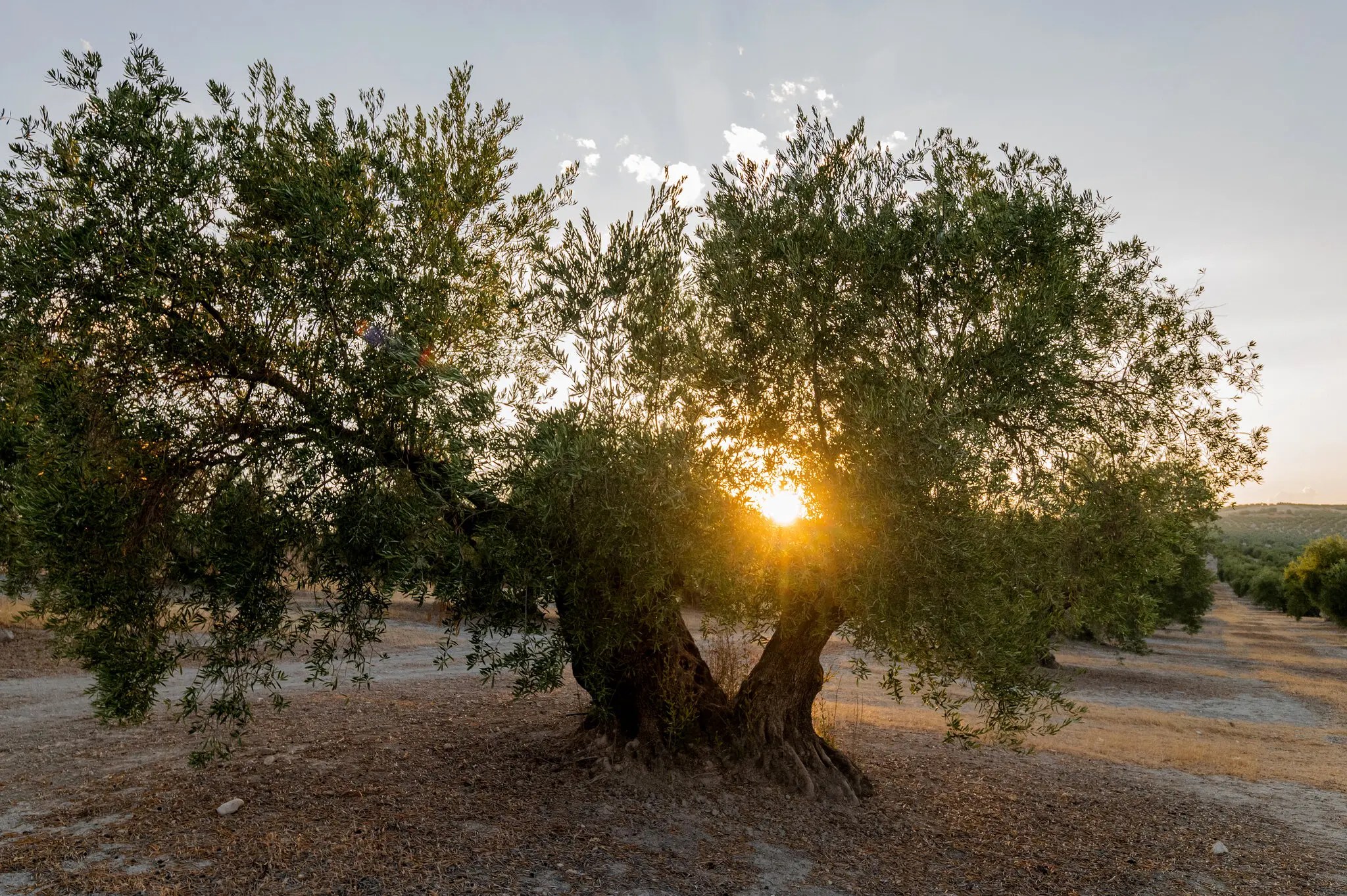
Jaén, a province of Andalusia, has over 67 million olive trees. Emilio Parra Doiztua for The New York Times
When there are photos of olive trees, I am in for the whole story. My strongest, earliest memories are of the olive trees surrounding the terrace of the farmhouse my mother grew up in. Stories about olive farmers challenged by climate change are more difficult to read without sympathy pain, but I do so knowing that olive trees are survivors.

Panacite, a store in Ubeda, sells a range of variants of oil production from the region. Emilio Parra Doiztua for The New York Times
David Segal and José Bautista have reported this story with compassion and clarity:
The Olive Oil Capital of the World, Parched
Spain’s Jaén Province, home to one fifth of the world’s supply of “green gold,” copes with climate change and threats to its way of life.
The branch, plucked from one of thousands of trees in this densely packed olive grove, has browning leaves and a few tiny, desiccated buds that are bunched near the end. To Agustín Bautista, the branch tells a story and the story is about a harvest that is doomed. Continue reading
Bird of the Day: Resplendent Quetzal
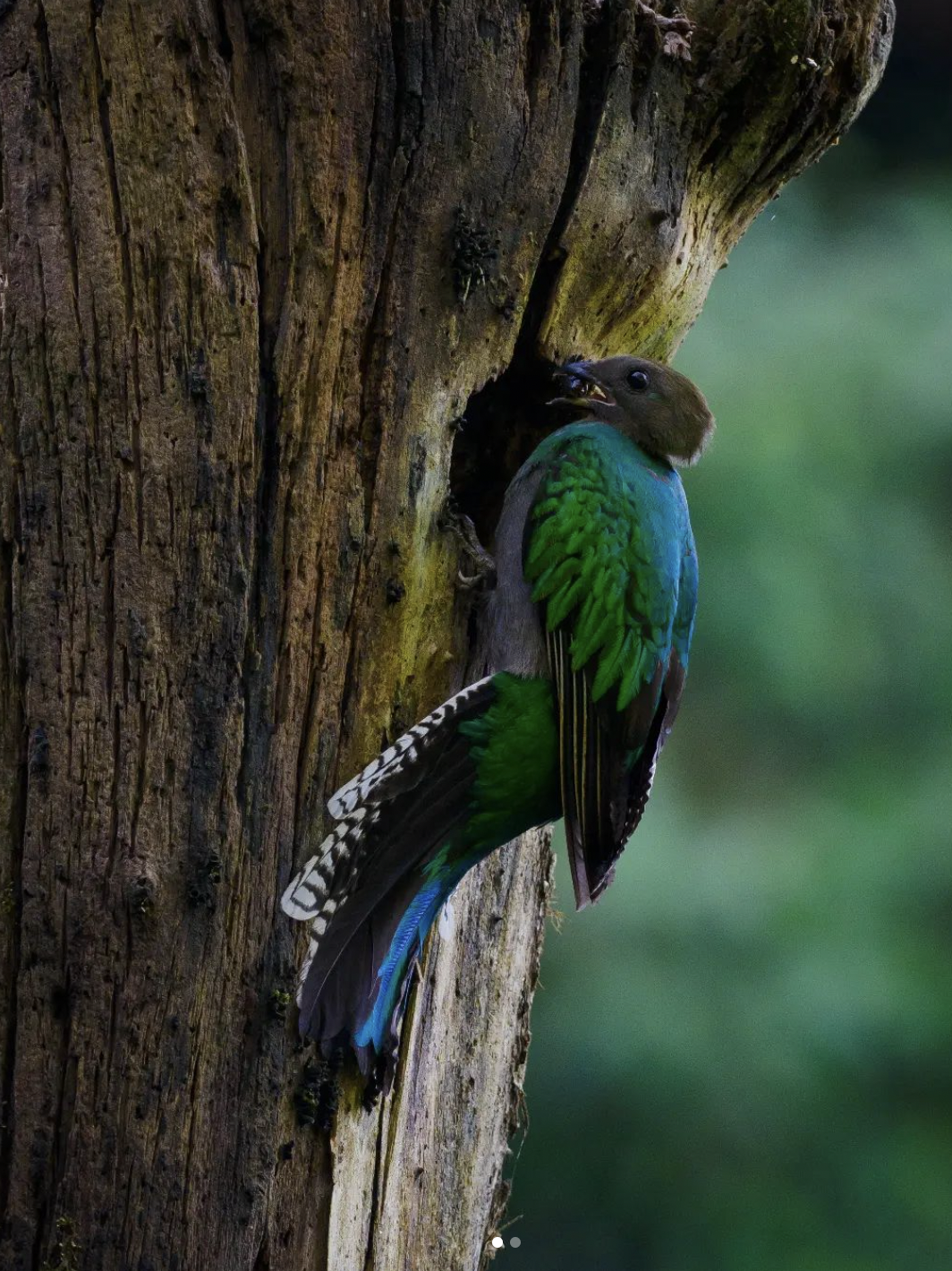
female
Volcan Atitlán, Guatemala
Fall Flowers At Cornell
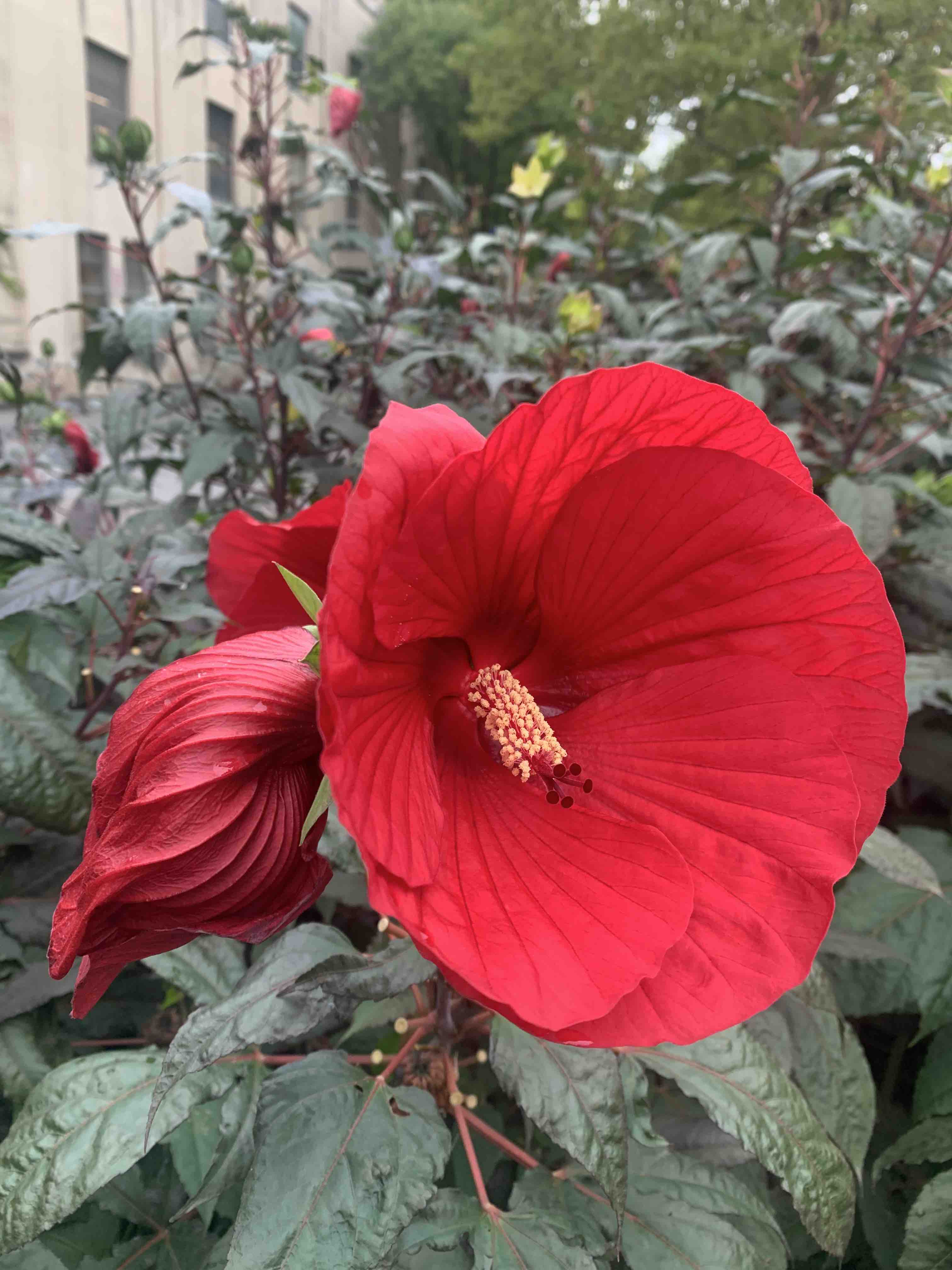
I am at Cornell University today and tomorrow, to lecture in the Hotel School, my onetime academic home. Last year I did the same, but later in the year, introducing one of our coffee varietals during the lectures. This time, flowers on campus convince me that earlier is better.

This flower in particular strikes me as worth the visit.
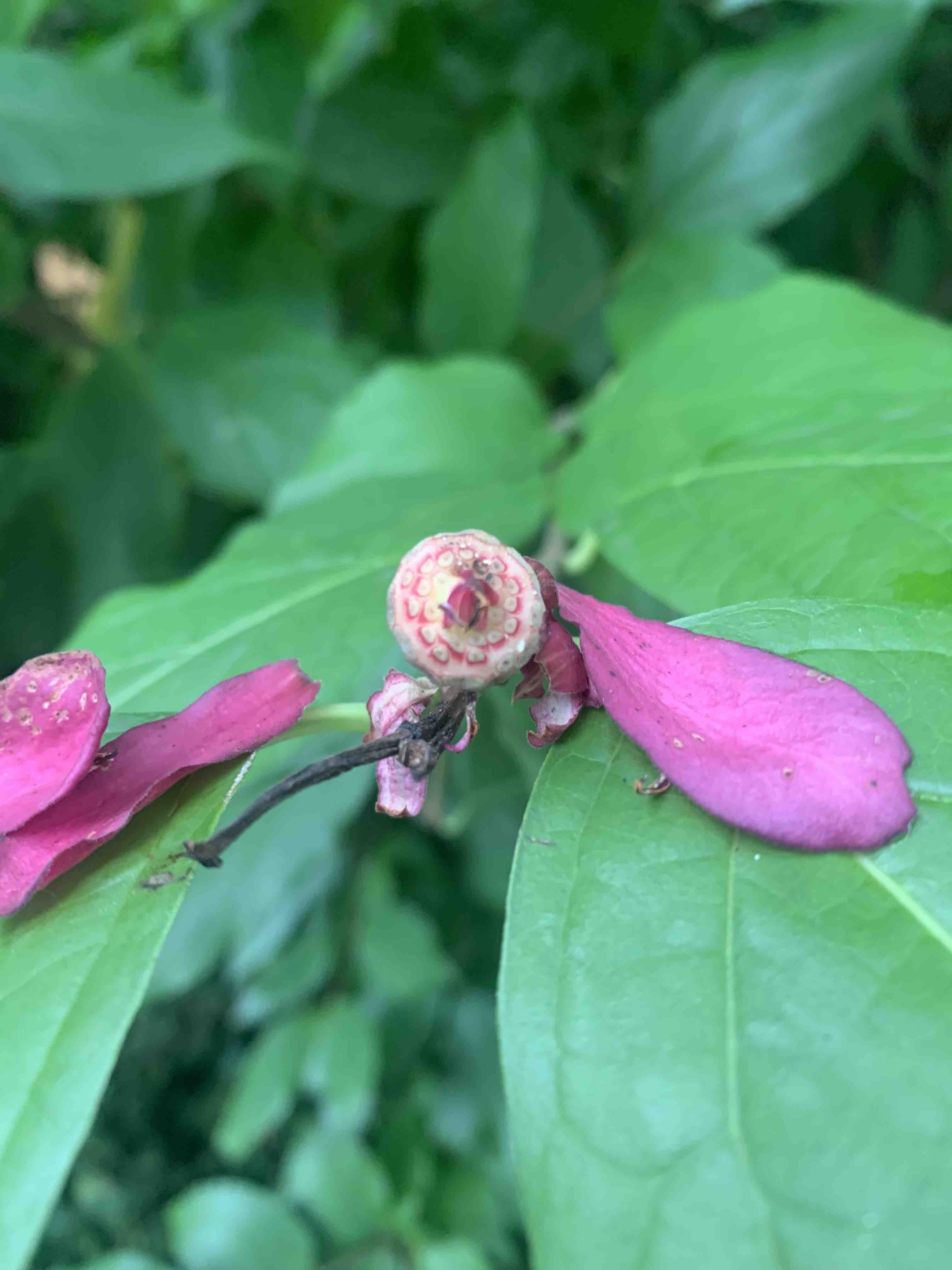
I have no clue what type of flower it is, but even when the petals are gone the interior is spectacular.
Bird of the Day: Resplendent Quetzal
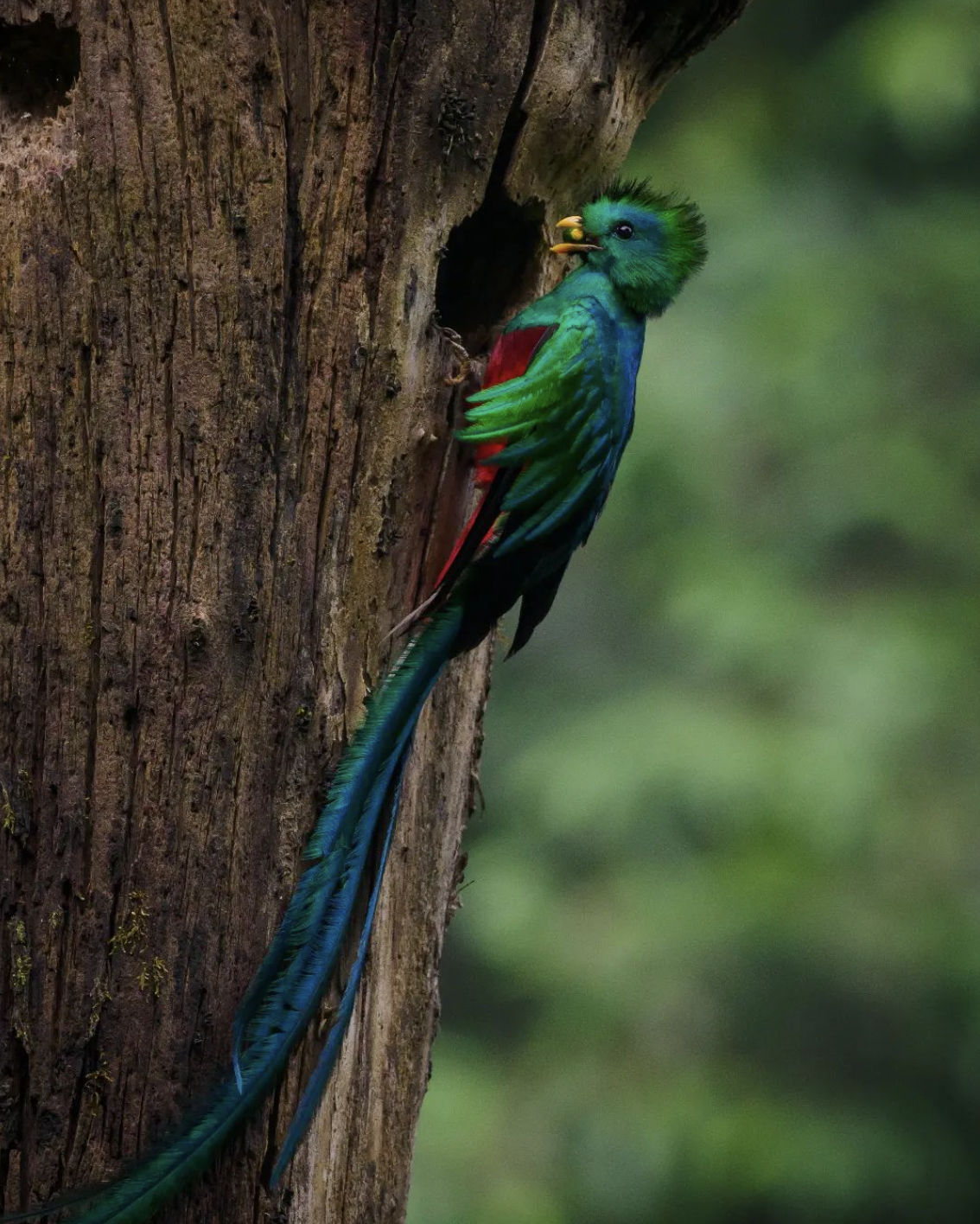
male
Volcan Atitlán, Guatemala
Unintended Consequences Of A Green Energy Strategy
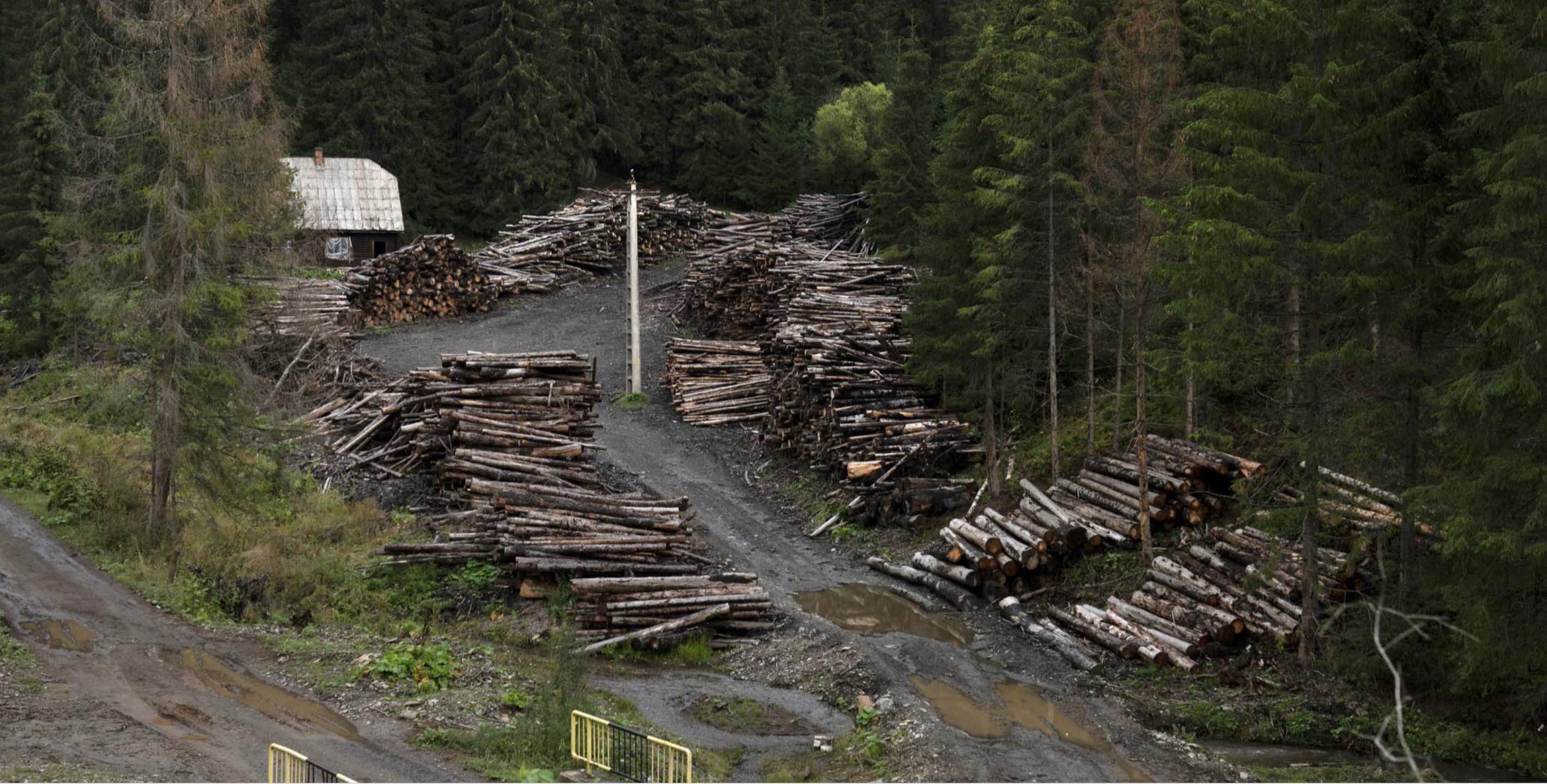
This multimedia story explains powerfully how one of Europe’s green energy strategies went awry:
Europe Is Sacrificing Its Ancient Forests for Energy
Governments bet billions on burning timber for green power. The Times went deep into one of the continent’s oldest woodlands to track the hidden cost.
Burning wood was never supposed to be the cornerstone of the European Union’s green energy strategy.
When the bloc began subsidizing wood burning over a decade ago, it was seen as a quick boost for renewable fuel and an incentive to move homes and power plants away from coal and gas. Chips and pellets were marketed as a way to turn sawdust waste into green power. Continue reading
Bird of the Day: Sirkeer Malkoha
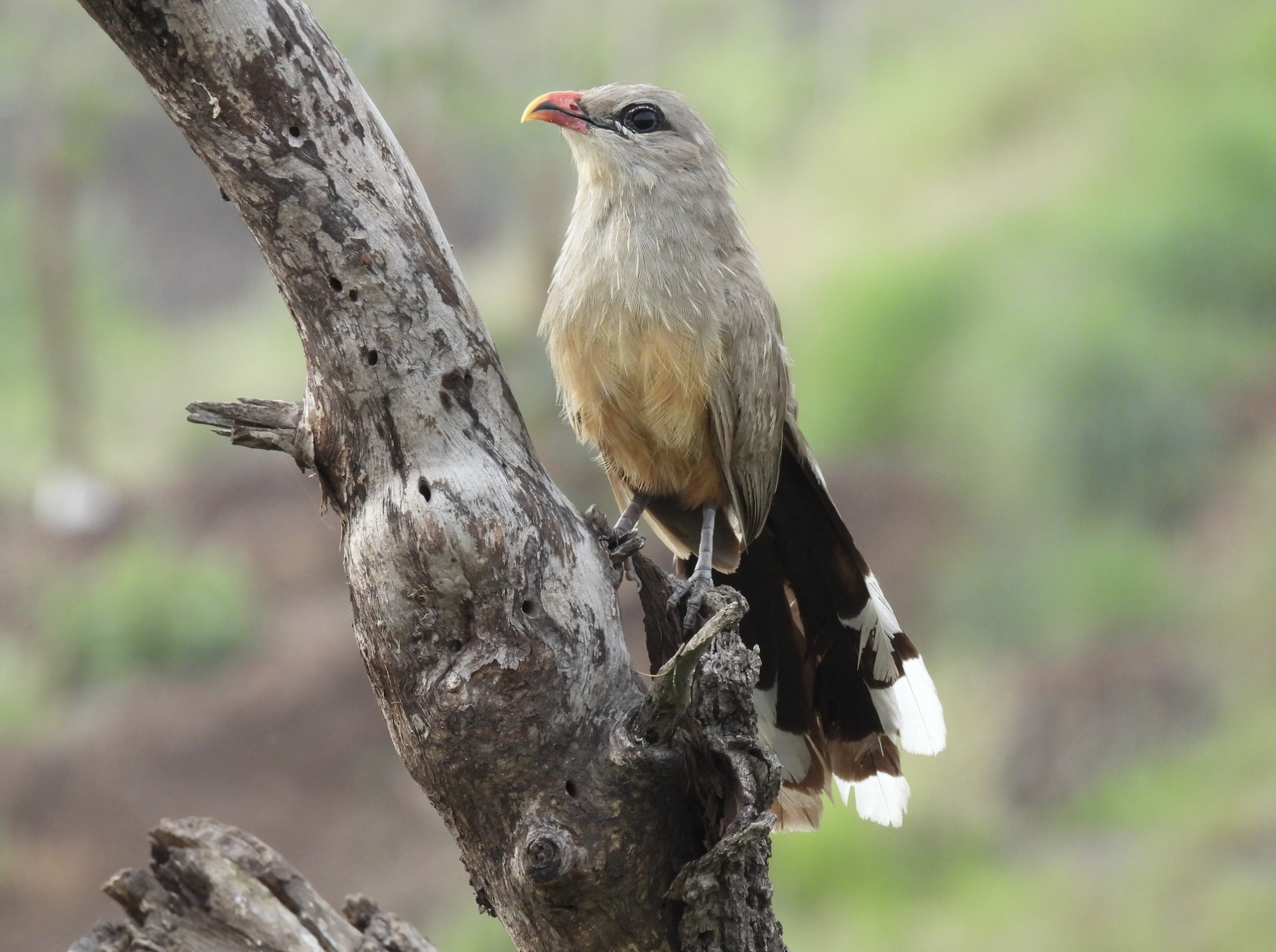
Savalsang Grassland, Vijayapura
Heat-Beating Strategies For Birds
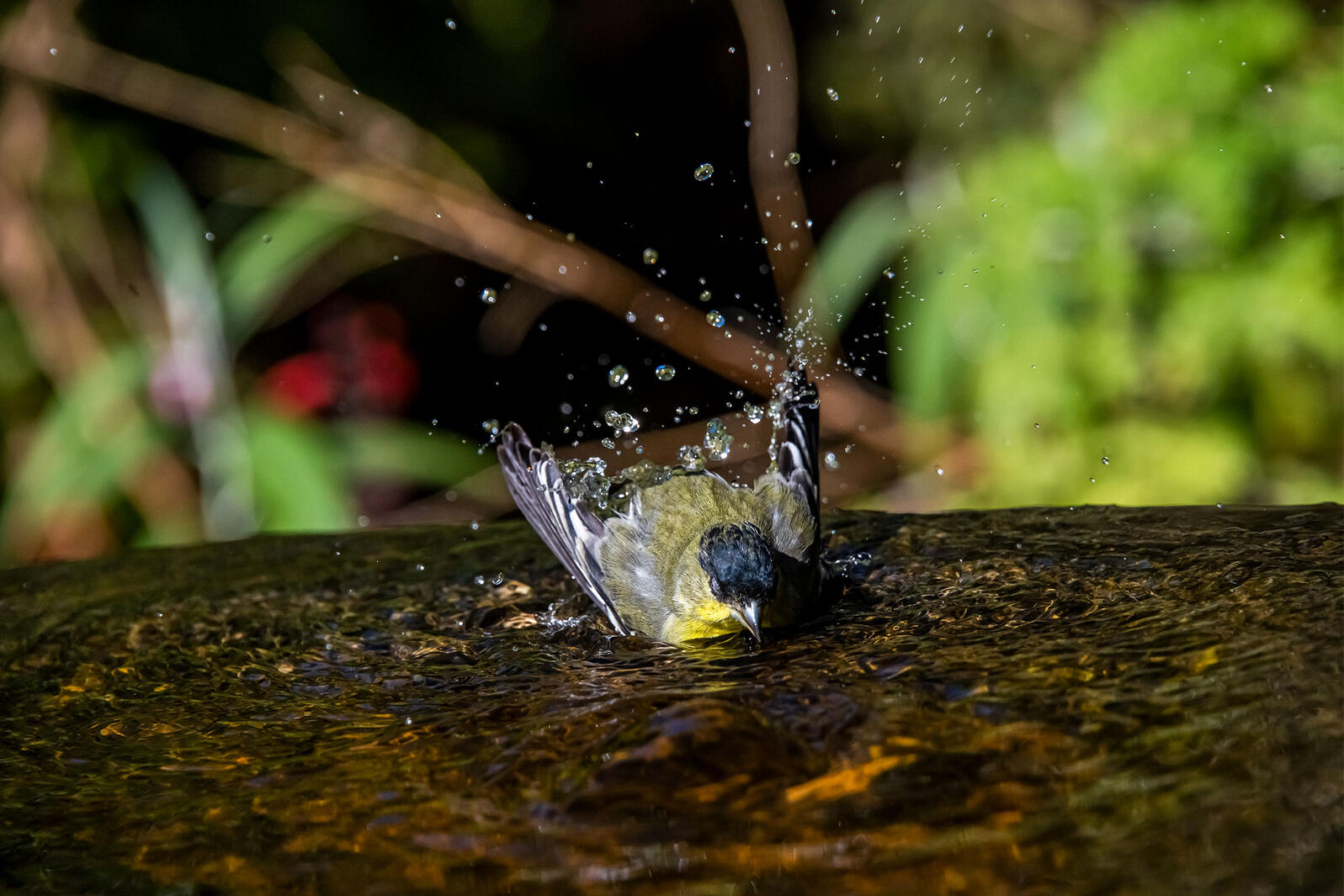
Splooting works for some species but birds can use our assistance with other strategies:
How to Help Birds Beat the Heat
Extreme temperatures add stress to already-fragile ecosystems. Here’s how you can help birds stay cool.
Extreme weather events like heat waves remind us of how urgent the climate crisis really is. Continue reading
Bird of the Day: Rufous-naped Tit
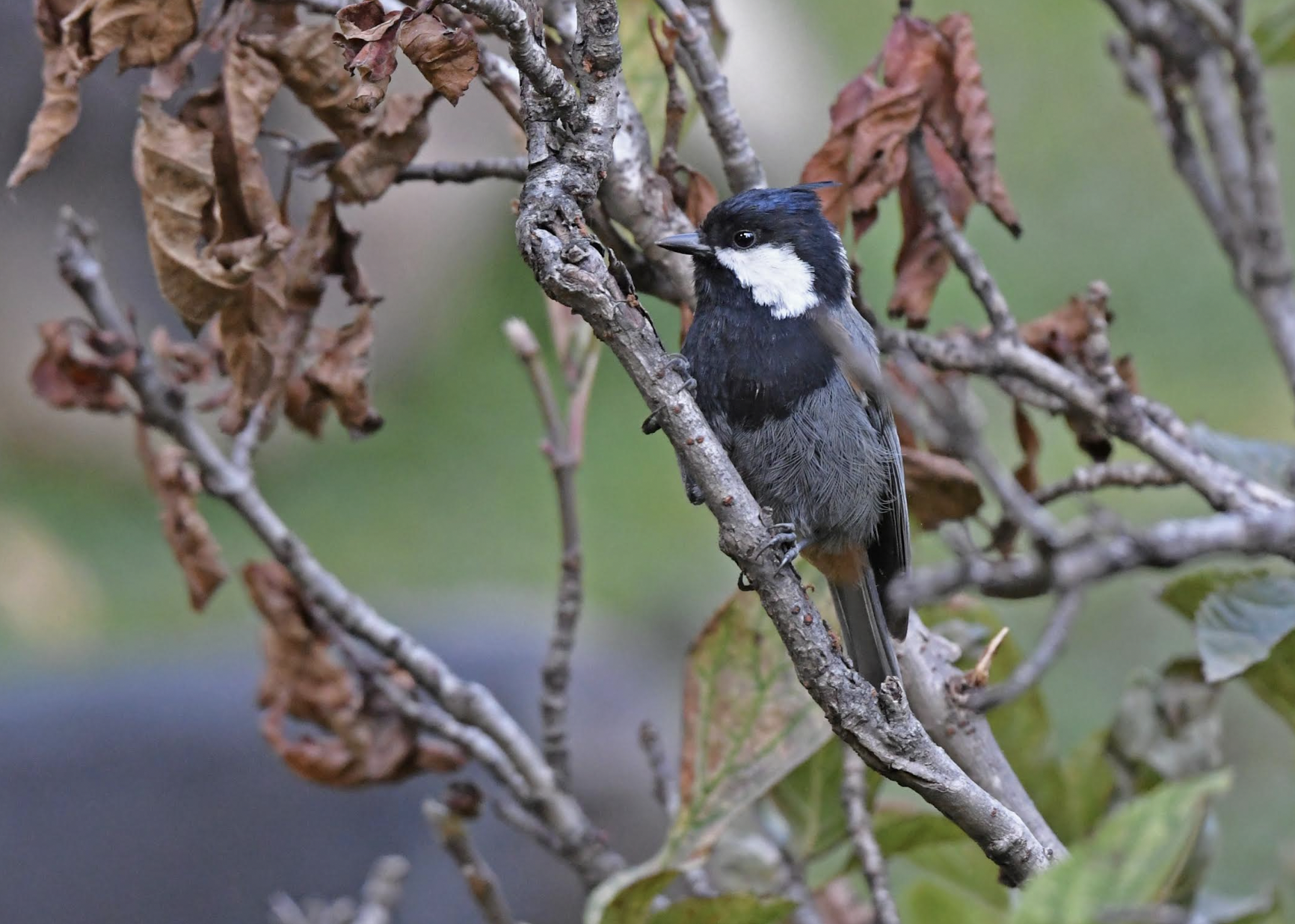
Srinagar Outskirts, Kashmir
Splooting To Beat The Heat
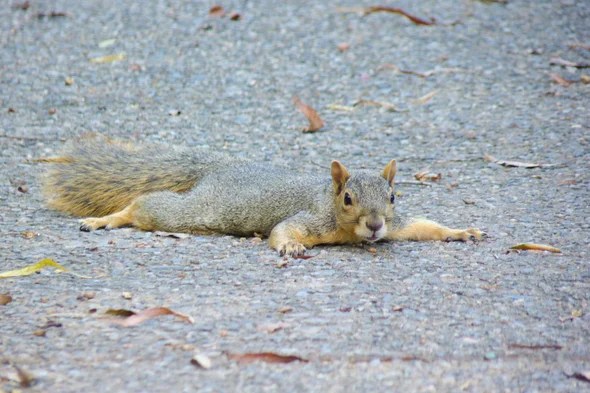
A squirrel in full “sploot” posture. Credit: Debra L Tuttle/Getty Images
Funny as it sounds, it is worth considering how animals deal with heat:
During a Heat Wave, You Can Blast the AC, but What Does a Squirrel Do?
Although recent spikes in temperature affect all of us, our urban critters have had to find their own ways to beat the heat. Sometimes they “sploot.”
It’s summertime in New York City–birds are chirping, insects are scurrying, and everything feels alive! While recent heat waves have pushed a lot of us indoors to the respite of air conditioning, the critters of this city were left to fend for themselves. Continue reading
Bird of the Day: Rufous-tailed Jacamar

Estación Biológica La Selva, Costa Rica
The 150 Most Consequential Years

Amanda Northrop/Vox; Getty Images
Our thanks to Vox for this conversation with one of the great economic historians of our time:
Humanity was stagnant for millennia — then something big changed 150 years ago
Why the years from 1870 to 2010 were humanity’s most important.
“The 140 years from 1870 to 2010 of the long twentieth century were, I strongly believe, the most consequential years of all humanity’s centuries.”
So argues Slouching Towards Utopia: An Economic History of the Twentieth Century, the new magnum opus from UC Berkeley professor Brad DeLong. It’s a bold claim. Homo sapiens has been around for at least 300,000 years; the “long twentieth century” represents 0.05 percent of that history.
But to DeLong, who beyond his academic work is known for his widely read blog on economics, something incredible happened in that sliver of time that eluded our species for the other 99.95 percent of our history. Continue reading
 Organikos