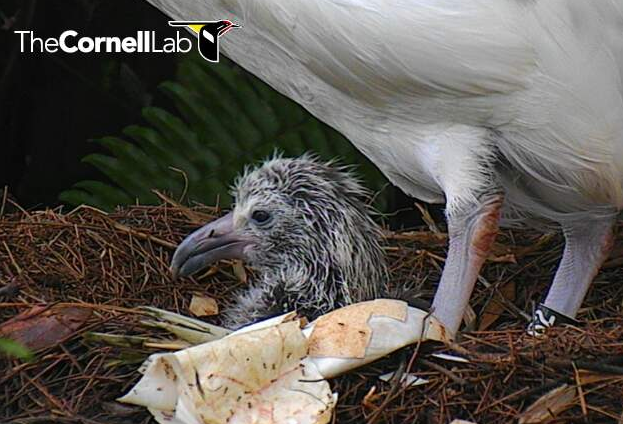
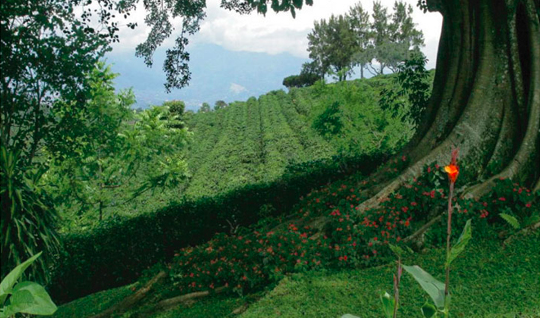
Global Big Day

Word bird map artwork by Team Redhead member Luke Seitz, a Bartels Science Illustration Intern at the Cornell Lab.

Team Sapsucker, the Cornell Lab of Ornithology’s competitive birding team, has participated in the World Series of Birding for quite some time. We’ve even had a couple of the Lab’s student participants, Team Redhead, as contributors to the blog. Over the last several years, Team Sapsucker has been breaking or coming very close to the US record for a Big Day — the most bird species seen or heard in 24 hours — but this year, ten days from now in fact, the team will be in Panama instead of staying in the southwestern US! Here’s what Chris Wood, captain of Team Sapsucker and eBird’s project leader, has to say:

The time of year has come when migratory birds cross continents and even hemispheres to return home to their nesting grounds. Because long-distance migrants face many hazards during their journeys, Team Sapsucker, the Cornell Lab of Ornithology’s top birding team, has chosen to spend 24 hours of non-stop birding in Panama, a region critical to the travels of migratory birds in the Western Hemisphere.
Continue reading

Skyfall

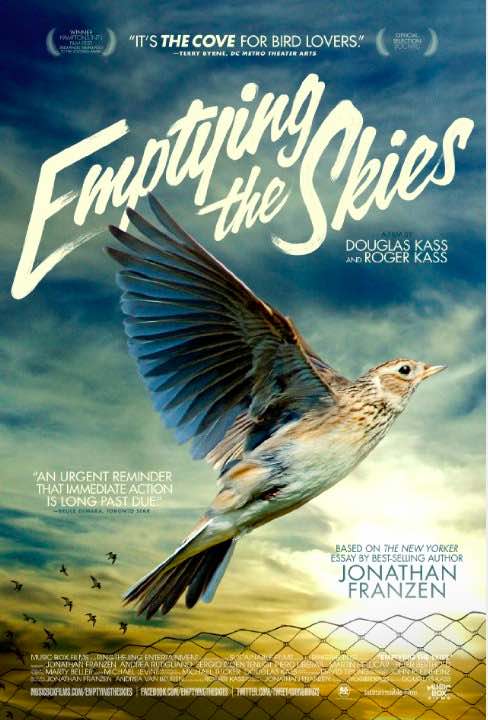
Screen Shot 2015-04-26 at 7.22.04 AMOur literary bird-loving activist took it to another level, as the film (click above) testifies well.  Really, this must stop. Thanks to the Cornell Lab of Ornithology for bringing this to our attention with this interview:

Cornell Lab: Where are you from, how did you find out about this issue—and what made you want to make this film?

Roger Kass: Born and raised in Bedford, New York, I have a background in law and movie production.  I first learned of the issues presented in Emptying the Skies by reading Jonathan Franzen’s story in the New Yorker magazine and wanted to make a film about it to bring these terrible truths to a larger audience.

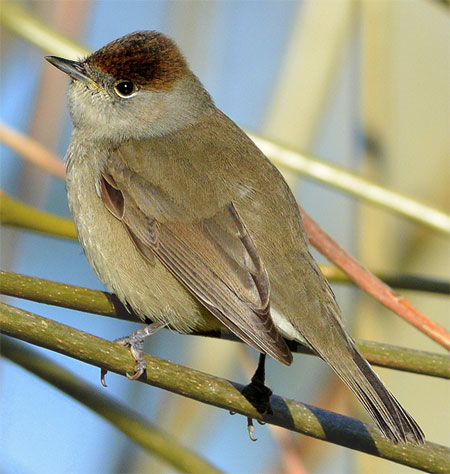
The Blackcap (Sylvia atricapilla) is a commonly hunted species in the Mediterranean. This female safely returned to her northern breeding grounds in England. Photo by jefflack Wildlife & Nature via Birdshare.

The Blackcap (Sylvia atricapilla) is a commonly hunted species in the Mediterranean. This female safely returned to her northern breeding grounds in England. Photo by jefflack Wildlife & Nature via Birdshare.

The main characters in the movie are environmentalists and people who love animals, but they don’t seem like bird watchers exactly. What motivates them to take this interest in tiny songbirds? Follow-up question: they are all men. Why do you think there were no women?

Doug Kass: As is often the case, there were a lot of things we weren’t able to put into the final film. Most CABS members we met were very passionate bird watchers and had extensive lists of sightings, as well as favorite locations, and bucket lists. You could describe them as “extreme bird-watchers,” because unlike most birders, they come into physical contact with the birds.

If you are podcast-oriented, give Leonard Lopate a listen on this topic: Continue reading

If You Happen To Be In Ithaca: But You Don’t Have To Be

One of the many reasons we highlight the Cornell Lab of Ornithology on the pages of this site is the vastness of their offerings to both students and the general community (actual and virtual) sharing current studies in the field of ornithology. Continue reading

If You Happen To Be Anywhere In the World…

Our interest in birds shouldn’t come as a surprise to readers of these pages. With contributors Seth and Justin on a Smithsonian Expedition in search of the Golden Swallow, over 3 years of our Bird of the Day feature from many talented photographers, and a plethora of posts about the subject, we assume it’s obvious.

Prior to 2013 the Great Backyard Bird Count focussed on North America, but that year it went global and the results were amazing! Continue reading

A Word About Our Partners

Research trips, especially international ones, take a lot of money to organize and execute properly. There’s flights, gear, accommodations, food, and other logistical or supply costs that add up to a hefty sum, and field scientists can rarely afford to foot the bill themselves. That’s where large, well-funded organizations like the Smithsonian Institution come in. The coordination and leadership of a museum and research body like the Smithsonian, paired with additional support in the form of grants or gear from other groups, is what makes a successful research trip possible.

For our Jamaica expedition, we’re Continue reading

Murals at Cornell’s Lab of Ornithology

Video by Video by Lindsay France/University Photography

Video by Lindsay France/University Photography

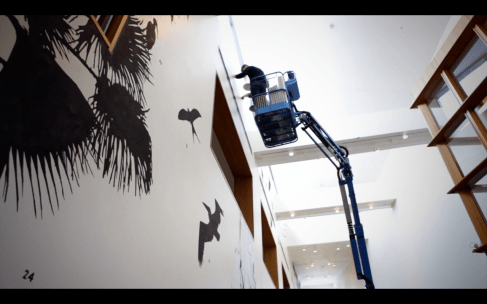
This past spring, naturalist, writer, and artist James Prosek completed the Wall of Silhouettes on the north wall of the Lab’s visitor center. As you can see from the video above, this mural is all in black and white, and shows the life-size, hand-painted silhouettes of 170 birds in different habitats, accompanied by numbers like those in a field guide to represent the relationship between us and nature and one of the ways in which people connect with birds.

A mural by artist Jane Kim planned for the wall facing Prosek’s paintings is scheduled to be completed next November, and will feature representatives from all 231 bird families, Continue reading

FeederWatch BirdSpotter 2014

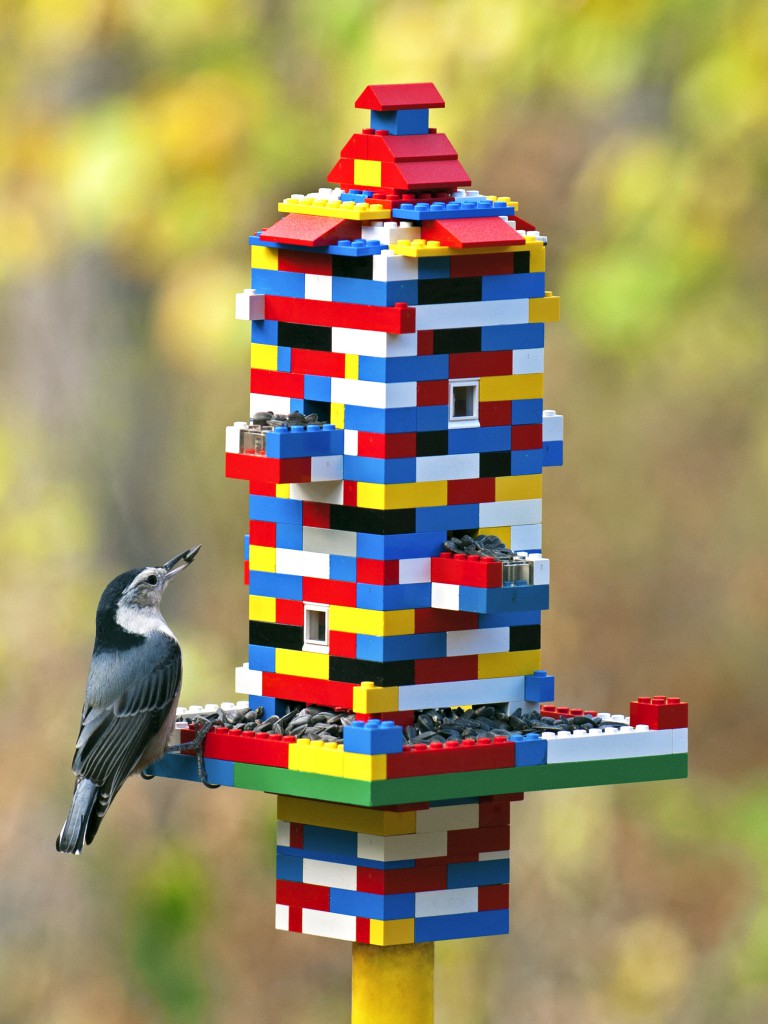
White-breasted Nuthatch feeding at LEGO Feeder. Photo by Gary Mueller submitted to Project FeederWatch 2014 BirdSpotter contest.

Project FeederWatch was one of my other neighbors back at the Lab of Ornithology when I worked for Celebrate Urban Birds. This year, FeederWatch is working on a photo contest with the optics company Vanguard, and it looks like they have some amazing prizes, and therefore some stunning contest entries! The 2014-15 BirdSpotter contest will run from November 5th to February 23rd, and the main goal of the contest is to increase project membership to 25,000 participants for the year.

The FeederWatch mission is pretty straightforward: if you live in North America and have a feeder in your neighborhood (yard, park, etc.), watch it during the winter (November-April) and count the different birds that visit it. Like other citizen science projects that the Cornell Lab of Ornithology is involved with, the data you send in becomes valuable input for scientists in their research!

Continue reading

Migration Celebration

When I graduated from Cornell not too long ago, I drew a bird on my graduation hat. It was a stylized yellow-bellied sapsucker, a symbol I encountered almost every day in my four years as an undergraduate as I studied, worked and conducted research at the Cornell Lab of Ornithology. The Lab shaped my undergraduate experience and inspired my love of science and multimedia. This past weekend I had the gratifying opportunity to give back a little and pass on the inspiration.

As the Autumn chill set in – which in Ithaca means grey skies and a constant drizzle of rain – the Lab opened its doors to the community for a day of Migration Celebration. It was a day to celebrate birds: their fascinating behaviors, plumages, songs, migrations, habitats and ability to bring together people from all walks of life. The event was mainly geared towards children, with innovative educational activities organized by all Lab departments:

“What’s your favorite bird? A sandpiper? Can you draw it? Cool! Now let’s put it on a map and look up where it spends the winter.” Continue reading

Golden Swallows, Jamaica Expedition

Article BannerIt was in 1844 that English naturalist Philip Henry Gosse arrived in Jamaica for his first time. Gosse would ultimately spend 18 months on the island, where he became fascinated in studying the local birdlife he found there. After returning back to London, he went on to publish a book entitled, “The Birds of Jamaica,” in which can be found the first formal descriptions of many birds still cruising about the Caribbean landscape today. The encounters he had with one bird in particular inspired Gosse to write the following:

This exceedingly lovely little Swallow, whose plumage reflects the radiance of the Hummingbirds, is found, as I am informed by Mr. Hill, in the higher mountains formed by the limestone range of the very centre of the island, as in Manchester, and St. Ann’s. It is not until we ascend this central chain, that we meet with this sweet bird, occasionally in the more open dells, but principally confined to the singular little glens called cockpits.

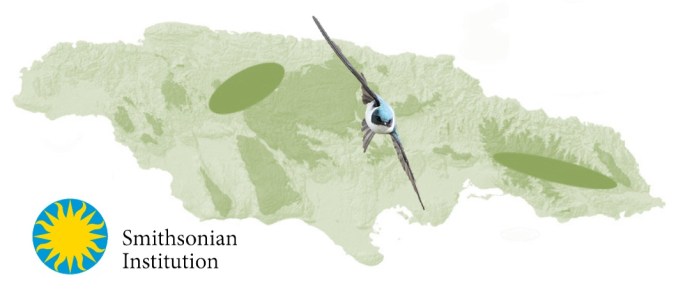
In this passage Gosse speaks of the Golden Swallow, a small passerine that has only been historically known from two islands, Hispaniola and Jamaica.  And while populations of this species continue to persist in several mountain ranges of Haiti and the Dominican Republic, the beautiful bird that Gosse describes in his Jamaican travels has not been seen on that island for more than 25 years.

Continue reading

Ospreys At Cornell

Volunteer birders capture fledging of young ospreys on campus

Volunteer birders capture fledging of young ospreys on campus

Click the image above to watch three minutes of video from the Cornell Lab of Ornithology:

Cornell employees and volunteer “birders-on-the-ground” Cindy and Karel Sedlacek and Suzanne and William Horning capture the fledging of two young ospreys from their nest on a light pole above the soccer field on Game Farm Road, August 8, 2014.

Ospreys build nests on high outcropings and forks in trees. Utility Poles and platforms are a frequent substitute, often built especially for this purpose.

Birders’ Cinematic Moment

This slideshow requires JavaScript.

The last time big name celebrity got attached to a cinematic treatment of birdwatching, the results were underwhelming, though not a total disaster. Just kind of embarrassing if you care about birding and would like the activity to gain more traction with a wider audience. Thanks to the Cornell Lab of Ornithology for pointing us to this, and to Ben Kingsley for his participation’s likely boost to its chances for success:

We’re excited about the release of a new birding movie, A Birder’s Guide to Everything. It’s a touching story that explores broad themes of growing up and growing wiser, while following four young actors and Sir Ben Kingsley on the trail of a possibly extinct species.  Continue reading

Signs of Spring: The Latest CUBs Challenge!

On Saturday, Celebrate Urban Birds started its latest Challenge, called Signs of Spring, to welcome the (in many cases impending) return of sunnier days, greener grasses, and most importantly, migratory birds. For those of you wondering what ever happened with our Fascinating Feathers Challenge from the holiday season, check out this post.

Photo © Cornell Lab. Individual photos by T. Grange, V. DuBowy, P. Siegert, and Z. Boles.

Continue reading

Snowy Owls

We first shared news of this fascinating species’ strange movements late last year, and since then the unusual Bubo scandiacus behavior has only been more eye-catching.

Last week, the New York Times reported that the Boston area is “seeing the largest number of snowy owls ever recorded,” and that birdwatchers had even spotted a Snowy Owl in Bermuda. See the excerpt from John Schwartz’s article below:

01-SNOWY-1-master675

Norman Smith releasing a snowy owl in Duxbury, Mass., that had recently been captured at Logan airport in Boston. Photo by Gretchen Ertl for The New York Times

“This year’s been bizarre,” said Dan Haas, a birder in Maryland. “The numbers have been unprecedented. Historic.”

No one is sure why so many snowies are showing up in so many places — whether it can be attributed to more food in their Arctic habitats than usual, or climate change at the top of the world. “Think about the canary in the coal mine,” said Henry Tepper, the president of Mass Audubon, “you think about the snowy owl in the Arctic.” Continue reading

The Cornell Lab Of Ornithology’s Student Innovators, Dreamers, and Leaders

After you watch the video above you might recognize some faces from the Cornell expedition to Borneo that we featured about a month ago, and be introduced to the faces of other friends that I made in ornithology class several years ago and have kept up with through soccer, squash, and biology classes we’ve taken together.  Continue reading

Borneo, Birds And The Field Method Of Learning Science

This slideshow requires JavaScript.

More than one contributor to this site has been a fan of the Cornell Laboratory of Ornithology for several decades. During graduate school, for example, when Sapsucker Woods provided more than just a walk in the woods.  The Lab’s fan base is global, for good reason, both among casual bird lovers and more serious bird watchers. The Lab became the focus of professional interest to several of us when we began managing lodges in the rain forests of Central America, and we discovered what we had not known while at Cornell: it has the largest collection of field recordings of bird songs in the world.  Guests at our lodges were awed by this resource when it was pointed out to them. The images above reflect more recent appreciation we have for the Lab. Continue reading

Snowy Owl Migrations

Image Courtesy: http://imageveux.com

Climate change has had a significant impact on a multitude of global issues ranging from the environment to even politics; the Snowy Owl, Bubo scandiacus, is another organism that is feeling the effects of warming temperatures impede on its natural habitat in the northern circumpolar region. Varying degrees of climate change have significant impacts on the apex predator’s prey, which subsequently relocate, thus forcing Snowy Owls to migrate as well.

Continue reading

Of Birds and Beans Redux

Shade grown coffee plantations in Costa Rica; photo credit: Emilia Ferreira

What first struck me when I read about the Smithsonian Migratory Bird Center this morning was that their bird friendly coffee certification was a great idea. What struck me second was that I’d read about it before on this site, or at least a teaser on the subject. Chalk not having a “part 2” up to a Cornell student’s busy schedule, but it certainly left the door open for me to discover this wonderful initiative on my own.

We’ve discussed the environmental benefits of shade grown coffee on these pages before, and the Cornell Lab of Ornithology is a La Paz Group “touch stone” in many ways. Leave it to them to so clearly make sense of all the sustainable coffee certifiers on the market from a bird’s eye point of view.

Making Sense of Sustainable Coffee Labels
They’re those little rectangular icons lined up on your favorite gourmet coffee bags—a tree, a flower, a frog, a harvester, each trying to tell you something about how the coffee was grown. But what does each one mean, and how do they differ? Here’s a list of common labels and their benefits for birds….

Bird Friendly. Certified by scientists from the Smithsonian Migratory Bird Center, this coffee is organic and meets strict requirements for both the amount of shade and the type of forest in which the coffee is grown. Bird Friendly coffee farms are unique places where forest canopy and working farm merge into a single habitat. By paying a little extra and insisting on Bird Friendly coffee, you can help farmers hold out against economic pressures and continue preserving these valuable lands. The good news is that there’s more Bird Friendly coffee out there than many people realize—we just need to let retailers know we want it…

Organic. As with other organic crops, certified organic coffee is grown without most synthetic pesticides and fertilizers and is fairly sustainable—although there are no criteria for shade cover. Because of coffee’s growth requirements, it’s likely that organic coffee has been grown under some kind of shade. However, many farmers shade their coffee using other crops or nonnative, heavily pruned trees that provide substantially less habitat for birds, and the organic label offers no information about this. Continue reading

Red-tailed Hawk Chicks Hatch on Earth Day at Cornell University

Photo by Cornell Lab of Ornithology

If you were up around 6AM this Earth Day you probably didn’t think to check the Cornell Lab Bird Cams, but if you had, you might have seen two hawk chicks hatch into their nest atop a light pole on one of Cornell’s athletic fields.

According to the Lab’s news release, the third chick (i.e. the egg in this picture) is due to hatch in the next 48 hours, so keep a close watch by following the link in the photo, and enjoy your Earth Day! As you check out the live feed, you’ll probably see the father hawk, Ezra (named for Cornell University’s co-founder Ezra Cornell), or the mother, Big Red (after Cornell’s sports teams) taking turns incubating the egg and chicks.

Be sure to refer to the Red-tailed Hawk cam frequently asked question page, and also check out the Great Blue Herons in Sapsucker Woods!

Birds-of-Paradise Project

Photo by Tim Laman.

We’ve written about the birds-of-paradise before, mostly to share great images of them. But all that is about to be topped by the same folks who brought us two out of the three links above: Tim Laman and Ed Scholes. On February 19th, a new website was released that contains over two hours of footage never seen before, specifically designed to serve as an educational base for anyone trying to learn more about the whacky birds.

The Cornell Lab of Ornithology was one of the main funders for the project (others include the estate of Madelon G. and Robert Wehner, Conservation International, and the National Geographic Expeditions Council). According to their official press-release, the “website, videos, and interactive features were produced by the Cornell Lab’s Multimedia program with sound and video from the archives of the Lab’s Macaulay Library. Producer Marc Dantzker said the production team sorted through more than 2,500 video clips, almost 40,000 photos, and hundreds of sound recordings to find close-up examples of each adaptation, courtship pose, display feather, and dance move.”

So after eight years of painstaking research by Scholes and Laman, we get to enjoy this unforgettable imagery! Watch the video below of the King-of-Saxony, Continue reading