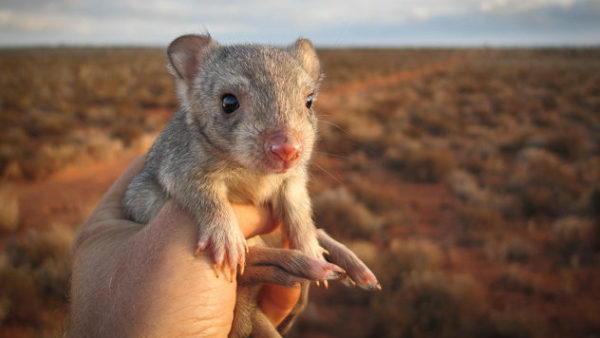
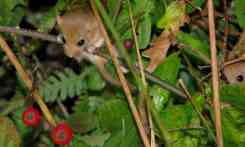
A burrowing bettong, also known as the boodie, in the Australian Outback. COURTESY OF AWC
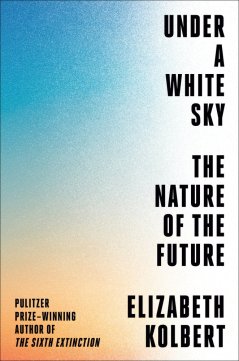
I have not acquired the book yet, but I have heard her discuss it and read an interview with her about it; the author has moved from reporting on extinction and climate phenomena to reporting on human intervention schemes that respond to those phenomena. The stories as told in the article below adhere to a claim Kolbert makes in her discussion with Ezra Klein, that as a journalist she is not in the judgement business:
An Australian project to help threatened marsupial species adapt to avoid predatory cats is among a host of ‘assisted evolution’ efforts based on the premise that it is no longer enough to protect species from change: Humans are going to have intervene to help them change.
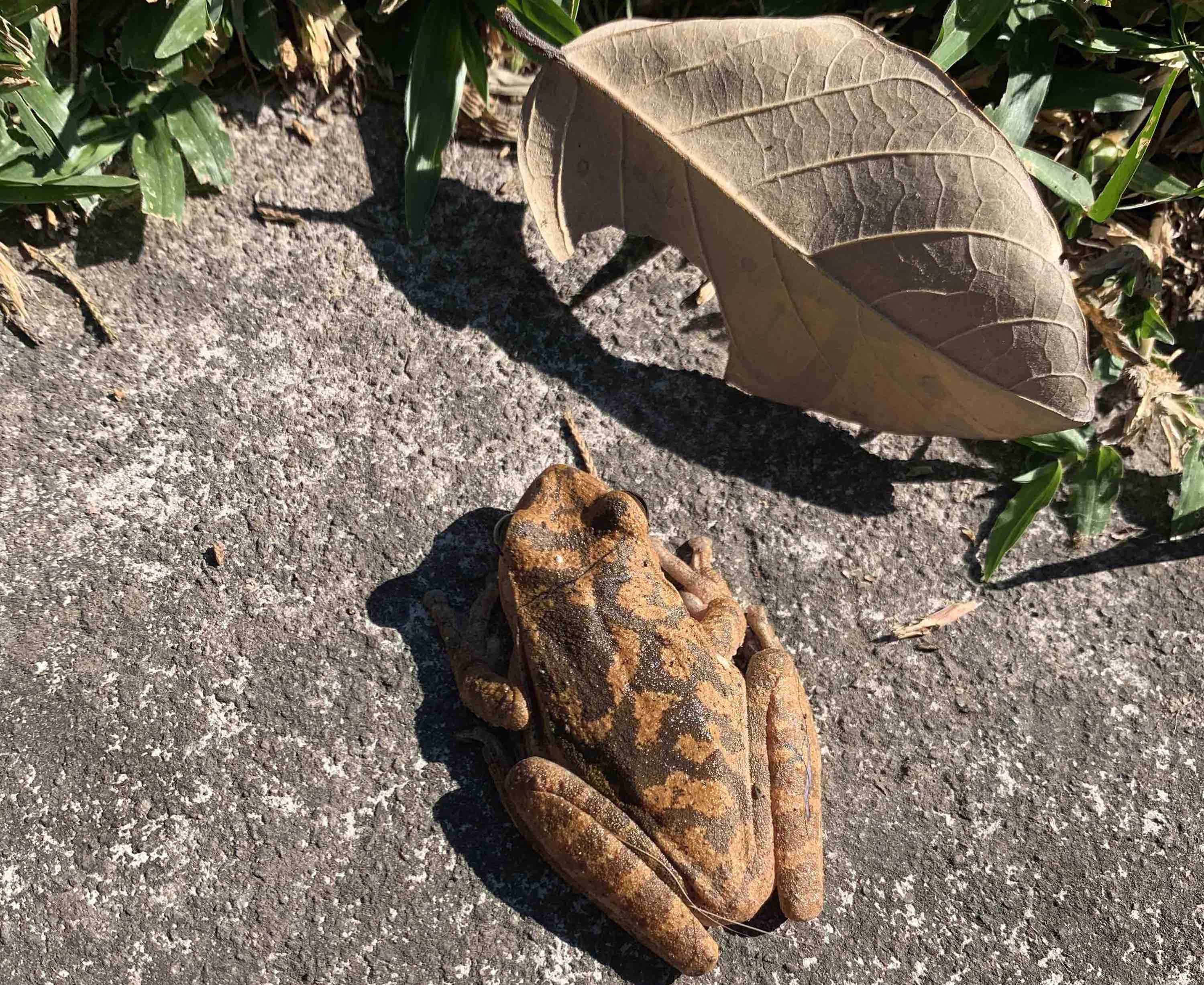
We got as many trees in the ground as we could during 2020, and since it has been dry season for a couple months now we are mostly in maintenance mode. The most pleasure to be had during these months is seeing how the wildlife on our small plot of land changes. For example, the creature above, which I saw yesterday. I believe it is a Drab Tree Frog, but if you have a different opinion please let me know. Tomorrow we begin coffee germination, take two–and I will post on that. Meanwhile, thanks to the Guardian’s coverage of the environment, we have this news:
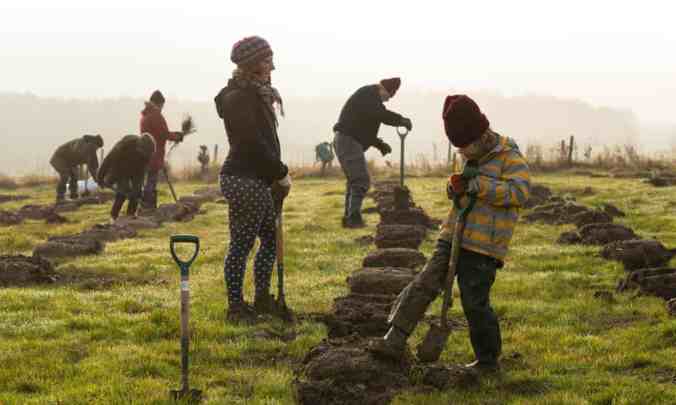
Volunteers helping on project for Woodland Trust, which sent out a million trees last year. Photograph: Philip Formby/PA
Community forest projects have seen a surge in volunteers keen to reduce CO2 emissions by creating new woodlands
According to the Horticultural Trades Association, garden centre sales of hardy plants, shrubs and trees have soared. Photograph: Alamy
The UK may be in the grip of a winter lockdown but in one village on the edge of the Yorkshire Dales the local climate-change group has been busy.
Plans are afoot to plant hundreds of trees on land surrounding Newton-le-Willows, in lower Wensleydale, in an effort to tackle the climate crisis. According to scientists, planting billions of trees across the world is one of the biggest and cheapest ways of taking CO2 out of the atmosphere. Continue reading →
Every time I listen to or read an interview with an author who has recently published a book, and want to get a closer look at the book itself, I click the link provided. Nearly 100% of the time the link goes to Amazon. Not good. When I listened to an interview with Elizabeth Kolbert on a podcast I respect, that is what happened. Frustrated by that link, I looked for alternatives to Amazon for buying this book, and found plenty. For example, thanks to Powell’s Books for making the discussion about this book available in the online event above.
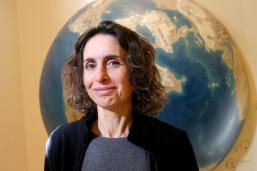
One option is Bookshop.org, which came to my attention while trying to find an interview with Kolbert about her new book that did not link to Amazon. It took some effort, after finding the Powell’s links, but thankfully I found an interview given a couple days ago to Audubon for their review of Kolbert’s book. None of our many earlier links to Kolbert stories have featured an image of the author, so I will share here the one that accompanies the Audubon piece. In the middle of the interview there is this exchange:
Elizabeth Kolbert at the American Museum of Natural History in New York. Photo: Suzanne DeChillo/The New York Times/ReduxI have seen plenty of images of her, but this may be the only one in which she is smiling.
A: We’re, of course, doing this interview for Audubon, which focuses a lot on species conservation. Much of the work that people do to save various species—and there are so many examples of this in your book—involves altering previous ways that we’ve altered the natural world. How do you suggest that people who care about species protection think about efforts like these?
K: Well, that’s a really profound question, and to be honest that is the question at the center of the book. One of the points is, what do we think of as conservation, right? Continue reading →
The study also found that bells on collars made no difference to the number of animals killed by a cat. Photograph: GluePromsiri/Getty/iStockphoto
I am a cat person by nature. I have lost count of how many cats I had as pets since early childhood and well into adulthood, but I do remember our last two cats from three decades ago. Boris, a black cat with a tip of white on his tail, learned to jump up into my cradled arms if I stood in front of him and made a certain noise. His sister Mimi was named for the plaintive mi-mi cry she made when she climbed up onto the bathroom sink and rubbed her mouth against the faucet head, wanting us to turn the water on to drip out so she could drink. They lived long lives as indoor cats who did no harm to anyone or anything (that we knew of). But when we learned how many birds, among other wildlife, that cats kill per year we decided not to adopt any more cats; we switched to dogs. Now, all these years later, I am happy to see there is hope for reformed cat behavior:
I am responsible for managing a small enterprise. As we expanded into ecommerce some months ago, I looked into the advantages offered by Amazon’s fulfillment services. But the disadvantages, which I have been reading about and posting about here for some years outweighed the advantages.
Andy Jassy. David Paul Morris/Bloomberg
Having just read this op-ed on the same topic, I am more convinced than ever of the dangers Amazon poses to companies like ours. Maureen Tkacik, a senior fellow at the American Economic Liberties Project, does an an additional service by highlighting the efforts of Congresswoman Lucy McBath (who Amie had the good fortune to be able to campaign for and who our family voted for when we resided in her district during her first campaign) to hold the company accountable:
The Amazon founder prepares to step back just as Washington turns up the heat on the mega-retailer and cloud company.
If I had to guess who inspired Amazon’s founder, Jeff Bezos, to kick himself upstairs and appoint Andy Jassy, a deputy, as his successor as chief executive, I might wager that at least part of the blame can be laid on Lucy McBath, the freshman Georgia congresswoman, and her understatedgrilling of one of the world’s richest men at a July hearing held by the House antitrust subcommittee. Continue reading →
Burhans realized that the Church had lost track of its vast landholdings. Photograph by Isabel Magowan for The New Yorker
When I was a doctoral student I was introduced to geographic information systems. I became interested in how this tool might be of use in the hospitality industry. By the time I co-authored a second article about this, I already had my dissertation research focused on an entirely different topic, and I also had a job offer in Costa Rica to put that research to use. So, my GIS fascination was short-lived. But it was revived in the last couple of years as Seth focused his graduate school education on how to use this tool for land stewardship and natural resource management. So, reading this article by David Owen was a delight on multiple fronts. Foremost is the knowledge that the tool I found useful for business purposes has an equally powerful use for conservation:
Molly Burhans wants the Catholic Church to put its assets—which include farms, forests, oil wells, and millions of acres of land—to better use. But, first, she has to map them.
The role of the cartographer, according to Molly Burhans, is not just data analytics. “It’s also storytelling,” she said. Photograph by Isabel Magowan for The New Yorker
In the summer of 2016, Molly Burhans, a twenty-six-year-old cartographer and environmentalist from Connecticut, spoke at a Catholic conference in Nairobi, and she took advantage of her modest travel stipend to book her return trip through Rome. When she arrived, she got a room in the cheapest youth hostel she could find, and began sending e-mails to Vatican officials, asking if they’d be willing to meet with her. She wanted to discuss a project she’d been working on for months: documenting the global landholdings of the Catholic Church. To her surprise, she received an appointment in the office of the Secretariat of State.
On the day of the meeting, she couldn’t find the entrance that she’d been told to use. She hadn’t bought a sim card for her phone, so she couldn’t call for help, and, in a panic, she ran almost all the way around Vatican City. The day was hot, and she was sweating. At last, she spotted a monk, and she asked him for directions. He gave her a funny look: the entrance was a few steps away. A pair of Swiss Guards, in their blue, red, and yellow striped uniforms, led her to an elevator. She took it to the third loggia of the Apostolic Palace, and walked down a long marble hallway. On the wall to her right were windows draped with gauzy curtains; to her left were enormous fresco maps, commissioned in the early sixteenth century, depicting the world as it was known then. Continue reading →
Phoebe Weston is back in our pages with a story about the importance of a seemingly prosaic part of the old UK landscape–hedgerows.
Young dormice photographed by ecologist Rob Wolton during a two-year study of his hedge in Devon. Photograph: Robert Wolton
She covers their prospective role in meeting net-zero targets and the video above is an excellent primer on that. The details in her article below about Rob Wolton’s investigation of his own hedgerow is fascinating. I am interested in the topic as much for the biodiversity implications as I consider whether my berms should all remain berms, or if some portion should become hedgerow:
They store carbon and are havens for wildlife – it’s no wonder experts are calling for Britain’s hedge network to be extended
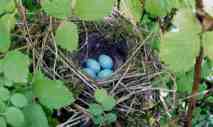
A dunnock’s nest containing eggs in Rob Wolton’s hedge. Thrush and bullfinch also made their homes in the hedgerow. Photograph: Robert Wolton
One New Year’s Day, ecologist Rob Wolton came up with an unusual resolution – to spend the next 12 months studying a hedge 40 metres from his house in the middle of Devon. He wanted to make a list of every plant, animal and fungus that used it. Why? Because a wildlife-enthusiast friend challenged him to do it during a long car journey.
“I thought it would take a year, but at the end of the first one Continue reading →
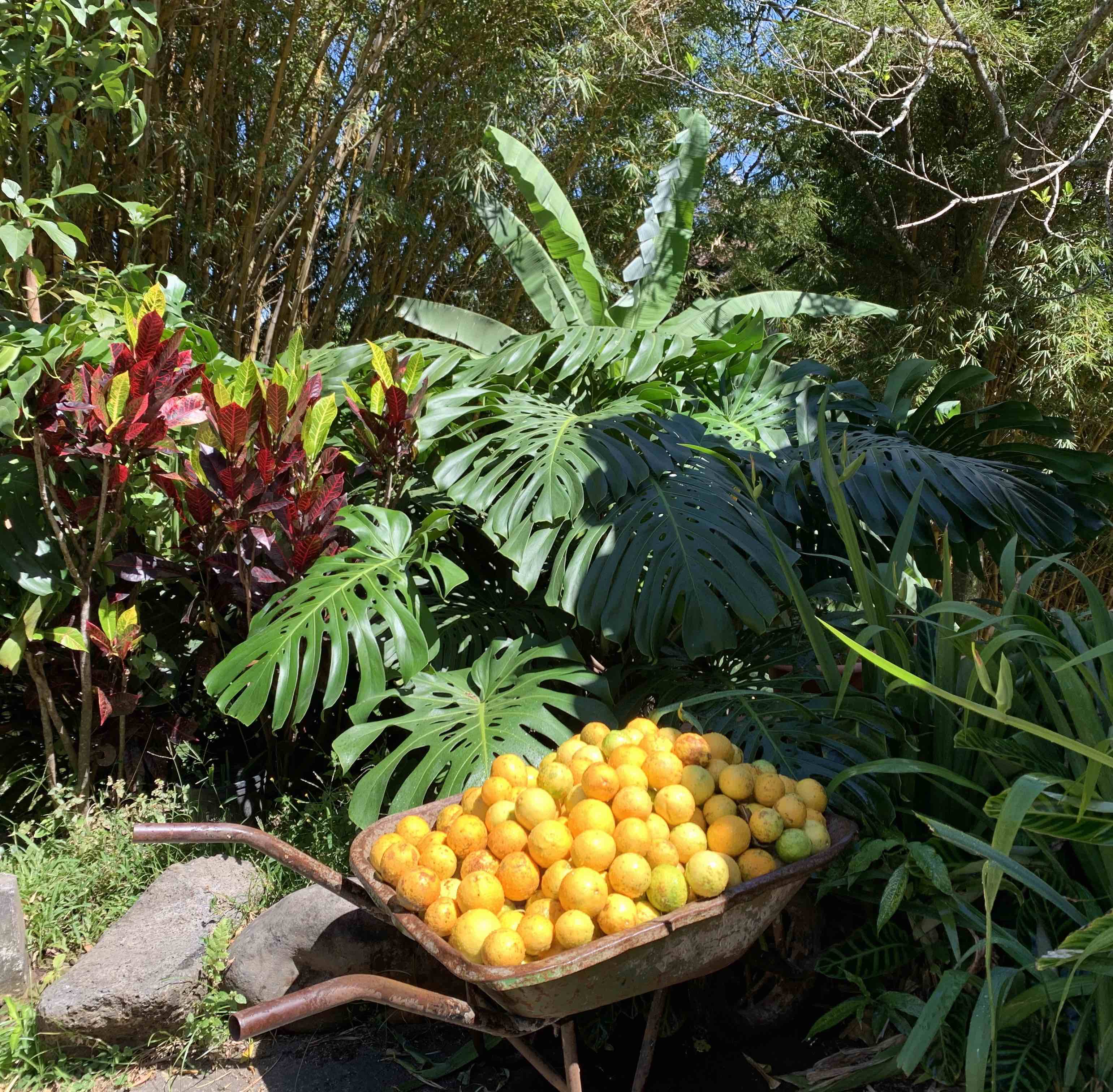
The fruit in the image above is from trees planted 10 years prior to our starting to post on this platform, and so the fruits of our labor planting citrus 20 years ago gives me a few hundred reasons to be grateful. This is the fourth and final wheel barrow full of various types of oranges and limes, and in addition to drinking plenty of juice in the last month I am freezing many gallons for the remaining summer months.
The image to the left is surely evocative for different people in different ways. I cannot see it without flashbacks to what that same spot looked and smelled and sounded like in 1987. It was a peculiar moment in time; I’ll leave it at that. This rendering reaches me just after seeing images of Penn Station’s recent renovation, which itself got me thinking about unique solutions to different kinds of urban challenges. In that case the interior was the thing. For cities where there is too much built space and traffic, greening of arteries is the thing. Also coincidental was last week’s news about the plan for the neighborhood where our sons attended school during the 2003-2004 academic year, which reaffirms my sense that good ideas are infectious.
Those news from New York and from Paris transported me to a very different urban space where we lived and worked for seven years. The image above and the title screen to the right both serve well to evoke an idea that was generated in one of India’s best preserved colonial harbor neighborhoods. Just prior to opening this property in that neighborhood we hosted four young creative professionals from Europe and the USA, two authors and two architects. One of the architects had recently completed work on our then-favorite model of urban re-utilization.
I stood with him on a rooftop overlooking the spice-trading on the street where our hotel was under construction. We had a breezy conversation about how this space might be made more accessible, and I commented on this neighborhood needing an urban design that, like the repurposing of two crumbling spice warehouses into our hotel would be respectful of history while not a slave to it. And the next day he disappeared, as guests do, but the idea is still out there, gestating, and in my hazy memory looks something like this image below.
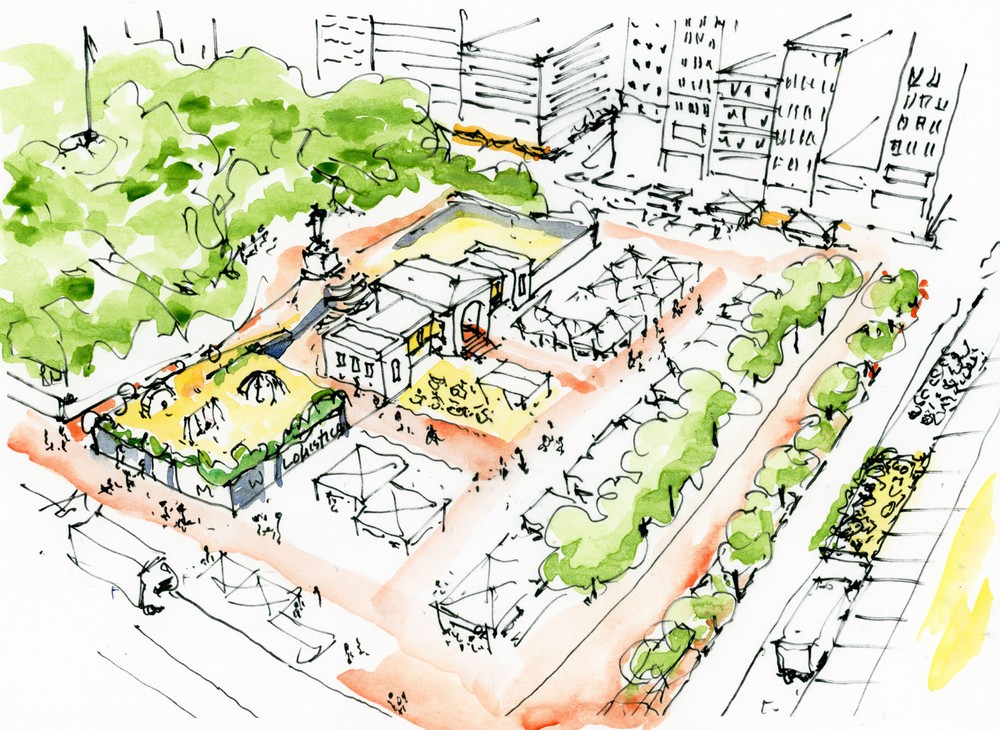
“Envisioning Union Square’s Vibrant North Plaza” – Watercolor by Guido Hartray
Not the specifics, of course. But this dream-like watercolor rendering of Union Square Park’s future layout is a perfect reminder of that rooftop conversation about how Mattacherry might one day be a more effective version of its already awesome self. Carolyn McShea has posted this research note about the Union Square initiative on the website of Marvel Architects:
Union Square is famous for its rich activist history, successful Business Improvement District (BID) and 24/7 residential-commercial community that is also home to some of the city’s iconic buildings that have reached National Historic Landmark status. 14th Street is considered as a commercial corridor for New Yorkers and key cross-town thoroughfare. Continue reading →
Last week I walked with my grand-daughter among these almendro trees. Amie and I helped plant these when they were foot-high saplings in 2019, and we tagged one with our grand-daughter’s name. The trees, now 3+ feet high, are part of a coastal reforestation scheme; their beneficence includes producing fruits favored by scarlet macaws.
Demonstrators gather in front of the White House to protest the proposed Keystone XL pipeline, in the summer of 2011. Photograph by Melissa Golden / Redux
Everyone loves scarlet macaws. And these trees grow faster than our grand-daughter, giving constant positive feedback. When you have an opportunity to do something like plant a tree, or any other restorative act, first things first: do it. Thanks to Bill McKibben for pointing this out as one of the highlights of yesterday’s change of scenery in Washington, D.C.:
In his first hours in office, Joe Biden has settled—almost certainly, once and for all—one of the greatest environmental battles this country has seen. He has cancelled the permit allowing the Keystone XL pipeline to cross the border from Canada into the United States, and the story behind that victory illustrates a lot about where we stand in the push for a fair and working planet. Continue reading →
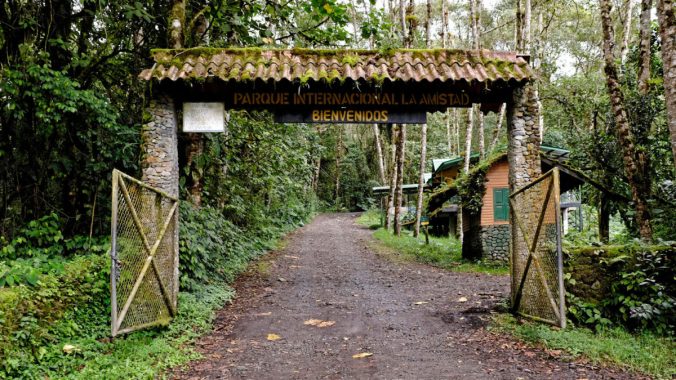
The entrance to La Amistad National Park, which will now be controlled by the Naso under a joint management plan with the government. EDDIE GERALD / ALAMY
We offer coffee from the oldest organic coffee farm in Latin America, which sits on the border of the La Amistad International Park. During our visit to the farm in late 2019 we heard firsthand the family history that led to the creation of what is now a transnational park, while retaining a large private protected area named Hacienda La Amistad (coffee is farmed on a small percentage of that land). Recently Fred Pearce, who frequently writes about forest management best practices, shares news from Panama focusing on the decision to transfer park management to an indigenous community whose ancestral lands in:
With a landmark court ruling, the Naso people of Panama have won the rights to ancestral territory that includes two national reserves the tribe will now help manage. The victory comes as mounting evidence shows that Indigenous groups are often the best protectors of their lands.
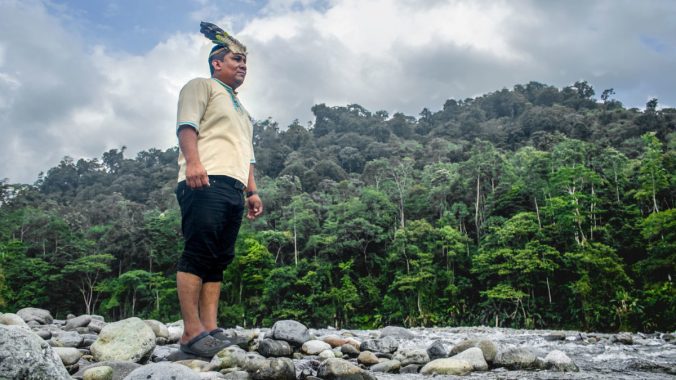
Reynaldo Santana, the King of the Naso, on the banks of the Teribe River in northwest Panama. NORLANDO MEZA
Tribal groups in Panama are celebrating a victory for their rights to control some of Central America’s largest forests — a victory that could benefit conservation throughout the region.
The landmark ruling, by the country’s Supreme Court, upholds a claim by the Naso people of northwest Panama — who live in remote villages, grow subsistence crops, maintain their own forests and native language, and elect their own monarch — to create a semi-autonomous territory, known in Panama as a comarca, covering some 400,000 acres of their ancestral lands.
“This is an act of justice that will restore tranquillity to the Naso by securing our land,” says the King of the Naso, Reynaldo Santana. Continue reading →
Processing coffee after harvest refers to getting the beans out of the cherry, with fruity pulp removed. How that happens, and what follows, is partly a function of tradition, which is itself a function of geography.
In Costa Rica, due to the abundance of water, the tradition historically was to wash the beans. Since I am in Costa Rica I will give a simple illustration of this process using a small quantity of beans. These are from a handful of trees as mentioned in yesterday’s post.
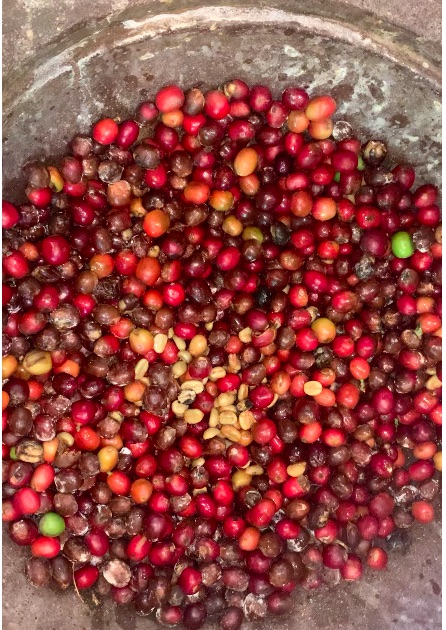
In the photo above, where the coffee is in a round sink basin, you can see some beans in the middle that have been removed from the cherries. You can also see a couple green beans, which get sorted out. The goal of the “washed” method of processing coffee post-harvest is to get all the beans out of all the cherries, with as much residual pulp removed as possible. Water makes this process easier. The skins and other residual material does not historically have much, if any, value. In recent years farms are taking greater care to compost this material and use the result to fertilize the soil where the coffee grows.
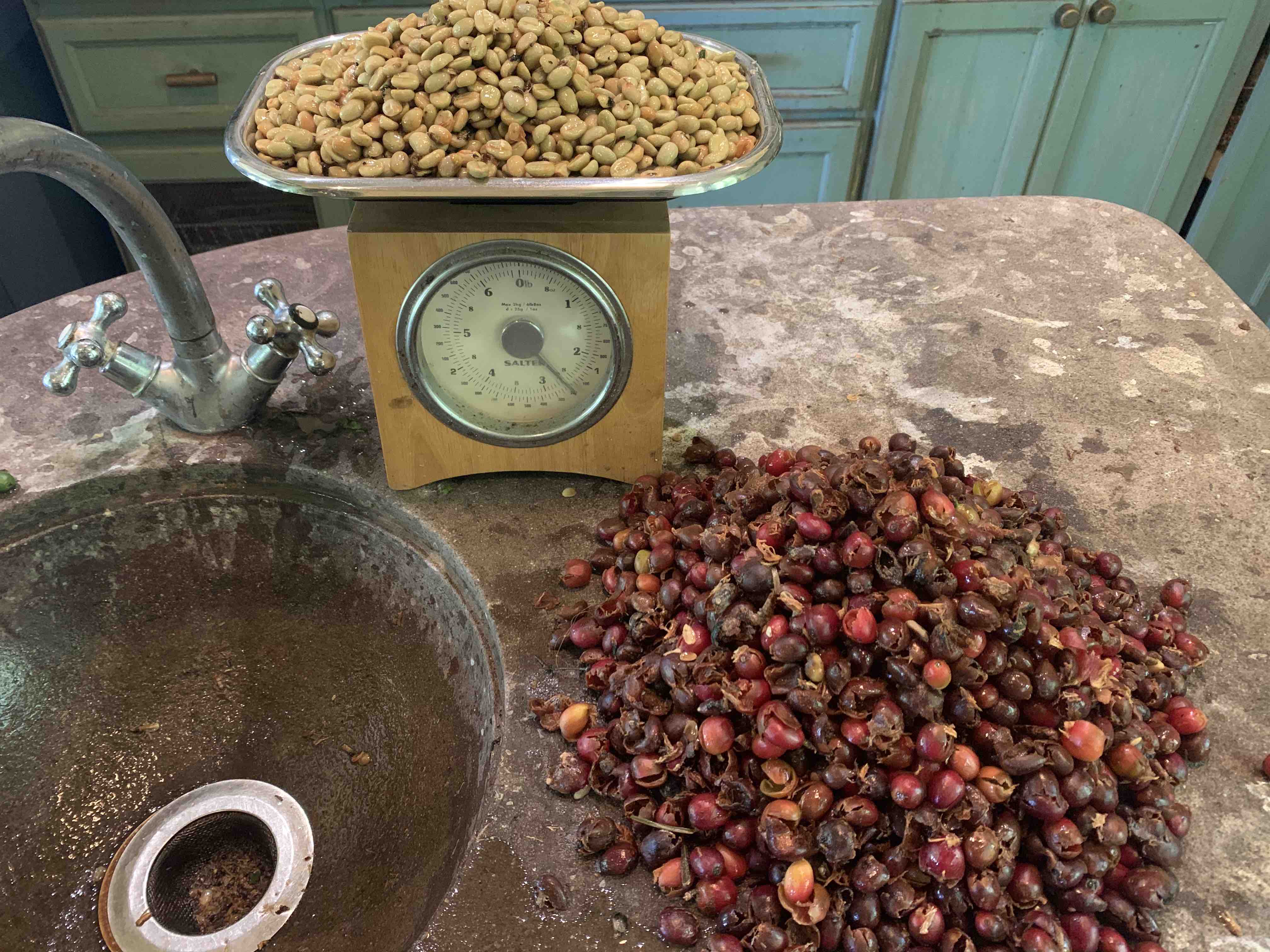
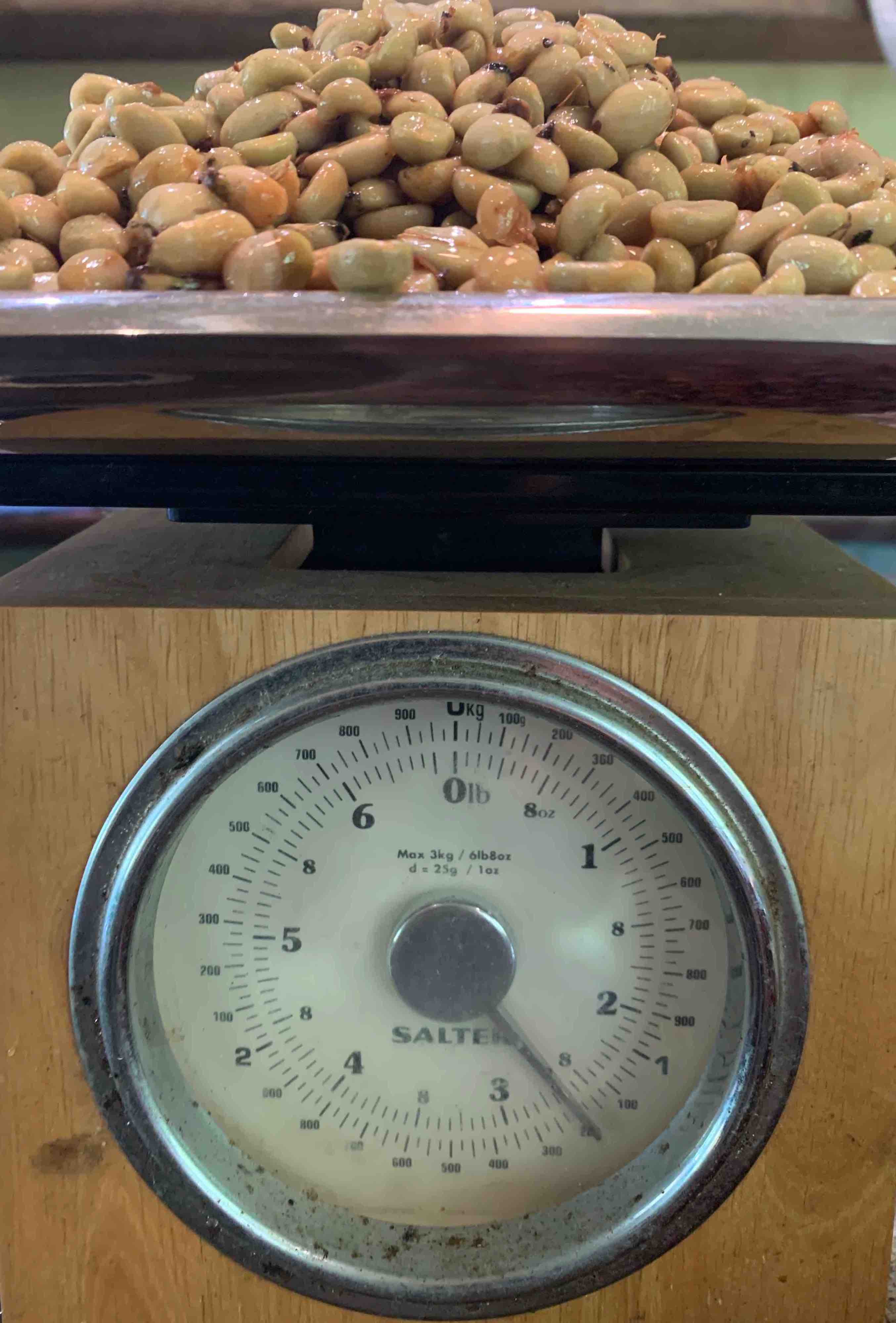
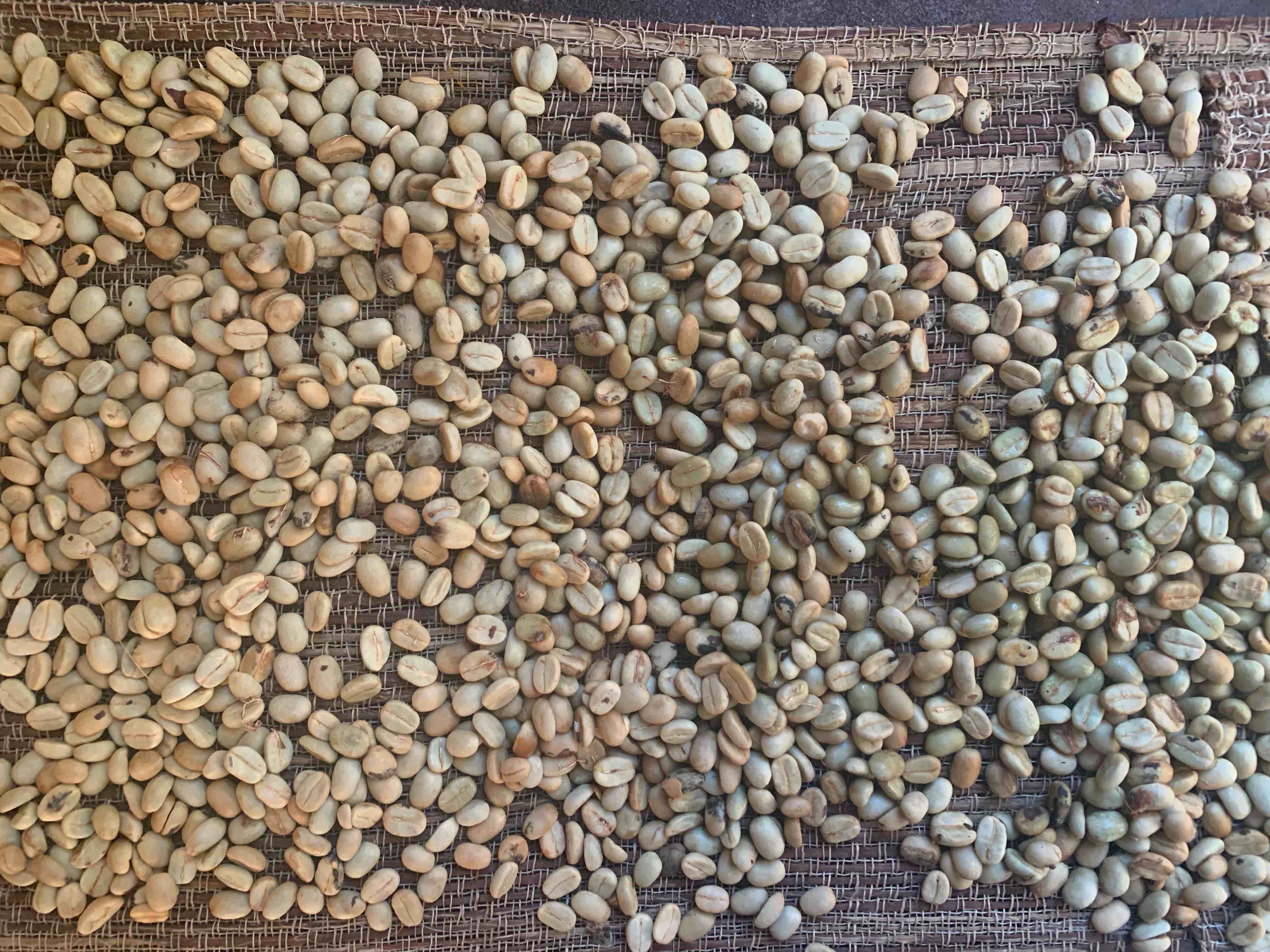
The wet weight of the washed coffee is irrelevant, but for comparison purposes I will note it here and then weigh the coffee again once dried. Although many coffee processing mills dry coffee on large patios with direct exposure to the sun, there is some belief that drying without direct exposure to the sun conveys some advantages to the final taste of the coffee. So, that is what we will do with this coffee. When it is fully dried, I will post again to explain the differences in the coffees process this way, and those processed the other most common way.
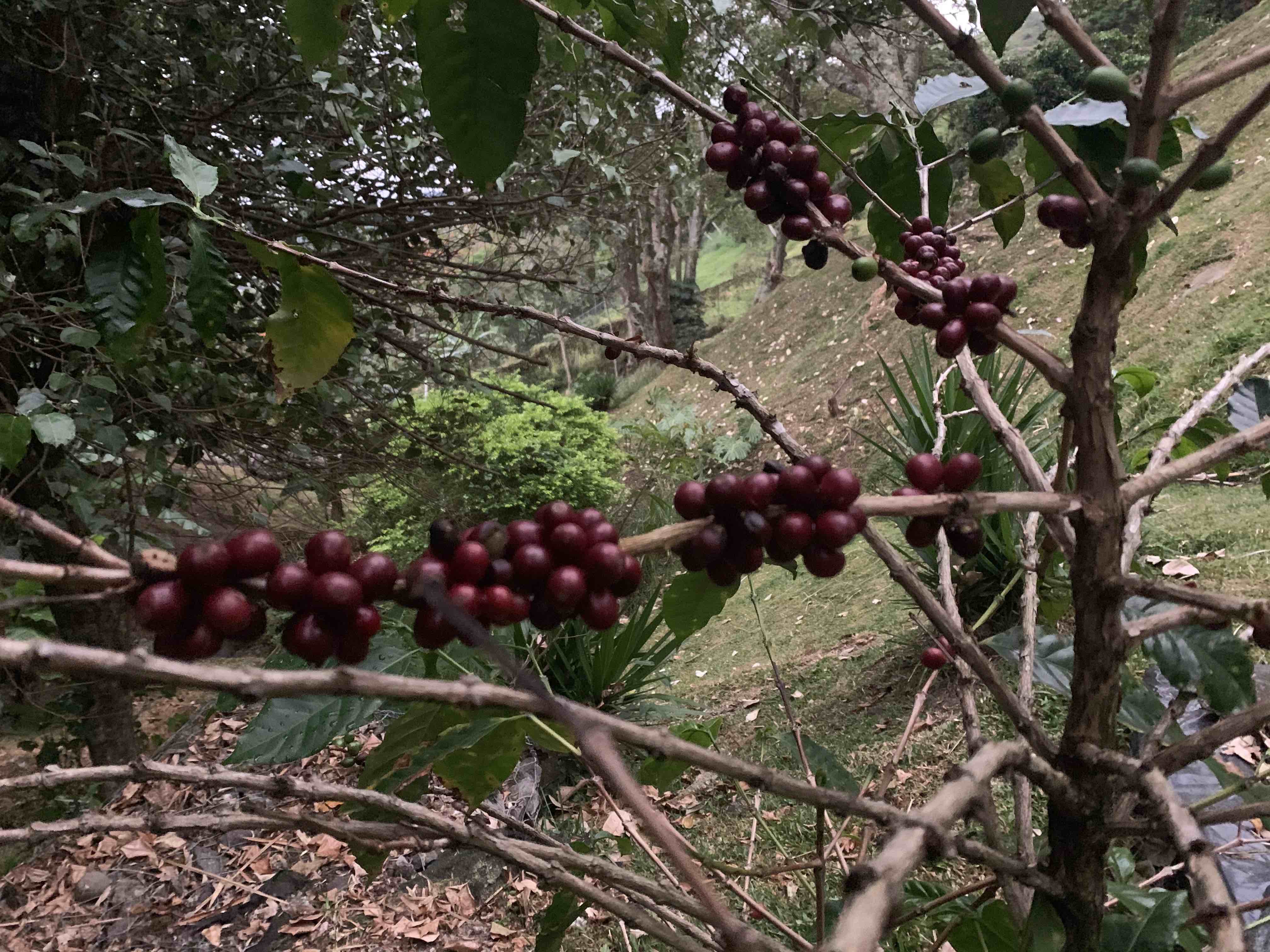
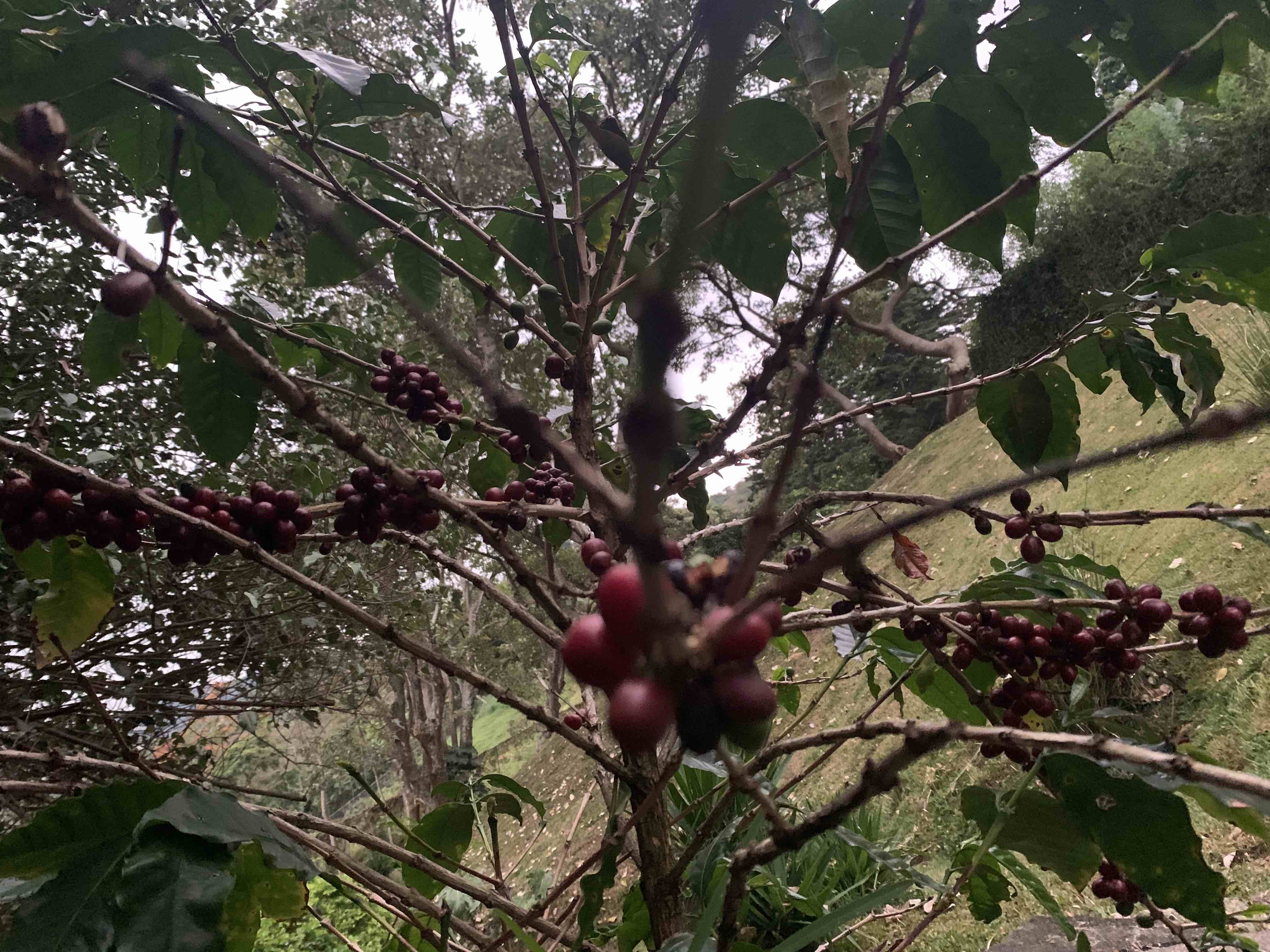
When I have shared images of the long-standing poro trees on this land, as well as the seedlings we have grown and now planted, it was to show the shade and nitrogen-fixing cohabitants of this land. Cohabitation between coffee and poro is a Latin American adaptation to adjust for the fact that arabica coffee trees first naturally occurred under the canopy of forests in Ethiopia. You can see those old poro trees in the background of these two photos, where ripe coffee cherries are in the foreground.
It is time to harvest these cherries from the several coffee trees that held their ground for more than two decades since this land was converted from farm to yard. In our conversion of yard to farm, these ripe cherries will provide the seeds for replanting the land after processing them in the simplest manner. Tomorrow I will show that process.
The behavior, used by wolves and orcas to run down fast prey, is rarely seen in fish.
In August 2012, Douglas Bastos, then a graduate student at Brazil’s Instituto Nacional de Pesquisas da Amazônia, was exploring a remote waterway in the Amazon rainforest when he came across a small lake teeming with electric eels. Continue reading →
Kehinde Wiley’s backlit, hand-painted, stained-glass triptych called “Go” depicts sneaker-clad break dancers who appear to float across a blue sky. The woman’s pointing finger nods to the Sistine Chapel’s “Creation of Adam.” Andrew Moore for The New York Times
In the mid-1980s we lived a few blocks south of Penn Station, and avoided it studiously. If I could right now, I would rush to see it, thanks to Ian Volner’s essay below. I recommend reading it in full because it is neither puff piece nor fashion statement, but a comment on important issues of our day. Like the two essays I referenced earlier by Casey Cep, this essay makes me believe in the importance of this project, as if the project itself is a public statement of intent. The description of the stained glass mural was more than sufficient, but still I had to find an image of it (the one above is from a review I missed a few weeks ago in the New York Times).
The new transit hub redeems the destruction of the original Penn Station. Photograph by Mark Kauzlarich / Bloomberg / Getty
The film noir “Killer’s Kiss,” from 1955, is an almost perfect dud. But because it was filmed on location in New York—and because its director was a twenty-seven-year-old photographer named Stanley Kubrick—it’s worth watching for the first scene and the last, which occur in the same place: the passenger concourse of the original Pennsylvania Station in Manhattan, where the protagonist, having escaped from shadowy thugs, waits impatiently for his lover. Kubrick captures the hero from a low angle, and, overhead, the arched trusses holding up the station’s glass-and-iron roof seem impossibly high. The building looks very dirty, but the ambient soot in the air catches the sunshine as it streams down from above, making the light appear more abundant, almost solid. Continue reading →
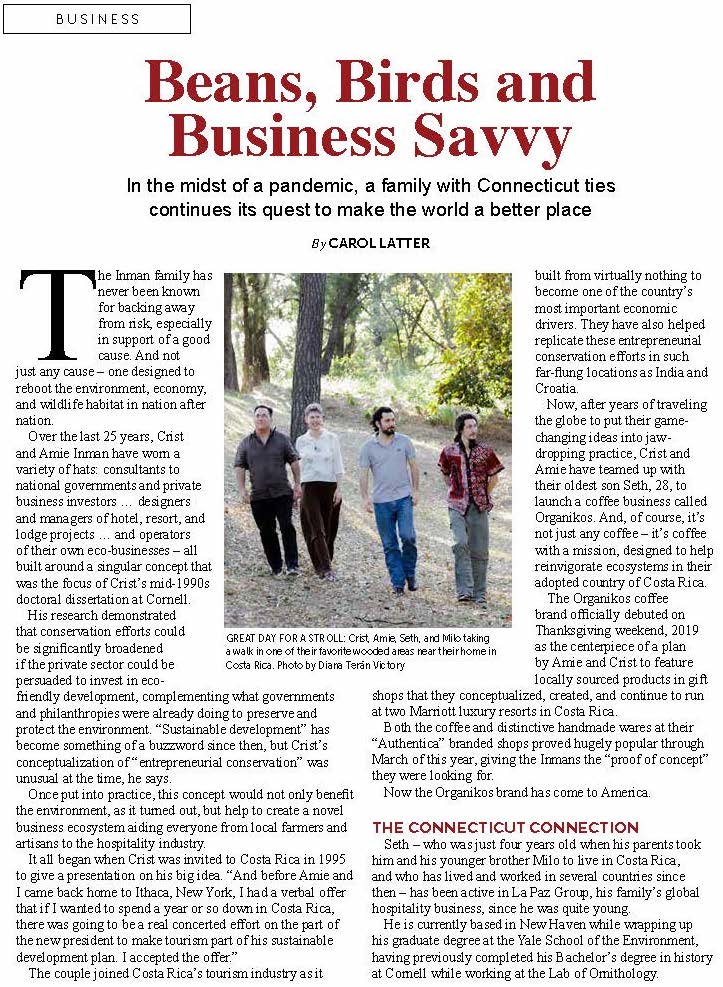
Last month a magazine article was published about the origins of Organikos. We have told bits and pieces of the story in these pages, but Carol Latter was the first person to tell the story from a perspective outside of our family. The online version of the story has two photos, whereas the tangibly published version has ten; in both cases we were happy that a magazine from the state I grew up in, and where Seth has been living since 2018, was interested in sharing this founding story.
Today, reading Marella Gayla’s story about founders trending younger (and why), plenty to ponder. My takeaway is that for whatever reason ambitious young people see an important link between entrepreneurship and positive social outcomes, we can count that as a good thing:
Forget Model U.N. and the SATs. Kids today want to tell college admissions officers all about the companies they’ve started to save the world.
One striking innovation of modern meritocracy is the teen-age executive. High-school students used to spiff up their college applications with extracurriculars like Model U.N. and student council. Today’s overachievers want to grace their résumés with the words “founder and C.E.O.” When schools in Fremont, California, shut down in March, Jagannath Prabhakaran, a sixteen-year-old, seized the opportunity to join the ranks. Continue reading →
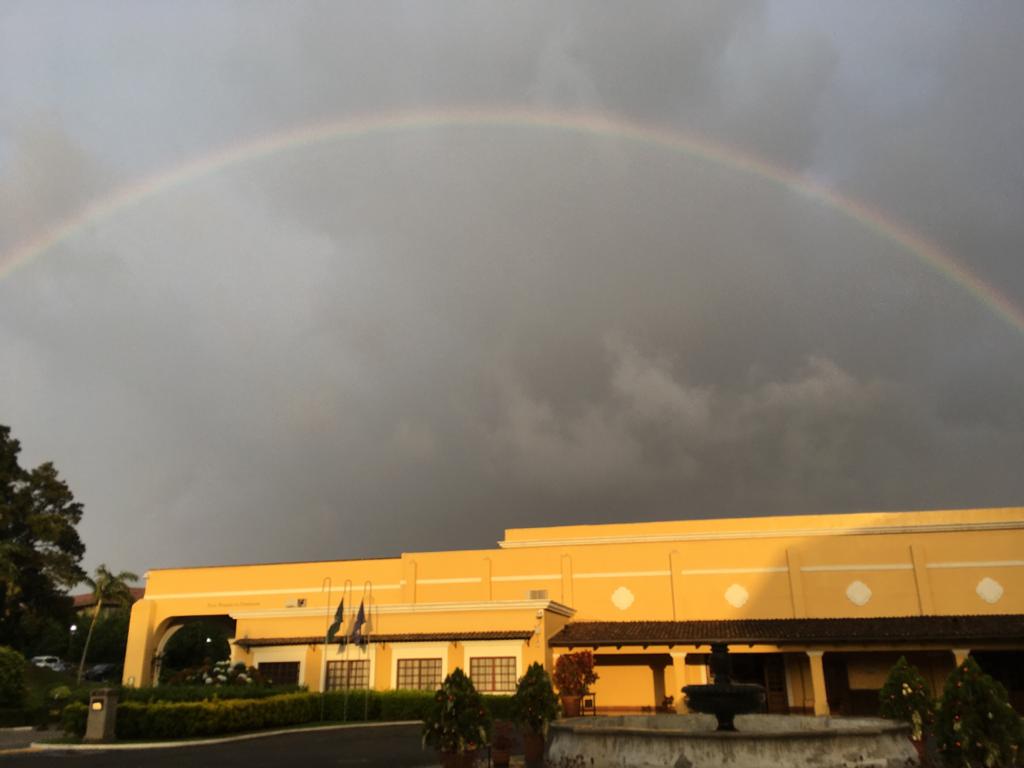
It started with “a meteorological phenomenon that is caused by reflection, refraction and dispersion of light in water droplets resulting in a spectrum of light appearing in the sky. It takes the form of a multicoloured circular arc.” Amie sent this image of the view outside one of our shops, and I suddenly realized I had no idea what a rainbow is. Reading that definition got me wondering where superstitions come from, like the one that makes you think of good fortune when you see a rainbow. Certain that there is a well-documented answer to that, a random turn led to the last photo of that location that we posted on this platform. Which led me here:
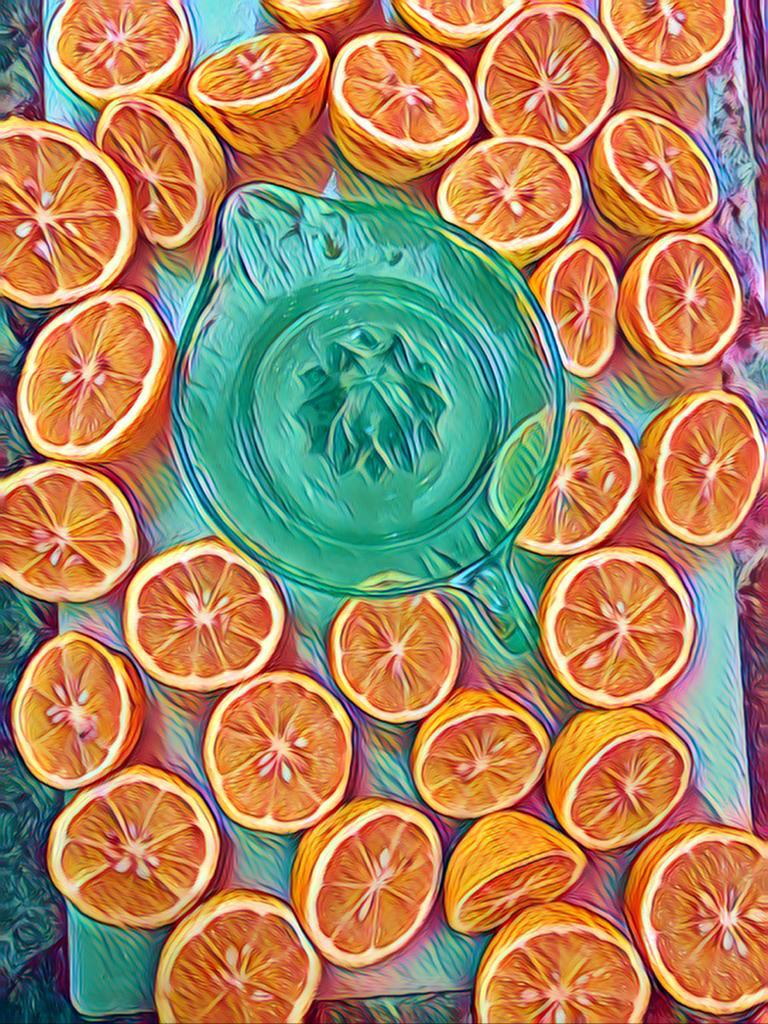
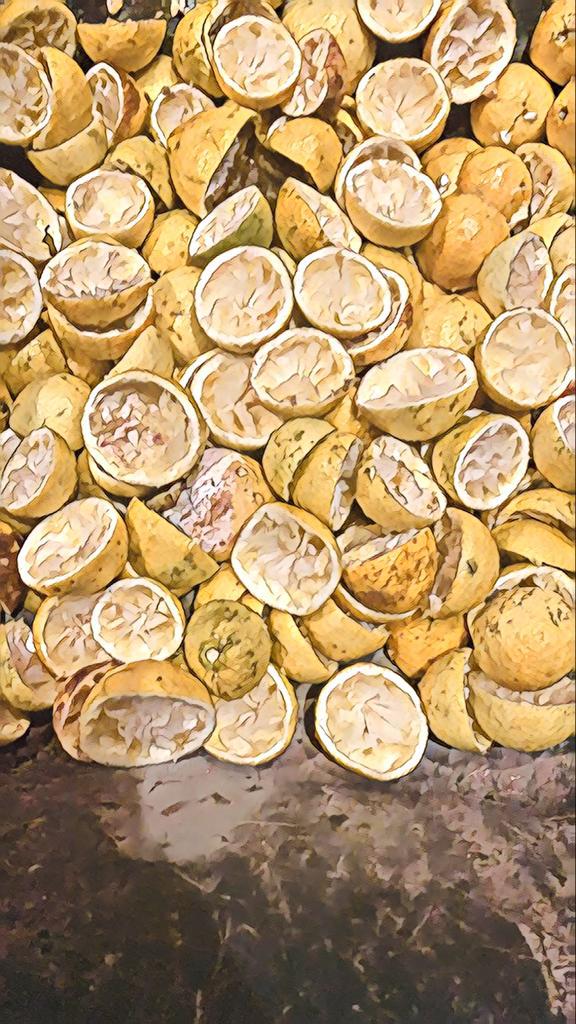
Minutes after that rainbow snapshot I was in the kitchen with a few hundred recently picked fruits from the first trees planted when we decided to rehabilitate this long-ago coffee farm. The antique green glass juicer in the photo above was my companion for the next couple days.
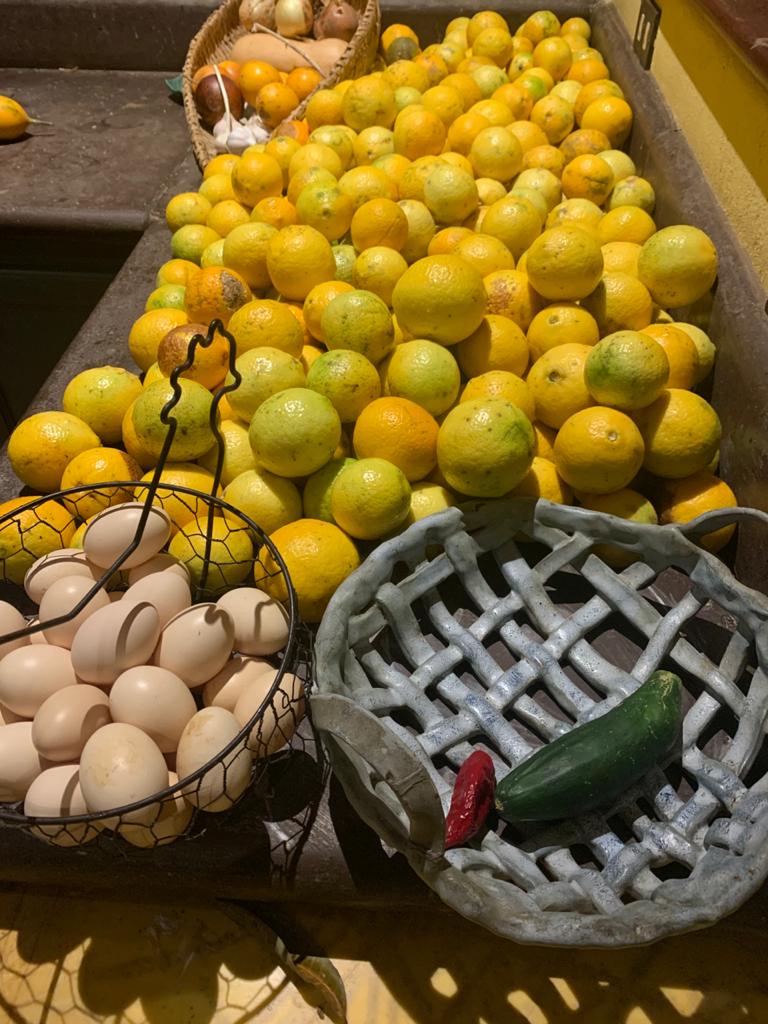
The fruit on the counter is about half the original wheel barrow full, what I now have left to complete after making a few gallons of juice and freezing it. Making lemonade out of life’s lemons is easier said than done, and using a hand-powered tool rather than a modern electricity-powered one is an exercise in curiosity.
After the lemonade what about the remaining organic material? Of course it will be composted, but what else? My sister had one answer. Make art.
And while you are at it, make more art.
Curiosity and diligent work can be excellent companions.
Whether you ride a bicycle or not, the story below is a perfect discovery in the final days of 2020. It was published in March and presumably Kim Cross wrote most of it prior to the pandemic becoming a focal point of life for most people in the world. It is a reminder of the randomness that comes with nomadic life, in my case best exemplified by a chance encounter at an airport in 1983. It is also a reminder of a bicycle journey Amie and I took in 1988, prior to my starting graduate school, which is a welcome reminder considering the stationary nature of our lives since March.
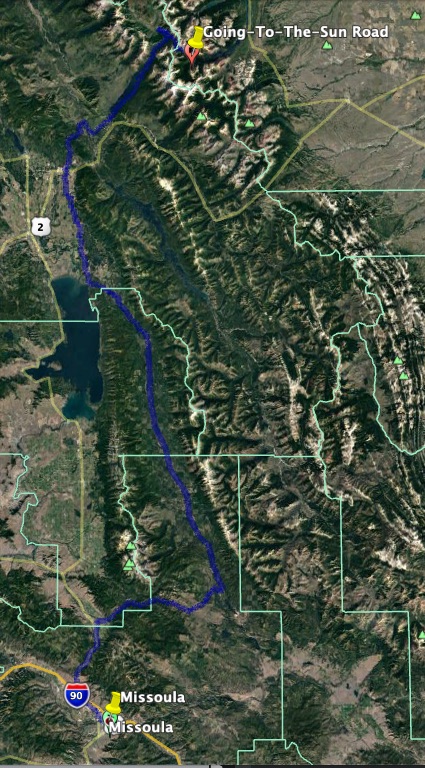
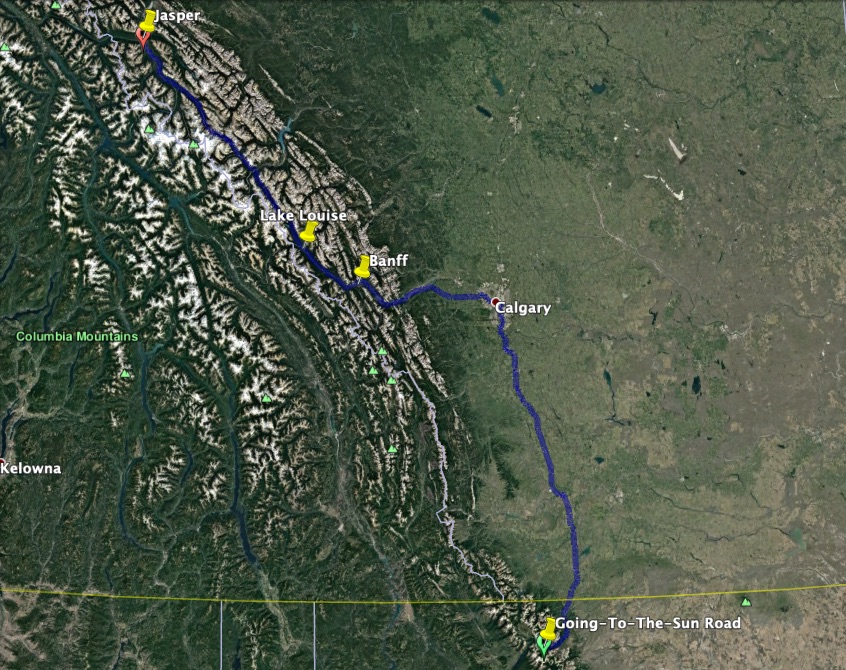
We were completely inexperienced at distance riding, but going from Missoula, Montana to Jasper, Alberta still seemed like a good idea at the time. And it was. The first couple hundred miles, until we got to Going-To-The-Sun Road, were strenuous but not beyond our capacity. Then, that road made us wonder if we had made a huge mistake. Somehow we made it to the top, with the cheering support of the group we were riding with, all experienced distance riders.
The next 500 miles included plenty of other challenges, including headwinds so strong at the Waterton-Glacier International Peace Park that we pedaled harder downhill than we had going uphill at Going-To-The-Sun. The support we got from, and brief friendships we made with total strangers on the journey is the reason why Kim Cross’s article resonates. Whether you have lived a nomadic life, or wish you had or could, this story is full of reasons to read. Or just look at the pictures and let your imagination ride:
LEON HAD BEEN RIDING WEST FOR 309 DAYS. NOEL HAD HEADED EAST FOR 176. THEIR MEETING IN THE DESERT WAS A SMALL MIRACLE.
Once upon a road in Kazakhstan, two men converge in the desert. Strangers born an ocean apart, riding bicycles burdened like camels, they emerge from either horizon, slowly approaching a common point. Day by day, hour after hour, they make their way through a land as flat and featureless as a page without words. Thousands of miles spool out behind them. Thousands more lie ahead.
In a brief interview a student recorded my description of the work I was doing in southern Chile from 2008-2010. The Patagonia Expedition Race had secured Wenger’s sponsorship, and now graduate students from Columbia Business School, as well as from Cornell Hotel School, were developing a strategy for how best to use that sponsorship money to achieve lasting conservation results. The patch on the left arm of my jacket shows another sponsor.
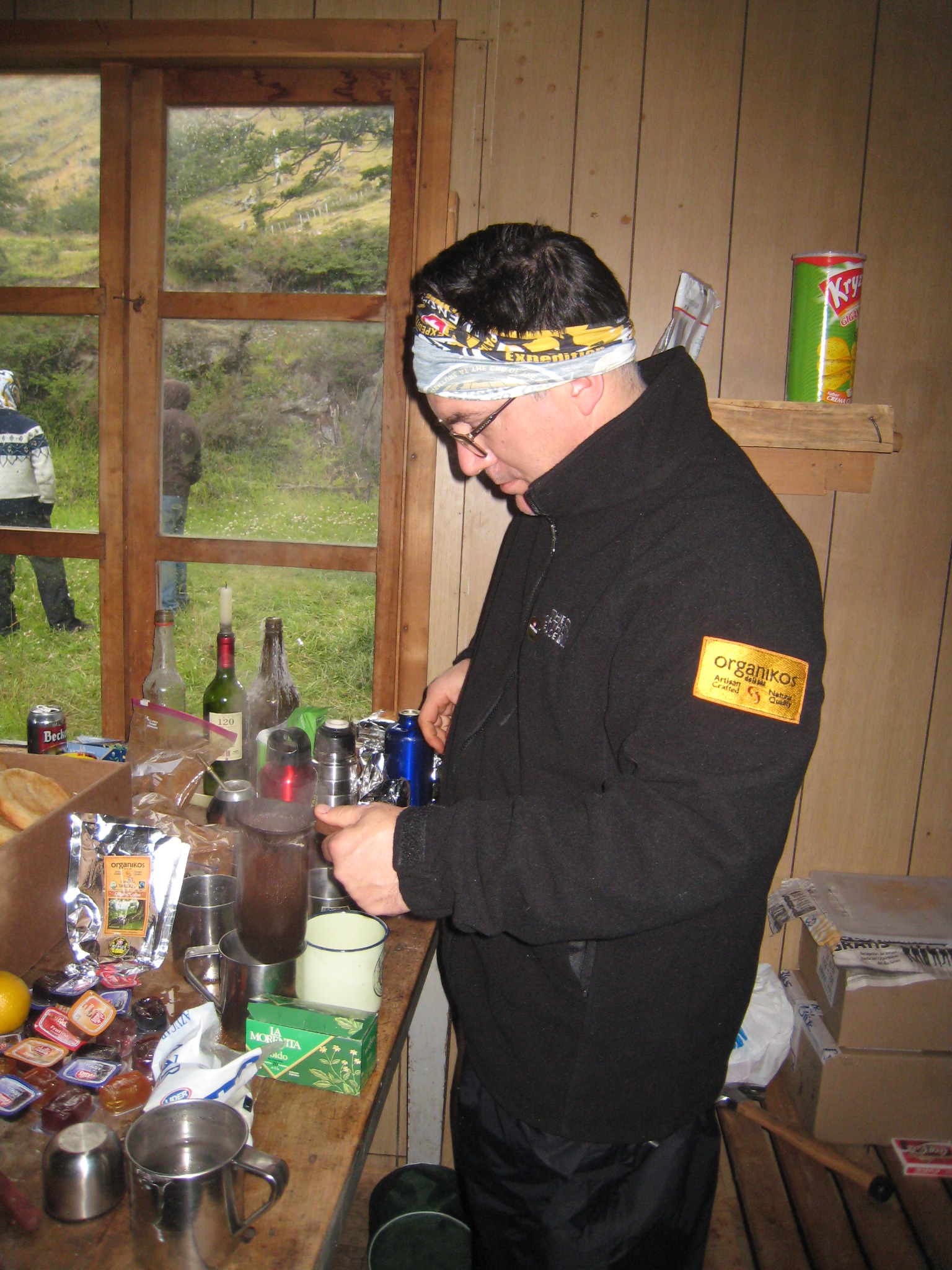
Organikos was a minor sponsor compared to Wenger, but in that earlier iteration of Organikos we were already thinking about what is now the 100% Forward commitment. As a sponsor, I also served coffee from sunrise to sunset at each station along the Race’s 500-mile route. Somewhere I have photos of the race teams drinking Organikos coffee, but at the moment I only find this one of me prepping coffee in the traditional Costa Rican manner to serve to Race volunteers in a farmhouse where we had spent the night on Tierra del Fuego.
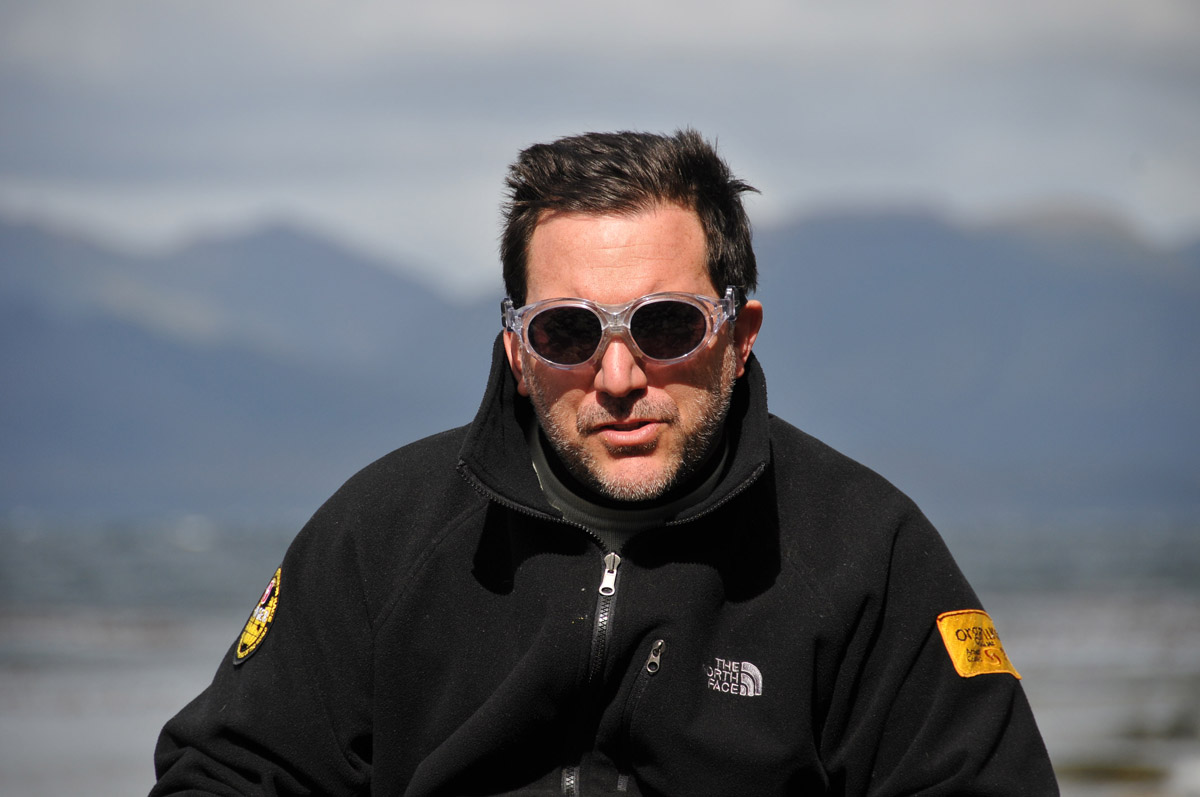
In this photo to the left I was waiting for the racers who would soon be arriving at this station in their kayaks. As serious as I appeared to be, it would take nearly a decade to get that coffee launched more formally into the market.
Images Andrew Wilson, Mark Humpfrey, Nicola MaCleod and Bruce Duncan of Team Helly Hansen-Prunesco paddling their way to victory in stage 15 of the 2010 Wenger Patagonian Expedition Race on the island of Tierra del Fuego in southern Chile. Michael Clark Photography
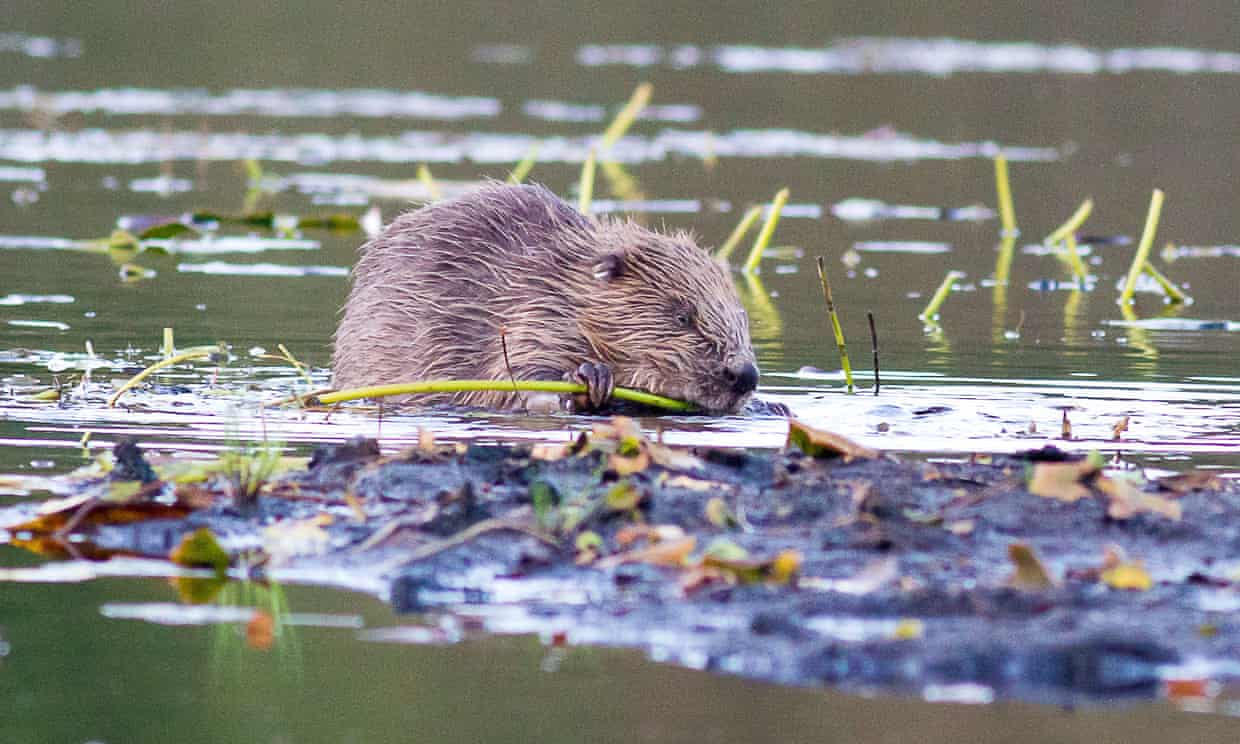
Not long after the photos above were taken, we accepted a new assignment in India that would put the original idea of Organikos on hold. Recently, when Seth took the name and gave it a clear conservation mission, coffee was still the most viable product to start with. I am reminded of all that thanks to Sandra Laville, and the Guardian. Her article, full of good news related to conservation funding in the UK, triggers my memory of the fact that beavers are an invasive species in Patagonia and the Race had the mission of controlling their spread, in the interest of wilderness conservation. Beavers in their natural habitat are in need of protection in some locations, I see:
Donations from individuals and charities to green causes more than double since 2016
Funding from the People’s Trust for Endangered Species helped reintroduce beavers in Knapdale Forest in Scotland. Photograph: Steve Gardner/Scottish Wildlife Trust/PA
Philanthropic donations to environmental causes have more than doubled in value in the UK as the climate crisis and unprecedented biodiversity loss attract increasing attention from individuals and charities.
The amounts of money given to support efforts to tackle climate change and nature loss range from £5,000 to millions of pounds, and the focus of the funding is as broad.
It includes a £10,000 donation given to support a successful campaign for a deposit return scheme in Scotland; the funding of grassroots defenders of Europe’s last primeval forest, in Poland, and the protection of wetlands in Montenegro; and millions of pounds in support of environmental legal challenges and donations to back campaigning against fossil fuels. Continue reading →














 Organikos