Can Bird Of The Year Be A Bat?

Image

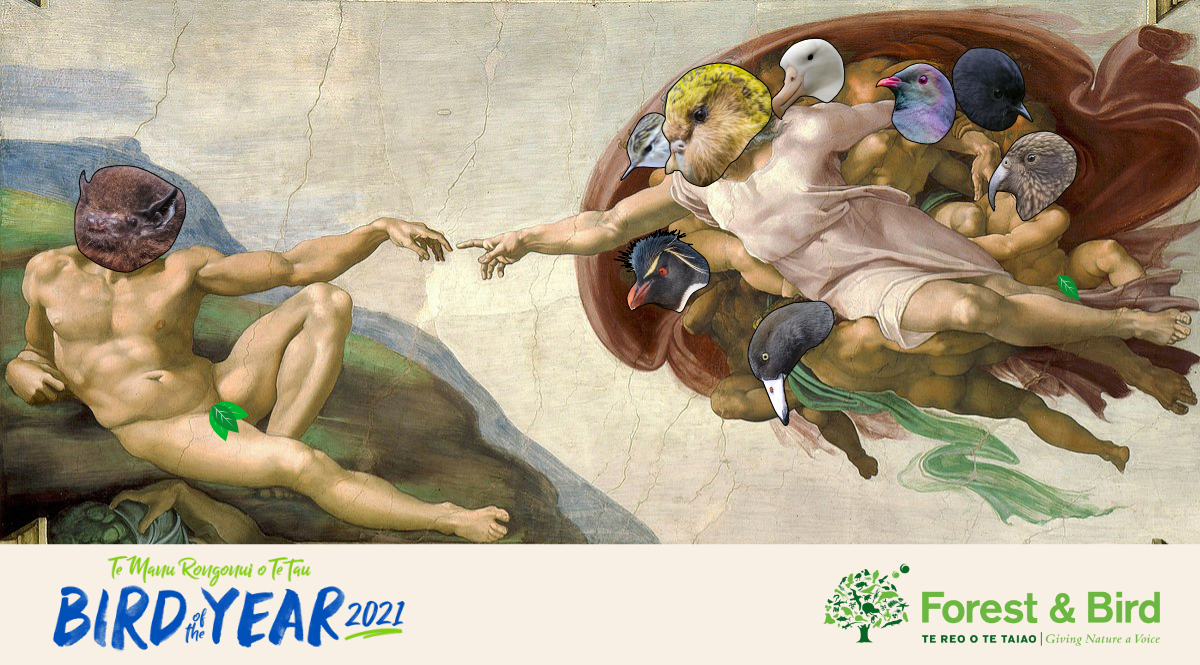
People in New Zealand seem on the right side of most issues, so who are we to argue with their decision on this one? Thanks to Natasha Frost for this surprising news:

New Zealand Held a Contest for Bird of the Year. The Birds Lost.

The long-tailed bat, one of the country’s only two native land mammals, flew away with the top prize.

AUCKLAND, New Zealand — The candidates didn’t know they were running. The winner received no prize. And, at least by appearance, the champion appeared to be ineligible to compete. Continue reading

Myths Need Bad, So Dragons Were Drawn That Way

During the Middle Ages, dragons more often figured in accounts about the lives of saints and religious figures than stories of heists and adventures. Photo illustration by Meilan Solly / Photos via Wikimedia Commons and British Library under public domain

Dragon flies had a run in our pages, and we have featured some real life reptilian dragons, as well as a fruity dragon, but the mythical type never found its way here until now. As a cultural phenomenon it is as interesting as any other kind of dragon:

Why Dragons Dominated the Landscape of Medieval Monsters

The mythical beasts were often cast as agents of the devil or demons in disguise

David M. Perry and Matthew Gabriele

Illuminated manuscript featuring Saint Marina and the dragon Public domain via Wikimedia Commons

The dragon resting on its golden hoard. The gallant knight charging to rescue the maiden from the scaly beast. These are images long associated with the European Middle Ages, yet most (all) medieval people went their whole lives without meeting even a single winged, fire-breathing behemoth. Dragons and other monsters, nights dark and full of terror, lurked largely in the domain of stories—tales, filtered through the intervening centuries and our own interests, that remain with us today.

As Halloween approaches, we’re naturally thinking about scary stories. Continue reading

Clues Trapped In Resin

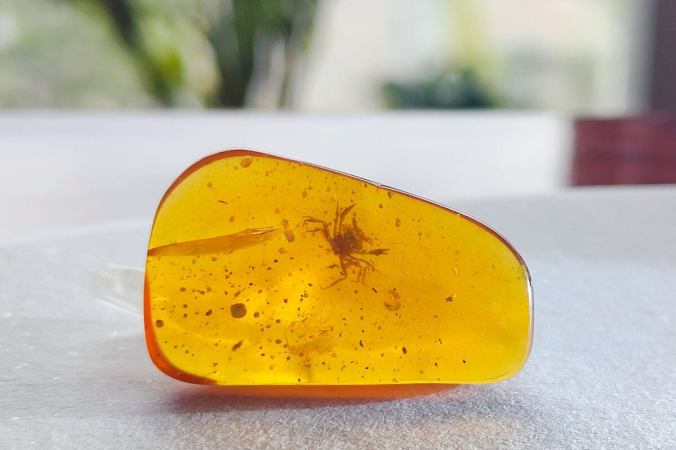
Researchers describe this as the most complete fossilized crab ever discovered. Credit: Lida Xing/China University of Geosciences, Beijing

Crabs started as marine creatures, and eventually evolved into land creatures as well. How it happened is an essential question and resin may be the best clue:

Bad for 100-million-year-old crab, but good for scientists

Crustacean trapped in fossilized tree resin offers clues into evolution of creatures, when they spread

Artistic reconstruction of the new fossil dubbed Cretapsara athanata, “the immortal Cretaceous spirit of the clouds and waters.”
Artwork by Franz Anthony, courtesy of Javier Luque/Harvard University

Javier Luque’s first thought while looking at the 100-million-year-old piece of amber wasn’t whether the crustacean trapped inside could help fill a crucial gap in crab evolution. He just kind of wondered how the heck it got stuck in the now-fossilized tree resin? Continue reading

Beware of LEAF’s Possible Exclusions

Thanks to Fred Pearce, as always:

A Big New Forest Initiative Sparks Concerns of a ‘Carbon Heist’

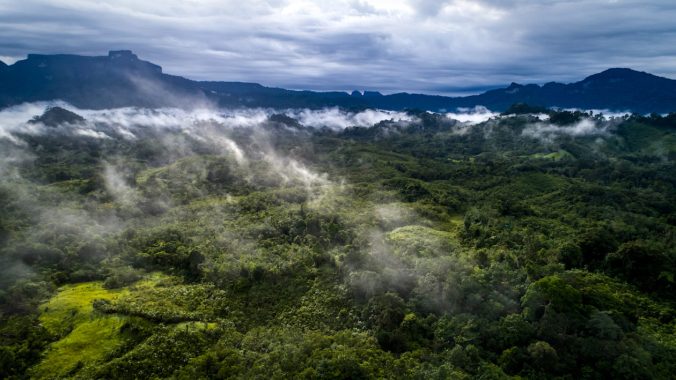
Major funding to finance forest conservation projects is set to be announced at the UN climate summit next week. But some environmentalists contend the LEAF program could exclude the Indigenous people who have long protected the forests that the initiative aims to save.

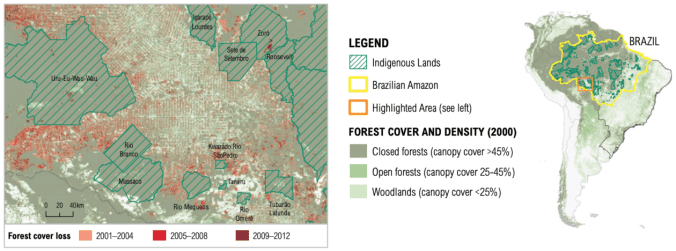
Indigenous lands on the western end Brazilian Amazon have seen far less deforestation than surrounding areas. WORLD RESOURCES INSTITUTE

After a decade of disappointing failures, UN-backed schemes to fight climate change by capturing carbon in the world’s forests are set for a comeback. Big new funding will be announced at next week’s climate conference in Glasgow, Scotland that would deliver billions of dollars in private finance for conservation projects in tropical forests, with governments and companies being able to use the carbon offsets from those projects to achieve their net-zero emissions pledges.

But concerns are growing that these new mega-offset projects will happen at the expense of forest communities. Continue reading

Coral Reef Bright Spots

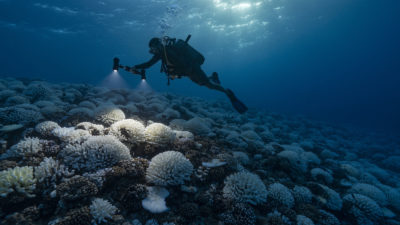
A diver examines bleached coral in French Polynesia in 2019.

A diver examines bleached coral in French Polynesia in 2019. ALEXIS ROSENFELD / GETTY IMAGES

When someone offers to point out bright spots on anything in the natural world, we are all ears. When the author is Nicola Jones, all the more:

Finding Bright Spots in the Global Coral Reef Catastrophe

The first-ever report on the world’s coral reefs presents a grim picture, as losses mount due to global warming. But there are signs of hope — some regions are having coral growth, and researchers found that corals can recover if given a decade of reprieve from hot water.

When ecological genomicist Christian Voolstra started work on corals in Saudi Arabia in 2009, one of the biggest bonuses to his job was scuba diving on the gorgeous reefs. Things have changed. “I was just back in September and I was shocked,” says Voolstra, now at the University of Konstanz in Germany. “There’s a lot of rubble. The fish are missing. The colors are missing.” Continue reading

Electrify Now

SAMAN SARHENG/YALE E360

For those of us who can make the switch sooner rather than later, it is looking more and more like common sense:

From Homes to Cars, It’s Now Time to Electrify Everything

The key to shifting away from fossil fuels is for consumers to begin replacing their home appliances, heating systems, and cars with electric versions powered by clean electricity. The challenges are daunting, but the politics will change when the economic benefits are widely felt.

An all-electric house. REWIRING AMERICA

For too long, the climate solutions conversation has been dominated by the supply-side view of the energy system: What will replace coal plants? Will natural gas be a bridge fuel? Can hydrogen power industry? These are all important questions, but, crucially, they miss half the equation. We must bring the demand side of our energy system to the heart of our climate debate. Continue reading

ICARDA, CGIAR & Future Food

Thanks to Helen Sullivan, as usual, for excellent reporting and clear implications:

A Syrian Seed Bank’s Fight to Survive

Scientists have raced to safeguard a newly precious resource: plants that can thrive in a changing climate.

The International Center for Agricultural Research in the Dry Areas, known as icarda, is housed in a cluster of small buildings on a dusty property in Lebanon’s Bekaa Valley, halfway between Beirut and Damascus. Its facilities, surrounded by fields of experimental grain, include a laboratory, nurseries, and a gene bank—a storage facility in which tens of thousands of seeds have been carefully saved and catalogued.

When I first visited, on an autumn afternoon in 2019, staff members in the main building were counting, weighing, and sliding seeds into small packets. Continue reading

50 Years Of Climate Science

(Zeb Andrews / Getty)

Robinson Meyer’s newsletter this week offers The Key Insight That Defined 50 Years of Climate Science:

Look out the nearest window and imagine, if you can, an invisible column of air. It sits directly on the tufts of grass, penetrates clear through any clouds or birds above, and ends only at the black pitch of space. Now envision a puff of heat rising through this column, passing through all the layers of the atmosphere on its journey. What happens as it rises? Where does it go? The answer to that simple question is surprisingly, even ominously important for the climate. But for nearly a century, the world’s best scientists struggled to resolve it. Continue reading

Smithsonian Craft Show

Some of the crafts we carry seem museum quality to us, but we offer them in the context of commerce.

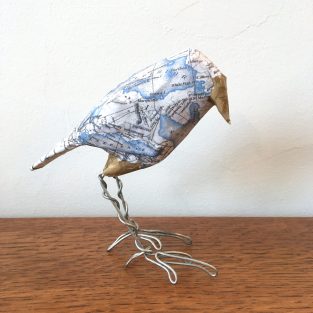
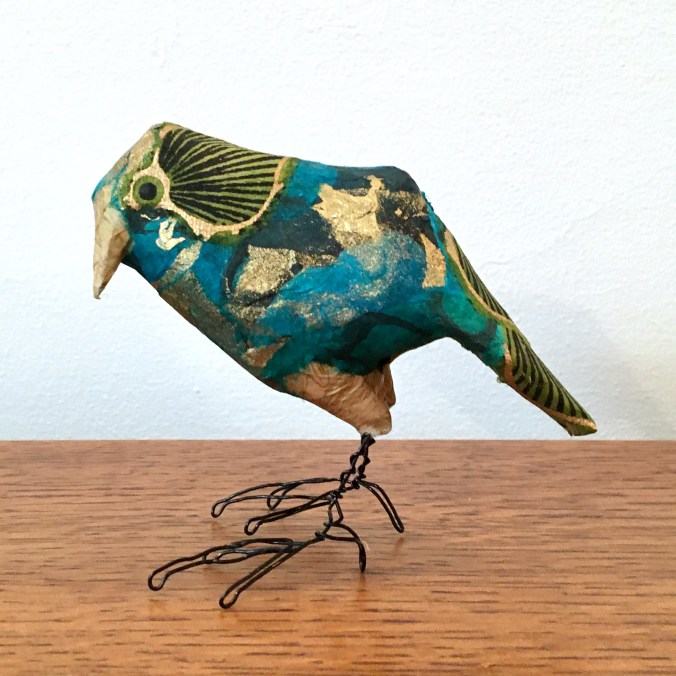
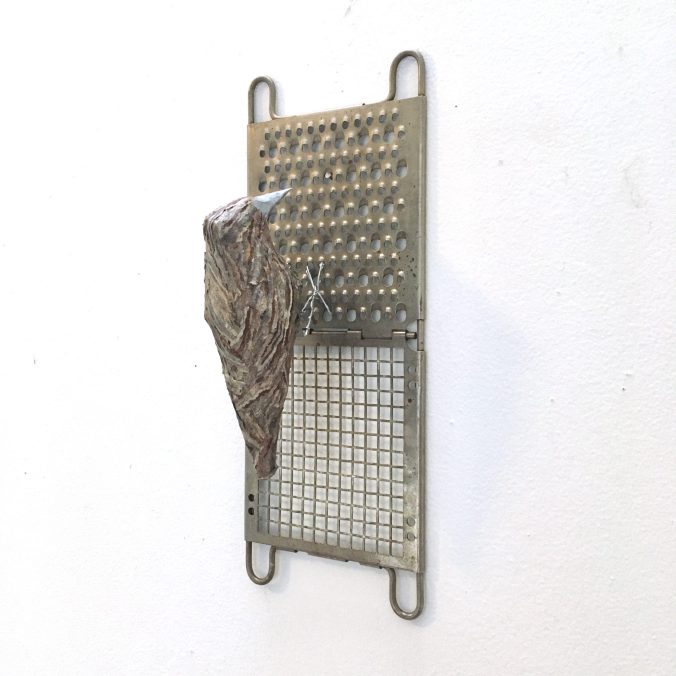
We would love to attend this show at the Smithsonian, primarily to see the work of Jessica Beels, whose work is showing in the Mixed Media and Paper section of the Show. Her website is full of reasons to see more of her work.

Nowhere on that site do  we see works like these three bird figures. We favor birds in art, wherever it may be, and when the medium stretches boundaries as these do, all the more interesting.

Auténtica @ Authentica

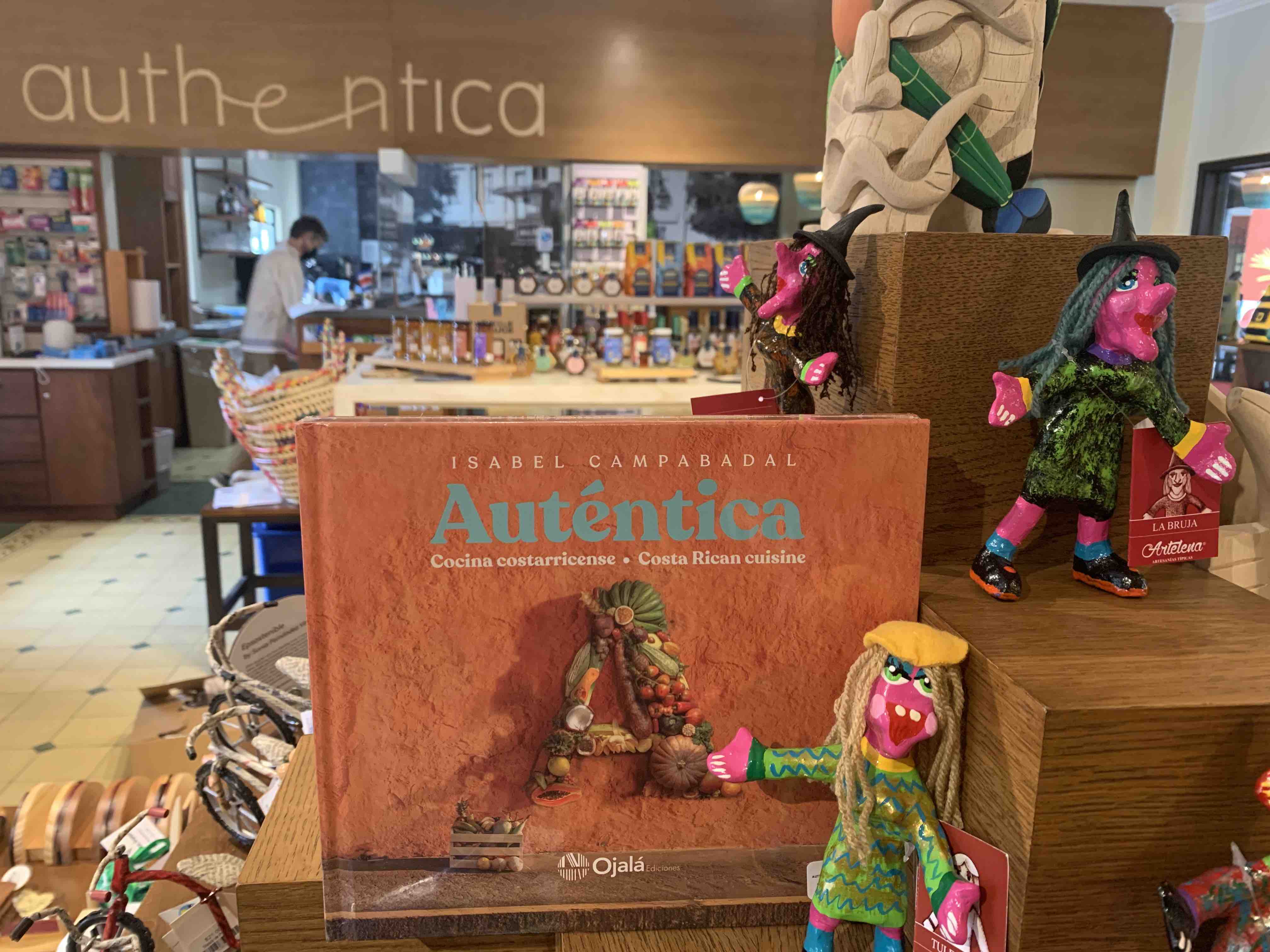
We have just placed these books on display in the two Authentica shops in Costa Rica, one at Marriott Los Suenos and the other at Marriott Hacienda Belen. The author, Isabel Campabadal, has been an author and chef for nearly five decades, and is a perfect fit with one of our aims as merchants: respect traditions and respectfully update them with all that the modern world offers.

Telling Off The Fossil Fuel CEO

Click to the right to see the CEO of an oil company take a strong verbal assault from a fellow panelist.  It is uncomfortable to watch. And that is exactly the purpose. Read more about the context in the description below, titled Shell CEO Roasted at TED Climate Conference He Was Foolishly Invited to Speak At. We can expect to see more disruptions like this one in the future:

As Shell’s CEO Ben van Beurden spoke at a TED conference, he was interrupted by organizers, one of whom called him “one of the most evil people in the world.”

On Thursday, a strange scene unfolded at the International Conference Centrein Edinburgh. Shell CEO Ben van Beurden took the stage with a prominent climate scientist and Christiana Figueres, the woman who negotiated the Paris Agreement, at a TED Countdown conference. Continue reading

Sometimes, The Sky Really Is Falling

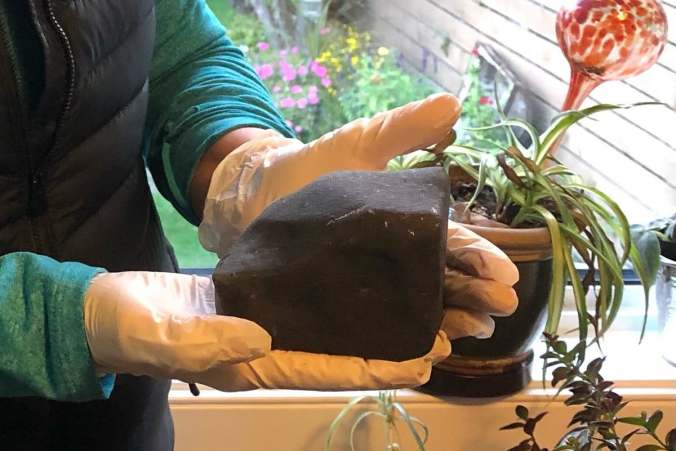
The meteorite that crashed into Ruth Hamilton’s bedroom in Golden, British Columbia. Ruth Hamilton

Natural wonders have been a mainstay of our work on this platform since we started. We have tried diligently to mix those wonders with appropriate warnings about how nature’s wonders can also be transformed into danger, without being too Henny Penny about it. But when we read stories like this one, we can mix our wonder at the universe with our concern about what the sky might do next:

Meteorite Crashes Through Ceiling and Lands on Woman’s Bed

After a fireball streaked through the Canadian sky, Ruth Hamilton, of British Columbia, found a 2.8-pound rock the size of a large man’s fist near her pillow.

The meteorite in Ms. Hamilton’s bed and the hole in the ceiling caused by it. Ruth Hamilton

Ruth Hamilton was fast asleep in her home in British Columbia when she awoke to the sound of her dog barking, followed by “an explosion.” She jumped up and turned on the light, only to see a hole in the ceiling. Her clock said 11:35 p.m.

At first, Ms. Hamilton, 66, thought that a tree had fallen on her house. But, no, all the trees were there. She called 911 and, while on the phone with an operator, noticed a large charcoal gray object between her two floral pillows.

“Oh, my gosh,” she recalled telling the operator, “there’s a rock in my bed.”

A meteorite, she later learned. Continue reading

Understanding What Is At Stake At The Glasgow Climate Conference

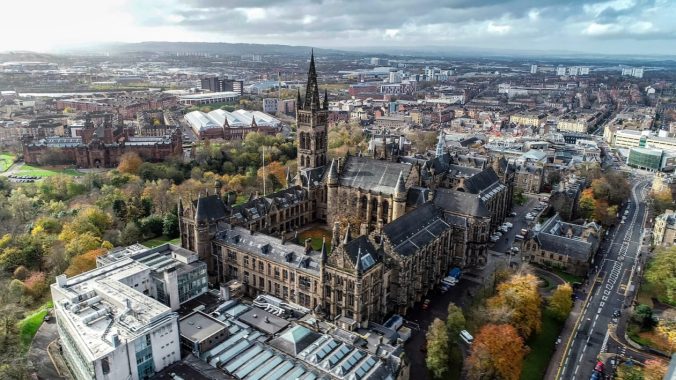
Glasgow, Scotland, site of the 2021 UN climate conference in November. TREASUREGALORE / SHUTTERSTOCK

Fred Pearce has a unique ability to make big, complex important matters more understandable:

At Climate Talks, Can the World Move from Aspiration to Action?

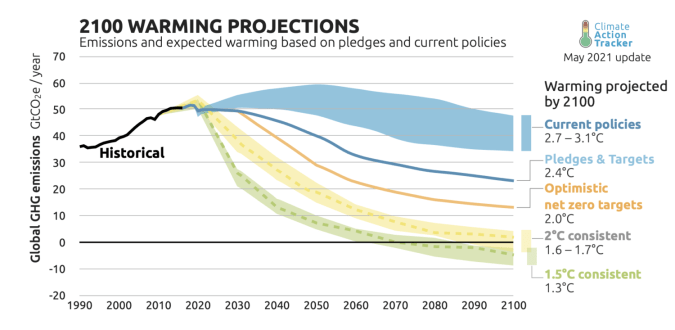
Negotiators at the Glasgow climate conference will face a critical choice: Set firm emissions targets for 2030, or settle for goals of achieving “net zero” by 2050? The course they set could determine if we have a shot at avoiding the worst impacts of climate change.

CLIMATE ACTION TRACKER

Glasgow, once the second city of the British Empire and the biggest shipbuilder on the planet, next month hosts the 26th conference of nations aiming to halt dangerous climate change. The negotiators face the challenge of turning the aspiration of the 2015 Paris Agreement to achieve “net zero” emissions by mid-century into the detailed near-term action plans necessary to turn those hopes into reality in time to halt warming at or near 1.5 degrees Celsius (2.7 degrees Fahrenheit). Continue reading

Seawalls Seem Inevitable

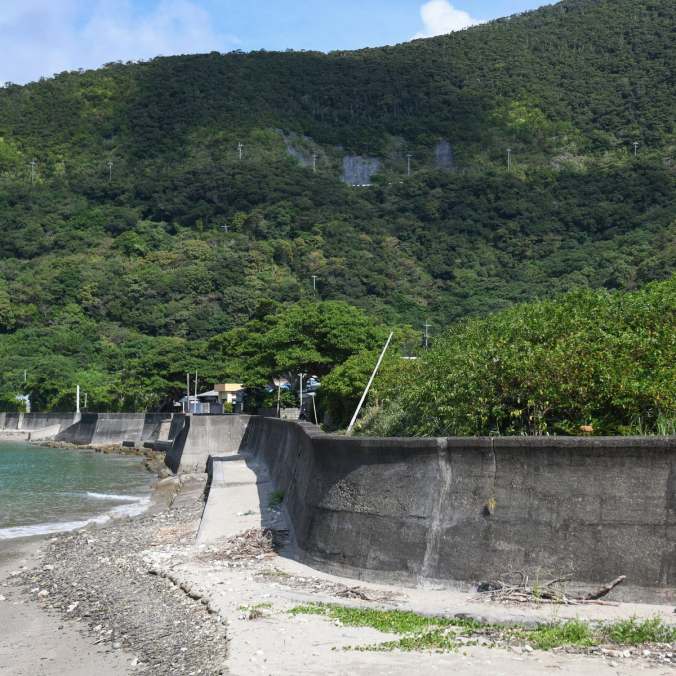
The seawall in front of Aminoko, a village near Katoku. Noriko Hayashi for The New York Times

This Pristine Beach Is One of Japan’s Last. Soon It Will Be Filled With Concrete.

In rural Japan, the unstoppable forces of nature meet the immovable determination of the construction state. Can this village survive?

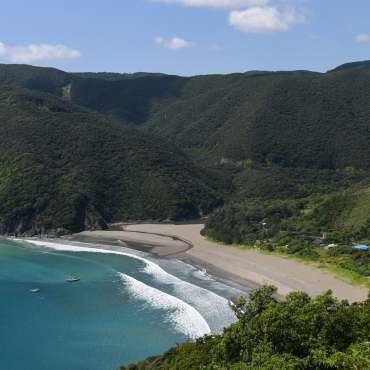
Katoku beach and its village are wrestling with how to cope with increasingly damaging storms. Noriko Hayashi for The New York Times

KATOKU, Japan — Standing on its mountain-fringed beach, there is no hint that the Japanese village of Katoku even exists. Its handful of houses hide behind a dune covered with morning glories and pandanus trees, the chitter of cicadas interrupted only by the cadence of waves and the call of an azure-winged jay.

In July, the beach became part of a new UNESCO World Heritage Site, a preserve of verdant peaks and mangrove forests in far southwestern Japan that is home to almost a dozen endangered species. Continue reading

Legal Consequences For Deforestation

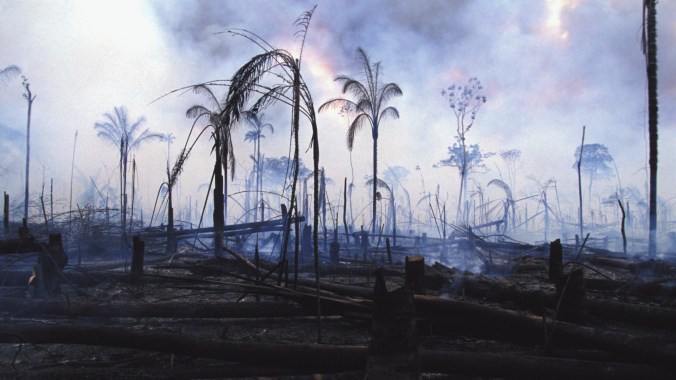
Ron Haviv / VII / Redux

This article by Robinson Meyer, a staff writer at The Atlantic and the author of the newsletter The Weekly Planet, is worth reading if Brazil’s role in climate change has been on your mind:

Deforestation Is a Crime

A new bipartisan bill would treat it that way.

The world doesn’t agree on many things, but one of them is that global deforestation is a problem. If deforestation were a country, it would be the world’s third-largest source of climate-warming pollution, after the United States and China. (It would also be a terrible place to live—bulldozers everywhere and no shade to speak of.) Parts of the Amazon now emit more carbon pollution than they capture because of deforestation, a recent study found.

Knowing about a problem is, of course, different from knowing what to do about it. Continue reading

Planned Obsolescence Reconsidered

Sandra Goldmark’s essay, Built Not to Last: How to Overcome Planned Obsolescence, is worthy of a few minutes:

What you can do as an individual consumer, a business patron, and a voter

In 2020, people worldwide bought some 24 billion pairs of shoes, 64 million cars, and 1.4 billion smartphones—200 million of them from Apple. More than 80 percent of iPhones sold last year went to “upgraders,” not first-time buyers. It’s all part of business as usual. Continue reading

Biomass & Social Justice

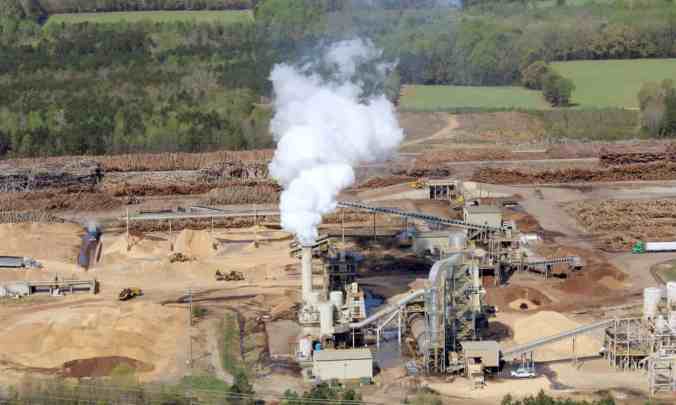
The Enviva plant in Northampton county, North Carolina. Photograph: SELC

Questions about biomass are not new, but increasingly urgent as a social justice issue as well as an ecological one:

Biomass is promoted as a carbon neutral fuel. But is burning wood a step in the wrong direction?

Many scientists and environmental campaigners question the industry’s claims to offer a clean, renewable energy source that the planet desperately needs

Thick dust has been filling the air and settling on homes in Debra David’s neighborhood of Hamlet, North Carolina, ever since a wood pellet plant started operating nearby in 2019. Continue reading

Smog, Ozone & Biodiversity

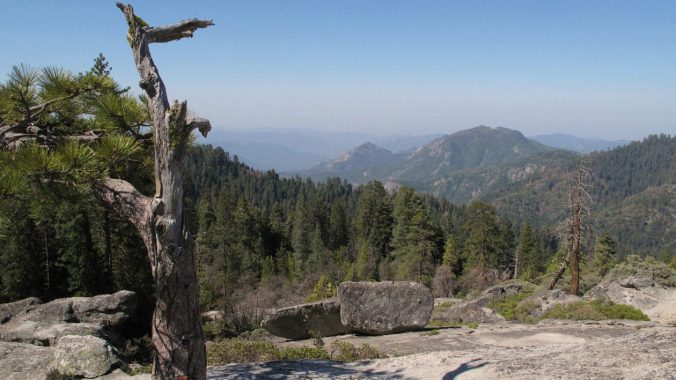
The view from Beetle Rock in Sequoia National Park, California. Smog, containing high levels of ozone, blows in from the San Joaquin Valley. TRACIE CONE / AP PHOTO

Thanks to Jim Robbins for updating our understanding of ozone’s ongoing threat (we had thought it was lessening):

Ozone Pollution: An Insidious and Growing Threat to Biodiversity

Ground-level ozone has long been known to pose a threat to human health. Now, scientists are increasingly understanding how this pollutant damages plants and trees, setting off a cascade of impacts that harms everything from soil microbes, to insects, to wildlife.

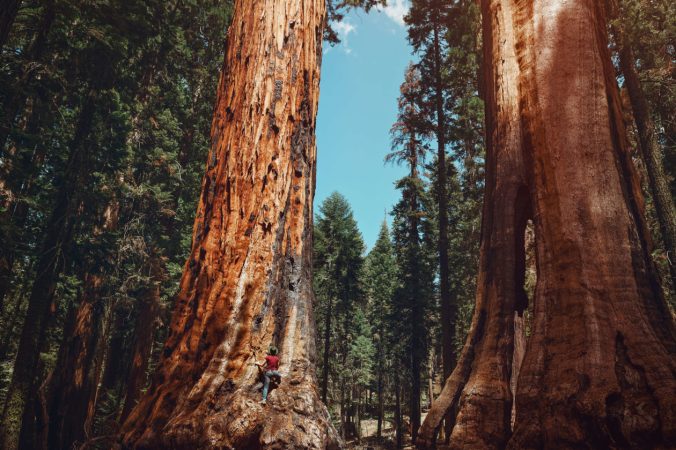
Giant sequoias in Sequoia National Park, California. MARJI LANG/LIGHTROCKET VIA GETTY IMAGES

Sequoia National Park’s famous groves of stout, 300-foot-tall trees sit high on the western side of the Sierra Nevada, above California’s San Joaquin Valley. They are threatened as never before: Wildfires have burned much of the forest, and now, for the first time, insects are killing sequoias. Continue reading

Sugarcane Rising

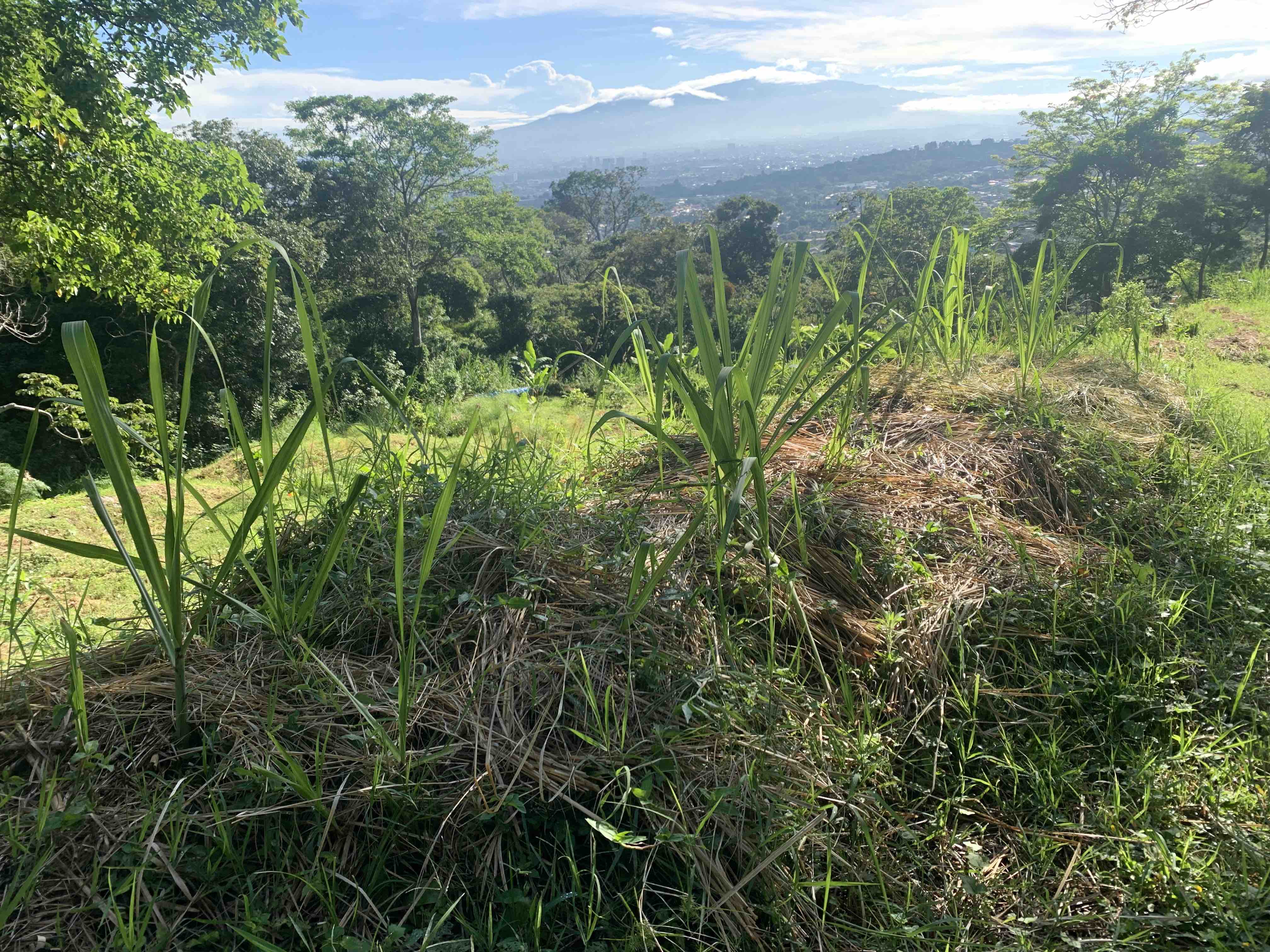
These are early signs of sugar cane that can grow very high. When we planted it a few months ago it had only a first covering of vetiver. What now looks like a mess of various grasses on the berm–at least four different species are growing through the vetiver, another grass that is there for both ground cover and soil replenishment–shows how much more vertically oriented the sugarcane is than other grasses. All the tall grass leaves in this image are sugarcane. One or two of the other grasses are also aggressive, but horizontally. They stay close to the ground and can wander as far at ground level as sugarcane grows vertically.

Nathan Myhrvold On The Splendid Table

When we posted on his book a few weeks ago the title of our post suggested that it was a frivolous offering. Not so. Surprisingly we have not posted about Nathan Myhrvold before, but the best profile on him was written before this platform launched. Then his dinosaur obsession and invention workshop were his primary talking points. In recent years those have made room for food.

And in case you do not have time for his book, you can get a sense of those talking points on this episode of The Splendid Table podcast:

Episode 741: Pizza: Origin, Culture and Making It with Nathan Myhrvold

This week, we take a deep dive into pizza with the co-author of the voluminous Modernist Pizza, Nathan Myhrvold. We get into the history, culture, and techniques behind great pizza. We hear stories from his worldwide travels and deep dives into pizza cultures and traditions. Plus, we hear about the culinary lab research devoted to making the best pizza ever, and he sticks around to answer your pizza-making questions. He is the founder of the Modernist Cuisine Lab…