Sri Lanka Energy Progress

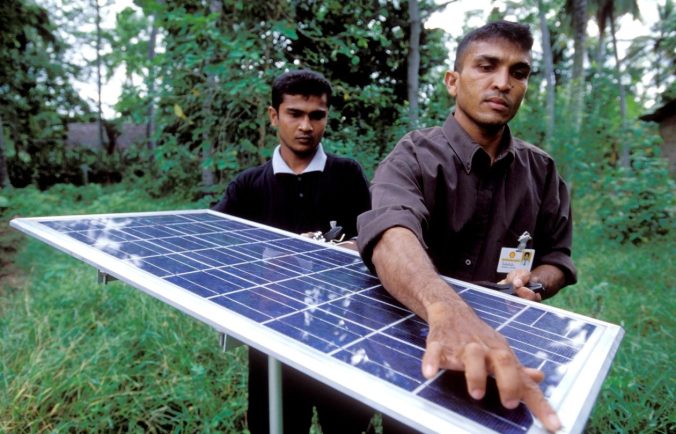
A solar installation in Sri Lanka. DOMINIC SANSONI / WORLD BANK VIA FLICKR

Thanks to Yale e360 for this news from our old neighborhood:

Sri Lanka Pledges No New Coal, Makes Push Into Rooftop Solar

In its latest climate plan, Sri Lanka is ruling out new coal power and aiming to reach 70 percent clean electricity by 2030, an important milestone on its way to reaching its goal of a carbon-neutral electricity generation system by 2050, Climate Home News reported. Continue reading

The Unalloyed Joy Of Given Plants

Being a gardener has an odd way of attracting the kindness of strangers. Illustration by Daniel Salmieri

Charlotte Mendelson addresses a topic that we can relate to as we repopulate a one-time farm, primarily with coffee but plenty of other goodies as well, most of them gifted to us:

Give Me All Your Cuttings

Free stuff is the zenith of the gardener’s life, the soil tender’s greatest thrill.

I may tell myself that I chat up my neighbors out of a post-quarantine craving for connection. I can pretend that I haul myself outside for a swift ten thousand steps because I’ve finally learned the value of tending myself, body and spirit. But the truth is that I have one motivation for every social interaction, city walk, or strenuous cycle ride: free stuff. Continue reading

Bioluminescent Distractions

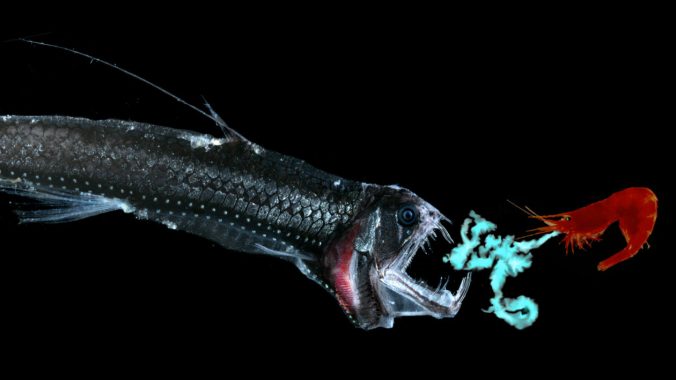
A deep-sea shrimp spews bioluminescent chemicals at its predator, a viperfish. EDITH WIDDER

Nothing like bioluminescence to take your mind off of other things for a while. Thanks to Yale e360 for this:

A Scientist Reveals the Bioluminescent Magic of the Deep-Sea World

In an interview with Yale Environment 360, marine biologist Edith Widder talks about her pioneering research into the world of bioluminescent organisms in the deep oceans and warns of the dangers, from trawling to oil drilling, that imperil this hidden realm.

Atolla vanhoeffeni, a bioluminescent deep-sea jellyfish. EDITH WIDDER

Until recently, the depths of the world’s oceans remained almost entirely unexplored. But advances in submersible technology are increasingly giving scientists a window into this little-known universe. One of the leaders in this exploration is marine biologist Edith Widder, who has extensively studied bioluminescent, or light-producing, organisms that use this trait to communicate, defend themselves, and hunt in darkness. Among other things, Widder has worked with engineers to develop highly sensitive deep-sea light meters and special cameras, like the remotely operated Eye-in-the-Sea, which allow for real-time monitoring of the seafloor. Continue reading

Any Second Thoughts, Deniers & Doubters?

Efforts to minimize the concern about climate change have been concerted for decades, particularly by corporations and ideologues. At the same time there have been plenty of people who have taken the crisis seriously, and have worked tirelessly to get the rest of us on board. Deniers, doubters, those who sow doubt, and anyone else who wants to claim they know better than the scientists, here is one more comment on the recent report (even if few of us will read that report in its entirety):

The U.N.’s Terrifying Climate Report

Scientists predict hotter heat waves and worse flooding in the decades ahead, but the catastrophe is evident everywhere this summer.

A forest fire next to a flood

Illustration by João Fazenda

In 1988, the World Meteorological Organization teamed up with the United Nations Environment Programme to form a body with an even more cumbersome title, the Intergovernmental Panel on Climate Change, or, as it quickly became known, the I.P.C.C. The I.P.C.C.’s structure was every bit as ungainly as its name. Any report that the group issued had to be approved not just by the researchers who collaborated on it but also by the governments of the member countries, which today number a hundred and ninety-five. The process seemed guaranteed to produce gridlock, and, by many accounts, that was the point of it. (One of the architects of the I.P.C.C. was the Reagan Administration.) Continue reading

Beauty Of The Wild

Library of American Landscape History has published this book, which came to our attention thanks to this excellent article (again) by Margaret Roach:

Three large islands at Storm King Art Center are planted with a mix of prairie grasses, including little bluestem, big bluestem, Indiangrass and switchgrass. Jerry L. Thompson

Your Garden May Be Pretty, but Is It Ecologically Sound?

Darrel Morrison, the elder statesman of the ecological landscaping movement, offers some advice for gardening in a changing world.

Mr. Morrison’s mesic prairie design for the University of Wisconsin Arboretum Native Plant Garden, with the larger Curtis Prairie restoration in the distance. Robert Jaeger

Some gardeners react to any mention of ecological landscaping — the merging of environmental science and art — as if it were a compromise or concession meant to limit their creativity. Darrel Morrison, a landscape architect who has been practicing and teaching this philosophy for some five decades, begs to differ.

“There is the implication that you are suggesting a vegan diet,” said Mr. Morrison, the creator of influential designs at Storm King Art Center, in Orange County, N.Y., the Brooklyn Botanic Garden and the Lady Bird Johnson Wildflower Center in Austin, Texas. “A lot of people, when they hear a phrase like ‘ecologically sound landscaping,’ they think they are giving up something. But they are not — it only enhances the experience.” Continue reading

Line 3 & Winona LaDuke

Photo illustration by Bráulio Amado. Source photograph by Kerem Yucel/Agence France-Presse, via Getty Images

Defeating Line 3 is important. This matters for all humanity, and all other inhabitants of the earth. But the ones most directly and immediately affected are those whose ancestral lands are being intruded upon. However much better the current president of the USA may be compared to his predecessor is a red herring; the bar was below low on environmental grounds. What matters now is what this president does on the most important issues facing our planet. Strong words follow:

Winona LaDuke Feels That President Biden Has Betrayed Native Americans

Winona LaDuke (center) and other protesters at a construction site for the Line 3 oil pipeline near Palisade, Minn., in January. Kerem Yucel/Agence France-Presse, via Getty Images

Right now in northern Minnesota, the Canadian oil-and-gas-transport company Enbridge is building an expansion of a pipeline, Line 3, to carry oil through fragile parts of the state’s watersheds as well as treaty-protected tribal lands. Winona LaDuke, a member of the local Ojibwe tribe and a longtime Native rights activist, has been helping to lead protests and acts of civil disobedience against the controversial $9.3 billion project. “I spend a lot of time,” she says, “fighting stupid ideas that are messing with our land and our people.” So far the efforts of LaDuke, who is 61 and who ran alongside Ralph Nader as the Green Party’s vice-presidential nominee in 1996 and 2000, have been in vain. The Biden administration declined to withdraw federal permits for the project, a stance that Line 3 opponents see as hypocritical given the president’s cancellation of the Keystone XL pipeline as well as his vocal support for climate action. Continue reading

Wooden Building Blocks 2.0

A construction site in Vaxjo, Sweden, using prefabricated cross-laminated timber panels that are assembled on-site. Gabriel Leigh

In previous centuries building with wood was the norm, and then safety and efficiency considerations stopped the practice. Now, climate change and other considerations are turning the tide back in favor of building with wood. Counterintuitive at first–climate change is in part a function of deforestation, and reforestation is considered part of the solution–reading this article gives the perspective needed to get your intuition reoriented. Thanks to Gabriel Leigh and the New York Times for this:

Wooden Buildings Reach for the Sky

A rendering of the completed Stockholm complex, dubbed Cederhusen, or Cedar House. General Architecture

VAXJO, Sweden — Stockholm and its suburbs are filled with construction cranes these days, reflecting a growing population combined with a housing shortage. But few of its developments are as extensive as Hagastaden, just to the north of central Stockholm where it meets the neighboring municipality of Solna.

Here, it looks as if an entirely new city is being built. Continue reading

If You Happen To Live In A Place With Little Or No Light Pollution

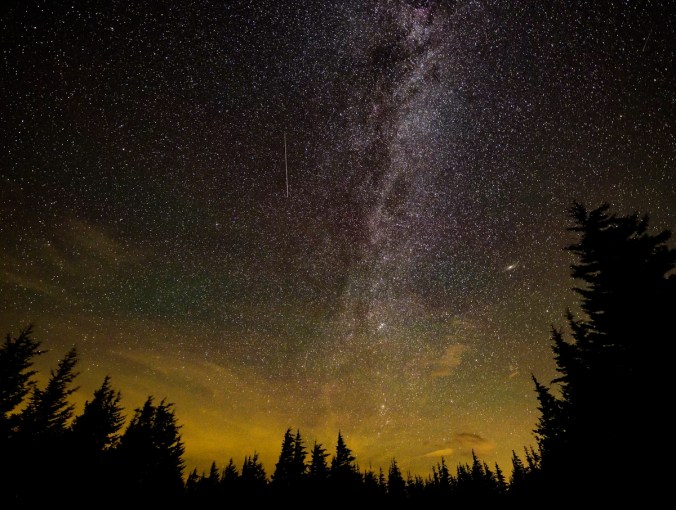
In this 30-second exposure, a meteor streaks across the sky during the annual Perseid meteor shower in Spruce Knob, W.Va. Bill Ingalls/NASA via Getty Images

Tonight is the best night for viewing this spectacle. Thanks to National Public Radio (USA) for this heads up:

The ‘Best Meteor Shower Of The Year’ Is Peaking Soon. Here’s How You Can Watch

The Perseid meteor shower is upon us, peaking this week, and it will fill the night sky with streaks of light and color until Aug. 24. Continue reading

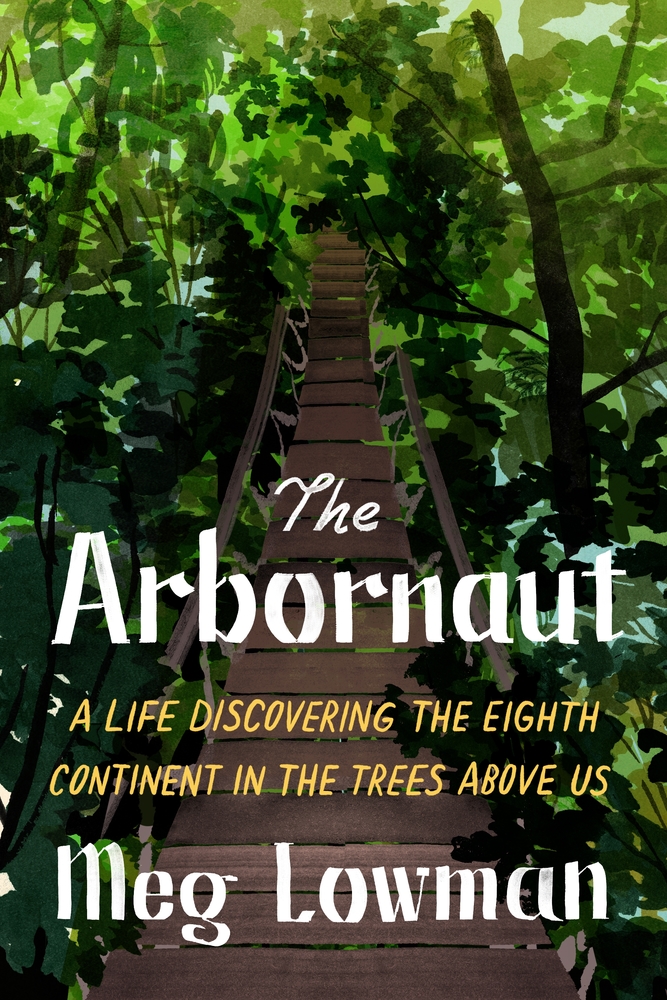
The Arbornaut

The author has been featured in these pages multiple times over the years. The publisher makes it easy to find an option that suits your shopping preferences (our preference is obvious). Her new book has received plenty of praise, according to an email she sent us:

Readers everywhere will be fascinated and inspired to learn more about nature, and especially about how we need to conserve the world’s forests.” ―Jane Goodall, PhD, DBE, founder of the Jane Goodall Institute, and United Nations Messenger of Peace Continue reading

There Never Were Easy Fixes, Now There Are Fewer Fixes Of Any Kind

NurPhoto / Getty

Anyone who lived in or around New York City in the early 1970s might remember the rallying cry of the city’s upstart baseball team: “Ya Gotta Believe’.’ In more recent times, anyone anywhere might well repeat those words to any climate doubters or deniers. The first step to solving a problem is believing you have one. No pleasure whatsoever, but the following is necessary reading:

It’s Grim

The latest UN report is clear: Climate change is here, it’s a crisis, and it’s caused by fossil fuels.

A new United Nations–led report from hundreds of climate scientists around the world makes it clear: The human-driven climate crisis is now well under way. Continue reading

To Build A Good Home, Sometimes You Need Pluck

We were aware that birds will build nests out of just about anything they can find, and sometimes in the strangest places. But how they get the material is less familiar, and in the article below is a video of a bird plucking fur from a fox, about as fun to watch as anything we have seen recently, so click through to the full story:

Sneaky Thieves Steal Hair From Foxes, Raccoons, Dogs, Even You

It’s simple: Mammals have hair or fur. Birds want it.

As anyone who has ever tried to eat french fries on a beach will attest, stealing is not an uncommon behavior among birds. In fact, many birds are quite skilled at bold and brazen theft. Continue reading

Care For The Little Ones Among Us

Illustration of insects

Thanks to the Guardian for providing this biologist the platform to explain to us why insects matter so much:

The insect apocalypse: ‘Our world will grind to a halt without them’

Insects have declined by 75% in the past 50 years – and the consequences may soon be catastrophic. Biologist Dave Goulson reveals the vital services they perform

I have been fascinated by insects all my life. One of my earliest memories is of finding, at the age of five or six, some stripy yellow-and-black caterpillars feeding on weeds in the school playground. I put them in my empty lunchbox, and took them home. Eventually they transformed into handsome magenta and black moths. This seemed like magic to me – and still does. I was hooked. Continue reading

While Considering The Switch To EV

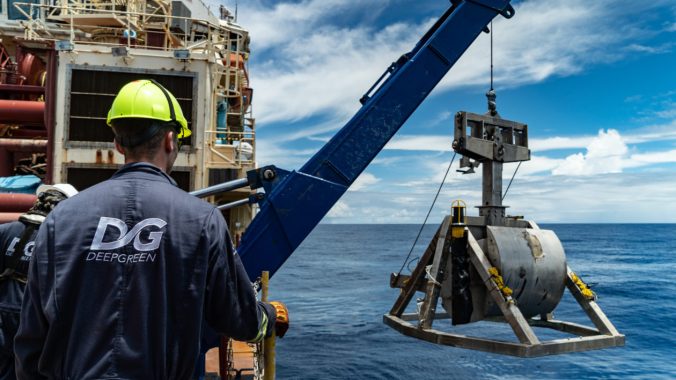
Researchers with DeepGreen Metals deploy a box core tool to capture a sample of the seafloor. THE METALS COMPANY

As more and more households and businesses and governments plan their switch to electric vehicles, considering the ripple effects is as important now as it was in the age of fossil-fueled vehicles:

The Race for EV Parts Leads to Risky Deep-Ocean Mining

The electric vehicle boom is driving a surge in demand for prized metals needed for batteries and other components. Some companies say the solution lies in mining the deep oceans, but scientists say that could irreversibly damage a vast, largely pristine ecosystem.
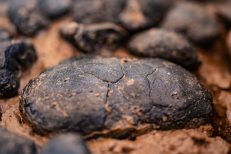
A polymetallic nodule containing manganese, nickel, cobalt and copper gathered from the seafloor. THE METALS COMPANY

Nauru, lying about halfway across the vast expanse of the Pacific Ocean between Australia and Hawaii, is the world’s smallest island nation. But in the emerging industry of deep-sea mining, it punches far above its weight.

This June, Nauru gave notice to the International Seabed Authority (ISA), the UN agency charged with regulating mining in international waters, that it was triggering the so-called two-year rule: The agency will have to consider any application for a deep-sea mining license two years from now, under whatever regulations are on the books at the time. This effectively forces the ISA’s hand to finalize a regulatory mining code before that deadline. With this latest development, a once-fanciful idea may soon become a global industry. Continue reading

The Alberta Tar Sands Prize

In a world that will need less oil, the attraction of going to a landlocked continental interior, such as Alberta, Canada, and trying to separate petroleum from sand is waning. Photograph by Ben Nelms / Bloomberg / Getty

Oil from the tar sands of Alberta will sink us faster than we are already sinking. How important is it to keep it where it is? Akin to some sort of holy grail. Thanks to Bill McKibben, as always, for weekly reminders to keep our eyes on the prize:

We Love You, Alberta—Just Not Your Tar Sands

If the province’s oil is dug up and burned, it will be calculably harder to limit the damage from climate change.

Some weeks ago, the government of Alberta wrote to me—and apparently to a number of other environmentalists and environmental groups. We are all subjects of an “anti-Alberta energy inquiry,” and have the right to respond to charges that are being levelled by a government commission. Alberta, it turns out, has spent three and a half million dollars in an effort to find out whether foreigners are unfairly targeting its oil-and-gas industry. I’m mentioned dozens of times in the draft report, due to be finished this week, and it contains links to lots of articles of mine explaining why the province’s vast tar-sands project should be curtailed. Continue reading

Clever & Adaptable Down Under

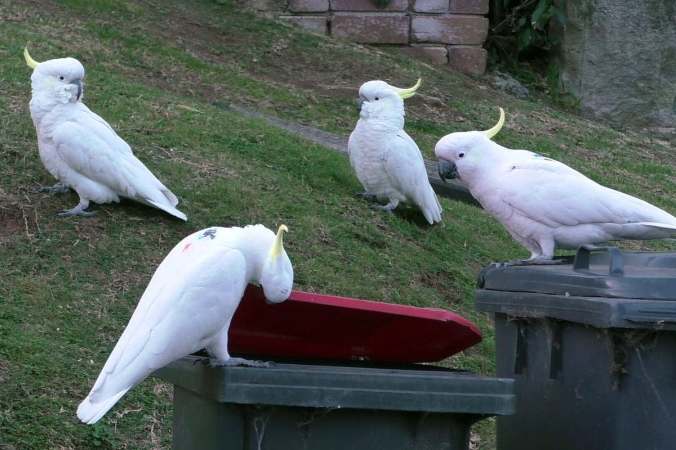
A cockatoo did the work while others observed. Barbara Klump/Max Planck Institute of Animal Behavior

Watch the half-minute video accompanying this story and you will understand the words “clever” and “adaptable” in a new way:

Trash Parrots Invent New Skill in Australian Suburbs

Sydney’s clever and adaptable sulfur-crested cockatoos learn how to pry open garbage bins by watching one another.

You’ve heard of trash pandas: Raccoons raiding the garbage. How about trash parrots?

Sulfur-crested cockatoos, which may sound exotic to Americans and Europeans, are everywhere in suburban areas of Sydney. They have adapted to the human environment, and since they are known to be clever at manipulating objects it’s not entirely surprising that they went after a rich food source. But you might say that the spread of their latest trick, to open trash cans, blows the lid off social learning and cultural evolution in animals. Continue reading

Making Dams Deliver More

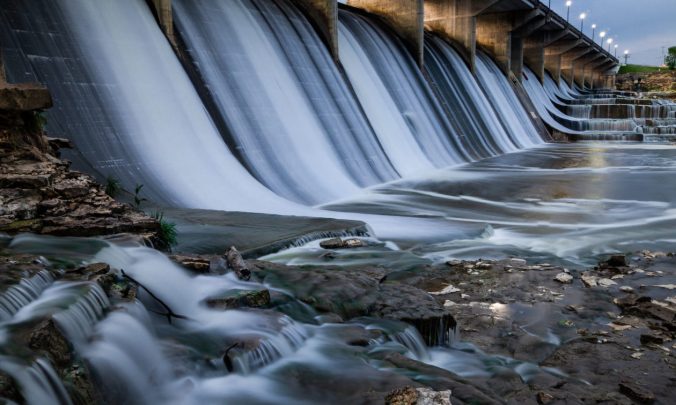
The O’Shaughnessy Dam in Ohio is being repaired and will be providing power to the city of Columbus by mid-2023. CAMERA MEETS BEARD / SHUTTERSTOCK

Thanks to Yale e360 for this story by James Dinneen:

Can Retrofitting Dams for Hydro Provide a Green Energy Boost?

With the era of building big dams over in the U.S., a growing number of existing dams are being modified to produce hydropower. These projects, advocates say, avoid the damaging impacts of new dams and could generate enough renewable electricity for several million homes. Continue reading

If You Happen To Be In Berlin

The phased opening of Humboldt Forum, a museum in Berlin, includes this exhibit, and of course a beautiful book to boot.

An interesting feature, in the form of an editorial on the museum’s website can help put this exhibit in context. The goal of this museum is anti-colonial, among other things, according to the museum’s editorial:

According to the people behind the project, the partial reconstruction of Berlin’s historic palace was an expression of the power to mend, to repair the urban fabric and the historical associations enshrined in the space it occupies.

Which is unusual for a well-funded museum in a wealthy country to say. So, this book looks interesting from multiple angles, and the text describing the book is a hint at that:

The elephant is an admired but also endangered animal. In all times and cultures, the ivory of its tusks has been sought after. What kind of material is it, how is it used in history and the present, and what can be done today to protect the largest land mammals from poaching? This richly illustrated volume undertakes a cultural-historical journey and a current positioning. Ivory fascinates  and polarises. Continue reading

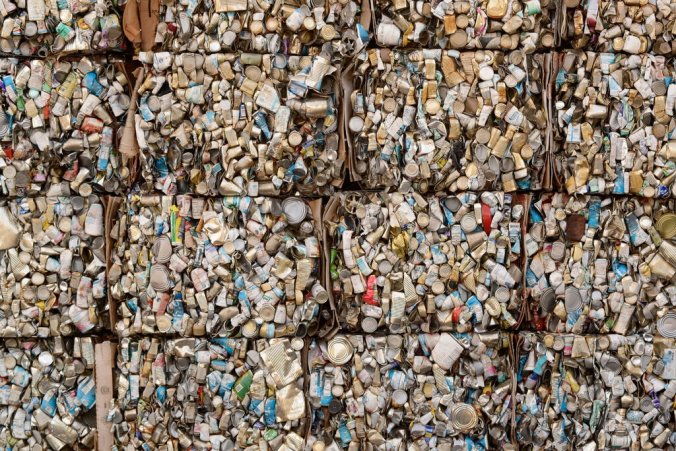
Recycling 2.0, Maine Gets It Done

A collection facility in Bend, Ore. The state is expected to adopt a recycling law similar to Maine’s within weeks. Leon Werdinger/Alamy

When we were making decisions about coffee and chocolates that we would offer in the Authentica shops, which we knew to be best-selling categories for travelers wanting to take something home from Costa Rica, product quality was the top consideration. Packaging was a close second. Relative to what was sold in other shops, we radically reduced the carbon footprint of the packaging, and more recently took another step further down that road. We know that every little effort counts, but we also know that the big game is elsewhere, and we are happy to see a relatively small state making big strides in the USA:

Maine Will Make Companies Pay for Recycling. Here’s How It Works.

The law aims to take the cost burden of recycling away from taxpayers. One environmental advocate said the change could be “transformative.”

Gov. Janet Mills of Maine, a Democrat, signed the new recycling policies into law this month. Robert F. Bukaty/Associated Press

Recycling, that feel-good moment when people put their paper and plastic in special bins, was a headache for municipal governments even in good times. And, only a small amount was actually getting recycled.

Then, five years ago, China stopped buying most of America’s recycling, and dozens of cities across the United States suspended or weakened their recycling programs.

Now, Maine has implemented a new law that could transform the way packaging is recycled by requiring manufacturers, rather than taxpayers, to cover the cost. Nearly a dozen states have been considering similar regulations and Oregon is about to sign its own version in coming weeks. Continue reading

Looming Line 3 Battle

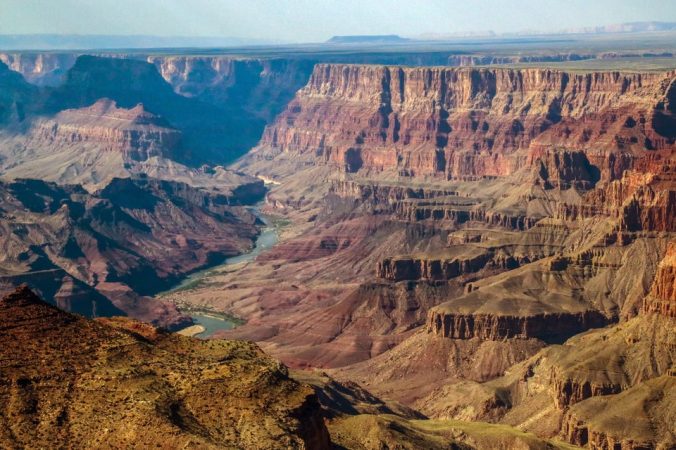
Only a small percentage of Americans visit the Grand Canyon, but its existence, as an ancient place of inestimable value, has a global psychological importance.Photograph by Jim Kidd / Alamy

The Line 3 story started for us last month, and continues today, with another essay by Bill McKibben, this time using the Grand Canyon for context:

Lessons from the Fight for the Grand Canyon

We once saved natural landmarks for their beauty—now it’s for survival, too.

To float down the Colorado River through the Grand Canyon is to meander through geologic time. As you descend, the formations you pass include the Coconino Sandstone, the Redwall Limestone, the Bright Angel Shale—by the time you reach the tortured-looking Vishnu Schist, you’re a couple billion years back in time. Continue reading

Volts, A Panic-Mitigation Option

Volts: a newsletter about clean energy and politics

What with climate change accelerating and US politics falling apart, it’s pretty grim out there. Yet alongside these doom loops, somewhat anomalously, something good is happening: the transition away from fossil fuels to clean, carbon-free energy is underway, and it is accelerating every day

Our reading and listening options are constantly expanding and contracting, and especially with climate change and energy topics in particular it can be challenging to find options that do not simply induce panic. We have our regular go-to sources, like Yale e360, that has been creatively informative without just heaping on the bleak (any more than necessary, which it sometimes is). A recent discovery of an analytical source worth sharing is this newsletter/podcast combo by David Roberts. Below is the most recent podcast:

Volts podcast: rampant environmental rule-breaking and how to fix it, with Cynthia Giles

Designing rules (including climate rules) that are harder to break

The US has hundreds of environmental rules and regulations on the books, meant to achieve various environmental goals — clean up coal plants, reduce toxins in consumer products, limit agricultural waste, and so on.

Once these rules and regulations are put in place, most people don’t give them a lot of thought. To the extent they do, they tend to believe two things: one, that environmental rules are generally followed (maybe, what, 3-5 percent break the rules?), and two, that the answer to noncompliance is increased enforcement.

According to Cynthia Giles, both those assumptions are dead wrong.