
United Airlines wants to zero out its greenhouse gas emissions by 2050, but without using conventional carbon offsets. Nicolas Economou/NurPhoto via Getty Images
If airlines can quantify what it would cost to become carbon neutral within a relevant timeframe, it implies that we know by how much they are currently fudging their investment model. If it is going to require an investment of X number of dollars over Y number of years to achieve carbon neutrality then they should invest, and price their flights accordingly. Then we will all know the real cost of flying, including the environmental cost. Thanks to Umair Irfan (long time since we last saw his work) and to Vox for this:
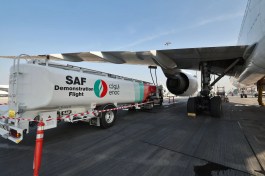
Emirates demonstrated a Boeing 777 flight fueled with SAF earlier this year. Giuseppe Cacace/AFP via Getty Images
Airlines say they’ve found a route to climate-friendly flying
Cleaner, faster, cheaper — the aviation industry’s plan to decarbonize air travel, explained.
If you’ve caught an ad for an airline lately on TV, a podcast, or the entertainment display on your flight, you’ve probably heard the company brag about what it wants to do about climate change.
Major airlines like American, Delta, Southwest, and United have all set targets of achieving net-zero greenhouse gas emissions by 2050. They’re using a suite of tactics including buying more fuel-efficient aircraft, electrifying their ground vehicles, and increasing the efficiency of their operations. They’re also testing the winds on battery- and hydrogen-powered planes, as well as some radically different aircraft designs. Continue reading →

















 Organikos