Ants & Us

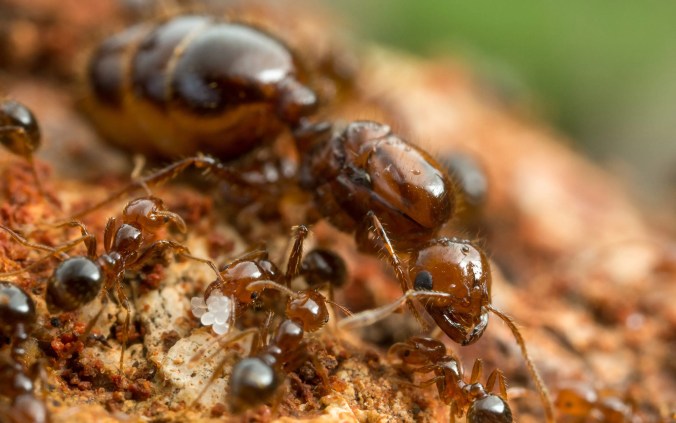
A queen Solenopsis invicta, an invasive fire ant. Photo by Alex Wild

John Whitfield, author of this article in Aeon, is a science journalist whose writing has appeared in Nature, among publications:

A polygyne population of red imported fire ants at Brackenridge Field. Austin, Texas, USA. Photo by Alexander Wild

Ant geopolitics

Over the past four centuries quadrillions of ants have created a strange and turbulent global society that shadows our own

It is a familiar story: a small group of animals living in a wooded grassland begin, against all odds, to populate Earth. At first, they occupy a specific ecological place in the landscape, kept in check by other species. Then something changes. The animals find a way to travel to new places. They learn to cope with unpredictability. They adapt to new kinds of food and shelter. They are clever. And they are aggressive. Continue reading

Forest Adaptation Via Scientific Methodology

Scientists in northern Minnesota are exploring how to adapt forests for climate change, transitioning them to a warmer future by planting new mixes of southern seedlings. In this “transition test” in the Cutfoot Experimental Forest, forest ecologists thinned trees and planted seedlings of eight species, grown from seeds collected up to hundreds of miles to the south. CREDIT: BRIAN PALIK / USDA FOREST SERVICE

Thanks to John Tibbets and Knowable Magazine

This 8-year-old bitternut hickory, native to a milder climate to the south, is flourishing in northern Minnesota, notorious for long, intensely cold winters. CREDIT: BRIAN PALIK / USDA FOREST SERVICE

On a brisk September morning, Brian Palik’s footfalls land quietly on a path in flickering light, beneath a red pine canopy in Minnesota’s iconic Northwoods. A mature red pine, also called Norway pine, is a tall, straight overstory tree that thrives in cold winters and cool summers. It’s the official Minnesota state tree and a valued target of its timber industry.

But red pine’s days of dominance here could fade. In coming decades, climate change will make red pine and other Northwoods trees increasingly vulnerable to destructive combinations of longer, warmer summers and less extremely cold winters, as well as droughts, windstorms, wildfires and insect infestations. Climate change is altering ecological conditions in cold regions faster than trees can adapt or migrate. Continue reading
Seal Spit Surprise

An eagle flies over seal with its mouth open in water along a shoreline.

A white-tailed eagle swoops toward the water’s surface with an adult grey seal directly beneath. Clare Jacobs

We had not heard of this branch of science before, so we thank Douglas Main and the New York Times for this:

A Seal’s Spray Adds a Chapter to the Science of Spitting

The observation suggests that seals join cobras, archerfish and other animals known to spit, although researchers can only speculate about the reason for the mammal’s expectoration.

On Jan. 3, 2022, Clare Jacobs, a bird-watcher, was delighted to spot a rare white-tailed eagle, or Haliaeetus albicilla, at a nature reserve on the Isle of Wight in southern England. These birds, also known as sea eagles or ernes, vanished from the region some 250 years ago, but more than two dozen birds have been released on the island since 2019. Continue reading
Tree Species Moving, To Adapt & Survive

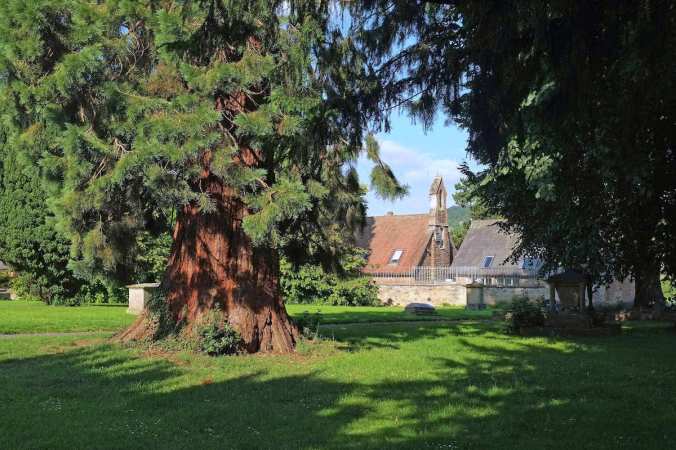
A giant sequoia in Bromyard, England. DEREK HARPER VIA GEOGRAPH

Thanks to Yale e360:

Under Threat in Their Native California, Giant Sequoias Are Thriving in Britain

Worsening drought and wildfires in California are pushing giant sequoias, the biggest trees on Earth, into decline. But sequoias that have been planted in Britain are flourishing, new research finds. Continue reading

2024 Winners, British Wildlife Photography Awards

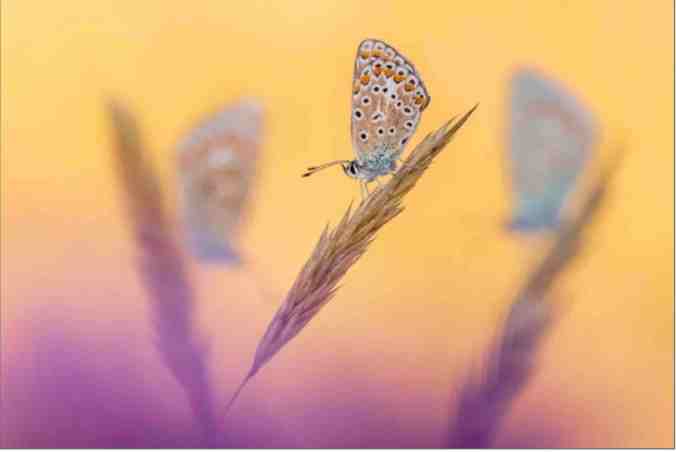
Three’s a Crowd. Hidden Britain, Winner. “I think I have a slight addiction to photographing blue butterflies—I just love them! They are such beautiful little insects, and they enhance any wildflower meadow or garden they inhabit. Blues are quite social insects, and they can often be found roosting quite close together—or even on the same grass or flower. I found a dozen or so blues all resting close together one evening last summer.” 
© Ross Hoddinott / British Wildlife Photography Awards

Our annual thanks to Alan Taylor for these selections:

Organizers of the 2024 British Wildlife Photography Awards just announced their collection of winners and runners-up. More than 14,000 images were submitted in 11 different categories, celebrating the wildlife and wild spaces found across the United Kingdom. Competition organizers were kind enough to share some of this year’s amazing images below. Captions were provided by the photographers.

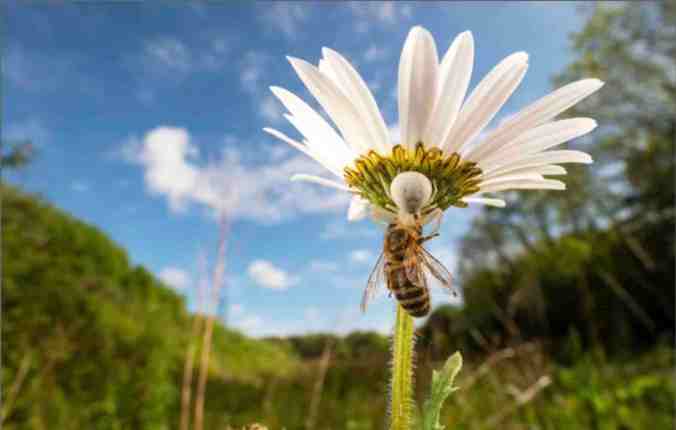
Daisy Danger. Hidden Britain, Runner-up. “This photo was taken in a patch of land along the A30 in Devon that has been left untouched for a long time, making it a haven for wildflowers and the wildlife that inhabits it. Using the Laowa wide-angle macro lens, I aimed to capture this scene. While walking, I came across a flower crab spider wrestling with a bee on an ox-eye daisy.” # © Lucien Harris / British Wildlife Photography Awards


A Tiny Forest For Roosevelt Island

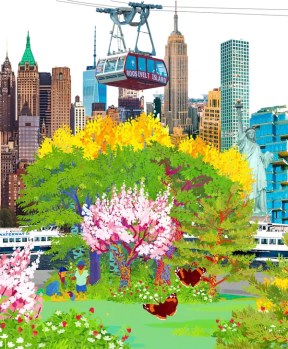
An artist’s rendering of the Manhattan Healing Forest. Courtesy of SUGi

Thanks to Cara Buckley for another in her long line of tree stories:

Coming Soon to Manhattan, a Brand-New Tiny Forest

Pocket-size forests filled with native plants have been embraced worldwide for their environmental benefits. Now one is planned for New York City.

A trend that’s gaining momentum around the world is set to finally arrive in Manhattan. It’s a tiny forest, to be planted on the southern end of Roosevelt Island, in the East River, this spring. According to its creators, it would be the first of its kind in the city and would consist of 1,000 native plants, trees and shrubs, covering just 2,700 square feet. Continue reading

Hacienda La Amistad, 2024

Amistad label circa 2019

Amistad label 2020-2023

We have been offering this Hacienda La Amistad coffee since 2019. The original label, seen in the photo above, was one we thought perfect for its simplicity.

During the pandemic, with time on our hands, we redesigned all of our labels and came up with this label to the left.  It served us well over the last few years,  as we expanded from selling only in the Authentica shops in Costa Rica to also roasting and selling in the USA.

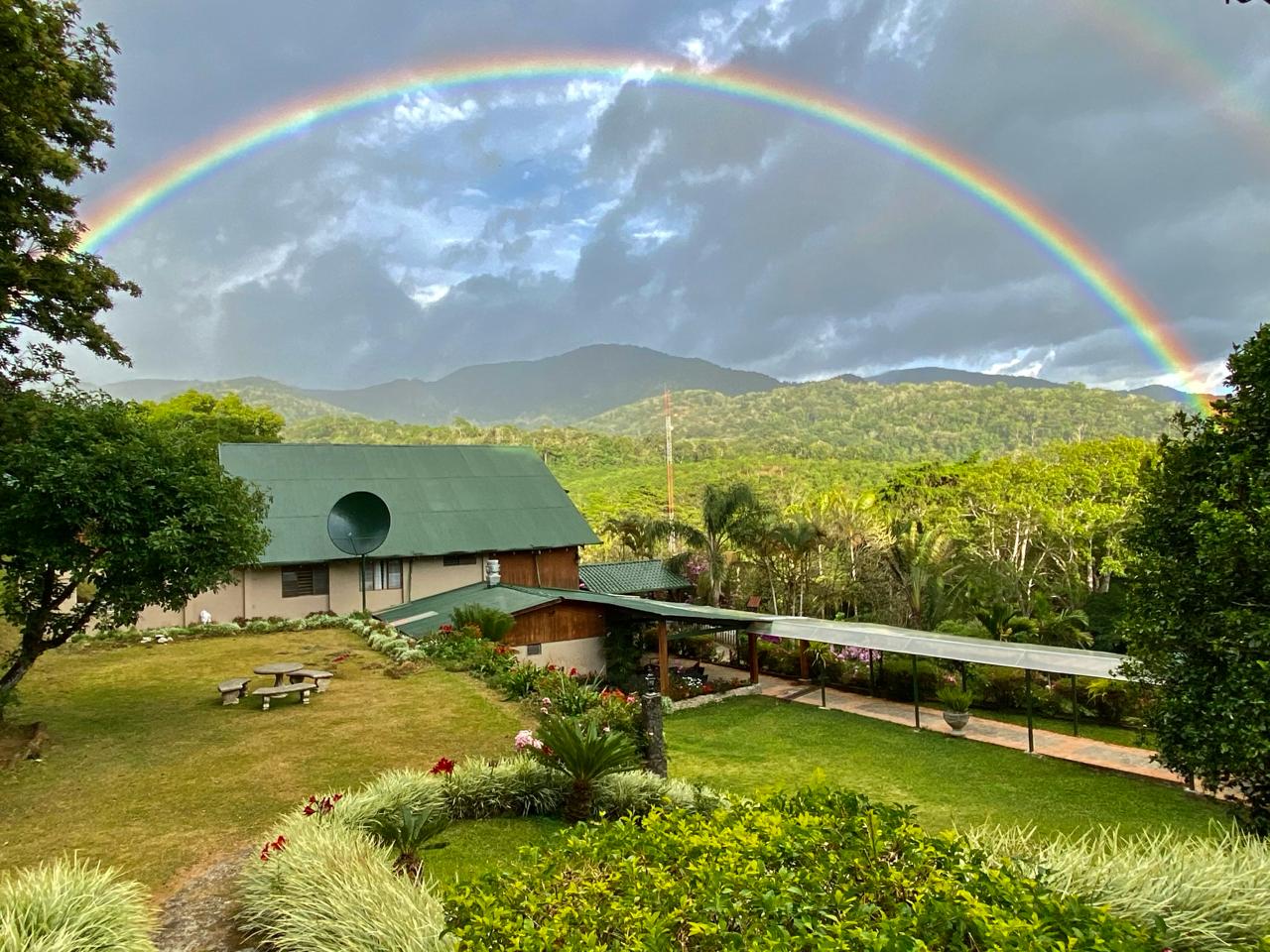
Starting in early 2024 we began rethinking all of our coffee labels. We approached the task region by region, with the blends and the single estates following a common design style. We saved this coffee for last, for no particular reason, but yesterday the rainbow over the farm was our signal that it was time to release the new label:

Hacienda La Amistad March 10, 2024

Thank you to the farm for the inspiration:

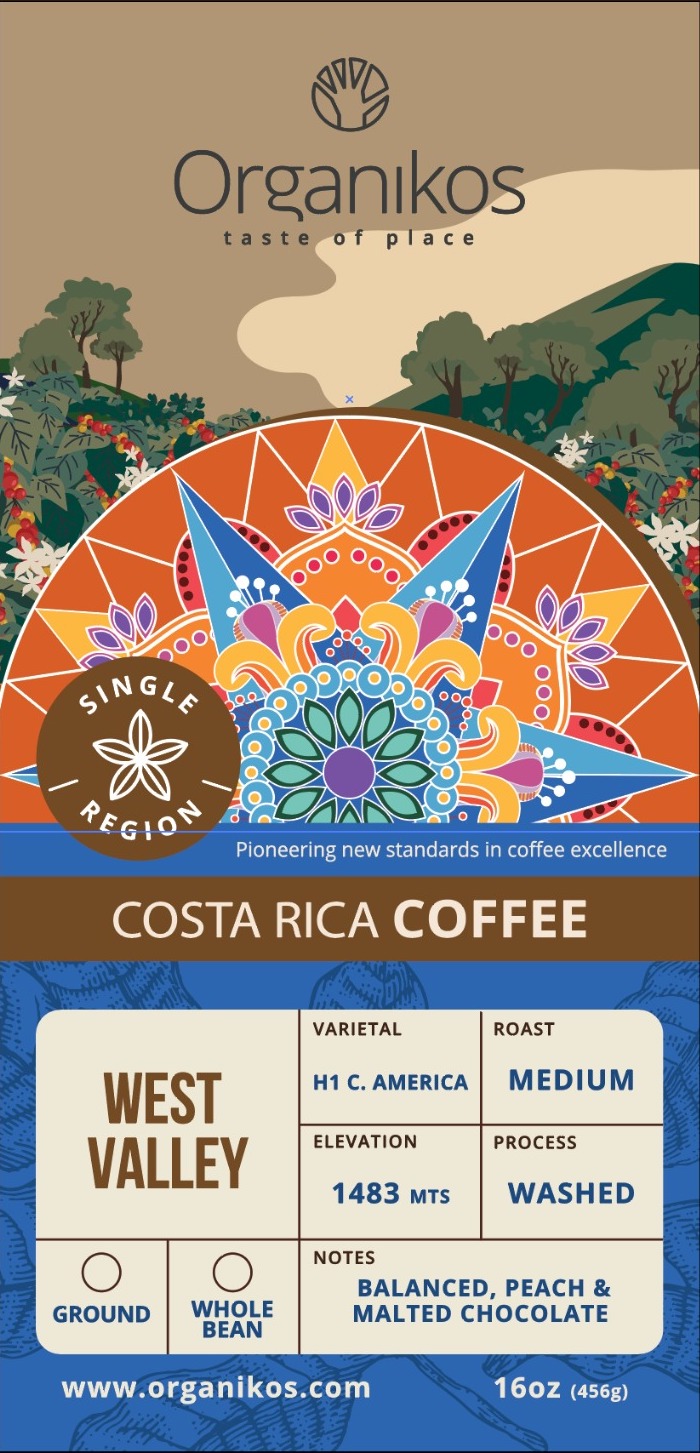
Amistad label, 2024

First Nations’ Food Sovereignty

Delphine Lee

Thanks to Mother Jones for this:

Tribal Nations Are Taking Back Their Food Systems

A new farm bill program aims to undo centuries of federal mismanagement.

The farm bill is one of the most important but least understood pieces of US legislation, and it’s overdue for renewal. Continue reading

Climate Change Challenges In Italy’s Food Basket

The inside of a rice plant about to flower. With global heating, farmers fear extreme weather events such as drought will become more frequent

Thanks to Ottavia Spaggiari for this article, and to Marco Massa and Haakon Sand for the photos. We are closer to the challenges coffee faces in the context of climate change, but we know it is a global race to find solutions:

Risotto crisis: the fight to save Italy’s beloved dish from extinction

After drought devastated prized arborio and carnaroli harvests in the Po valley, new rice varieties offer a glimmer of hope. But none are yet suitable for use in the traditional recipe

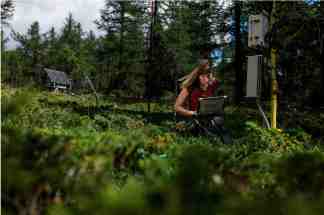
Biometeorologist Marta Galvagno at work

For most of winter and spring in 2022, Luigi Ferraris, a 58-year-old rice farmer from Mortara, a town in the Po valley, remained hopeful. Rainfall had been down 40% in the first six months of the year, and snow had accumulated thinly in the Alps, prompting an 88% drop in the amount of water coming to the Po River from snow-melt; flow in the river and its connected canals was at a historic low. Continue reading
Costa Rica’s West Valley Coffee Region

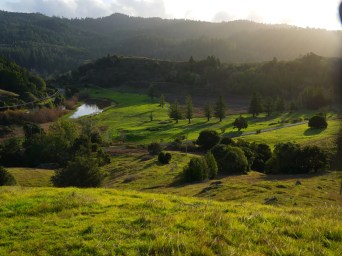
Historically the West Valley region of coffee farms were different from other coffee-growing regions of Costa Rica. One of the hallmarks of this country’s coffee farming culture has been the regional cooperative into which virtually all top quality beans get sold to. West Valley also had its own cooperative, but not the type of solidarity typical of Tarrazu.

That has changed recently, as a new generation of farmers have taken over the family enterprise, many educated now not only in agronomy but also entrepreneurship. They see that innovative practices–crop yield and quality improvements–can be advanced in conjunction with those who are otherwise competitors. West Valley farmers learned this and practice it, now making some of the best coffee on hand.

Whales, Big Brains & Codas

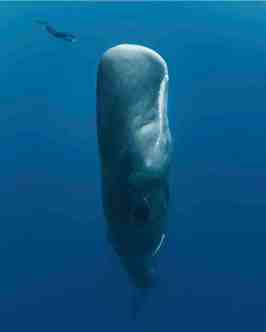
Shawn Heinrichs

Marine biologists are full of surprises, and those who study whales sometimes give the best surprises. Thanks to Ross Andersen and The Atlantic for this story:

HOW FIRST CONTACT WITH WHALE CIVILIZATION COULD UNFOLD

If we can learn to speak their language, what should we say?

One night last winter, over drinks in downtown Los Angeles, the biologist David Gruber told me that human beings might someday talk to sperm whales. In 2020, Gruber founded Project CETI with some of the world’s leading artificial-intelligence researchers, and they have so far raised $33 million for a high-tech effort to learn the whales’ language. Gruber said that they hope to record billions of the animals’ clicking sounds with floating hydrophones, and then to decipher the sounds’ meaning using neural networks. I was immediately intrigued. For years, I had been toiling away on a book about the search for cosmic civilizations with whom we might communicate. This one was right here on Earth. Continue reading

Villa Triunfo, Old Farm & New School

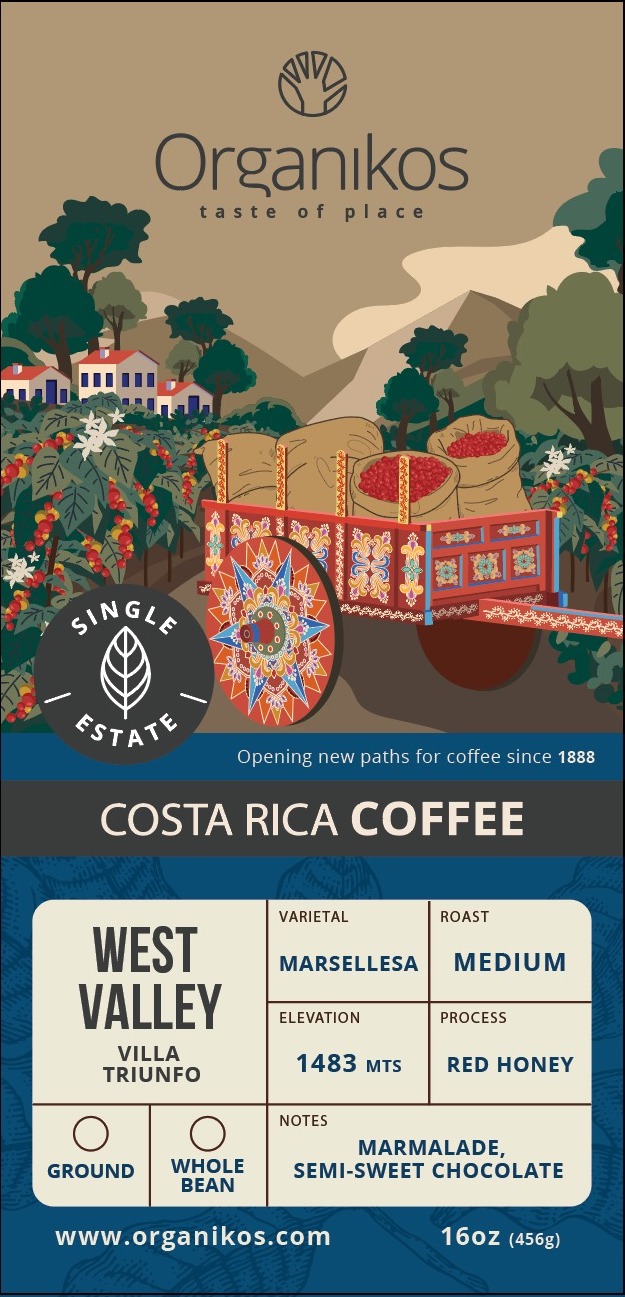
We have shared a few posts in these pages mentioning Villa Triunfo, but now we have designed a new label for it. So, time to celebrate that. What is most important to us about the farm is that it is one of the oldest continuously operating coffee farms in Costa Rica, since its first plantings in the late 1800s.

That, and the fact that today it is also one of the more innovative in terms of pioneering hybrids that help the coffee stay fit in the context of climate change and the various challenges (such as the uniquely problematic mold that is called rust). It is the end of harvest season, when coffees in the West Valley are being processed. The red honey process used for this coffee allows all the sugars from the juicy fruit to absorb into the beans. We look forward to cupping it soon.

Pythons & Captive Breeding Ethics

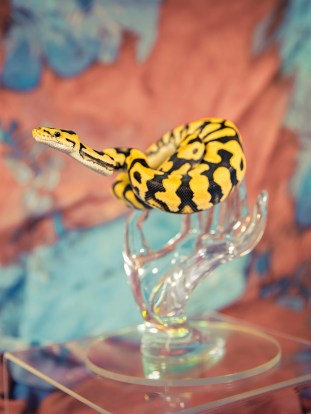
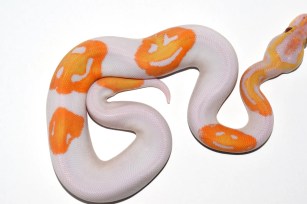
A “leopard blackhead Mojave hypo black axanthic” ball python: what sounds like an incantation is a catalogue of desirable mutations. Photograph by Delaney Allen for The New Yorker

Breeding animals in captivity is a topic we have pointed to in several posts. Sometimes the topic is ethics; other times it is about conservation of a species on the brink of extinction. Pythons somehow show up in our pages more frequently than captive breeding. Almost 15 years since Burkhard Bilger brought to our attention the topic of pythons and other animals invading new habitats that set off our python fascination, here is one at the intersection of captive breeding and ethics:

The Snake with the Emoji-Patterned Skin

In the wild, ball pythons are usually brown and tan. In America, breeding them to produce eye-catching offspring has become a lucrative, frenetic, and—for some—troubling enterprise.

“Sometimes your odds are one in two hundred and fifty-six, or one in five hundred and twelve, to make the snake you’re thinking about,” Justin Kobylka, a trendsetting breeder and the owner of Kinova Reptiles, said. Photograph by Delaney Allen for the New Yorker

On a fall day in Gainesville, Georgia, Justin Kobylka, the forty-two-year-old owner of Kinova Reptiles, was preparing to cut open two clutches of snake eggs. He was hoping to hit upon some valuable, beautiful reptiles. Kobylka is a breeder of designer ball pythons—one-of-a-kind, captive-bred snakes whose skin features colors and patterns not usually found in nature. “I think of myself as an explorer,” he told me. Nicking an egg with a pair of surgical scissors, he exposed a live hatchling in its goo. “Even when they haven’t yet touched air, you can sometimes see the tongue going,” he said, making a flicking gesture with his thumb and fingertip.

Kobylka had been trying to produce a “dreamsicle”—a white ball python with splotches of tangerine—but three of the circular markings on the snake looked like smiley faces. His video of the “emoji python” went viral. Photograph courtesy Kinova Reptiles

We were standing in a six-thousand-square-foot climate-controlled outbuilding that housed some two thousand pythons, which were kept in individual plastic trays slotted into tall metal racks. The space, which cost nearly a million dollars to build and outfit, was immaculate and well lit, with corner-mounted industrial fans and glossy floors. A vague odor of musk and Clorox was all that hinted at the daily chores of snake husbandry. Continue reading
Is That Safari In Tanzania A Good Use Of Your Money?

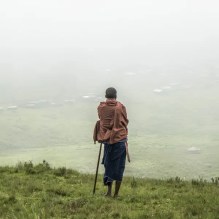
Brian Otieno

This guest opinion, written by Professor Robert Williams of the Indigenous Peoples Law and Policy Program at the University of Arizona, and published in the New York Times, should make you think twice about the safari that might be on your bucket list:

Over 600,000 tourists travel to Tanzania’s Ngorongoro Conservation Area each year, and many will catch a glimpse of the Great Migration: the famed trek of more than one million wildebeests and thousands of zebras, gazelles and other animals crossing over the Mara River into Kenya and back again. Continue reading
Phototropism Better Understood

Illustration by Matteo Giuseppe Pani

Our thanks to Asher Elbein, writing in The Atlantic, for this:

Scientists have discovered that a mysterious behavior might come down to air.

On a shelf lined with terra-cotta pots, herbs bend their stems toward the nearest window. In a field of golden wildflowers, leaves rotate with the path of the sun. In a dappled forest, vines twine up trees, reaching ever upward and away from the dark. Continue reading
A Century’s Evidence On The Benefits Of Planting Trees

People work to reforest Allegheny National Forest in Pennsylvania circa 1934.
Photograph: Universal History Archive/Universal Images Group via Getty Images

Planting trees, we have noted, is smart policy.  Some campaigns may have stretched beyond scientific evidence, but science has given us plenty to go on:

Very cool: trees stalling effects of global heating in eastern US, study finds

Vast reforestation a major reason for ‘warming hole’ across parts of US where temperatures have flatlined or cooled

Civilian Conservation Corps workers plant 15,000,000 trees across the wastelands of southern Mississippi on 11 April 1940. They are part of the United Forest Service which will re-establish forests destroyed by logging and lumbering operations decades ago. Photograph: AP

Trees provide innumerable benefits to the world, from food to shelter to oxygen, but researchers have now found their dramatic rebound in the eastern US has delivered a further, stunning feat – the curtailing of the soaring temperatures caused by the climate crisis.

While the US, like the rest of the world, has heated up since industrial times due to the burning of fossil fuels, scientists have long been puzzled by a so-called “warming hole” over parts of the US south-east where temperatures have flatlined, or even cooled, despite the unmistakable broader warming trend. Continue reading
Returning Golf Land To Nature

The San Geronimo Golf Course is being reclaimed and rewilded and is now known as San Geronimo Commons. Jim Wilson/The New York Times

Golf is known to be problematic. But then again, what is not problematic? And we appreciate seeing cases where golf gives way to nature. Our thanks to Cara Buckley for bringing this story to our attention in the New York Times. We applaud the imagination of those responsible:

After Shutting Down, These Golf Courses Went Wild

The restoration of the San Geronimo land is still underway. Trails are planned that would skirt sensitive habitat and help to make it starkly different from its time as a golf course. Jim Wilson / The New York Times Image

Most defunct golf courses get paved over, but a number are getting transformed into ecological life rafts for wildlife, plants — and people.

There was scraggly grass in one sand trap and wooden blocks and a toy castle in another, evidence of children at play. People were walking their dogs on the fairway, which was looking rather ragged and unkempt. This was only to be expected. Continue reading

Anchovies Rock

Kalichka / Getty

Anchovies are not exactly a staple in our pages, but they make their presence known. They are important. Thanks to The Atlantic, and their collaboration with Hakai Magazine for this article by Christina Couch that illustrates another remarkable feature of these small creatures:

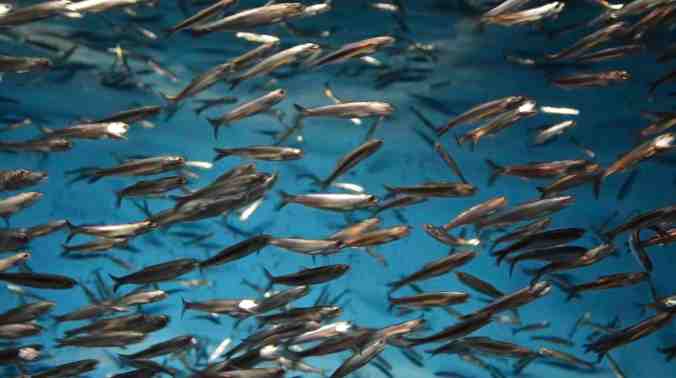
The little fish’s mating rocks the ocean as much as a major storm.

Bieito Fernández Castro wasn’t expecting to find a turbulent hotbed of anchovy sex.

Commissioned by the Spanish government to investigate the conditions behind algae blooms, which kill mussels, Continue reading

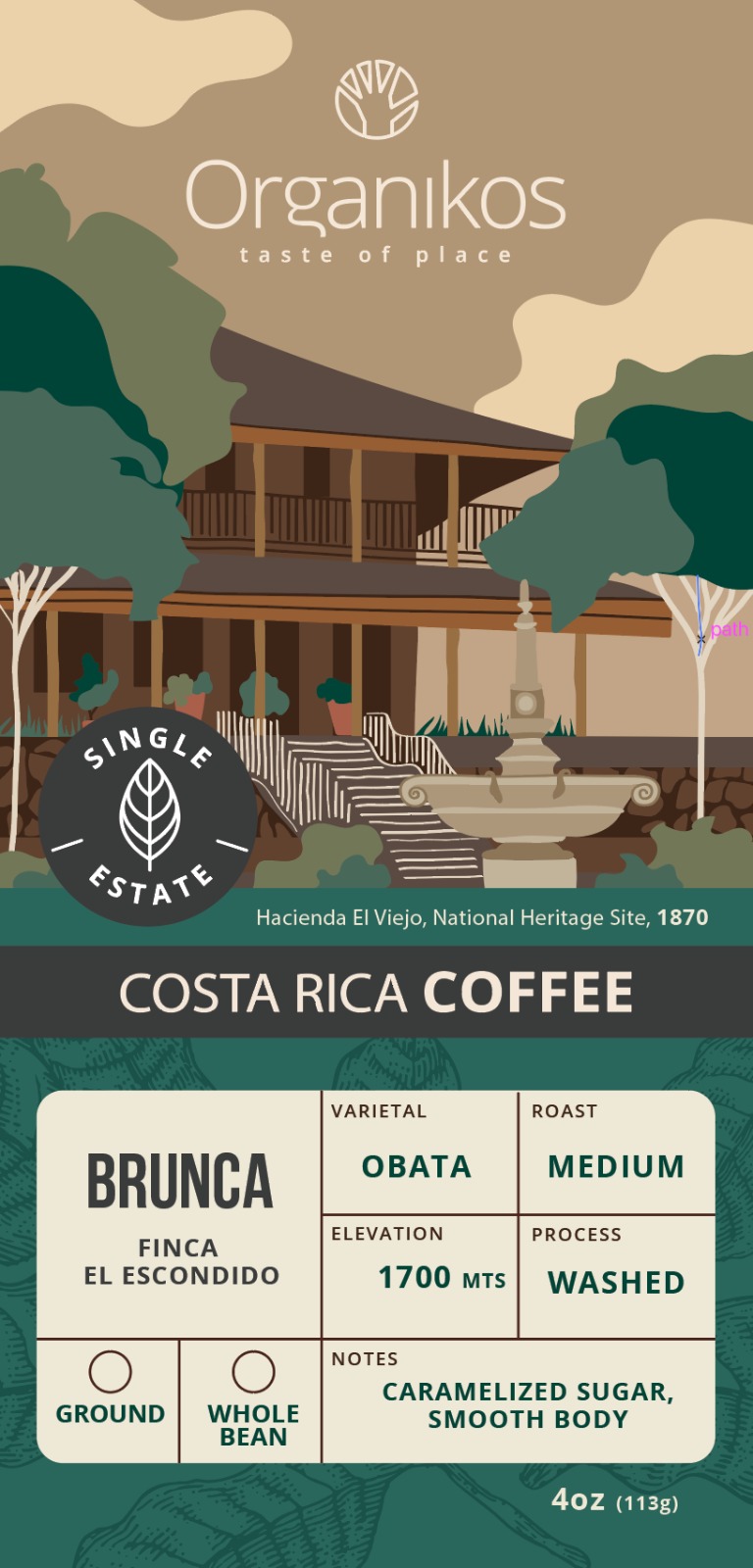
Single Estate Coffee, Double Taste Of Place

The last time we introduced a varietal of coffee that was new to Organikos it had taken about a year to settle on the farm we would source from for the longer term. For the geisha varietal that farm is Hacienda La Pradera. During the last two years offering their coffee we have underestimated the demand and run out of coffee long before the new harvest is available. So, as of now, we have no geisha to offer until April.

But as of this week, we have a new (to us) varietal, from a new (to us) farm. Obata is a hybrid brought to Costa Rica in 2014 by the Costa Rican Coffee Institute (ICAFE), prized for its resistance to rust. Finca El Escondido, in the Chirripo sub-region of Brunca may be the most successful farm to grow it so far. Continue reading

Melipona Bees, A Peruvian Wonder

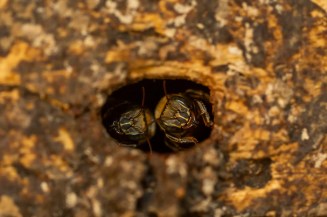
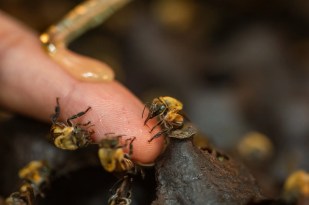
Melipona eburnea, a species of bee, is native to the Amazon. Unlike the more familiar but invasive honey bees from Africa and Europe that have spread through the Americas, these bees don’t sting. Ana Elisa Sotelo for National Geographic

The countless wonders of bees, as well as the many problems they now face, have made Melipona bees, also known as stingless bees, of particular interest to our daily scan for news stories:

Native to the tropics, these pollinators are taking a lead role in one of the latest efforts to conserve the Amazon rainforest.