Insect Oases

A small patch of native plants in Melbourne, Australia, draws native insects. MATA, ET AL.

Thanks to Yale e360 for this short story on small wonders:

Even a Small Patch of Native Greenery Can Give a Big Boost to Local Insects

In cities, a little native greenery can go a long way. Australian scientists found that, after adding native shrubs to a planting in Melbourne, the number of insect species at the site increased sevenfold. Continue reading

Bee Surprised, Again

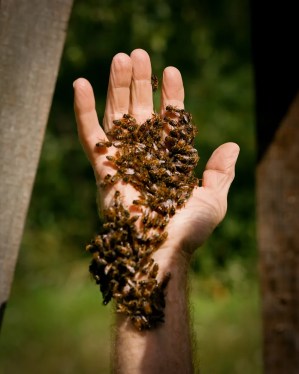
Bees have long been held to be prophetic—messengers to another realm. Photographs by Alice Zoo for The New Yorker

When reading a couple of days ago that there could be such thing as too many beekeepers, the surprise was sufficient to make me go back through all earlier posts to see if I was merely forgetting having read this before. There were no previous mentions of too many, and if anything it was reasonable to assume from all my readings on colony collapse disorder that more beekeepers might be part of the solution. And now this article is full of more surprises, including the most fundamental question: Is Beekeeping Wrong?

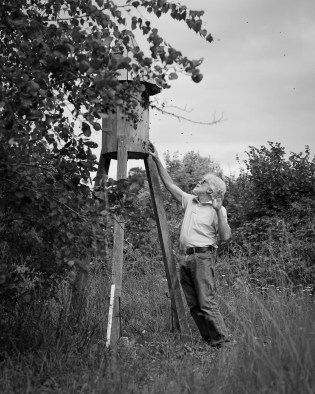
Gareth John, a natural beekeeper, tending a hive.

Parasites and pesticides have brought chaos to bee colonies throughout the world. Natural beekeepers want to transform our relationship to the hive.

On a hot, pollen-dazed morning this summer, I stopped by the house of Gareth John, a retired agricultural ecologist, who lives on a quiet lane above a river in Oxfordshire, to take a look at his bees. In British beekeeping circles, John, who has a white beard and a sprightly, didactic manner, is well known as a “natural beekeeper,” although he acknowledged right off the bat that this was a problematic term. “It’s an oxymoron, right?” he said. John cares for perhaps half a million bees, but he does not think of himself as keeping anything. “I wouldn’t call myself a dog-keeper,” he said. “But I have a dog.” Continue reading

Beechnut & Beaver Hope

Nearing the end of the northern summer, one for too many of the wrong kind of record books, some notion of hope is more than welcome. This edition of his newsletter offers some:

Beavering Away

With Your Help. (An annual update!)

In the guise of my annual report on our nifty online community I’m going to show you my vacation pictures! Lucky you!

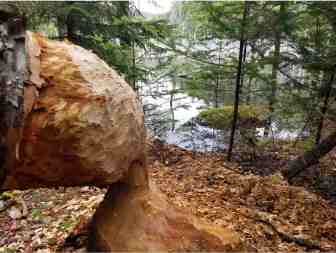
It’s possible I’m just feeling guilty because I took a couple of days off in this Summer To End All Summers. But Sunday and Monday, while Hillary was introducing southern Californians below the age of 85 to the concept of ‘tropical storm,’ I went on a wander with an old friend through the middle of the Wilcox Lake Wild Forest in New York’s Adirondack Mountains, a splendidly remote chunk of land that I’ve lived on the edge of, off and on, for much of my life, and which I never tire of exploring. Continue reading

Honey Bee Dangers & Mythology

Gorazd Trusnovec inspects a beehive at the B&B Hotel Ljubljana Park in Ljubljana, Slovenia.

Thanks to this article by David Segal, with photographs and video by Ciril Jazbec, we realize now that even after our dozens of links to articles about bees, one key point was never on our radar. Our beekeeping/honey-making friends in Costa Rica inform us that the opposite is an issue here–in the entire country there are only 800 beekeepers and most of them are small scale hobbyists, and that a national authority (SENASA) controls the density of hives per area:

Mr. Trusnovec at home. “I would say that the best thing you could do for honey bees right now is not take up beekeeping,” he says.

In Slovenia and around the world, conservationists try — and mostly fail — to combat the widespread belief that honey bees are in danger.

When the B&B Hotel in Ljubljana, Slovenia, decided to reinvent itself as an eco-friendly destination in 2015, it had to meet more than 150 criteria to earn a coveted Travelife certificate of sustainability. But then it went step further: It hired a beekeeper to install four honey bee hives on the roof. Continue reading

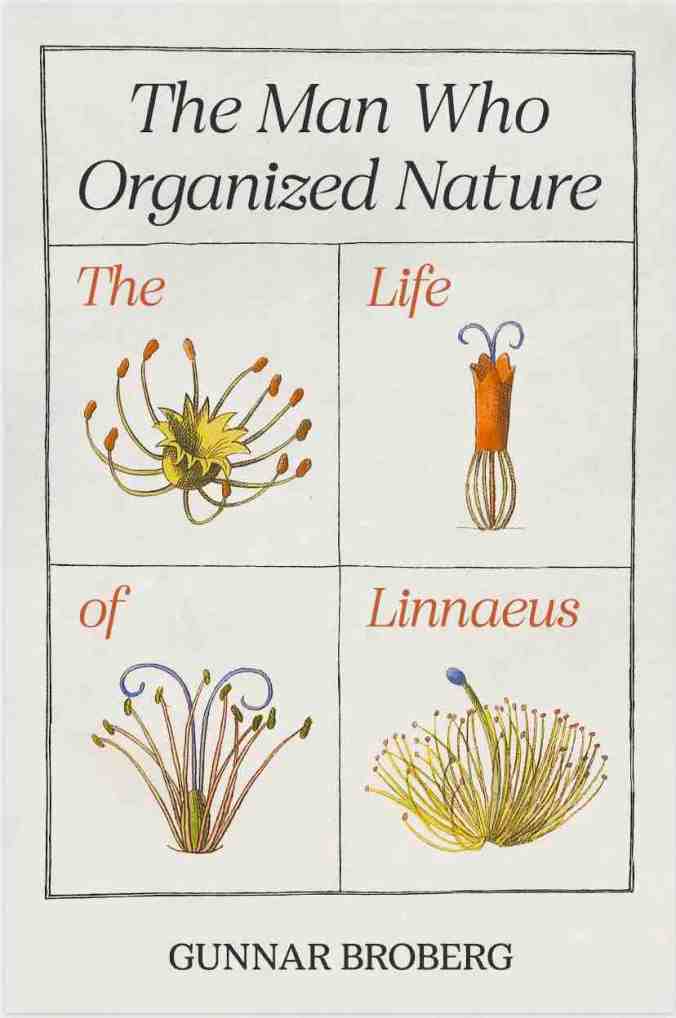
Carl Linnaeus, The Man Who Organized Nature

Thanks to Kathryn Schulz for this review:

The sexual system Linnaeus favored for classifying plants brought a whiff of scandal, which helped spread his name. Illustration by Karlotta Freier

How Carl Linnaeus Set Out to Label All of Life

He sorted and systematized and coined names for more than twelve thousand species. What do you call someone like that?

For the Tyrannosaurus rex, as for Elvis and Jesus, being extremely dead has proved no obstacle to ongoing fame. Last seen some sixty-six million years ago, before an asteroid wiped out three-quarters of the life-forms on earth, it is nonetheless flourishing these days, thanks in large part to Michael Crichton, Steven Spielberg, and elementary-school children all over the world. Continue reading

UK Regenerative Agriculture Festival, Groundswell 2023

Last year’s highlights in the video above, and a review of this year’s festival in the link below to an online magazine:

Lannock Manor Farm, Hertfordshire, SG4 7EE, UK

The Groundswell Festival provides a forum for farmers, growers, or anyone interested in food production and the environment to learn about the theory and practical applications of regenerative farming systems.

The next Groundswell Festival takes place on the 26th & 27th of June 2024. View the Event Guide from 2023 here.

Franzen On Motivating Nature Preservation

Illustration by Benoit Leva

Yesterday a writer, whose care for nature is as famous as his books are popular, posted this:

The Problem of Nature Writing

To succeed—to get people to care about preserving the world—it can’t be only about nature. 

The Bible is a foundational text in Western literature, ignored at an aspiring writer’s hazard, and when I was younger I had the ambition to read it cover to cover. After breezing through the early stories and slogging through the religious laws, which were at least of sociological interest, I chose to cut myself some slack with Kings and Chronicles, whose lists of patriarchs and their many sons seemed no more necessary to read than a phonebook. Continue reading

Cats Coming In From The Wild

Wild cats were a big part of our life in Belize, when our business included operating a lodge in the northwest of the country. As a “cat person” I appreciate this evolutionary biologist walking me through the adaptation from wild cats to domesticated:

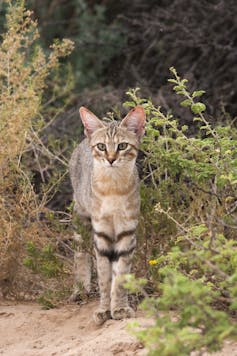
long-legged, striped cat peeks out of scrubby greens

An African wildcat doesn’t look so different from a domestic cat. pum_eva/iStock via Getty Images Plus

Cats first finagled their way into human hearts and homes thousands of years ago – here’s how

A few years ago, I had the opportunity to go on safari in southern Africa. One of the greatest thrills was going out at night looking for predators on the prowl: lions, leopards, hyenas.

As we drove through the darkness, though, our spotlight occasionally lit up a smaller hunter – a slender, tawny feline, faintly spotted or striped. The glare would catch the small cat for a moment before it darted back into the shadows. Continue reading

The Mind Of A Bee

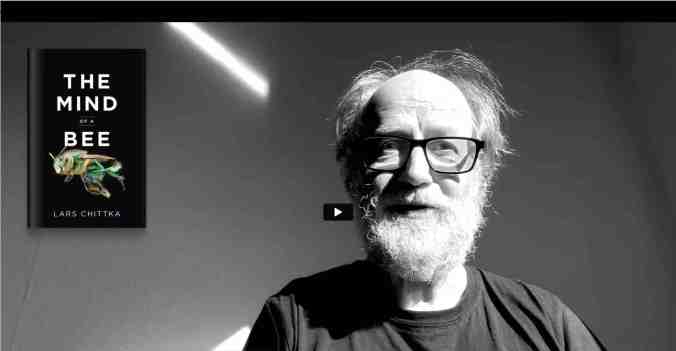
Bees’ brains are always of interest, and both the publisher below and the author above makes a good case for why this book matters:

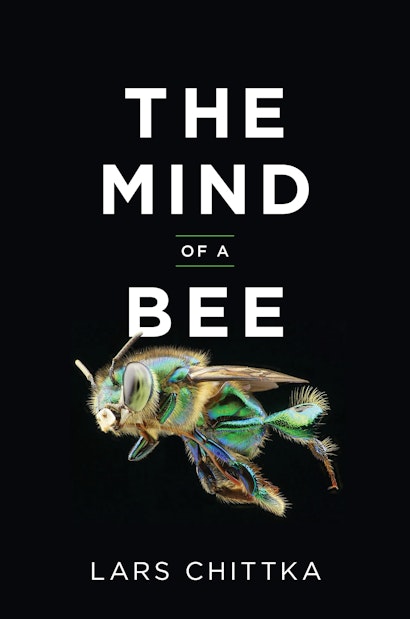
Most of us are aware of the hive mind—the power of bees as an amazing collective. But do we know how uniquely intelligent bees are as individuals? In The Mind of a Bee, Lars Chittka draws from decades of research, including his own pioneering work, to argue that bees have remarkable cognitive abilities. He shows that they are profoundly smart, have distinct personalities, can recognize flowers and human faces, exhibit basic emotions, count, use simple tools, solve problems, and learn by observing others. They may even possess consciousness. Continue reading

Notes From A Pennsylvania Garden

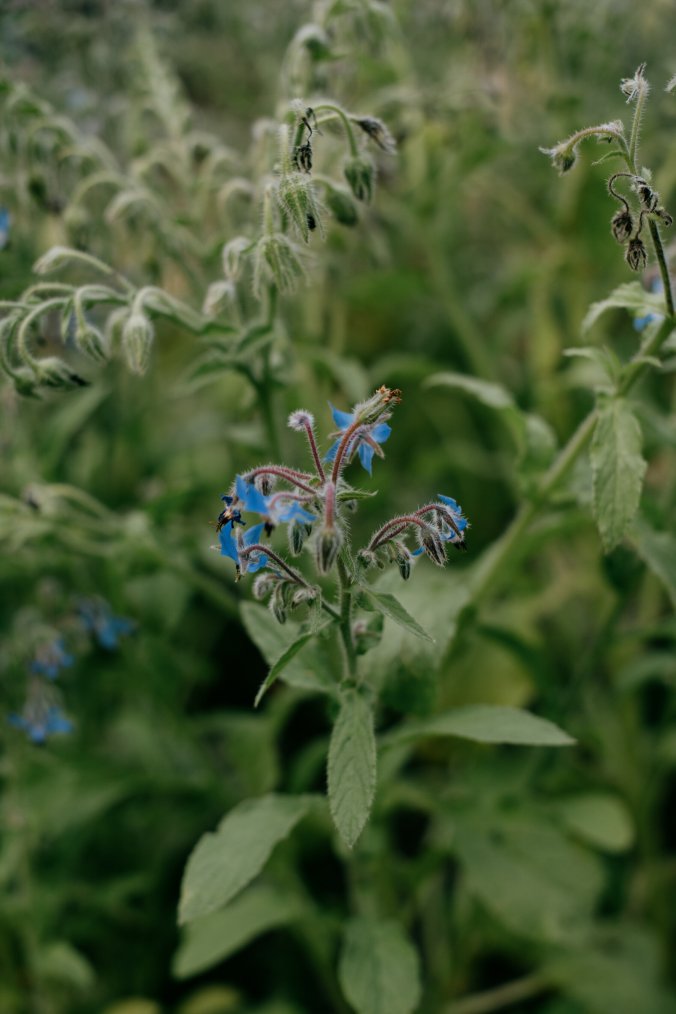
Borage

The thoughts and images in this article inspire pre-dawn work on that soil I mentioned yesterday. We do not have the heat here that she does there, but the nudge to go out in the dark is welcome. My attention has been solely focused on regeneration below for the coffee that once  thrived above ground. Time to start thinking of accent colors and other edibles:
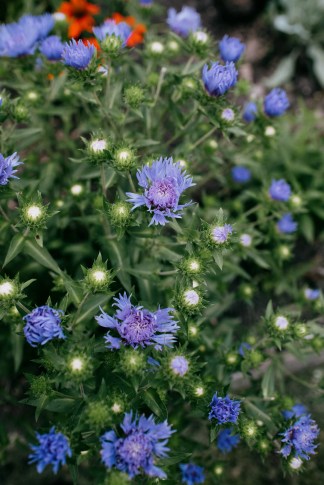
Stokes asters

What You Discover When You Garden at Night

Daytime heat forced a writer with a green thumb to change her routine. She found unexpected pleasures.

When it’s too hot to garden during the day, what is there to do but garden at night? Neither floppy hat nor gobs of sunscreen will lure me into the glare of a hot and humid, possibly record-breaking, 90-plus-degree day. Or, as our local meteorologist reports: one with a heat index of 103. So instead, I venture out into the garden after dinner, dogs in tow, surveying the raised beds in the coolness of evening.
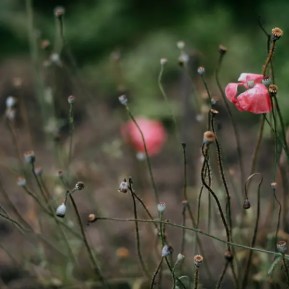
Poppies that have gone to seed, bringing to mind “the coming glory of red, white, and pink blooms” next season.

I carry a basket full of seeds, green string to tie the tomatoes higher, and wooden stakes and black markers to record once again what I have sown, some new crops and others a repeat of those planted earlier in the season. It is midsummer now and the lettuce, radishes, and shallots are fading, but the basil and tomatoes, beans and zucchini are finally coming into their own. A little more rain and warmth and I will be able to make my first tomato sandwich, one of the driving forces, no doubt, behind planting a vegetable garden. Continue reading

Among The Reasons To Regenerate Soil

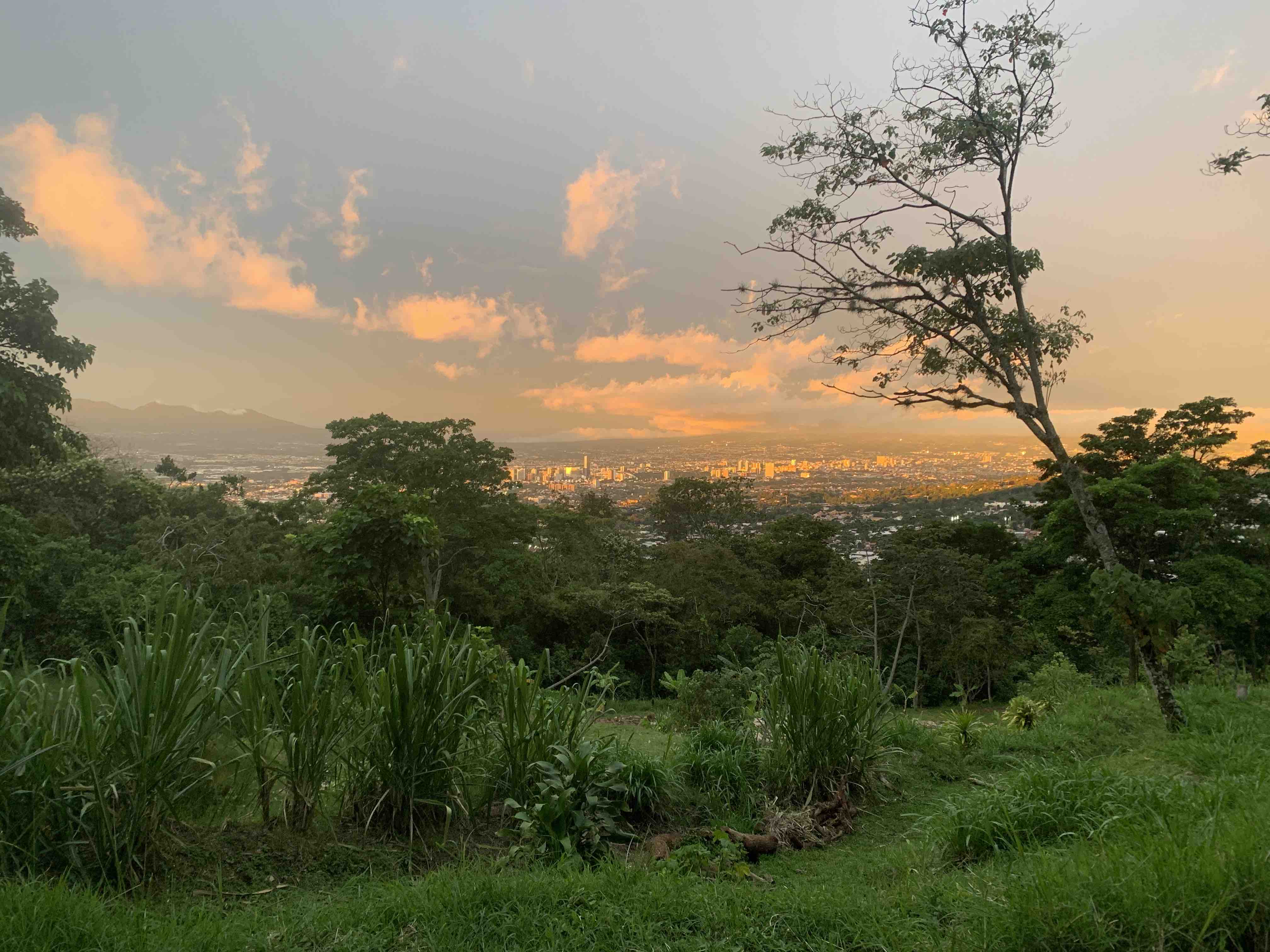
Organikos soil regeneration view from above, early Tuesday morning

When we started the berm where the sugarcane grows now, we knew we had a multi-year project ahead of us. This morning, before the sun had risen enough to shine on the land, I snapped the photo above, looking down on the acreage where we have planted more than 100 trees to provide shade for coffee we will plant in the near future. Besides all that, plenty of good ideas for how and why to regenerate the quality of the soil on that land; here’s some more:

A springtail crawls over snail eggs. ANDY MURRAY

Nearly Two-Thirds of All Species Live in the Ground, Scientists Estimate

Soils are more rich in life than coral reefs or rainforest canopies, providing a home to nearly two-thirds of all species, according to a sprawling new analysis. Continue reading

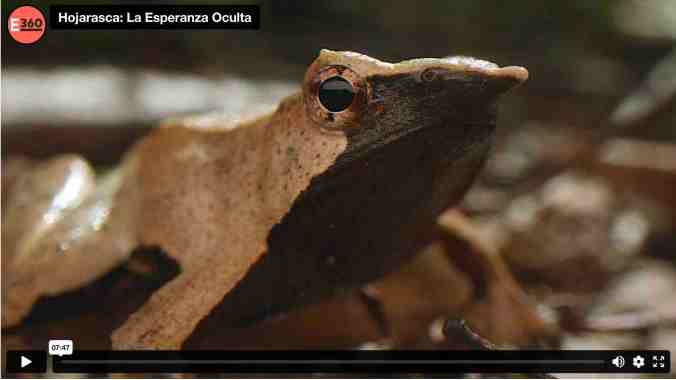
Huilo Huilo’s Hojarasca

We first noticed this film contest three years ago, and have followed it since. The 3rd-place winner of this year’s film contest was made in the Huilo Huilo Biological Reserve, habitat of the endangered species pictured above. In 2009 I was in the middle of a two-year work engagement in southern Chile. During the middle of that year Amie, as well as Seth and Milo, were able to join me for a few months and we spent time in this reserve. I am happy to be reminded:

In a Chilean Forest Reserve, the Remarkable Darwin’s Frog Endures

Four emerging filmmakers from Latin America collaborated to film Darwin’s frog and the biologist who studies the endangered species in Chile’s Huilo Huilo Biological Reserve. “Hojarasca: The Hidden Hope” is the Third-Place Winner of the 2023 Yale Environment 360 Film Contest.

Worldwide, amphibians are going extinct — victims of habitat loss, climate change, pollution, and fungal diseases. Continue reading

Dream Of The Octopus

The topic of octopus spiked last year for various reasons, but we have been interested in these creatures for much longer. Thanks to Benjamin Thompson and Shamini Bundell for this podcast on Nature’s website:

Do octopuses dream? Neural activity resembles human sleep stages

Brain probes reveal complexities of octopus sleep, and a hormone that could help make calorie-restricted diets more effective.

00:46 Inside the brains of sleeping octopuses

Researchers have probed the brains of octopuses and confirmed previous reports suggesting that these invertebrates have a two-stage sleep cycle similar to that seen in many vertebrates. The team suggests this system may have evolved independently in the two groups, as there are millions of years of evolutionary history between them. However, despite its presumed importance, it is a mystery why this system exists at all.

Research article: Pophale et al.

Nature Video: Do octopuses dream? Brain recordings provide the first clues

Replanting With Edibles

Your first taste of a ripe pawpaw, left, or American persimmon, right, may convince you to plant the trees, which can serve as the centerpiece of a permaculture food forest. J.B. Douglas

It is a relief, always, to read a Margaret Roach article when given the choice between her advice and any given news of the world:

Or just start by planting a few pawpaw or persimmon trees. Chances are, you’ll want more.

A long view of a food forest, with fruit trees growing in beds of companion plants.

At a permaculture site planted by Michael Judd, an edible landscape designer, each fruit tree is underplanted with beneficial companion plants, so “you’re not leaving your poor little fruit tree in a sea of grass,” he said. Michael Judd

Your first taste of a ripe pawpaw or persimmon can leave you hungry for more. That’s why Michael Judd is confident that he can persuade you to make room for several of these trees in your front yard — or even to surrender your lawn altogether.

Turning your yard into a meadow or blanketing it in an expanse of alternative ground covers aren’t the only ecologically viable options for replacing conventional grass. Continue reading

If Turtles Could Talk–A Short Documentary

The film follows the perilous journey that sea turtles make to lay their eggs on their ancestral land on a beach in Kenya.

Above is a screenshot from the film by Juma Adero, with text by Natalie Meade, that will likely interest anyone who has been exposed to turtle conservation initiatives:

On a Tropical Beach, Conservationists and Poachers Collide

Juma Adero’s short documentary “If Turtles Could Talk” chronicles the effort to save endangered sea turtles near Mombasa, Kenya.

The shoreline where a green sea turtle hatches from her egg is often the same place she’ll return to nest for the first time. One such inlet is Jumba beach, which abuts the site of an old Swahili village near the bustling city of Mombasa, in southern Kenya. Continue reading

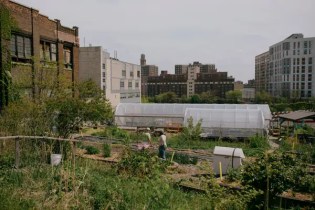
New Roots Garden, Urban Oasis

Sheryll Durrant has managed the New Roots Garden, which sits between the Grand Concourse and the Metro North railroad tracks in the Bronx, with volunteers for eight years.

We have linked out to stories about urban farming plenty of times; it never gets old:

Vital Places of Refuge in the Bronx, Community Gardens Gain Recognition

Lawmakers in Albany voted to designate community gardens statewide as crucial to the urban environment, especially in the fight against climate change. The bill awaits the governor’s signature but the role of these gardens stretches back decades.

The Morning Glory garden in the West Farms section of the Bronx is among more than 500 community gardens in New York City.

Sheryll Durrant left her family farm in Jamaica in 1989 and embarked on a career in corporate marketing. But after the 2008 financial meltdown, she reconsidered her life.

She returned to her roots.

Now she runs a thriving urban farm wedged into a triangular plot in the Bronx, between the Grand Concourse and the Metro North railroad tracks. At her farm, New Roots Garden, membership consists of refugees and migrants, resettled by the International Rescue Committee, whose herbs and vegetables sustain their memories of home.

“Just putting your hands in soil is a form of healing,” Ms. Durrant, 63, said. Continue reading

Bears In Our Midst

Bear populations are plummeting in most of the world. But in North America “human-bear conflicts” have been on the rise. Photograph by Alex Majoli / Parc de la Villette / Magnum

On the rare occasions when the historian and elegant writer Jill Lepore has essays whose topics overlap with our interests on this platform, we say hoorah:

The Bear in Your Back Yard

Throughout North America, they’re showing up in unexpected places. Can we coexist?

I keep a cannister of bear spray on a shelf by the mudroom door, next to a cakey-capped tube of sunscreen and two mostly empty and partly rusty green aerosol cans of OFF! Deep Woods insect repellent. Continue reading

Reviving Plants Lost To Time

A branch of Blutaparon rigidum, collected on a 1905-1906 expedition to the Galapagos Islands, contains hundreds of potentially viable seeds. NEW YORK BOTANICAL GARDEN

We have touched on the topic of reviving extinct species only a few times previously, and as obvious as it seems we must mention that reviving plant species sounds like a more sound ambition. So, thanks to Janet Marinelli and Yale e360 for this story:

Back from the Dead: New Hope for Resurrecting Extinct Plants

Armed with new technology, botanists are proposing what was once thought impractical: reviving long-lost plant species by using seeds from dried specimens in collections. The challenges remain daunting, but researchers are now searching for the best de-extinction candidates.

In January 1769, botanists Joseph Banks and Daniel Solander found a daisy in Tierra del Fuego, at the southern tip of South America. Continue reading

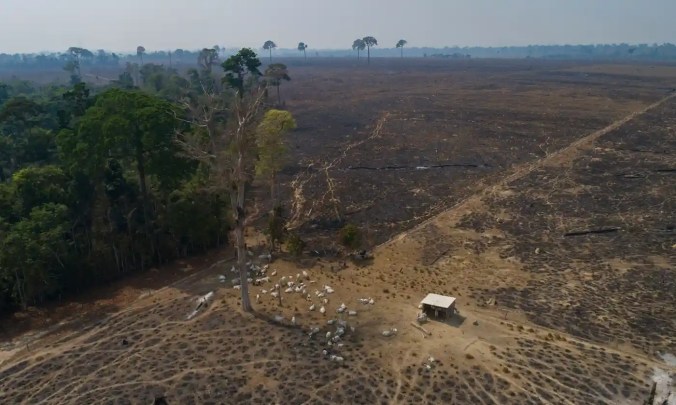
Lula’s Commitments Continue Progress

Cattle graze on land recently burned and deforested by cattle farmers near Novo Progresso, in Para state. Photograph: André Penner/AP

A short note following up on the progress reported earlier from our big and very important neighbor to the south:

Brazil: Amazon deforestation drops 34% in first six months under Lula

Government data shows marked reduction against same period last year, reversing trend of destruction during Bolsonaro reign

After four years of rising destruction in Brazil’s Amazon, deforestation dropped by 33.6% during the first six months of President Luiz Inácio Lula da Silva’s term, according to new government satellite data. Continue reading

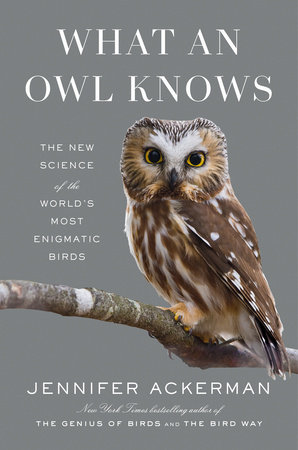
What An Owl Knows, Reviewed

The Economist reviews this new book by Jennifer Ackerman, and if you do not subscribe to that magazine you can see other reviews here or here:

A raptor’s mystique inspires “What an Owl Knows”

They know rather a lot, reveals the book’s author, Jennifer Ackerman

With a face as round as the first letter of its name and a stance as upright as the last—along with human-like features and a haunting cry—the owl has a mystical, mythical perch in the imagination. Difficult to spot because of their mostly nocturnal habits, and sporting cryptic plumage that helps them melt into landscapes, owls, writes Jennifer Ackerman, are the most enigmatic of birds…