Whale Shark Citizen Science Maldives Redux

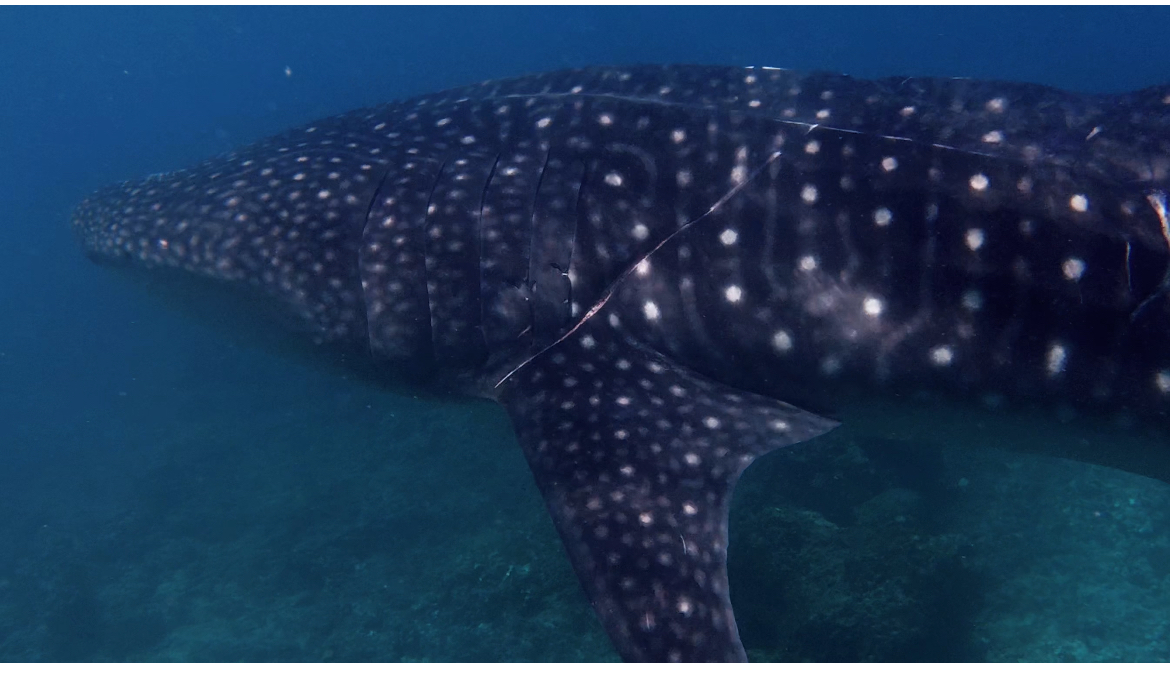
Photo credit: Sommer Laettner

In honor of International Whale Shark Day, which is August 30…

I posted last year about my experience volunteering with the Maldives Whale Shark Research Programme (MWSRP) and the great work they do.  Established in 2006, MWSRP undertakes research and monitoring of whale sharks and other marine megafauna in the Maldives and uses the associated findings and data to advocate for sound conservation policy in the country.

Throughout the year, the MWSRP team, together with volunteers, undertakes patrols along the reef in the South Ari Atoll Marine Protected Area and other locations in the Maldives to record sightings of whale sharks and other marine megafauna and to gather data on vessel traffic and behavior.  Whale shark encounters are documented via photos and video along with data on location, behavior, and ocean conditions.  Encounters are entered into the “BIG FISH network” database, an online citizen science platform developed by MWSRP as a monitoring network for awareness raising and stewardship of whale sharks in Maldives.

I returned to the Maldives this month to get an update on efforts to protect this iconic species and the livelihoods it supports, once again volunteering with MWSRP.  I found that there is both good news and bad news.

First the good news.  Continue reading
Whale Shark Citizen Science – Maldives

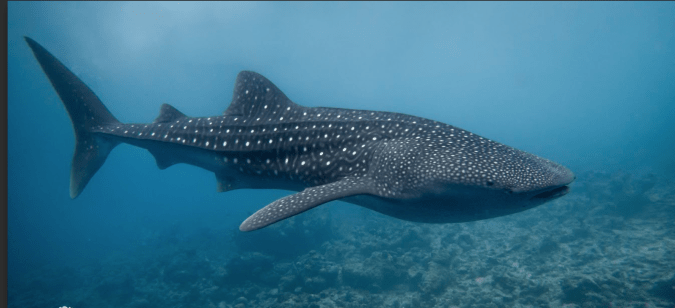
Photo credit: Maldives Whale Shark Research Programme (MWSRP).

In honor of International Whale Shark Day, which is August 30…

I have posted previously about whale shark encounter tourism and its role in conservation of this enigmatic species.  I recently had an opportunity to experience this personally via a 10-day volunteer gig with the Maldives Whale Shark Research Programme (MWSRP).  Established in 2006, MWSRP undertakes research and monitoring of whale sharks and other marine megafauna in the Maldives and uses the associated findings and data to advocate for sound conservation policy in the country.

Continue reading

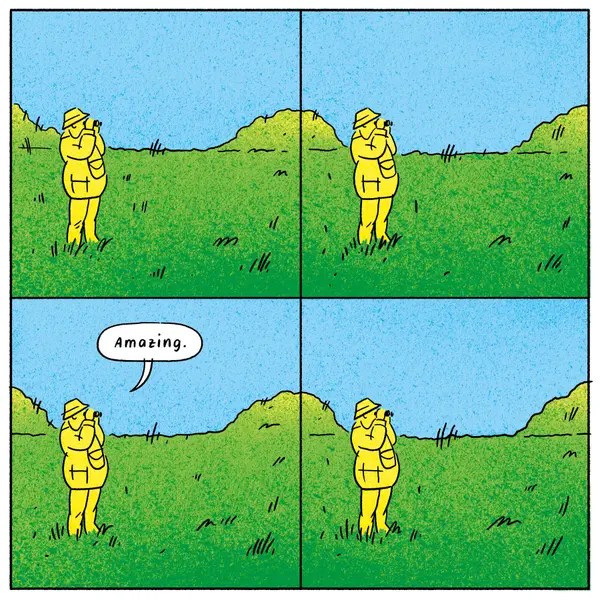
Ed Yong With Binoculars

Ed Yong has graced our pages for a decade and still finds new ways to communicate the wonders of nature:

When I Became a Birder, Almost Everything Else Fell Into Place

Last September, I drove to a protected wetland near my home in Oakland, Calif., walked to the end of a pier and started looking at birds. Throughout the summer, I had been breaking in my first pair of binoculars, a Sibley field guide and the Merlin song-identification app, but always while hiking or walking the dog. On that pier, for the first time, I had gone somewhere solely to watch birds. Continue reading

Migratory Birds Across The Americas

I rarely read comments from other readers on articles, but for some reason I did on this one; they are almost as interesting as the article itself:

For Migrating Birds, It’s the Flight of Their Lives

America’s birds are in trouble. Since 1970, nearly 3 billion birds have vanished from the skies over North America. Continue reading
California Bumble Bee Atlas

Leif Richardson examines a queen bee. Grace Widyatmajda/NPR

Bumble bees need help and the California Bumble Bee Atlas Project is on it. Thanks to National Public Radio (USA) for bringing it to our attention:

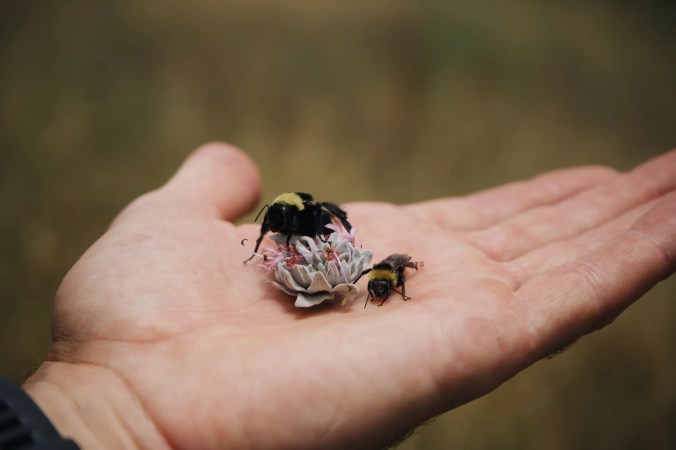
Krystle Hickman, a bee photographer and volunteer for the Bumble Bee Atlas Project, carefully places a bee onto a flower.
Grace Widyatmadja/NPR

Nets, coolers and courage: A day in the life of a volunteer bee conservationist

I never realized how fuzzy a bumble bee is until I got to hold one between my fingertips. It feels like a furry black and yellow bear, buzzing with its tiny body, wriggling with its legs.

The conservation biologist Leif Richardson, who handed me this bee a moment ago, has some advice for holding it. “You’re going to squeeze harder than you think you need to, but not so hard that you hurt him.” Continue reading
Birds, Citizen Science & You

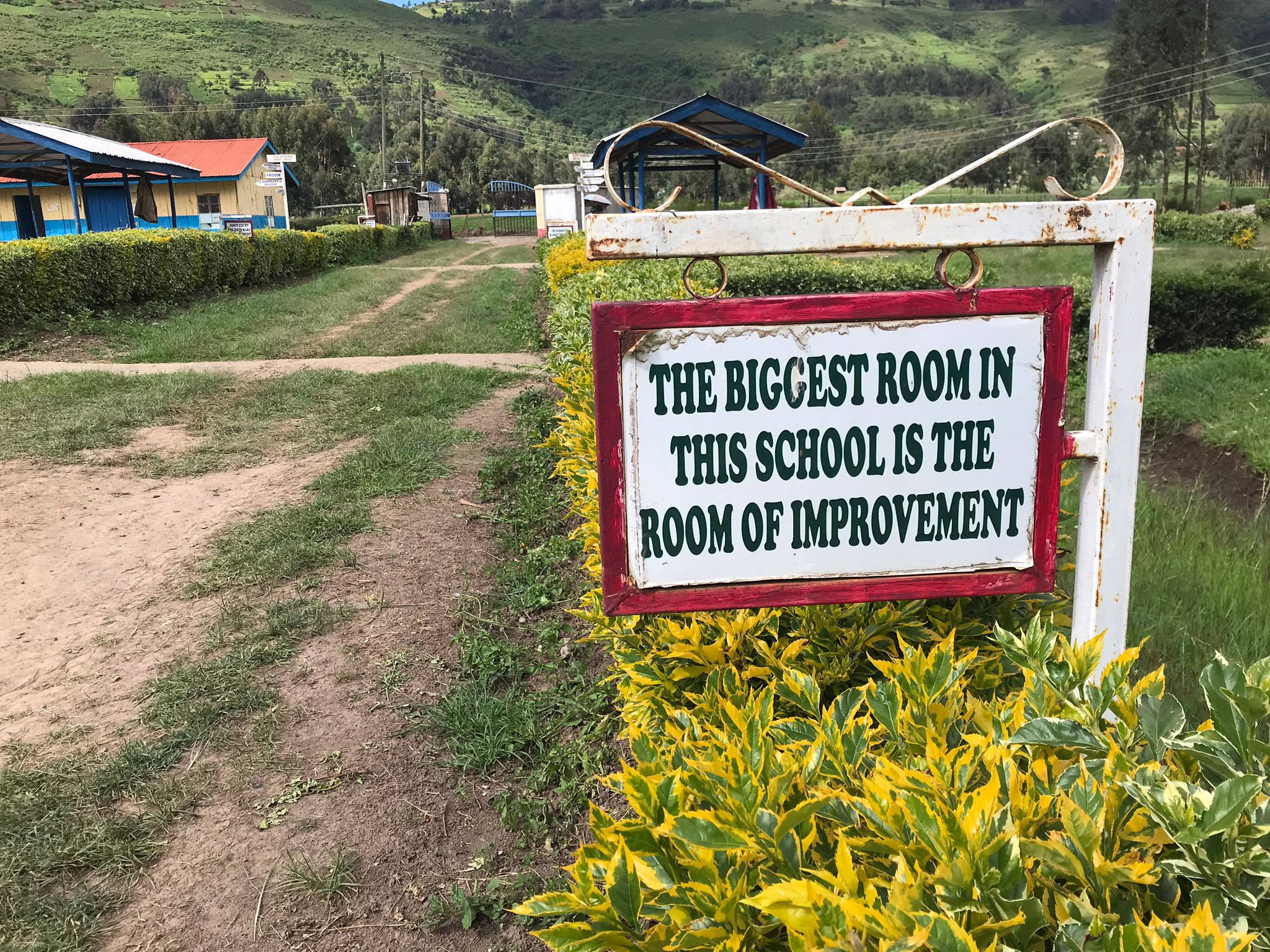
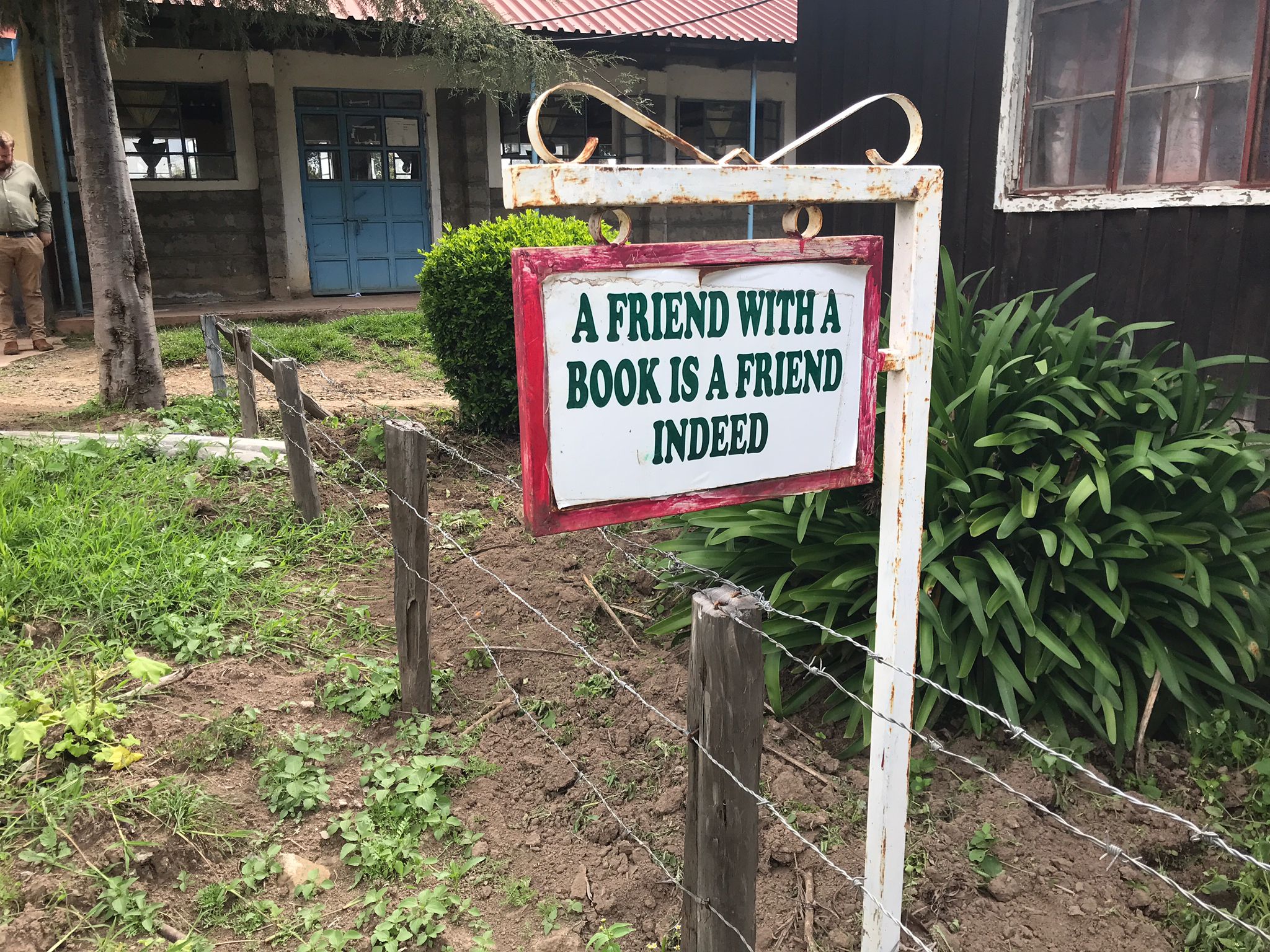
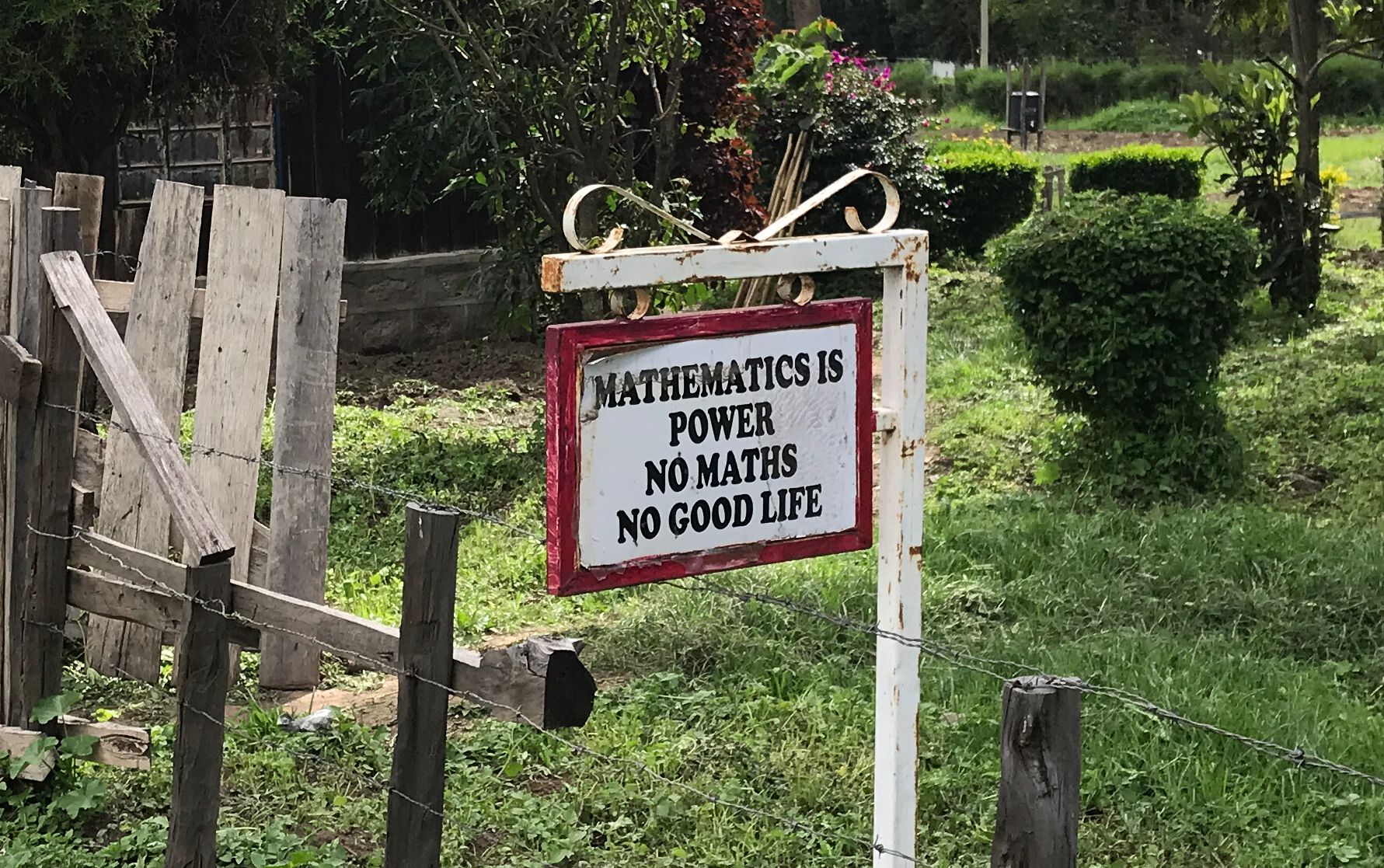
Seth has been working in various African countries recently, and is somewhere in Kenya at this moment, for work. There is a school in the vicinity, with these signs. We have not yet had the chance to hear any details about the school, but these signs anyway say most of what we might want to know.

His work, related to forest management, clearly intersects with his longstanding interest in birds, strengthened by his three years working at the Cornell Lab of Ornithology. That period coincides with our learning about citizen science and in the years since we have shared many stories from the field.

The pictures arrived from Kenya just as this initiative between the Cornell Lab of Ornithology and the New York Times comes to my attention, which you might find interesting:

Mike McQuade

Go Birding With The Times

Our understanding of birds has been profoundly shaped by the work of everyday people. After all, anyone can step outside and pay attention to an untamed world swooping above. Continue reading
UK Plant Prospecting & iNaturalist

While once gardening was somewhat of a battle against nature, people are now working with native plants and animals. Photograph: Kathy deWitt/Alamy

We are happy to see citizen scientists putting this technology to such use anywhere, but particularly gratified to know that a large organization is encouraging its use for such an important initiative:

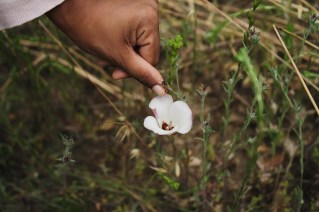
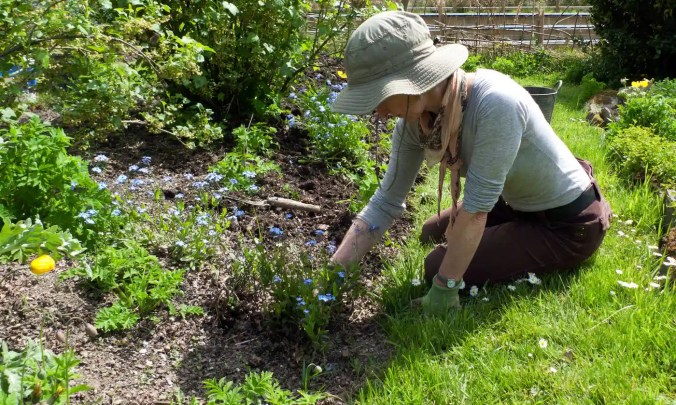
RHS asks gardeners to find interesting ‘weeds’ that may be rare plants

People urged to submit specimens to an app as private gardens may be fresh source of scientific discovery

Record the “weeds” that pop up in your garden because they could be a rare plant, the Royal Horticultural Society has said. Continue reading
Bravo, Bobbi Wilson!

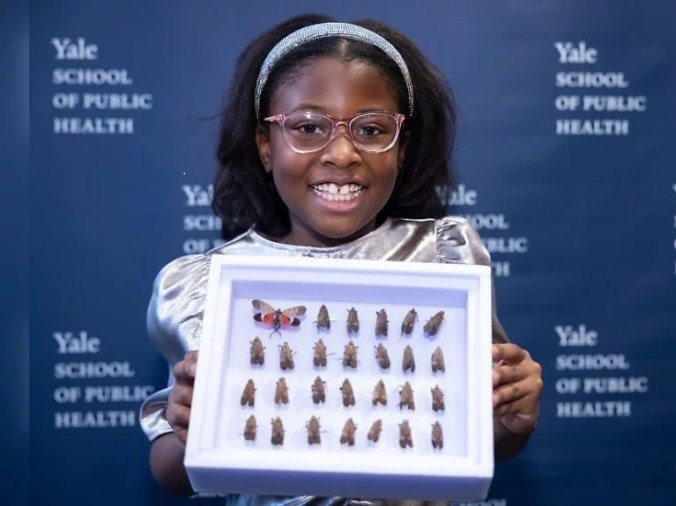
Bobbi Wilson holds her collection of spotted lanternflies as she is honored at the Yale School of Public Health on Jan. 20. Andrew Hurley/Yale University

A young person doing their part, on their own, to help with an environmental scourge. Hats off to that. The unneighborly act aside, this is a story to celebrate (thanks to National Public Radio, USA) and an extra bravo to Yale University for their part in it:

Yale honors the work of a 9-year-old Black girl whose neighbor reported her to police

Nine-year-old Bobbi Wilson may be in the fourth grade, but last month the Yale School of Public Health held a ceremony honoring the budding scientist’s recent work. Continue reading
Fungi Lost & Found

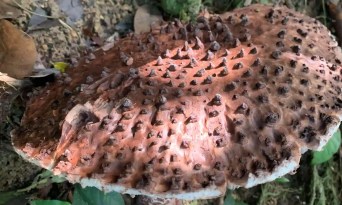
The sculptured toadstool (Amanita sculpta) had not been seen in Singapore for more than 80 years. Photograph: Adrian Loo/National Parks Board of Singapore

Over our nearly dozen years linking to stories we have shared plenty of what we have called lost and found stories (including this and this and this, and this), as well as fungi stories too numerous to link back to, this is the first lost and found fungi story:

Lost and found: how a Facebook post led to the ‘chocolate chip’ toadstool

The sighting of a ‘magnificent’ specimen of the Amanita sculpta, not seen in Singapore for 80 years, shows how the public can aid in conservation efforts

The cap is like a chocolate chip cookie,” says Serena Lee, senior manager at Singapore Botanic Gardens’ herbarium, describing the top of the sculptured toadstool (Amanita sculpta). Continue reading
Broadening Birding’s Benefits

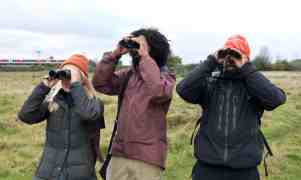
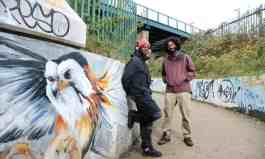
The writer, left, with Nadeem Perera and Ollie Olanipekun. Photograph: Christian Sinibaldi/The Guardian

When we managed our first lodge I came to understand that widening the audience of bird appreciation could strengthen commitment to conservation. A dozen years later, when Seth began working at the Cornell Lab of Ornithology, focused on celebrating urban birds, I knew that when he returned to work with us he would be bringing valuable knowhow.

When we started this platform for sharing news and personal stories related to our work, birds became a daily feature.

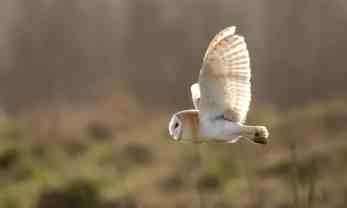
Olanipekun’s favourite bird is the ‘beautifully majestic’ barn owl. Photograph: Fletch Lewis/Getty Images

So Rebecca Liu’s story ‘It’s not just a white thing’: how Flock Together are creating a new generation of birdwatchers has various meanings for me. I can relate to the author’s novice sense of wonder as much as I can to Mr. Olanipekun’s decisive mention of the barn owl, featured frequently in our pages, as a favorite:

The nature collective was set up to encourage more people of colour to enjoy nature. Here, they take our writer on a spotting trip through the wildlands of north-east London

Through birding, Ollie Olanipekun (left) and Nadeem Perera are hoping to encourage children and young people to deepen their understanding and love for the environment. Photograph: Christian Sinibaldi/The Guardian

I have lived in cities all my life. My childhood did not involve any education in the outdoors. It would be fair to say my knowledge of birds doesn’t go much further than the varieties mentioned in Old Macdonald Had a Farm. So when I arrive at east London’s Walthamstow Wetlands on a cloudy November day to meet Ollie Olanipekun and Nadeem Perera for an afternoon of winter birdwatching, I am already apologetic for all that I do not know. Continue reading

Barred Owls & Other Bird Cam Wonders

If you enjoy this few minutes of video above, click the link below to see all the variety of bird cams that the Cornell Lab of Ornithology has on tap:

2021 Barred Owl Season Highlights | Cornell Lab | Wild Birds Unlimited

184K subscribers
As winter fades each year, cam viewers anticipate the return of the Barred Owls to their springtime residence in Zionsville, Indiana. Activity at the nest box in late February signaled the owls’ preparations for the new breeding season. It wasn’t long before the female laid two pearly white eggs in the nest box in early March. Continue reading

A Bit Of Merlin’s Backstory

Heather Wolf. Illustration by João Fazenda

Five years ago David Owen wrote a short article that fit well with the recycling and upcycling themes we frequently cover so we linked to it. Since then his writing caught my eye again on a related theme, and then earlier this year wrote one of my favorite profiles of recent years. This week I am drawn to his work again. Seth first introduced us to Merlin, after his three years working at the Lab of Ornithology. Merlin has been improving, and we have given it a few more looks since then. But today I am happy to learn more about the app’s backstory:

Meet Merlin, the Bird-Identifying App

How Heather Wolf, a part-time juggling impresario, turned her birding habit into an app that pegs species—even on the Brooklyn Bridge—using both images and birdsong.

Heather Wolf earned a degree in sociology at U.C.L.A., then spent six years playing electric bass in a travelling band. She earned a master’s degree in information science, moved to Brooklyn, and worked as a software developer for a company based in Manhattan. Continue reading

Celebrating Urban Birds, Uptown Story

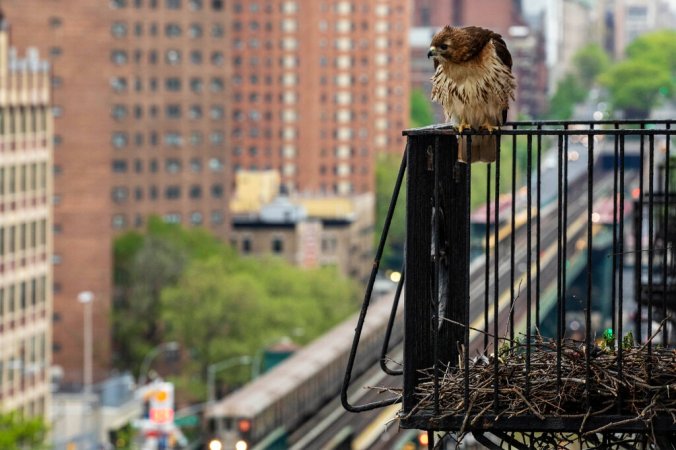
A mama hawk in West Harlem. No big deal. Dave Sanders for The New York Times

Yesterday was Global Big Day, an annual birding event that we have participated in each year since we became aware of it. We became aware when Seth began working with the Celebrate Urban Birds initiative, which was also when I started paying more attention to the Cornell Lab of Ornithology‘s important work in citizen science. We have been featuring that work in these pages ever since, including non-bird citizen science. This story from uptown New York City gives a fresh perspective on a citizen non-scientist celebrating urban birds:

He Wasn’t a Bird Person. Then a Hawk Built a Nest on His Fire Escape.

Life, death, renewal and social media ensued.

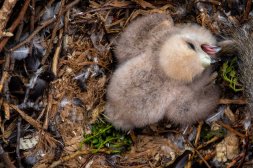
Alba, at 2 weeks old. Dave Sanders for The New York Times

Michael Palma Mir’s first encounter with the hawk was not auspicious. Around the first of March, he noticed it outside his West Harlem apartment.

In his 57 years living there, Mr. Palma Mir had never seen anything like this beautiful bird, a killer. He grabbed his camera and stuck his head out the window for a better shot.

The next thing he knew, it was right there. “It was three feet away from me and coming in real fast,” he said. “All I saw were the talons coming right at my head.” He yanked his head back inside and slammed the window, never expecting to see the bird again.

He was wrong. Continue reading

Bee Survey, Bee Hotels & Other Bee News From The Netherlands

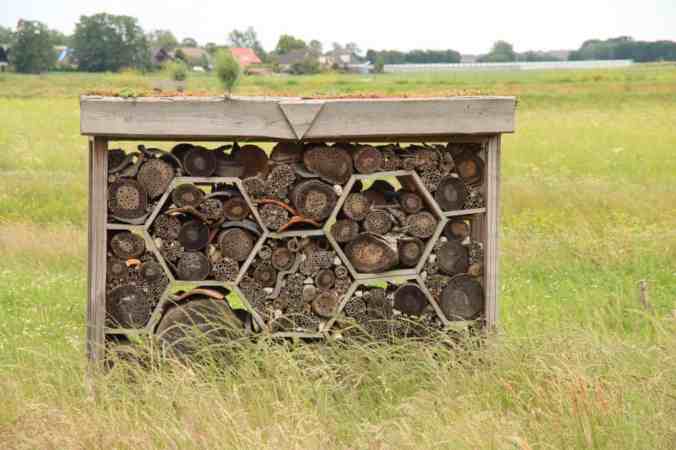
A ‘bee hotel’ in Hennipgaarde in the Netherlands. Photograph: Andre Muller/Alamy

Any time we see news on new bee hotels, we are inclined to share. Seeing this news from the Netherlands about a bee survey is also particularly smile-producing. Our thanks to Anne Pinto-Rodrigues and the Guardian’s Environment section for this article:

Bee population steady in Dutch cities thanks to pollinator strategy

Scheme involving ‘ bee hotels’ and ‘bee stops’ reaps rewards as census shows no strong decline in urban population

More than 11,000 people took part in the national bee survey. Photograph: Martijn Beekman/Hollandse Hoogte

Bee hotels, bee stops and a honey highway are some of the techniques the Dutch are crediting with keeping their urban bee population steady in recent years, after a period of worrying decline.

Last week, more than 11,000 people from across the Netherlands participated in a bee-counting exercise as part of the fourth edition of the national bee census. Continue reading

Author’s Discussion Of A World On The Wing

When a respected naturalist mentions eBird, or the Cornell Lab of Ornithology, our family’s attention is rapt. I now realize that Scott Weidensaul first appeared in our pages in 2012, and then twice  since then before today. This time is different because he is interviewed by Dave Davies, one of the great conversationalists of our time, and they are discussing Mr. Weidensaul’s new book (click the book image above to order it from a non-Amazon source). The discussion does not shy away from the challenges related to bird populations, but has plenty to smile at too:

Naturalist Traces The ‘Astounding’ Flyways Of Migratory Birds

Scott Weidensaul has spent decades studying bird migration. “There is a tremendous solace in watching these natural rhythms play out again and again,” he says. His new book is A World On the Wing. Continue reading

Kelp Forests And Invasive Urchins

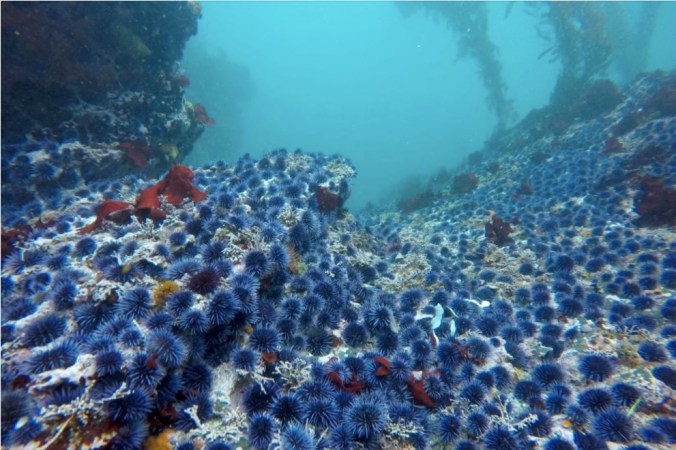
Purple sea urchins have boomed off Northern California, destroying kelp forests that provide a crucial ecosystem. Steve Lonhart / NOAA MBNMS

Kelp is being farmed now, but where it is a naturally occurring forest it needs help. Thanks to National Public Radio (USA) for this:

In Hotter Climate, ‘Zombie’ Urchins Are Winning And Kelp Forests Are Losing

They’re purple, spiky and voracious, and just off the West Coast, there are more of them than you can count.

Purple sea urchins have exploded in recent years off California, covering the ocean floor in what divers describe as a “purple carpet.” Continue reading

Birding Manners Matter

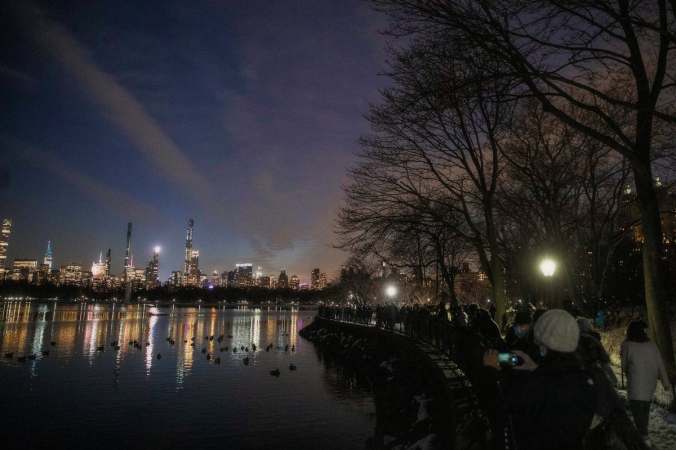
A crowd hoping to see a snowy owl gathered at the reservoir in Central Park. Some birders complain that large groups can disturb rare species. Dave Sanders for The New York Times

You do not need to be a bird nerd to appreciate that an avocation like this one needs some rules of the game, especially at moments like these, which seem to come around every few years:

Twitter Is Turning Birds Into Celebrities and Birders Against One Another

A Twitter account helped spread the word about rare birds in New York City, but publicizing their locations exposed a rift among birders.

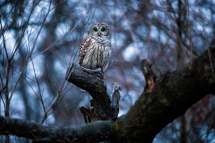
A barred owl, whose visit to Central Park has been promoted by some birders, including one who maintains the popular Twitter account Manhattan Bird Alert. Dave Sanders for The New York Times

In 2018 it was the Mandarin duck. Last October it was the barred owl. Just weeks ago it was the snowy owl.

All three avian species catapulted to celebrity status after they landed in Central Park, becoming the subject of news reports from Manhattan to India and attracting gaggles of groupies, snapping away on their smartphones.

These rare glimpses of nature in the heart of New York elicit a dose of joy in the best of times. Continue reading

Snowy Owl In Central Park, Our Kind Of News

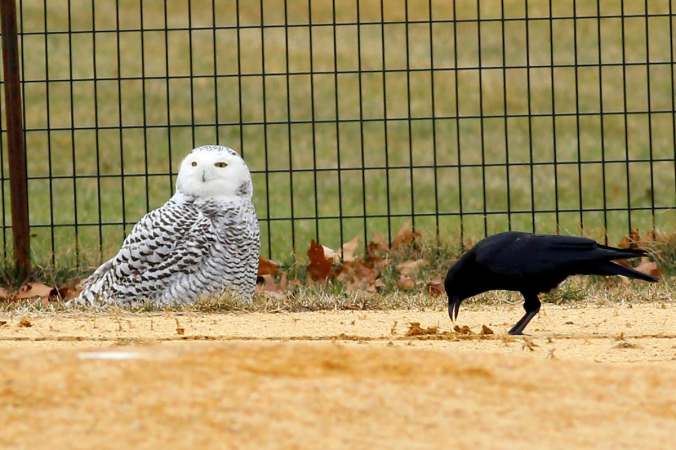
A snowy owl in Central Park drew flocks of people (and crows) on Wednesday. Maryté Mercado

If you tend bird-nerdy, you will want to read this. To state the obvious (if you visit here regularly), we live for this kind of news:

Snowy Owl Is Spotted in Central Park, for First Time in 130 Years

The hordes came running and the snow-white raptor became the latest celebrity bird of Manhattan.

In the winter of 1890, a snowy owl was spotted in New York City’s Central Park, part of what a contemporary account called an “unusual abundance” along the East Coast of the large, strikingly beautiful predators that make their home in the Arctic tundra. Continue reading

Migration Modeling Magic

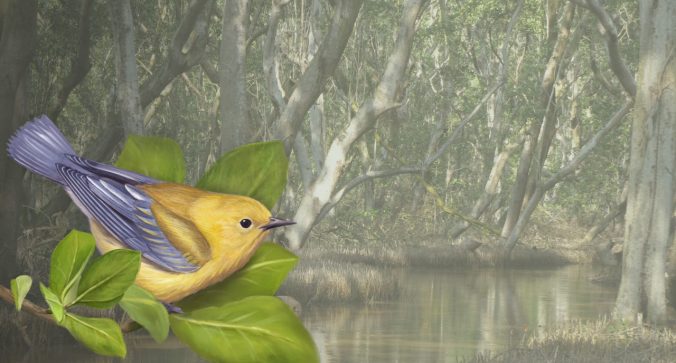
Prothonotary Warbler by Jillian Ditner; Coastal black mangrove photo by Nick Bayly.

Thanks to the Lab of Ornithology for this:

Where Do Migrants Go in Winter? New Models Provide Exquisite Detail

By Gustave Axelson; Illustrations by Jillian Ditner

Part of the magic of migratory birds is their annual disappearing act—one autumn day there might be an oriole in a treetop, and the next day it’s gone, not to be seen again until spring.

Back in the 17th century, scientists had lots of ideas about where birds go during winter in the Northern Hemisphere, including one theory that they migrate to the moon. Today we know Neotropical migratory birds are intercontinental travelers, chasing summer as they leave the North for the warmer weather and longer days of the New World tropics. Continue reading