When Kitten Videos Represent Important Environmental News

Screenshot

Cute kitten videos are everywhere, and we avoid posting them here. But due to the Cairngorms rewilding efforts in Scotland this type of video is different, so our thanks as always to the Guardian:

Wildcat kittens born outside captivity in Cairngorms a ‘major milestone’

Adult cats were released into national park last year after British population had come close to extinction

The birth of wildcat kittens in the Cairngorms national park has been hailed as a “major milestone” in efforts to rescue the secretive mammals from extinction in the UK. Continue reading

The Downside Of Mainstreaming The Recycling Arrows

Rapapawn / Grist

Thanks as always to Grist for offering analysis that nudges us to keep our interest in recycling in the realm of the real:

How the recycling symbol lost its meaning

Corporations sold Americans on the chasing arrows — while stripping the logo of its worth.

It’s Earth Day 1990, and Meryl Streep walks into a bar. She’s distraught about the state of the environment. “It’s crazy what we’re doing. It’s very, very, very bad,” she says in ABC’s prime-time Earth Day special, letting out heavy sighs and listing jumbled statistics about deforestation and the hole in the ozone layer. Continue reading

Bullish On Solar

image: la boca

The Economist makes a compelling case for us all to be more bullish on solar–not that we needed much convincing:

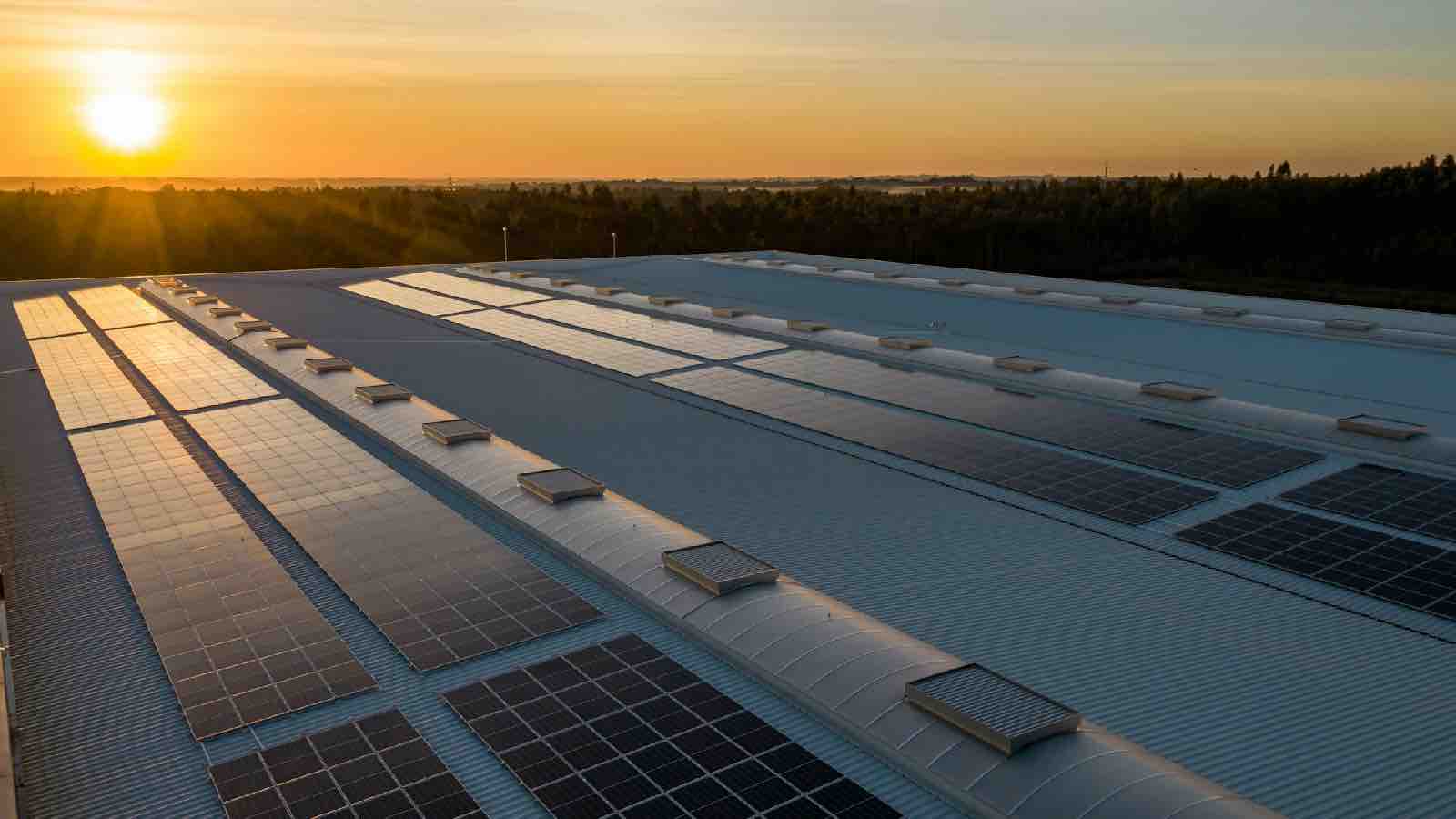
The exponential growth of solar power will change the world

An energy-rich future is within reach

It is 70 years since at&t’s Bell Labs unveiled a new technology for turning sunlight into power. The phone company hoped it could replace the batteries that run equipment in out-of-the-way places. It also realised that powering devices with light alone showed how science could make the future seem wonderful; hence a press event at which sunshine kept a toy Ferris wheel spinning round and round. Continue reading

Saving Birds With Mosquitoes

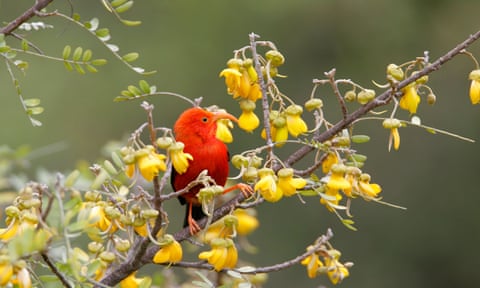
A small red bird on a branch with yellow flowers

The scarlet honeycreeper, or ‘i’iwi, has a 90% chance of dying if bitten by an infected mosquito. Thirty-three species of the bird are already extinct. Photograph: Photo Resource Hawaii/Alamy

We had not heard of such risk to birds before, but this may be the rare case of mosquitoes potentially serving a good purpose:

Millions of mosquitoes released in Hawaii to save rare birds from extinction

Conservationists hope insects carrying ‘birth control’ bacteria can save honeycreeper being wiped out by malaria

Millions of mosquitoes are being released from helicopters in Hawaii in a last-ditch attempt to save rare birds slipping into extinction. Continue reading

Greenhouse Reflective Effects

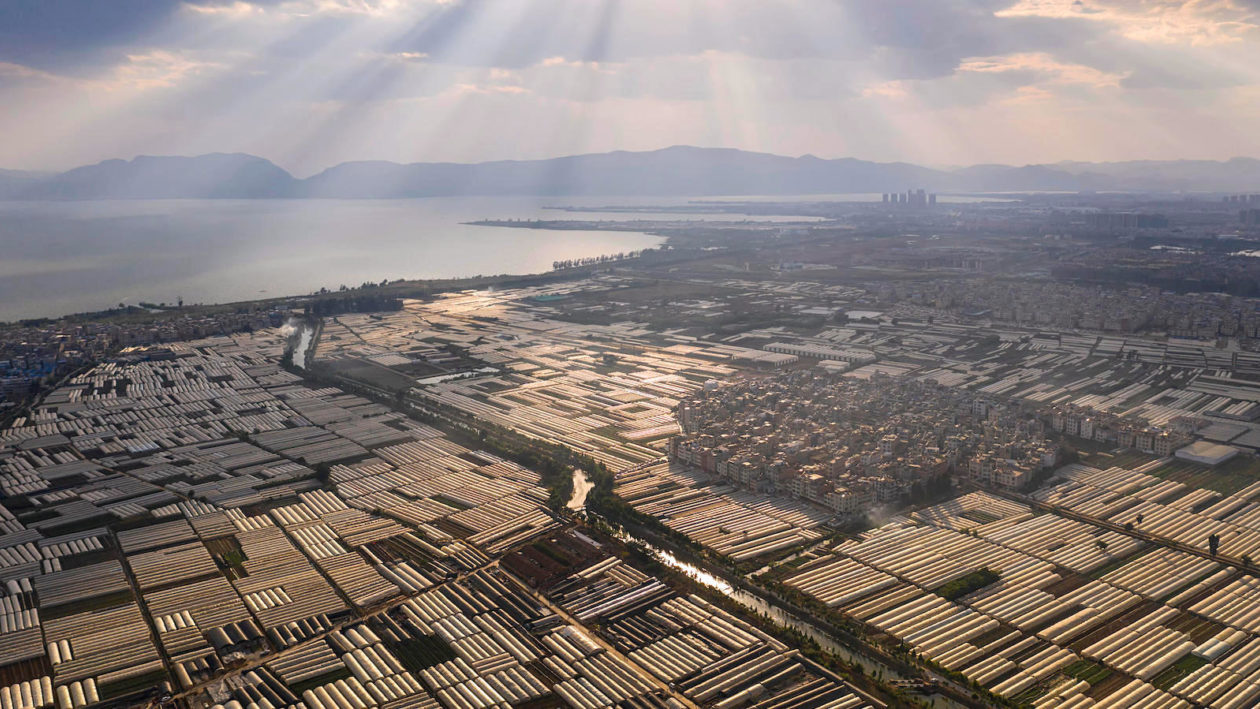
Greenhouse roofs reflect sunlight in Kunming, China. FABIO NODARI / ALAMY STOCK PHOTO

Fred Pearce, in Yale e360, offers reason to further consider the greenhouse:

Could the Global Boom in Greenhouses Help Cool the Planet?

As agricultural greenhouses proliferate, researchers are finding that their reflective roofs are having a cooling effect. Some experts see this as an unintended experiment with lessons for cooling cities, but others point to the environmental damage that greenhouses can cause.

The world is awash with greenhouses growing fresh vegetables year-round for health-conscious urbanites. There are so many of them that in places their plastic and glass roofs are reflecting sufficient solar radiation to cool local temperatures — even as surrounding areas warm due to climate change. Continue reading

Greenland’s Ice Sheet & Our Future

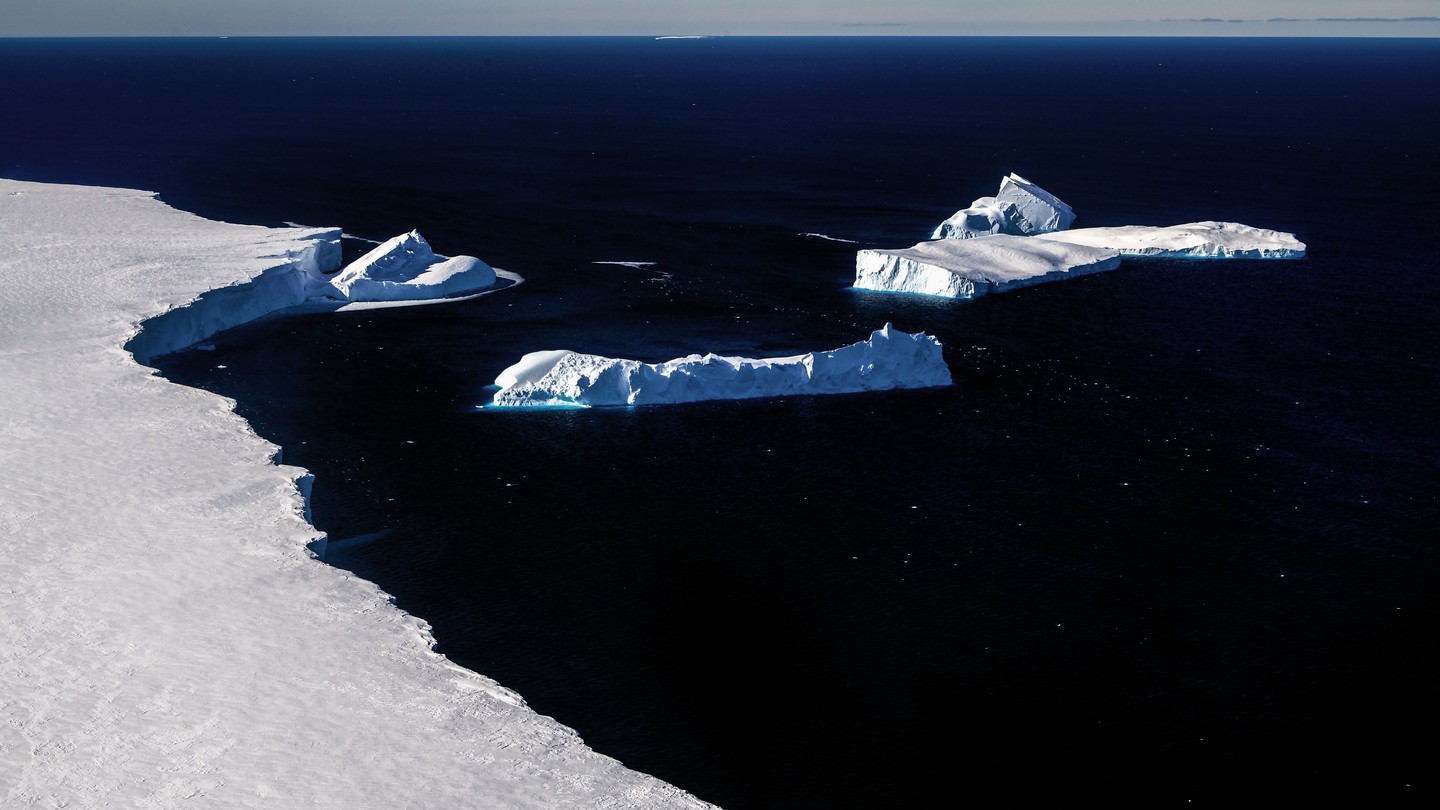
photo of curving white edge of glacier with several calved icebergs and dark blue sea

The edge of the Thwaites Glacier, 2023 (Nicolas Bayou)

Ross Andersen, writing for this focused issue of Atlantic, is worth reading for more than just the adventure he encountered reporting it:

A WILD PLAN TO AVERT CATASTROPHIC SEA-LEVEL RISE

The collapse of Antarctica’s ice sheets would be disastrous. A group of scientists has an idea to save them.

The edge of Greenland’s ice sheet looked like a big lick of sludgy white frosting spilling over a rise of billion-year-old brown rock. Inside the Twin Otter’s cabin, there were five of us: two pilots, a scientist, an engineer, and me. Farther north, we would have needed another seat for a rifle-armed guard. Here, we were told to just look around for polar-bear tracks on our descent. Continue reading

Scottish Seaweed Innovations

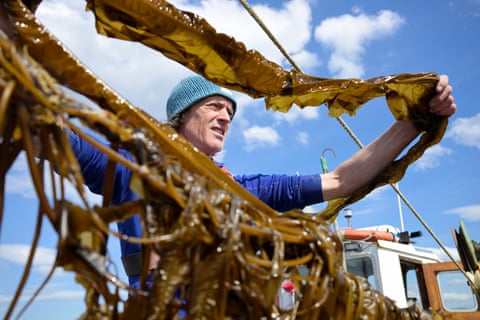
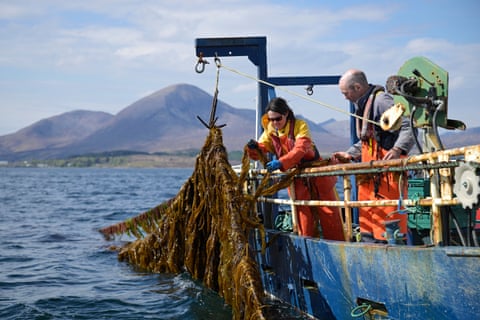
Alex Glasgow of KelpCrofters on a boat harvesting kelp on Skye

Alex Glasgow of KelpCrofters harvesting the seaweed on Skye

Most of us in the Americas and the European  region have not yet had the opportunity to try seaweed, except perhaps in Japanese or other Asian ethnic restaurants. So hearing what the folks who grow seaweed in Scotland are doing with their product to get more of us interested in it–that’s interesting. For these photographs by Christian Sinibaldi and words by Joanna Moorhead we thank the Guardian:

Kyla Orr and Martin Welch of KelpCrofters check the crop from their boat

Kyla Orr and Martin Welch of KelpCrofters check the crop from their boat. Photograph: Christian Sinibaldi/The Guardian

Kelp help? How Scotland’s seaweed growers are aiming to revolutionise what we buy

Farmed kelp could produce plastic substitutes, beauty products and food supplements. Just steer clear of seaweed chocolate

Think sun, sea, Skye – and seaweed. It’s early summer off the west coast of Scotland, and Alex Glasgow is landing a long string of orangey-black seaweed on to the barge of his water farm. Continue reading

The Atlantic Editor’s Note, July/August 2024

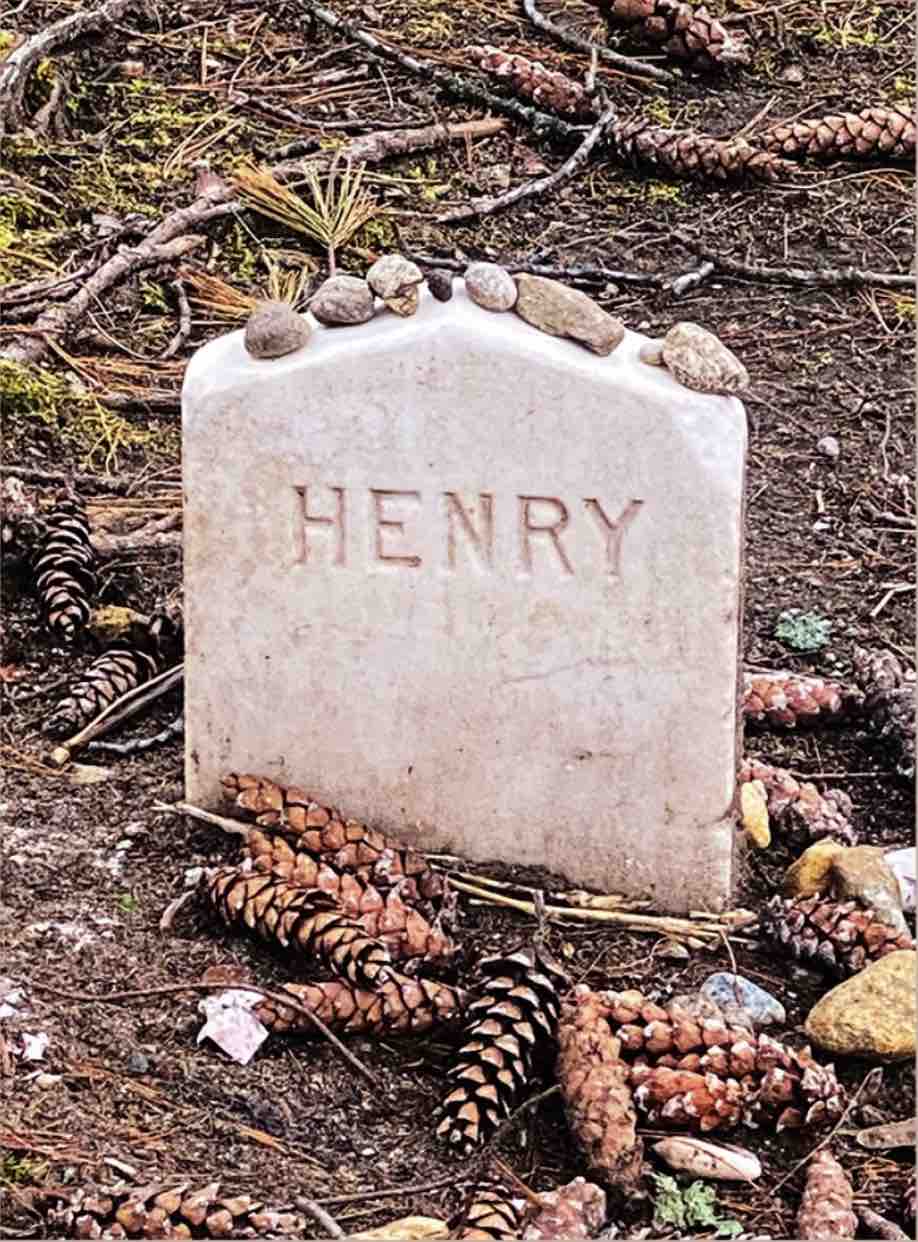
Henry David Thoreau’s grave, Concord, Massachusetts (Jeffrey Goldberg)

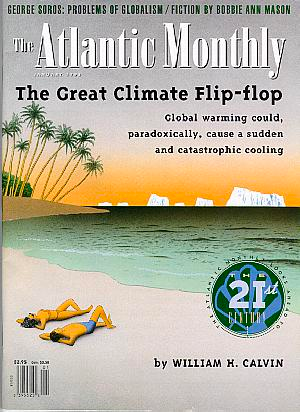
Jeffrey Goldberg has not appeared in our pages directly before, but his work has had a profound impact on how we see the world. His editorship of The Atlantic, starting in 2016, overlaps with an increase in that magazine’s coverage of climate change in ways that we have found useful. His introduction to the summer issue of the magazine is a fitting example of his commitment to the topic:

In Wildness Is the Preservation of the World

Returning the planet to some sort of climate equilibrium is a universal interest.

Loyal readers of this magazine know that we are preoccupied with matters of climate change, and that we worry about the future of our home planet. I appreciate (I really do) Elon Musk’s notion that humans, as a species, ought to pursue an extraplanetary solution to our environmental crisis, but I believe in exploration for exploration’s sake, not as a pathway to a time share on Mars. Continue reading

Conversation With An Optimistic Scientist

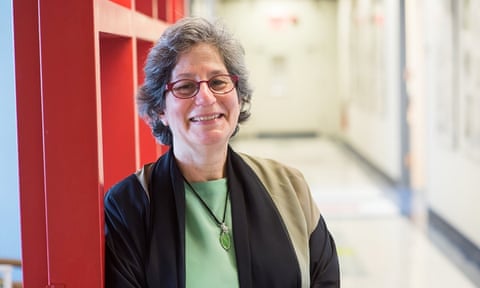
the american atmospheric chemist professor susan solomon

Susan Solomon: ‘Frankly, I worry about climate scientists being encouraged to take a particular stance.’ Photograph: Justin Knight

Killian Fox (long time no see!) offers this wonderful conversation with an optimist who knows the science:

Climate scientist Susan Solomon: ‘Let’s not give up now – we’re right on the cusp of success’

The US atmospheric chemist on why she doesn’t share the pessimism of most climate scientists, fixing the ozone layer, and why Jacques Cousteau is her hero

Susan Solomon was born and raised in Chicago and got her PhD in atmospheric chemistry from the University of California, Berkeley. She is known for her work in the 1980s which established how the Earth’s protective ozone layer was being depleted by human-made chemicals. Continue reading

More Youth Demanding Liveable Futures

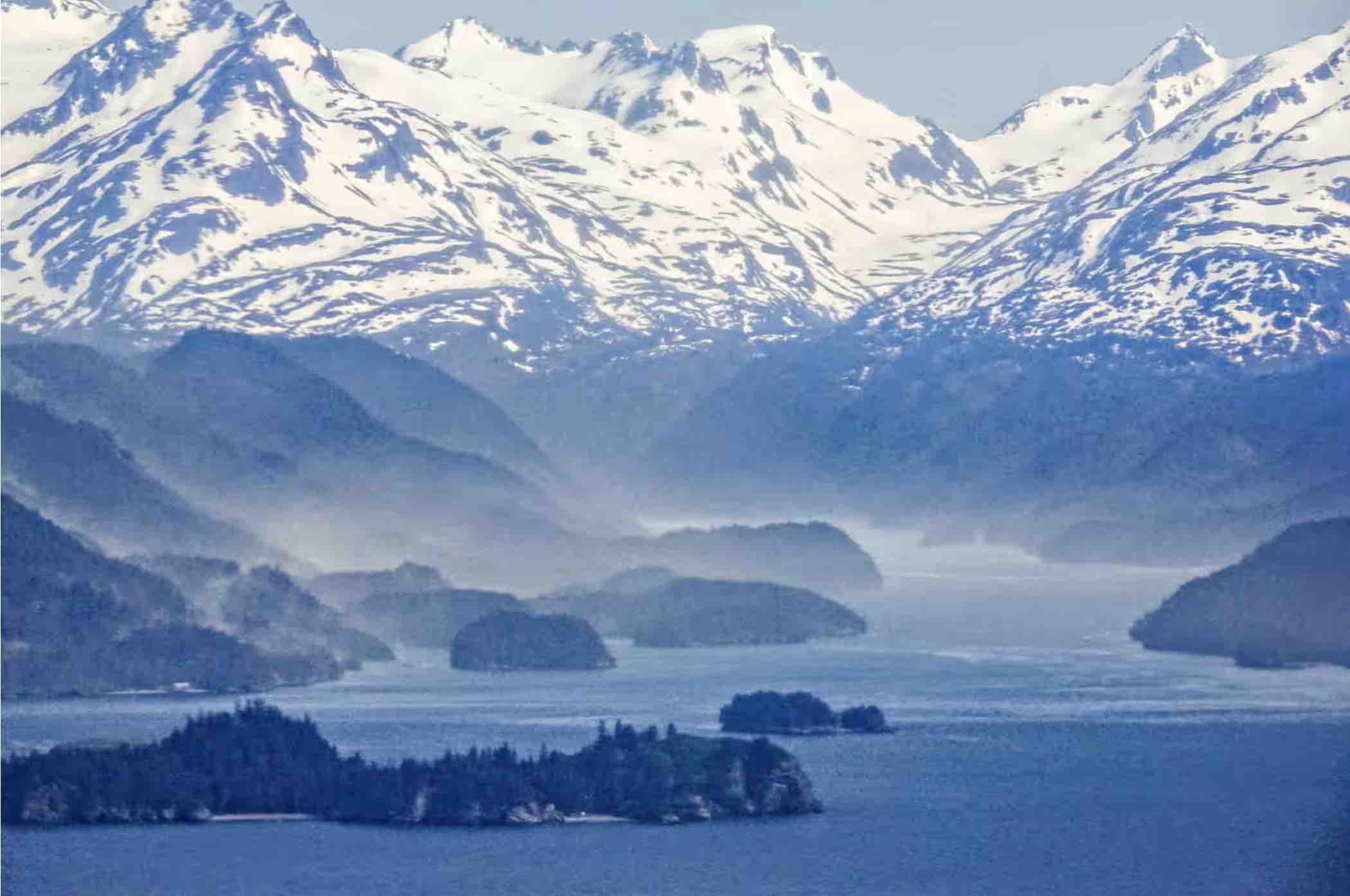
portion of the Kenai Peninsula in Alaska in 2023. The project would involve construction of a liquefaction plant to prepare the gas for export to Asia. Photograph: Richard Ellis/Alamy

Our appreciation to Dharna Noor for writing a clear story about this new legal initiative, and to the Guardian for publishing it. What started in Montana, a naturally well-endowed state with a mixed environmental record, now continues in Alaska, the biggest frontier of the American West. Our thanks to the younger generation for taking up the fight creatively:

Young Alaskans sue state over fossil fuel project they claim violates their rights

Plaintiffs claim $38.7bn gas export project, which would triple state’s greenhouse gas emissions, infringes constitutional rights

Eight young people are suing the government of Alaska – the nation’s fastest-warming state – claiming a major new fossil fuel project violates their state constitutional rights. Continue reading

Making Good Trouble In India

Another of this year’s trouble-making prize-winners:

Meet Alok Shukla

Alok Shukla led a successful community campaign that saved 445,000 acres of biodiversity-rich forests from 21 planned coal mines in the central Indian state of Chhattisgarh. In July 2022, the government canceled the 21 proposed coal mines in Hasdeo Aranya, whose pristine forests—popularly known as the lungs of Chhattisgarh—are one of the largest intact forest areas in India. Continue reading

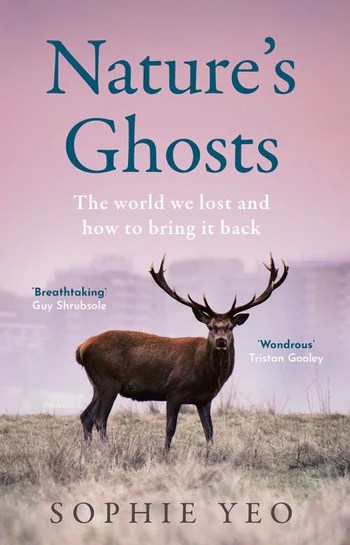
Nature’s Ghosts, Author’s Viewpoint

Thanks to Sophie Yeo, editor of Inkcap Journal and the author of this book to the right, for sharing that book’s key insights in essay form in the Guardian:

Nature’s ghosts: how reviving medieval farming offers wildlife an unexpected haven

Agriculture is often seen as the enemy of biodiversity, but in an excerpt from her new book Sophie Yeo explains how techniques from the middle ages allow plants and animals to flourish
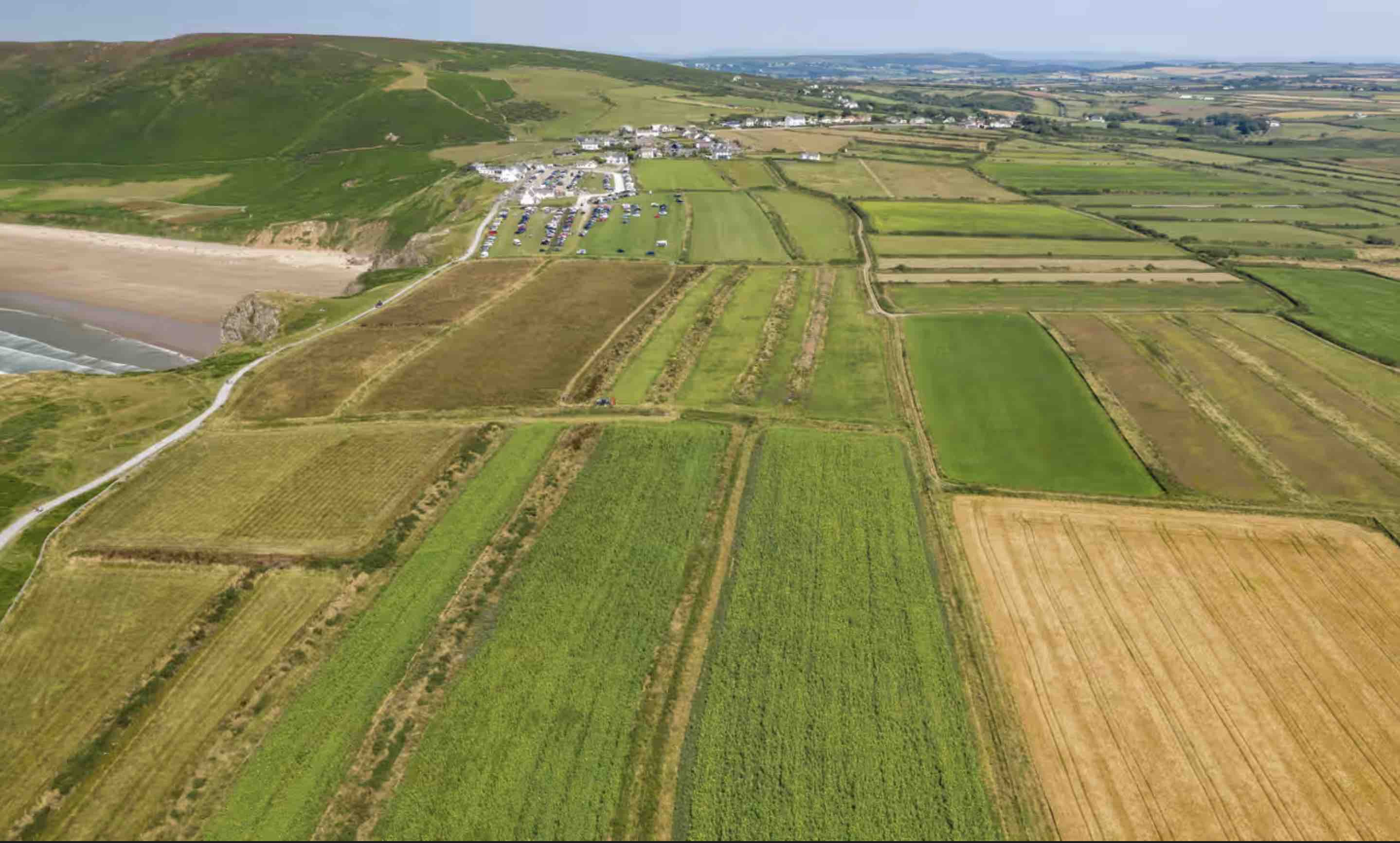
The Vile, a medieval strip field system below Rhossili village, Gower, Wales. Photograph: Wales/Alamy

The Vile clings on to the edge of the Gower peninsula. Its fields are lined up like strips of carpet, together leading to the edge of the cliff that drops into the sea. Each one is tiny, around 1-2 acres. From the sky, they look like airport runways, although this comparison would have seemed nonsensical to those who tended them for most of their existence.
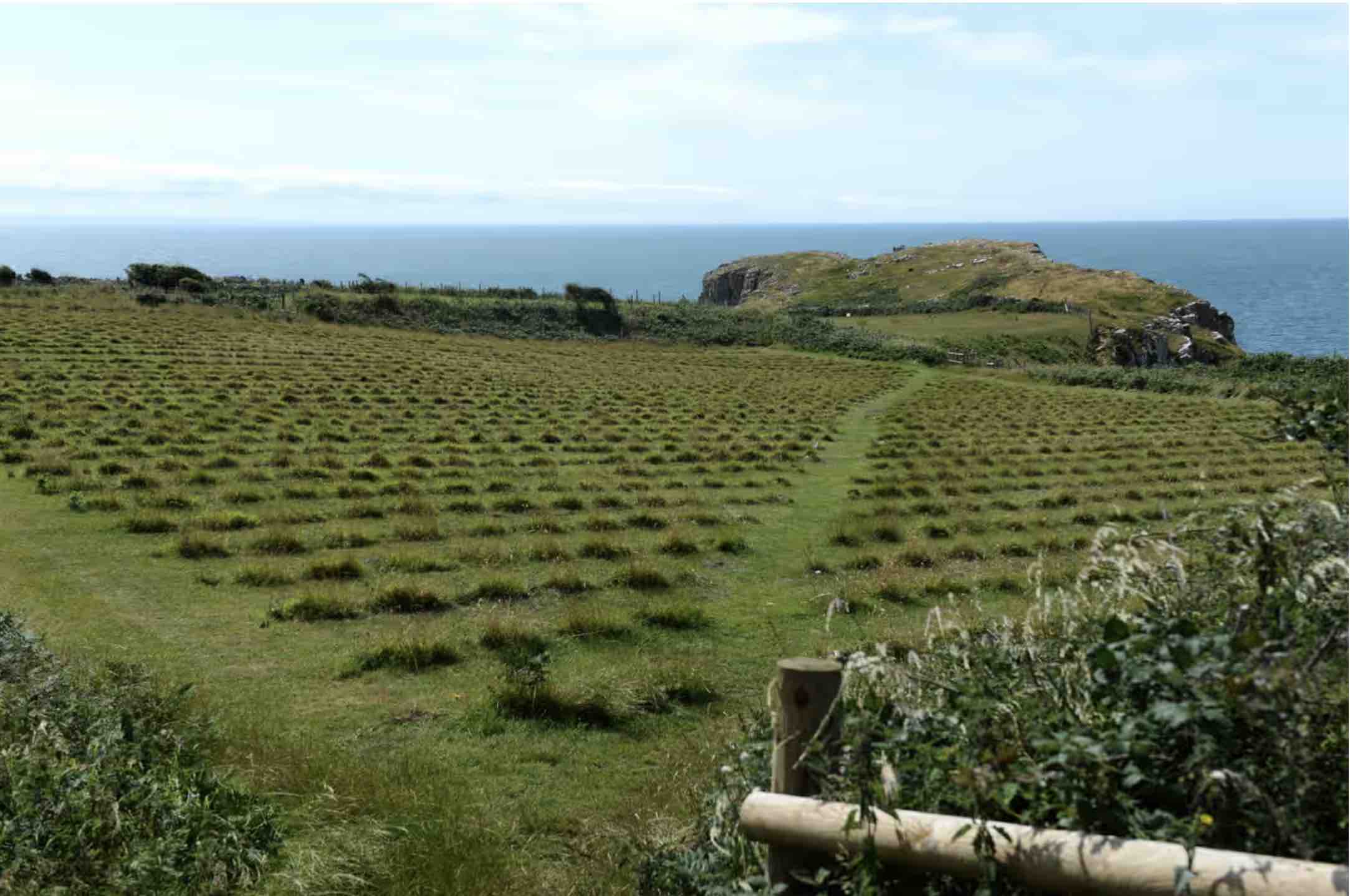
A field of lavender on the Vile above Fall bay, Rhossili, planted in summer 2019 to encourage pollinating insects. Photograph: Holden Wildlife/Alamy

That is because the Vile is special: a working example of how much of Britain would have been farmed during the middle ages. Farmers have most likely been trying to tame this promontory since before the Norman conquest.

The fields have retained their old names, speaking to a long history of struggle against the soil. Stoneyland. Sandyland. Bramble Bush. Mounds of soil known as “baulks” separate one strip from the next. Continue reading

One Film, Two Decades Of Influence

It has not been top of mind for any of us contributing to this platform, but Michael Svoboda, the Yale Climate Connections books editor, puts the influence of this film in perspective:

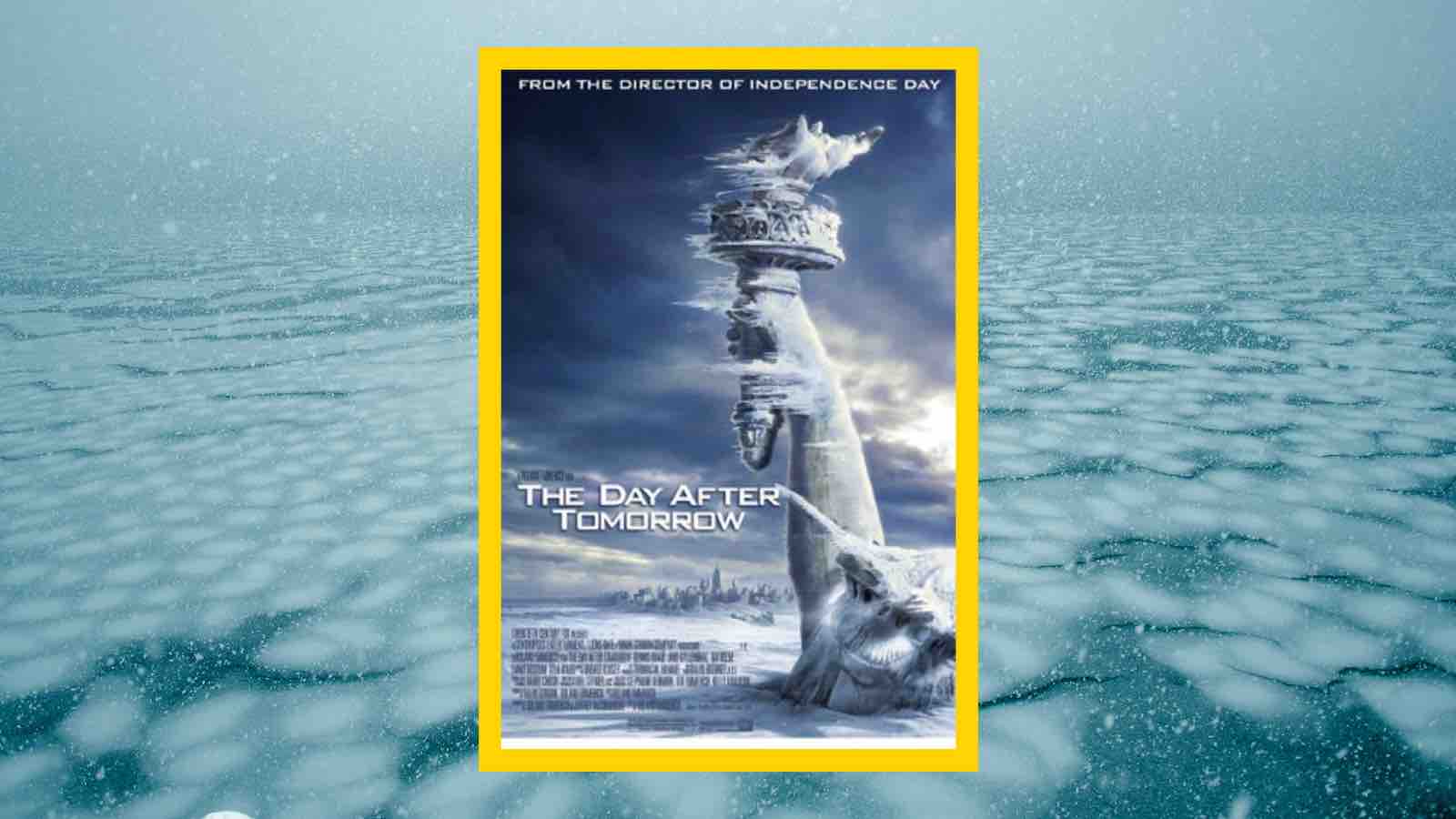
The enduring influence of “The Day After Tomorrow,” 20 years later 

The groundbreaking film popularized an extreme climate scenario. To what effect?

It has been 20 years since we first saw the paleo-climatologist Jack Hall, played by Dennis Quaid, standing at a railing overlooking a command center at NOAA and asking his colleagues the question that baffled them: “What about the North Atlantic Current?” Continue reading

Cheaper, Faster, Better

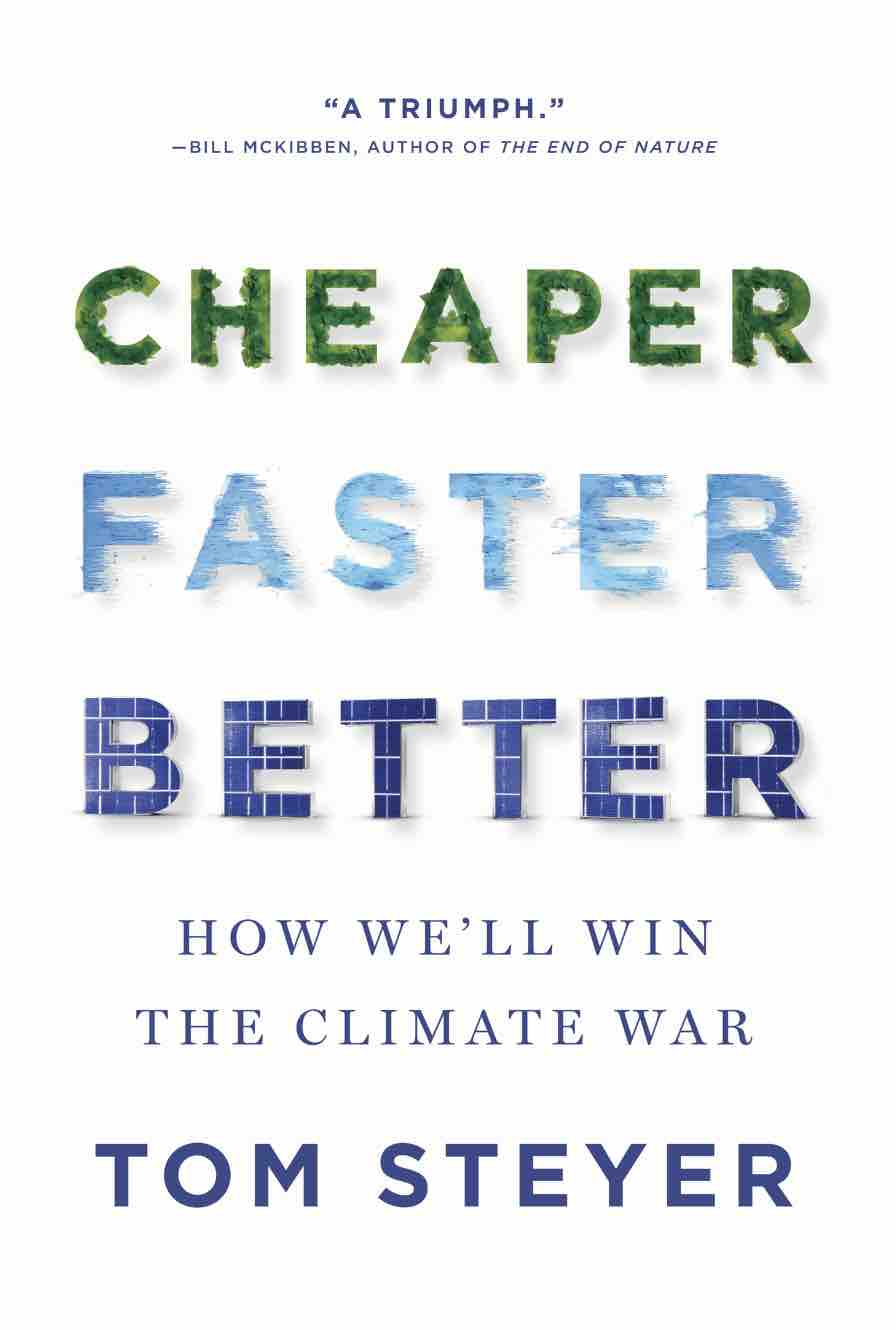
The author of this book was a presidential candidate in the USA briefly in what seems the distant past of just a few years ago. His publisher says this:

Renowned investor and climate champion Tom Steyer gives us a unique and unvarnished perspective on how we can all fight climate change—joyfully, knowledgeably, and even profitably—at a time of unparalleled consequence and opportunity.

Blurbs for the book include: Continue reading

Sailing Circa 2024

photograph: getty images

Continuing the theme of new sailing technology, our thanks to the Economist:

A new age of sail begins

By harnessing wind power, high-tech sails can help cut marine pollution

In 1926 an unusual vessel arrived in New York after crossing the Atlantic. Continue reading

Romanian Bison & Carbon Sequestration

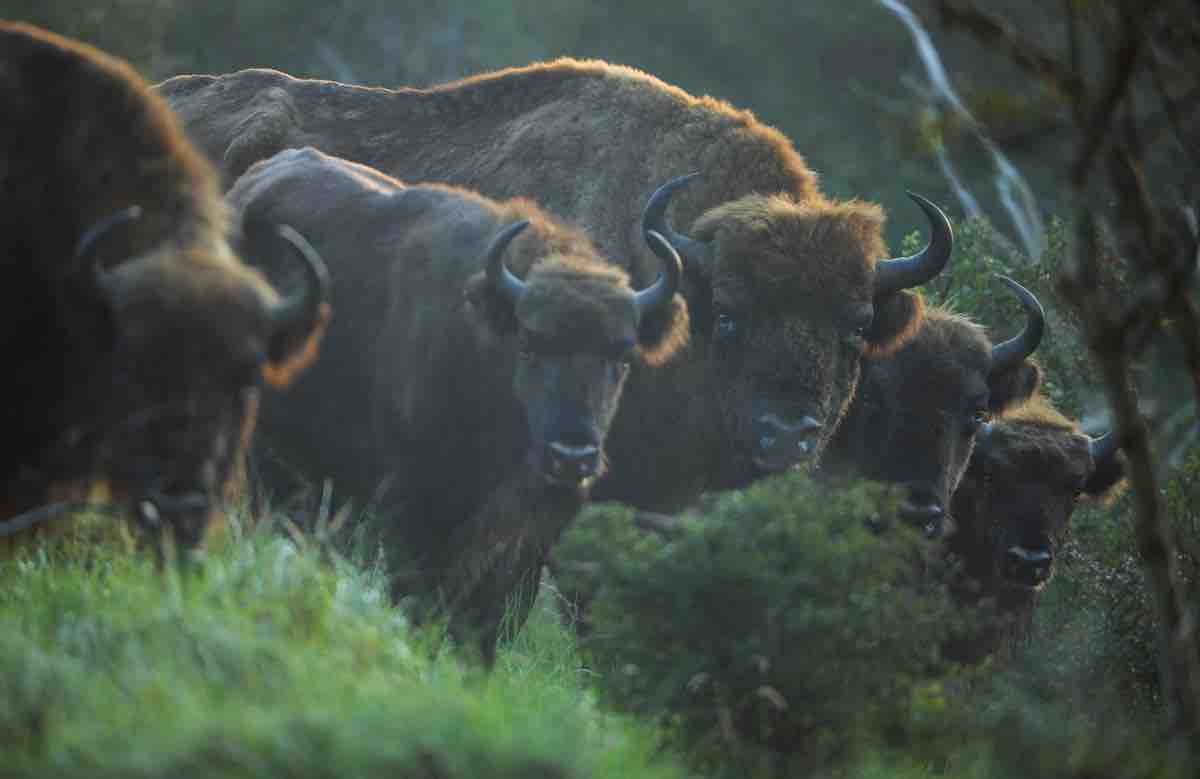
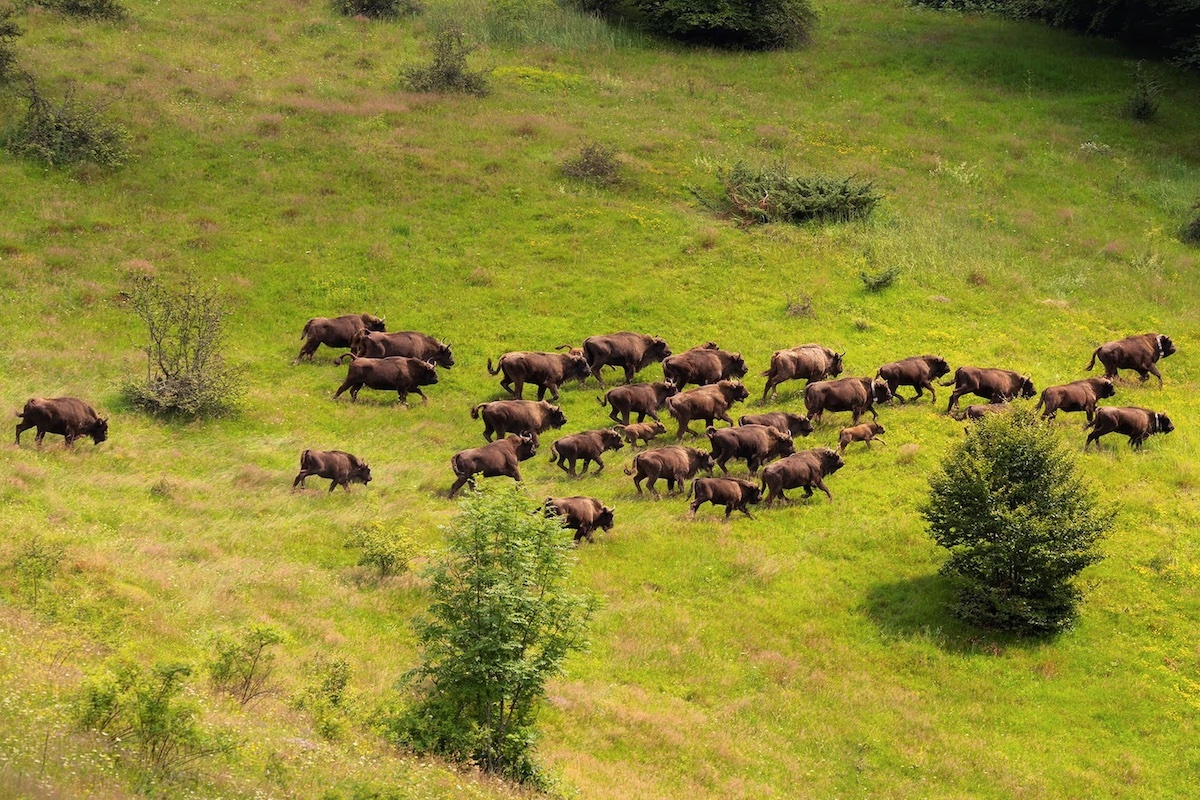
Bison (Bos Bonasus), Kennemerduinen National Park, Kraansvlak, The Netherlands. Enclousure in a fenced reserve, 250 hectar, in Kennemerduinen National Park. STAFFAN WIDSTRAND / REWILDING EUROPE

Bison restoration stories we have linked to are mostly in North America. But the Carpathian mountains have demonstrated Romania’s outsized efforts at rewilding. Now the largest such effort in Europe, according to Rewilding Europe, is this:

The goal of the Tarcu Mountains bison initiative is to help build a herd of at least 500 bison living in freedom by 2025 in the Southern Carpathians. This is an area spanning some 1.4 million hectares of wild mountains and valleys in the southern part of the Carpathian mountain chain.

Thanks to Yale e360 for more on this news from Romania.

European bison in the Carpathian Mountains in Romania. DANIEL MIRLEA / WWF ROMANIA

How a Small Herd of Romanian Bison Is Locking Away Thousands of Tons of Carbon

Gone from Romania for 200 years, European bison were reintroduced to the Țarcu Mountains, at the southern end of the Carpathian range, in 2014. Now numbering 170, the bison are reshaping the mountain landscape in ways that are helping clean up emissions. Continue reading

Slowed Growth Of Fossil Fuel

For those who might say too little too late we say this still counts as good news worth reading, so thanks to Yale Climate Connections:

‘Turning point in energy history’ as solar, wind start pushing fossil fuels off the grid

Fossil fuel growth has stalled while wind and solar are growing.

Solar and wind energy grew quickly enough in 2023 to push renewables up to 30% of global electricity supply and begin pushing fossil fuels off the power grid, the Ember climate consultancy concludes in a report released May 8. Continue reading

Sounds Right

You will have to sleuth for background information, because the website does not provide any; it just says in boldface and a few lines of detail what the initiative is trying to do:

music selection opens in Spotify

Sounds Right is a music initiative to recognise the value of NATURE and inspire millions of fans to take environmental action. For the first time, NATURE can generate royalties from its own sounds to support its own conservation. Continue reading

Price Adjustments & Carbon Emmissions

illustration: javier jaén/getty images

The Economist shares this news:

Carbon emissions are dropping—fast—in Europe

Thanks to a price mechanism that actually works

“Our most pressing challenge is keeping our planet healthy,” declared Ursula von der Leyen on the day she was elected president of the European Commission in July 2019. Continue reading

If You Eat Beef, Track Its Origins

A JBS facility in Tucuma, Brazil. JONNE RORIZ / BLOOMBERG VIA GETTY IMAGES

Reducing meat in our diet was easier living in India, and we committed specifically to cutting beef consumption. This effort has been assisted by awareness of this issue. Thanks to Yale e360 for bringing the work of this team to our attention:

Marcel Gomes (center) with colleagues at Repórter Brasil’s offices in São Paulo. GOLDMAN ENVIRONMENTAL PRIZE

Tracking Illicit Brazilian Beef from the Amazon to Your Burger

Journalist Marcel Gomes has traced beef in supermarkets and fast food restaurants in the U.S. and Europe to Brazilian ranches on illegally cleared land. In an e360 interview, he talks about the challenges of documenting the supply chains and getting companies to clean them up.

Investigative journalism can be a very deep dive. By the end of his probe into the supply chain of JBS, the world’s largest meat processing and packing company, Marcel Gomes reckons he and his team at the São Paulo-based nonprofit Repórter Brasil knew more about the origins of the beef it supplies from the Amazon to the world’s hamburger chains and supermarkets than the company itself. Continue reading