The Climate Crisis, Earth Day Edition

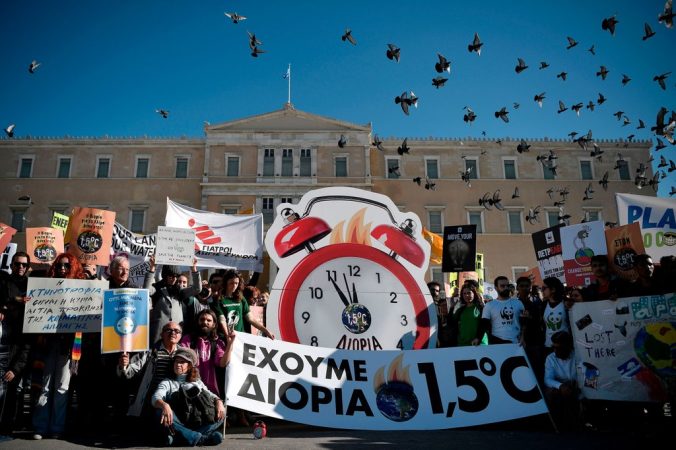
Climate activists at a rally in Athens, Greece, in late 2018, hold up banners warning that time is running out on efforts to contain the earth’s warming to a rise of 1.5 degrees Celsius. Photograph by Louisa Gouliamaki / AFP / Getty

Thanks to Bill McKibben for this Earth Day edition of his newsletter, The Climate Crisis, which we sample from regularly:

How 1.5 Degrees Became the Key to Climate Progress

The number has dramatically reorganized global thinking around the climate.

It’s Earth Day +51, as we near the end of President Biden’s first hundred days, and forty world leaders are scheduled to join him for a virtual summit on climate change. “For those of you who are excited about climate, we will have a lot more to say next week,” the White House press secretary, Jen Psaki, said last Thursday, which is a sweet way to think about it—better than “for those of you who are existentially depressed about climate.” Continue reading

If You Are Not Already Vegetarian, Know Your Beef Source

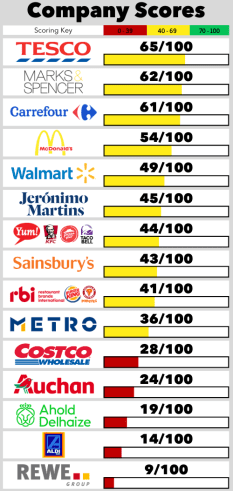
logoProgress is slow on the route to vegetarianism, so we monitor what we can about the meat we continue to consume. Thanks to Mighty Earth for this scorecard:

Beef Scorecard: Global Food Brands Failing to Address Largest Driver of Deforestation

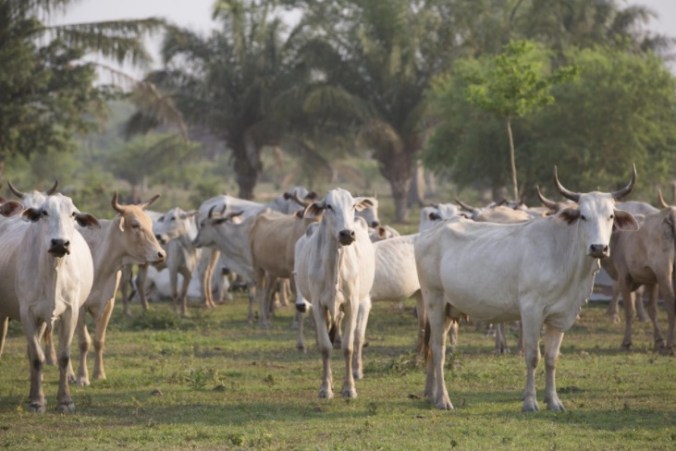
WASHINGTON, DC – The world’s top supermarket and fast-food companies are largely ignoring the environmental and human rights abuses caused by their beef products, a new scorecard by Mighty Earth finds. The scorecard evaluates the beef sourcing practices of fifteen of the world’s largest grocery and fast-food companies that have pledged to end deforestation across their supply chains. Despite beef’s role as the top driver of global deforestation, only four companies- Tesco, Marks & Spencer, Carrefour, and McDonald’s – have taken some action to stop sourcing beef from destructive suppliers. Continue reading

Clean Is As Creative Does

Fossil fuel divestment is easier said than done. Some in the creative sector have fostered skepticism about climate change. A message from some creative folks that we are inclined to believe:

OUR PLEDGE:

Clean Creatives is bringing together leading agencies, their employees, and clients to address the ad and PR industry’s work with fossil fuels. Continuing to work for fossil fuel companies poses risks to brands that prioritize sustainability, and their agencies. Continue reading

Blue Carbon Credits Better Understood

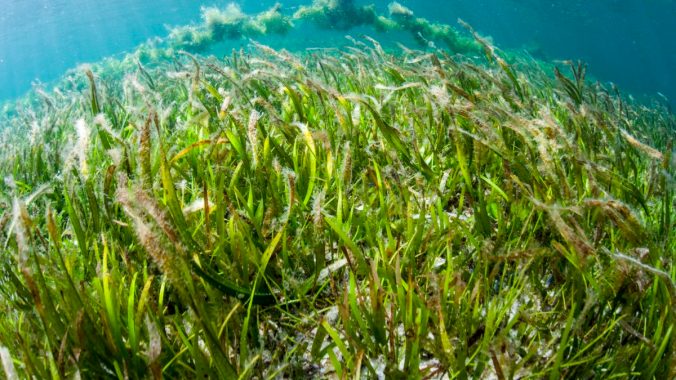
A seagrass meadow near Atauro Island, Timor-Leste. PAUL HILTON FOR CONSERVATION INTERNATIONAL

Thanks to Nicola Jones, as ever, and to Yale e360 for publishing this explanatory article on a relatively new topic:

Why the Market for ‘Blue Carbon’ Credits May Be Poised to Take Off

Seagrasses, mangrove forests, and coastal wetlands store vast amounts of carbon, and their preservation and restoration hold great potential to bank CO2 and keep it out of the atmosphere. But can the blue carbon market avoid the pitfalls that have plagued land-based programs?

A mangrove forest on the Leizhou Peninsula at the southern tip of China. KYLE OBERMANN

Off the shores of Virginia, vast meadows of seagrass sway in the shallow waters. Over the past two decades, conservation scientists have spread more than 70 million seeds in the bays there, restoring 3,600 hectares (9,000 acres) of an ecosystem devastated by disease in the 1930s. The work has brought back eelgrass (Zostera marina) — a keystone species that supports crustaceans, fish, and scallops, and is now absorbing the equivalent of nearly half a metric ton of CO2 per hectare per year. Continue reading

Let Legumes Fix More Nitrogen

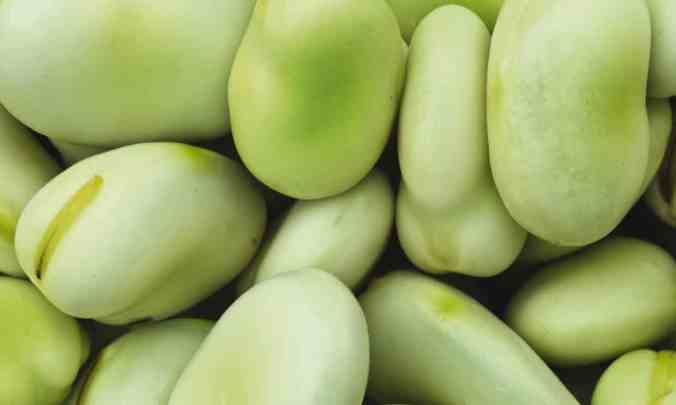
Broad beans and other legumes are abundant in proteins and dietary minerals. Photograph: Christopher Miles/Alamy

Reducing synthetic nitrogen in farming, by letting legumes do more nitrogen-fixing in the soil, has plenty of other benefits:

Legumes research gets flexitarian pulses racing with farming guidance

Plant more bean-like crops in Europe and consider ‘healthy diet transition’ to beat climate crisis, say scientists

Adding the likes of peas, lentils, beans, and chickpeas to your diet, and farming more of them, could result in more nutritious and effective food production with large environmental benefits, scientists have found. Continue reading

Planting Trees Is Not A No-Brainer

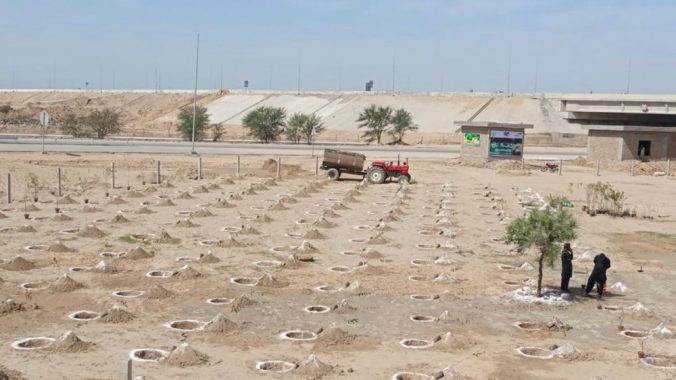
A plantation site for the 10 Billion Tree Tsunami Project in the Khyber Pakhtunkhwa province of Pakistan. BILLION TREE TSUNAMI PROGRAMME KHYBER PAKHTUNKHWA

We have committed to planting trees. And we know that getting to a trillion trees planted is not going to be easy. But the effort has obvious and less obvious upsides. Every great idea also has its downside(s) and challenges to surmount, even planting trees:

Are Huge Tree Planting Projects More Hype than Solution?

High-profile programs aimed at planting billions of trees are being launched worldwide. But a growing number of scientists are warning that these massive projects can wreck natural ecosystems, dry up water supplies, damage agriculture, and push people off their land.

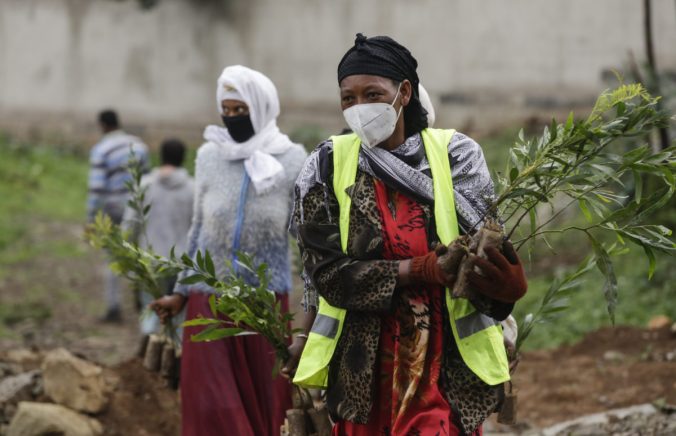
Women participating in Ethiopia’s mass tree-planting campaign in Addis Ababa last June. Ethiopia aimed to plant 5 billion seedlings in three months. MINASSE WONDIMU HAILU/ANADOLU AGENCY VIA GETTY IMAGES

In late January, the multibillionaire Elon Musk took to Twitter and abruptly announced, “Am donating $100M towards a prize for best carbon capture technology”. This triggered a deluge of sarcasm across the platform: “You mean, like, trees?” “I planted a tree, do I win?” Continue reading

The Locus Of Locust Control

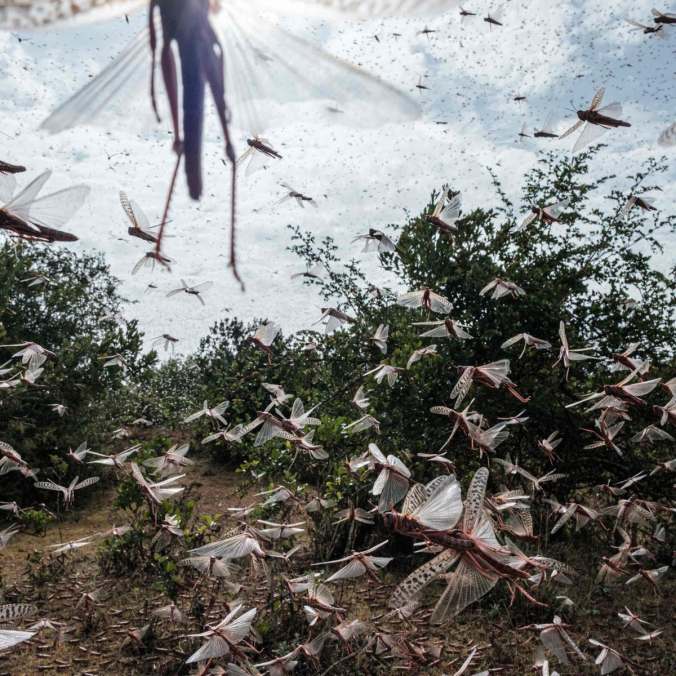
A swarm of desert locusts in Meru, Kenya, in February. Yasuyoshi Chiba/Agence France-Presse — Getty Images

We respect all things natural, but we acknowledge there are phenomena that test our principles. Historic swarms of locusts, for example, make us believe that getting control over their impact is essential for communities where they can lay waste to human endeavor, so we thank Rachel Nuwer for this story from one of the hardest-hit regions:

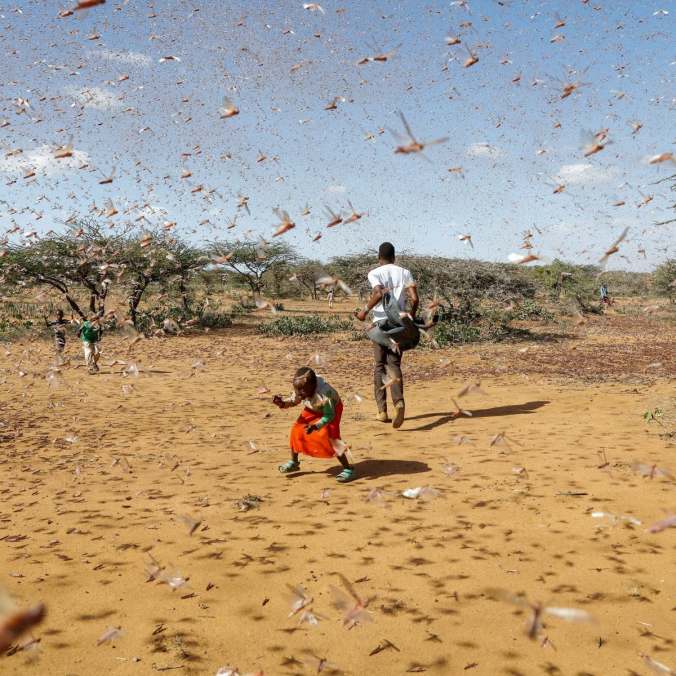
A swarm inundating Naiperere, near the town of Rumuruti, in Kenya in January. When the rains come, locusts can form swarms of more than 15 million insects per square mile. Baz Ratner/Reuters

As Locusts Swarmed East Africa, This Tech Helped Squash Them

A hastily formed crowdsourcing operation to contain the insects in Kenya, Ethiopia and Somalia could help manage climate-related disasters everywhere.

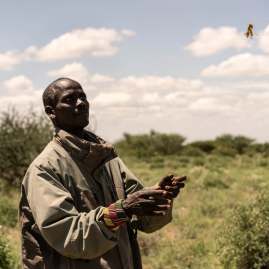
Lake Joseph, a locust tracker, in Samburu County, Kenya in May 2020. Fredrik Lerneryd/Getty Images

Melodine Jeptoo will never forget the first time she saw a locust swarm. Moving like a dark cloud, the insects blotted out the sky and pelted her like hail.

“When they’re flying, they really hit you hard,” said Ms. Jeptoo, who lives in Kenya and works with PlantVillage, a nonprofit group that uses technology to help farmers adapt to climate change. Continue reading

Fossil Fuel Divestment Debate Settled

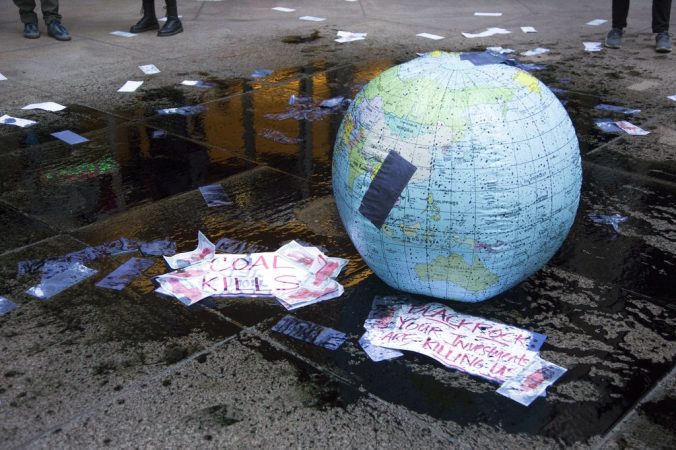
Protesters have argued that you shouldn’t try to profit off the end of the world. New analysis shows that, in any event, you won’t. Photograph by David Grossman / Alamy

This is a short read with a big implication; as always we are grateful to Bill McKibben for his weekly newsletter:

The Powerful New Financial Argument for Fossil-Fuel Divestment

A report by BlackRock, the world’s largest investment house, shows that those who have divested have profited not only morally but also financially.

In a few months, a small British financial think tank will mark the tenth anniversary of the publication of a landmark research report that helped launch the global fossil-fuel-divestment movement. As that celebration takes place, another seminal report—this one obtained under the Freedom of Information Act from the world’s largest investment house—closes the loop on one of the key arguments of that decade-long fight. Continue reading

Tasting Costa Rica In Chocolate

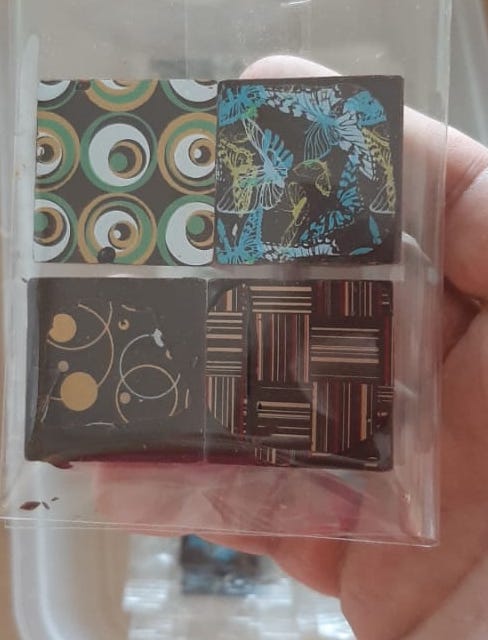
Four samples of Nahua chocolate: 100%; 90%; 70%; and one with an additional ingredient to be identified during the tasting session

Our first taste of place experience was a small gathering, but a lively one, and fulfilled our objective. Today we continue with our second event, focused on the ingredient-sourcing, production, and sustainability aspects of bean-to-bar chocolate. We will also taste four different chocolates, each with a different level of chocolate and one with an added mystery ingredient. Our supplier, Nahua, is a pioneer in Costa Rica’s sustainable cacao farming, as well as in gourmet chocolate production. Guests at this event will learn about the history of cacao in Costa Rica, much less well known that the history of coffee here but rapidly gaining a global following.

Kelp Forests And Invasive Urchins

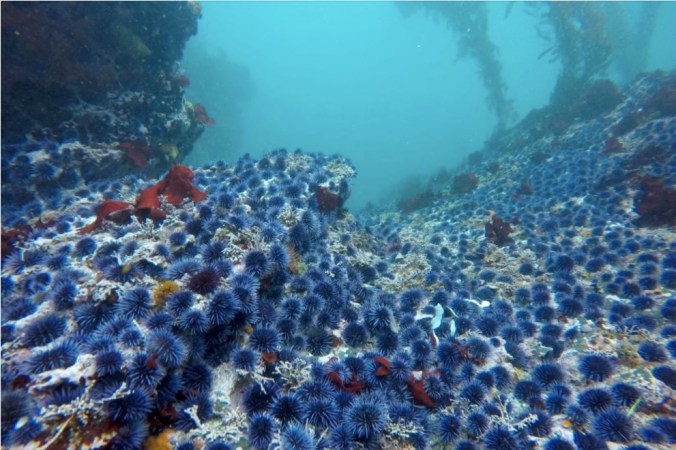
Purple sea urchins have boomed off Northern California, destroying kelp forests that provide a crucial ecosystem. Steve Lonhart / NOAA MBNMS

Kelp is being farmed now, but where it is a naturally occurring forest it needs help. Thanks to National Public Radio (USA) for this:

In Hotter Climate, ‘Zombie’ Urchins Are Winning And Kelp Forests Are Losing

They’re purple, spiky and voracious, and just off the West Coast, there are more of them than you can count.

Purple sea urchins have exploded in recent years off California, covering the ocean floor in what divers describe as a “purple carpet.” Continue reading

Fungi Identification Challenges

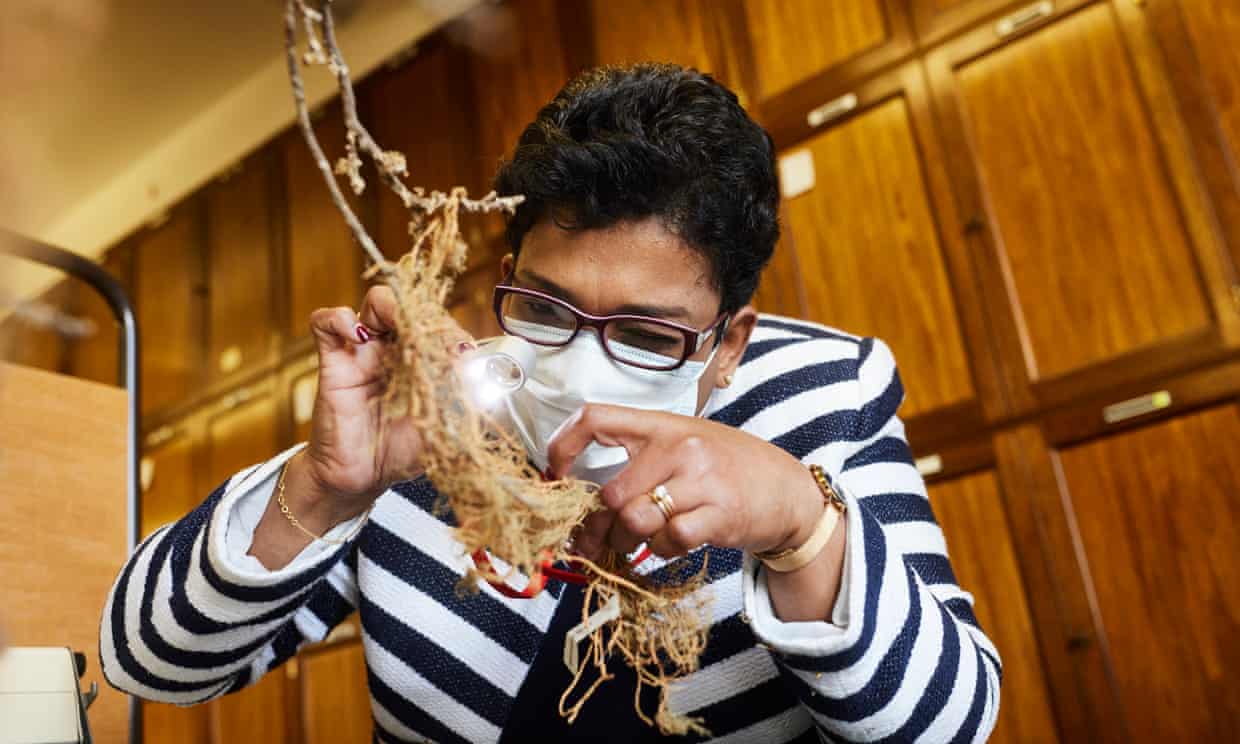
Photograph: David Levene/The Guardian

Thanks to Phoebe Weston and Patrick Greenfield at the Guardian for this podcast episode about the wonders and perils of fungi-identifying:

Why is it hard to get our head around fungi? (part one) – podcast

…We often talk as if we know what species exist in the world – but we don’t. Continue reading

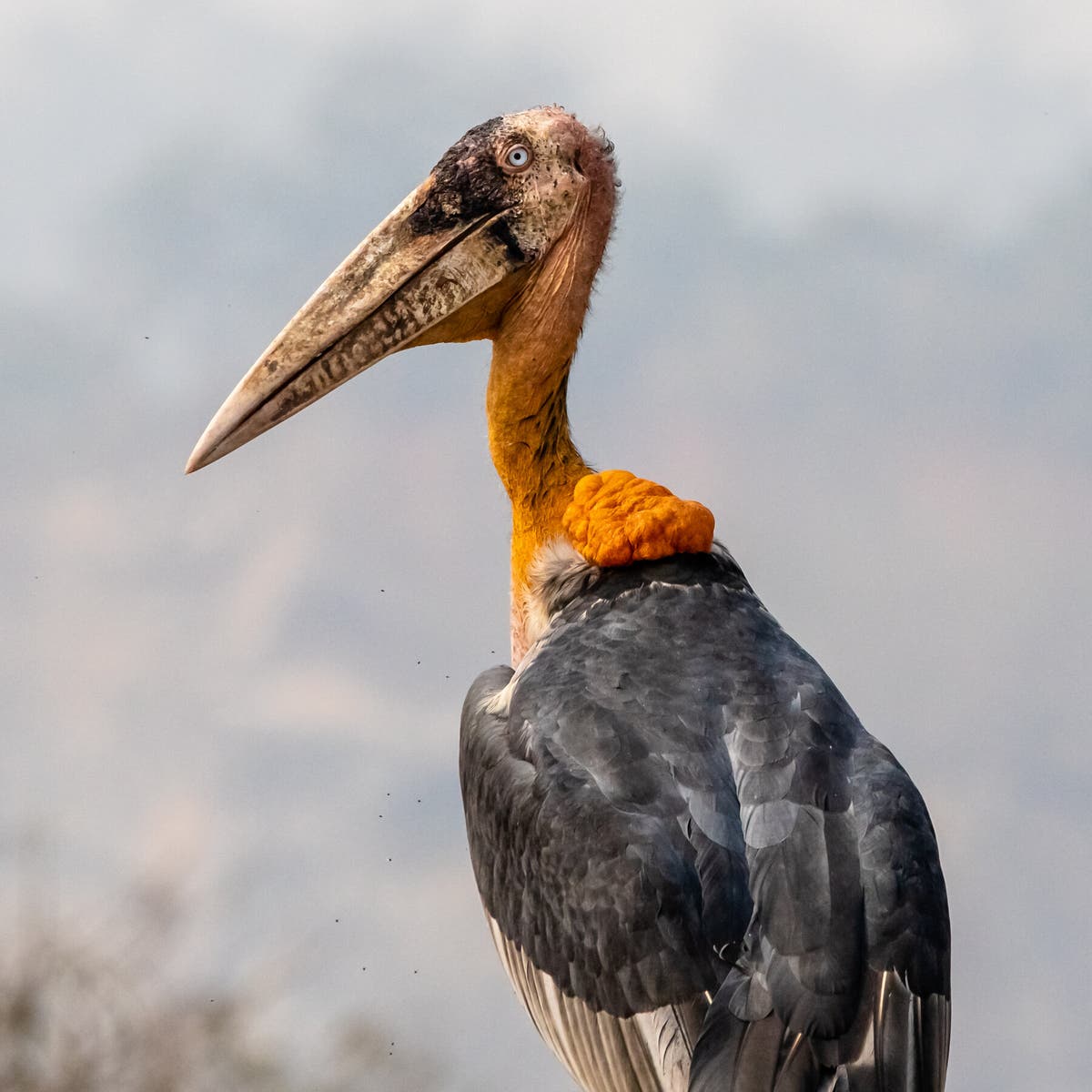
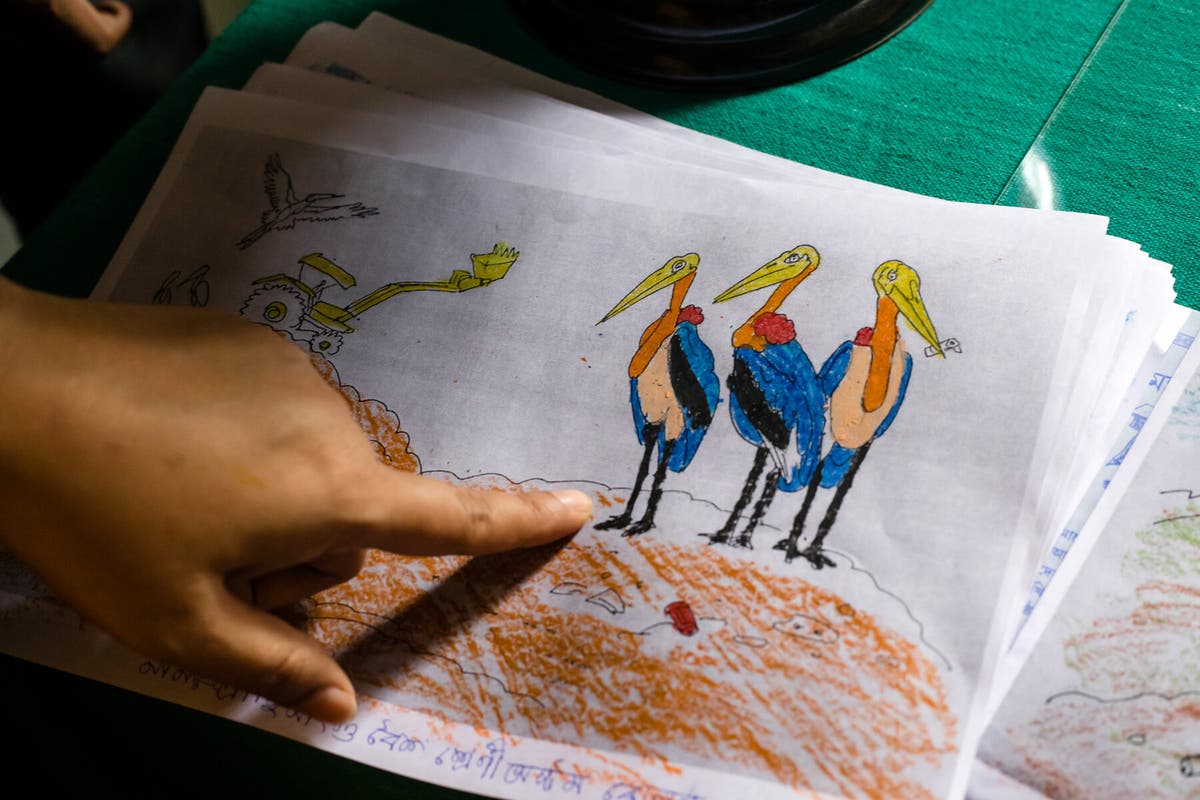
Giant Storks Of Assam, And Their Protectors

If you saw some of the work that came out of Seth’s bird-focused interactions with children in Ecuador, and in Costa Rica, this might not seem so surprising. But in every case when kids are enlisted to help ensure care of bird populations, the result is noteworthy. And of course, when a community of women decide something is important, watch and learn. Carla Rhodes, a wildlife conservation photographer, shares this remarkable story from Assam:

A Biologist, an Outlandish Stork and the Army of Women Trying to Save It

In the Indian state of Assam, a group of women known as the Hargila Army is spearheading a conservation effort to rescue the endangered greater adjutant stork.

Students are given coloring pages featuring greater adjutants.

Life can change in an instant, as I experienced when I first laid my eyes on a tall and bizarrely striking bird known as the greater adjutant.

It was India in 2018, in the northeastern state of Assam. I’d ended up there partly because of absurd circumstances, which involved being filmed for a reality television pilot while navigating a motorized rickshaw through the Himalayas. Continue reading

Taste Of Place Experiences In Costa Rica

While bee populations have waned throughout rural America, urban hives are thriving in cities such as Detroit, producing honey that’s reminiscent of mint, clover or goldenrod. Photo by Patricia Heal. Prop styling by Martin Bourne

Terroir is a word that has appeared often in these pages. Taste of place, a phrase with related meaning, likewise has appeared plenty of times. This phrase is a tag line used frequently in our work, based on an experience I had in Paraguay in 2005. We will begin weekly “taste of place experiences” for guests in both Authentica shops tomorrow; starting with mead, followed by chocolate, then honey, coffee and so on. Every week an artisan will present how they source ingredients, how they make their product, and how the taste of it reflects the particular location in Costa Rica where sourcing is done. So, great to see this about urban taste of place movement in our neighbor to the north:

The Growers, Bakers and Beekeepers Embracing the Terroir of American Cities

THE GRAPEVINES RISE at the corner of East 66th Street and Hough Avenue in Cleveland, 14 trim green rows claiming over half a city block — a little less than an acre — beside an abandoned building with boarded-up windows, whose rolling lawn on a summer morning is as lush as Versailles’s. The sky is brilliant and wide above stoplights and swoops of telephone wire. Across the tar-patched street stand storefronts behind scissor gates and a former grocery whose facade half collapsed last May, raining brick on the sidewalk. Down the avenue, the walls of another boarded-up building have been commandeered as an outdoor art gallery, papered over in posters with messages: “I survived the Hough riots”; “Growing your own food is like printing your own money.”

Long celebrated in France, the concept of place-specific tastes is spurring the revitalization of neighborhoods and communities.

THE GRAPEVINES RISE at the corner of East 66th Street and Hough Avenue in Cleveland, 14 trim green rows claiming over half a city block — a little less than an acre — beside an abandoned building with boarded-up windows, whose rolling lawn on a summer morning is as lush as Versailles’s. The sky is brilliant and wide above stoplights and swoops of telephone wire. Across the tar-patched street stand storefronts behind scissor gates and a former grocery whose facade half collapsed last May, raining brick on the sidewalk. Down the avenue, the walls of another boarded-up building have been commandeered as an outdoor art gallery, papered over in posters with messages: “I survived the Hough riots”; “Growing your own food is like printing your own money.”

For centuries, the French have used the word “terroir” to describe the environment in which a wine is produced. Going back to the Latin “terra,” “earth,” it’s rooted in a traditional vision of the countryside and has become more fervently embraced as our agrarian past recedes. Continue reading

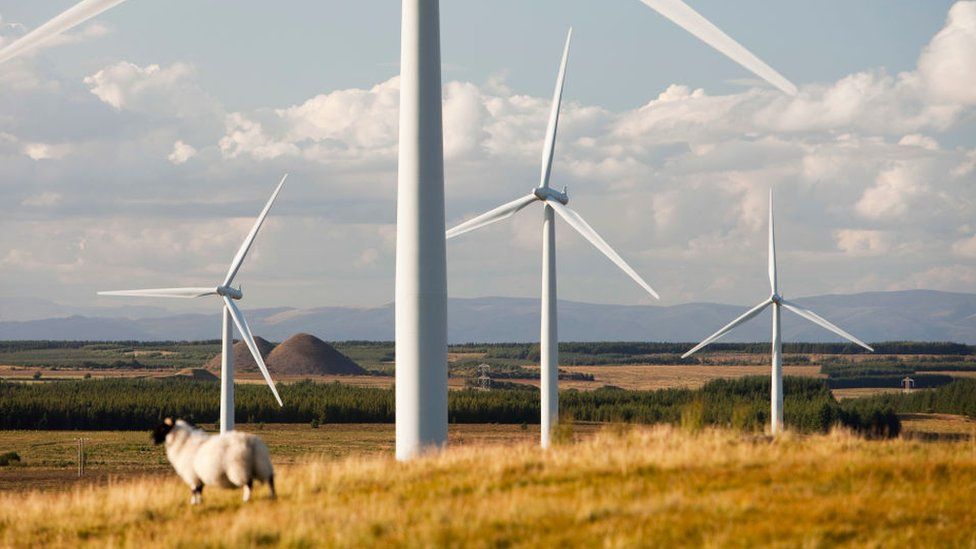
Scotland, Running On Almost 100% Renewables

GETTY IMAGES. Scotland’s renewables output has tripled in 10 years

Thanks to Scotland, for the ambition and demonstration; and to the BBC for reporting this:

Renewables met 97% of Scotland’s electricity demand in 2020

GETTY IMAGES. WWF Scotland is calling for an increased roll-out of electric vehicles

Scotland has narrowly missed a target to generate the equivalent of 100% of its electricity demand from renewables in 2020.

New figures reveal it reached 97.4% from renewable sources.

This target was set in 2011, when renewable technologies generated just 37% of national demand. Continue reading

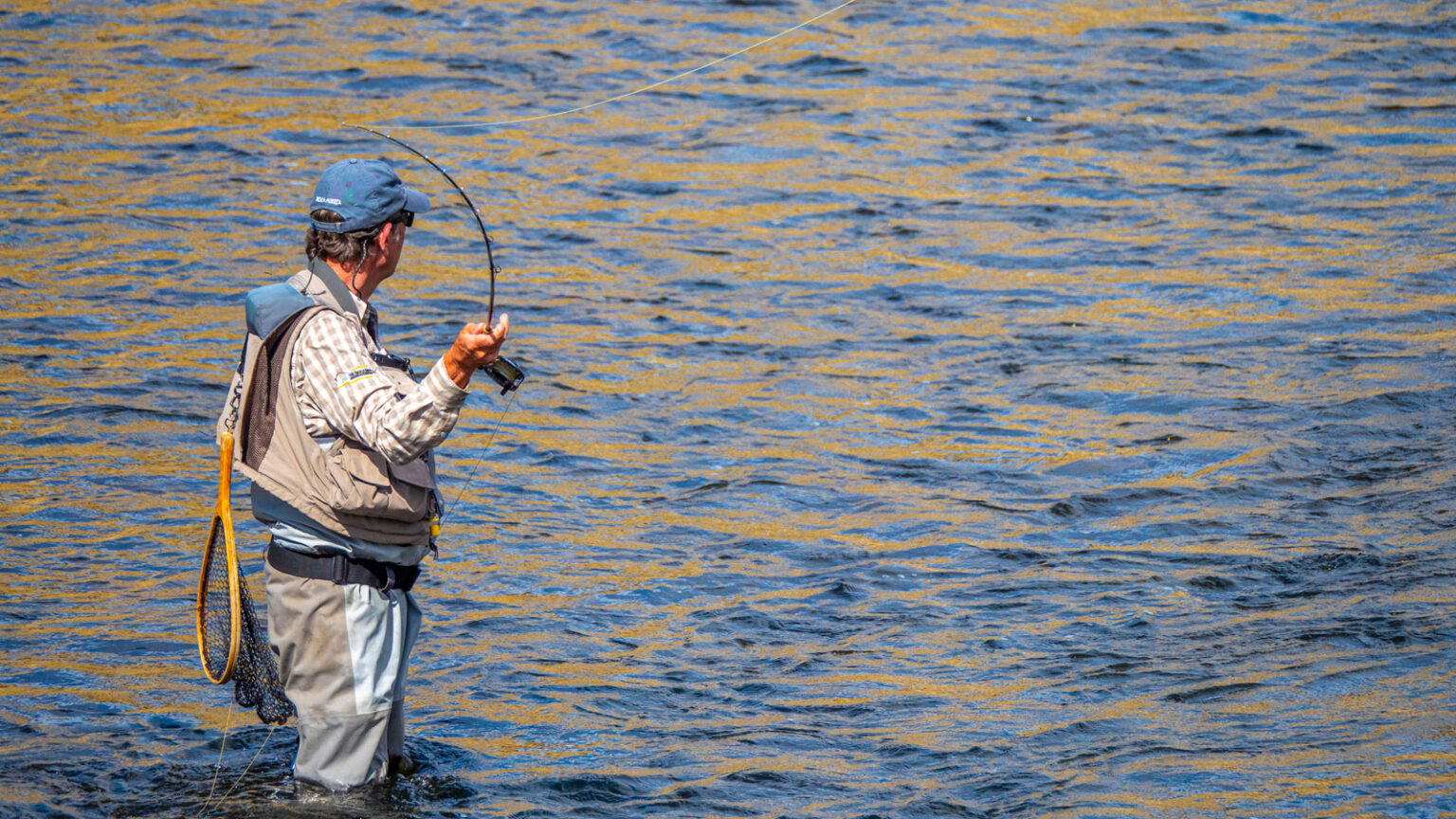
One More Reason We Care About Clean Water

Owner of a fly-fishing lodge worries about fracking: His business can’t survive without clean water.

Thanks to Yale Climate Connections for one more reminder of how many reasons, big and small, we should care more about water:

Why the owner of a Montana fly-fishing lodge is worried about fracking

His business can’t survive without clean water.

Wade Fellin runs a fly-fishing lodge near Montana’s Big Hole River, an area renowned for the sport. Continue reading

Engineering + Imagination = Worthy Of Second Guessing

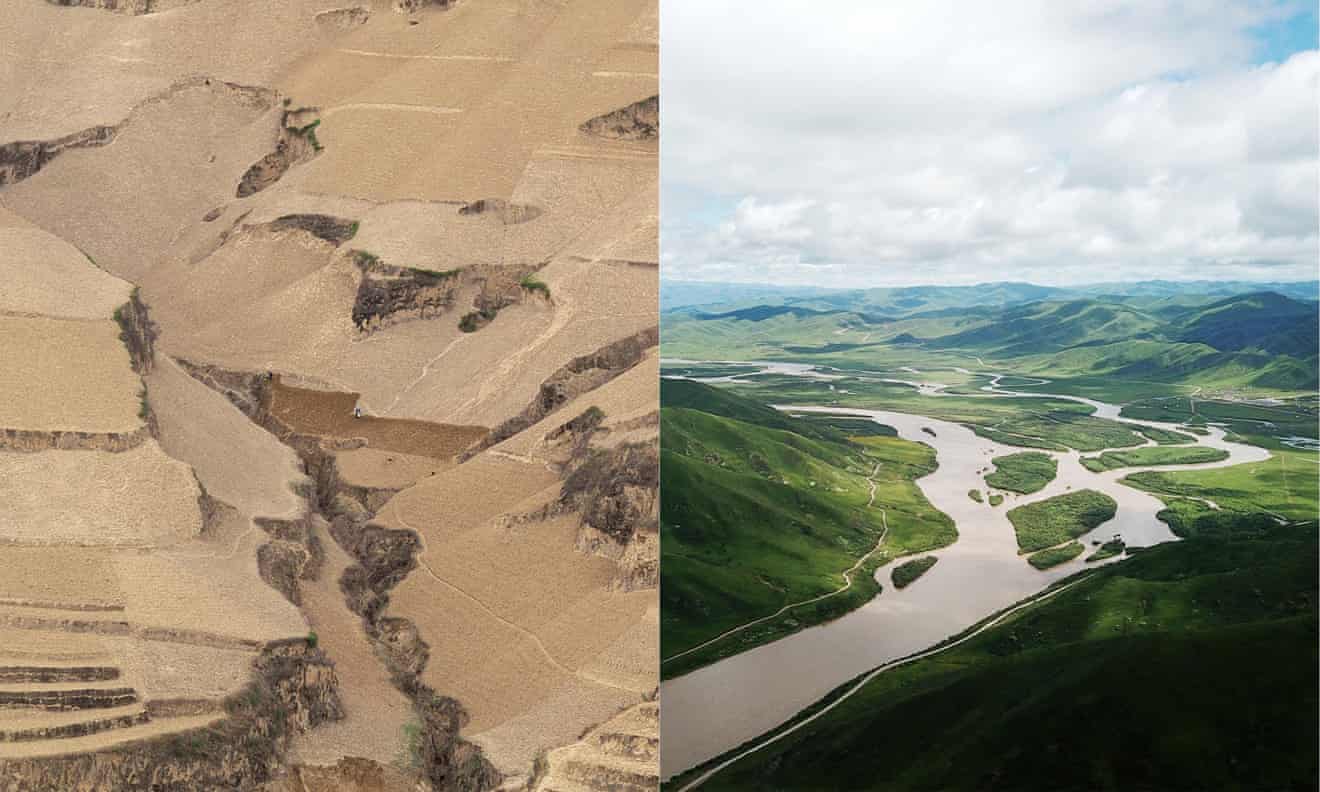
The Loess plateau, in China, in 2007, left, and transformed into green valleys and productive farmland in 2019. Composite: Rex/Shutterstock/Xinhua/Alamy

The message from Elizabeth Kolbert’s book should sound relevant to you when you read the following:

‘Our biggest challenge? Lack of imagination’: the scientists turning the desert green

In China, scientists have turned vast swathes of arid land into a lush oasis. Now a team of maverick engineers want to do the same to the Sinai

Flying into Egypt in early February to make the most important presentation of his life, Ties van der Hoeven prepared by listening to the podcast 13 Minutes To The Moon – the story of how Nasa accomplished the lunar landings. The mission he was discussing with the Egyptian government was more earthbound in nature, but every bit as ambitious. It could even represent a giant leap for mankind. Continue reading

Turning Point In USA’s Transition To Electric Vehicles

General Motors has partnered with EVgo to deploy more than 2,700 fast chargers across the U.S. CREDIT: GM

John Paul MacDuffie and Sarah E. Light, both professors at the Wharton School of Business at the University of Pennsylvania, have published an article on Yale E360 highlighting the improving potential for electric vehicles to dominate the USA market sooner than previously expected:

EV Turning Point: Momentum Builds for U.S. Electric Vehicle Transition

Driven by GM, Tesla, and the Biden administration, the U.S. is now poised to press ahead in the transformation to electric vehicles. Big challenges still loom, but technological advances, government support, and growing consumer appeal will drive the inevitable switch to EVs.

Last month’s failure of the Texas electric grid, coming just weeks after General Motors’ pledge to make only electric vehicles by 2035, highlights the daunting task the United States faces as it takes the first steps toward weaning its economy off fossil fuels. Continue reading

Osa Peninsula Has A History Of Surviving Challenges, But It Takes Work

MAP BY NATIONAL GEOGRAPHIC SOCIETY STAFF

After two visits in 2019 I wrote a quick note about the Osa Peninsula, and afterwards I found the map above on National Geographic’s website. A couple years have passed since those visits and National Geographic published this article that I somehow missed until now. Jamie Shreeve shares a history I was well aware of due to our four years managing Lapa Rios, and back then I heard versions of it many times in the first person; but here it is told better than by anyone else in my experience, plus accompanied by the kind of photography you expect from National Geographic (not included here out of respect for the copyrights of those images). The title notes the challenge facing the peninsula, and my bet is on the peninsula’s having the support it needs to survive:

A loss of tourism threatens Costa Rica’s lush paradise

The Osa Peninsula is a biodiverse wonder and a model for conservation. But its preservation programs have been devastated by COVID-19.

Celedonia Tellez doesn’t recall the year she moved to the Osa Peninsula, or exactly how old she was, but she remembers well why she came: free land. At the time, the peninsula, a 700-square-mile crook on the southern Pacific coast of Costa Rica, was a forest frontier, separated from the mainland by a neck of near-impenetrable mangroves and accessible mainly by boat. Celedonia was pregnant when she arrived with her five children, six chickens, a dog, and 700 colones, about one dollar. She also brought her boyfriend, but he “hated nature, and would run away from insects,” she remembers. So she took an ax and cleared the land herself.

“When I was cutting down the trees, I would think how they must have taken so long to grow, and I cut them down in an instant,” she says. “That’s what we did. We cut down the forest to live.” Continue reading
Turtle Rescue, Texas Style

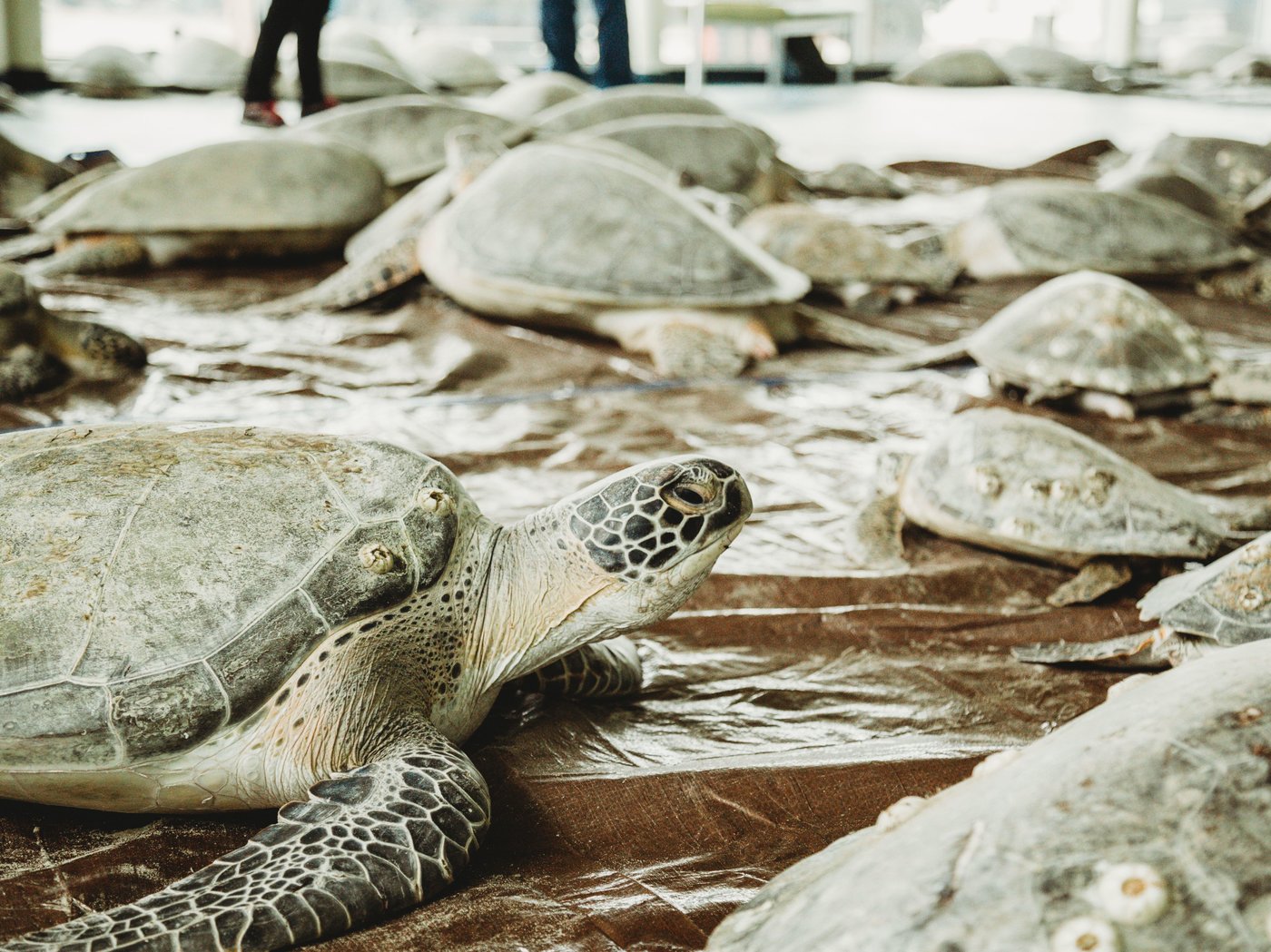
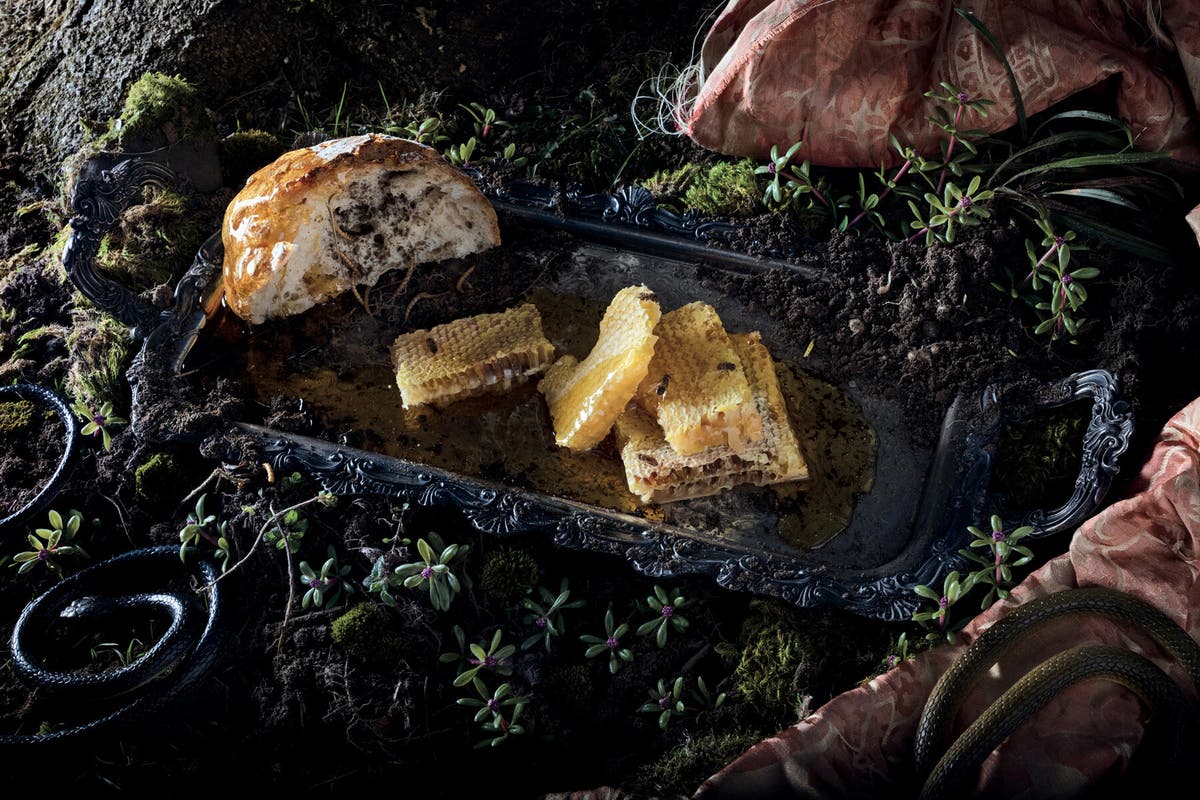
The South Padre Island Convention Center opened its doors and took in thousands of sea turtles cold-stunned during the Valentine’s Week Winter Storm. UT Marine Science Institute

Thanks to National Public Radio (USA) for this:

Texas ‘Cold-Stun’ Of 2021 Was Largest Sea Turtle Rescue In History, Scientists Say

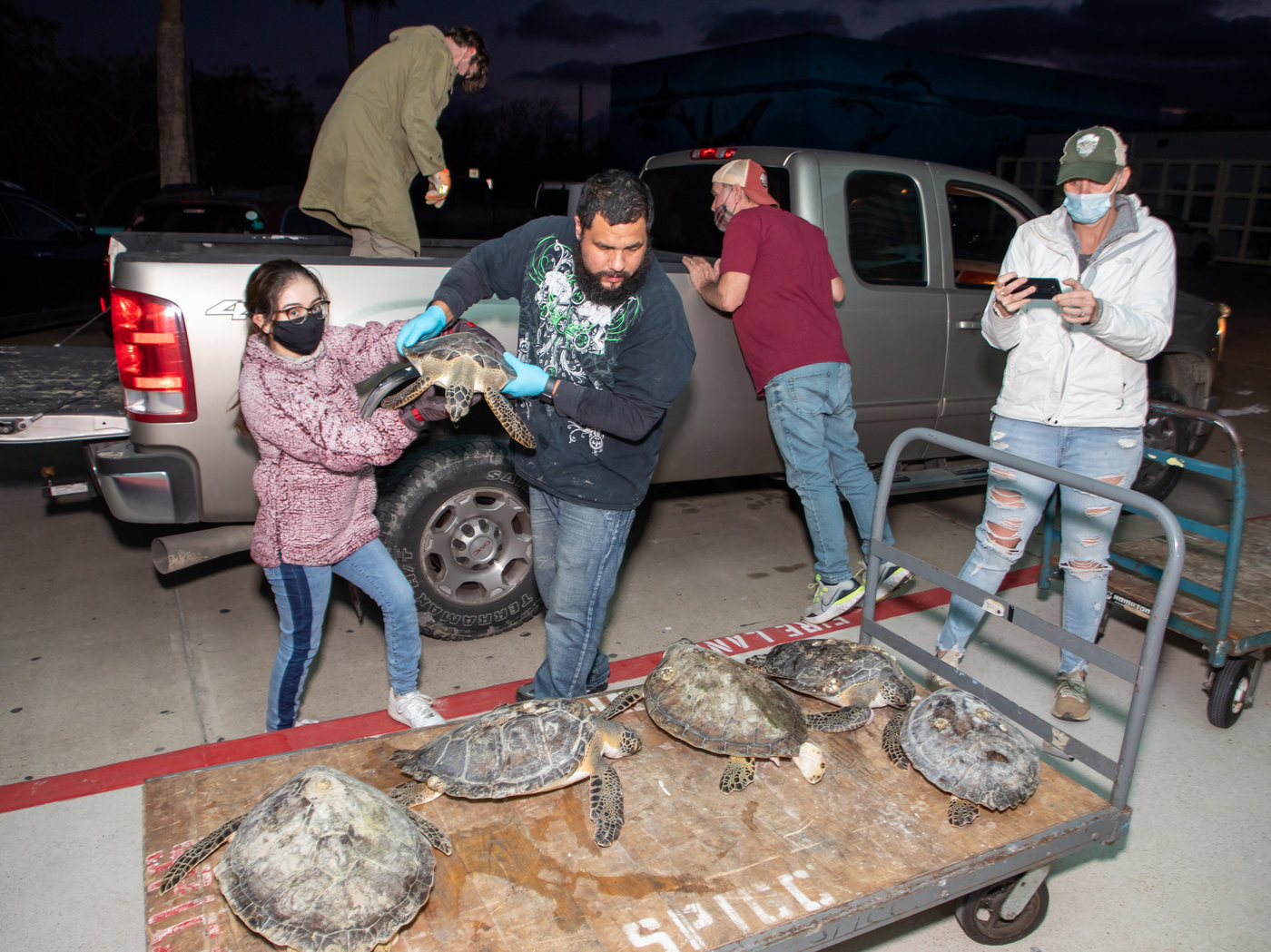
Volunteers bringing in many lethargic turtles. John Faulk/Frontera Media

The Valentine’s Day winter storm of 2021 left Texans shivering in the dark, but that didn’t stop intrepid volunteers from heading out into the suddenly frigid waters of the Gulf Coast to save thousands of sea turtles at risk of dying. This is the story of the largest sea turtle “cold-stun” event in recorded history, according to scientists. Continue reading

Obvious Conservation Stakeholders, Finally At The Table

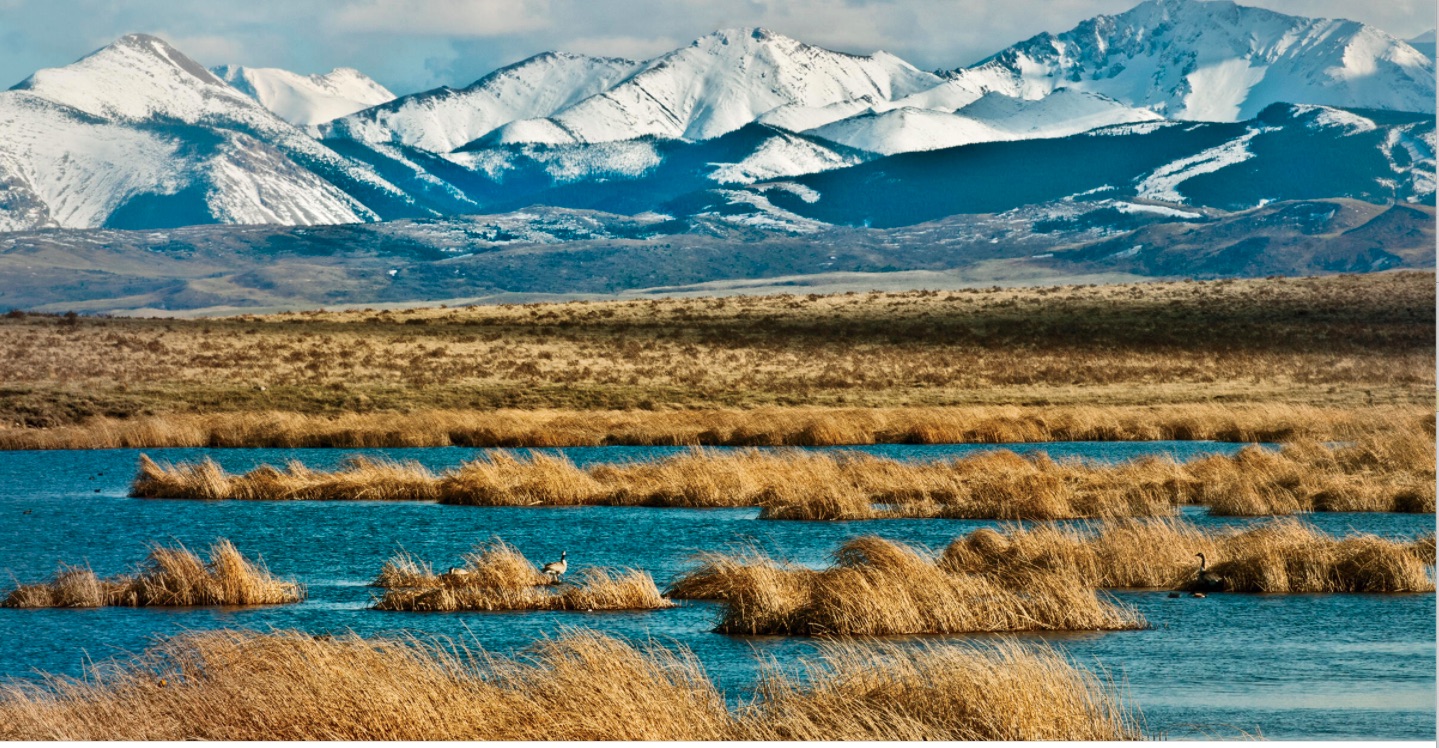
Canada Geese and other waterfowl occupy wetlands in the Badger-Two Medicine area of Montana. Members of the Blackfeet Nation hold the area sacred and are working to protect it permanently. Photo: Tony Bynum

Indigenous communities might seem obvious stakeholders in the protection of wilderness areas, but it does not always, or even often, play out that way. Graham Lee Brewer, a reporter for Audubon Magazine, has this to say about changes in the works:

Tribes Could Play a Crucial Role in Achieving a Bold New Conservation Goal

An emerging effort to protect 30 percent of the country’s land and water is an opportunity to strengthen tribal sovereignty and heed Indigenous ecological knowledge, experts say.

For nearly four decades the Blackfeet Nation has fought off attempts to drill for oil and gas in Montana’s Badger-Two Medicine area. Nestled in a national forest beside Glacier National Park, the region’s sweeping valleys, rivers, and wetlands—almost entirely unmarred by roads—form the setting of the Blackfeet creation story and host tribal ceremonies today. Continue reading