PEXELS
Thanks to Yale e360 Digest:
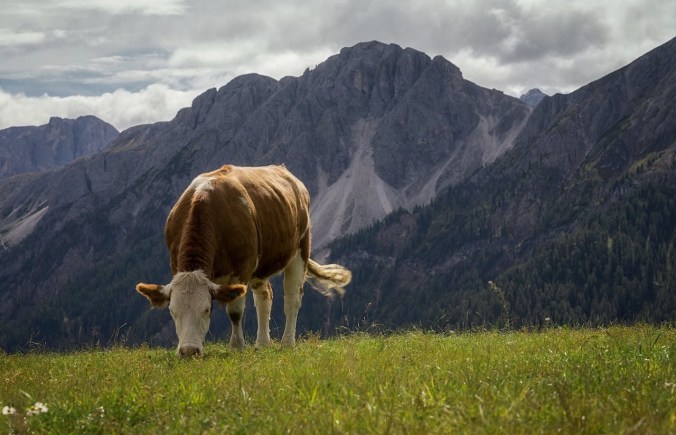
How Lightly Grazed Lands Can Lock Away Carbon
A new study finds that scaling back grazing on most pastureland worldwide would dramatically increase the amount of carbon stored in soils. Continue reading
PEXELS
Thanks to Yale e360 Digest:
How Lightly Grazed Lands Can Lock Away Carbon
A new study finds that scaling back grazing on most pastureland worldwide would dramatically increase the amount of carbon stored in soils. Continue reading
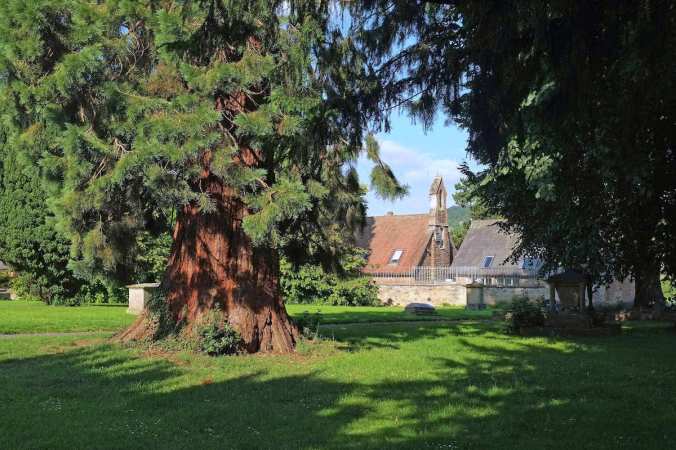
A giant sequoia in Bromyard, England. DEREK HARPER VIA GEOGRAPH
Thanks to Yale e360:
Under Threat in Their Native California, Giant Sequoias Are Thriving in Britain
Worsening drought and wildfires in California are pushing giant sequoias, the biggest trees on Earth, into decline. But sequoias that have been planted in Britain are flourishing, new research finds. Continue reading
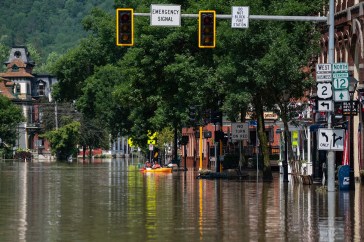
Vermont’s capitol city, underwater in epic July flooding that wrecked most of Montpelier’s retail district
Holding the responsible accountable is part of Bill McKibben’s objective; he also provides sunshine. Subscribe to this newsletter if you can:
States are considering ‘climate superfund’ laws to hold Big Oil accountable
One prong of the climate fight involves installing so much renewable energy that fossil fuel use actually declines dramatically—a few places are finally showing that’s possible, like sunny Germany which last week said emissions in 2023 dropped more than ten percent. Continue reading

An artist’s rendering of the Manhattan Healing Forest. Courtesy of SUGi
Thanks to Cara Buckley for another in her long line of tree stories:
Coming Soon to Manhattan, a Brand-New Tiny Forest
Pocket-size forests filled with native plants have been embraced worldwide for their environmental benefits. Now one is planned for New York City.
A trend that’s gaining momentum around the world is set to finally arrive in Manhattan. It’s a tiny forest, to be planted on the southern end of Roosevelt Island, in the East River, this spring. According to its creators, it would be the first of its kind in the city and would consist of 1,000 native plants, trees and shrubs, covering just 2,700 square feet. Continue reading

Amistad label circa 2019
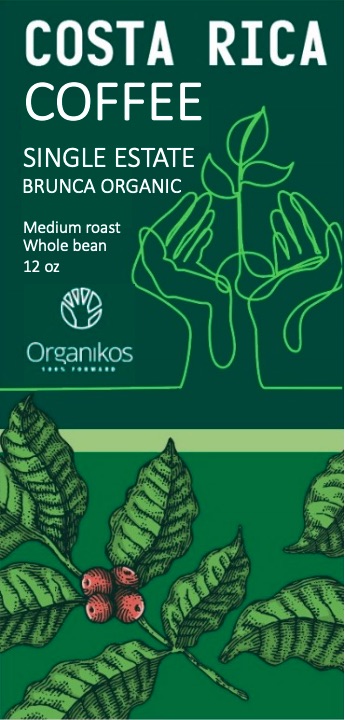
Amistad label 2020-2023
We have been offering this Hacienda La Amistad coffee since 2019. The original label, seen in the photo above, was one we thought perfect for its simplicity.
During the pandemic, with time on our hands, we redesigned all of our labels and came up with this label to the left. It served us well over the last few years, as we expanded from selling only in the Authentica shops in Costa Rica to also roasting and selling in the USA.
Starting in early 2024 we began rethinking all of our coffee labels. We approached the task region by region, with the blends and the single estates following a common design style. We saved this coffee for last, for no particular reason, but yesterday the rainbow over the farm was our signal that it was time to release the new label:
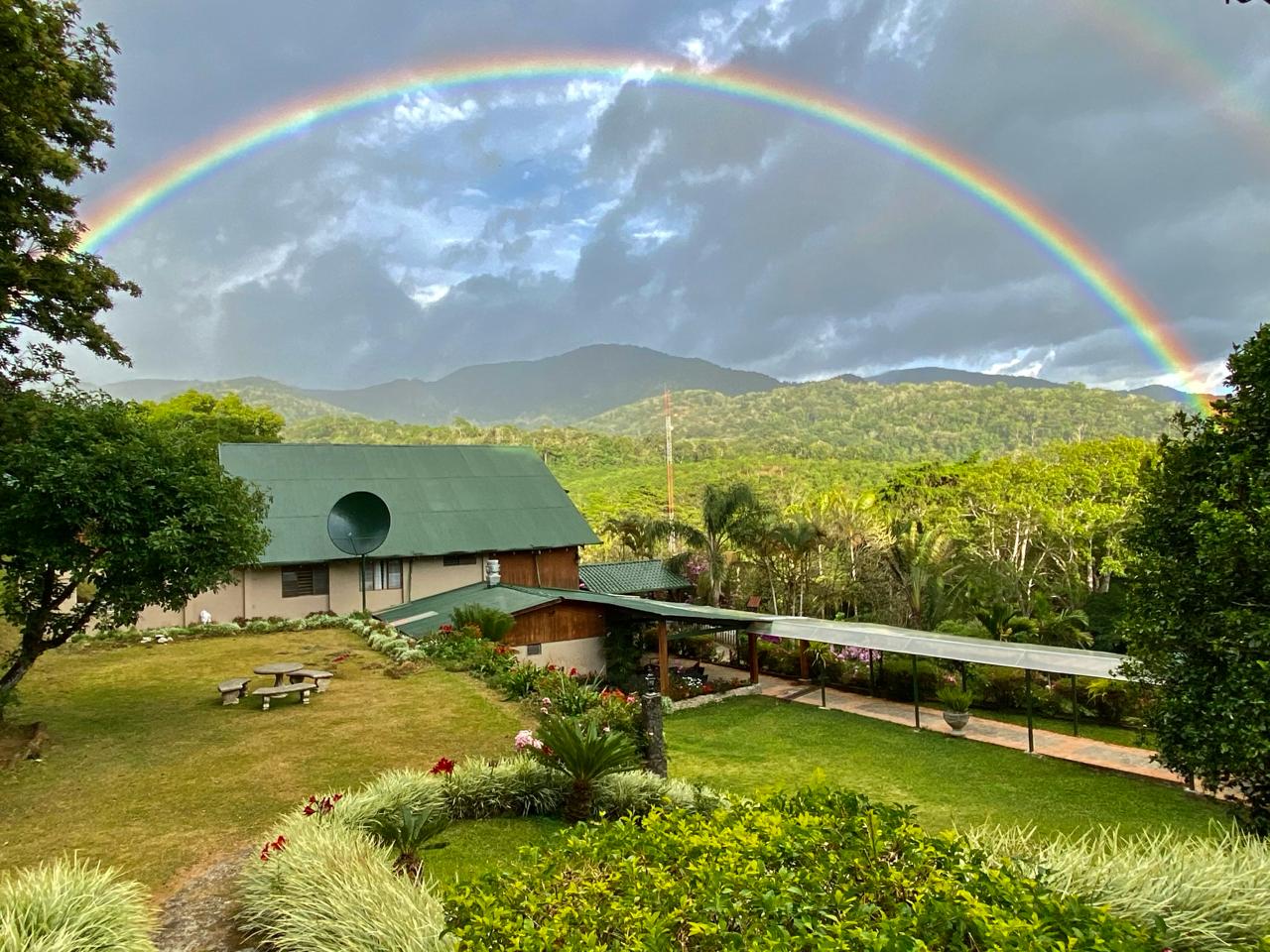
Hacienda La Amistad March 10, 2024
Thank you to the farm for the inspiration:

Amistad label, 2024
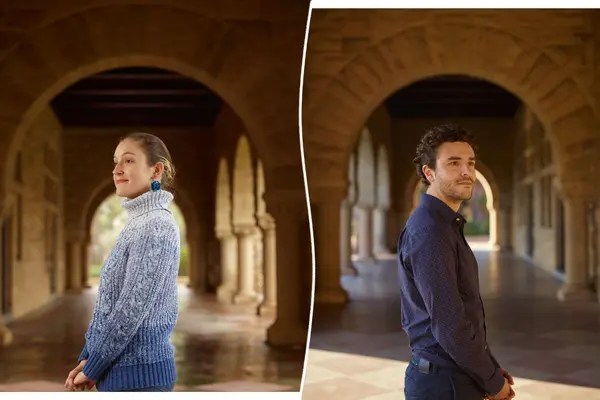
Her work is funded by Exxon, he’s skeptical of industry. Rebecca Grekin, left, and Yannai Kashtan at Stanford, where they study and teach.
We have made our views on Exxon clear, and also been open to new ways of thinking about them. In the spirit of being open to new ways of thinking, without being foolish, this story is worth a read:
He Wants Oil Money Off Campus. She’s Funded by Exxon. They’re Friends.
The two friends, both climate researchers, recently spent hours confronting the choices that will shape their careers, and the world. Their ideas are very different.
Two good friends, Rebecca Grekin and Yannai Kashtan, met up one crisp December morning at Stanford University, where they both study and teach. The campus was deserted for the holidays, an emptiness at odds with the school’s image as a place where giants roam, engaged in groundbreaking research on heart transplants, jet aerodynamics, high-performance computing. Work that has changed the world. Continue reading
(Photo credit: kevin dooley / CC BY 2.0)
Thanks to Yale Climate Connections for this:
High schoolers helped develop Tuscon’s climate action plan
They may not be able to vote yet, but they’re already having an influence.
In the past few years, young people have made headlines with their fight against climate change. Continue reading
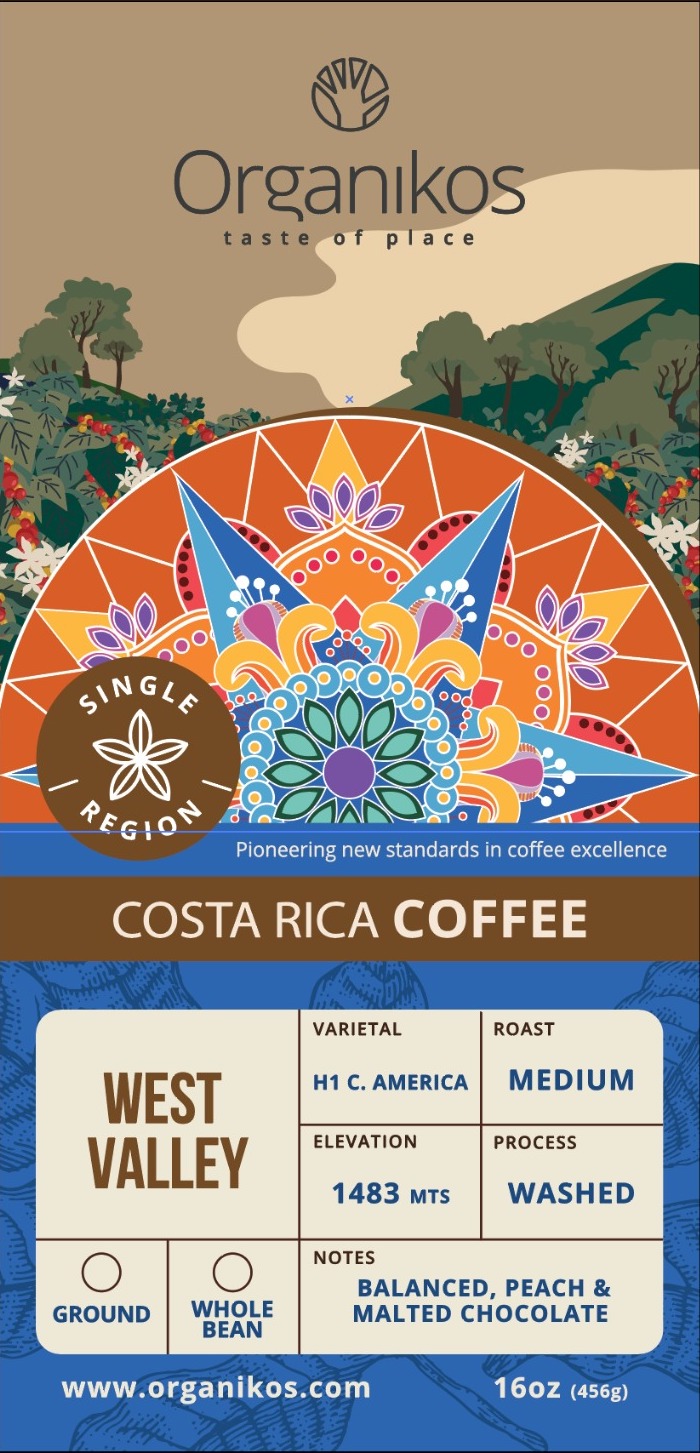 Historically the West Valley region of coffee farms were different from other coffee-growing regions of Costa Rica. One of the hallmarks of this country’s coffee farming culture has been the regional cooperative into which virtually all top quality beans get sold to. West Valley also had its own cooperative, but not the type of solidarity typical of Tarrazu.
That has changed recently, as a new generation of farmers have taken over the family enterprise, many educated now not only in agronomy but also entrepreneurship. They see that innovative practices–crop yield and quality improvements–can be advanced in conjunction with those who are otherwise competitors. West Valley farmers learned this and practice it, now making some of the best coffee on hand.

Shawn Heinrichs
Marine biologists are full of surprises, and those who study whales sometimes give the best surprises. Thanks to Ross Andersen and The Atlantic for this story:
HOW FIRST CONTACT WITH WHALE CIVILIZATION COULD UNFOLD
If we can learn to speak their language, what should we say?
One night last winter, over drinks in downtown Los Angeles, the biologist David Gruber told me that human beings might someday talk to sperm whales. In 2020, Gruber founded Project CETI with some of the world’s leading artificial-intelligence researchers, and they have so far raised $33 million for a high-tech effort to learn the whales’ language. Gruber said that they hope to record billions of the animals’ clicking sounds with floating hydrophones, and then to decipher the sounds’ meaning using neural networks. I was immediately intrigued. For years, I had been toiling away on a book about the search for cosmic civilizations with whom we might communicate. This one was right here on Earth. Continue reading
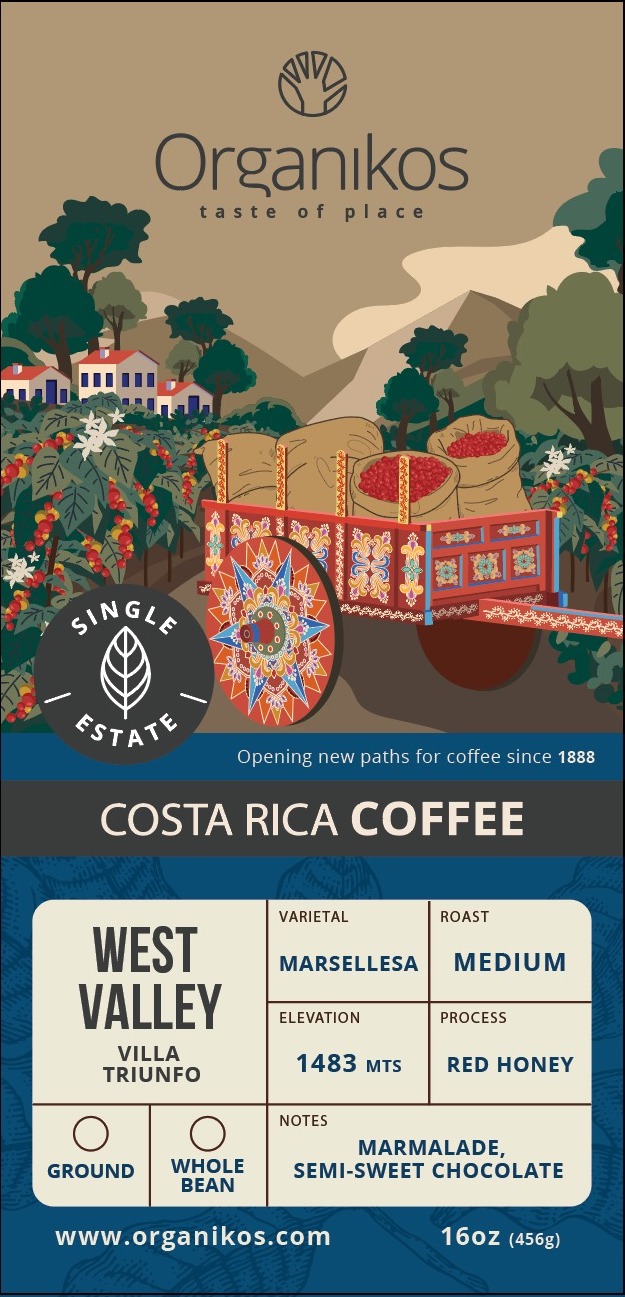 We have shared a few posts in these pages mentioning Villa Triunfo, but now we have designed a new label for it. So, time to celebrate that. What is most important to us about the farm is that it is one of the oldest continuously operating coffee farms in Costa Rica, since its first plantings in the late 1800s.
That, and the fact that today it is also one of the more innovative in terms of pioneering hybrids that help the coffee stay fit in the context of climate change and the various challenges (such as the uniquely problematic mold that is called rust). It is the end of harvest season, when coffees in the West Valley are being processed. The red honey process used for this coffee allows all the sugars from the juicy fruit to absorb into the beans. We look forward to cupping it soon.

People work to reforest Allegheny National Forest in Pennsylvania circa 1934.
Photograph: Universal History Archive/Universal Images Group via Getty Images
Planting trees, we have noted, is smart policy. Some campaigns may have stretched beyond scientific evidence, but science has given us plenty to go on:
Very cool: trees stalling effects of global heating in eastern US, study finds
Vast reforestation a major reason for ‘warming hole’ across parts of US where temperatures have flatlined or cooled
Civilian Conservation Corps workers plant 15,000,000 trees across the wastelands of southern Mississippi on 11 April 1940. They are part of the United Forest Service which will re-establish forests destroyed by logging and lumbering operations decades ago. Photograph: AP
Trees provide innumerable benefits to the world, from food to shelter to oxygen, but researchers have now found their dramatic rebound in the eastern US has delivered a further, stunning feat – the curtailing of the soaring temperatures caused by the climate crisis.
While the US, like the rest of the world, has heated up since industrial times due to the burning of fossil fuels, scientists have long been puzzled by a so-called “warming hole” over parts of the US south-east where temperatures have flatlined, or even cooled, despite the unmistakable broader warming trend. Continue reading

A press release for this report above summarizes the findings:
Carbon Clean 200 Companies Outperform Dirty Energy by 39%
The 11th cohort of global Clean200 leaves dirty energy investments in the dust
As You Sow and Corporate Knights today released their 11th update of the Carbon Clean200™, a list of 200 publicly traded companies worldwide leading the way among global peers to a clean energy present and future. These companies generated almost double the returns of the main fossil fuel index from July 1, 2016, to January 15, 2024, despite geopolitical tensions that have favored fossil fuel stocks in the past two years. Continue reading
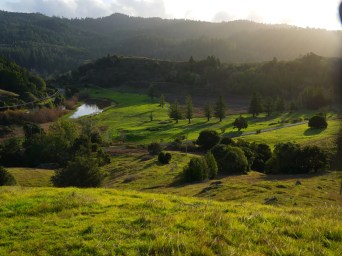
The San Geronimo Golf Course is being reclaimed and rewilded and is now known as San Geronimo Commons. Jim Wilson/The New York Times
Golf is known to be problematic. But then again, what is not problematic? And we appreciate seeing cases where golf gives way to nature. Our thanks to Cara Buckley for bringing this story to our attention in the New York Times. We applaud the imagination of those responsible:
After Shutting Down, These Golf Courses Went Wild
The restoration of the San Geronimo land is still underway. Trails are planned that would skirt sensitive habitat and help to make it starkly different from its time as a golf course. Jim Wilson / The New York Times Image
Most defunct golf courses get paved over, but a number are getting transformed into ecological life rafts for wildlife, plants — and people.
There was scraggly grass in one sand trap and wooden blocks and a toy castle in another, evidence of children at play. People were walking their dogs on the fairway, which was looking rather ragged and unkempt. This was only to be expected. Continue reading

Activists protest against fossil fuels and in particular fracking and liquefied natural gas, or LNG, on day eight of the UNFCCC COP28 Climate Conference at Expo City Dubai on December 8, 2023, in Dubai, United Arab Emirates. (Photo by Sean Gallup/Getty Images)
The news was hailed weeks ago as a big deal. Yale Climate Connections takes the proclomation a step further:
Why Biden’s pause on new LNG export terminals is a BFD
The administration’s move puts a spotlight on a potent climate-warming gas: methane, the main ingredient in natural gas.
Natural gas has long been touted as a “bridge fuel” to a clean energy future that gets all its power from renewable sources like wind, solar, and geothermal power. Continue reading
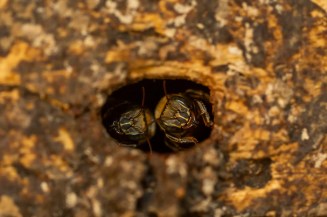
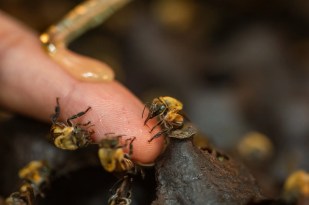
Melipona eburnea, a species of bee, is native to the Amazon. Unlike the more familiar but invasive honey bees from Africa and Europe that have spread through the Americas, these bees don’t sting. Ana Elisa Sotelo for National Geographic
The countless wonders of bees, as well as the many problems they now face, have made Melipona bees, also known as stingless bees, of particular interest to our daily scan for news stories:
In Peru, a Mission to Save the Stingless Bee
Native to the tropics, these pollinators are taking a lead role in one of the latest efforts to conserve the Amazon rainforest.
The Amazon is home to hundreds of species of stingless bee, but as deforestation converts the tropical landscape into farms and ranches, these and other native pollinators are in danger of disappearing. Ana Elisa Sotelo for National Geographic
As a child, Heriberto Vela, an Indigenous resident of Loreto, Peru, watched his father pull nests of wild stingless bees from trees in the Amazon forest. Together, the two then extracted honey from the nests to help cure colds and other ailments.
Stingless bees are native to the Amazon, unlike the more familiar but invasive honey bees from Africa and Europe that have spread through the Americas. The most obvious difference, perhaps, is that stingless bees don’t sting. Their honey, which is runny enough to be drunk like a liquid and is said to have a citrusy aftertaste, is used by many Indigenous Peruvians as a natural medicine. Continue reading
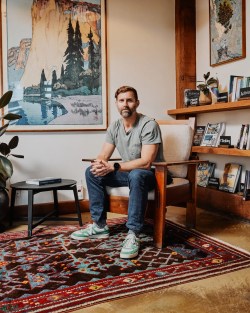
Greg Curtis, the former deputy general counsel of Patagonia, is responsible for giving away huge sums of money to causes that are aligned with Patagonia’s history of environmental activism. Adam Amengual for The New York Times
When news broke about the company’s future, we were in awe; since then we heard little so this is a welcome update:
Patagonia’s Profits Are Funding Conservation — and Politics
$71 million of the clothing company’s earnings have been used since September 2022 to fund wildlife restoration, dam removal and Democratic groups.
A little more than $3 million to block a proposed mine in Alaska. Another $3 million to conserve land in Chile and Argentina. And $1 million to help elect Democrats around the country, including $200,000 to a super PAC this month.
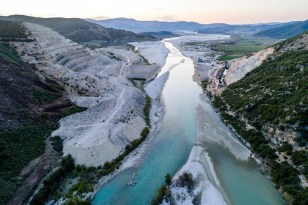
The site of the Kalivac Dam on the Vjosa River in Albania, where Holdfast has funded a major conservation project. Andrew Burr/Patagonia
Patagonia, the outdoor apparel brand, is funneling its profits to an array of groups working on everything from dam removal to voter registration.
In total, a network of nonprofit organizations linked to the company has distributed more than $71 million since September 2022, according to publicly available tax filings and internal documents reviewed by The Times. Continue reading

A wind farm in rural Scotland. THE SCOTTISH GOVERNMENT
Not exactly manatee charisma, but another ray of sunshine from a place we have been cheering from a distance for a few years now:
Scotland’s Renewable Output More Than 100 Percent of Demand
For the first time, in 2022, Scottish renewables generated more power than the country used, new government figures show.
The growth of wind power, coupled with a small drop in electricity consumption, meant that the volume of electricity produced by renewables in Scotland was equal to 113 percent of demand. Continue reading
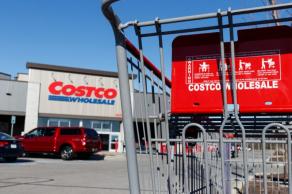
Costco is being urged to cut ties with Citi, the bank that acts as its credit card issuer.
We knew about dirty banking, and now this story from Bill McKibben’s newsletter got us reading about change activism in Progressive Grocer:
Costco Becomes Target of Climate Action Petition
Wholesaler’s credit card issuer Citi is said to have a poor climate record
Costco Wholesale CEO Ron Vachris will receive a petition signed by 40,000 of its shoppers, shareholders and many climate activists on Jan. 17 urging the retailer to drop Citi as its credit card issuer due to the bank’s problematic climate record. Continue reading
 The vertical farming part of this concept is one we have linked to many times. The appeal is not difficult to grasp even if sometimes the concept is stretched. This is different and worth hearing him out:
Dickson Despommier Wants Our Cities to Be Like Forests
A leading proponent of vertical farming discusses how urban areas should adapt to a perilous environmental future.
Illustration by Daniele Castellano
In 2000, Dickson D. Despommier, then a professor of public health and microbiology at Columbia University, was teaching a class on medical ecology in which he asked his students, “What will the world be like in 2050?,” and a follow-up, “What would you like the world to be like in 2050?” As Despommier told The New Yorker’s Ian Frazier in 2017, his students “decided that by 2050 the planet will be really crowded, with eight or nine billion people, and they wanted New York City to be able to feed its population entirely on crops grown within its own geographic limit.” Continue reading
 Bibi van der Zee’s reviews and other articles in the Guardian are always insightful:
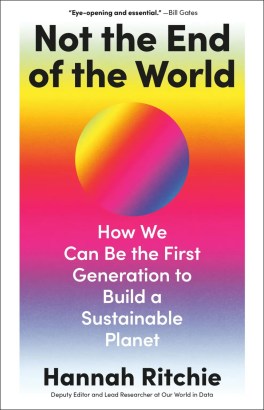
Not the End of the World by Hannah Ritchie review – an optimist’s guide to the climate crisis
This book is full of pragmatic, hopeful solutions to environmental challenges. But is there something missing?
Data scientist Hannah Ritchie has written a good-hearted, generous book that tries its very best to reassure us about the various environmental crises we face. Which, obviously, is much appreciated: God knows we need all the optimism we can get.
Ritchie is lead researcher at the groundbreaking Our World in Data, a website run out of Oxford University. She begins by describing the moment of revelation she experienced when, after years of feeling helpless and anxious about the state of things, she discovered the Swedish professor Hans Rosling, and “everything changed”. Continue reading



 Organikos