Heirloom Captures Carbon

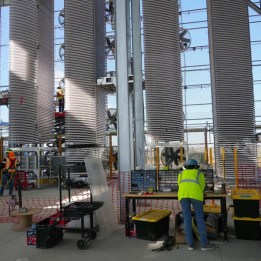
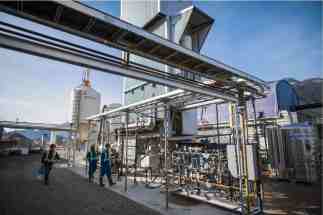
Heirloom’s plant in Tracy, Calif., pulls carbon dioxide from the air so it can be sealed permanently in concrete. Jim Wilson/The New York Times

We have been waiting for this day to arrive:

In a U.S. First, a Commercial Plant Starts Pulling Carbon From the Air

The technique is expensive but it could help fight climate change. Backers hope fast growth can bring down costs.

In an open-air warehouse in California’s Central Valley, 40-foot-tall racks hold hundreds of trays filled with a white powder that turns crusty as it absorbs carbon dioxide from the sky.

The start-up that built the facility, Heirloom Carbon Technologies, calls it the first commercial plant in the United States to use direct air capture, which involves vacuuming greenhouse gases from the atmosphere. Continue reading

Crowdsourcing & OED

Illustration by Paul Spella / The Atlantic. Sources: Wikimedia; Getty.

The origins and uses of words have been of interest to us since early on, because the terminology around conservation is relatively young; also because words are essential to the cause. Stephanie Hayes, writing this review in the Atlantic, reminds us to keep paying attention to how we know what we know about words:

Who Made the Oxford English Dictionary?

A new book gives life to one of the world’s greatest crowdsourcing efforts.

The Oxford English Dictionary always seemed to me like the Rules from on high—near biblical, laid down long ago by a distant academic elite. But back in 1857, when the idea of the dictionary was born, its three founders proposed something more democratic than authoritative: a reference book that didn’t prescribe but instead described English, tracking the meaning of every word in the language across time and laying out how people were actually using each one. Continue reading

Frogs, Western Ghats & Science

Sathyabhama Das Biju (from left), James Hanken, Harvard’s Alexander Agassiz Professor of Zoology, and Sonali Garg during a June 2023 field trip to study amphibians in the Western Ghats, a biodiversity hotspot in India. Photo by A.J. Joji

During our seven years living and working in the Western Ghats we came to appreciate frogs through the eyes of our family, those of our staff, as well as travelers and occasional scientific references (the man on the left in the photo to the left having shown up in our pages one of those times). Good to know that the science is being shared for good cause, thanks to Anne J. Manning in this article for the Harvard Gazette:

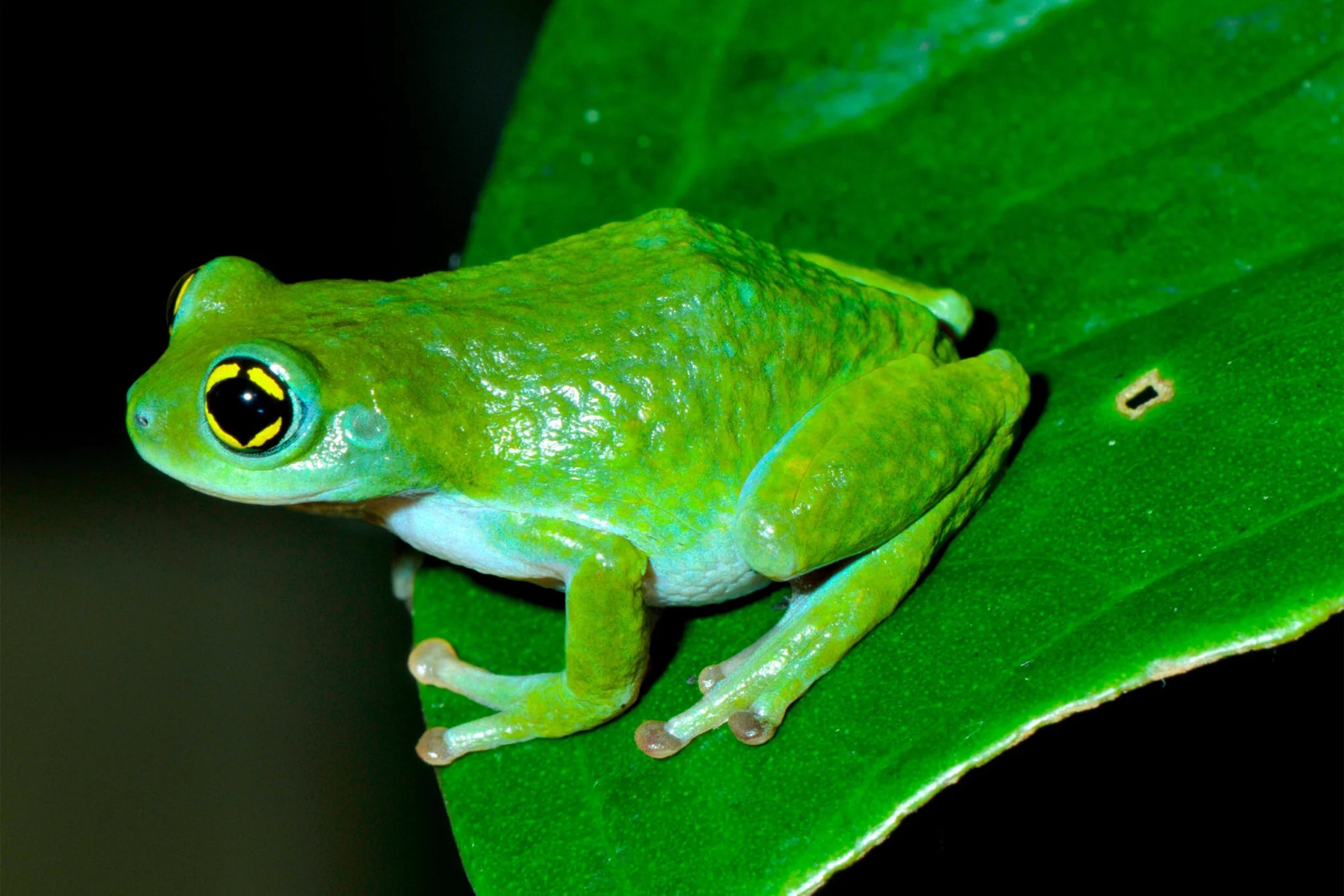
The Indian Purple Frog, first described by Sathyabhama Das Biju in 2003.

Who will fight for the frogs?

Indian herpetologists bring their life’s work to Harvard just as study shows a world increasingly hostile to the fate of amphibians

Having pulled themselves from the water 360 million years ago, amphibians are our ancient forebears, the first vertebrates to inhabit land.
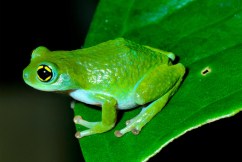
After 136 years from its original description, Günther’s shrub frog was recently rediscovered in the wild. Credit: S.D. Biju and Sonali Garg

Now, this diverse group of animals faces existential threats from climate change, habitat destruction, and disease. Two Harvard-affiliated scientists from India are drawing on decades of study — and an enduring love for the natural world — to sound a call to action to protect amphibians, and in particular, frogs.

Sathyabhama Das Biju, the Hrdy Fellow at Harvard Radcliffe Institute and a professor at the University of Delhi, and his former student Sonali Garg, now a biodiversity postdoctoral fellow at Harvard’s Museum of Comparative Zoology, are co-authors of a sobering new study in Nature, featured on the journal’s print cover, that assesses the global status of amphibians. It is a follow-up to a 2004 study about amphibian declines.
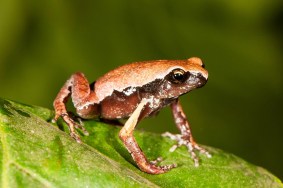
Franky’s narrow-mouthed frog is among the threatened species. Credit: S.D. Biju and Sonali Garg

Biju and Garg are experts in frog biology who specialize in the discovery and description of new species. Through laborious fieldwork, they have documented more than 100 new frog species across India, Sri Lanka, and other parts of the subcontinent.

According to the Nature study, which evaluated more than 8,000 amphibian species worldwide, two out of every five amphibians are now threatened with extinction. Climate change is one of the main drivers. Continue reading

Civil Disobedience & Civil Response

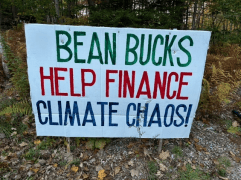
A sign made by William Rixon, who has been protesting L.L. Bean’s partnership with Citibank to offer the Bean Bucks credit card. Courtesy photo

Thanks to Bill McKibben for bringing this to our attention. And kudos to L.L. Bean’s CEO for having the decency to respond to this activist’s efforts to raise awareness of the company’s climate-unfriendly banking choice. Iconic companies messaging their environmental responsibilities need to be held to the same standard as the lousiest companies.

Climate demonstrator outside L.L. Bean gets surprise visit from CEO

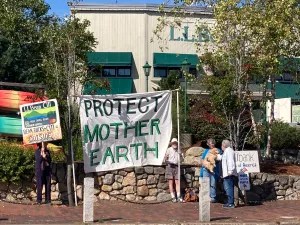
Bill Rixon outside the L.L. Bean retail store earlier this month. He was joined by Molly Schen, a member of Third Act Maine. Luna Soley / The Times Record

Freeport resident and retired schoolteacher William Rixon has been demonstrating outside L.L. Bean since the beginning of September. This week, he got a response.

“PROTECT MOTHER EARTH,” William Rixon’s homemade climate banner reads. Assembled with drop cloth and PVC piping, it stands at 10 feet, dwarfing Rixon.

Since September, Rixon and a group of fellow retirees have been standing with signs outside L.L. Bean’s sprawling downtown Freeport campus as well as its corporate headquarters just down the road. Continue reading

Going The Extra Mile For Monarch Butterflies

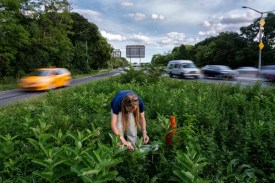
Ms. Elman collects butterfly eggs from milkweed plants growing wild along New York City’s highways. Karine Aigner

Some of the best stories are about people who go the extra mile for others:

To Save Monarch Butterflies, They Had to Silence the Lawn Mowers

An unlikely group of New Yorkers is winning small victories in the battle to protect butterfly habitats.

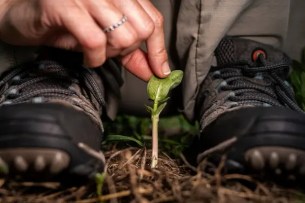
The small white dot under a milkweed plant is a monarch butterfly egg. Karine Aigner

The Long Island Expressway is not generally a place people linger, unless they’re stuck in traffic.

But during the summer, Robyn Elman can often be found walking alone near the highway’s shoulder, inspecting scraggly patches of overgrown milkweed. The plant is the only source of nutrition for monarch caterpillars before they transform into butterflies. Continue reading

Fossil Fuel-free Ammonia

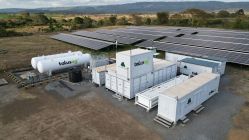
A fossil fuel-free ammonia plant at the Kenya Nut Company, near Nairobi. TALUS RENEWABLES

Alternative fertilizer has been something of an environmental holy grail, and this technology looks to be large step in the right direction. Have a look at the two companies mentioned in this Yale e360 news short:

Farm in Kenya First to Produce Fossil-Free Fertilizer On Site

The Kenya Nut Company, near Nairobi, will be the first farm in the world to produce fertilizer, on site, that’s free of fossil fuels.

small fertilizer plant, built by U.S. startup Talus Renewables, will use solar power to strip hydrogen from water. Continue reading

Really, Cargill?

Beka will hand-deliver a letter to the Cargill-MacMillian dynasty in Minneapolis on Thursday, calling on the billionaire owners of America’s biggest private company to stop destroying the Amazon rainforest and its people. Photograph: Thalia Juarez/The Guardian

Cargill has appeared a few times in our pages over the years, not always showing poor stewardship. But today, we have to ask whether they really are trying as diligently as possible to do the right thing. We applaud Beka and her community for this letter, and hope the recipients respond with the sense of responsibility that comes with their wealth:

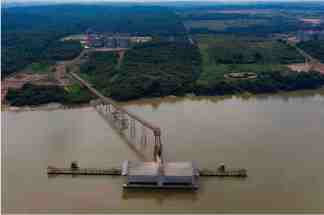
A Cargill transshipment port for soy and corn projects on the Tapajos River in Itaituba, Para state, Brazil, in 2019. Photograph: Léo Corrêa/AP

‘Our world hangs by a thread’: Indigenous activist asks US agri giant to stop destroying Amazon rainforest

Beka Saw Munduruku , 21, traveled 4,000 miles to deliver letter and confront family behind Cargill empire over what she says amounts to a litany of broken promises

A 21-year-old Indigenous activist from a remote Amazonian village will hand deliver a letter to the Cargill-MacMillan dynasty in Minneapolis on Thursday, calling on the billionaire owners of the US’s biggest private company to stop destroying the Amazon rainforest and its people. Continue reading

With Exceptional Wealth Comes Exceptional Responsibility

Chuck Feeney’s stealthy giving earned him a nickname: “the James Bond of Philanthropy.” Atlantic Philanthropies

May the exceptionally wealthy take note of the example set by Chuck Feeney. Only once have we used the word billionaire in these pages, but a couple of times we pointed to this remarkable man who gave away all his billions while alive, and now that story is complete:

Chuck Feeney’s Legacy Is a Lesson for America’s Billionaires

Yes, the man avoided taxes, but he gave away his fortune, seeking nothing in return.

The selfless billionaire is a rare creature indeed. Chuck Feeney, who died on Monday at the age of 92, was one of them. Continue reading

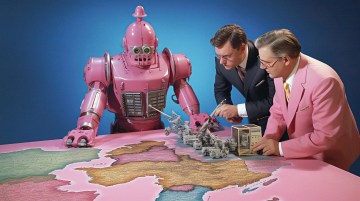
Dear AI Overlords, Reviewed

Virginia Heffernan has appeared in our pages only once before, also reviewing a book. She is one of the great writers in the English language, but often on topics not connected to our themes here. While we mostly are interested in topics related to the natural world, and we know that this topic is a whole other realm, we can guess that AI’s impact on the natural world is part of what the title of this issue of Wired will mean to us pretty soon:

What If the Robots Were Very Nice While They Took Over the World?

First it was chess and Go. Now AI can beat us at Diplomacy, the most human of board games. The way it wins offers hope that maybe AI will be a delight.

THE MORRISSEY HAD the right melodrama in his limbs, and his voice was strong and pained. I was at Gramercy Theatre in Manhattan to see a Smiths tribute band. I tried to get Morrissey’s acid yodel in my throat, to sing along. I am human and I need to be loved / just like everybody else does. But it didn’t feel right to copy a copy. Continue reading

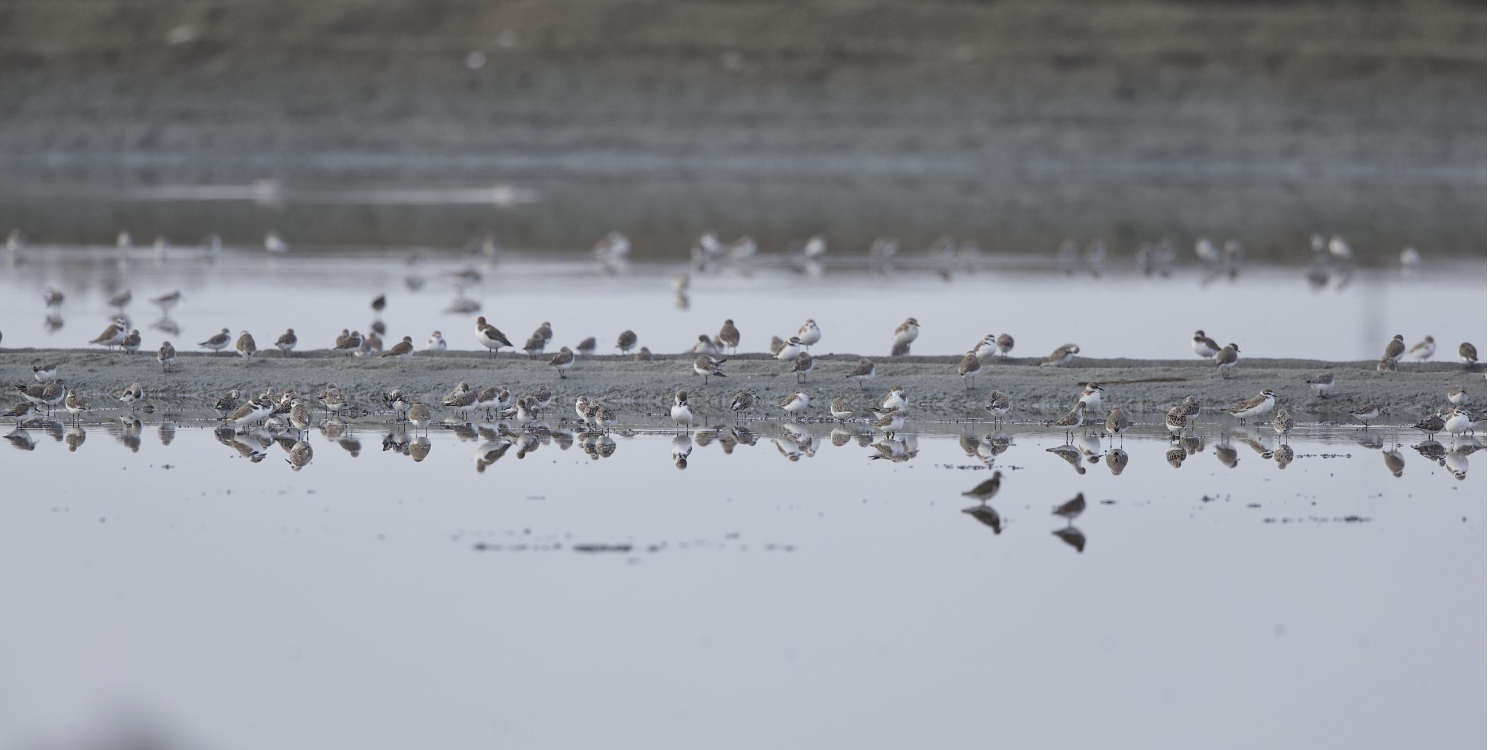
Stories from the Field: Birding with Clement Francis

Tawny Eagle

Fast forward to June of 2012, when I started scouting for birds in the grasslands. Clement Francis showed me the birds of Hesaraghatta. Clement is a topnotch bird photographer. I was amazed at his skills. He could identify every bird there and explained their features and behaviour. We roamed around the grasslands in our car and upon sighting a raptor on the ground, Clement would approach the bird from the car, going around it in wide circles, gradually reducing the distance from the bird. As I sat on the passenger seat with my lens rested on the car door, Clement whispered to me not to make eye contact with the bird, or make any large movements while he parked the car at the comfort-distance and with the sunlight behind us. He approached the bird with such skill that it never felt threatened as he mumbled the ideal camera settings for perfect photographs under his breath. He gave me very valuable lessons in approaching the various species of the grasslands, while advising on the ideal light conditions and inculcated patience in making handsome pictures. Continue reading

Future Fruits & Vegetables

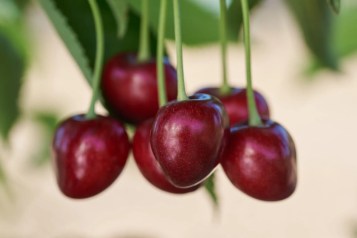
The Cheery line of cherries has been developed to do well even if temperatures rise. BLOOM FRESH

Agricultural adaptation to a changing climate has caught our attention frequently with regard to wine grapes. Thanks to Kim Severson for this look at other fruits and vegetables:

Hot-weather cherries, drought-resistant melons and six other crops in the works that could change how we eat in a fast-warming world.

The Cosmic Crisp was bred at the University of Washington with a changing climate in mind. Credit…Ines Hanrahan/Washington Tree Fruit Research Commission

Plant breeders, by nature, are patient people. It can take them years or even decades to perfect a new variety of fruit or vegetable that tastes better, grows faster or stays fresh longer.

But their work has taken on a new urgency in the face of an increasingly erratic climate. Recent floods left more than a third of California’s table grapes rotting on the vine. Too much sunlight is burning apple crops. Pests that farmers never used to worry about are marching through lettuce fields.

Breeding new crops that can thrive under these assaults is a long game. Continue reading

CRISPR Silk

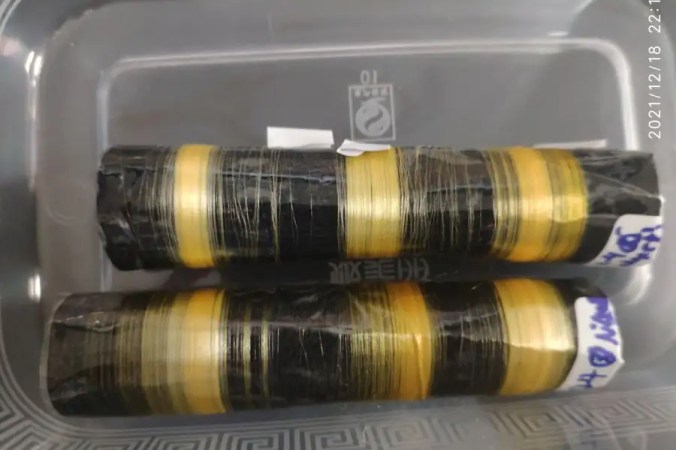
Spider silk fibres produced by silkworms. Junpeng Mi, Donghua University

This will be the fifth time for CRISPR in our pages. We suspend judgement each time we link to explanations of the technology, or new applications:

Silkworms genetically engineered to produce pure spider silk

Spider silk has been seen as a greener alternative to artificial fibres like nylon and Kevlar, but spiders are notoriously hard to farm. Now researchers have used CRISPR to genetically engineer silkworms that produce pure spider silk

Silkworms have been genetically engineered with CRISPR to produce pure spider silk for the first time. The worms could offer a scalable way to create things like surgical thread or bulletproof vests from spider silk, which is prized for its strength, flexibility and lightness. Continue reading

Reminder Primer On Meat & Dairy

Raul Arboleda / AFP via Getty Images

We have been preaching, and practicing, reduction in the consumption of meat and dairy for as long as we have been sharing on this platform. Reminders of why are always welcome. Our thanks to Max Graham, a Food and Agriculture Fellow at Grist for this reminder-primer:

What would happen if the world cut meat and milk consumption in half?

Agricultural emissions would fall by almost a third. But getting there wouldn’t be easy.

Cows are often described as climate change criminals because of how much planet-warming methane they burp. Continue reading

Species-Specific Safe Spaces

O’Keefe’s team designed bat boxes that offer a wide range of interior temperatures. Joy O’Keefe

We have pointed to stories about activism and entrepreneurship in the interest of protecting animal habitat plenty of times, but not so much on the science of the field work. As part of its Climate Desk collaboration Mother Jones shares this article originally published by Undark, written by Marta Zaraska, that addresses some of the science of species-specific safe spaces:

Inside Scientists’ Race to Create Safe Refuges for Animals

Climate crisis is destroying habitats. Can technology help create new ones?

Conservation ecologist Ox Lennon simulated stacks of rocks that would create crevices big enough for skinks, but too small for mice. Courtesy Ox Lennon

In 2016, Ox Lennon was trying to peek in the crevices inside a pile of rocks. They considered everything from injecting builders’ foam into the tiny spaces to create a mold to dumping a heap of stones into a CT scanner. Still, they couldn’t get the data they were after: how to stack rocks so that a mouse wouldn’t squeeze through, but a small lizard could hide safely inside. Continue reading

Carbon Capture, Scaled To Texas

A direct air capture system at the Carbon Engineering pilot facility in Squamish, British Columbia, Canada. Photograph: Bloomberg/Getty Images

Carbon capture technology has its skeptics, but it has steadily improved and is closer to proof of concept. Next step, scaling to Texas:

The world’s biggest carbon capture facility is being built in Texas. Will it work?

The plant will inject 500,000 tons of carbon dioxide into the ground each year – but is it just greenwashing from big oil?

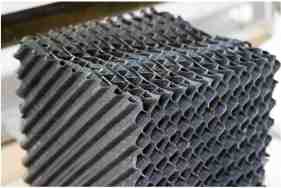
Plastic membrane used in the direct air capture system. Photograph: Bloomberg/Getty Images

Rising out of the arid scrubland of western Texas is the world’s largest project yet to remove excess carbon dioxide (CO2) from the atmosphere, a quest that has been lauded as essential to help avert climate catastrophe. The project has now been awarded funding from the Biden administration, even as critics attack it as a fossil fuel industry-backed distraction. Continue reading

Stories from the Field: Andaman and Nicobar Islands

Year 2015 was special for Shashank Dalvi. It was his “Big Year” – a birder’s personal challenge to identify as many species as possible within that time period. I had the opportunity to bird with him and learn from him earlier in the year. He is truly devoted to nature and fills up your brain with tonnes of useful and jaw-dropping information on all creatures in the wild. He decided to wrap the year finding the Nicobar Megapod and was travelling to the Andaman and Nicobar Islands. He managed to obtain permission with several Government departments for himself and our group of 8 birders to travel to Central and Great Nicobars before closing the year in Gujarat.

We were to leave for Port Blair on 15th December, and the timing couldn’t have been worse. Chennai and the east coast of India was drowned in rains. Ominous clouds moved in fast-forward mode. It was like watching a horror movie.

Nature’s fury rendered people and their deities helpless. Bridges and dams tumbled down. People were stranded in higher floors. More than 15 feet of water covered the low-lying residential areas.  The expedition was 5 days away.

I googled the weather pattern over Andamans and Nicobars. I could not see a bit of land. Just purple swirls. The first ever trip with legal documents to travel to any of the islands of Central and Great Nicobar might get washed out due to rains. Continue reading

Fungi & Fireproofing

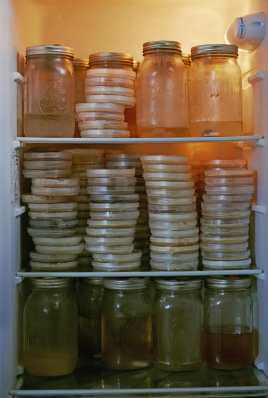
Mycologist Zach Hedstrom sprays a spore-infused liquid to inoculate debris from forest thinning.

Inside Boulder Mushroom’s laboratory, a refrigerator houses an array of agar plates containing diverse mycelium cultures.

We have paid attention to mycological wonders for long enough that surprises are rare; but they happen. Stephen Robert Miller’s reporting, with photography by Jimena Peck were published in the Washington Post and came to our attention by way of the Food & Environment Reporting Network, which is where you can read the entire article:

How mushrooms can prevent megafires

Thinning forests to prevent fires produces a lot of sticks and other debris, which also pose a fire risk. In Colorado and elsewhere, scientists are using fungi to turn those trimmings into soil.

Overgrown stands of lodgepole pine are a risk for megafires. Thinning the stands simulates the effects of a natural fire but also generates a large amount of biomass, called “slash,” which can also fuel forest fires.

If you’ve gone walking in the woods out West lately, you might have encountered a pile of sticks. Or perhaps hundreds of them, heaped as high as your head and strewn about the forest like Viking funeral pyres awaiting a flame.

These slash piles are an increasingly common sight in the American West, as land managers work to thin out unnaturally dense sections of forests — the result of a commitment to fire suppression that has inadvertently increased the risk of devastating megafires. Continue reading

ChatGPT & Whale Chat

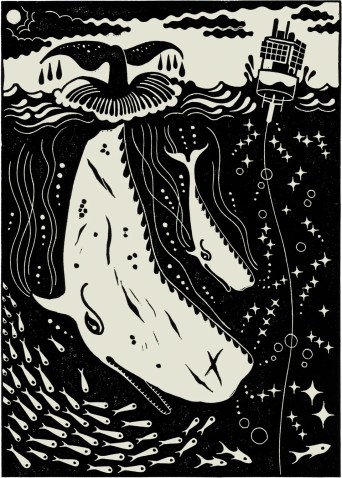
Sperm whales communicate via clicks, which they also use to locate prey in the dark. Illustration by Sophy Hollington

Thanks to Elizabeth Kolbert for this:

Can We Talk to Whales?

Researchers believe that artificial intelligence may allow us to speak to other species.

Ah, the world! Oh, the world!

—“Moby-Dick.”

David Gruber began his almost impossibly varied career studying bluestriped grunt fish off the coast of Belize. He was an undergraduate, and his job was to track the fish at night. He navigated by the stars and slept in a tent on the beach. “It was a dream,” he recalled recently. “I didn’t know what I was doing, but I was performing what I thought a marine biologist would do.” Continue reading

Migratory Birds Across The Americas

I rarely read comments from other readers on articles, but for some reason I did on this one; they are almost as interesting as the article itself:

For Migrating Birds, It’s the Flight of Their Lives

America’s birds are in trouble. Since 1970, nearly 3 billion birds have vanished from the skies over North America. Continue reading

Superbattery Explainer

The Economist’s explanation (subscription required) is clear:

Superbatteries will transform the performance of EVs

Provided manufacturers can find enough raw materials to make them

Asked what they most want from an electric car, many motorists would list three things: a long driving range, a short charging time and a price competitive with a similarly equipped vehicle that has an internal-combustion engine. Continue reading