Osa Peninsula Has A History Of Surviving Challenges, But It Takes Work

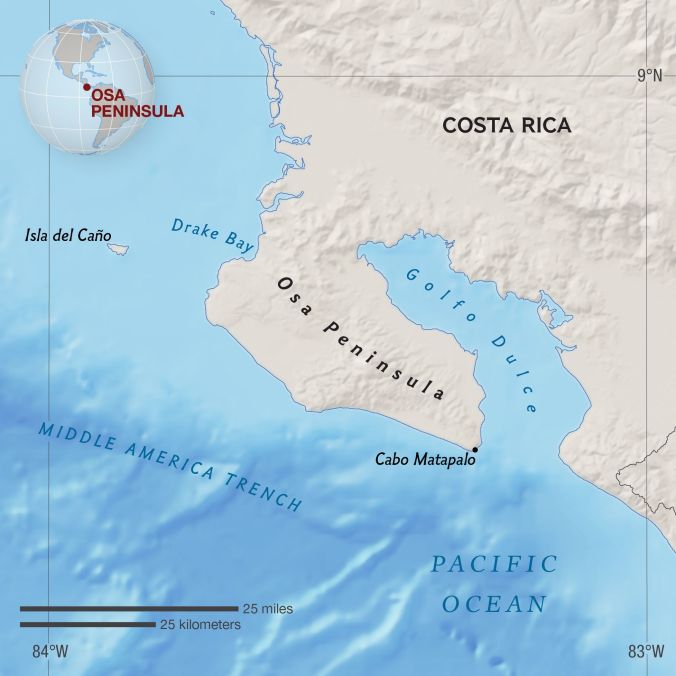
MAP BY NATIONAL GEOGRAPHIC SOCIETY STAFF

After two visits in 2019 I wrote a quick note about the Osa Peninsula, and afterwards I found the map above on National Geographic’s website. A couple years have passed since those visits and National Geographic published this article that I somehow missed until now. Jamie Shreeve shares a history I was well aware of due to our four years managing Lapa Rios, and back then I heard versions of it many times in the first person; but here it is told better than by anyone else in my experience, plus accompanied by the kind of photography you expect from National Geographic (not included here out of respect for the copyrights of those images). The title notes the challenge facing the peninsula, and my bet is on the peninsula’s having the support it needs to survive:

A loss of tourism threatens Costa Rica’s lush paradise

The Osa Peninsula is a biodiverse wonder and a model for conservation. But its preservation programs have been devastated by COVID-19.

Celedonia Tellez doesn’t recall the year she moved to the Osa Peninsula, or exactly how old she was, but she remembers well why she came: free land. At the time, the peninsula, a 700-square-mile crook on the southern Pacific coast of Costa Rica, was a forest frontier, separated from the mainland by a neck of near-impenetrable mangroves and accessible mainly by boat. Celedonia was pregnant when she arrived with her five children, six chickens, a dog, and 700 colones, about one dollar. She also brought her boyfriend, but he “hated nature, and would run away from insects,” she remembers. So she took an ax and cleared the land herself.

“When I was cutting down the trees, I would think how they must have taken so long to grow, and I cut them down in an instant,” she says. “That’s what we did. We cut down the forest to live.” Continue reading

Turtle Rescue, Texas Style

The South Padre Island Convention Center opened its doors and took in thousands of sea turtles cold-stunned during the Valentine’s Week Winter Storm. UT Marine Science Institute

Thanks to National Public Radio (USA) for this:

Texas ‘Cold-Stun’ Of 2021 Was Largest Sea Turtle Rescue In History, Scientists Say

Volunteers bringing in many lethargic turtles. John Faulk/Frontera Media

The Valentine’s Day winter storm of 2021 left Texans shivering in the dark, but that didn’t stop intrepid volunteers from heading out into the suddenly frigid waters of the Gulf Coast to save thousands of sea turtles at risk of dying. This is the story of the largest sea turtle “cold-stun” event in recorded history, according to scientists. Continue reading

Bookshop Versus Goliath, aka Amazon

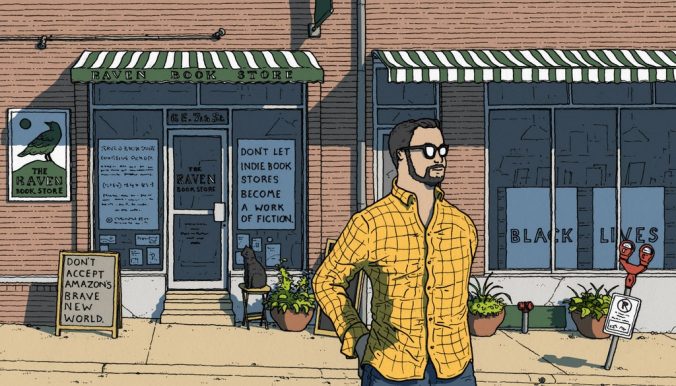
Amazon can afford to take a loss on books. Small independent bookstores cannot. Illustration by Owen D. Pomery; Source photograph by Danny Caine

We have respect for any merchant who takes the time, and has strong logic on their side, to explain why their prices are not as low as Amazon’s. Any time the opportunity arises to read Casey Cep on the subject of bookshops, take it; especially when she is writing about a bookshop’s pricing relative to Amazon’s. Be sure to read far enough to where she touches on the impact of bookshop.org on the marketplace for books, which on its own makes reading this essay worth the time:

A Kansas Bookshop’s Fight with Amazon Is About More Than the Price of Books

The owner of the Raven bookstore, in Lawrence, wants to tell you about all the ways that the e-commerce giant is hurting American downtowns.

If you know anything about the Raven bookstore in Lawrence, Kansas, then you know that it charges more for books than Amazon. Advertising higher prices is an unlikely strategy for any business, but Danny Caine, the Raven’s owner, has an M.F.A., not an M.B.A., and he talks openly with customers about why his books cost as much as they do. Continue reading

Obvious Conservation Stakeholders, Finally At The Table

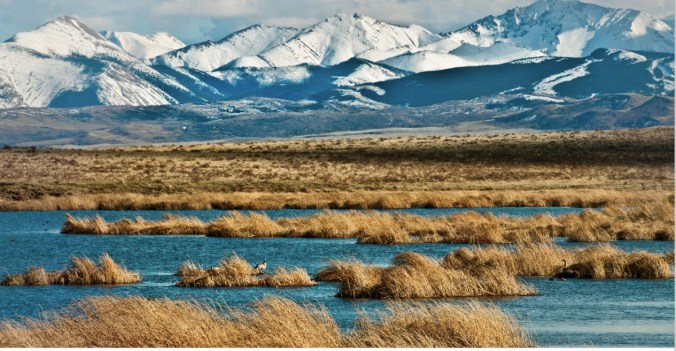
Canada Geese and other waterfowl occupy wetlands in the Badger-Two Medicine area of Montana. Members of the Blackfeet Nation hold the area sacred and are working to protect it permanently. Photo: Tony Bynum

Indigenous communities might seem obvious stakeholders in the protection of wilderness areas, but it does not always, or even often, play out that way. Graham Lee Brewer, a reporter for Audubon Magazine, has this to say about changes in the works:

Tribes Could Play a Crucial Role in Achieving a Bold New Conservation Goal

An emerging effort to protect 30 percent of the country’s land and water is an opportunity to strengthen tribal sovereignty and heed Indigenous ecological knowledge, experts say.

For nearly four decades the Blackfeet Nation has fought off attempts to drill for oil and gas in Montana’s Badger-Two Medicine area. Nestled in a national forest beside Glacier National Park, the region’s sweeping valleys, rivers, and wetlands—almost entirely unmarred by roads—form the setting of the Blackfeet creation story and host tribal ceremonies today. Continue reading

Promoting PIMBYism

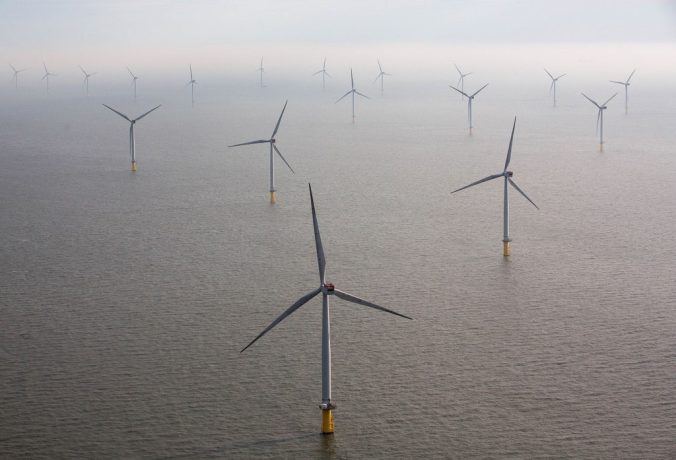
A good method for converting so-called NIMBY opponents of turbines and other renewable-energy infrastructure would be to give locals a stake in the enterprise’s economic success. Photograph by Simon Dawson / Bloomberg / Getty

“No vote for wind power advocates” – wind power opponents’ election poster for the 2017 parliamentary elections. Source: windwahn.com

We have giant turbines along the ridge at the top of the mountain where we live. I enjoy looking at them, not because they are pretty, or perfect, but because they represent progress. I never had the NIMBY inclination. If the turbines were in my face all day, every day, or if I had some sense that they were affecting my property value, perhaps I would feel differently. I had thought of the acronym PIMBY, thanks to those turbines uphill from us, before reading this, but am glad to see it is a thing. Thanks, as always, to Bill McKibben for his newsletter’s role in getting us to see further down the road:

The Shift to Renewable Energy Can Give More Power to the People

The pandemic has driven a lot of people outdoors: reports show that park visits are up around the world and parking lots at hiking trails are packed. That’s understandable—by now you’d need to chop down a sizable forest to print out the studies showing that time in nature reduces stress, cuts healing times, and enhances the functioning of the immune system. As Sadie Dingfelder wrote in the Washington Post in December, “I’ve always found it relaxing and rejuvenating to be outdoors, but the anxiety and isolation of the pandemic, the uncertainty of civil unrest and, oh, I don’t know, the potential crumbling of American democracy have made me crave nature like a drug.” Continue reading
Erewhon’s Multiple Identities

Nearly four years ago I mentioned Harrington Ham in a post, but did not mention that in 1978 and 1979 I worked as a stock clerk in the Harrington’s shop in my hometown. In addition to the most amazing hams, my employee discount allowed me to purchase all kinds of food items I otherwise would not have known from the A&P and Grand Union grocery stores where we otherwise shopped. Erewhon Organic was one of the brands carried, providing my introduction to “health food.” Which led to my discovery of this book, which I scarcely recall, but which instilled in me a curiosity about utopia, and an appreciation of anagrams.

Erewhon, an upscale organic grocery store and cafe, has six locations in the Los Angeles area. Michelle Groskopf for The New York Times

Today, reading of this retail operation in California with a similar name, I took the opportunity to find out what happened to that old Erewhon brand; it is still out there, but has been reduced in scale and variety to producing only organic cereals. The retail Erewhon, almost as old as the brand I remember, looks like it is on a good trajectory for a long and prosperous life:

How Erewhon Became L.A.’s Hottest Hangout

With a little help from celebrities and influencers, the health food store became the place to see and be seen.

Michelle Groskopf for The New York Times

Angelenos have long known that health is wealth, and the healthiest and wealthiest among them shop at Erewhon, the upscale organic grocery store with six locations throughout Los Angeles County.

Last year, after the coronavirus pandemic forced bars and nightclubs across the city to shutter, supermarkets were among the few places where people could still see and be seen. Erewhon, with its outdoor dining areas, became the unofficial hangout for the young, beautiful and bored. Like a moth to a nontoxic flame, the store drew Instagram flâneurs in droves — but also plenty of grimaces and eye rolls from locals. Continue reading

Birding Manners Matter

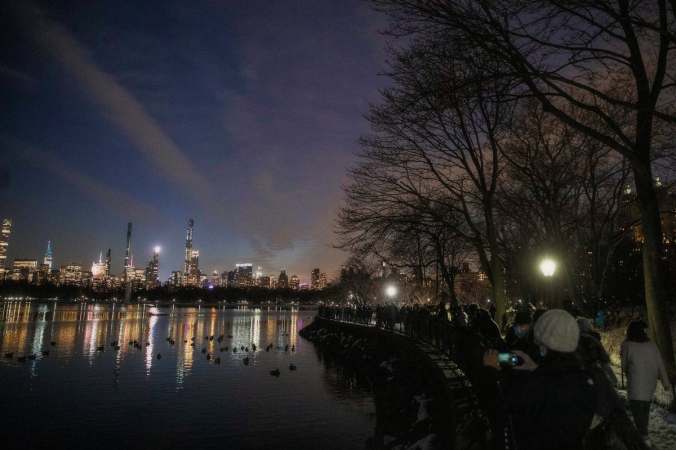
A crowd hoping to see a snowy owl gathered at the reservoir in Central Park. Some birders complain that large groups can disturb rare species. Dave Sanders for The New York Times

You do not need to be a bird nerd to appreciate that an avocation like this one needs some rules of the game, especially at moments like these, which seem to come around every few years:

Twitter Is Turning Birds Into Celebrities and Birders Against One Another

A Twitter account helped spread the word about rare birds in New York City, but publicizing their locations exposed a rift among birders.

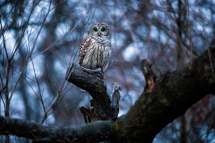
A barred owl, whose visit to Central Park has been promoted by some birders, including one who maintains the popular Twitter account Manhattan Bird Alert. Dave Sanders for The New York Times

In 2018 it was the Mandarin duck. Last October it was the barred owl. Just weeks ago it was the snowy owl.

All three avian species catapulted to celebrity status after they landed in Central Park, becoming the subject of news reports from Manhattan to India and attracting gaggles of groupies, snapping away on their smartphones.

These rare glimpses of nature in the heart of New York elicit a dose of joy in the best of times. Continue reading
Remembering Books Not In Libraries

A few years ago, during a work visit in Athens, Amie and I made a last-minute decision to book a flight to Istanbul. We had both long wanted to visit, the flight was inexpensive, and we had a few days to spare. A primary impetus for the visit was to experience this museum. My memory of Istanbul is mainly my memory of the museum. And it is one of my strongest travel memories in a life full of travel. Reading about this “club” I realized there are more shrines for bibliophiles than I had imagined:

The Grolier Club: Celebrating the Art & History of the Book Since 1884

Founded in 1884, the Grolier Club is America’s oldest and largest society for bibliophiles and enthusiasts in the graphic arts. Named for Jean Grolier (1489 or 90-1565), the Renaissance collector renowned for sharing his library with friends, the Club’s objective is to promote “the study, collecting, and appreciation of books and works on paper.” Through the concerted efforts of an international network of over eight hundred men and women—book and print collectors, antiquarian book dealers, librarians, designers, fine printers, binders, and other artisans—the Grolier Club pursues this mission through its library, its public exhibitions and lectures, and its long and distinguished series of publications.

The story of America can be told through the story of its periodicals. Photograph by Alfred Eisenstaedt / The LIFE Picture Collection / Getty

And the only reason it came to my attention was thanks to Nathan Heller, whose subject likens magazines over earlier centuries to the social media of today in his cultural comment essay What Are Magazines Good For? Tickets to New York are inexpensive, which makes a visit tempting for this one reason, but it will have to wait:

…“The best way to think about magazines is as the analog Internet—they’d foster communities of people, just like on social networks,” Steven Lomazow, a seventy-three-year-old New Jersey neurologist who created the exhibition from his personal collection of more than eighty-three thousand magazine issues, said the other day. Continue reading
Dry Season Here; Massive Tree-Planting There

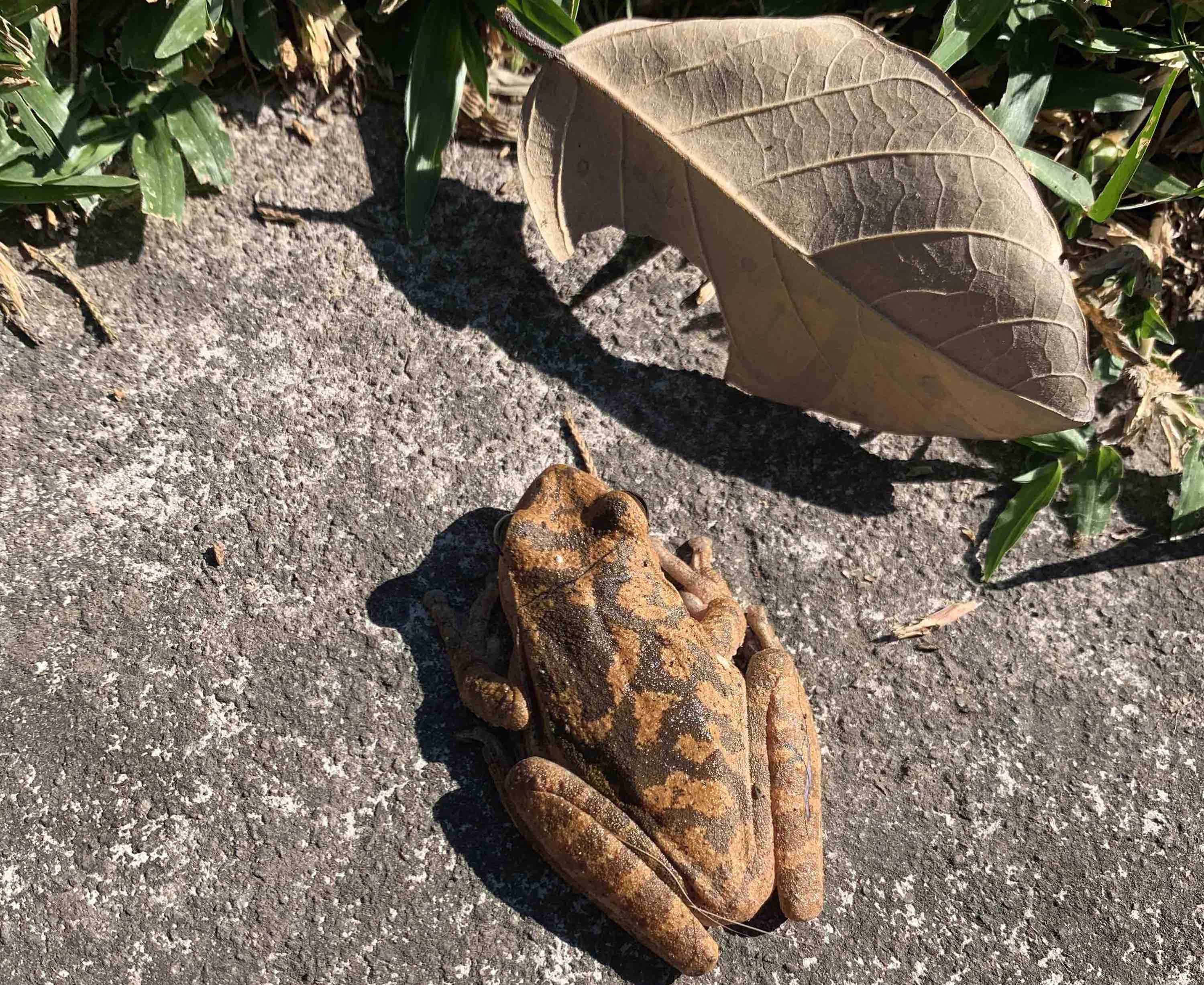
We got as many trees in the ground as we could during 2020, and since it has been dry season for a couple months now we are mostly in maintenance mode. The most pleasure to be had during these months is seeing how the wildlife on our small plot of land changes. For example, the creature above, which I saw yesterday. I believe it is a Drab Tree Frog, but if you have a different opinion please let me know. Tomorrow we begin coffee germination, take two–and I will post on that. Meanwhile, thanks to the Guardian’s coverage of the environment, we have this news:

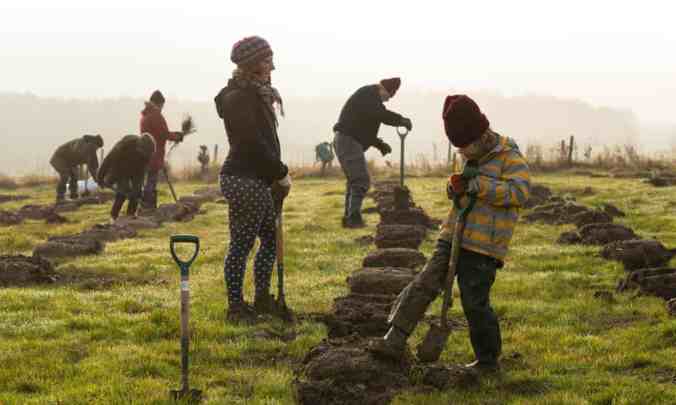
Volunteers helping on project for Woodland Trust, which sent out a million trees last year. Photograph: Philip Formby/PA

Digging in: a million trees planted as villages and schools join climate battle

Community forest projects have seen a surge in volunteers keen to reduce CO2 emissions by creating new woodlands

According to the Horticultural Trades Association, garden centre sales of hardy plants, shrubs and trees have soared. Photograph: Alamy

The UK may be in the grip of a winter lockdown but in one village on the edge of the Yorkshire Dales the local climate-change group has been busy.

Plans are afoot to plant hundreds of trees on land surrounding Newton-le-Willows, in lower Wensleydale, in an effort to tackle the climate crisis. According to scientists, planting billions of trees across the world is one of the biggest and cheapest ways of taking CO2 out of the atmosphere. Continue reading

Snowy Owl In Central Park, Our Kind Of News

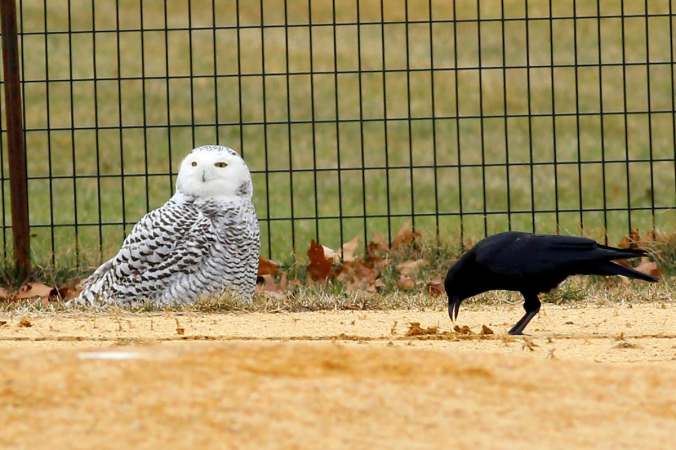
A snowy owl in Central Park drew flocks of people (and crows) on Wednesday. Maryté Mercado

If you tend bird-nerdy, you will want to read this. To state the obvious (if you visit here regularly), we live for this kind of news:

Snowy Owl Is Spotted in Central Park, for First Time in 130 Years

The hordes came running and the snow-white raptor became the latest celebrity bird of Manhattan.

In the winter of 1890, a snowy owl was spotted in New York City’s Central Park, part of what a contemporary account called an “unusual abundance” along the East Coast of the large, strikingly beautiful predators that make their home in the Arctic tundra. Continue reading

Decades, Fruits & Labor

In mid-June the first personal reflections of our interns–the original purpose of this site being an opportunity for 20-somethings to reflect on conservation-related work in countries other than their own–will be 10 years old. Seth still contributes when his schedule allows. Michael does not, but one of his posts is the one I share most often with prospective interns as a benchmark for writing about their work experiences. To my eye, the early posts have aged well. We had one not-yet 20-something also contributing at that time; his writing at 17 (and his photography) matches the extraordinary experiences he was having.

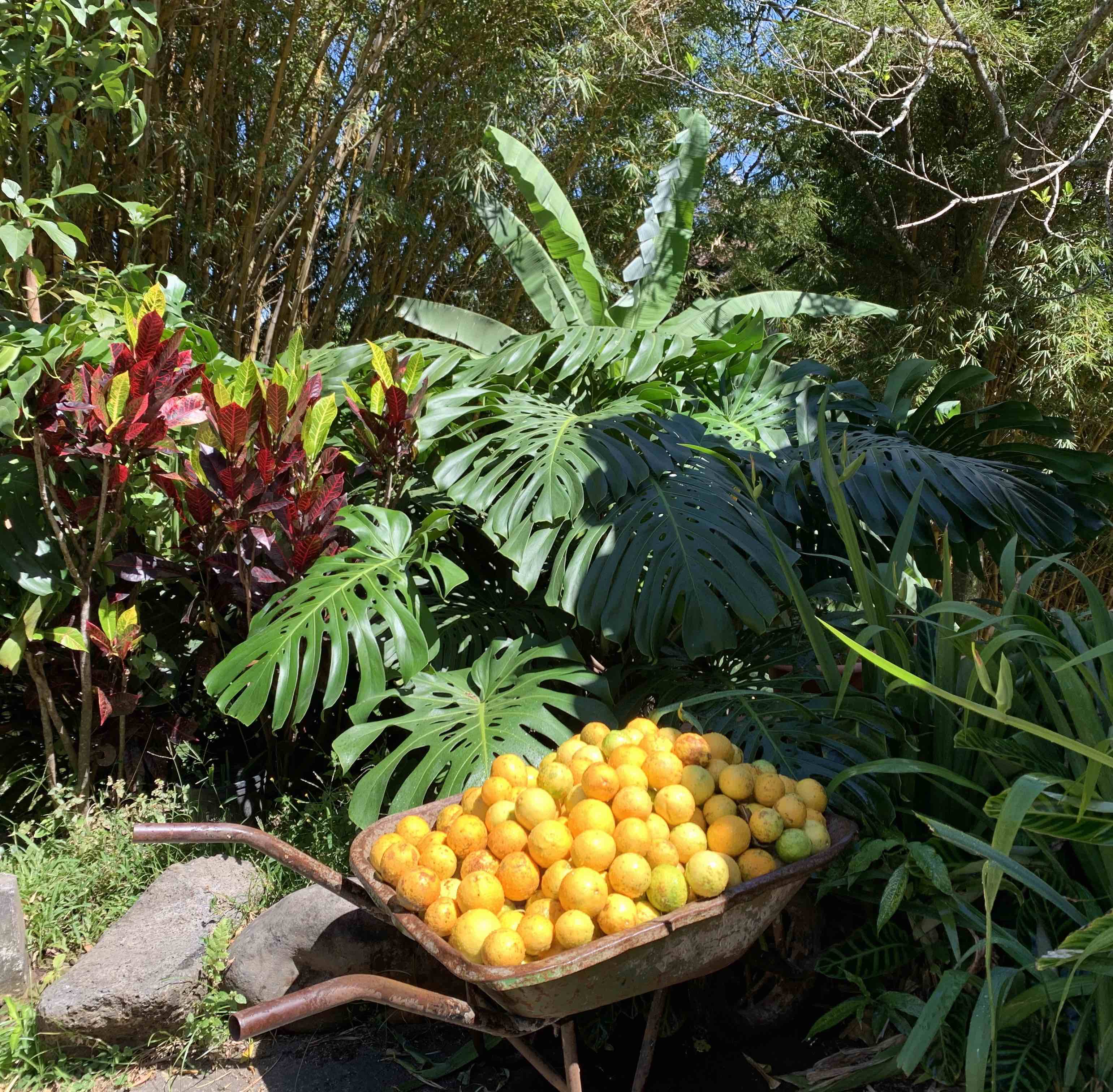
The fruit in the image above is from trees planted 10 years prior to our starting to post on this platform, and so the fruits of our labor planting citrus 20 years ago gives me a few hundred reasons to be grateful. This is the fourth and final wheel barrow full of various types of oranges and limes, and in addition to drinking plenty of juice in the last month I am freezing many gallons for the remaining summer months.

Urban Greening Ideas Are Infectious, Union Square Park Case In Point

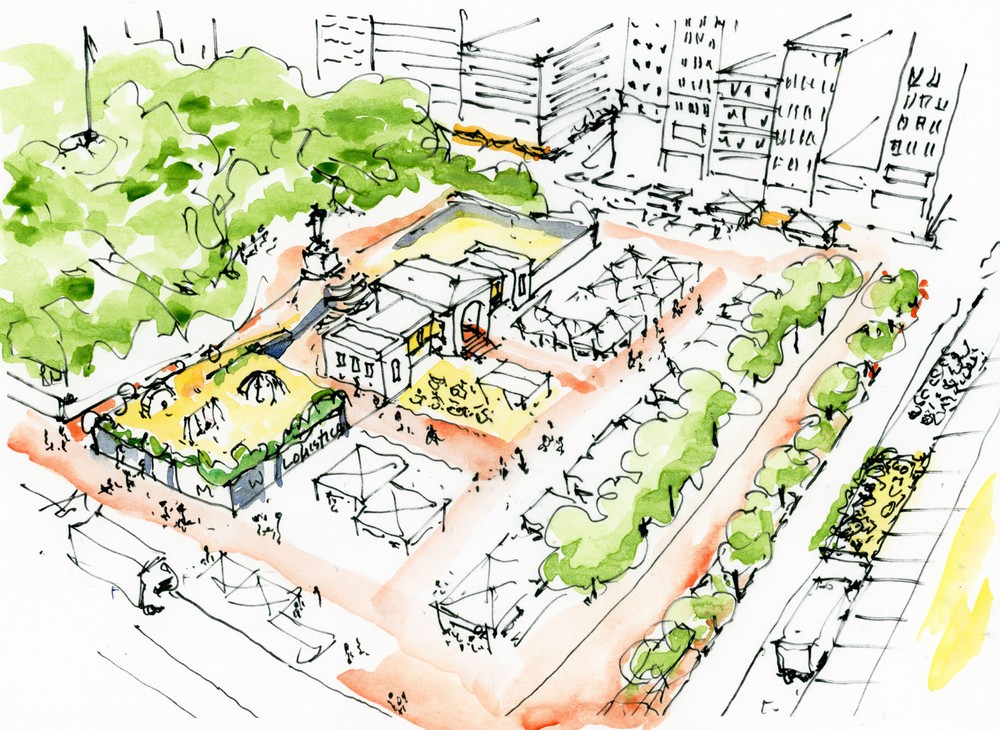
The image to the left is surely evocative for different people in different ways. I cannot see it without flashbacks to what that same spot looked and smelled and sounded like in 1987. It was a peculiar moment in time; I’ll leave it at that. This rendering reaches me just after seeing images of Penn Station’s recent renovation, which itself got me thinking about unique solutions to different kinds of urban challenges. In that case the interior was the thing. For cities where there is too much built space and traffic, greening of arteries is the thing. Also coincidental was last week’s news about the plan for the neighborhood where our sons attended school during the 2003-2004 academic year, which reaffirms my sense that good ideas are infectious.

Those news from New York and from Paris transported me to a very different urban space where we lived and worked for seven years. The image above and the title screen to the right both serve well to evoke an idea that was generated in one of India’s best preserved colonial harbor neighborhoods. Just prior to opening this property in that neighborhood we hosted four young creative professionals from Europe and the USA, two authors and two architects. One of the architects had recently completed work on our then-favorite model of urban re-utilization.
I stood with him on a rooftop overlooking the spice-trading on the street where our hotel was under construction. We had a breezy conversation about how this space might be made more accessible, and I commented on this neighborhood needing an urban design that, like the repurposing of two crumbling spice warehouses into our hotel would be respectful of history while not a slave to it. And the next day he disappeared, as guests do, but the idea is still out there, gestating, and in my hazy memory looks something like this image below.

“Envisioning Union Square’s Vibrant North Plaza” – Watercolor by Guido Hartray

Not the specifics, of course. But this dream-like watercolor rendering of Union Square Park’s future layout is a perfect reminder of that rooftop conversation about how Mattacherry might one day be a more effective version of its already awesome self. Carolyn McShea has posted this research note about the Union Square initiative on the website of Marvel Architects:

A Guiding Vision for Union Square and 14th Street

Union Square is famous for its rich activist history, successful Business Improvement District (BID) and 24/7 residential-commercial community that is also home to some of the city’s iconic buildings that have reached National Historic Landmark status. 14th Street is considered as a commercial corridor for New Yorkers and key cross-town thoroughfare. Continue reading
First Things First

Last week I walked with my grand-daughter among these almendro trees. Amie and I helped plant these when they were foot-high saplings in 2019, and we tagged one with our grand-daughter’s name. The trees, now 3+ feet high, are part of a coastal reforestation scheme; their beneficence includes producing fruits favored by scarlet macaws.

Demonstrators gather in front of the White House to protest the proposed Keystone XL pipeline, in the summer of 2011. Photograph by Melissa Golden / Redux

Everyone loves scarlet macaws. And these trees grow faster than our grand-daughter, giving constant positive feedback. When you have an opportunity to do something like plant a tree, or any other restorative act, first things first: do it. Thanks to Bill McKibben for pointing this out as one of the highlights of yesterday’s change of scenery in Washington, D.C.:

Joe Biden’s Cancellation of the Keystone Pipeline Is a Landmark in the Climate Fight

In his first hours in office, Joe Biden has settled—almost certainly, once and for all—one of the greatest environmental battles this country has seen. He has cancelled the permit allowing the Keystone XL pipeline to cross the border from Canada into the United States, and the story behind that victory illustrates a lot about where we stand in the push for a fair and working planet. Continue reading
Hacienda La Amistad’s Neighbor Under New Management

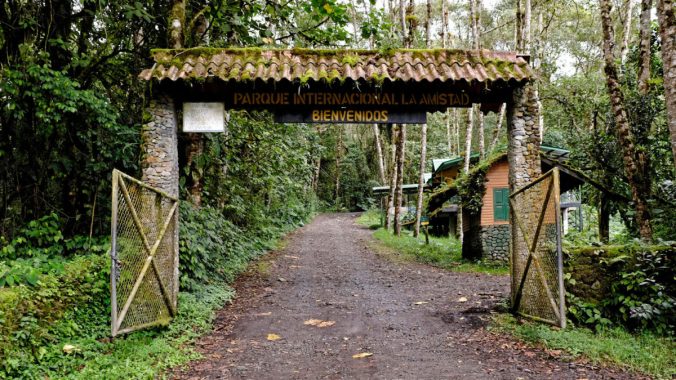
The entrance to La Amistad National Park, which will now be controlled by the Naso under a joint management plan with the government. EDDIE GERALD / ALAMY

We offer coffee from the oldest organic coffee farm in Latin America, which sits on the border of the La Amistad International Park. During our visit to the farm in late 2019 we heard firsthand the family history that led to the creation of what is now a transnational park, while retaining a large private protected area named Hacienda La Amistad (coffee is farmed on a small percentage of that land). Recently Fred Pearce, who frequently writes about forest management best practices, shares news from Panama focusing on the decision to transfer park management to an indigenous community whose ancestral lands in:

Forest Defenders: A Panamanian Tribe Regains Control of Its Lands

With a landmark court ruling, the Naso people of Panama have won the rights to ancestral territory that includes two national reserves the tribe will now help manage. The victory comes as mounting evidence shows that Indigenous groups are often the best protectors of their lands.

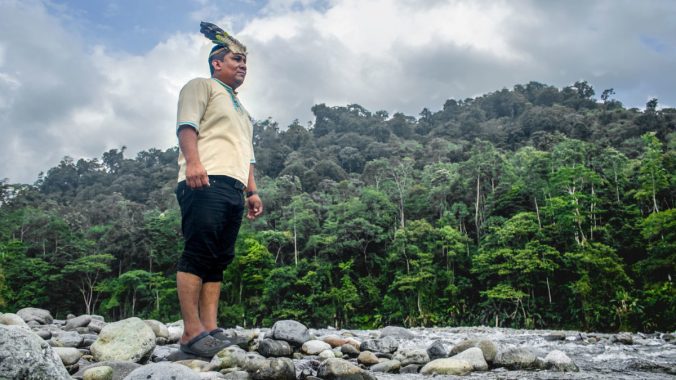
Reynaldo Santana, the King of the Naso, on the banks of the Teribe River in northwest Panama. NORLANDO MEZA

Tribal groups in Panama are celebrating a victory for their rights to control some of Central America’s largest forests — a victory that could benefit conservation throughout the region.

The landmark ruling, by the country’s Supreme Court, upholds a claim by the Naso people of northwest Panama — who live in remote villages, grow subsistence crops, maintain their own forests and native language, and elect their own monarch — to create a semi-autonomous territory, known in Panama as a comarca, covering some 400,000 acres of their ancestral lands.

“This is an act of justice that will restore tranquillity to the Naso by securing our land,” says the King of the Naso, Reynaldo Santana. Continue reading
Big City, Green Arteries

The redesigned Champs-Élysées extends (top right) from the Arc de Triomphe in Paris, as envisioned by architects at PCA-Stream. PCA-STREAM

Anne Hidalgo has been featured in our pages several times for greening her city, and now this:

Paris mayor pushes ahead with plan to give Champs-Élysées a $305 million green makeover

paris-champs-elysees-vision.jpg

An artist’s impression of the redesigned Arc de Triomphe, at the end of Paris’ iconic Champs-Élysées avenue, prepared by architects PCA-Stream under commission by the Paris mayor’s office. PCA-STREAM

Paris — Mayor Anne Hidalgo has confirmed that ambitious plans to transform Paris’ Champs-Élysées, the iconic avenue in the heart of the French capital, are still on the table. Her initiative will see the avenue with fewer car lanes, more room for pedestrians and much more greenery.

Often dubbed “the most beautiful avenue in the world,” the Champs-Élysées has gone three decades without a major overhaul, and many Parisians believe it looks tired and a lot less sophisticated than it used to. Continue reading
Beans, Birds & Business

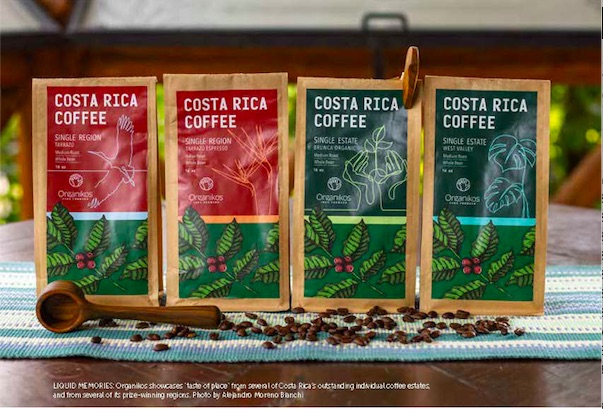
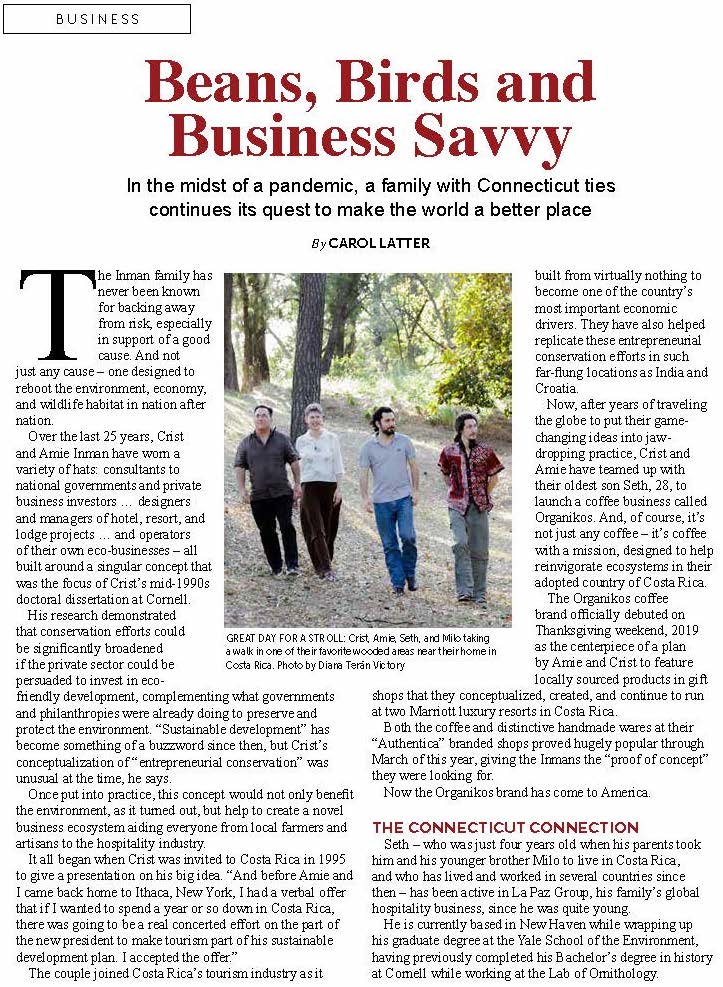
Last month a magazine article was published about the origins of Organikos. We have told bits and pieces of the story in these pages, but Carol Latter was the first person to tell the story from a perspective outside of our family. The online version of the story has two photos, whereas the tangibly published version has ten; in both cases we were happy that a magazine from the state I grew up in, and where Seth has been living since 2018, was interested in sharing this founding story.

Today, reading Marella Gayla’s story about founders trending younger (and why), plenty to ponder. My takeaway is that for whatever reason ambitious young people see an important link between entrepreneurship and positive social outcomes, we can count that as a good thing:
Is Every Ambitious Teen-ager a “Founder and C.E.O.”?

Forget Model U.N. and the SATs. Kids today want to tell college admissions officers all about the companies they’ve started to save the world.

One striking innovation of modern meritocracy is the teen-age executive. High-school students used to spiff up their college applications with extracurriculars like Model U.N. and student council. Today’s overachievers want to grace their résumés with the words “founder and C.E.O.” When schools in Fremont, California, shut down in March, Jagannath Prabhakaran, a sixteen-year-old, seized the opportunity to join the ranks. Continue reading

Organikos A Decade Ago & Non-Patagonian Beavers

In a brief interview a student recorded my description of the work I was doing in southern Chile from 2008-2010. The Patagonia Expedition Race had secured Wenger’s sponsorship, and now graduate students from Columbia Business School, as well as from Cornell Hotel School, were developing a strategy for how best to use that sponsorship money to achieve lasting conservation results. The patch on the left arm of my jacket shows another sponsor.

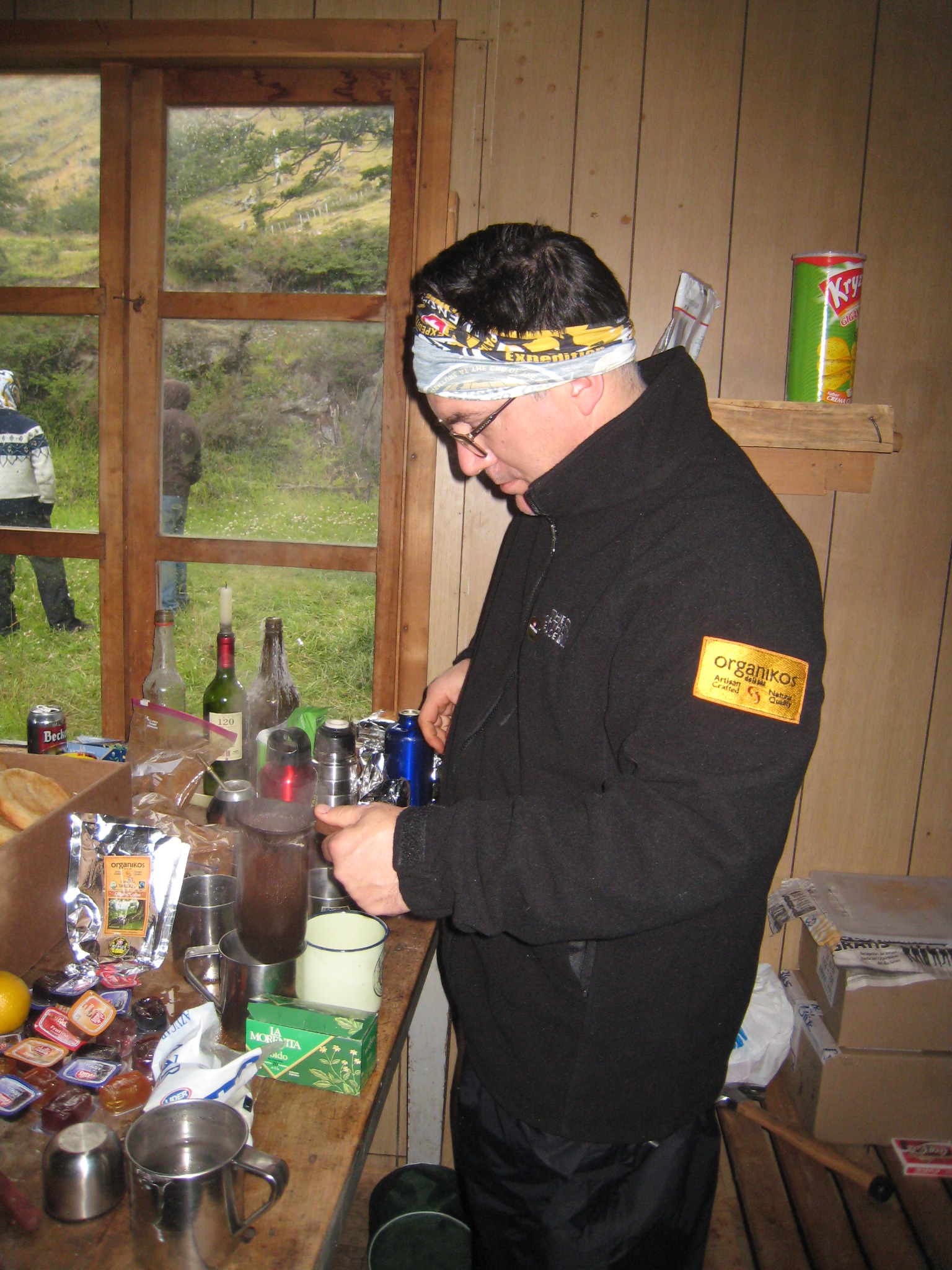
Organikos was a minor sponsor compared to Wenger, but in that earlier iteration of Organikos we were already thinking about what is now the 100% Forward commitment.  As a sponsor, I also served coffee from sunrise to sunset at each station along the Race’s 500-mile route. Somewhere I have photos of the race teams drinking Organikos coffee, but at the moment I only find this one of me prepping coffee in the traditional Costa Rican manner to serve to Race volunteers in a farmhouse where we had spent the night on Tierra del Fuego.

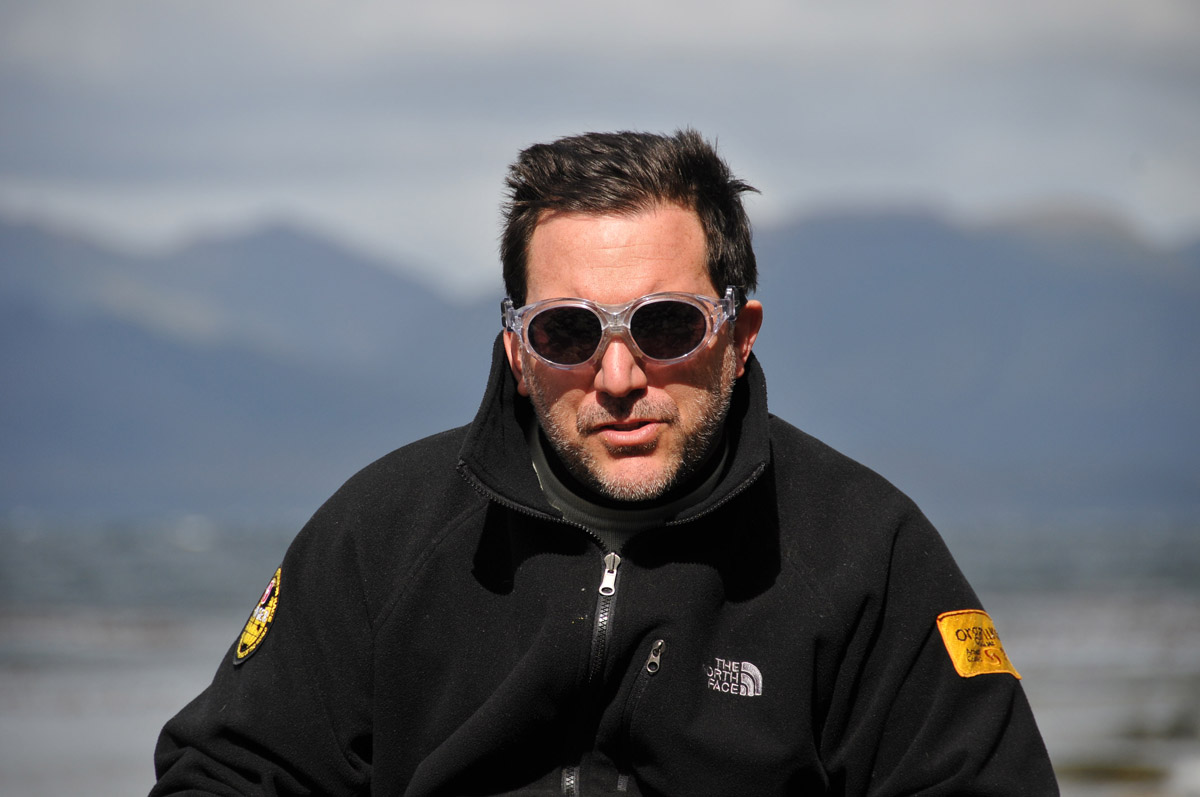
In this photo to the left I was waiting for the racers who would soon be arriving at this station in their kayaks. As serious as I appeared to be, it would take nearly a decade to get that coffee launched more formally into the market.

Images Andrew Wilson, Mark Humpfrey, Nicola MaCleod and Bruce Duncan of Team Helly Hansen-Prunesco paddling their way to victory in stage 15 of the 2010 Wenger Patagonian Expedition Race on the island of Tierra del Fuego in southern Chile. Michael Clark Photography

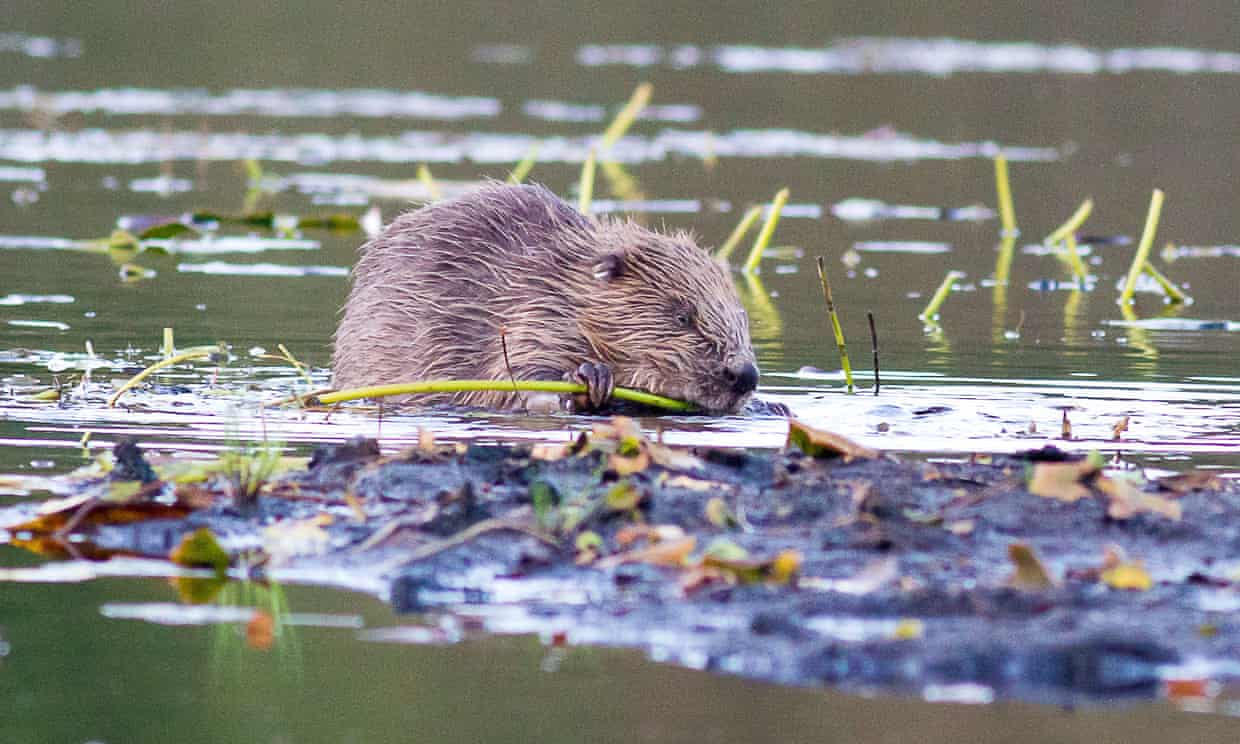
Not long after the photos above were taken, we accepted a new assignment in India that would put the original idea of Organikos on hold. Recently, when Seth took the name and gave it a clear conservation mission, coffee was still the most viable product to start with. I am reminded of all that thanks to Sandra Laville, and the Guardian. Her article, full of good news related to conservation funding in the UK, triggers my memory of the fact that beavers are an invasive species in Patagonia and the Race had the mission of controlling their spread, in the interest of wilderness conservation. Beavers in their natural habitat are in need of protection in some locations, I see:

Wetlands, beavers and Cinderella causes; the growth of environmental funding

Donations from individuals and charities to green causes more than double since 2016

Funding from the People’s Trust for Endangered Species helped reintroduce beavers in Knapdale Forest in Scotland. Photograph: Steve Gardner/Scottish Wildlife Trust/PA

Philanthropic donations to environmental causes have more than doubled in value in the UK as the climate crisis and unprecedented biodiversity loss attract increasing attention from individuals and charities.

The amounts of money given to support efforts to tackle climate change and nature loss range from £5,000 to millions of pounds, and the focus of the funding is as broad.

It includes a £10,000 donation given to support a successful campaign for a deposit return scheme in Scotland; the funding of grassroots defenders of Europe’s last primeval forest, in Poland, and the protection of wetlands in Montenegro; and millions of pounds in support of environmental legal challenges and donations to back campaigning against fossil fuels. Continue reading
The Count Is On

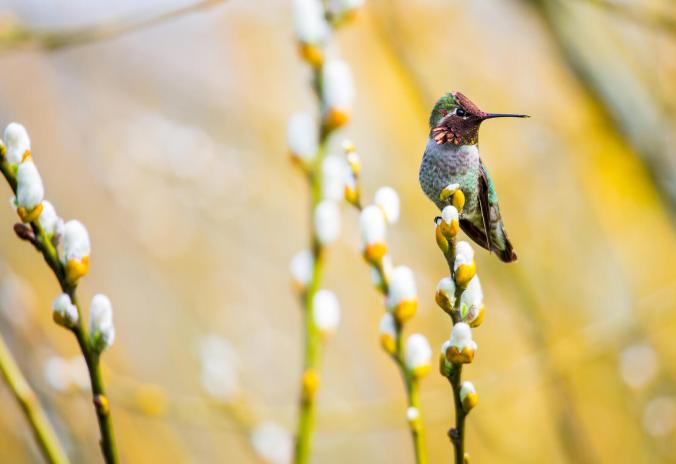
Anna’s Hummingbird. Photo: Matthew Olson/Audubon Photography Awards

This time of the year we always save some time for the census, and not surprisingly 2020 necessitates some adaptation to methodology:

Audubon’s Christmas Bird Count Will Look Very Different This Year

While some local counts may be cancelled due to regional COVID-19 rules, many community scientists across the hemisphere will carry on one of the longest-running wildlife censuses in a socially distanced fashion.

NEW YORK — For the 121st year, the National Audubon Society is organizing the annual Audubon CBC. Between December 14 and January 5, tens of thousands of bird-loving volunteers will participate in counts across the Western Hemisphere all while abiding by Audubon’s COVID-19 guidelines. Continue reading
What It’s Like To Be A Bird–Book, Author Interview & Master Class

We missed this book when it was published earlier this year, until now–an interview with its author about best birding practices caught our attention. The publisher has this to say about the book:
The bird book for birders and nonbirders alike that will excite and inspire by providing a new and deeper understanding of what common, mostly backyard, birds are doing–and why
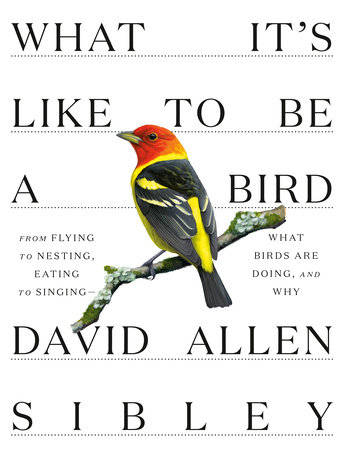
“Can birds smell?” “Is this the same cardinal that was at my feeder last year?” “Do robins ‘hear’ worms?” In What It’s Like to Be a Bird, David Sibley answers the most frequently asked questions about the birds we see most often…

David Allen Sibley is also offering this online course in conjunction with 92Y:
Have you ever wondered what it’s like to be a bird? Can birds smell? Is that the same cardinal that was at your feeder last year? What are backyard birds doing and why? Continue reading

Urban Rewilding: Giving Space for People and Nature

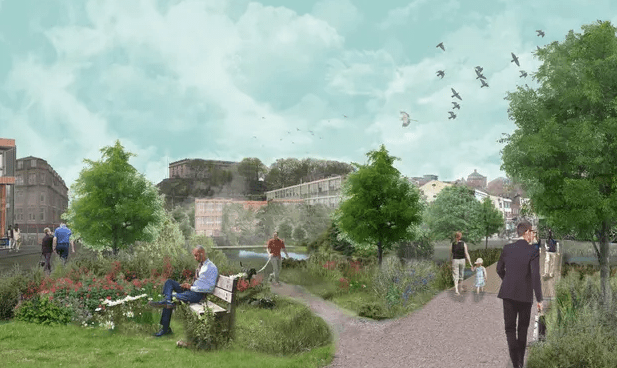
What the Broadmarsh area of central Nottingham could look like if the Wildlife Trust’s ambitious post-Covid wildscape plan gets the go-ahead. Photograph: The Wildlife Trusts

When we’ve written about rewilding on this site before we usually are referring to bringing  wildlife back into a landscape that had lost it for decades, if not centuries.  This Nottingham project has precedent in terms of plans to transform an urban eyesore into public space that is welcoming to both biodiversity of fauna and flora, and the people who will benefit from taking pleasure in it.

Thanks to the Guardian for highlighting the story. We look forward to reading about the finished project!

An additional Public Service Announcement: If you like this story the Nottingham Wildlife Trust has an ongoing petition to help make this project a reality. Please feel free to follow the link and add your name. Being local to Nottingham is not required.

Going wild? A radical green plan for Nottingham’s unloved shopping centre

An empty 1970s shopping centre in Nottingham could be transformed into wetlands, pocket woodlands and a wildflower meadow as part of a post-pandemic urban rewilding project.

The debate about Broadmarsh shopping centre, considered an eyesore by many, has rumbled on for years. This year it was undergoing a £86m revamp by real estate investment trust Intu when the firm went into administration.

The number of empty shops on UK high streets has risen to its highest level in six years, and as retail giants such as Debenhams and Arcadia Group falter, Nottinghamshire Wildlife Trust has come up with a new model of inner city regeneration: urban rewilding.

The trust wants to bulldoze the already half-demolished Broadmarsh building and turn it into 2.5 hectares (6 acres) of scruffy green space at an estimated cost of £3-4m. The designs were created with Influence Landscape Architects and could set a precedent for what to do with the growing amount of vacant retail space in other cities. “It’s unbelievable to hear that stores like Debenhams are in the position they are in – they’re stalwarts of the city, but it does put out an opportunity,” said Sara Boland, managing director of Influence. Continue reading