The Downside Of Mainstreaming The Recycling Arrows

Rapapawn / Grist

Thanks as always to Grist for offering analysis that nudges us to keep our interest in recycling in the realm of the real:

How the recycling symbol lost its meaning

Corporations sold Americans on the chasing arrows — while stripping the logo of its worth.

It’s Earth Day 1990, and Meryl Streep walks into a bar. She’s distraught about the state of the environment. “It’s crazy what we’re doing. It’s very, very, very bad,” she says in ABC’s prime-time Earth Day special, letting out heavy sighs and listing jumbled statistics about deforestation and the hole in the ozone layer. Continue reading

Bullish On Solar

image: la boca

The Economist makes a compelling case for us all to be more bullish on solar–not that we needed much convincing:

The exponential growth of solar power will change the world

An energy-rich future is within reach

It is 70 years since at&t’s Bell Labs unveiled a new technology for turning sunlight into power. The phone company hoped it could replace the batteries that run equipment in out-of-the-way places. It also realised that powering devices with light alone showed how science could make the future seem wonderful; hence a press event at which sunshine kept a toy Ferris wheel spinning round and round. Continue reading

Saving Birds With Mosquitoes

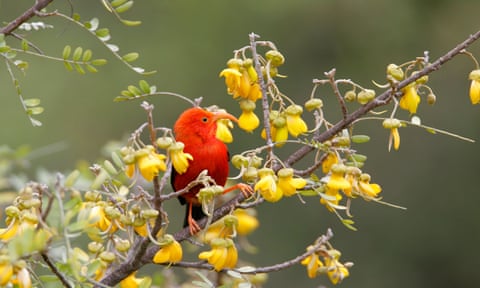
A small red bird on a branch with yellow flowers

The scarlet honeycreeper, or ‘i’iwi, has a 90% chance of dying if bitten by an infected mosquito. Thirty-three species of the bird are already extinct. Photograph: Photo Resource Hawaii/Alamy

We had not heard of such risk to birds before, but this may be the rare case of mosquitoes potentially serving a good purpose:

Millions of mosquitoes released in Hawaii to save rare birds from extinction

Conservationists hope insects carrying ‘birth control’ bacteria can save honeycreeper being wiped out by malaria

Millions of mosquitoes are being released from helicopters in Hawaii in a last-ditch attempt to save rare birds slipping into extinction. Continue reading

Greenhouse Reflective Effects

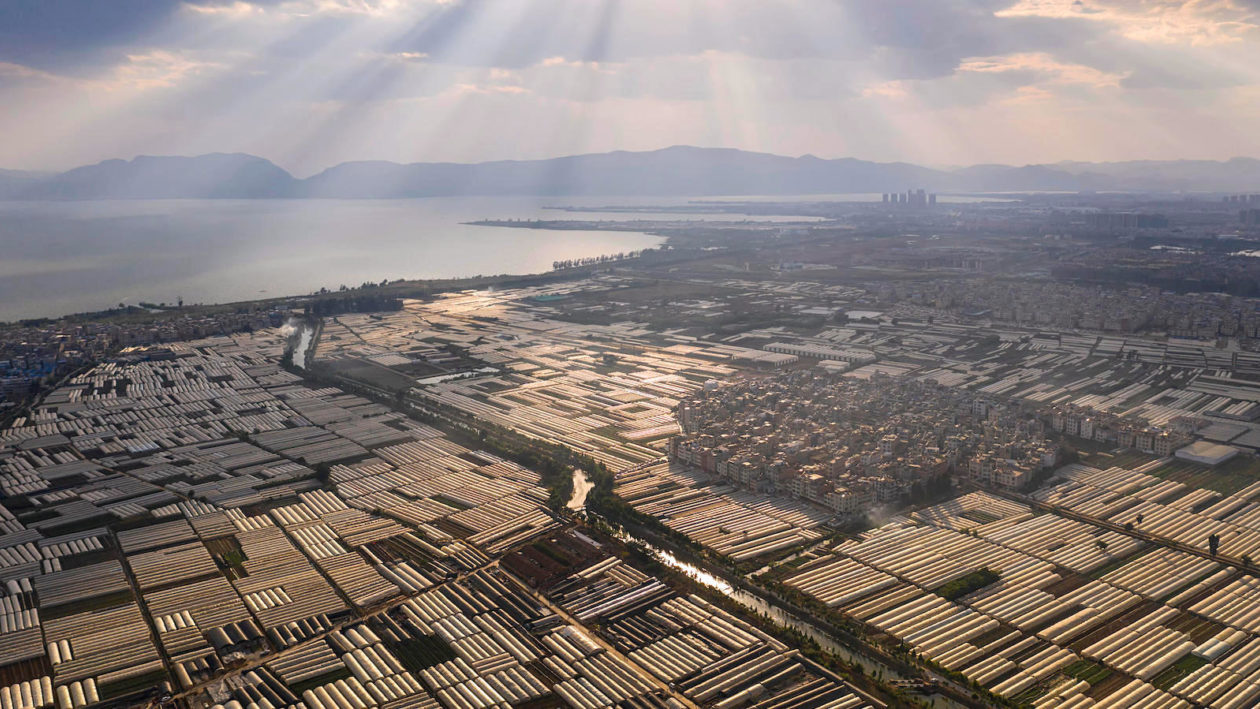
Greenhouse roofs reflect sunlight in Kunming, China. FABIO NODARI / ALAMY STOCK PHOTO

Fred Pearce, in Yale e360, offers reason to further consider the greenhouse:

Could the Global Boom in Greenhouses Help Cool the Planet?

As agricultural greenhouses proliferate, researchers are finding that their reflective roofs are having a cooling effect. Some experts see this as an unintended experiment with lessons for cooling cities, but others point to the environmental damage that greenhouses can cause.

The world is awash with greenhouses growing fresh vegetables year-round for health-conscious urbanites. There are so many of them that in places their plastic and glass roofs are reflecting sufficient solar radiation to cool local temperatures — even as surrounding areas warm due to climate change. Continue reading

Hortus Arboretum & Botanical Gardens

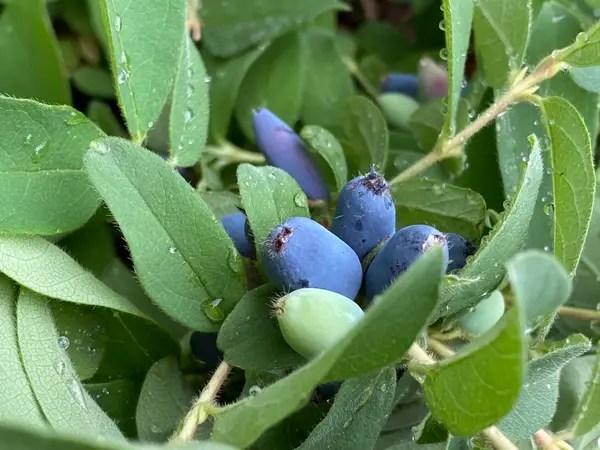
Allyson Levy and Scott Serrano describe their arboretum as “an aesthetically arranged experiment station to test interesting and useful plants” — like honeyberry, a honeysuckle relative with blue fruit that ripens very early. Hortus Arboretum & Botanical Gardens

Hortus is an inspiration. Our thanks, as always, to Margaret Roach for sharing on the broad and diverse topic of gardens and gardening:

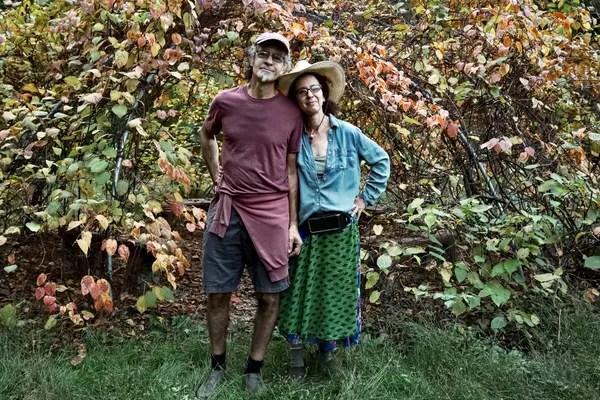
Ms. Levy and Mr. Serrano are visual artists who moved to Stone Ridge, N.Y., 25 years ago. Hortus Arboretum & Botanical Gardens, their 21-acre undertaking, began as a backyard garden. Mia Allen

How One Couple Turned Their Backyard Into an Arboretum

Their passion for fruit you’ve never heard of started small. Now they have a botanical garden that’s open to the public.

This is what happens if you stay put, and keep digging holes: An effort that begins innocently enough — planting a garden at home — may grow on you. And it could morph into an arboretum. Continue reading

Old Growth, Reviewed

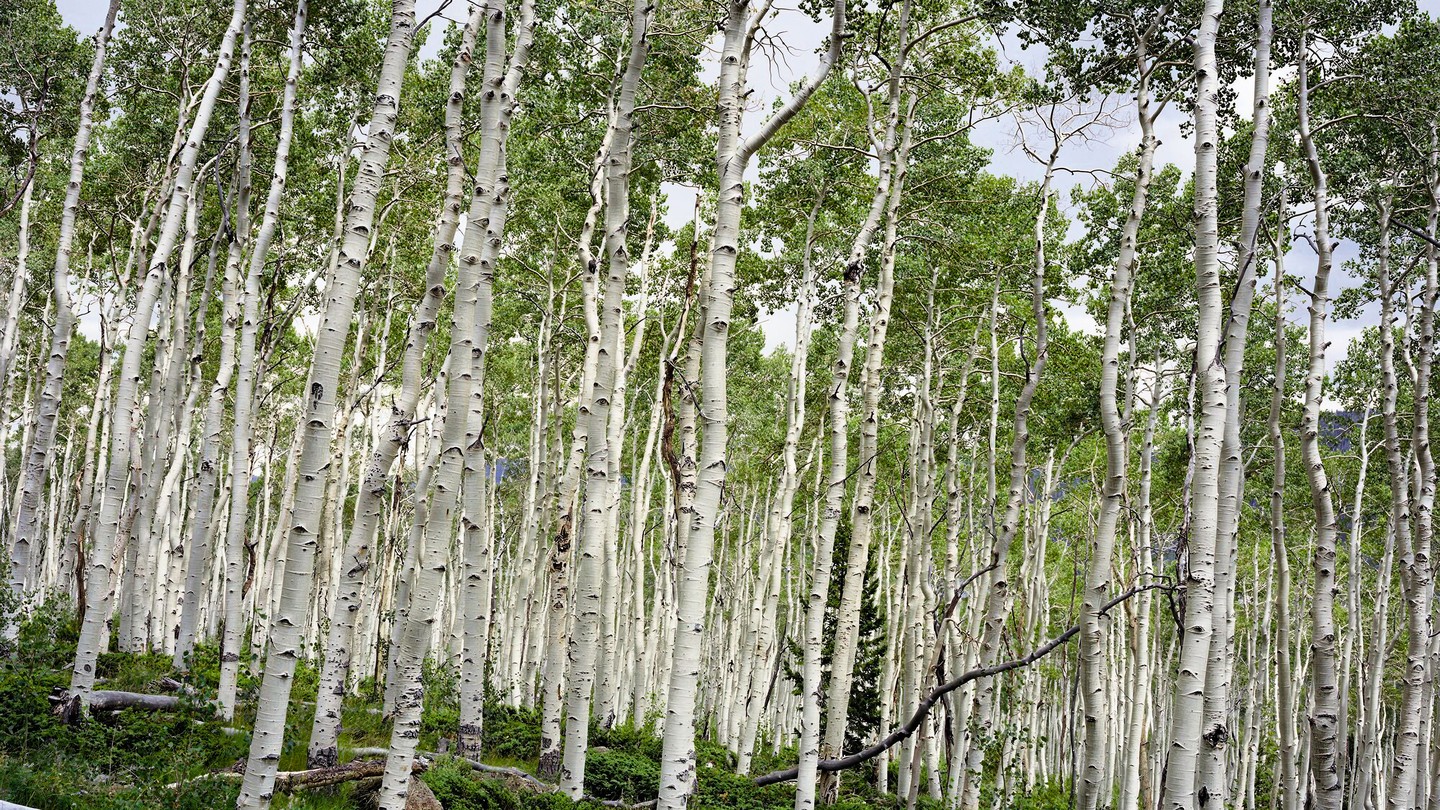
A color photograph of a dense stand of aspen trees with blue sky showing beyond the canopy

Aspen (Pando), Utah III 2023 (Courtesy of Steidl Publishers / Yancey Richardson Gallery)

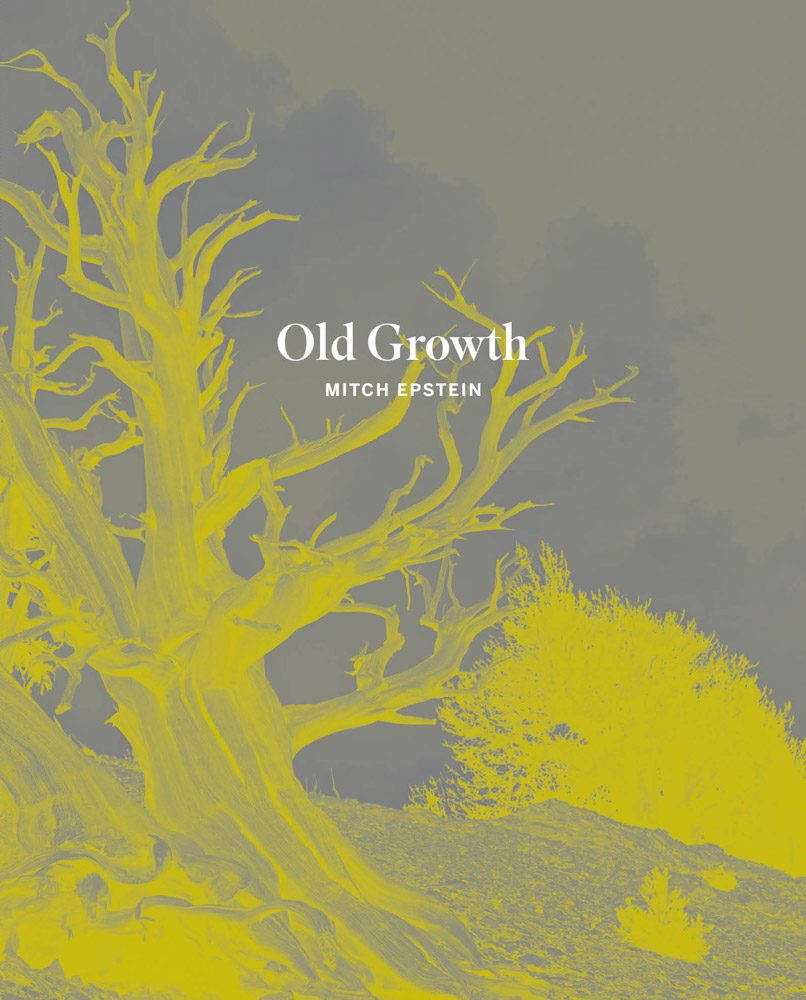
Writing for The Atlantic, Clint Smith introduces us to this amazing book:

THE MAGIC OF OLD-GROWTH FORESTS

Photographing some of the oldest—and largest—living organisms on the planet

When i was a boy, I loved climbing the old oak trees in New Orleans City Park. I would hang from their branches and fling my legs into the air with unfettered delight. I would scoot my way up the trees’ twisting limbs until I was a dozen feet off the ground and could see the park with new eyes. These were the same trees my mother climbed as a young girl, and the same ones my own children climb when we travel back to my hometown to visit. Live oaks can live for centuries, and the memories made among them can span generations. Continue reading

Greenland’s Ice Sheet & Our Future

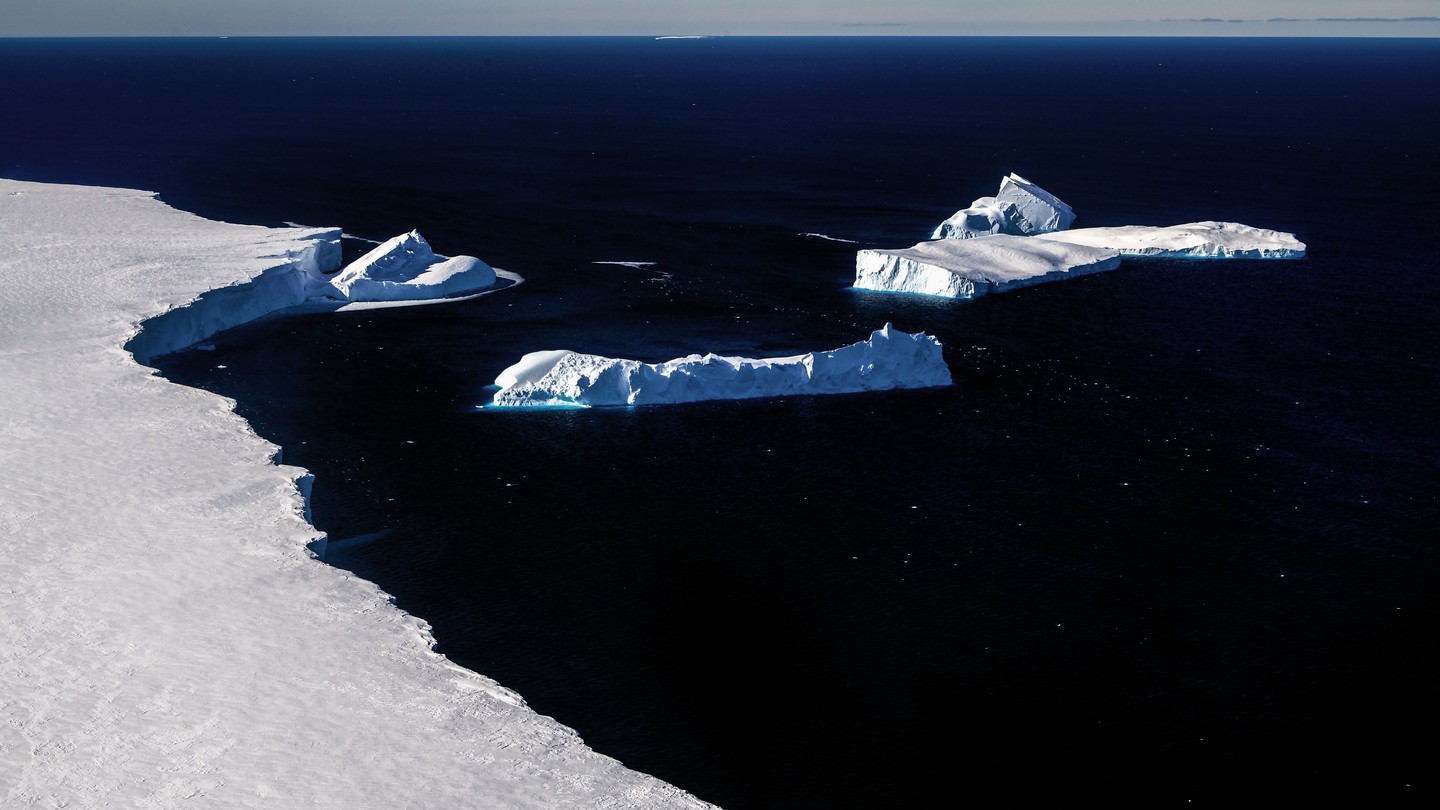
photo of curving white edge of glacier with several calved icebergs and dark blue sea

The edge of the Thwaites Glacier, 2023 (Nicolas Bayou)

Ross Andersen, writing for this focused issue of Atlantic, is worth reading for more than just the adventure he encountered reporting it:

A WILD PLAN TO AVERT CATASTROPHIC SEA-LEVEL RISE

The collapse of Antarctica’s ice sheets would be disastrous. A group of scientists has an idea to save them.

The edge of Greenland’s ice sheet looked like a big lick of sludgy white frosting spilling over a rise of billion-year-old brown rock. Inside the Twin Otter’s cabin, there were five of us: two pilots, a scientist, an engineer, and me. Farther north, we would have needed another seat for a rifle-armed guard. Here, we were told to just look around for polar-bear tracks on our descent. Continue reading

Scottish Seaweed Innovations

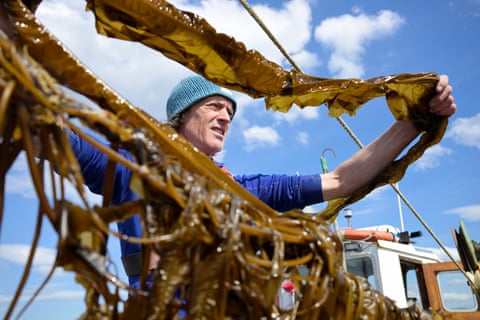
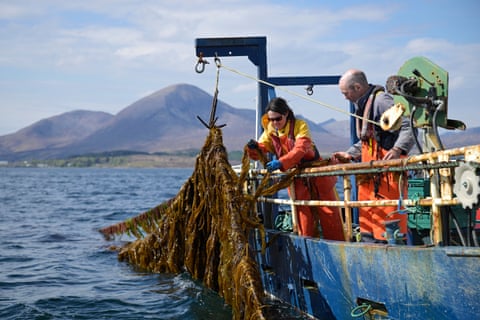
Alex Glasgow of KelpCrofters on a boat harvesting kelp on Skye

Alex Glasgow of KelpCrofters harvesting the seaweed on Skye

Most of us in the Americas and the European  region have not yet had the opportunity to try seaweed, except perhaps in Japanese or other Asian ethnic restaurants. So hearing what the folks who grow seaweed in Scotland are doing with their product to get more of us interested in it–that’s interesting. For these photographs by Christian Sinibaldi and words by Joanna Moorhead we thank the Guardian:

Kyla Orr and Martin Welch of KelpCrofters check the crop from their boat

Kyla Orr and Martin Welch of KelpCrofters check the crop from their boat. Photograph: Christian Sinibaldi/The Guardian

Kelp help? How Scotland’s seaweed growers are aiming to revolutionise what we buy

Farmed kelp could produce plastic substitutes, beauty products and food supplements. Just steer clear of seaweed chocolate

Think sun, sea, Skye – and seaweed. It’s early summer off the west coast of Scotland, and Alex Glasgow is landing a long string of orangey-black seaweed on to the barge of his water farm. Continue reading

The Atlantic Editor’s Note, July/August 2024

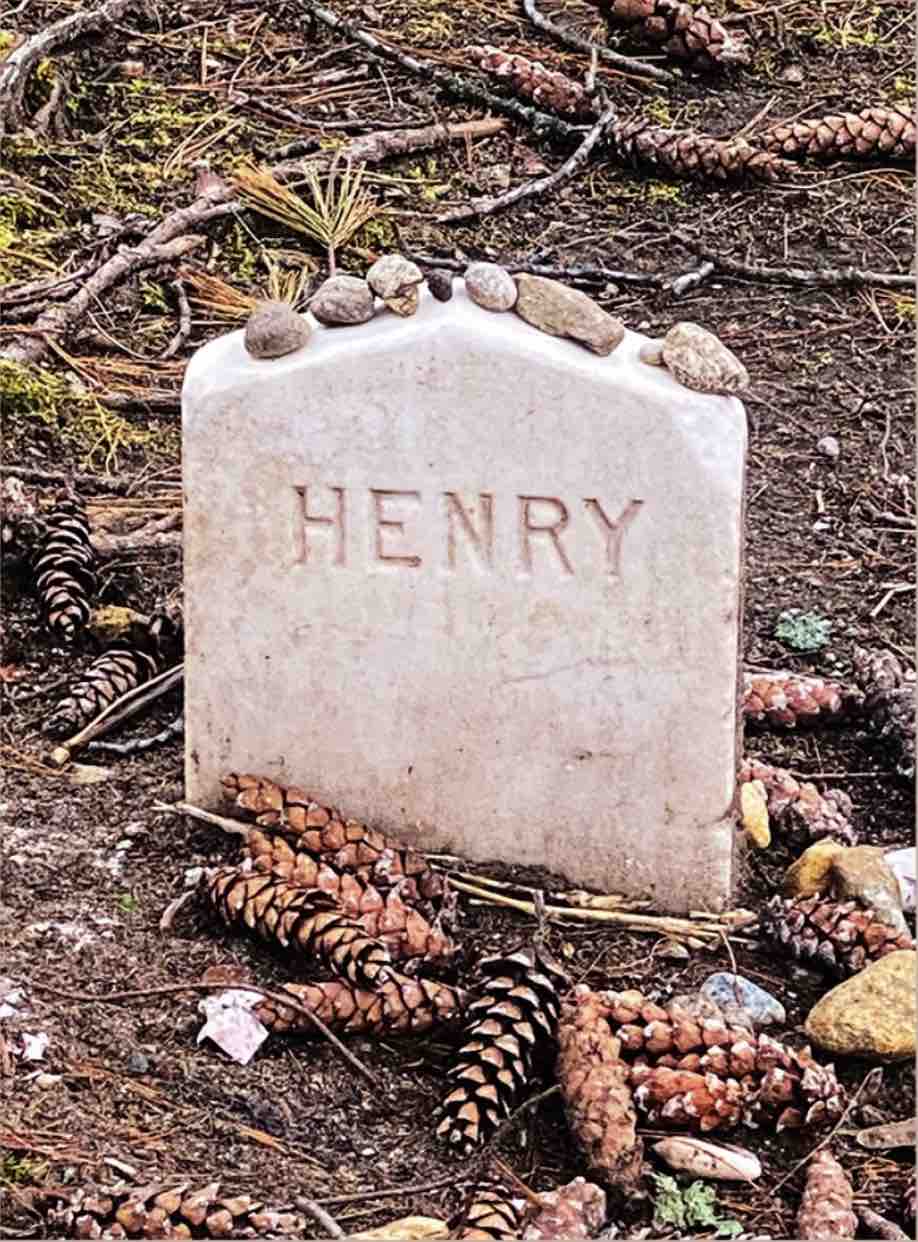
Henry David Thoreau’s grave, Concord, Massachusetts (Jeffrey Goldberg)

Jeffrey Goldberg has not appeared in our pages directly before, but his work has had a profound impact on how we see the world. His editorship of The Atlantic, starting in 2016, overlaps with an increase in that magazine’s coverage of climate change in ways that we have found useful. His introduction to the summer issue of the magazine is a fitting example of his commitment to the topic:

In Wildness Is the Preservation of the World

Returning the planet to some sort of climate equilibrium is a universal interest.

Loyal readers of this magazine know that we are preoccupied with matters of climate change, and that we worry about the future of our home planet. I appreciate (I really do) Elon Musk’s notion that humans, as a species, ought to pursue an extraplanetary solution to our environmental crisis, but I believe in exploration for exploration’s sake, not as a pathway to a time share on Mars. Continue reading

Culling Questions

Because invasive species are among the main drivers of extinction today, conservationists have made efforts to cull mice in favor of albatrosses, rats in favor of puffins, and pythons in favor of bobcats. Illustration by Javier Jaén; Source photographs from Getty

Invasive species have received plenty of attention in our pages in the years since we first shared on this topic. Creative approaches to solving the problem abound. Elizabeth Kolbert reviews two books that take up the moral implications:
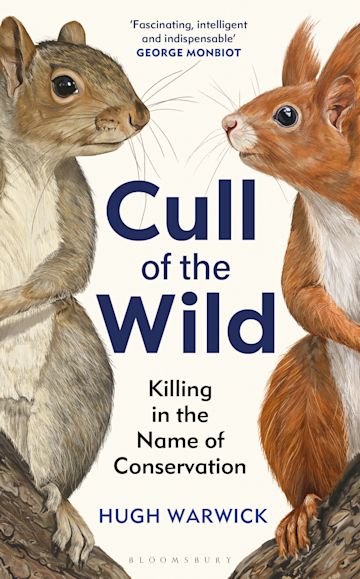
Cull of the Wild coverShould We Kill Some Wild Creatures to Protect Others?

Where humans have tilted the game in favor of one species, some believe we should cull predators to save their prey. Others think it’s a mistake to pick sides.

The northern spotted owl is about a foot and a half high, with very dark eyes, a greenish beak, and a rim of feathers, called a facial disk, that makes it appear to be regarding the world with worried perplexity. Like most owls, northern spotteds are nocturnal, but, unlike most of their brethren, they are picky. They can live only in old-growth forests in the Pacific Northwest. Their diet is restricted and seems to consist mainly of flying squirrels. They’re incapable of building nests of their own, and so, to raise their young, they rely on tree cavities or on basketlike growths that are produced by arboreal infections and known, evocatively, as witches’ brooms.

Hedgehogs, Killing, and Kindness: The Contradictions of Care in Conservation PracticeThe spotted owl’s fastidiousness produced one of the great environmental conflicts of the twentieth century. By the late nineteen-eighties, it was estimated that only fifteen hundred breeding pairs survived. Since the owls depended on old growth, the only way to save them, according to biologists, was to preserve the Northwest’s remaining stands of ancient trees. The timber industry countered that leaving those trees untouched would cost thousands of jobs. The two sides adopted increasingly confrontational tactics. Continue reading

Tiny Creatures Also Need Climate Stability

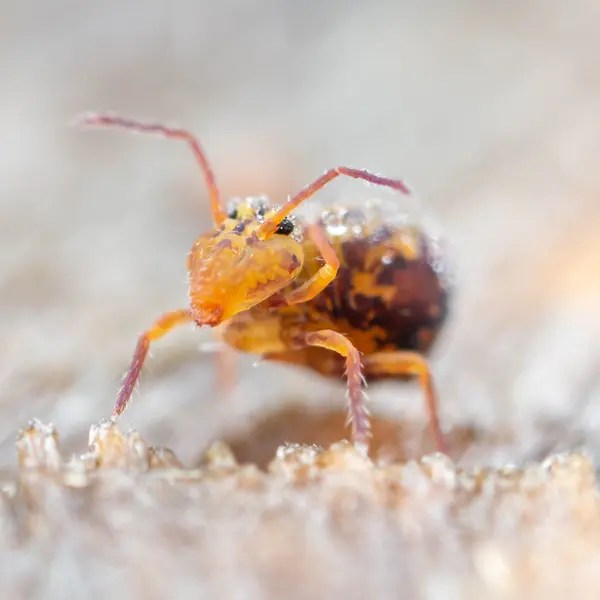
Scientists have identified about 9,000 species of springtails, but that number might represent just a fraction of their global species richness. Frank Ashwood

We have shared articles about the type of small creatures that we rarely think about, but which may be important to the wellbeing of the planet. Sofia Quaglia, an award-winning freelance science journalist (new to us), has written this story for the New York Times with exceptional photos by Frank Asherood:

Life in the Dirt Is Hard. And Climate Change Isn’t Helping.

Heat and drought are taking a toll on the tiny soil creatures that help to lock away planet-warming carbon, according to a new analysis.

They’re dirt-dwelling invertebrates, but, in a sense, they’re the real backbone of Earth’s carbon cycle.

Thousands of species of mites and springtails, living in soil all around the world, provide a crucial service by munching organic matter like fallen leaves and wood, transferring its planet-warming carbon into the ground and releasing nutrients that help new plants grow. Continue reading

Making Good Trouble In India

Another of this year’s trouble-making prize-winners:

Meet Alok Shukla

Alok Shukla led a successful community campaign that saved 445,000 acres of biodiversity-rich forests from 21 planned coal mines in the central Indian state of Chhattisgarh. In July 2022, the government canceled the 21 proposed coal mines in Hasdeo Aranya, whose pristine forests—popularly known as the lungs of Chhattisgarh—are one of the largest intact forest areas in India. Continue reading

Nature’s Ghosts, Author’s Viewpoint

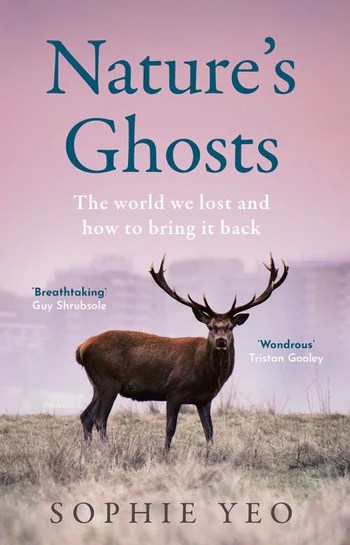
Thanks to Sophie Yeo, editor of Inkcap Journal and the author of this book to the right, for sharing that book’s key insights in essay form in the Guardian:

Nature’s ghosts: how reviving medieval farming offers wildlife an unexpected haven

Agriculture is often seen as the enemy of biodiversity, but in an excerpt from her new book Sophie Yeo explains how techniques from the middle ages allow plants and animals to flourish

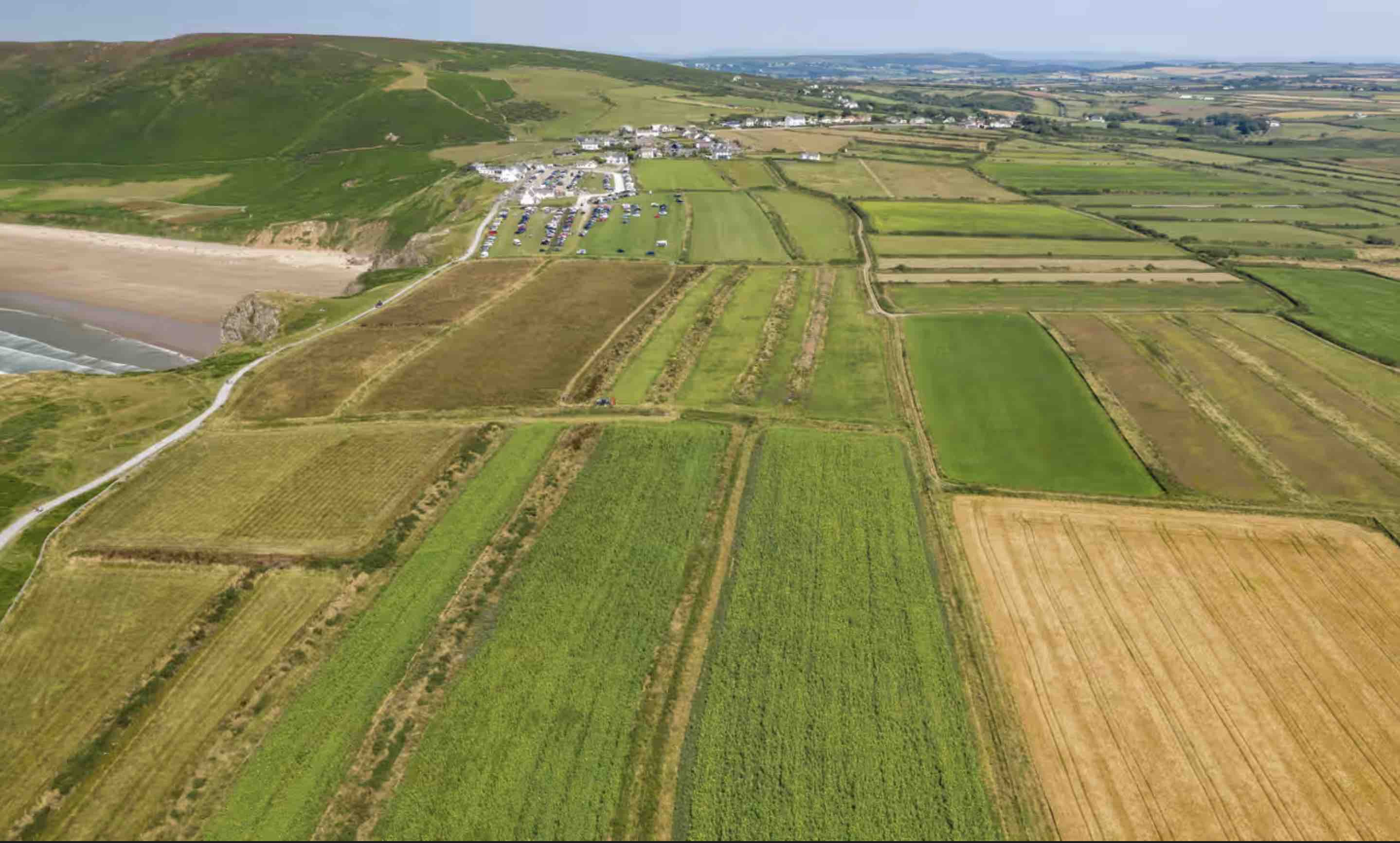
The Vile, a medieval strip field system below Rhossili village, Gower, Wales. Photograph: Wales/Alamy

The Vile clings on to the edge of the Gower peninsula. Its fields are lined up like strips of carpet, together leading to the edge of the cliff that drops into the sea. Each one is tiny, around 1-2 acres. From the sky, they look like airport runways, although this comparison would have seemed nonsensical to those who tended them for most of their existence.

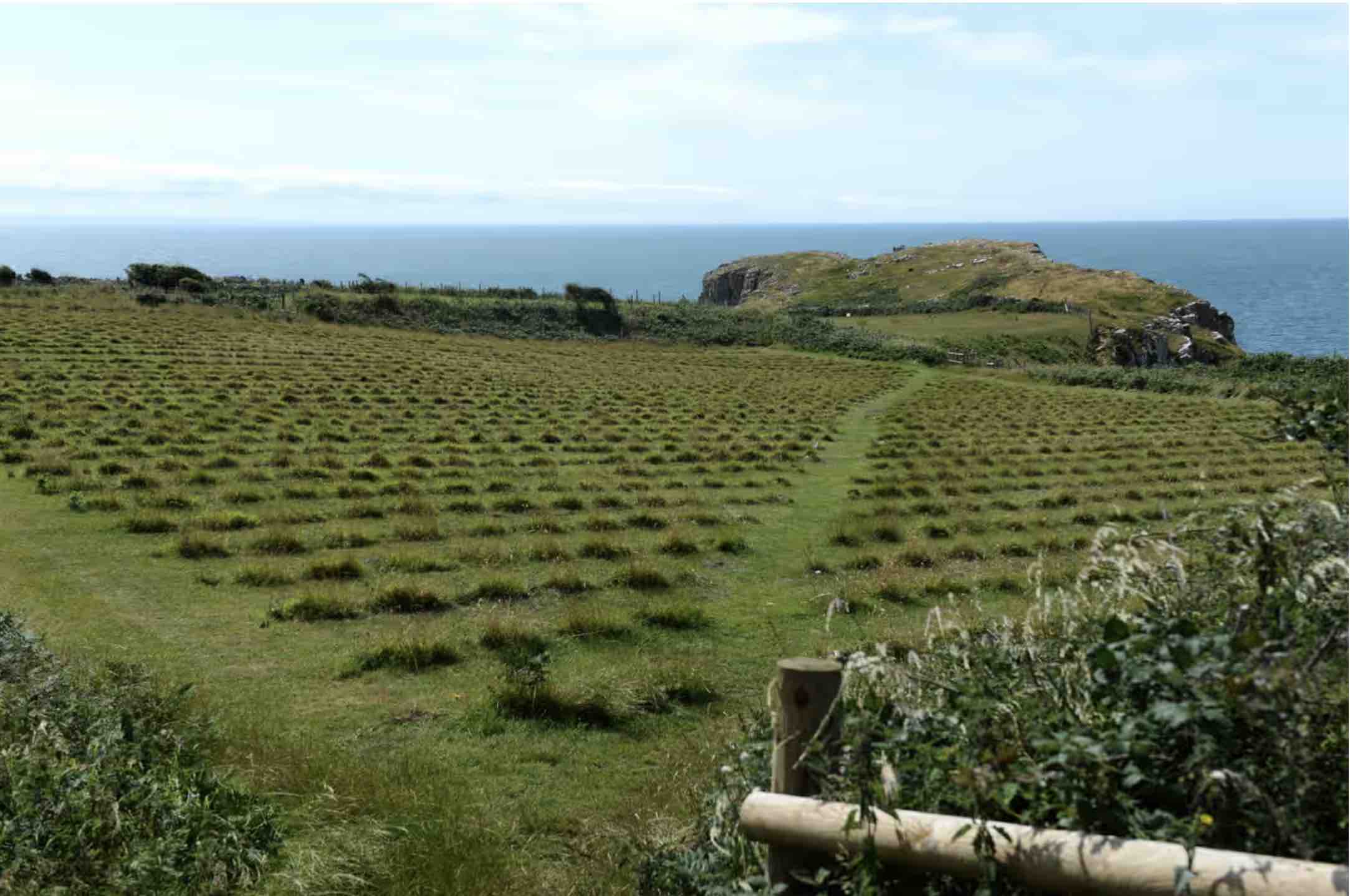
A field of lavender on the Vile above Fall bay, Rhossili, planted in summer 2019 to encourage pollinating insects. Photograph: Holden Wildlife/Alamy

That is because the Vile is special: a working example of how much of Britain would have been farmed during the middle ages. Farmers have most likely been trying to tame this promontory since before the Norman conquest.

The fields have retained their old names, speaking to a long history of struggle against the soil. Stoneyland. Sandyland. Bramble Bush. Mounds of soil known as “baulks” separate one strip from the next. Continue reading

Sailing Circa 2024

photograph: getty images

Continuing the theme of new sailing technology, our thanks to the Economist:

A new age of sail begins

By harnessing wind power, high-tech sails can help cut marine pollution

In 1926 an unusual vessel arrived in New York after crossing the Atlantic. Continue reading

Romanian Bison & Carbon Sequestration

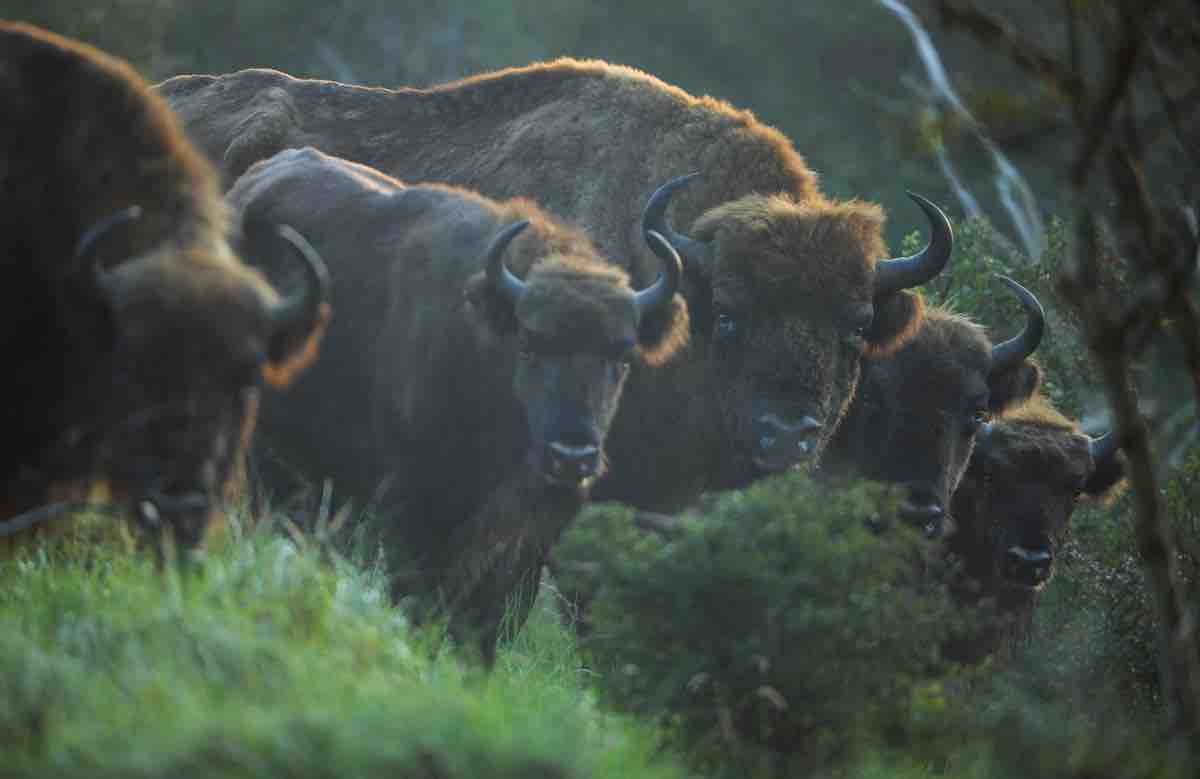
Bison (Bos Bonasus), Kennemerduinen National Park, Kraansvlak, The Netherlands. Enclousure in a fenced reserve, 250 hectar, in Kennemerduinen National Park. STAFFAN WIDSTRAND / REWILDING EUROPE

Bison restoration stories we have linked to are mostly in North America. But the Carpathian mountains have demonstrated Romania’s outsized efforts at rewilding. Now the largest such effort in Europe, according to Rewilding Europe, is this:

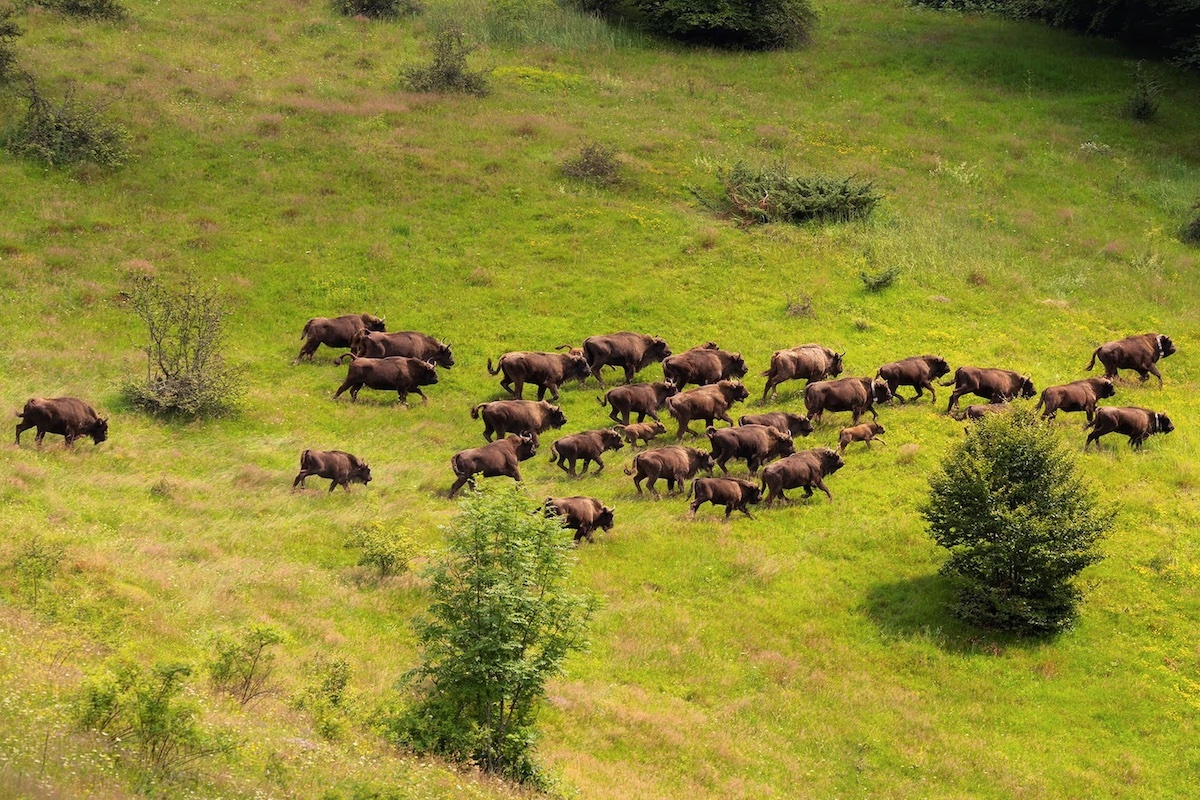
The goal of the Tarcu Mountains bison initiative is to help build a herd of at least 500 bison living in freedom by 2025 in the Southern Carpathians. This is an area spanning some 1.4 million hectares of wild mountains and valleys in the southern part of the Carpathian mountain chain.

Thanks to Yale e360 for more on this news from Romania.

European bison in the Carpathian Mountains in Romania. DANIEL MIRLEA / WWF ROMANIA

How a Small Herd of Romanian Bison Is Locking Away Thousands of Tons of Carbon

Gone from Romania for 200 years, European bison were reintroduced to the Țarcu Mountains, at the southern end of the Carpathian range, in 2014. Now numbering 170, the bison are reshaping the mountain landscape in ways that are helping clean up emissions. Continue reading

Slowed Growth Of Fossil Fuel

For those who might say too little too late we say this still counts as good news worth reading, so thanks to Yale Climate Connections:

‘Turning point in energy history’ as solar, wind start pushing fossil fuels off the grid

Fossil fuel growth has stalled while wind and solar are growing.

Solar and wind energy grew quickly enough in 2023 to push renewables up to 30% of global electricity supply and begin pushing fossil fuels off the power grid, the Ember climate consultancy concludes in a report released May 8. Continue reading

Sounds Right

You will have to sleuth for background information, because the website does not provide any; it just says in boldface and a few lines of detail what the initiative is trying to do:

music selection opens in Spotify

Sounds Right is a music initiative to recognise the value of NATURE and inspire millions of fans to take environmental action. For the first time, NATURE can generate royalties from its own sounds to support its own conservation. Continue reading

Amphibious Soul, Reviewed

HarperOne

Thanks to National Public Radio’s Barbara King for this review:

The film My Octopus Teacher tells the story of a man who goes diving every day into the underwater South African kelp forest and forms a close relationship there with an octopus. That man — the diver, and also the filmmaker — was Craig Foster, who delighted millions of nature lovers around the world and took home the 2021 Academy Award for Best Documentary Feature. Continue reading

Hammerheads Back In The Caribbean

Scalloped hammerhead sharks are critically endangered. But the discovery of a schooling population in the Caribbean is giving local researchers hope. Blickwinkel/Alamy Stock Photo

Thanks to David Shiffman writing in Hakai Magazine:

In the Caribbean, Hammerhead Sharks Return to School

The detection of schooling behavior is a promising sign of recovery for this iconic and endangered animal.

Hammerhead sharks—fish with pronounced oblong heads and bodies as long as small cars—are unmistakable. Continue reading

Honeybee Facts & Figures

Illustration by Matteo Giuseppe Pani. Source: Getty.

We have done our part to share, perhaps erroneously, that honeybees are in trouble. We hope we have been wrong:

The Great Honeybee Fallacy

For years, people have understood them to be at imminent risk of extinction, despite evidence to the contrary. Why?

Everyone, for so long, has been worried about the honeybees. Continue reading