The Scale Of Conservation Needed To Mitigate The USA’s Carbon Footprint

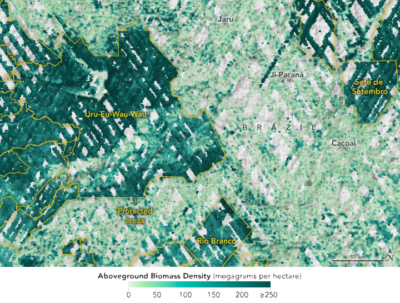
Protected areas, outlined in yellow, in a swath of the Brazilian Amazon are richer in trees than are other areas.

Protected areas, outlined in yellow, in a swath of the Brazilian Amazon are richer in trees than are other areas. NASA

Thanks to Yale e360, a very simple way to put scale on the value of protected areas, and at the same time consider the carbon footprint of the country that emits the most:

World’s Protected Lands Are Safeguarding More Carbon Than the U.S. Emits in a Year

If left unguarded, many of the world’s protected lands would have likely been burned, logged, or otherwise degraded, unleashing huge sums of heat-trapping gas. Continue reading

Bill McKibben On Degrowth Movements Past & Present

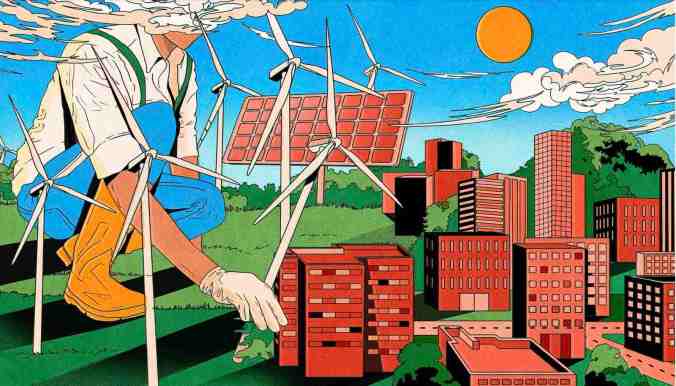
Bill McKibben gives a thorough reconsideration of what, if any, growth is helpful now:

To Save the Planet, Should We Really Be Moving Slower?

The degrowth movement makes a comeback.

John Maynard Keynes once observed that dating from “say, to two thousand years before Christ—down to the beginning of the 18th century, there was no very great change in the standard of life of the average man living in the civilised centres of the earth. Ups and downs certainly. Visitations of plague, famine, and war. Golden intervals. But no progressive, violent change.” Continue reading

Rewilding On The Beara Peninsula

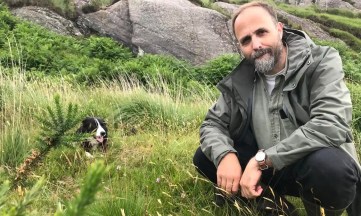
Eoghan Daltun with his dog on his farm, where native trees such as sessile oak, rowan and downy birch have self-seeded. Photograph: Rory Carroll/The Guardian

Rewilding remains one of our favorite topics to read about, and we share accordingly. Thanks to Rory Carroll for this article in the Guardian:

‘The result was amazing’: one man’s mission to reforest a barren Irish hillside

Eoghan Daltun has spent 14 years rewilding part of Beara peninsula into a showcase of diversity

Eoghan Daltun stood on a slope and pointed to a distant vista of verdant fields, craggy hills and conifer trees across the Beara peninsula in west Cork. Continue reading

The Diligence Of Local Bees

Native Bees Yield Hardier Flowers Than Honey Bees, Research Finds

Bees getting the scientific attention they deserve, our thanks to Yale e360 for summarizing and sharing these findings:

Native Bees Yield Hardier Flowers Than Honey Bees, Research Finds

Flowers pollinated by native bees produce fitter offspring than flowers pollinated by honey bees, according to a new study carried out in San Diego, California. Continue reading

Celebrating Energy Independence

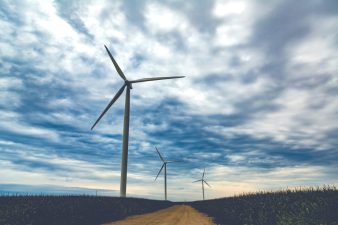
he Pioneer Prairie Wind Farm along the Iowa-Minnesota state line. TONY WEBSTER VIA WIKIPEDIA

If you are in the USA and are looking for more reasons to celebrate independence, consider renewables (thanks to Yale e360):

U.S. Wind and Solar Overtake Coal for the First Time

In a first for the U.S. power sector, wind and solar have generated more electricity than coal so far this year. Continue reading

California Bumble Bee Atlas

Leif Richardson examines a queen bee. Grace Widyatmajda/NPR

Bumble bees need help and the California Bumble Bee Atlas Project is on it. Thanks to National Public Radio (USA) for bringing it to our attention:

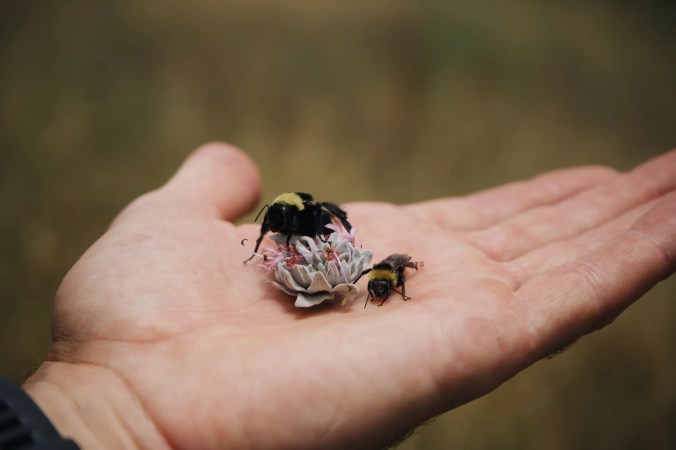
Krystle Hickman, a bee photographer and volunteer for the Bumble Bee Atlas Project, carefully places a bee onto a flower.
Grace Widyatmadja/NPR

Nets, coolers and courage: A day in the life of a volunteer bee conservationist

I never realized how fuzzy a bumble bee is until I got to hold one between my fingertips. It feels like a furry black and yellow bear, buzzing with its tiny body, wriggling with its legs.

The conservation biologist Leif Richardson, who handed me this bee a moment ago, has some advice for holding it. “You’re going to squeeze harder than you think you need to, but not so hard that you hurt him.” Continue reading

The Downside Of Dry

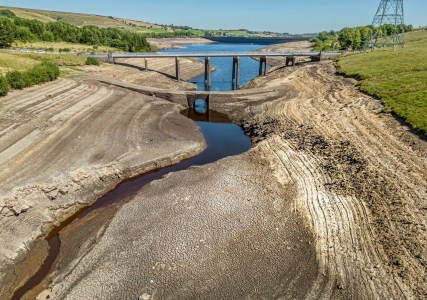
Baitings reservoir in Ripponden, West Yorkshire, in summer 2022, when the total stock of water in England’s reservoirs was at its lowest level since 1995. Photograph: Danny Lawson/PA

We do not favor panic button words in headlines; but when the cap fits, wear it:

‘Drought is on the verge of becoming the next pandemic’

While the world becomes drier, profit and pollution are draining our resources. We have to change our approach

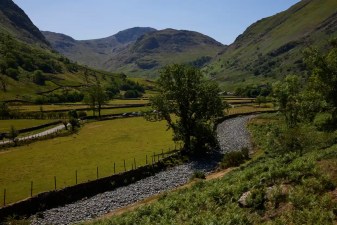
The River Derwent in Cumbria has run dry in parts of the Borrowdale valley for the third consecutive year. Photograph: Christopher Thomond/The Guardian

During the summer months in the Oxfordshire town where I live, I go swimming in the nearby 50-metre lido. With my inelegantly slow breaststroke, from time to time I accidentally gulp some of the pool’s opulent, chlorine-clean 5.9m litres of water. Sometimes, I swim while it’s raining, when fewer people brave it, alone in my lane with the strangely comforting feeling of having water above and below me. I stand a bottle of water at the end of the lane, to drink from halfway through my swim. I normally have a shower afterwards, even if I’ve showered that morning. I live a wet, drenched, quenched existence. But, as I discovered, this won’t last. I am living on borrowed time and borrowed water. Continue reading

Plastics, Waste & What To Do

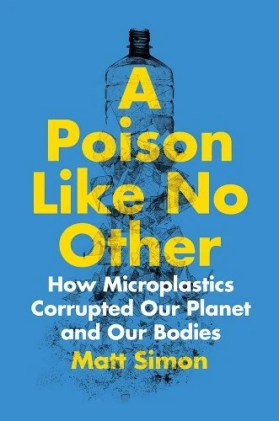
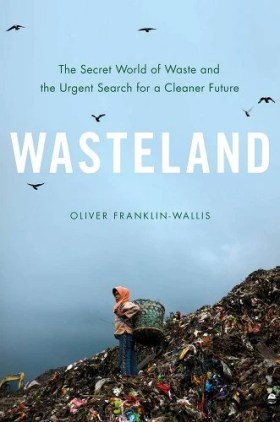
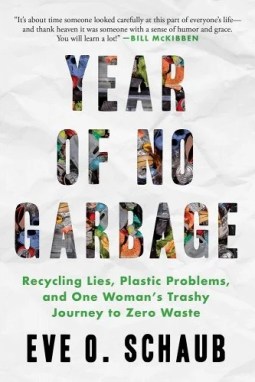
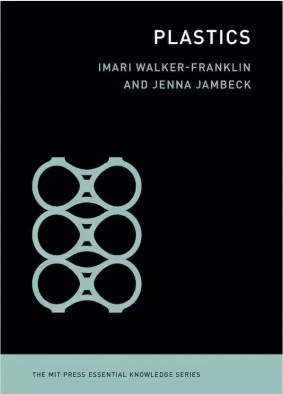
Four books have been read and summarized, thanks to Elizabeth Kolbert (the information challenges you, of course). The covers of those books appear here with links to independent booksellers where they are or will be available, and at minimum the opening story of Kolbert’s article is a must-read if you care about plastic:
How Plastics Are Poisoning Us

They both release and attract toxic chemicals, and appear everywhere from human placentas to chasms thirty-six thousand feet beneath the sea. Will we ever be rid of them?

In 1863, when much of the United States was anguishing over the Civil War, an entrepreneur named Michael Phelan was fretting about billiard balls. At the time, the balls were made of ivory, preferably obtained from elephants from Ceylon—now Sri Lanka—whose tusks were thought to possess just the right density. Phelan, who owned a billiard hall and co-owned a billiard-table-manufacturing business, also wrote books about billiards and was a champion billiards player. Owing in good part to his efforts, the game had grown so popular that tusks from Ceylon—and, indeed, elephants more generally—were becoming scarce. He and a partner offered a ten-thousand-dollar reward to anyone who could come up with an ivory substitute.
A young printer from Albany, John Wesley Hyatt, learned about the offer and set to tinkering. In 1865, he patented a ball with a wooden core encased in ivory dust and shellac. Players were unimpressed. Next, Hyatt experimented with nitrocellulose, a material made by combining cotton or wood pulp with a mixture of nitric and sulfuric acids. He found that a certain type of nitrocellulose, when heated with camphor, yielded a shiny, tough material that could be molded into practically any shape. Hyatt’s brother and business partner dubbed the substance “celluloid.” The resulting balls were more popular with players, although, as Hyatt conceded, they, too, had their drawbacks. Nitrocellulose, also known as guncotton, is highly flammable. Two celluloid balls knocking together with sufficient force could set off a small explosion. A saloon owner in Colorado reported to Hyatt that, when this happened, “instantly every man in the room pulled a gun.”
It’s not clear that the Hyatt brothers ever collected from Phelan, but the invention proved to be its own reward. From celluloid billiard balls, the pair branched out into celluloid dentures, combs, brush handles, piano keys, and knickknacks. They touted the new material as a substitute not just for ivory but also for tortoiseshell and jewelry-grade coral. These, too, were running out, owing to slaughter and plunder. Celluloid, one of the Hyatts’ advertising pamphlets promised, would “give the elephant, the tortoise, and the coral insect a respite in their native haunts.” Continue reading

Useful Summary Of Carbon Credit Schemes

©Anthropocene Magazine

Anthropocene Magazine has a useful summary, created by Mark Harris, of the strength’s, weaknesses, opportunities and threats of various carbon credit schemes. In a short read it helps clarify some, if not all, questions that can generate from conflicting headlines on the topic:

What Counts As A Carbon Credit?

A new UN draft report threatens to sideline billions of tons of future carbon removal

Back in 2015, the Paris Agreement called for the creation of an international program through which countries could trade emissions to meet their climate commitments. For that to happen, the world has to agree on what qualifies for a carbon credit. Continue reading

Thank You, Church Of England

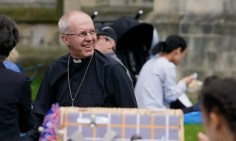
‘The climate crisis threatens the planet we live on, and people around the world who Jesus Christ calls us to love as our neighbours,’ says Justin Welby, the archbishop of Canterbury. Photograph: Gareth Fuller/PA

This is likely the first, and maybe the only time we ever thank a church in our pages (religion has shown up only a few times, whereas divestment is quite common in our pages), but it is certainly warranted in this case:

C of E divests of fossil fuels as oil and gas firms ditch climate pledges

Church pension and endowment funds shed holdings after U-turns by BP and Shell

The Church of England is divesting from fossil fuels in its multibillion pound endowment and pension funds over climate concerns and what the church claims are recent U-turns by oil and gas companies. Continue reading

Capsicum Futures

The World Vegetable Center conducts research, builds networks, and carries out training and promotion activities to raise awareness of the role of vegetables for improved health and global poverty alleviation.

Among the essential components of Kerala cuisine, various chili peppers were central in our diet during the India work years. I became quite tolerant of high intensity heat from capsicum, and learned to enjoy the steamy delirium of a typical mango curry. I am out of practice, not sure I can still handle high Scoville meals any more, but heartened to know that Derek Barchenger and the W.V.C team are taking care for capsicum’s future, so thanks to Clarissa Wei for this story:

The Quest to Save Chili Peppers

A seed bank in Taiwan is home to more chili varieties than anywhere else on earth. In a warming world, we’re going to need them.

In 1999, Susan Lin, a bespectacled plant researcher at the World Vegetable Center, in Taiwan, pulled on a pair of latex gloves and got to work cross-pollinating some chili peppers. She collected tiny white flowers from a cayenne-pepper plant, shook their pollen into a tiny test tube, and walked over to an aji-chili plant. Using tweezers, she removed the petals and anthers from its flower buds, exposing the thread-like stigmas that serve as the plant’s female reproductive organs. Then she dipped the stigmas into the pollen, hoping that they would eventually form peppers. Continue reading

Youth Is Not To Be Wasted In Montana

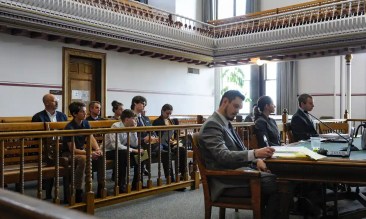
The plaintiffs look on during a status hearing for Held v Montana in the Lewis and Clark county courthouse in Helena, Montana, last month. Photograph: Thom Bridge/AP

At first it sounded like a gimmick, but listen to and read about it: there is a useful half hour podcast on this topic, and here we thank the Guardian for a bit more detailed coverage:

‘My life and my home’: young people start to testify at historic US climate trial

Some of the plaintiffs listen to arguments during the hearing in Montana. Photograph: Thom Bridge/AP

The plaintiffs note that Montana’s constitution pledges a healthy environment ‘for present and future generations’

The US’s first-ever trial in a constitutional climate lawsuit kicked off on Monday morning in a packed courtroom in Helena, Montana.

The case, Held v Montana, was brought in 2020 by 16 plaintiffs between the ages of five and 22 from around the state who allege state officials violated their constitutional right to a healthy environment by enacting pro-fossil fuel policies. Continue reading

Bring Birds Back Podcast

A new (to us) podcast to get your bird nerd fix:

Let’s All Go to Gullah Geechee Sea Islands with Isaiah Scott

Bring Birds Back Season 4: Episode 4

This episode’s guest may be too young to remember the 90’s children’s show, Gullah Gullah Island, but he’s certainly influencing the next generation the same! Isaiah Scott, a rising Gen-Z bird-influencer and ornithologist, reconnects with Tenijah to dish all about his journey into birding while young, Black and curious. He also shares how his Gullah Geechee heritage continues to inspire his work, including a forthcoming field guide that seeks to preserve his ancestral connection to birds. There’s definitely “lots to see and to do there”– press play and take the journey with us!


Taking Inspiration From Smallhold Farms In Africa

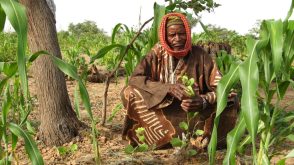
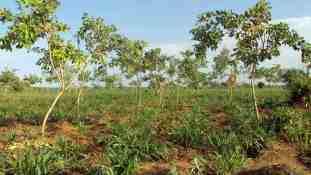
A farmer in Niger tends to a tree sprout growing among his millet crop. TONY RINAUDO / WORLD VISION AUSTRALIA

I am nearing the point where I can offer an update on the trees we have planted in advance of 1,000+ coffee plants going into the ground in their shade. Thanks to Fred Pearce, reporting in Yale E360, I have some inspiration coming from across the Atlantic on the broader value of those trees:

Dooki (Combretum glutinosum) trees grow on a millet field in Niger. P. SAVADOGO / ICRAF

As Africa Loses Forest, Its Small Farmers Are Bringing Back Trees

The loss of forests across Africa has long been documented. But recent studies show that small farmers from Senegal to Ethiopia to Malawi are allowing trees to regenerate on their lands, resulting in improved crop yields, productive fruit harvests, and a boost for carbon storage.

For decades, there have been reports of the deforestation of Africa. And they are true — the continent’s forests are disappearing, lost mainly to expanding agriculture, logging, and charcoal-making. But the trees? Continue reading

Taking Better Care With Help From Kate Raworth

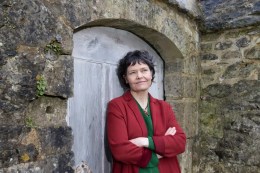
What? We never posted on this book or its economist author before? We correct that now with Hettie O’Brien’s article in the Guardian :

The planet’s economist: has Kate Raworth found a model for sustainable living?

Her hit book Doughnut Economics laid out a path to a greener, more equal society. But can she turn her ideas into meaningful change?

Raworth in Oxford. Photograph: Graeme Robertson/The Guardian

Consider the electric car. Sleek and nearly silent, it is a good example of how far the world has progressed in fighting the climate crisis. Its carbon footprint is around three times smaller than its petrol equivalent, and unlike a regular car, it emits none of the greenhouse gases that warm the planet or noxious fumes that pollute the air. That’s the good news. Then consider that the battery of an electric car uses 8kg of lithium, likely extracted from briny pools on South America’s salt flats, a process that has been blamed for shrinking pasturelands and causing desertification.

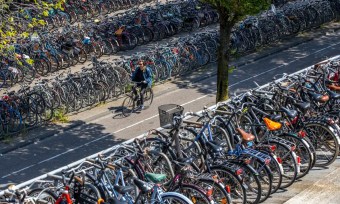
A bike park in Amsterdam which offers free parking for more than 2,500 bicycles. Photograph: Jochen Tack/Alamy

The 14kg of cobalt that prevent the car’s battery from overheating have probably come from the Democratic Republic of the Congo, where cobalt mines have contaminated water supplies and soil. As the demand for electric vehicles grows, the mining and refining of their components will intensify, further damaging natural ecosystems. By 2040, according to the International Energy Agency, the global demand for lithium will have increased more than fortyfold. Continue reading

Seaweed Farming Further Considered

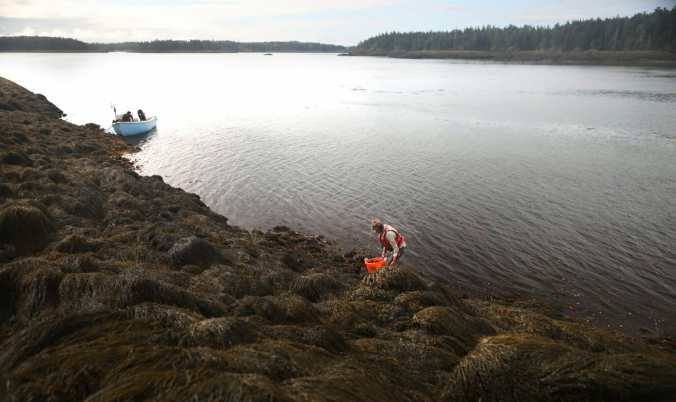
Severine von Tscharner Welcome forages for seaweed in Cobscook Bay, Maine.

Our thanks as always to Food & Environment Reporting Network. In this article by Bridget Huber, with photography by Lauren Owens Lambert, some of our earlier links to stories about farming in the sea are called into question.

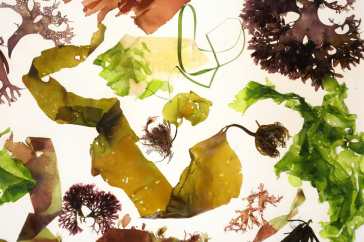
A variety of seaweed harvested from the Gulf of Maine, including sugar kelp, sea lettuce, dulse, bladderwrack, and Irish moss.

Climate savior or ‘Monsanto of the sea’

Seaweed farming is being hyped as a major weapon in the fight against climate change. But skeptics say the rush to build industrial-scale operations risks unintended consequences.

Early on a cool spring morning, in far Downeast Maine, Severine von Tscharner Welcome and her husband, Terran, scrambled along a point jutting into Cobscook Bay. The Passamaquoddy people named the bay Kapskuk after the immense tides and wild currents that make the water seem to boil. Continue reading

More On Merlin Sheldrake, Fungi & Related Matters

Merlin Sheldrake, author of the best-selling book “Entangled Life.” Alexander Coggin for The New York Times

We are grateful to any publication that gives this topic its due attention, in this case the New York Times and a particular thanks to Jennifer Kahn for such a thoughtfully written profile:

A vast fungal web braids together life on Earth. Merlin Sheldrake wants to help us see it.

One evening last winter, Merlin Sheldrake, the mycologist and author of the best-selling book “Entangled Life,” was headlining an event in London’s Soho. The night was billed as a “salon,” and the crowd, which included the novelist Edward St. Aubyn, was elegant and arty, with lots of leggy women in black tights and men in perfectly draped camel’s-hair coats. “Entangled Life” is a scientific study of all things fungal that reads like a fairy tale, and since the book’s publication in 2020, Sheldrake has become a coveted speaker.

A pied bleu (Lepista personata), also known as the field blewit. Alexander Coggin for The New York Times

At talks like these, Sheldrake is sometimes asked to answer a question he poses in the first chapter of his book: What is it like to be a fungus? The answer, at least according to Sheldrake, is at once alien and wondrous. “If you had no head, no heart, no center of operations,” he began. “If you could taste with your whole body. If you could take a fragment of your toe or your hair and it would grow into a new you — and hundreds of these new yous could fuse together into some impossibly large togetherness. And when you wanted to get around, you would produce spores, this little condensed part of you that could travel in the air.” There were nods. In the audience, the woman next to me gave a long, affirming hum. Continue reading

Pottery Tradition & Modernity

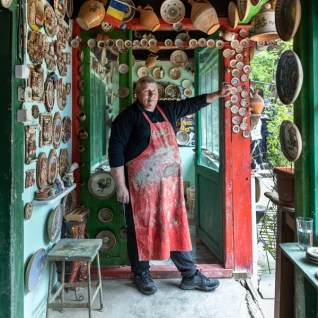
Mr. Biscu makes pieces using clay that comes from earth extracted from a hill in Horezu.

Chantel Tattoli reported this story from Horezu, Romania for the New York Times. Accompanied by photographs and video by Marko Risovic, her story is based on speaking to a dozen local potters using a translator:

A style of pottery made for centuries in a small Romanian town has recently become a hot commodity.

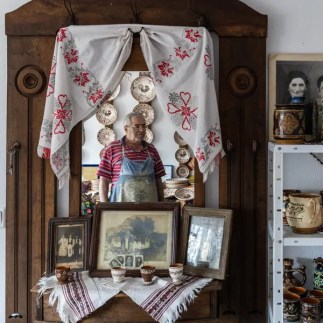
Sorin Giubega at his home, which is filled with ceramics made by him and his ancestors.

Sorin Giubega’s grandfather was a potter. So was his father. And at 8 years old, Mr. Giubega said, he started to play on a pottery wheel, too.

Mr. Giubega, now 63, and his wife, Marieta Giubega, 48, are potters in Horezu, Romania, a town in the foothills of the Capatanii Mountains about three hours by car from Bucharest.

Horezu is home to a community of about 50 artisans who make a traditional style of ceramics with methods that have been practiced for more than 300 years. Continue reading

Indigenous Food Foraging

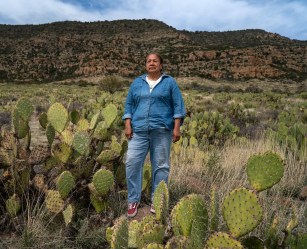
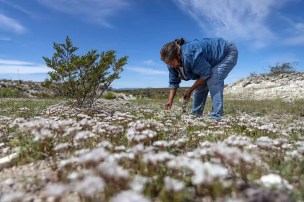
Prickly pear cacti, which produce Twila Cassadore’s favorite fruit. Photograph: Gabriela Campos/The Guardian

Samuel Gilbert was in Bylas, Arizona, on the San Carlos Apache Reservation to report this article, which contains excellent accompanying photographs by Gabriela Campos.

We thank the Guardian for this coverage of indigenous heritage:

‘It healed me’: the Indigenous forager reconnecting Native Americans with their roots

Twila Cassadore hopes teaching Western Apache traditional foodways can aid mental, emotional and spiritual health

Twila Cassadore gathers wild pearl onions on a foraging trip in the San Carlos Apache Reservation in April. Photograph: Gabriela Campos/The Guardian

On a warm day in April, Twila Cassadore piloted her pickup truck toward the mountains on the San Carlos Apache Reservation in Arizona to scout for wild edible plants. A wet winter and spring rains had transformed the desert into a sea of color: green creosote bushes topped with small yellow flowers, white mariposa lilies, purple lupines and poppies in full bloom.

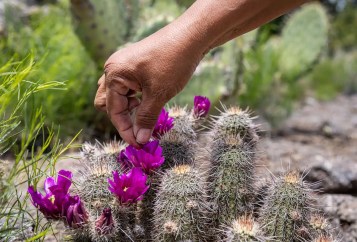
Cassadore picks the petals off a flowering cactus during a foraging trip. She uses the petals in salads. Photograph: Gabriela Campos/The Guardian

Cassadore and I drove up a rough dirt road that used to be an old cattle trail, passing through various ecosystems, moving from Sonoran desert to grasslands and piñon-juniper woodlands. In each area, Cassadore would stop to gather desert chia seeds, cacti flowers and thistles.

Cassadore stopped her truck beside a three-leafed sumac bush brimming with fruit. Continue reading

Snow Lab & Melting

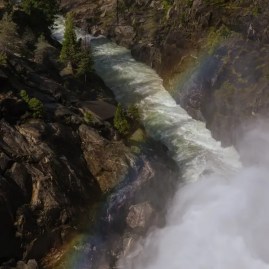
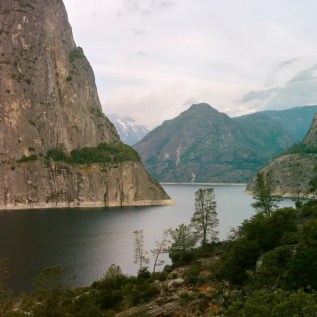
Water released from Hetch Hetchy Reservoir’s O’Shaughnessy Dam flows into the Tuolumne River. The reservoir currently supplies drinking water to 2.7 million San Francisco Bay Area residents. Photograph by Aubrey Trinnaman

We are gratified to know of such a place as a snow lab, and that their scientists share their knowledge in language we can all understand:

California’s Snow Is Melting, and It’s a Beautiful Thing

By Andrew Schwartz.

Dr. Schwartz is the lead scientist and station manager at the University of California, Berkeley, Central Sierra Snow Lab.

Photograph by Aubrey Trinnaman

SODA SPRINGS, Calif. — My fellow Californians often remark that the weather in this state seems it has been reduced to two seasons, both defined by natural disasters: In summer and fall, huge, intense wildfires rip their way across dry land, and winter and early spring bring intense atmospheric rivers with heavy rainfall, floods and landslides, along with winds that take down trees. Continue reading