Hampi Conservation

This slideshow requires JavaScript.

In advance of Amie’s visit to Hampi in a few weeks, at which time we hope to hear more on this story, for now a few images and words from The Guardian:

Half a million pilgrims and tourists come to Hampi’s 2,000 temples and ancient stones each year. Conservationists want the site in Karnataka state restored to its medieval glory – but the price is the eviction of those who live in its old bazaar

A Very Tough Call

Click the headline above to go to the story below:

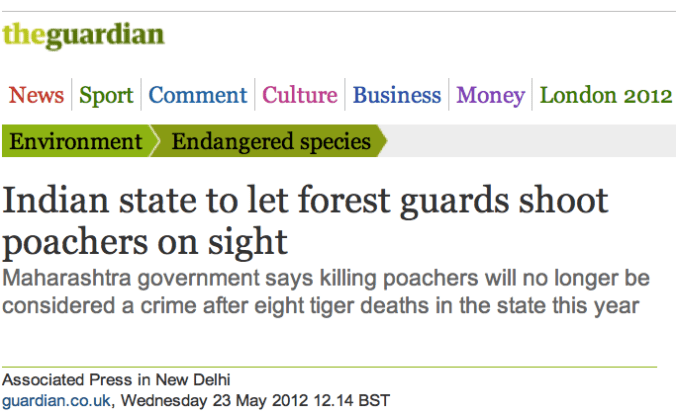
A western Indian state has declared war on animal poaching, allowing forest guards to shoot hunters on sight to curb attacks on tigers, elephants and other wildlife. Continue reading

The Catch

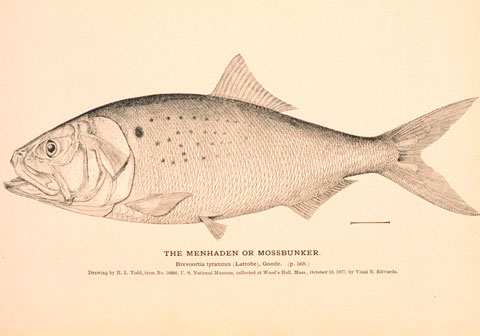
In a post last August, Seth referred to the problem of over-fishing as an example of a complex set of challenges constantly facing societies, simply stated as how we cooperate to solve problems.  Overfishing is not a new problem, and like many challenging ones seems to be getting more and more daunting, with no solutions in sight no matter how far and wide we search.  Click the image below for a well-written documenting of one facet of this problem.  It may leave you in need of a lighter treatment of the future of fish

Harvested by the billions and then processed into various industrial products, menhaden are extruded into feed pellets that make up the staple food product for a booming global aquaculture market, diluted into oil for omega-3 health supplements, and sold in various meals and liquids to companies that make pet food, livestock feed, fertilizer, and cosmetics. We have all consumed menhaden one way or another. Pound for pound, more menhaden are pulled from the sea than any other fish species in the continental United States, and 80 percent of the menhaden netted from the Atlantic are the property of a single company.

Forests Need People

The premise underlying entrepreneurial conservation is that there are good economic reasons to preserve natural and cultural heritage.  And when such good reasons present themselves, opportunity dances with need. With natural heritage in particular, in the interest of introducing the dance partners with neither too much fanfare nor scowling, we have taken a light approach to the concept of biophilia, making reference from time to time.

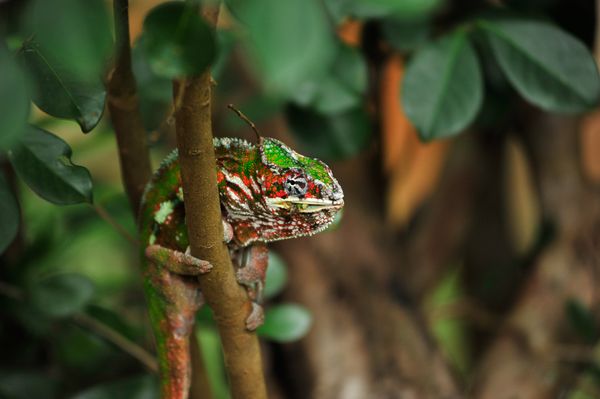
Click the photograph above, by Raul Touzon, to go to National Geographic‘s online coverage of forests under threat, which we link to with entrepreneurial intent.  A bit of fanfare (just look at that creature!) and a hint of scowl are inevitable when you read the sampling in this series: Continue reading

What Ice Reveals

Good news is meant to be shared., and we are excited to share the achievements of another branch of our company: La Paz Group, Heritage Conservation Project – Mammuthus. (Click on the photo to go to the BBC Nature News link.)

A year and half ago we began discussions with Discovery Channel and BBC, and the first step of our four-year media plan for Mammuthus was set in motion with the airing of “Woolly Mammoth: Secrets from the Ice” in the UK this week. Continue reading

“Audrey” Redux

Robert Barker/University Photography

Last month I excitedly wrote about the soon-to-bloom Titan arum at Cornell University in a series of posts: here, here and here. I think I even made the promise not to subject our readers to more on the theme. But bear with me. One last post. Really… Continue reading

Sustainable Water System in Your Own Garden!

In my opinion, the major benefit for attending Cornell is an opportunity to meet diverse industry leaders face-to-face. This week I was fortunate enough to meet the Sales Director of Aquascape, a water-gardening company dedicated to creating/installing a sustainable and, at the same time, beautiful and decorative water features in your garden. The main way they recycle the water is through rainwater harvesting – by capturing, filtering, and reusing the rainwater. Instead of letting it flow back into the body of water, we could be converting the impervious surfaces (which cause stormwater runoff) to permeable surface that allows us to capture and reuse the rainwater. With this captured grey water, you could be washing your car, irrigating your garden, reusing in water features, etc.

Image Continue reading

“I Will!”

What began as a WWF Australia project to focus public attention on climate change has turned into an international movement that has become the largest voluntary action ever witnessed, reaching 1.3 billion people across the globe.

In the best possible way the movement has gone viral, expanding exponentially, bringing people together in a celebratory atmosphere that represents the power of social media and a good idea. Continue reading

Thekkady, Through an Old Camera’s Lens

“We have fallen heirs to the most glorious heritage a people ever received, and each one must do his part if we wish to show that the nation is worthy of its good fortune.” –Theodore Roosevelt

We have commented elsewhere on the counterintuitive observation that hunters and fishermen are sometimes, perhaps even often, the best conservationists. (See Seth Inman’s posts from last autumn.) At least in the “North American Wildlife Conservation Model” established in the early 20th century it can be understood that way. Some environmentalists would call the slope between the two concepts a “slippery” one.

Theodore Roosevelt, the 26th President of the United States was a very public example of this. Approximately 230,000,000 acres of wilderness, including deserts, mountains, wetlands and forests were placed into the public trust under his presidency. I wrote about his importance to the early conservation movement in the U.S. in a post called The Natural. At the time I wrote that post I purposefully avoided using the archival photographs that portrayed Roosevelt’s long history of hunting, assuming it wouldn’t fit with our Conservation point of view. Continue reading

Giving Wildlife a Hand

Creativity often breaks the boundaries of “Art” and flows unrestricted into the art of advertising, catching the eye and closing the deal.  Using uncharacteristic restraint in avoiding all the obvious applause puns tugging at my imagination, I will just say “kudos to WWF” for using Guido Daniele’s inspired work to make their important point. Continue reading

Horticultural Midwifery

Photo: Robert Barker / Cornell University

At risk of being labeled a “horticultural geek” I feel compelled to continue Audrey‘s story.  (Although I surely should stop calling the plant by that name, but once again, I can’t seem to help myself.)

Most plants in cultivation require human pollination in order to remain genetically viable.  The Titan Arum is no acception.  In fact, this plant actually can’t self pollinate because the 450 female flowers that ring the base of the column-like structure (spadix) are receptive days before the the 500 to 1,000 male flowers above them are ready to  shed their pollen. (Even in botany females mature earlier than males!) Continue reading

“Audrey” Is Open!


Last week I posted about an upcoming blessed event at the Kenneth Post Lab Greenhouses at Cornell University.

Due to the 9.5 hour time difference between US Eastern Standard Time and India Standard Time I wasn’t always able to watch the “Greenhouse Cam” while it was filming, but I checked in whenever there was overlap.

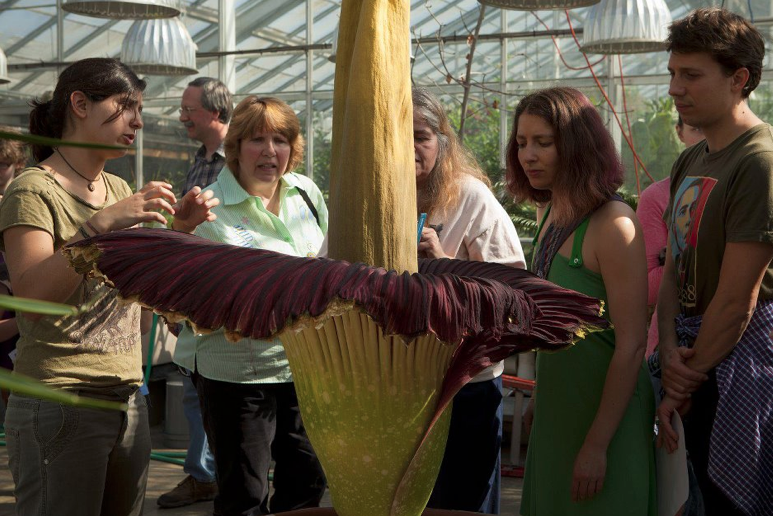
You can tell from the looks on people’s faces, it’s really starting to stink.

What a quote to wake up to!

Continue reading

Humongous, Malodorous and Rare


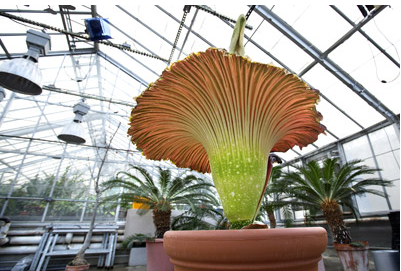
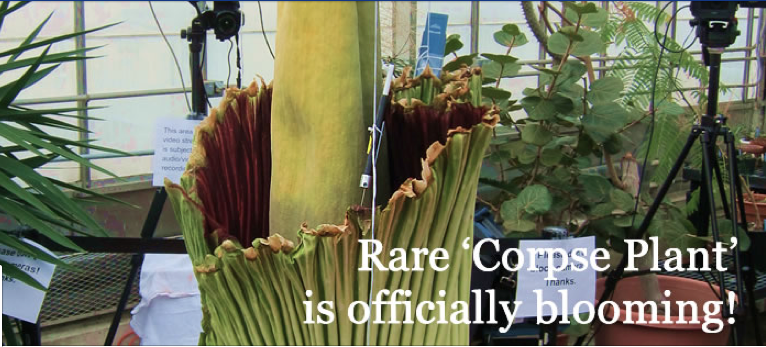
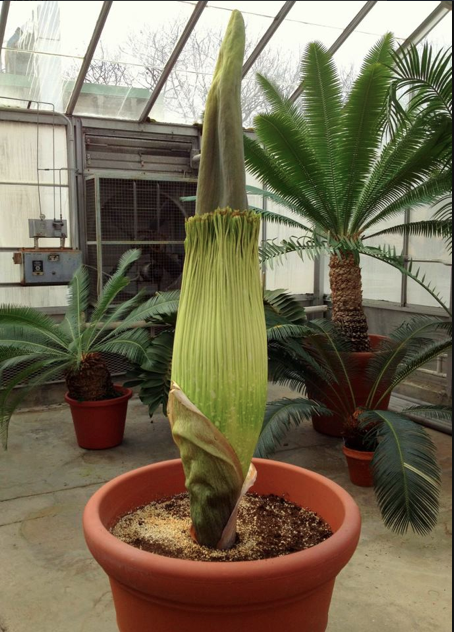
It’s big. It’s green. Its growth is rapid. And even before it actually blooms it easily brings “Audrey”, the plant from The Little Shop of Horrors to mind. An extremely rare titan arum, also called the corpse plant, is expected to bloom at the Kenneth Post Lab Greenhouses at Cornell University this week.

Titan arum, also known as Amorphophallus titanum, is a plant that grows in the wild only in the rainforests of Sumatra and rarely blooms in cultivation. Many universities and botanical gardens have specimens, but there have been approximately only 140 such cultivated blooms in recorded history.   Continue reading

Real Rural California

In India, the migration from rural to urban areas is one of the most dynamic changes to the economy, the environment, the landscapes, the urbanscapes (just as in China and other rapidly developing agrarian economies) so it is refreshing to see and hear the stories that writer and photographer Lisa Hamilton shares on this site (click the image to go to one of those stories):

In February/March 2012, an ad-art campaign on trains throughout the Bay Area Rapid Transit (BART) system will feature select portraits of people and places from rural California. In fall 2012, photographs from Real Rural will comprise a show at the California Historical Society Museum, and there will be a concurrent ad-art campaign on billboards in Los Angeles and Sacramento. Continue reading

Really, Monsanto?

We try to be careful consumers of information, and link out to stories that match our interests and have relevant factual content.  Not everything that every government says passes the “truthiness” test, but we are reflexively interested in the views and findings of a group like this:

PEER is a national non-profit alliance of local, state and federal scientists, law enforcement officers, land managers and other professionals dedicated to upholding environmental laws and values.

Reflexive does not mean blindly accepting of everything they say, but we are inclined to pay attention to scientific findings related to the environment.  When they raise issues like this related to wildlife refuges then the inclination transforms into something stronger and more urgent: Continue reading

Happy Birthday, Douglas

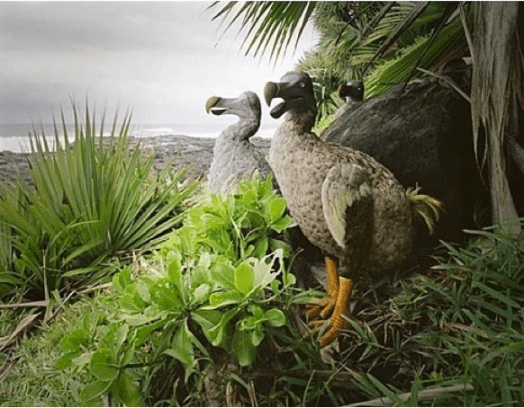
Amie, she-er than she, was a bit late on noting the birthday of one favored writer, and I, me-er than me, will be a bit early noting another.  Click on the image to the left and you will find a fun opportunity to celebrate this birthday and at the same time support conservation for these creatures, which I still have not seen in the wild but hope to one day do so, or at least participate in something like this; anyway, take a look:

11 March 2012 would have been Douglas Adams’ 60th Birthday. To celebrate this event, Douglas’ family and friends, in association with ‘Save The Rhino’ (one of Douglas’ favourite charities) are holding a very special birthday celebration in his honour at the Hammersmith Apollo in London. An evening’s entertainment from some of the finest names in the world of science, comedy, entertainment and music, with a very special premiere performance of Douglas’ material, this is one event that is definitely not to be missed. Continue reading

A Bird In Hand….

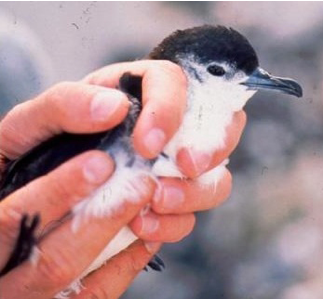
Some fields of scientific study rack up an astounding rate of new species discoveries annually; think entomology as an example.  But ornithologists are currently more likely to be subtracting species than adding them.

But last year Peter Pyle, a sharp eyed scientist at the Institute of Bird Populations noticed something amiss while studying a group of pelagic bird specimens in the Smithsonian’s collection from 1963. Pyle’s theory was strong enough to merit a DNA study and it was discovered that the small bird had been misidentified as a Little Shearwater. The analysis was correct and the bird was given the name Bryan’s Shearwater, Puffinus bryani. Continue reading