Crows Counting

This photo shows a black-colored crow with its beak raised in the air and partially open. In the blurry background are green foliage and a light blue sky.

Crows can be trained to count out loud much in the way that human toddlers do, a study finds. Andreas Nieder/Universal Images Group Editorial

We have paid crows passing attention, and have not considered them obviously charismatic but always worthy of further consideration:

Crows can count out loud like human toddlers — when they aren’t cheating the test

Math isn’t just a human thing. All kinds of animals, from African grey parrots to chimpanzees, are thought to have some kind of mathematical ability, but it can be hard to test. Now, a new study finds that certain crows have a way with numbers — one that resembles that of human toddlers. Continue reading

Nature’s Sobering Scenes Challenge Our Simple Wonder

Matt Williams

James Gorman‘s nature and scientific work has appeared so many times in our pages that we can say his style of writing mixes sobriety and wonderment. This essay’s message– birdwatching is not all rainbows and unicorns–is an amplification of that mixture:

From sibling murder to snakes for breakfast, birds’ lives may be darker than you imagine.

I saw a couple of crows dining on roadkill the other day as I was driving by and wondered, Does this count as bird-watching?

I think it should. I know that birding is having a moment. It was something you could do outside without catching Covid at the height of the pandemic. Continue reading

Assisted Evolution

Photo illustration by Lauren Peters-Collaer

If conservation failure is an option, then assisted evolution is a necessary consideration. Emily Anthes walks us through the idea:

When traditional conservation fails, science is using “assisted evolution” to give vulnerable wildlife a chance.

Scientists are trying to save lowland Leadbeater’s possums, tree-dwelling marsupials known as forest fairies, by crossbreeding them with possums from a separate highland population, a strategy known as genetic rescue.

For tens of millions of years, Australia has been a playground for evolution, and the land Down Under lays claim to some of the most remarkable creatures on Earth.

It is the birthplace of songbirds, the land of egg-laying mammals and the world capital of pouch-bearing marsupials, a group that encompasses far more than just koalas and kangaroos. (Behold the bilby and the bettong!) Nearly half of the continent’s birds and roughly 90 percent of its mammals, reptiles and frogs are found nowhere else on the planet.

Australia has also become a case study in what happens when people push biodiversity to the brink. Continue reading

Frogs, Western Ghats & Science

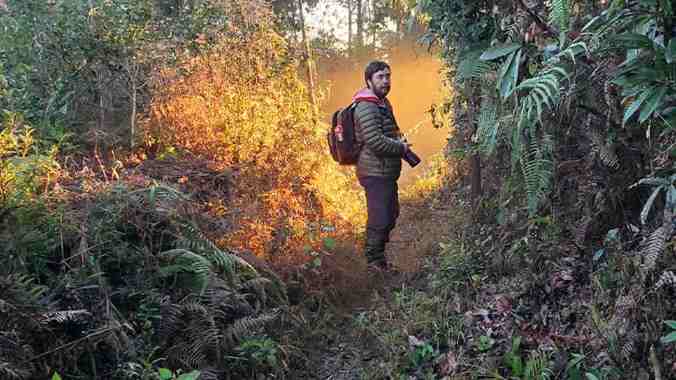
Sathyabhama Das Biju (from left), James Hanken, Harvard’s Alexander Agassiz Professor of Zoology, and Sonali Garg during a June 2023 field trip to study amphibians in the Western Ghats, a biodiversity hotspot in India. Photo by A.J. Joji

During our seven years living and working in the Western Ghats we came to appreciate frogs through the eyes of our family, those of our staff, as well as travelers and occasional scientific references (the man on the left in the photo to the left having shown up in our pages one of those times). Good to know that the science is being shared for good cause, thanks to Anne J. Manning in this article for the Harvard Gazette:

The Indian Purple Frog, first described by Sathyabhama Das Biju in 2003.

Who will fight for the frogs?

Indian herpetologists bring their life’s work to Harvard just as study shows a world increasingly hostile to the fate of amphibians

Having pulled themselves from the water 360 million years ago, amphibians are our ancient forebears, the first vertebrates to inhabit land.
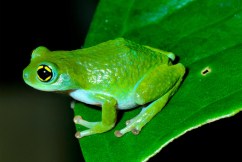
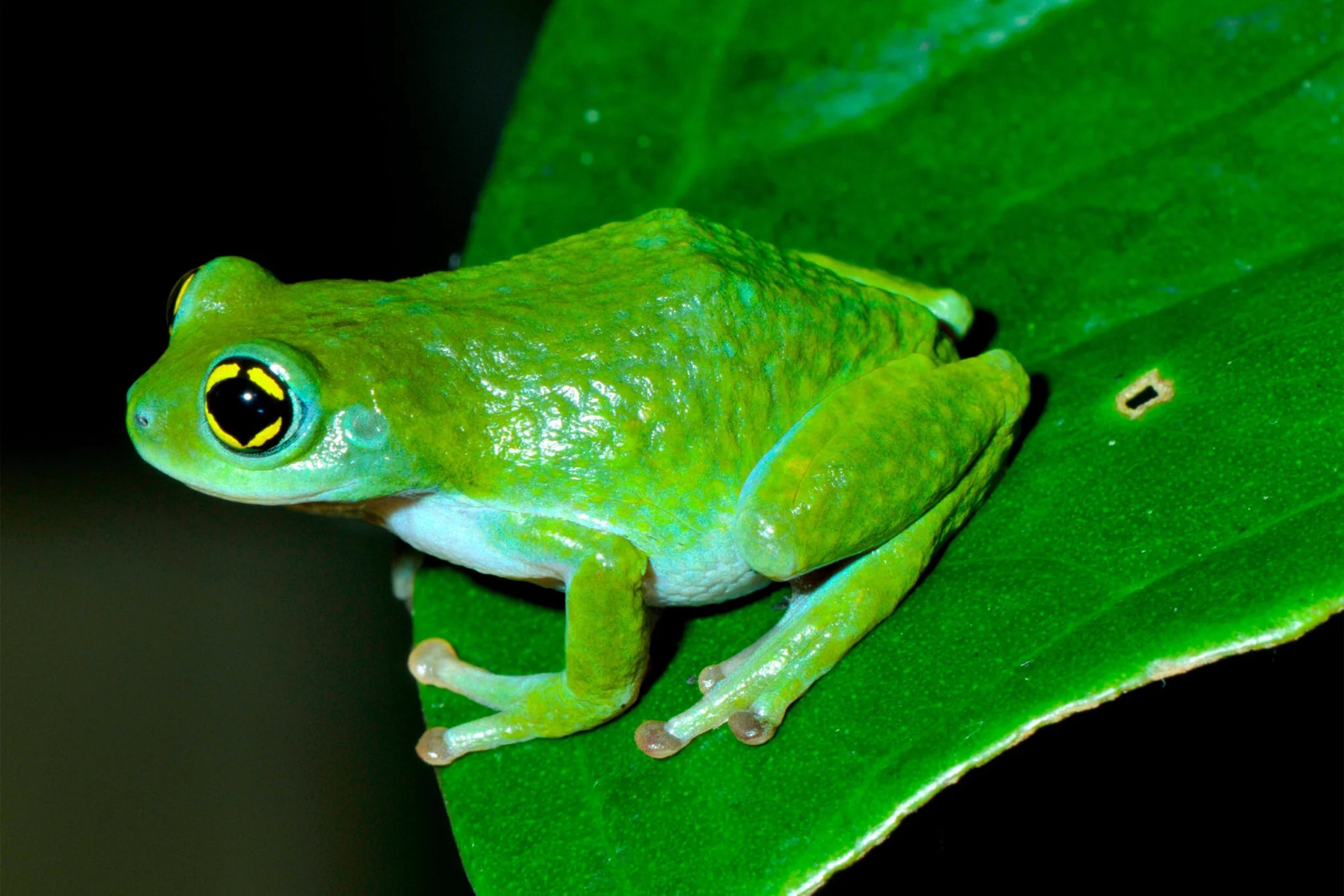
After 136 years from its original description, Günther’s shrub frog was recently rediscovered in the wild. Credit: S.D. Biju and Sonali Garg

Now, this diverse group of animals faces existential threats from climate change, habitat destruction, and disease. Two Harvard-affiliated scientists from India are drawing on decades of study — and an enduring love for the natural world — to sound a call to action to protect amphibians, and in particular, frogs.

Sathyabhama Das Biju, the Hrdy Fellow at Harvard Radcliffe Institute and a professor at the University of Delhi, and his former student Sonali Garg, now a biodiversity postdoctoral fellow at Harvard’s Museum of Comparative Zoology, are co-authors of a sobering new study in Nature, featured on the journal’s print cover, that assesses the global status of amphibians. It is a follow-up to a 2004 study about amphibian declines.
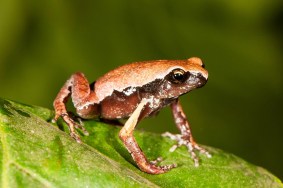
Franky’s narrow-mouthed frog is among the threatened species. Credit: S.D. Biju and Sonali Garg

Biju and Garg are experts in frog biology who specialize in the discovery and description of new species. Through laborious fieldwork, they have documented more than 100 new frog species across India, Sri Lanka, and other parts of the subcontinent.

According to the Nature study, which evaluated more than 8,000 amphibian species worldwide, two out of every five amphibians are now threatened with extinction. Climate change is one of the main drivers. Continue reading

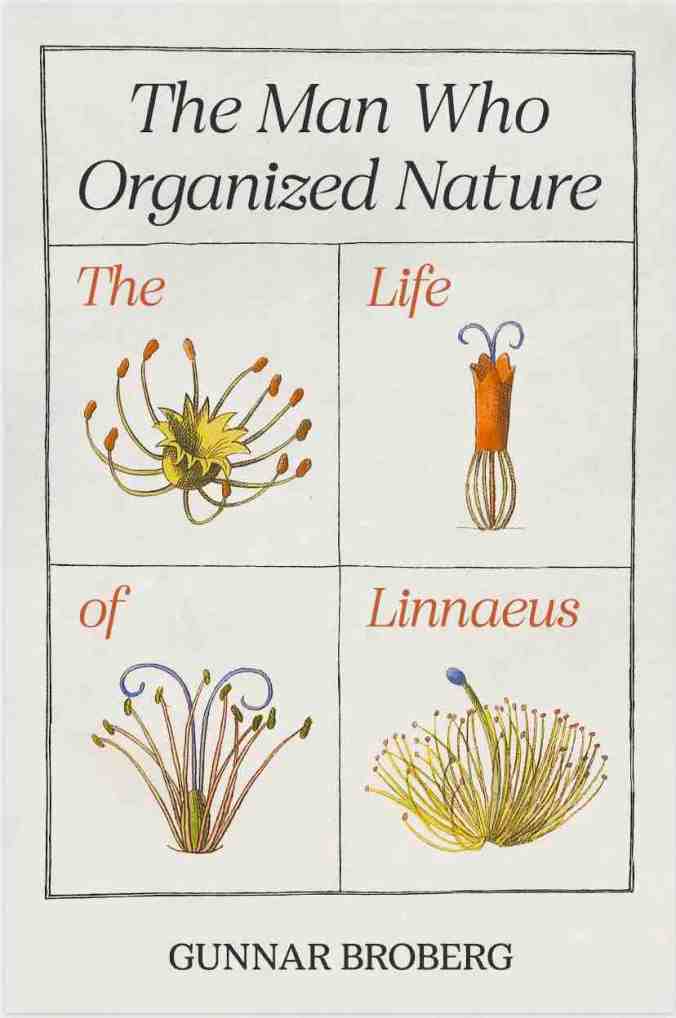
Carl Linnaeus, The Man Who Organized Nature

Thanks to Kathryn Schulz for this review:

The sexual system Linnaeus favored for classifying plants brought a whiff of scandal, which helped spread his name. Illustration by Karlotta Freier

How Carl Linnaeus Set Out to Label All of Life

He sorted and systematized and coined names for more than twelve thousand species. What do you call someone like that?

For the Tyrannosaurus rex, as for Elvis and Jesus, being extremely dead has proved no obstacle to ongoing fame. Last seen some sixty-six million years ago, before an asteroid wiped out three-quarters of the life-forms on earth, it is nonetheless flourishing these days, thanks in large part to Michael Crichton, Steven Spielberg, and elementary-school children all over the world. Continue reading

Cats Coming In From The Wild

Wild cats were a big part of our life in Belize, when our business included operating a lodge in the northwest of the country. As a “cat person” I appreciate this evolutionary biologist walking me through the adaptation from wild cats to domesticated:

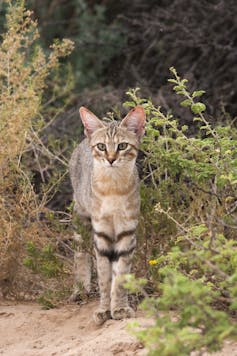
long-legged, striped cat peeks out of scrubby greens

An African wildcat doesn’t look so different from a domestic cat. pum_eva/iStock via Getty Images Plus

Cats first finagled their way into human hearts and homes thousands of years ago – here’s how

A few years ago, I had the opportunity to go on safari in southern Africa. One of the greatest thrills was going out at night looking for predators on the prowl: lions, leopards, hyenas.

As we drove through the darkness, though, our spotlight occasionally lit up a smaller hunter – a slender, tawny feline, faintly spotted or striped. The glare would catch the small cat for a moment before it darted back into the shadows. Continue reading

The Mind Of A Bee

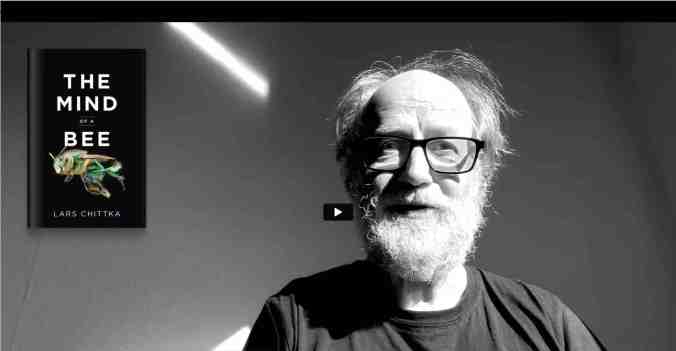
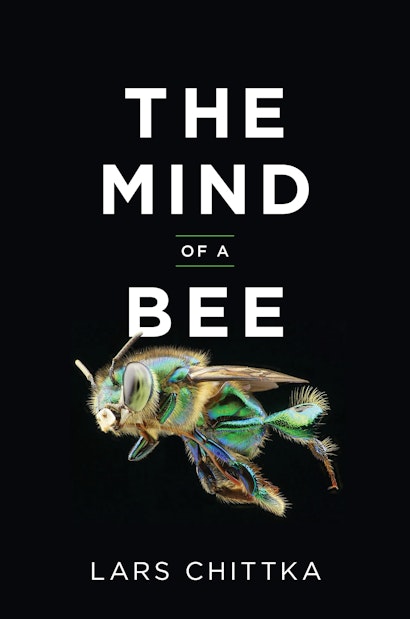
Bees’ brains are always of interest, and both the publisher below and the author above makes a good case for why this book matters:

Most of us are aware of the hive mind—the power of bees as an amazing collective. But do we know how uniquely intelligent bees are as individuals? In The Mind of a Bee, Lars Chittka draws from decades of research, including his own pioneering work, to argue that bees have remarkable cognitive abilities. He shows that they are profoundly smart, have distinct personalities, can recognize flowers and human faces, exhibit basic emotions, count, use simple tools, solve problems, and learn by observing others. They may even possess consciousness. Continue reading

Huilo Huilo’s Hojarasca

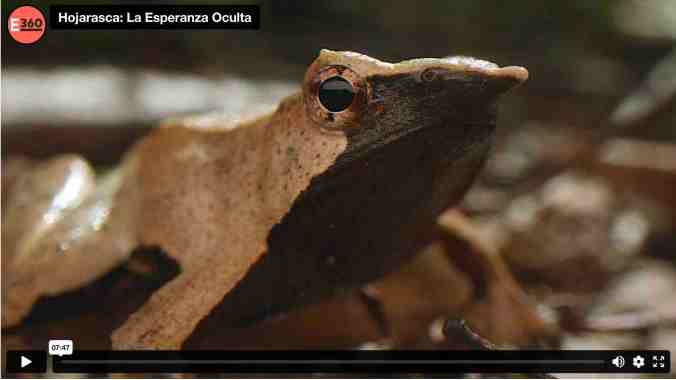
We first noticed this film contest three years ago, and have followed it since. The 3rd-place winner of this year’s film contest was made in the Huilo Huilo Biological Reserve, habitat of the endangered species pictured above. In 2009 I was in the middle of a two-year work engagement in southern Chile. During the middle of that year Amie, as well as Seth and Milo, were able to join me for a few months and we spent time in this reserve. I am happy to be reminded:

In a Chilean Forest Reserve, the Remarkable Darwin’s Frog Endures

Four emerging filmmakers from Latin America collaborated to film Darwin’s frog and the biologist who studies the endangered species in Chile’s Huilo Huilo Biological Reserve. “Hojarasca: The Hidden Hope” is the Third-Place Winner of the 2023 Yale Environment 360 Film Contest.

Worldwide, amphibians are going extinct — victims of habitat loss, climate change, pollution, and fungal diseases. Continue reading

Reviving Plants Lost To Time

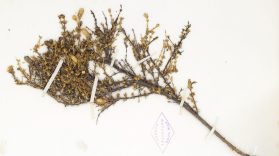
A branch of Blutaparon rigidum, collected on a 1905-1906 expedition to the Galapagos Islands, contains hundreds of potentially viable seeds. NEW YORK BOTANICAL GARDEN

We have touched on the topic of reviving extinct species only a few times previously, and as obvious as it seems we must mention that reviving plant species sounds like a more sound ambition. So, thanks to Janet Marinelli and Yale e360 for this story:

Back from the Dead: New Hope for Resurrecting Extinct Plants

Armed with new technology, botanists are proposing what was once thought impractical: reviving long-lost plant species by using seeds from dried specimens in collections. The challenges remain daunting, but researchers are now searching for the best de-extinction candidates.

In January 1769, botanists Joseph Banks and Daniel Solander found a daisy in Tierra del Fuego, at the southern tip of South America. Continue reading

George Musser Talks With Michael Levin For Nautilus

Nautilus is not one of our go-to sources for inspiration, but with conversations like this it is obvious we should be paying more attention to their work. Thanks to George Musser for this article:

The Biologist Blowing Our Minds

Michael Levin is uncovering the incredible, latent abilities of living things.

Michael Levin, a developmental biologist at Tufts University, has a knack for taking an unassuming organism and showing it’s capable of the darnedest things. He and his team once extracted skin cells from a frog embryo and cultivated them on their own. With no other cell types around, they were not “bullied,” as he put it, into forming skin tissue. Instead, they reassembled into a new organism of sorts, a “xenobot,” a coinage based on the Latin name of the frog species, Xenopus laevis. It zipped around like a paramecium in pond water. Continue reading

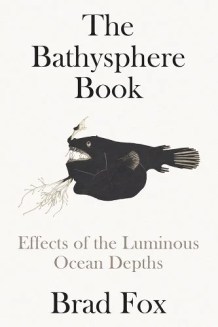
The Bathysphere Book, Reviewed

When a book like this comes along, take in what the review has to say, maybe read a second opinion, then go find a copy from any of the several independent booksellers offering it:

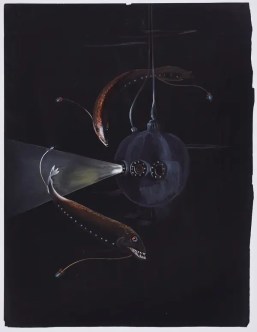
In “The Bathysphere Book,” Brad Fox chronicles the fascinating Depression-era ocean explorations of William Beebe.

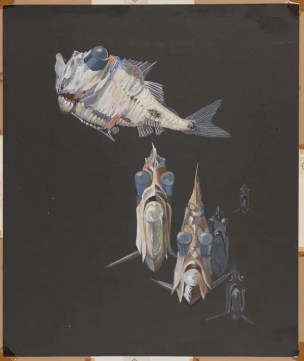
Wildlife Conservation Society Archives

Consider the siphonophore. An inhabitant of the lightless ocean, it looks like a single organism, but is actually a collection of minute creatures, each with its own purpose, working in harmony to move, to eat, to stay alive. They seem impossible but they are real. In 1930 William Beebe was 3,000 feet underwater in a bathysphere, an early deep-sea submersible, when he spotted a huge one: a writhing 20-yard mass whose pale magenta shone impossibly against the absolute blackness of the water. As you can imagine, it made an impression.

Wildlife Conservation Society Archives

“The siphonophore mind, Beebe thought, asks us to rethink our individuality, to consider our epidermis as only one way to measure the extent of our bodies,” writes Brad Fox in “The Bathysphere Book,” a hypnotic new account of Beebe’s Depression-era underwater exploration. “In that light, our furious competition, our back-stabbing and fights over resources, is nonsense. Better we work together, getting closer and closer, more finely attuned to each other’s needs until we are indistinguishable.” Continue reading

Butterfly Origin Story

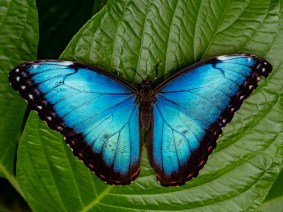
A blue morpho butterfly sits on a leaf. A new study finds that butterflies likely originated somewhere in western North America or Central America around 100 million years ago. Kristen Grace/Florida Museum

It is almost a certainty that if you visit Costa Rica you will see the blue morpho fluttering by somewhere. And you may be in the location of its origin story:

Butterflies originated in North America after splitting from moths, new study suggests

Akito Kawahara remembers being eight years old when he went on a special tour of the insect collection at the American Museum of Natural History in New York City. He marveled at the vast array of pinned bugs before stopping in front of a large picture of the butterfly family tree.

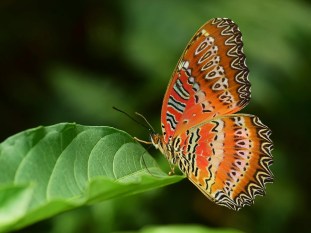
A red lacewing butterfly perches on a plant. Rachit Pratap Singh

A number of spots on that tree, he saw, were curiously blank.

“Just looking at it, realizing that scientists at these museums still don’t know these basic things — I’ll never forget that day,” Kawahara says.

That moment sparked a lifelong passion in Kawahara to fill in those blanks and determine where these charismatic insects originated. Now, he’s gotten a little closer to an answer. His latest research shows that butterflies probably first flapped their wings in present-day western North America or Central America. Continue reading

The Lab Of Peter Girguis

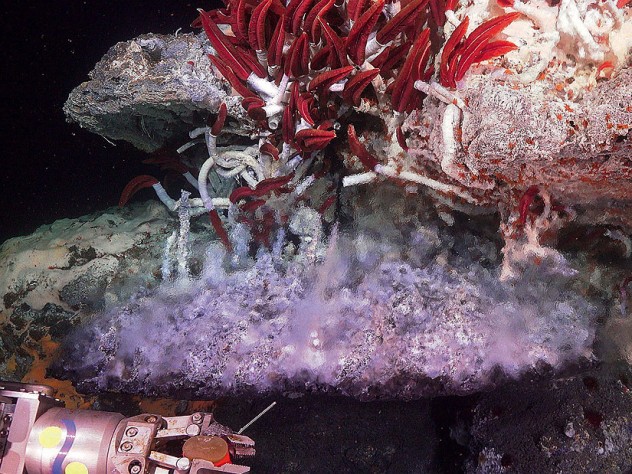
Giant tubeworms take up chemicals from a hydrothermal vent 6,200 feet deep in the Gulf of California (the Girguis lab is world-renowned for research on these worms). Photograph courtesy of the Schmidt Ocean Institute

Our thanks to Veronique Greenwood (after a few years’ absence from our notice) for her most recent article in Harvard Magazine:

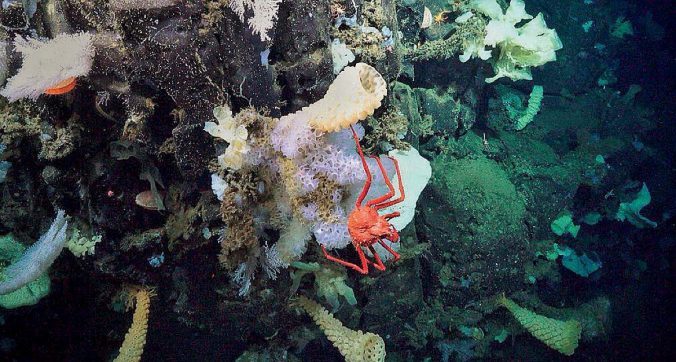
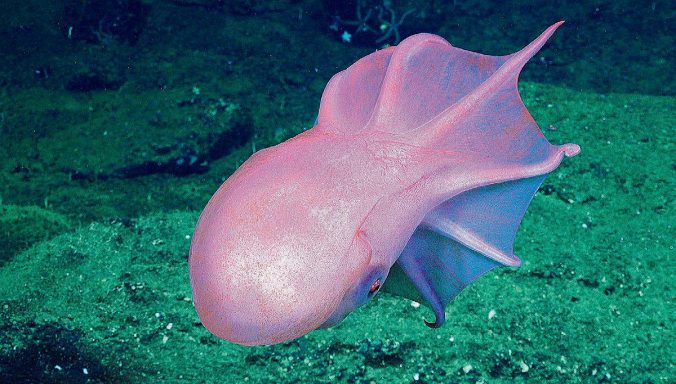
Top: a remote dive at Emery Knoll, a deepwater reef off Southern California, reveals crabs, sponges, and corals. Bottom: a rare sighting of the massive seven-arm octopus, Haliphron atlanticus. Photographs courtesy of the Schmidt Ocean Institute

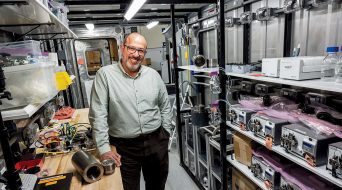
Peter Girguis on terra firma in the lab. Photograph by Jim Harrison

Plumbing the Deep Sea

Peter Girguis probes life on the ocean floor

In a cavernous underground space behind Harvard’s Biological Laboratories, biochemist Peter Girguis frowns at the pressure vessel in his hand. The machined titanium cylinder, about the size of a French press, gleams as he works to release the cap, and he chuckles at his own stubbornness. He could probably find a tool to loosen it, he remarks. Continue reading

Huxley’s Extra Effort

A family of scientist-writers recast religion and ethics in light of evolution. Illustration by Melinda Beck

We are all fortunate that the Huxley family produced no slouches:

How the Huxleys Electrified Evolution

Defending Darwinism from both clerical and scientific opponents, T. H. Huxley and his grandson Julian shaped how we think about the past and future of our species.

Thomas Henry Huxley almost skipped the showdown of his life. It was the fourth day of the 1860 meeting of the British Association for the Advancement of Science. He was tired. Continue reading

The 150 Most Consequential Years

Amanda Northrop/Vox; Getty Images

Our thanks to Vox for this conversation with one of the great economic historians of our time:

Humanity was stagnant for millennia — then something big changed 150 years ago

Why the years from 1870 to 2010 were humanity’s most important.

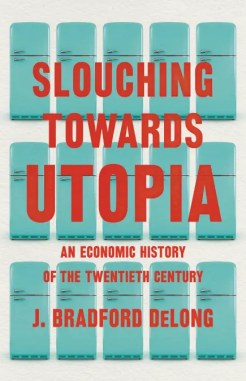
“The 140 years from 1870 to 2010 of the long twentieth century were, I strongly believe, the most consequential years of all humanity’s centuries.”

So argues Slouching Towards Utopia: An Economic History of the Twentieth Century, the new magnum opus from UC Berkeley professor Brad DeLong. It’s a bold claim. Homo sapiens has been around for at least 300,000 years; the “long twentieth century” represents 0.05 percent of that history.

But to DeLong, who beyond his academic work is known for his widely read blog on economics, something incredible happened in that sliver of time that eluded our species for the other 99.95 percent of our history. Continue reading

Turtles & Tortoises & Negative Senescence

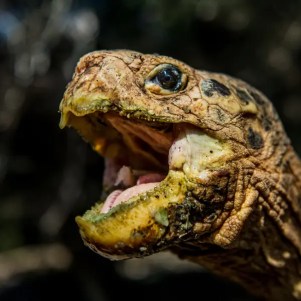
A giant Galápagos tortoise, only as old as it feels. Meridith Kohut for The New York Times

When I learn a new word–even if it is a word I cannot picture using in conversation but it represents a concept that is interesting and surprising, I consider that a good day. Jack Tamisiea, thanks for the science reporting here, and especially for the word senescence:

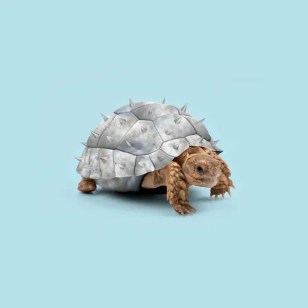
Tortoises and turtles don’t just live for a long time — they barely age while they live.

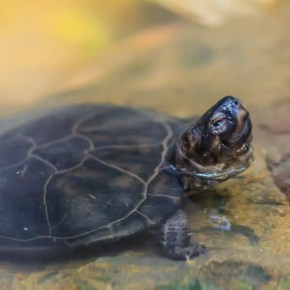
The black marsh turtles displayed negative rates of senescence, meaning their mortality risk decreased as they aged. iStock/Getty Images

For mammals like humans, aging is inevitable. No matter how many vitamins we take, skin sags, bones soften and joints stiffen over time. However, turtles and tortoises age more gracefully. Despite their wrinkled skin and toothless gums, species like Galápagos giant tortoises seem unscathed by the ravages of aging. Some show few signs of slowing down as they plod into their 100s.

To determine what drives these ageless wonders, two groups of researchers examined turtles, tortoises and their ectothermic, or coldblooded, brethren in a pair of studies published Thursday in the journal Science. Continue reading

Ed Yong Explains Umwelt

Sally Deng

Ed Yong’s new book was already on our reading list, but just got notched up in the priority list:

Spectacle floods into my eyes whenever I watch a wildlife documentary. A vortex of small fish is gradually picked off by waves of oceanic predators. Snakes chase after marine iguanas. Giraffes clash at sunset. Continue reading

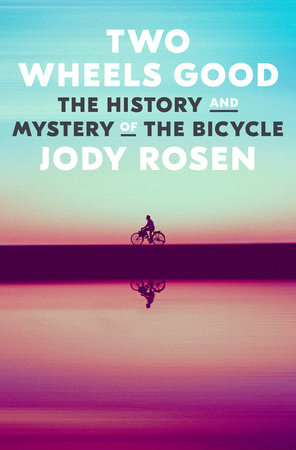
Two Wheels Good, The People’s Nag

The historian Jill Lepore has only been linked to twice before in our posts. Not more, because her topical variety is constantly beyond the scope of topics we focus on.

But her most recent essay is on topic for us. Bicycles might have been the invention that kept us part way out of the climate crisis, but then came the car.

She uses the publication of the book to the right as a launch pad for an excellent history of the bicycle, combined with personal history:

Bicycles Have Evolved. Have We?

From the velocipede to the ten-speed, biking innovations brought riders freedom. But in a world built for cars, life behind handlebars is both charmed and dangerous.

My first bicycle was not, in fact, a bicycle. I rode it in 1968, when I was two years old and as tubby as a bear cub. It had four wheels, not two, and no pedals: strictly speaking, it was a scooter. But Playskool called it a Tyke Bike, so I say it qualifies, and aside from the matte-black, aluminum-alloy number that I’ve got now, which is called (by the manufacturer dead seriously, and by me aspirationally) the Bad Boy, the Tyke Bike may be the swankiest bicycle I’ve ever ridden. Continue reading

Sensory Loading, Overloading & Unloading

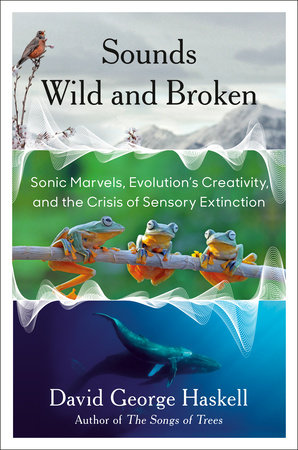
Sounds Wild and Broken by David George Haskell
In early August, 2007 we arrived in a leafy suburb on the north side of Atlanta. We had spent the previous year living on this island, where doors did not have locks and during the daytime the only man-made sounds tended to be those of fishing boats coming and going. At night on that island there were no noises other than nature’s, including small waves hitting the shores and in summertime the crickets. On the first night in Atlanta I opened the window to let in the night air, and the sound of the superhighway, a mile or so away, was distracting enough that I had to close the window to sleep. It’s not that I had not appreciated the quiet of the island, but I was surprised by how much I had adapted to it. The opening of this book review, for these reasons, resonates with my own experience:

Sounds Wild and Broken review – a moving paean to Earth’s fraying soundtrack

David George Haskell’s often wonderful book explores some of the lost frequencies of nature – heard clearly again during Covid’s initial human hush

Lockdown was, among other things, a sudden collective experiment in volume control. Sound waves from the regular rush-hour thrum of cities usually penetrate more than a kilometre below the Earth’s surface. Continue reading

Clues Trapped In Resin

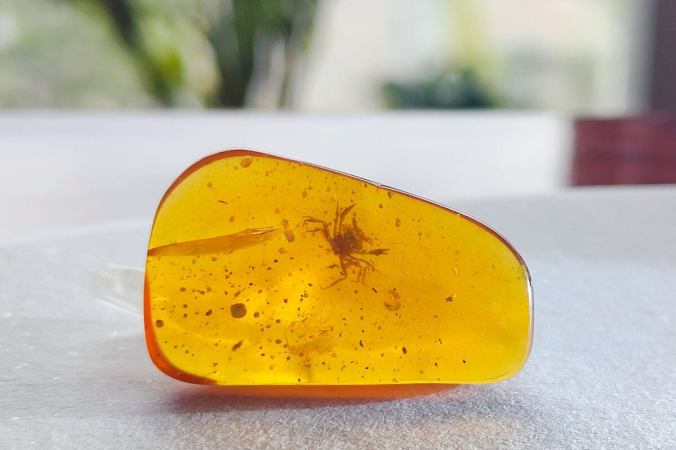
Researchers describe this as the most complete fossilized crab ever discovered. Credit: Lida Xing/China University of Geosciences, Beijing

Crabs started as marine creatures, and eventually evolved into land creatures as well. How it happened is an essential question and resin may be the best clue:

Bad for 100-million-year-old crab, but good for scientists

Crustacean trapped in fossilized tree resin offers clues into evolution of creatures, when they spread

Artistic reconstruction of the new fossil dubbed Cretapsara athanata, “the immortal Cretaceous spirit of the clouds and waters.”
Artwork by Franz Anthony, courtesy of Javier Luque/Harvard University

Javier Luque’s first thought while looking at the 100-million-year-old piece of amber wasn’t whether the crustacean trapped inside could help fill a crucial gap in crab evolution. He just kind of wondered how the heck it got stuck in the now-fossilized tree resin? Continue reading