Celebrating KithenAid’s Build To Last Determination

Illustration by The Atlantic. Source: Courtesy of KitchenAid.

Sharing this article is not with the intent to promote KitchenAid, per se. But okay if it does. More to appreciate The Atlantic for bringing your attention to a practice that is in short supply. Some companies do not build for obsolescence. Thanks to Anna Kramer for this:

Modern appliances are rarely built to last. They could learn something from the KitchenAid stand mixer.

My KitchenAid stand mixer is older than I am. My dad bought the white-enameled machine 35 years ago, during a brief first marriage. The bits of batter crusted into its cracks could be from the pasta I made yesterday or from the bread he made then. Continue reading

Investing Patagonia’s Proceeds In Conservation

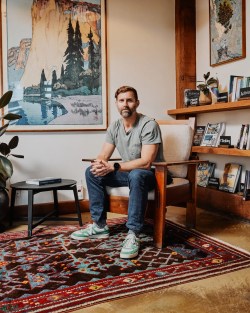
Greg Curtis, the former deputy general counsel of Patagonia, is responsible for giving away huge sums of money to causes that are aligned with Patagonia’s history of environmental activism. Adam Amengual for The New York Times

When news broke about the company’s future, we were in awe; since then we heard little so this is a welcome update:

Patagonia’s Profits Are Funding Conservation — and Politics

$71 million of the clothing company’s earnings have been used since September 2022 to fund wildlife restoration, dam removal and Democratic groups.

A little more than $3 million to block a proposed mine in Alaska. Another $3 million to conserve land in Chile and Argentina. And $1 million to help elect Democrats around the country, including $200,000 to a super PAC this month.

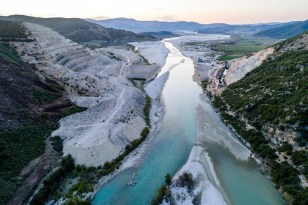
The site of the Kalivac Dam on the Vjosa River in Albania, where Holdfast has funded a major conservation project. Andrew Burr/Patagonia

Patagonia, the outdoor apparel brand, is funneling its profits to an array of groups working on everything from dam removal to voter registration.

In total, a network of nonprofit organizations linked to the company has distributed more than $71 million since September 2022, according to publicly available tax filings and internal documents reviewed by The Times. Continue reading

Manatees, To Brighten Your Horizon

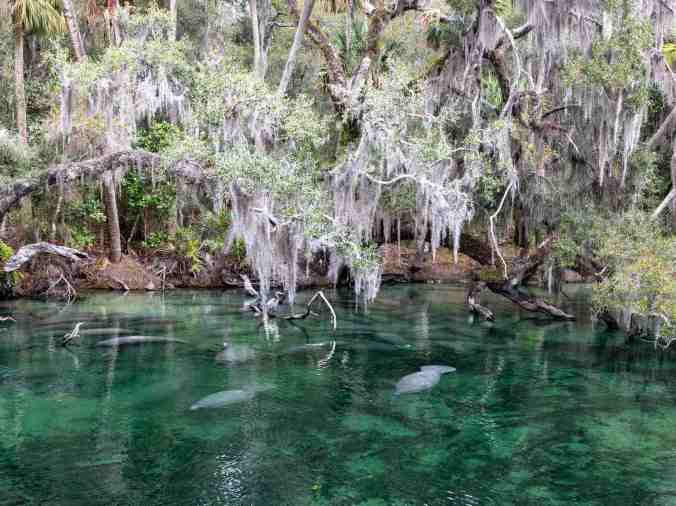
Manatees are generally solitary creatures, but tend to gather at warm water sites in the winter.
Florida State Parks

After a Kolbert doomcloud, a bit of sunshine is needed. Here it is in the form of creatures so charismatic they make you see something other than darkness. Thanks to National Public Radio (USA):

Legend has it that centuries ago, manatees used to be mistaken for mermaids, so a sight last week at one Florida state park would have put ancient sailors in shock.

Blue Spring State Park is home to one of the largest winter gathering sites for manatees in Florida, and recently, the park reached a new record when the number of manatees spotted in one group was nearly 1,000. Continue reading

Victorious, For Now, Reining In LNG

When Bill McKibben announces victory, savor it but stay vigilant:

A Massive Win, and What It Means

For Once, Big Oil Takes It on the Chin

I wrote you two days ago with provisional good news—it looked as if the long and deep fight to rein in runaway LNG export growth had scored a huge victory. Continue reading

How Birds See Color

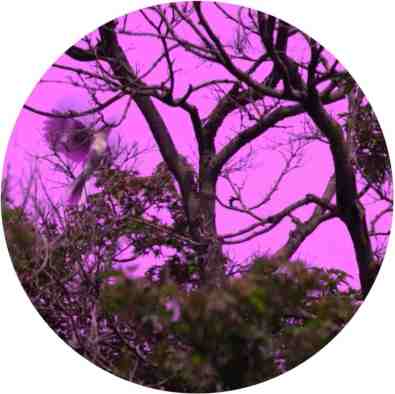
Forget cerulean — a bright, clear sky is actually dominated by ultraviolet light. Humans can’t see ultraviolet light, but many birds can. “Their sky will be essentially an ultraviolet sky,” said Daniel Hanley, a sensory ecologist at George Mason University.

Birds have gotten more attention in our pages than any other person, place or thing since we first started. Today that attention is focused on their sight:

A Bird’s-Eye View of a Technicolor World

Scientists have devised a new video system that reveals how animals see color, and us.

Is the sky truly blue?

Dickson D. Despommier Discussing The New City Concept

The vertical farming part of this concept is one we have linked to many times. The appeal is not difficult to grasp even if sometimes the concept is stretched. This is different and worth hearing him out:

Dickson Despommier Wants Our Cities to Be Like Forests

A leading proponent of vertical farming discusses how urban areas should adapt to a perilous environmental future.

Illustration by Daniele Castellano

In 2000, Dickson D. Despommier, then a professor of public health and microbiology at Columbia University, was teaching a class on medical ecology in which he asked his students, “What will the world be like in 2050?,” and a follow-up, “What would you like the world to be like in 2050?” As Despommier told The New Yorker’s Ian Frazier in 2017, his students “decided that by 2050 the planet will be really crowded, with eight or nine billion people, and they wanted New York City to be able to feed its population entirely on crops grown within its own geographic limit.” Continue reading

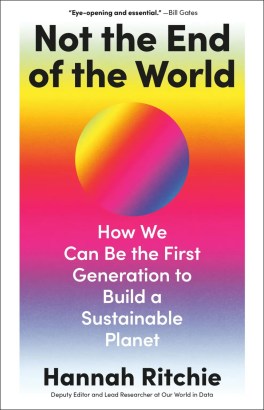
Not The End Of The World, Reviewed

Bibi van der Zee’s reviews and other articles in the Guardian are always insightful:

Not the End of the World by Hannah Ritchie review – an optimist’s guide to the climate crisis

This book is full of pragmatic, hopeful solutions to environmental challenges. But is there something missing?

Data scientist Hannah Ritchie has written a good-hearted, generous book that tries its very best to reassure us about the various environmental crises we face. Which, obviously, is much appreciated: God knows we need all the optimism we can get.

Ritchie is lead researcher at the groundbreaking Our World in Data, a website run out of Oxford University. She begins by describing the moment of revelation she experienced when, after years of feeling helpless and anxious about the state of things, she discovered the Swedish professor Hans Rosling, and “everything changed”. Continue reading

Channeling Water Nature’s Way

Just as much as we want packaging of our drinking water to be carefully thought out, we also want the channeling of water to make sense:

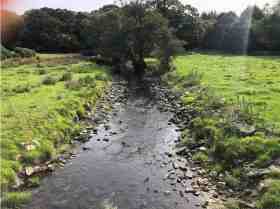
How the beck at James Robinson’s farm looked before the introduction of natural flood management techniques. Photograph: James Robinson

‘The wildlife that has come is phenomenal’: the UK farmers holding off floods the natural way

Planting trees, creating floodplains and rewilding rivers are among the new techniques being used to adapt to a heating climate

The streams, or becks, that run through James Robinson’s Lake District farm used to be cleaned out regularly – with vegetation yanked out and riverbeds dredged, or even completely filled in. Continue reading

Kelp & Life

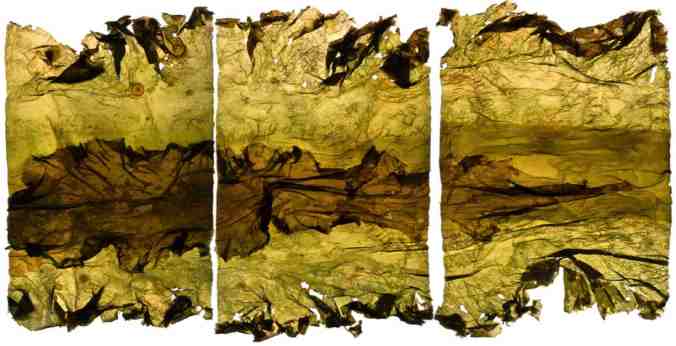
Sugar kelp from Penobscot Bay, Maine. Photograph: Josie Iselin

We have featured the promise of various seaweed schemes many times, and we find it evergreen for further exploration:

Could I live and breathe seaweed – and reduce my use of plastics – for 24 hours?

Seaweed Day starts at 8am. Haunted by pervasive news that so many of our everyday habits harm our planet, I wonder how to minimize my personal use of plastics. I embark upon a day of replacing the microplastics that pollute our atmosphere, our water and even our bloodstreams.

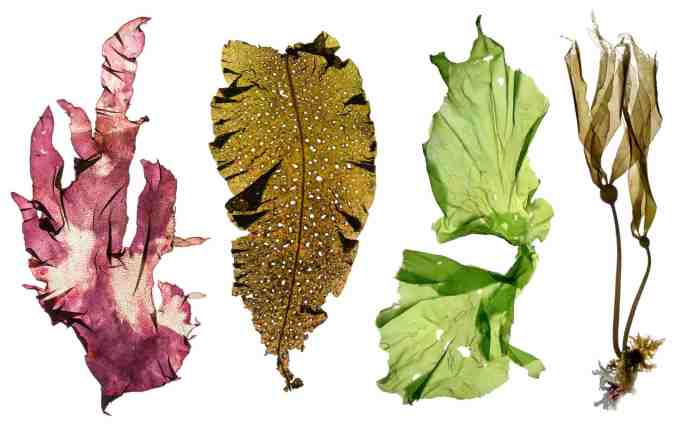
From left to right, Chondracanthus, Agarum, Ulva (sea lettuce), Nereocystis (juvenile bull kelp). Photograph: Josie Iselin

How much of my daily life can I accomplish with seaweed? Eating, washing, dressing? Armed with a budget of $500, I set out on a seaweed-based product shopping spree. Continue reading

Carlos Manuel Rodriguez, Leading The Conversation, Again

We are grateful to the GEF for sharing this, and to Carlos Manuel Rodriguez for leading the conversation, as he has always done:

Creating space for young people to affect climate policy

In a recent conversation at his home, GEF CEO and Chairperson Carlos Manuel Rodríguez heard from members of the Youth and Climate Change Network of Costa Rica about how the climate emergency is impacting young people. Continue reading

Carl Safina, Ecologist & Author, Interviewed

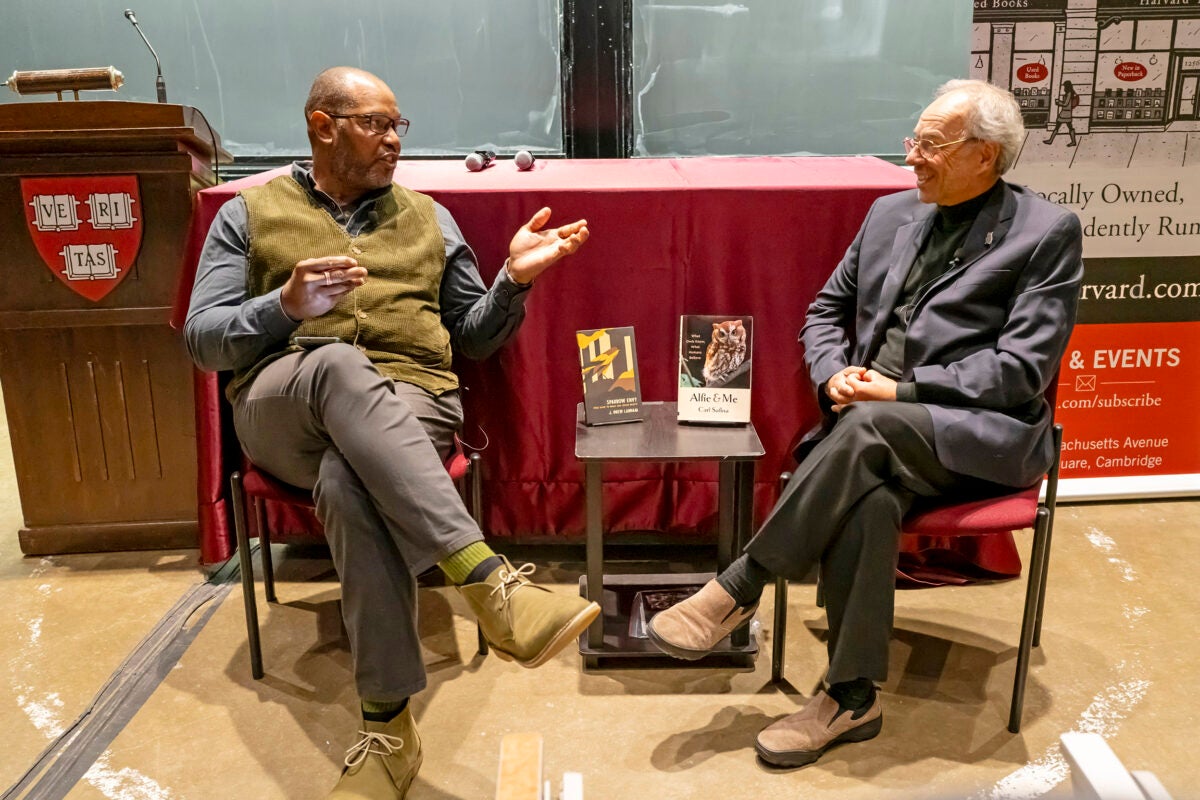
Joseph Drew Lanham and Carl Safina.

Joseph Drew Lanham (left) interviews fellow ecologist Carl Safina during a recent Harvard talk about Safina’s book “Alfie and Me: What Owls Know, What Humans Believe.” Jon Chase/Harvard Staff Photographer

We have linked to the work of Carl Safina only twice before (the second time just a photo credit) but now realize what we have been missing. Our thanks to Alvin Powell,
Harvard Gazette staff writer:

Screech owl wisdom

It took an ailing screech owl to teach a scientist the value of up-close-and-personal study.

Alfie and Me: What Owls Know, What Humans Believe by Carl Safina ...In a talk Monday at the Science Center, Carl Safina, an ecologist at Stony Brook University and author of several books about humanity’s relationship with nature, recalled that the chick was found on a friend’s lawn as the pandemic was tightening its grip on the world. In the picture Safina received, the bird looked beyond saving.“How did it die?” he asked.

“It was just a downy little, dying thing,” Safina, whose most recent book is “Alfie and Me: What Owls Know, What Humans Believe,” said in his Harvard talk, which was sponsored by the FAS Division of ScienceHarvard Library, and the Harvard Book Store and included questions from Clemson University ecologist Joseph Drew Lanham. Continue reading

Nature Conservancy 2023 Global Photo Contest Winners

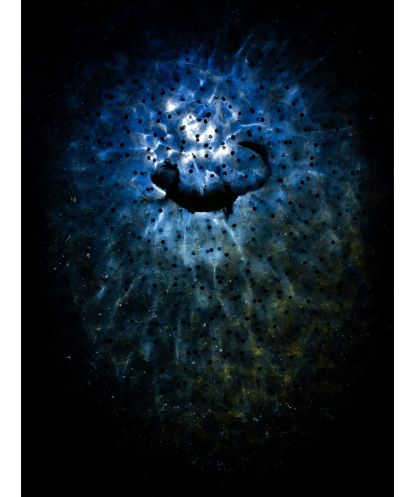
BETWEEN THE STARS I photographed this moment underwater. I was able to do it by putting my camera in an underwater case, attaching it to a metal weight and placing it all under the eggs. I waited nearby for it to be dark, and when the newt appeared, I lit it with an LED lamp. I started the camera with a home-made wired remote release. It turned out 1-2 sharp pictures. © Tibor Litauszki/TNC Photo Contest 2023

We appreciate the break from the news of the day:

The Nature Conservancy is proud to announce the winners of the 2023 photo contest.

Your images gave voice to nature and showed us the power and peril of the natural world.

The following photos submitted to our 2023 photo contest captivated our judges the most.

This image is a clear display of the patience, coincidence, technical adaptability and composition that earns top choice in the competition. Well-constructed and simply beautiful. The outward simplicity of the photo almost makes it easy to forget how much waiting is required to get a shot like this. The high-speed nature of the subject means you have to be dialed in perfectly when the shot arrives.
— Cole Sprouse, Celebrity Guest Judge

We are happy to see Alan Taylor‘s photography in the mix this year:

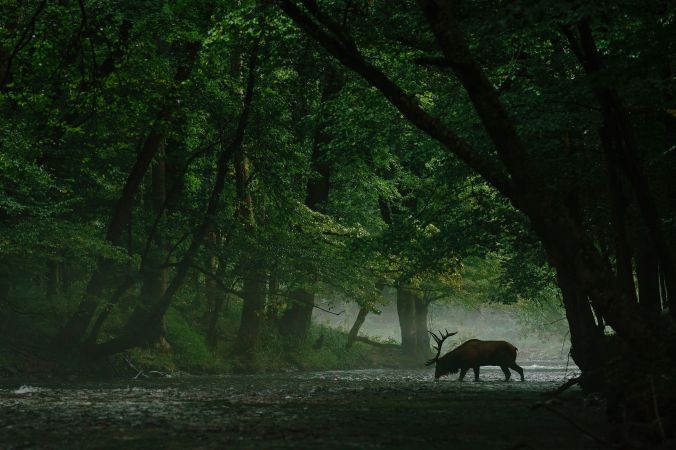
A COOL DRINK A bull elk stopping in the Oconaluftee River in the Great Smoky Mountains National Park to a refreshing drink © Alan Taylor/TNC Photo Contest 2023

This year the categories are: Continue reading

With Exceptional Wealth Comes Exceptional Responsibility

Chuck Feeney’s stealthy giving earned him a nickname: “the James Bond of Philanthropy.” Atlantic Philanthropies

May the exceptionally wealthy take note of the example set by Chuck Feeney. Only once have we used the word billionaire in these pages, but a couple of times we pointed to this remarkable man who gave away all his billions while alive, and now that story is complete:

Chuck Feeney’s Legacy Is a Lesson for America’s Billionaires

Yes, the man avoided taxes, but he gave away his fortune, seeking nothing in return.

The selfless billionaire is a rare creature indeed. Chuck Feeney, who died on Monday at the age of 92, was one of them. Continue reading

More Cameras On The High Seas, Please

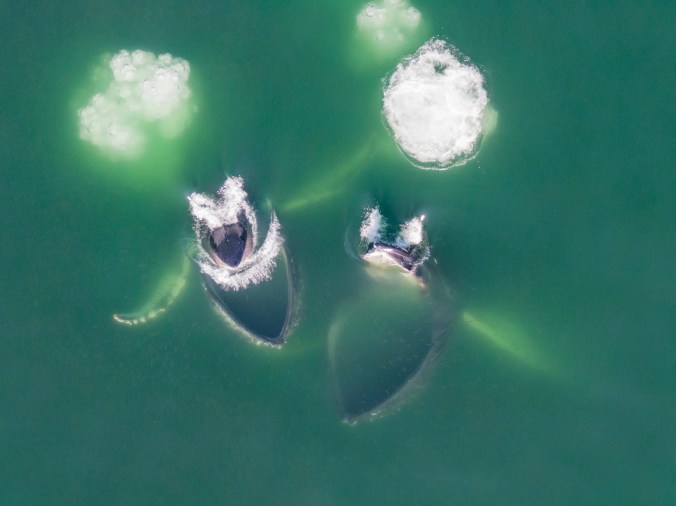
A pair of humpback whales synchronized the release of bubbles to corral and consume sand eels.

This article by Ellie Duke, with photographs and video by Sutton Lynch, is a sort of bookend to another recent article. It makes one wish for more people skilled with cameras in the oceans, and fewer skilled in placing nets:

A school of bluefish forming a circle in shallow water.

The photographer Sutton Lynch is documenting a dramatic turning point off the coast of Long Island — a resurgence of sea life after decades of depletion.

Sutton Lynch rises most days before the sun, arriving at Atlantic Beach in Amagansett, N.Y., for the early-morning calm. It’s the same beach he’s been going to since he was a child, and where he worked as a lifeguard for years as a teenager. Now 23, he spends his mornings surveying the horizon. When he spots activity on the water’s surface, he sends out his drone. Continue reading

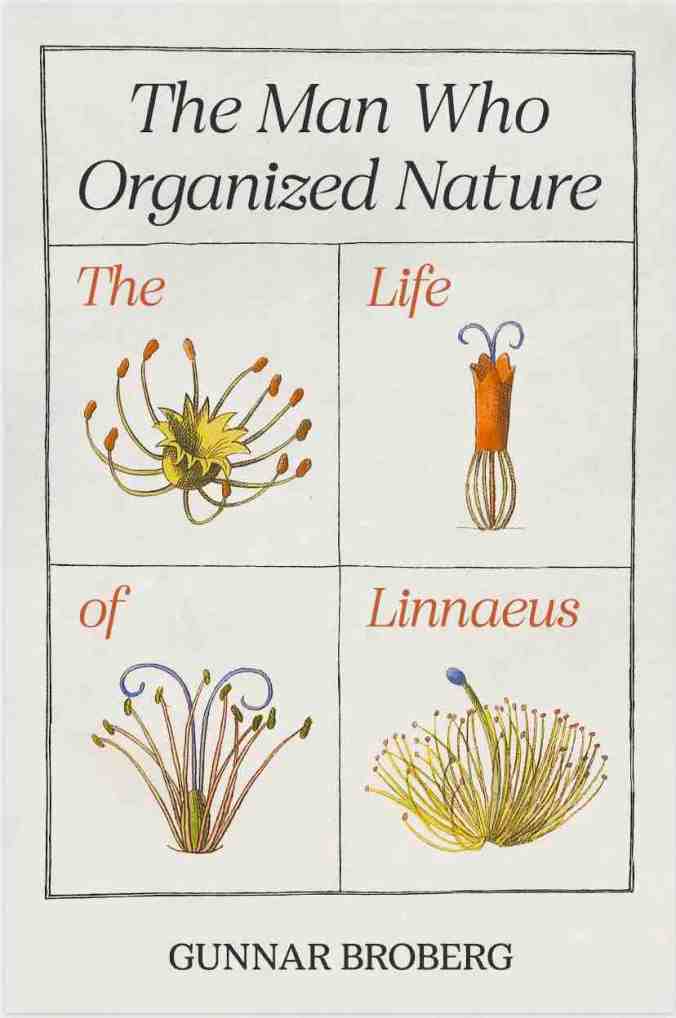
Carl Linnaeus, The Man Who Organized Nature

Thanks to Kathryn Schulz for this review:

The sexual system Linnaeus favored for classifying plants brought a whiff of scandal, which helped spread his name. Illustration by Karlotta Freier

How Carl Linnaeus Set Out to Label All of Life

He sorted and systematized and coined names for more than twelve thousand species. What do you call someone like that?

For the Tyrannosaurus rex, as for Elvis and Jesus, being extremely dead has proved no obstacle to ongoing fame. Last seen some sixty-six million years ago, before an asteroid wiped out three-quarters of the life-forms on earth, it is nonetheless flourishing these days, thanks in large part to Michael Crichton, Steven Spielberg, and elementary-school children all over the world. Continue reading

Notes From A Pennsylvania Garden

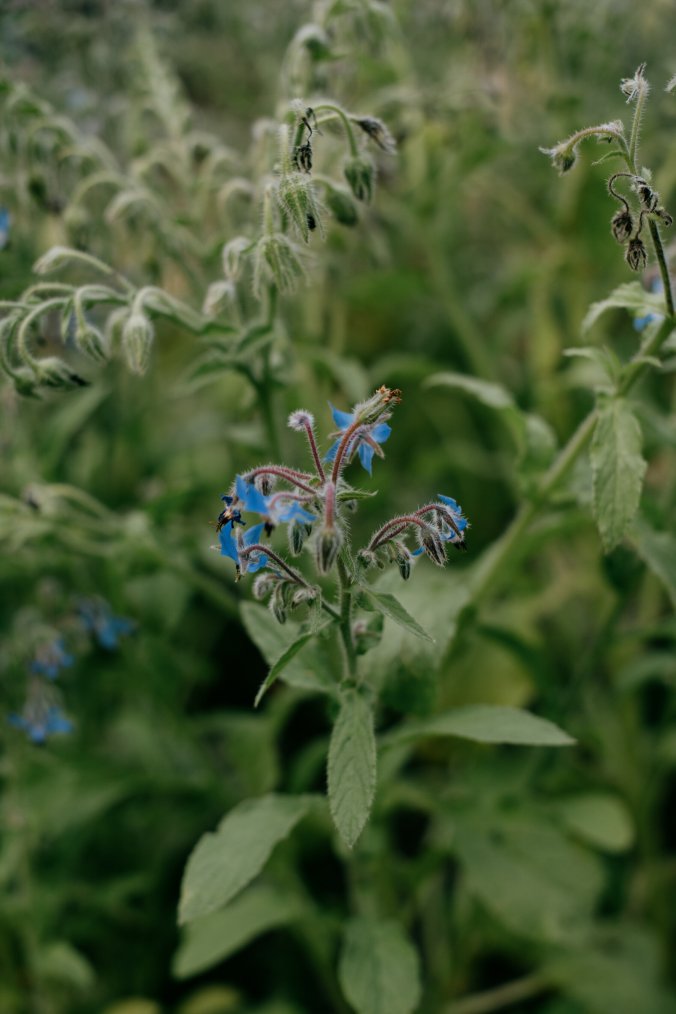
Borage

The thoughts and images in this article inspire pre-dawn work on that soil I mentioned yesterday. We do not have the heat here that she does there, but the nudge to go out in the dark is welcome. My attention has been solely focused on regeneration below for the coffee that once  thrived above ground. Time to start thinking of accent colors and other edibles:
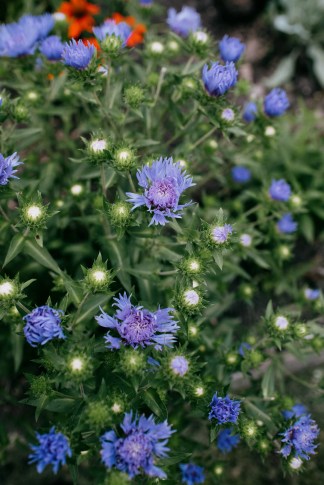
Stokes asters

What You Discover When You Garden at Night

Daytime heat forced a writer with a green thumb to change her routine. She found unexpected pleasures.

When it’s too hot to garden during the day, what is there to do but garden at night? Neither floppy hat nor gobs of sunscreen will lure me into the glare of a hot and humid, possibly record-breaking, 90-plus-degree day. Or, as our local meteorologist reports: one with a heat index of 103. So instead, I venture out into the garden after dinner, dogs in tow, surveying the raised beds in the coolness of evening.
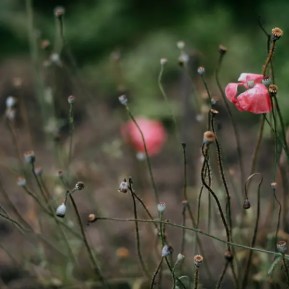
Poppies that have gone to seed, bringing to mind “the coming glory of red, white, and pink blooms” next season.

I carry a basket full of seeds, green string to tie the tomatoes higher, and wooden stakes and black markers to record once again what I have sown, some new crops and others a repeat of those planted earlier in the season. It is midsummer now and the lettuce, radishes, and shallots are fading, but the basil and tomatoes, beans and zucchini are finally coming into their own. A little more rain and warmth and I will be able to make my first tomato sandwich, one of the driving forces, no doubt, behind planting a vegetable garden. Continue reading

A Further Note On Recent “Good News”

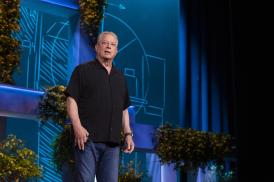
L GORE SPEAKS AT TED COUNTDOWN SUMMIT. JULY 11-14, 2023, DETROIT, MI. PHOTO: GILBERTO TADDAY / TED

Air quotes, sometimes called scare quotes, are embracing two words in the title of this post because we remain ambivalent about optimism related to climate change. But this article, which we missed last month, points to a video that gives more context:

Uplifting Climate Change Good News — According To Al Gore

Former U.S. Vice President Al Gore has been a huge player in the fight against climate change for as long as most of us can remember. As the founder and current chair of the Climate Reality Project, he has dedicated his life to climate action. Continue reading

New Roots Garden, Urban Oasis

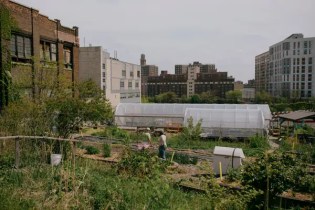
Sheryll Durrant has managed the New Roots Garden, which sits between the Grand Concourse and the Metro North railroad tracks in the Bronx, with volunteers for eight years.

We have linked out to stories about urban farming plenty of times; it never gets old:

Vital Places of Refuge in the Bronx, Community Gardens Gain Recognition

Lawmakers in Albany voted to designate community gardens statewide as crucial to the urban environment, especially in the fight against climate change. The bill awaits the governor’s signature but the role of these gardens stretches back decades.

The Morning Glory garden in the West Farms section of the Bronx is among more than 500 community gardens in New York City.

Sheryll Durrant left her family farm in Jamaica in 1989 and embarked on a career in corporate marketing. But after the 2008 financial meltdown, she reconsidered her life.

She returned to her roots.

Now she runs a thriving urban farm wedged into a triangular plot in the Bronx, between the Grand Concourse and the Metro North railroad tracks. At her farm, New Roots Garden, membership consists of refugees and migrants, resettled by the International Rescue Committee, whose herbs and vegetables sustain their memories of home.

“Just putting your hands in soil is a form of healing,” Ms. Durrant, 63, said. Continue reading

Celebrating French Environmental Commitments

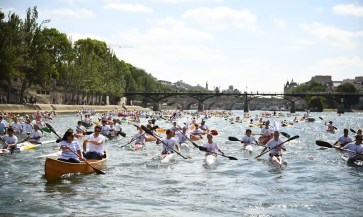
Paris mayor Anne Hidalgo and the co-president of the Paris bid for the 2024 Olympics, Tony Estanguet, paddle on the Seine in Paris. Photograph: Reuters

Since 11+ years ago many valuable environmental opinions by George Monbiot have been linked to in our pages; today a celebration of a neighboring country’s efforts:

When it comes to rich countries taking the environment seriously, I say: vive la France

Emmanuel Macron’s government is at least doing the bare minimum to avert the planetary crisis – and putting the UK to shame

While we remain transfixed by a handful of needy egotists in Westminster and the crises they manufacture, across the Channel a revolution is happening. It’s a quiet, sober, thoughtful revolution, but a revolution nonetheless. France is seeking to turn itself into an ecological civilisation. Continue reading

Photography As Relief

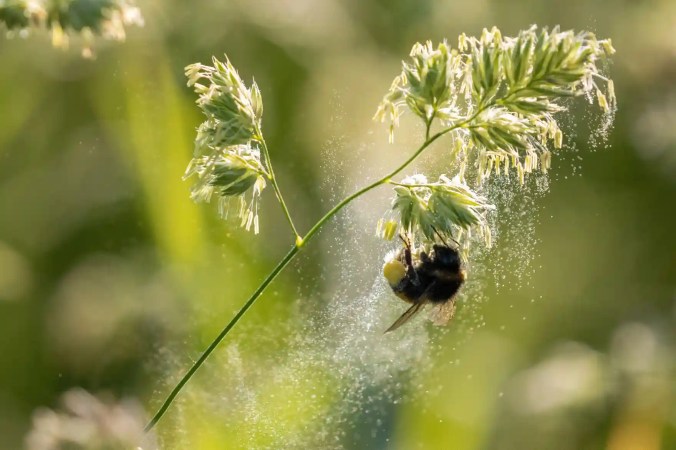
A bee collects pollen on a hot summer’s morning in Burley-in-Wharfedale, UK
Photograph: Rebecca Cole/Alamy Live News/Alamy Live News.

For a brief visual bit of relief, visit Joanna Ruck’s collection:

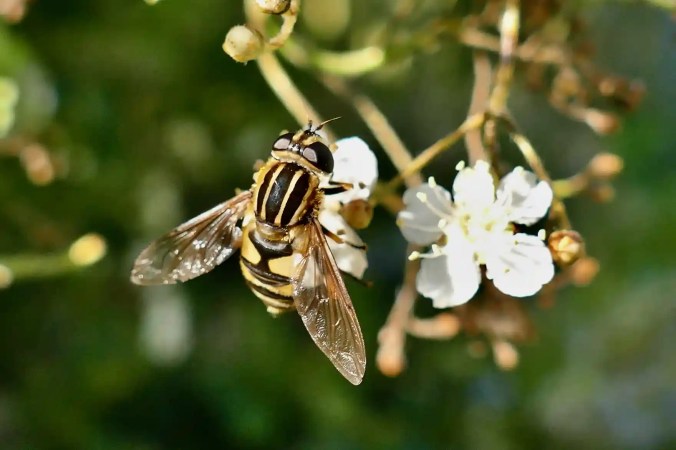
A European hoverfly (Helophilus pendulus) on pyracantha blossom in Dunsden, UK
Photograph: Geoffrey Swaine/Shutterstock