Resilience At Sycamore Gap

The shoots growing from the stump of the Sycamore Gap tree.

The Sycamore Gap tree, a beloved way marker, had grown for centuries along Hadrian’s Wall in England before vandals cut it down last year. Now little shoots have been discovered growing at its stump. Jason Lock/National Trust

When this act of vandalism was in the news last year, it felt terrible but had no meaning. But if the felled tree is giving new life, we must celebrate that:

A man kneels beside a tree stump with a tape measure in his hands.

Gary Pickles, a ranger at Hadrian’s Wall Path National Trail, inspecting the Sycamore Gap tree shoots that recently appeared. Jason Lock/National Trust

Vandals last year chopped down the famed tree, which had stood on Hadrian’s Wall in England for nearly 200 years.

On a fine, bright morning last Friday, just like so many other fine, bright mornings, Gary Pickles took a walk.

Two people in a fenced-in area in a field by a stone wall.

Mr. Pickles and a colleague at the site where the tree once stood. Jason Lock/National Trust

Mr. Pickles, a ranger who works at Northumberland National Park in England, just south of the Scottish border, was inspecting a route that wends past Hadrian’s Wall, constructed by the Roman Army in the second century A.D. He walked past the cleft where the Sycamore Gap tree had famously jutted out into the landscape before it was illegally cut down last year, and he bent down to its stump. Continue reading

When Kitten Videos Represent Important Environmental News

Screenshot

Cute kitten videos are everywhere, and we avoid posting them here. But due to the Cairngorms rewilding efforts in Scotland this type of video is different, so our thanks as always to the Guardian:

Wildcat kittens born outside captivity in Cairngorms a ‘major milestone’

Adult cats were released into national park last year after British population had come close to extinction

The birth of wildcat kittens in the Cairngorms national park has been hailed as a “major milestone” in efforts to rescue the secretive mammals from extinction in the UK. Continue reading
Beavers’ Resilience On Display In Canada

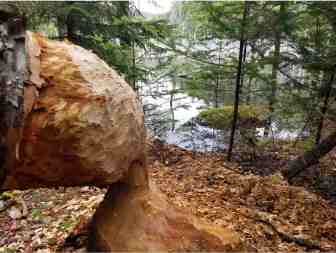
Beavers are not always welcome, but where they belong, they are a wonder to behold. Ian Frazier offers this dispatch from the great North:

Deep in the Wilderness, the World’s Largest Beaver Dam Endures

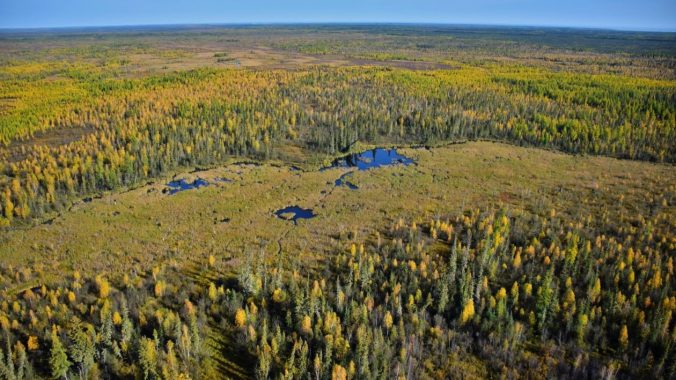
The largest beaver dam on Earth was discovered via satellite imagery in 2007, and since then only one person has trekked into the Canadian wild to see it. It’s a half-mile long and has created a 17-acre lake in the northern forest — a testament to the beaver’s resilience.

Wood Buffalo National Park, the largest national park in Canada, covers an area the size of Switzerland and stretches from Northern Alberta into the Northwest Territories. Continue reading
Pop-up Lake At Badwater Basin Salt Flats, Death Valley

Visitors gather at the sprawling temporary lake in the Badwater Basin salt flats of Death Valley national park, California. Photograph: Mario Tama/Getty Images

We had been wondering what the place might look like after Burning Man brought the rare weather to our attention:

Death Valley visitors delight in rare ephemeral lakes left behind by storm

Shimmering bodies of water have appeared in the sand dunes of the recently reopened national park after a summer deluge

After months of closure, visitors to Death Valley national park are being greeted by stunning new features, including lakes left behind by a ferocious summer deluge. Continue reading
Beechnut & Beaver Hope

Nearing the end of the northern summer, one for too many of the wrong kind of record books, some notion of hope is more than welcome. This edition of his newsletter offers some:

Beavering Away

With Your Help. (An annual update!)

In the guise of my annual report on our nifty online community I’m going to show you my vacation pictures! Lucky you!

It’s possible I’m just feeling guilty because I took a couple of days off in this Summer To End All Summers. But Sunday and Monday, while Hillary was introducing southern Californians below the age of 85 to the concept of ‘tropical storm,’ I went on a wander with an old friend through the middle of the Wilcox Lake Wild Forest in New York’s Adirondack Mountains, a splendidly remote chunk of land that I’ve lived on the edge of, off and on, for much of my life, and which I never tire of exploring. Continue reading
Property Rights Versus Trespassing Rights

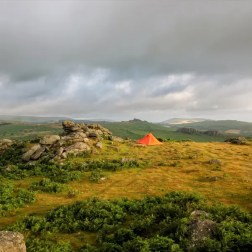
A wealthy couple bought an estate inside Dartmoor National Park and then successfully sued to bar campers from using their land. That ruling is now being appealed. Muir Vidler for The New York Times

Property rights, a foundational aspect of modern society, occasionally bump up against other rights. The journalist Brooke Jarvis has a new article that touches on this theme, we are happy to see:

The Fight for the Right to Trespass

A group of English activists want to legally enshrine the “right to roam” — and spread the idea that nature is a common good.

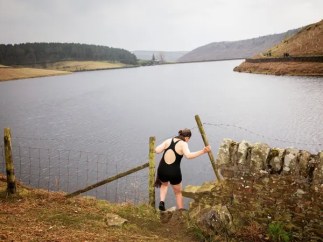
The signs on the gate at the entrance to the path and along the edge of the reservoir were clear. “No swimming,” they warned, white letters on a red background.

A protester at Kinder Reservoir. Muir Vidler for The New York Times

On a chill mid-April day in northwest England, with low, gray clouds and rain in the forecast, the signs hardly seemed necessary. But then people began arriving, by the dozens and then the hundreds. Some walked only from nearby Hayfield, while others came by train or bus or foot from many hours away. In a long, trailing line, they tramped up the hill beside the dam and around the shore of the reservoir, slipping in mud and jumping over puddles. Above them rose a long, curving hill of open moorland, its heather still winter brown. When they came to a gap between a stone wall and a metal fence, they squeezed through it, one by one, slipping under strings of barbed wire toward the water below. Continue reading
Panthera’s Puma Program

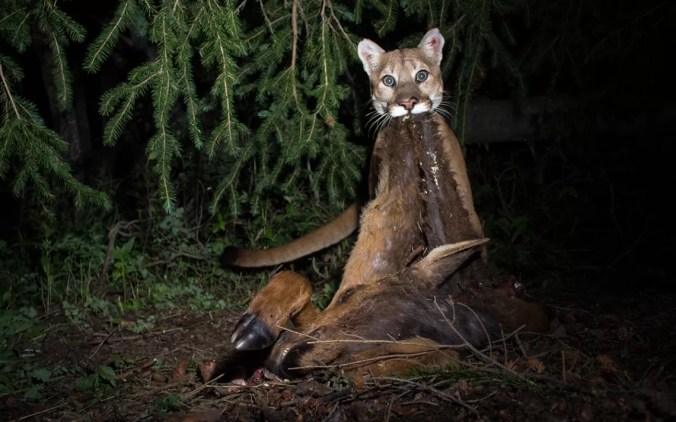
Puma in Wyoming. | Photo by Neal Wight, courtesy of Panthera

Thanks to Grace van Deelen for this article in the magazine of the Sierra Club:

Mountain Lions Are Murder Gardeners

By leaving carcasses, mountain lions create lush landscapes for future victims that could attract prey

If you’re hiking in Yellowstone and stumble upon an unusually lush landscape, you might have found a mountain lion’s garden. Continue reading
McKibben Embraces Green Building Boom

Grace J. Kim

We link to one person more than anyone else, for good reason:

ELECTRIFY EVERYTHING

Yes in Our Backyards
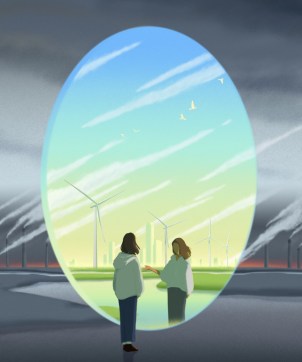
It’s time progressives like me learned to love the green building boom.

The United States is on the brink of its most consequential transformation since the New Deal. Read more about what it takes to decarbonize the economy, and what stands in the way, here

I’m an environmentalist, which means I’ve got some practice in saying no. It’s what we do: John Muir saying no to the destruction of Yosemite helped kick off environmentalism; Rachel Carson said no to DDT; the Sierra Club said no to the damming of the Grand Canyon. Continue reading
Tagging Large Land Animals

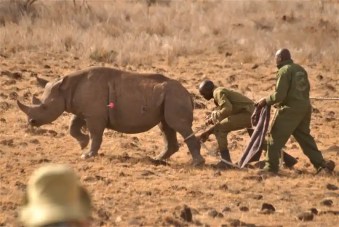
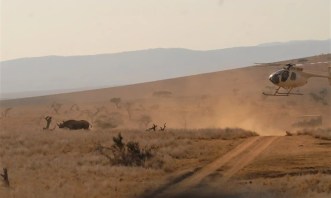
The team secure a darted rhino with nylon rope, then take its temperature and use a pulsemeter to monitor its heart rate and blood oxygenation

We have previous links to articles on tagging animals, but few land animals this big:

How to tag a rhino? Use tech, tact … and plenty of caution – a photo essay

Fewer than 2,000 rhino remain in Kenya, and the country’s wildlife service needs to keep tabs on them to make sure they thrive. It’s a major undertaking, involving a helicopter, 4x4s and a lot of rangers

Here comes a chopper … a helicopter is used to dart the highly aggressive black rhino

Kenya has the world’s third largest rhinoceros population: a total of 1,890 including 966 black rhinos, 922 southern white and two northern white. But how to keep track of them and ensure the species are thriving? Every two or three years, Kenya Wildlife Service (KWS) carries out an ear-notching exercise in all rhino sanctuaries in the country to ensure that at least 60% of the animals are uniquely identifiable. Continue reading
Wilding The Golf Course

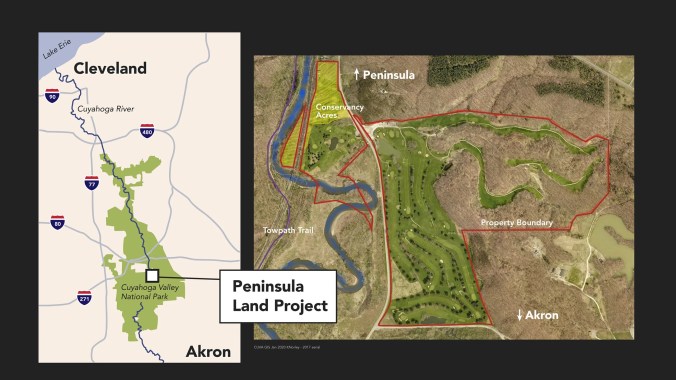
Map by Anna Yantek / Ideastream Public Media, with satellite imagery via the Conservancy for Cuyahoga Valley National Park

We do not mind the sport, per se, but its footprint is quite problematic. This story by Abigail Bottar with photos and video by Ryan Loew is worth a few minutes of your time, either reading or listening, if you want to see what is possible to mitigate the footprint:

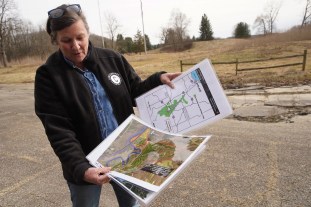
Stacey Rusher, director of park projects at the Conservancy for Cuyahoga Valley National Park, holds maps of the former Brandywine Country Club golf course property.

Back to nature

At the former Brandywine golf course in Peninsula, a national park acquisition is allowing Mother Nature to retake her land.

On a warm winter day, Stacey Rusher serves as a guide through what used to be the par three golf course at the former Brandywine Country Club. Through fields of dry brush, up leaf-covered hills and past resting geese, she arrives at the banks of the Cuyahoga River. Continue reading
Yosemite, John Muir & Robert Underwood Johnson

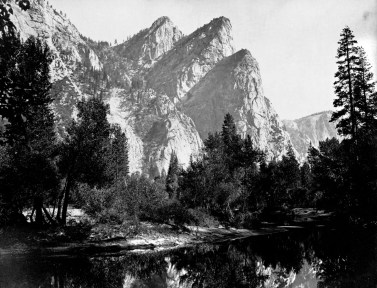
The Three Brothers, taken just east of El Capitan, by Carleton Watkins, ca. 1865. “A sharp earthquake shock at 7:30 a.m.,” Muir wrote in his journal on January 5, 1873. “Rotary motion tremored the river. . . . A boulder from the second of the Three Brothers fell today.” (Courtesy of the Library of Congress)

This book review in the LA Times will be of interest to those who find the history of conservation innovations entertaining:

The odd couple that saved Yosemite

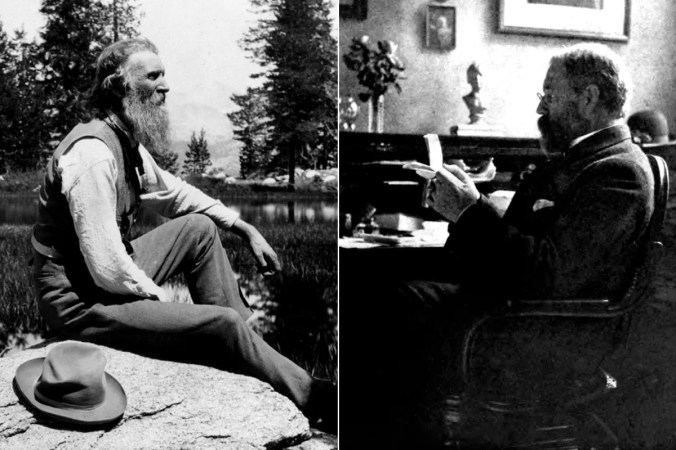
John Muir and Robert Underwood Johnson were unlikely allies in the war to preserve Yosemite. Muir, son of a Scripture-quoting Scottish immigrant father, was raised poor on a Wisconsin farm, but he wrote and spoke with the fervor of a prophet, and his craggy visage, tough constitution and unshakable devotion to the natural world drew admirers like a magnet. The urbane and cultured Johnson was an insider with a vast network of contacts in publishing and politics. The editor of one of the country’s preeminent magazines, Johnson hosted New York literary salons, mingled with America’s elite and eventually became the U.S. ambassador to Italy.

John Muir in California nature, 1902, left, and Robert Underwood Johnson, associate editor of the Century Magazine, at his office on Union Square in New York City. Their complementary skills helped carve out Yosemite National Park.(Courtesy of the Library of Congress; Courtesy of Wikimedia Commons)

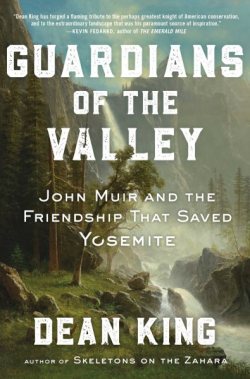
It was improbable that they even met — Muir was on the West Coast, Johnson on the East. But on one memorable journey into the California kingdom now known as Yosemite National Park, the two agreed to pull together to wage the nation’s “first great environmental war,” battling through the administrations of seven presidents to save Yosemite. It’s fair to say that the valley’s matchless terrain and fragile ecosystem would have been logged, plowed and plundered without their relentless efforts. Veteran nonfiction writer Dean King tells their story in “Guardians of the Valley: John Muir and the Friendship that Saved Yosemite.” Continue reading
Quiet Catches Criminals

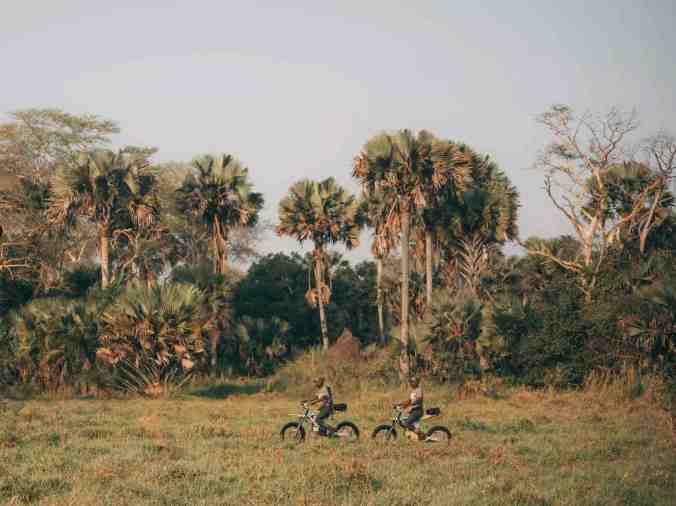
PHOTOGRAPH: JUSTIN SULLIVAN/CAKE

We have always had a soft spot for creative approaches to reducing, if not ending, poaching. And now this, thanks to Andy Jones at Wired:

Park Rangers Are Using Silent Ebikes to Catch Poachers

A Swedish electric bike is helping Mozambique’s park rangers protect game and reducing the need for fossil fuel infrastructure in Africa’s remotest areas.

AT THE END of 2021, a group of night poachers in a Mozambique national park—using torchlight to blind antelopes—were suddenly the ones left stunned in the dark. Continue reading
Infinity Trees

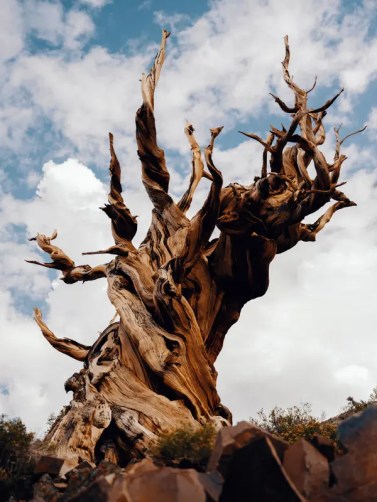
The trees, according to the ecologist Constance Millar, give you a “sense of infinity.” Photo by Adam Perez

We know that getting to a trillion trees is a stretch, but we might be able to sense infinity from a certain species of tree, according to Soumya Karlamangla in the New York Times article we link to here. Photos by Adam Perez help alot.

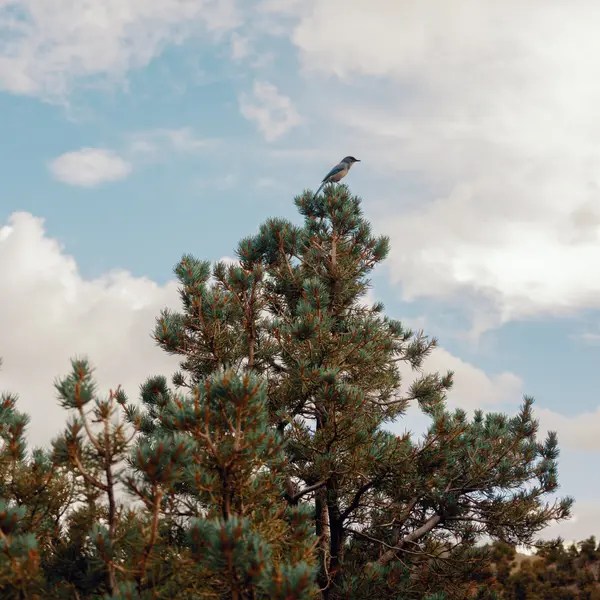
Bristlecone pines can live and reproduce even with only one branch of needles. Photo by Adam Perez

Historically I have worked to find my personal sense of infinity deep within tropical forests, but reading this and seeing the photos of these trees in a totally different type of ecysystem I can be convinced that it is elsewhere also:
In California, Where Trees Are King, One Hardy Pine Has Survived for 4,800 Years

In a harsh alpine desert, the Great Basin bristlecone pines abide amid climate change. Among them is the oldest tree on Earth (if you can find it).

Great Basin bristlecone pine trees endure in harsh conditions that other vegetation cannot withstand. Photo by Adam Perez

BISHOP, Calif. — Before the Egyptians built the Pyramids, before Jesus Christ was born, before the Roman Empire formed or collapsed, the trees were here.

Ten thousand feet up in the White Mountains of central California, in a harsh alpine desert where little else survives, groves of gnarled, majestic Great Basin bristlecone pines endure, some for nearly 5,000 years. Their multicolor trunks bend at gravity-defying angles, and their bare branches jut toward the sky, as if plucked from the imaginations of Tim Burton or J.K. Rowling.

These ancient organisms, generally considered the oldest trees on Earth, seem to have escaped the stringent laws of nature. Continue reading
Really, England?

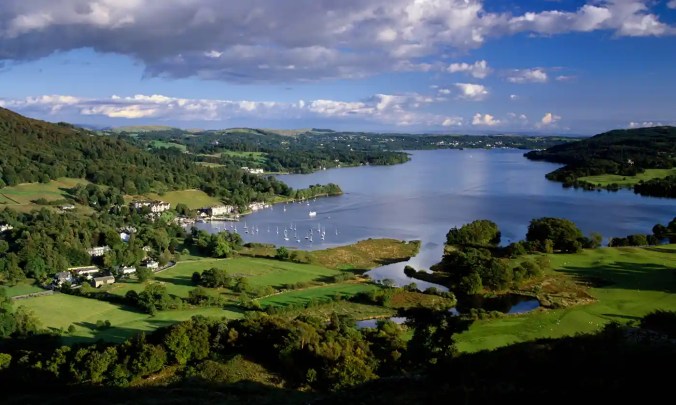
The Lake District national park. Councils can apply for zones in national parks, areas of outstanding natural beauty, sites of special scientific interest and green belt land. Photograph: Ashley Cooper/Getty Images

National parks, one of those rare great ideas, were never as safe as we might have hoped, anywhere. They need protection from liberalization, not indulgence in the very things we protected those spaces from in the first place:

Investment zones could be allowed in England’s national parks

Documents show zones with ‘liberalised’ planning laws could get go-ahead even in the most environmentally protected areas

Investment zones with “liberalised” planning laws to accelerate development could be designated within national parks and in the most environmentally protected areas of the UK, government documents reveal. Continue reading
Alerce, A Mysterious Phenomenon Examined Scientifically

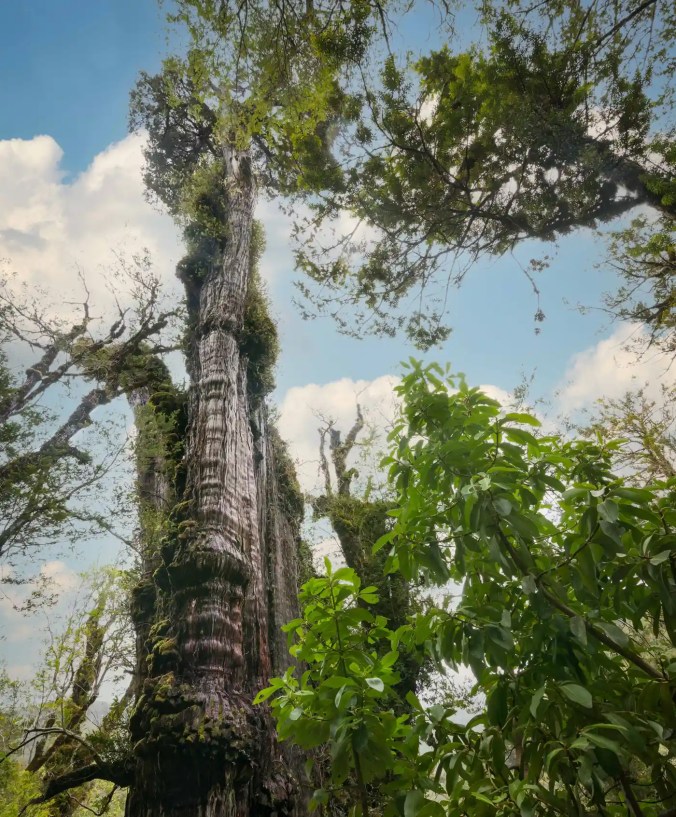
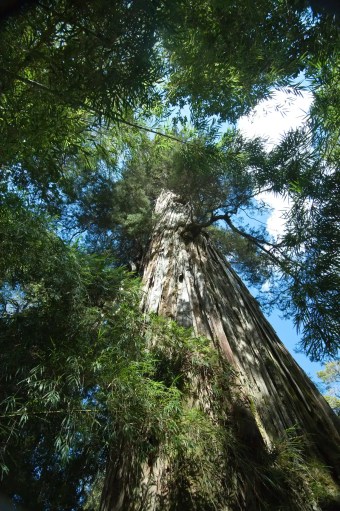
The Gran Abuelo tree in Alerce Costero national park, Chile. Buried alerce trunks can hold carbon for more than 4,000 years. Photograph: Salomón Henríquez

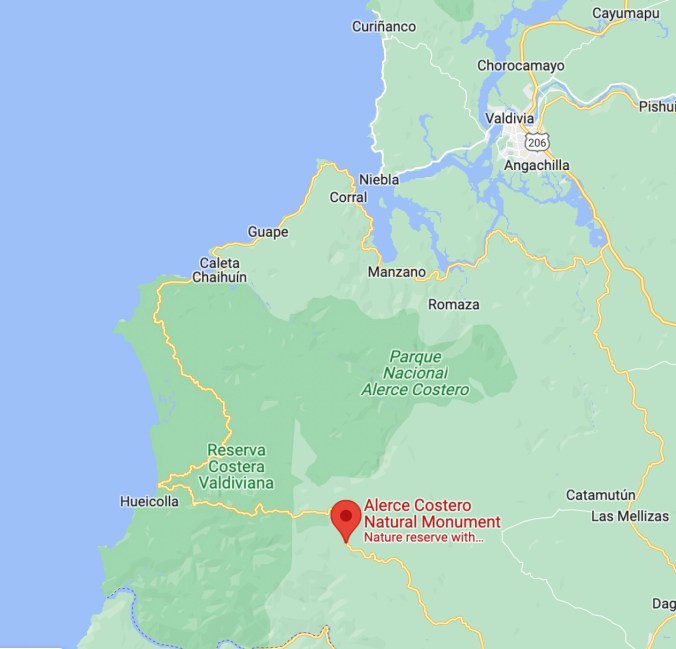
I do not recall whether we saw the tree pictured above, but we certainly breathed in the oxygen it expired. We spent the summer of 2009 in southern Chile, some of it working in the Chaihuin River Valley–a portion of the Reserva Costera Valdiviana co-owned at the time by WWF and The Nature Conservancy. The “Caleta” entrance to Chaihuin can be seen in the map below.

We have also seen the redwood trees in California, distant cousins of the alerce. Spectacular is an insufficient word to describe them, but hours-long visits to redwoods cannot compare to sleeping night after night under alerces. Chaihuin was for our family an immersion into the alerce ecosystem. Although I reserve the word miracle for other types of mysterious phenomena, I have no problem with a scientist using the word in this manner:

Alerce shingle was used as currency by local populations throughout the 1700s and 1800s. Photograph: Krystyna Szulecka Photography/Alamy

‘It’s a miracle’: Gran Abuelo in Chile could be world’s oldest living tree

100ft alerce has estimated age of 5,484, more than 600 years older than Methuselah in California

In a secluded valley in southern Chile, a lone alerce tree stands above the canopy of an ancient forest.

Green shoots sprout from the crevices in its thick, dark trunks, huddled like the pipes of a great cathedral organ, and water streams down its lichen-streaked bark on to the forest floor from bulbous knots in the wood. Continue reading
50 Years Protecting The Longest Cave
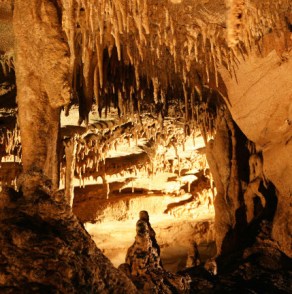
Stalactites and stalagmites line the floors and ceilings of Mammoth Cave. (Credit: NPS)

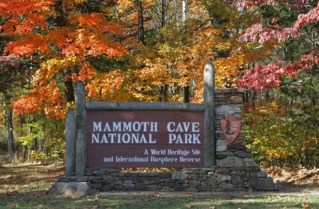
National parks, sometimes called the greatest idea and always best thought of as the gifts that keep giving, have been well covered in our pages.

Protecting them, beyond what their legal status provides has been a sub-theme. Today, a story with a different niche of a sub-theme, pointing to the longest cave system in the world, protected by park status:
(Credit: NPS)

50 Years Ago, Cavers Connected Mammoth Cave and Flint Ridge

The half-century anniversary marks the connection that established Mammoth Cave as the longest cave in the world.

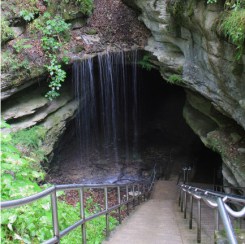
Mammoth Cave’s historic entrance is a natural opening that has been used by humans for 5,000 years. (Credit: NPS)

It was the summer of 1972, and Tom Brucker was in a tight spot two generations in the making. His father Roger had created a nonprofit dedicated to the research of caves (aptly named the Cave Research Foundation) alongside colleagues who were exploring the Floyd Collins Crystal Cave in the 1950s — one of the main gateways to the Flint Ridge Cave System. Two decades later, the younger Brucker was squeezing through an extremely narrow passage deep inside Flint Ridge, considered the longest cave system in the world at the time, in an effort to see if it might connect with the similarly spectacular and storied Mammoth Cave system. Continue reading

Tiger Conservation Progress

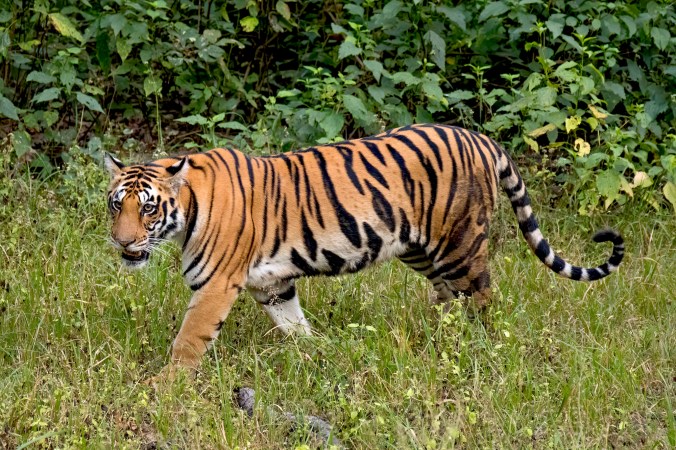
A Bengal tiger in India’s Kanha National Park. CHARLES JAMES SHARP VIA WIKIPEDIA

Tigers were an important part of our lives when this platform started, and for the following few years of our time in Kerala. We have retained an interest, so this news is welcome all these years later:

Wild Tiger Numbers 40 Percent Higher Than Previously Estimated

The number of endangered tigers around the world is 40 percent higher than previously thought, according to new data from the International Union for Conservation of Nature (IUCN). Continue reading

Bears Ears Co-Management

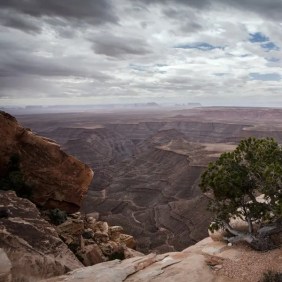
Muley Point in Bears Ears National Monument in Utah. Mark Holm for The New York Times

After plenty of contention, a move in the right direction, at last:

Five Native American tribes will work with the Bureau of Land Management to plan and conserve Bears Ears National Monument in Utah, officials said.

Bears Ears National Monument, whose red-rock landscape sprawls across more than 1.3 million acres in southeastern Utah, will be managed jointly by the federal government and Native American tribes in what administration officials said represents a “one-of-a-kind” model of cooperation. Continue reading

Good Journalism, Excellent Environmental Coverage

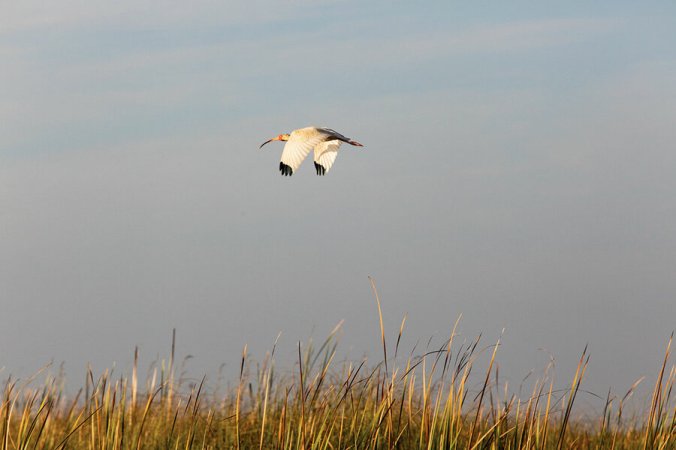
Melanie Stetson Freeman/Staff. A white ibis flies over the Everglades, where many bird species nest each year. Restoration efforts in Florida’s “river of grass” have begun to show signs of progress.

The CS Monitor was the newspaper delivered to our home when I was growing up. Lucky me. These days it still offers good journalism, but is no longer a paper. They made the switch to digital-only in 2008. In earlier years of my monitoring dozens of news sources for this platform it was the source of numerous stories of environmental interest in our pages. But in the last few years, for no particular reason, I failed to monitor their website for stories. And then today, this:

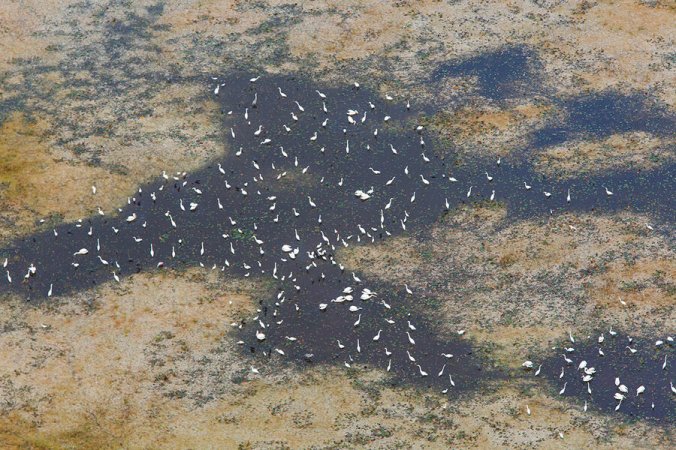
Melanie Stetson Freeman/Staff. Birds look like white flecks from the air.

‘River of Grass’: Inside the quest to restore the Everglades

Richard Mertens Special contributor

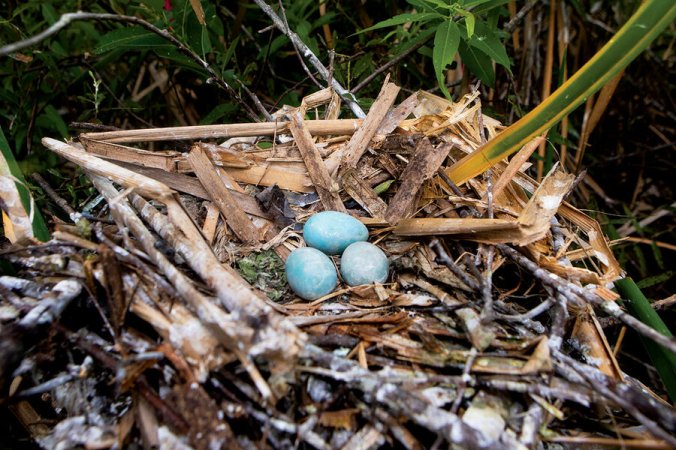
Melanie Stetson Freeman/Staff. Three eggs sit in a nest in the Everglades.

Eight hundred feet up, the helicopter banks hard to the left. The horizon disappears. Mark Cook, an avian biologist, peers out his side window at a small irregular patch of water below. It’s hardly distinguishable from innumerable other patches that lie in every direction, dark and shining amid a ragged expanse of brown marsh grass and green tree islands. Continue reading

Romania’s Carpathian Mountains, Forever

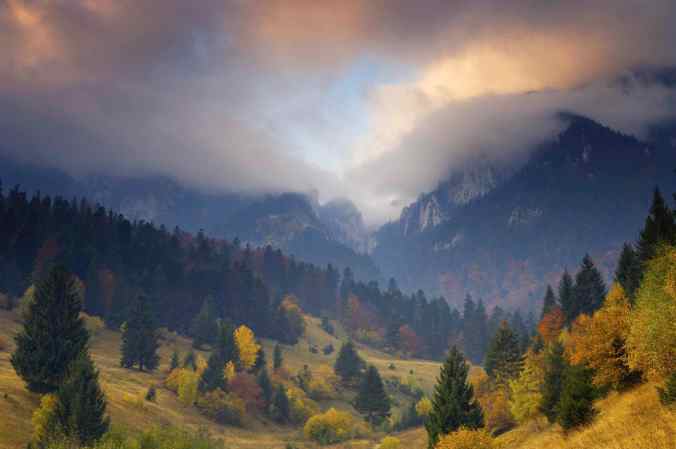
Rock of the King, NP Piatra Craiului, Transylvania, Southern Carpathian, Romania

The word Carpathian appears, to my surprise, only once in a post before today. Likewise Romania is underrepresented except in passing, and was the focus of just one post, five years ago in our pages. Today I will correct the oversight.

FOUNDATION CONSERVATION CARPATHIA
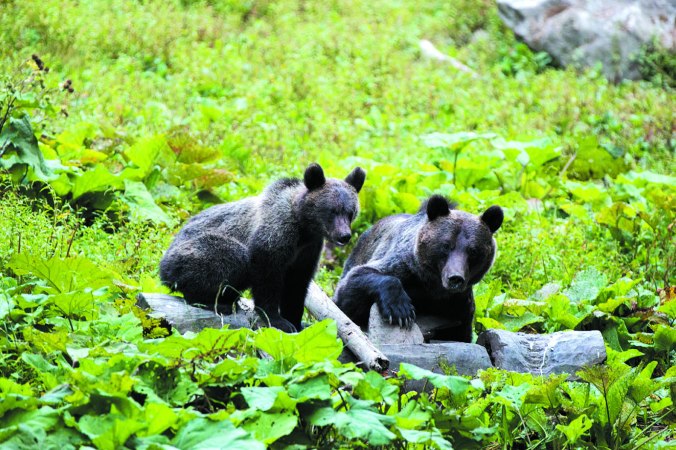
Bears in the Southern Carpathian Mountains, Romania.

It is surprising because after I was exposed to the idea of rewilding, I started receiving The European Nature Trust’s newsletter. Frequently the newsletter highlights one of the projects they support, in Romania’s Carpathian Mountains. I have been admiring the photographs for years now, and silently supporting TENT’s joint mission with the FCC. Silent no more. Let’s all actively support the Carpathian Mountains of Romania being there forever, intact:

DANIEL ROSENGREN
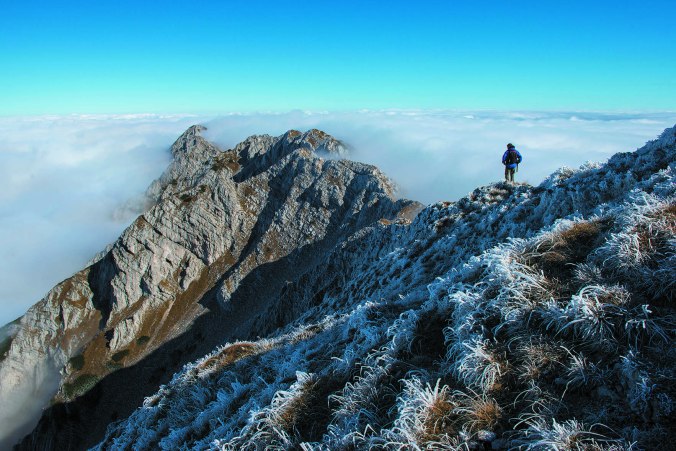
A frosty morning in the Piatra Craiului National Park, Romania.

TENT is committed to the protecting and restoration of Romania’s natural resources through supporting Foundation Conservation Carpathia.

Romania has 250,000 hectares of virgin forest, mostly in the Southern Carpathians, which constitutes the largest unfragmented forest area in Europe. They contain an extraordinarily high number of indigenous species, one third of all European plant species and are home to the largest European populations of large carnivores. Continue reading