Personal Statement
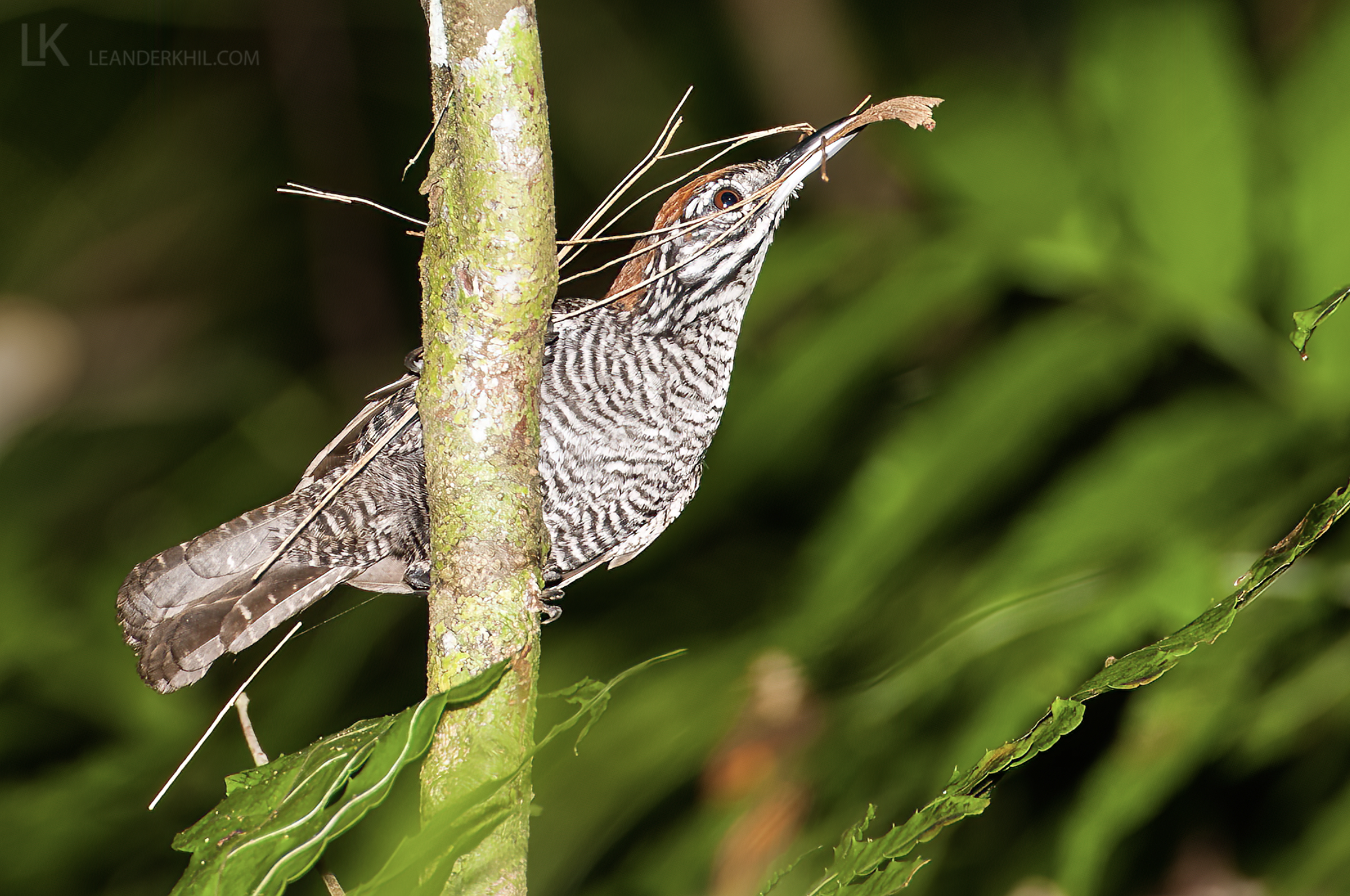
Stories from the Field: The Great Rann of Kutch, Gujurat

6 months after the Kaziranga trip, I started reading about the birds of India. I was very surprised to learn that we had more than 1,200 species across the country. I ventured out a bit, driving around Bannerghatta National Park and Hesarghatta Lake. Photographing birds isn’t as easy as one would think. They are flighty and fickle. I captured several images of “bird-less” perches and returned home with “bird-less” memory cards as well.
I was 56 years old and time was not on my side. I began to list out important birding areas in the country. This way, I could focus on numbers- my goal being to reach 500 birds before my health deteriorated. I chose birding locations that were easily accessible by car. Gujarat and Uttarakhand had large bird counts and winters were ideal for birding.
I decided to travel to the Great Rann of Kutch during November 2012. I didn’t want any delay seeing and photographing birds. I needed the right gear and I purchased a Canon 1D mark14 with a 500 mm f4 lens. A friend of mine drove me to Kutch, making it an easier trip for me. We chose a Homestay run by a famous conservationist and bird guide, Sri. Jugal Tiwari. All the rooms were named for beautiful local birds, which was very inspiring. I chose the Grey Hypocolius room just because the name sounded exotic. Most special was the fact that each room had books by the bedside,
mine had two about the world-famous birder, Phoebe Snetsinger.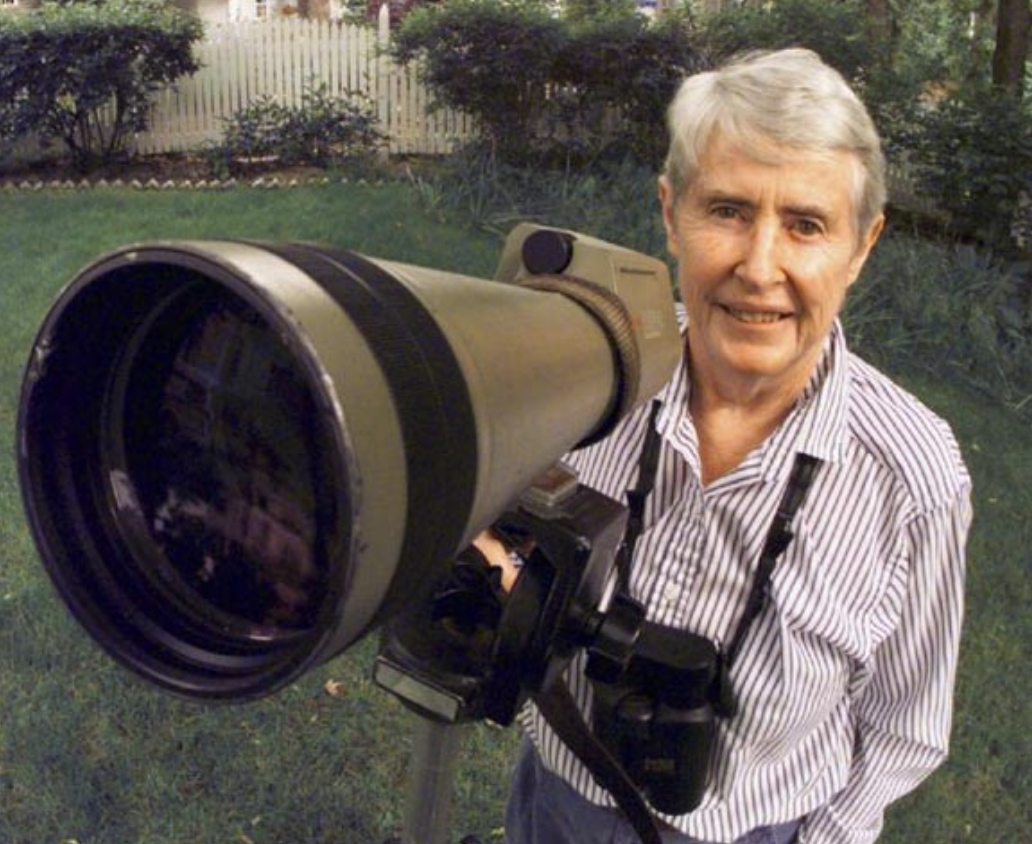
Western Water & First User Advantage
The Southwest’s protracted drought has put a strain on an already arid environment. Photograph by Wild Horizon via Getty
Our thanks to Rachel Monroe:
How Native Americans Will Shape the Future of Water in the West
Tribal nations hold the rights to significant portions of the Colorado River. In the increasing drought, some are showing the way to sustainability.
As a child, Stephen Lewis heard stories about a river that, for the most part, no longer flowed. “How I grew up was that it was a theft, that it was stolen from us,” he told me late last year. “There was what we used to call the Mighty Gila River, and now it was just pretty much dry. There was no water.” Continue reading
Stories from the Field: Kaziranga National Park, Assam

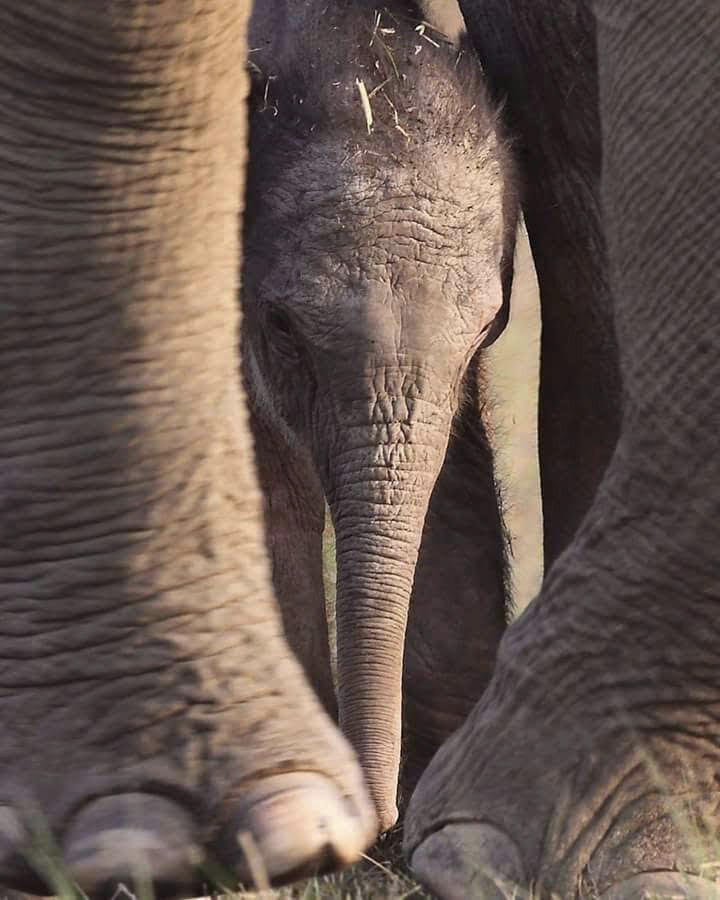 We stayed at the Wild Grass Lodge amidst the intimidating presence of huge lenses and heavy gear.
The dining hall was filled with Masai Mara and other jungle lores.
I was drawn into my fellow travel mates’ conversations on birds and elephant behaviour.
Animal psychology was a nonexistent subject for me till then. I always marveled at the life of plants & trees. The reasons and roles of their existence and their beauty.
During this trip, I was introduced into the role of fauna into the sustenance of forests and their mutual social struggles; Their mastery of leveraging each others resources, framed by unwritten cooperative laws. Their companionship in fighting extinction. Survival makes strange bedfellows among flora and fauna – from the megafauna to the smallest ant and flying insect.
Stories from the Field: Namdapha National Park, Arunachal Pradesh
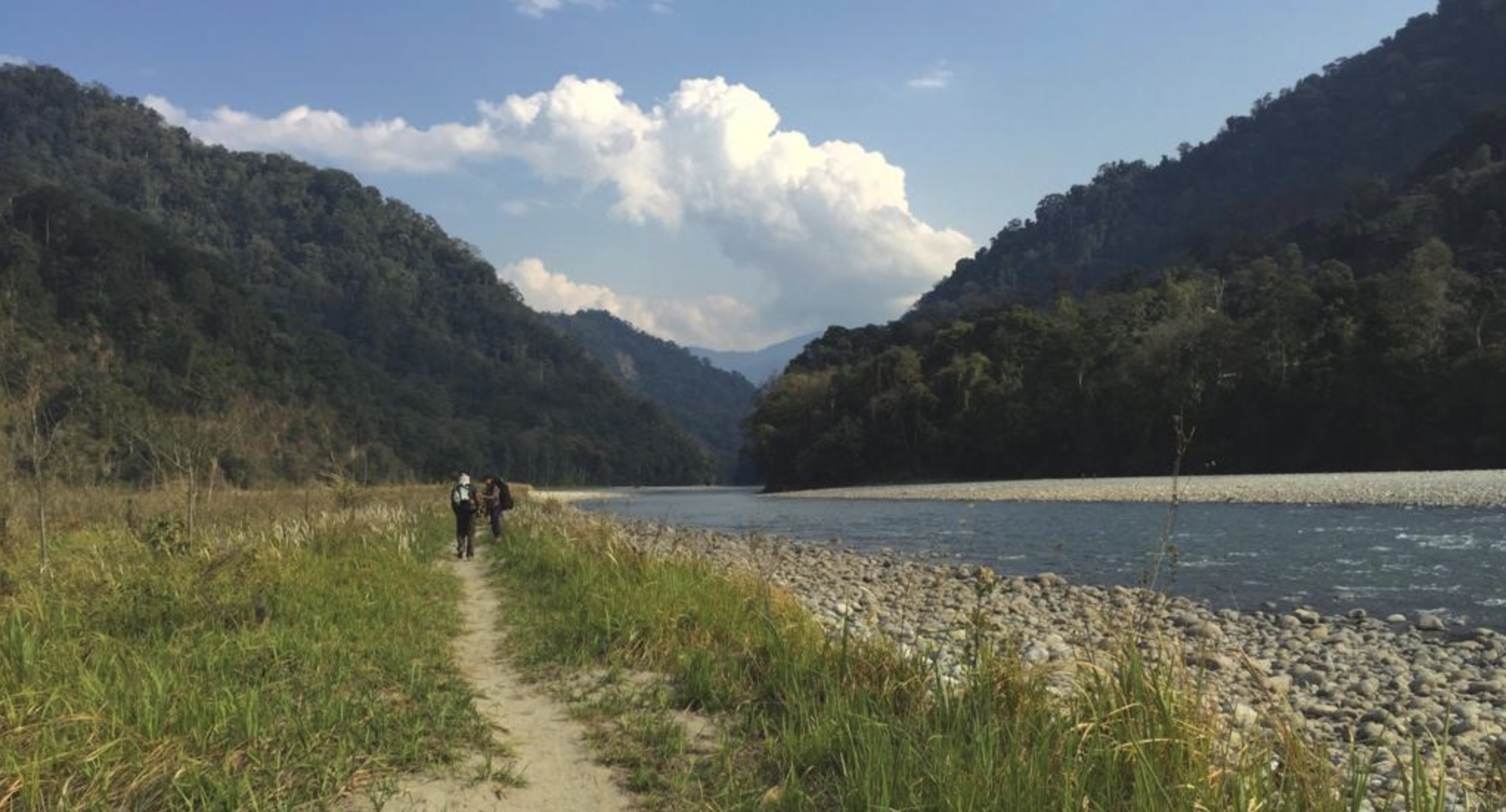
I now realize that when I posted about my experience at Eaglenest Wildlife Sanctuary, I had gotten ahead of myself, because the germ of that visit began at Namdapha National Park. Namdapha…the name flirts and rolls around to fill your mouth, just as trekking there fills your senses.
I first met with Shashank Dalvi in March 2015 when he had organised a trek to Namdapha. After my initial foray into Kutch, I traveled every month of the year and covered the Central Himalayas extensively. I badly wanted to photograph the colourful birds of the North East and grow my list to 1000 birds of India. I had covered most parts of India by the time I was ready to travel to Namdapha.
I was seeking solitude and needed to take life at an easy pace during 2015. All the travel around the rest of India was done at a frenetic pace. Namdapha was that perfect place to bird at a gentle pace and that solitude came from the serene and silent forest. A perfect place to be lost inside a forest that totally separates you from rest of the world.
I had heard from every corner about Shashank Dalvi and especially about his work in Doyang, Nagaland. He and his team had put a stop to the annual culling of Amur Falcon’s in Nagaland, especially in Doyang.
We had heard rumors of large-scale bird hunting around the Doyang Reservoir in Nagaland some time ago. In September 2012, Bano Haralu, Ramki Sreenivasan, Rokohebi Kuotsu and I decided to investigate. What we saw shocked us – a massacre of thousands of Amur Falcons. Roko and I spent the next couple of days filming the slaughter and interacting with the hunters to understand the extent and nature of the hunt. It remains the most difficult and emotionally harrowing experience of my career.
Since then, I always wanted to bird alongside this man and learn his skill and patience. When you are in love with all creatures around you and understand their roles and impact on universal relationships you become patient in your role towards contributing toward their conservation.
I became a bit more patient. 7 days in Namdapha and surroundings gave ample time to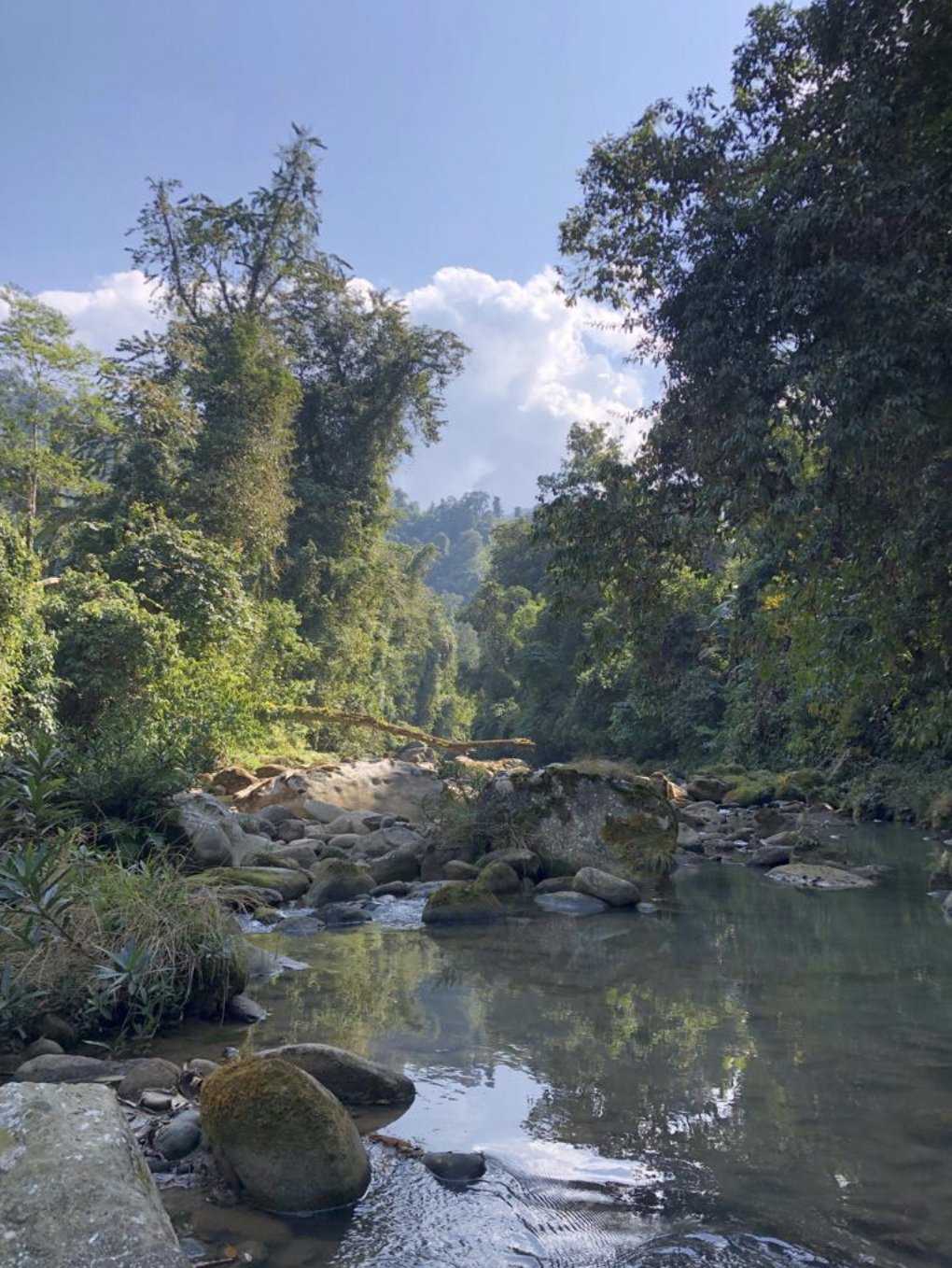 listen about snakes, and behaviour of many mammals.
Namdapha is declared a Project Tiger Reserve. It is also known as the land of four big cats. The only place on earth to host them all in one forest. This is also the place for rare mammal like the Takin, Musk Deer and the veryrare Slow Loris. The fragrant Agarwood is also found here. With an area of 2000 square kilometers, Namdapha is the largest virgin forests of India. Continue reading
Stories from the Field: Eaglenest, Arunachal Pradesh
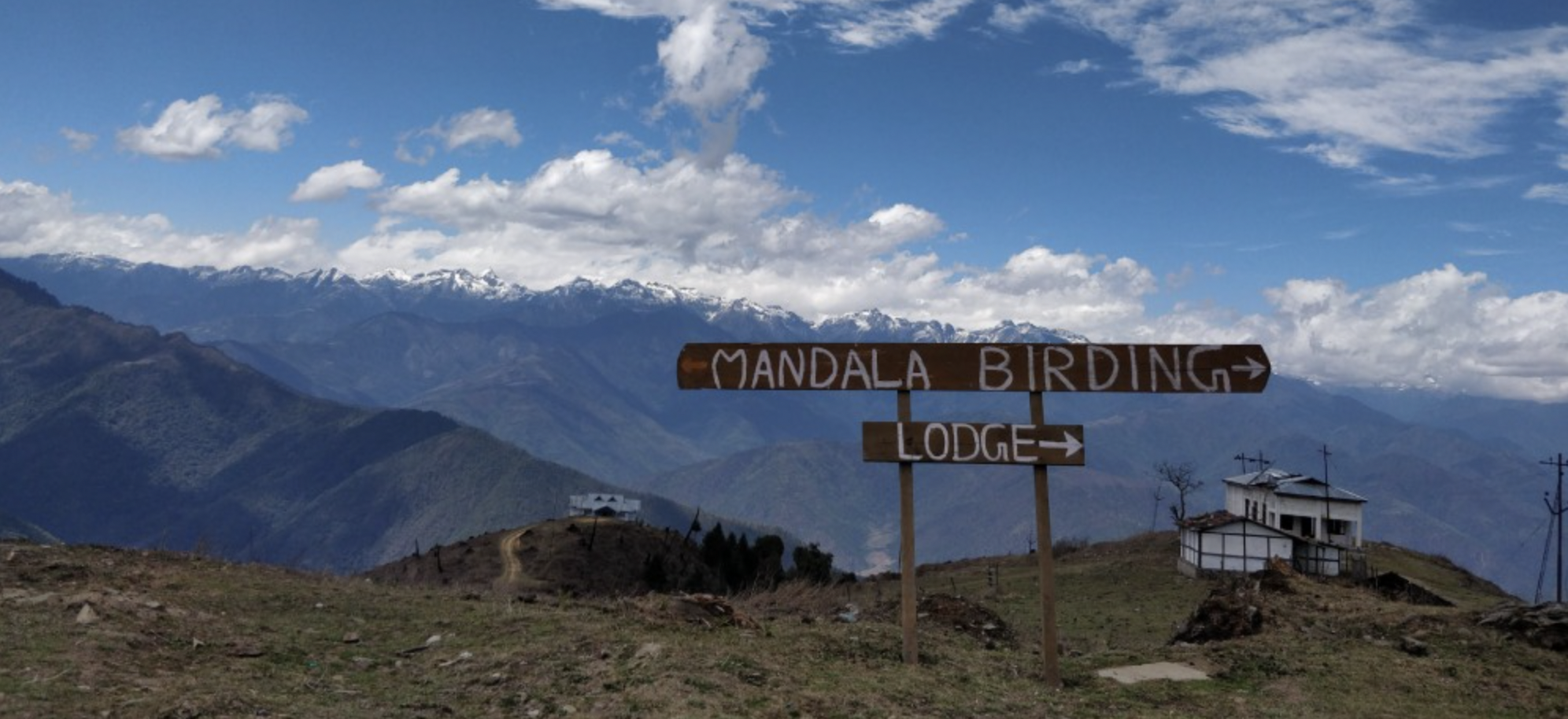
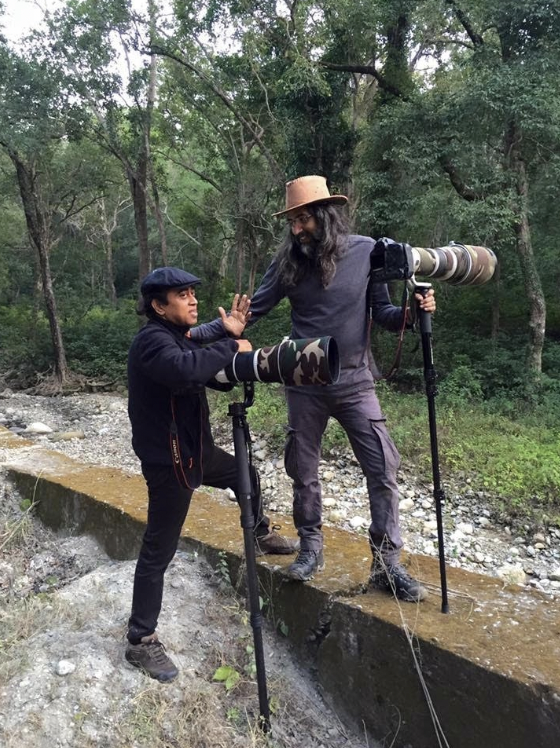
With Gaurav Kataria
When Gaurav Kataria, a birder and tour operator, invited me to go along with him to Eaglenest Wildlife Sanctuary during March of 2015, I had loads of apprehension about the weather, terrain and the proximity to medical assistance. Earlier, before my trip to Namdhapha it was Gaurav who counseled me on similar fears and he egged me on: Namdhapha, a lowland rainforest with “empty forest syndrome” calls out to only a handful who are fortunate to appreciate it, continuing that having managed that, Eaglenest would be a cakewalk for me. In the presence of intense birders, tough itineraries become a joyous holiday. Eaglenest and Bompu camp were no exception. As the jeep, loaded with breakfast and lunch, followed us at intervals, I never felt the need to hop onto it. We would walk with our gear on the shoulders for 6 to 8 hours each invigorating day.
The virgin forests of Mandala, Eaglenest and the trek between Bompu Camp to Haathi Naala and Lower Kellong threw up surprises at each bend. The change in habitat and seeing different flocks or individuals after every 500 meters is a photographer/birder’s delight.
We had Phurpa Arteju as our guide. This kid was a big surprise. He could identify dozen birds in a mixed flock by their calls alone.
Trekking with him we heard and saw 220 species and photographed around 75 species.
The moment you cross into Arunachal Pradesh the change in air quality and visuals is palpable. Cross Balukpong and the festival begins. We were welcomed by the Rufous woodpecker amongst the bamboos and 500 meters later we were wondering which bird to focus on. My jaw just dropped looking at the activity of the hunting flocks.
It’s Not About the Birds…
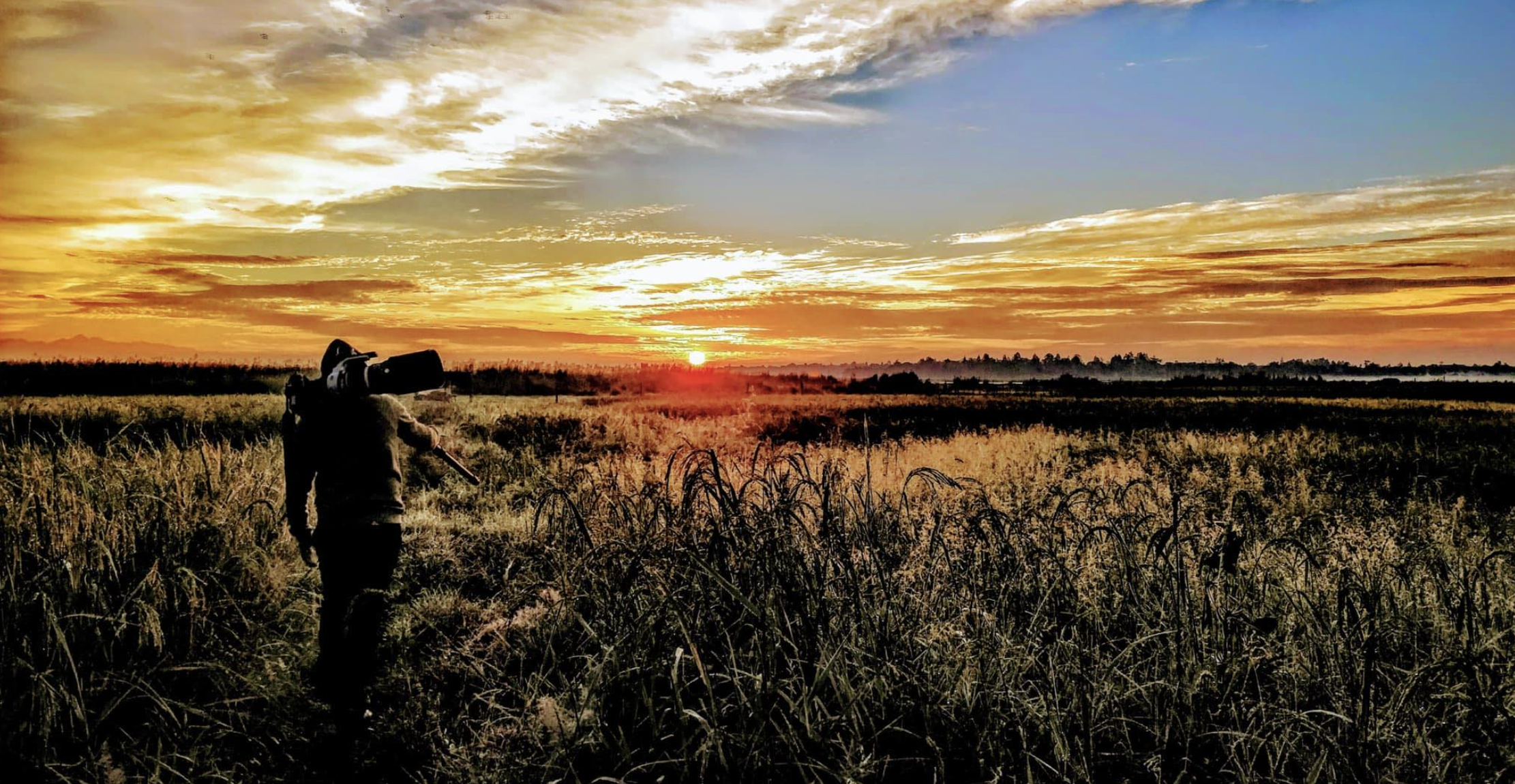
Maguri Beel, Assam – photo credit: Gururaj Moorching
The title of this post are the opening words to photographer Gururaj Moorching’s website, where he expresses his love of India, and passion for the nature and culture within her boarders.
Gururaj and I have never met – not even when I lived in India – but we’ve known each other for over 6 years through his photographs. Coincidentally, almost exactly 4 years ago I wrote about his Birding “Big Year” on this site, acknowledging that through his photos we’ve been chronicling and sharing his adventures with our readers.
This current post is an introduction to a “Stories from the Field” series that will more directly share his birding experiences.
Stay tuned!
The Heart Beat In Greece
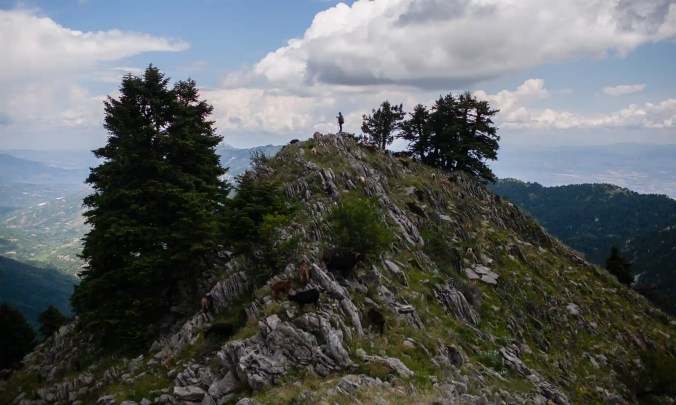
Kostas Papastavros and his goats on the top of the Koziakas mountain, part of Pindus range on mainland Greece. Photograph: Vasileios Tsiolis
I appreciate the comment about the heart beat in Katy Fallon’s portrait of a particular form of pastoral life in northern Greece. It comes just as we start dreaming of making an overdue visit back to the country I would most likely choose to live, if not for Costa Rica’s strong pull:
Kostas leading the goats back to the family’s makeshift summer barn on Koziakas mountain
‘My heart beats up here’: Greece’s nomadic herders on life in the hills – a photo essay
For hundreds of years the Vlach herders in Greece and the Balkans have moved livestock to high mountain pastures for the summer months. But their numbers are dwindling as their arduous existence is threatened by soaring costs and a lack of state support
Kostas and Fotini walk with the family’s mare in front of the prehistoric cave of Theopetra village
Every spring in the Thessalian plains of central Greece, in the shadow of the mountains, an ancient and sacred migration of humans and goats takes place. Continue reading
Authentica Manuel Antonio

After the opening years helped us strengthen our resolve, 2022 was the year we expanded Authentica beyond the first two locations. I will feature images of the new shop, in Manuel Antonio, in a later post. For now, just a look at the signage art in front of the new shop.

Like Seeing Santa Claus On A Beach
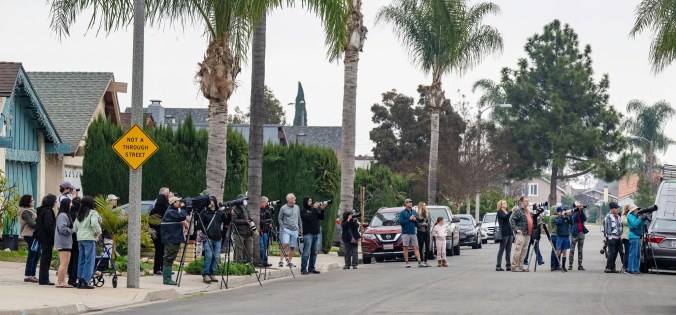
Bird-watchers and photographers on the lookout for the snowy owl. Mark Rightmire/The Orange County Register.
Closing out 2022 with a story that all in our bird-centric community will enjoy, I know from firsthand experience what unexpected encounters with birds can do:
Neighbors have come to notice a pattern with the bird, which seems to take off in the evenings before reappearing sometime later. Mark Rightmire/The Orange County Register
‘Extremely Rare’ Snowy Owl Sighting Transfixes a California Suburb
What brought the owl to the city of Cypress, in Orange County, remains a mystery.
The forbidding frozen wilderness of the high Arctic tundra is the natural home of the snowy owl, a great predator perfectly adapted to hunting its primary food source, lemmings. Continue reading

Great EV Expectations

A Rivian R1T electric pickup truck at the company’s factory in Normal, Illinois. JAMIE KELTER DAVIS / BLOOMBERG VIA GETTY IMAGES
I had no reason to bet against Tesla until now, but I did wonder whether it was good for anyone (other than its shareholders) for that one company to dominate its market over the longer term. Now, happily, it looks like the market will do what we need it to do, which is get robust:
For U.S. Companies, the Race for the New EV Battery Is On
Spurred by federal mandates and incentives, U.S. manufacturers are pushing forward with developing new battery technologies for electric vehicles. The holy grail is a battery that is safer, costs less, provides longer driving range, and doesn’t use imported “conflict” minerals.
Sixteen years have passed since engineer Martin Eberhard unveiled his futuristic custom-designed sports car before a crowd of investors, journalists, and potential buyers in a Santa Monica Airport hangar. Continue reading
An Intelligible Conversation About Artificial Intelligence

Yejin Choi leading a research seminar in September at the Paul G. Allen School of Computer Science & Engineering at the University of Washington. John D. and Catherine T. MacArthur Foundation
We have shared dozens of links to stories about advances in technology–especially those with application to conservation–none has touched on artificial intelligence. During my daily scanning for articles to share in 2022 I have noticed this topic more and more as a source of fear, to the point where I stopped reading them; but today’s is different:
An A.I. Pioneer on What We Should Really Fear
Artificial intelligence stirs our highest ambitions and deepest fears like few other technologies. It’s as if every gleaming and Promethean promise of machines able to perform tasks at speeds and with skills of which we can only dream carries with it a countervailing nightmare of human displacement and obsolescence. But despite recent A.I. breakthroughs in previously human-dominated realms of language and visual art — the prose compositions of the GPT-3 language model and visual creations of the DALL-E 2 system have drawn intense interest — our gravest concerns should probably be tempered. At least that’s according to the computer scientist Yejin Choi, a 2022 recipient of the prestigious MacArthur “genius” grant who has been doing groundbreaking research on developing common sense and ethical reasoning in A.I. Continue reading
India’s Zero Sum Game
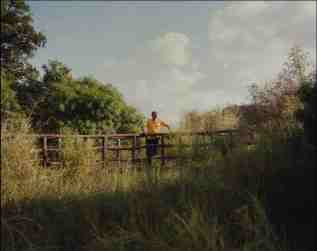
When Pradip Krishen began creating Jaipur’s Kishan Bagh Desert Park, it was a wasteland of dunes and bald hillocks, strewn with trash. Looking at the landscape, he said, “Now, this is something I’d love to work on. ”Photographs by Bharat Sikka for The New Yorker
If I had to bet, based on our period living in India from 2010 to 2017, I would bet on the prime minister winning. That implies the country making less progress on conservation, if any, and more on development. As Dorothy Wickenden‘s article implies, it may be a zero sum game:
The Promise and the Politics of Rewilding India
Ecologists are trying to undo environmental damage in rain forests, deserts, and cities. Can their efforts succeed even as Narendra Modi pushes for rapid development?
Krishen’s first major restoration job was reclaiming the landscape around Mehrangarh Fort, in the Thar Desert.
On May 12, 1459, the Rajput warrior ruler Rao Jodha laid the first foundation stone of an impregnable fort, atop a jagged cliff of volcanic rock in the Thar Desert of Marwar. He called the citadel Mehrangarh, or “fort of the sun”—and, legend has it, he insured a propitious future by ordering a man buried alive on its grounds. Over time, as the royal clan secured its power, the compound grew to colossal proportions, with soaring battlements, ornately furnished palaces, and grand courtyards enclosed by intricate sandstone latticework. Four hundred feet below, the capital city of Jodhpur became a flourishing trade center. Continue reading

The Bronx & Greener Pastures
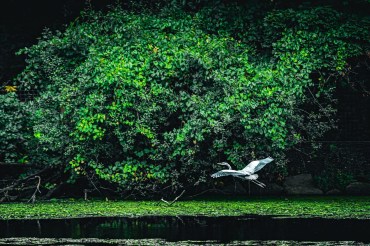
Van Cortlandt Lake, one of the many places popular with birds — and those who watch them.
Early in our life together, in the early/mid-1980s, Amie and I lived in two of the five boroughs that make up New York City. We never lived in the one that today, we learn, has had the most nature all along (we thank David Gonzalez for both the photographs and text of this article).
While we are not giving up the greener pastures we chose decades ago to be our home base, we are happy to know that The Bronx is so green, and can even picture making a special trip to visit this often unheralded part of New York City:
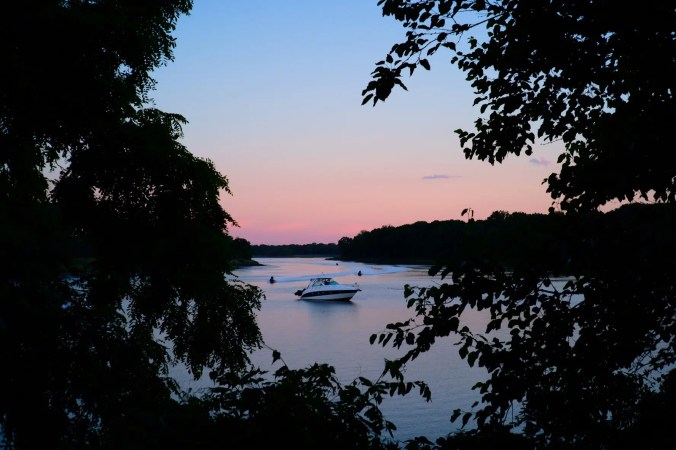
The lagoon at Pelham Bay Park.
Soundview Park
What Is New York’s Greenest Borough? Probably Not the One You Think.
If you said Brooklyn, Manhattan, Staten Island or Queens, guess again.
From hidden coves tucked along the Orchard Beach marshes to wide promenades covered by regal arches of trees in Soundview, there is a lot more green to the Bronx than the zoo or the infield at Yankee Stadium. The pastoral vibe might make you think you’re upstate, but as they said in the classic ’80s hip-hop movie “Beat Street,” this is the Bronx. Continue reading
Giving A Bread Its Due Honor

President Emmanuel Macron of France described the baguette as “250 grams of magic and perfection in our daily lives.” Eric Gaillard/Reuters
When the baguette was a daily part of our family’s life, we were fortunate to have a personal connection to the best guide, whose photo in the story below is as fitting as the photo above:
Steven Kaplan, perhaps the baguette’s most dedicated historian, says the bread has “little sites of memories” that “testify to a sensuality.” Daniel Janin/Agence France-Presse — Getty Images
A Slice of France, the Baguette Is Granted World Heritage Status
More than six billion baguettes are sold every year in France. But the bread is under threat, with bakeries vanishing in rural areas.
PARIS— It is more French than, perhaps, the Eiffel Tower or the Seine. It is carried home by millions each day under arms or strapped to the back of bicycles. It is the baguette, the bread that has set the pace for life in France for decades and has become an essential part of French identity.
On Wednesday, UNESCO, the United Nations heritage agency, named the baguette something worthy of humanity’s preservation, adding it to its exalted “intangible cultural heritage” list. Continue reading

Understanding & Reviving Games From Other Places, And Times Before
Leaving aside the question of why so many of the world’s most important historical artifacts are in London, rather than where they originated, the curator in the video above is charming. And the man in the photo just below to the right is his counterpart in the place where this particular artifact originated. My interest in board games is much less well informed, but like Mr. Mofaq I have an interest in their revival, so Deb Amlen’s article in the New York Times is appreciated:
Hoshmand Mofaq, an Iraqi artist, pondered his next move on one of the Royal Game of Ur boards he designed. Mr. Mofaq is part of a group who hope to popularize and return the game to the Iraqi people as part of their cultural heritage. Shwan Mohammed/Agence France-Presse — Getty Images
The Royal Game of Ur: How to Play the Oldest Board Game on Record
For 4,600 years, a mysterious game slept in the dust of southern Iraq, largely forgotten. The passion of a museum curator and the hunger of young Iraqis for their cultural history may bring it back.
It is the end of a long, hot day of selling your wares in a market in ancient Mesopotamia, around 2,400 B.C., and you are looking for a way to unwind.
Netflix will not be invented for another four and a half millenniums, but as luck would have it, a pub lies ahead in the distance. A beer and a round of the Middle East’s favorite game is just the thing to pick you up. The thrill of the game is irresistible: It is impossible to predict who will win in this race to get your pieces to the end of the board, even in the last few moves.
One of the boards of the Royal Game of Ur excavated in the 1920s, on display at the British Museum. The British Museum, via Commons.wikimedia.org
You sit down across from your opponent, who offers you the first turn. You pick up the four-sided dice and shake them in your fist. Maybe this time the rumored fortunetelling aspect of the game will bless you with a spate of good luck and prosperity. Continue reading


Imposing On Pastoral Beauty To Capture Wind’s Power

Pinnacle turbines dot the skyline in Keyser, West Virginia, where, according to Andrew Cosner, a twenty-one-year-old technician, some residents remain hostile to the new wind farm: “They say it ruins the landscape and it’s ugly.”
It is to each of us whether we find the view attractive or not, and there was a time when I found large man-made structures an imposition on pastoral beauty.

Smith stands in the nacelle of one of the turbines just before daybreak.
As time passes I find myself drawn more to such a view as that in the photo above as a signal of progress. It is not because the view is in a place far away from me– on the mountain ridge above where I live there is a row of such turbines and I am constantly gazing at that horizon. Published in the print edition of the November 28, 2022, issue of the New Yorker, with the headline “Blade Runners,” D.T. Max provides some context, but the photos do the heavy lifting:
THE BLADE RUNNERS POWERING A WIND FARM
In West Virginia, a crew of five watches over twenty-three giant turbines.
The Pinnacle wind-power plant extends for roughly four miles in the northeastern corner of West Virginia. Continue reading
Spruce Cone Collecting

Blake Votilla at the top of a spruce tree, collecting cones that will be replanted to help restore forests decimated by wildfires.
Thanks to Hilary Swift (last seen in these pages as a photographer, now also as a writer) and the New York Times for this series:
In Utah, Restoring Spruce Forests One Cone at a Time
Seasonal workers climb tree after tree to collect seeds that will eventually help regrow forests, an effort that could get the country closer to its climate goals
Some of the cones collected get sent to a nursery outside of Boise, Idaho, where the seeds from the cones are stored or replanted.
MOAB, Utah — Blake Votilla stared up at the 120-foot spruce tree. He strapped braces with four-inch spurs to his shins and clipped two large red plastic sacks on his climbing harness. Reggaeton blasted from a portable speaker on his hip.
Then he embraced the tree with his gloved hands, sticky from sap, lifting his left leg up first, driving the spur into the cracks of the bark to hoist himself up. Continue reading
57+ Countries, All Important, But A Few Favorites

Stelios Trilyrakis, the chef behind Ntounias in Crete, pats one of his heritage cows, a rare Cretan species called Gidomouskara. SteMajourneys
I have a longstanding habit, in an article like this one listing travel experiences including 5. Savor an Unforgettable Lunch at Ntounias in Western Crete, of skimming to find whether the writer(s) have been to anywhere that I know firsthand; if they write something meaningful about a place I know, I read the entire article. These days I have less interest in going to places I do not already know (between 57 and 60 countries where I have had meaningful experiences, ranging from a few days to living there for a year or more).
When I see Crete, I am all in, for reasons I have made plain previously. In this case I want to abandon all responsibilities and get on a plane.
Since that is not possible I am left to desk-travel, which is what I did to learn more about this place. I see now that on the two occasions when I have mentioned Xania I have spelled it two different ways. With the X my spelling was transliterating into English the letter used in the Greek alphabet for spelling that town’s name; otherwise the dipthong of Ch is necessary to produce the sound of the Greek letter that looks like an elongated X. Now that I have excused my spelling discrepancies, and daydreamed of a meal on the island of Crete at a later date, I will get on with my responsibilities.
Bird of the Day: Tullberg’s Woodpecker

Nyahururu Falls, Rift Valley, Kenya
 Organikos