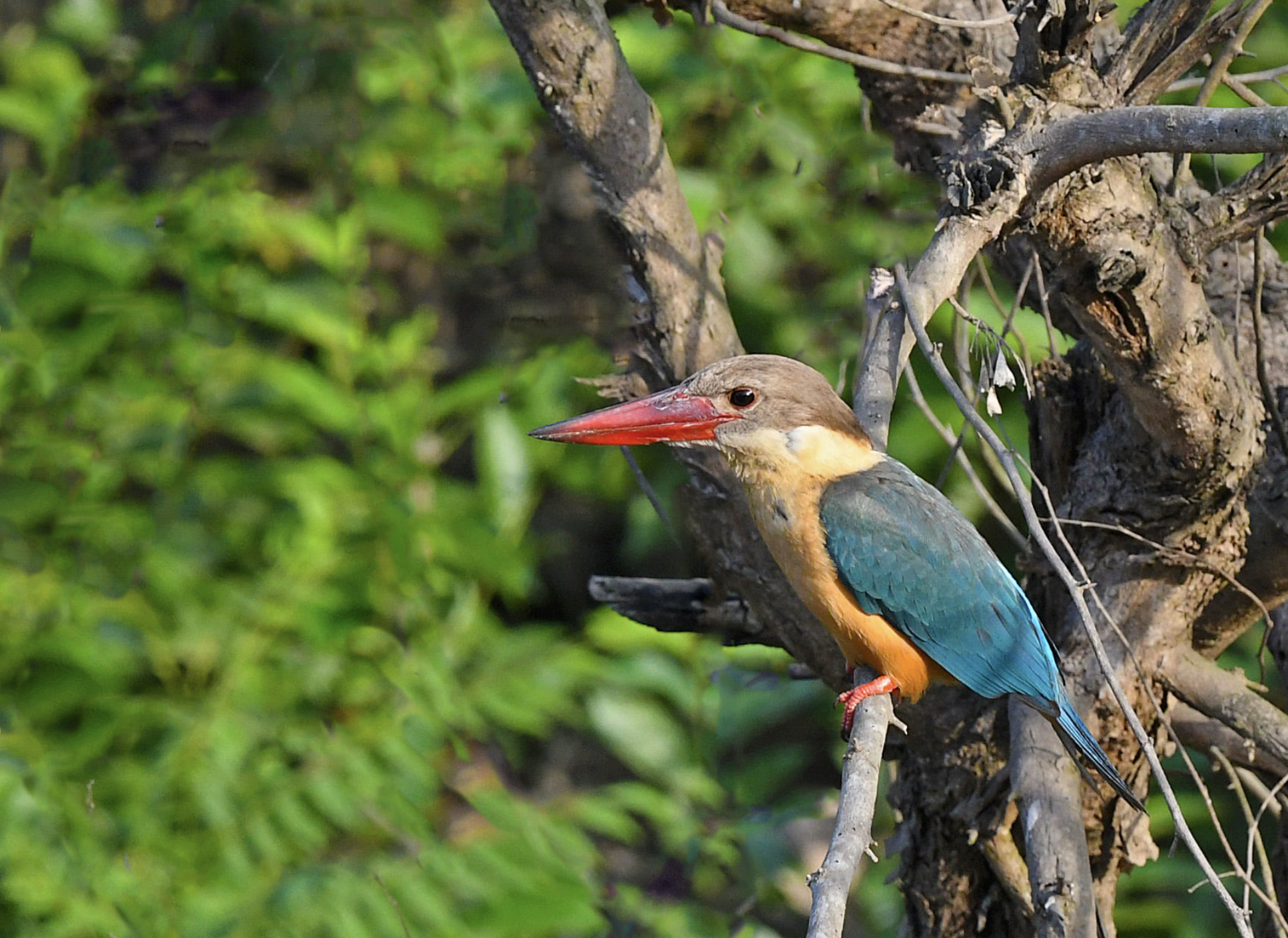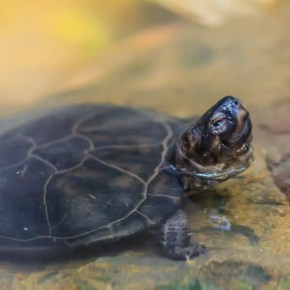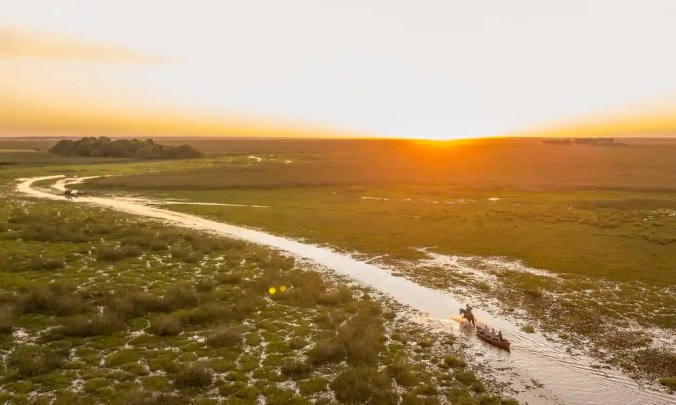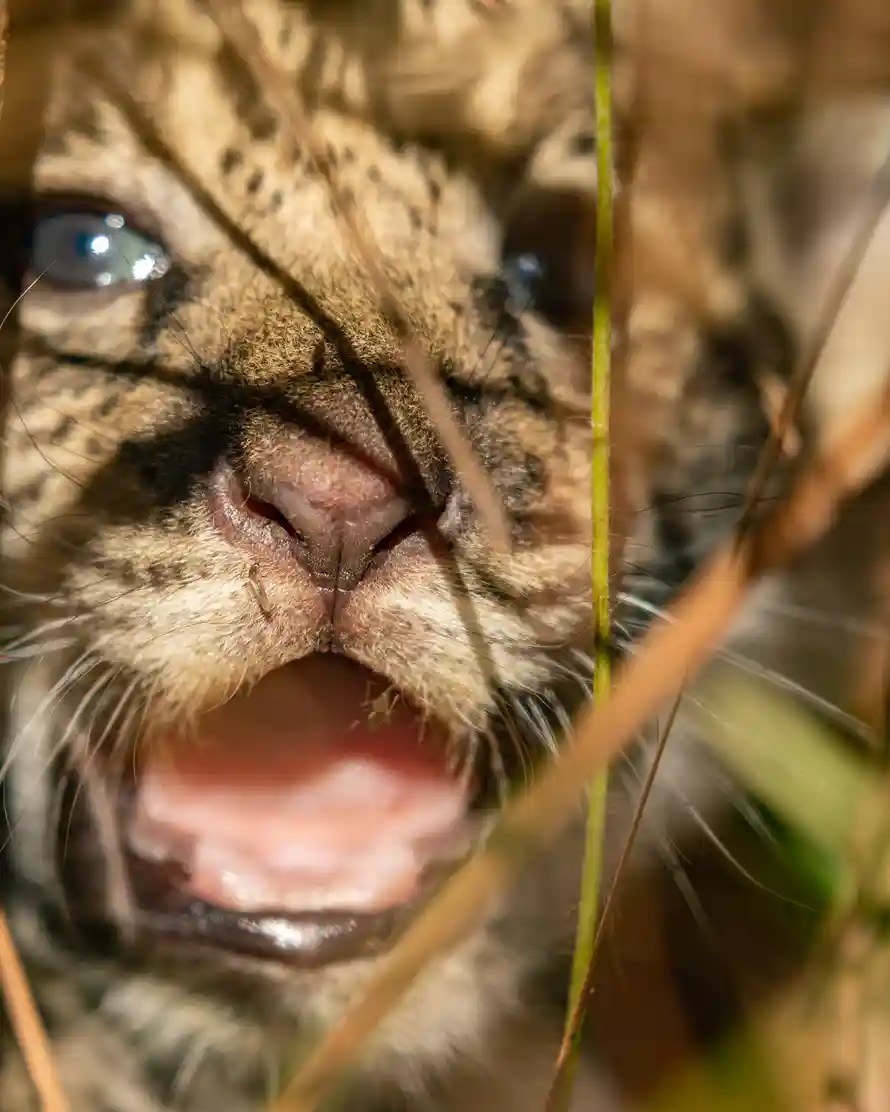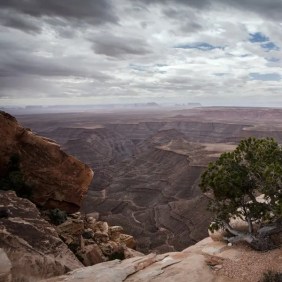
Palo Verde National Park, Costa Rica
Really, Starbucks?

Pro-union pins sit on a table during a watch party for Starbucks’ employees union election in December in Buffalo, N.Y. Starbucks union organizers say the company is closing a New York store to retaliate. Joshua Bessex/AP
Most of the companies and places and people we ask the question “Really?” of are more clearly acting in bad faith. In this case we are more puzzled that certain. We have generally been a fan of the company that had much to do with improving the lot of coffee farmers, with educating the public about coffee quality, with treating its employees fairly, and many other good works. If their employees feel the need to organize, and clearly want to organize, then Starbucks not supporting them seems out of character. Closing a shop location in Ithaca, a town we know well, may be due to that town being cosmopolitan enough to have several good coffee options:
Starbucks union says the coffee giant is closing a store to retaliate
Starbucks is closing a store in Ithaca, N.Y., in what Starbucks union organizers are calling an illegal move of retaliation after workers at the location voted to unionize. Continue reading
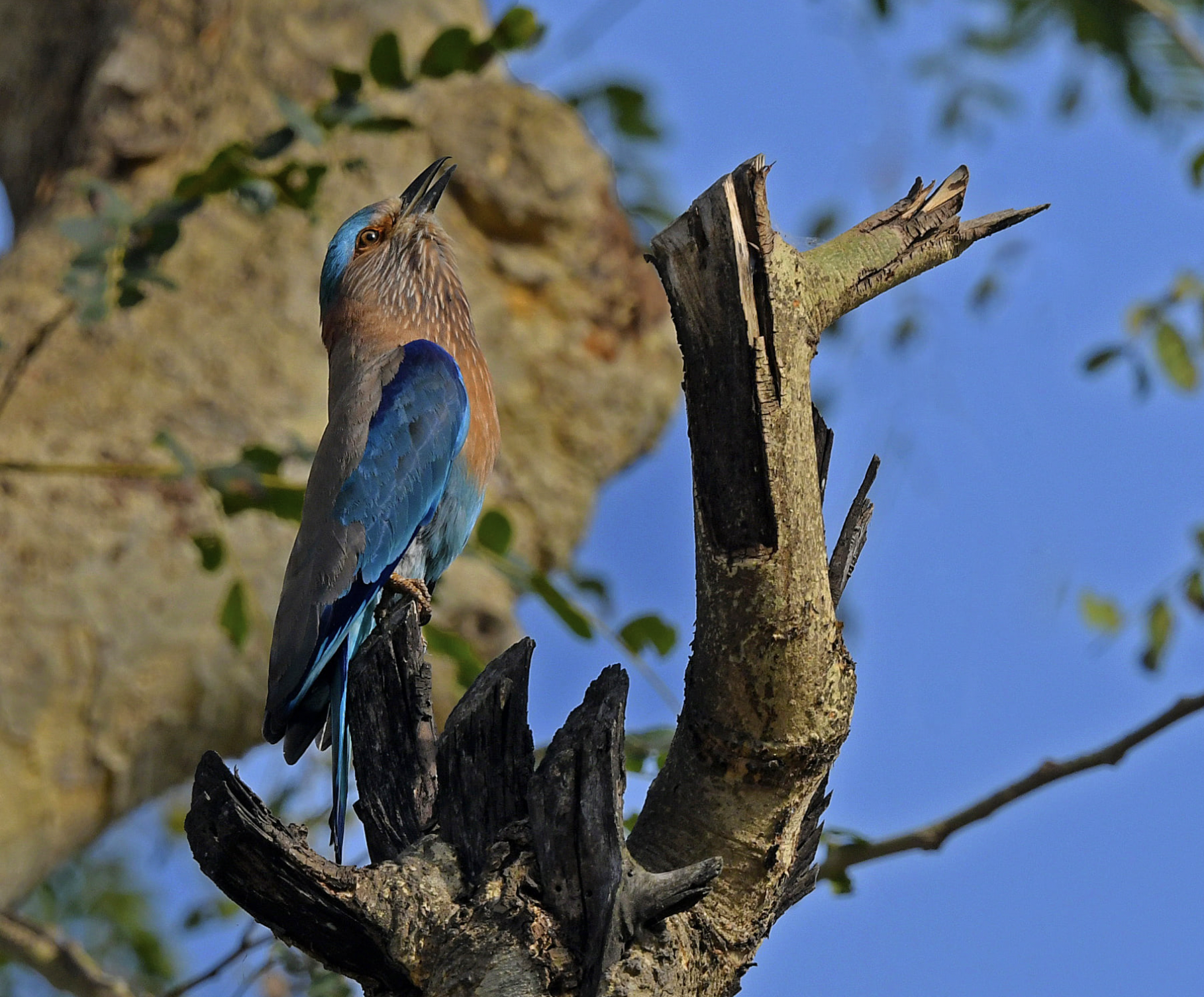
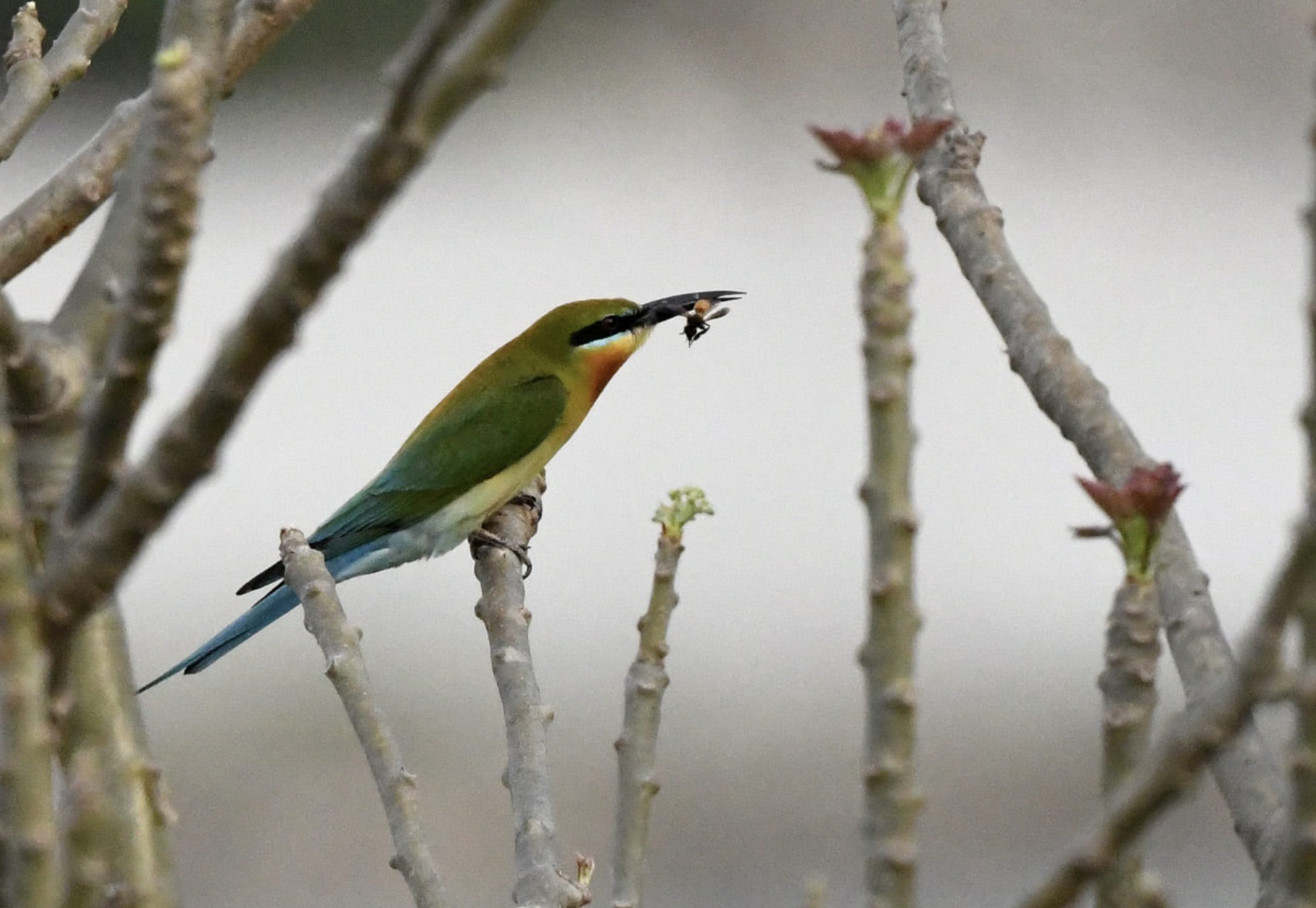
Bird of the Day: Lesser Racket-tailed Drongo
Two Wheels Good, The People’s Nag
The historian Jill Lepore has only been linked to twice before in our posts. Not more, because her topical variety is constantly beyond the scope of topics we focus on.
But her most recent essay is on topic for us. Bicycles might have been the invention that kept us part way out of the climate crisis, but then came the car.
She uses the publication of the book to the right as a launch pad for an excellent history of the bicycle, combined with personal history:
Bicycles Have Evolved. Have We?
From the velocipede to the ten-speed, biking innovations brought riders freedom. But in a world built for cars, life behind handlebars is both charmed and dangerous.
My first bicycle was not, in fact, a bicycle. I rode it in 1968, when I was two years old and as tubby as a bear cub. It had four wheels, not two, and no pedals: strictly speaking, it was a scooter. But Playskool called it a Tyke Bike, so I say it qualifies, and aside from the matte-black, aluminum-alloy number that I’ve got now, which is called (by the manufacturer dead seriously, and by me aspirationally) the Bad Boy, the Tyke Bike may be the swankiest bicycle I’ve ever ridden. Continue reading
Bird of the Day: Golden-hooded Tanager
Laguna Lagarto Lodge, Costa Rica
Adaptation Was Better Than Doing Nothing, But Nowhere Near Good Enough

Katharine Hayhoe warns that if we continue emitting greenhouse gases no adaptation will be possible. Photograph: Courtesy of Dr Katharine Hayhoe
We have been promoting adaptation for about as long as we have been posting here. Fiona Harvey the Guardian’s Environment correspondent, interviews a scientist who will not soft peddle how far gone we are from those options:
We cannot adapt our way out of climate crisis, warns leading scientist
Katharine Hayhoe says the world is heading for dangers people have not seen in 10,000 years of civilisation
The world cannot adapt its way out of the climate crisis, and counting on adaptation to limit damage is no substitute for urgently cutting greenhouse gases, a leading climate scientist has warned. Continue reading
Bird of the Day: Indian Paradise Flycatcher
What Is Inside Those Shipping Containers?

The shipping container is a lesson in the uncontainable nature of modern life. Illustration by Bianca Bagnarelli
We had never thought to ask the question before, but now it seems quite interesting. Give half an hour to Kathryn Schulz, whose writing has frequently interested us, to understand why:
When Shipping Containers Sink in the Drink
We’ve supersized our capacity to ship stuff across the seas. As our global supply chains grow, what can we gather from the junk that washes up on shore?
There is a stretch of coastline in southern Cornwall known for its dragons. The black ones are rare, the green ones rarer; even a dedicated dragon hunter can go a lifetime without coming across a single one. Continue reading
Bird of the Day: Hooded Oriole
More Māori Ancestral Knowledge Coming Your Way

William Anaru, the biosecurity manager of the local tribe, Te Arawa, at Lake Rotomā. Cornell Tukiri for The New York Times
Pete McKenzie shares more from the place where ancient knowhow is respected:
As a weed choked a New Zealand lake, a tribe found a surprising solution in a centuries-old tool, adding to a pitched debate over how Indigenous knowledge can complement conventional science.
LAKE ROTOMA, New Zealand — A riot of native plant life once covered the shallows of Lake Rotomā, one of the many bodies of water that speckle New Zealand’s upper North Island. At night, mottled green crayfish scuttled from the deep to graze beneath the fronds in such plentiful numbers that the local Māori tribe could gather a meal in a few minutes of wading. Continue reading
Bird of the Day: Black-headed Ibis
Biggest Plant On Earth

The Posidonia australis seagrass meadow in Shark Bay, Western Australia. Photograph: Rachel Austin/UWA
We have posted several times about the world’s largest living thing. Since fungi are a different category of life, that leaves room for something to be classified as the largest living plant. Thanks to Graham Readfearn for this Guardian article pointing out to us what that thing is, and where:
Scientists discover ‘biggest plant on Earth’ off Western Australian coast
Genetic testing has determined a single 4,500-year-old seagrass may have spread over 200 sq km of underwater seafloor – about 20,000 football fields
About 4,500 years ago, a single seed – spawned from two different seagrass species – found itself nestled in a favourable spot somewhere in what is now known as Shark Bay, just off Australia’s west coast. Continue reading
Bird of the Day: Yellow-breasted Greenfinch
Library!

The Long Room is at the heart of a $95 million conservation project at Trinity College Dublin’s Old Library. Paulo Nunes dos Santos for The New York Times
The exclamation point in this post’s title signifies enthusiastic appreciation for a pleasant surprise. A story about libraries to take the mind off all that other news, and point it to lasting treasures. Our thanks to Ed O’Loughlin for the story, Paulo Nunes dos Santos for the photos, and The New York Times for the publication:
An Irish National Treasure Gets Set for a Long-Needed Restoration
The majestic Old Library at Trinity College Dublin, where some of Ireland’s most ancient and valuable books are stored, is a popular tourist attraction.
A librarian walking along the corridors in the upper gallery. Paulo Nunes dos Santos for The New York Times
DUBLIN — The Long Room, with its imposing oak ceiling and two levels of bookshelves laden with some of Ireland’s most ancient and valuable volumes, is the oldest part of the library in Trinity College Dublin, in constant use since 1732.
But that remarkable record is about to be disrupted, as engineers, architects and conservation experts embark on a 90 million euro, or $95 million, program to restore and upgrade the college’s Old Library building, of which the Long Room is the main part. Continue reading
Bird of the Day: Yellow-throated Toucan
Three Cheers For Lawrence MacEwen
We missed this documentary film last year, perhaps because it was not reviewed in any of the news outlets we regularly monitor. But if you click the image to the right you can preview the film for a couple minutes. You will see it is about a man who spent his life protecting what he cared about. Since that is the underlying theme of the nearly 12,000 posts we have shared on this platform since 2011, it is cued up for viewing in our home this evening. The film came to my attention in The Economist, and the accompanying photograph is unique in the history of obituaries in that publication or elsewhere:
The barefoot laird.
Lawrence MacEwen made a tiny island prosper
As soon as spring arrived, the young Lawrence MacEwen shed his shoes. Barefoot, he ran to school down the only road on Muck, a mile and a half of gravel mixed with grass. Barefoot, he jumped among the fallen basalt stones of the dykes built long ago by kelpers, who had made a living gathering seaweed from the rocks. Barefoot he climbed the craggy western cliffs, hanging on to heather for dear life, and scampered to the top of Beinn Airein, the highest hill, to look out past Eigg and Rum to Knoydart and the Cuillin Hills. Barefoot he would stand for hours on the beach below his house, so mesmerised by the rolling tide that he could not stir until his mother called him in for tea. His feet would sink a little into the white sand, embedding him in the place. Continue reading
Bird of the Day: Western Tanager
Laguna Lagarto, Costa Rica
Will More Forests Cool The Planet Fast Enough?
Thanks to Fred Pearce, who we normally link to at Yale e360, for The Forest Forecast, an article in the current issue of Science magazine:
Climate change could lead to a net expansion of global forests. But will a more forested world actually be cooler?
These are strange times for the Indigenous Nenets reindeer herders of northern Siberia. In their lands on the shores of the Arctic Ocean, bare tundra is thawing, bushes are sprouting, and willows that a generation ago struggled to reach knee height now grow 3 meters tall, hiding the reindeer. Surveys show the Nenets autonomous district, an area the size of Florida, now has four times as many trees as official inventories recorded in the 1980s. Continue reading
Bird of the Day: Blue-crowned Chlorophonia
Running Tide’s Buoys

An image of a man in boots in a kelp hatchery
Since kelp grows as fast as two feet per day, it absorbs a huge amount of carbon through photosynthesis. (Jamie Walter / Running Tide)
Kelp has featured in our pages frequently enough to be considered an important topic. It will be a partial solution to something big. Thanks, as always, to Robinson Meyer for the weekly newsletter that sometimes depresses the spirit but on other occasions, like this one, titled How to Fight Climate Change With Buoys That Look Like Ramen Noodles, points a small ray of hope in an unexpected direction:

Running Tide’s buoys are made of reclaimed waste wood, limestone, and kelp seedlings. (Jamie Walter / Running Tide)
Last month, somewhere off the coast of Maine, a small group of researchers and engineers released a series of tiny, floating objects into the water. The team called them “buoys,” but they looked more like a packet of uncooked ramen noodles glued to a green party streamer than anything of the navigational or weather-observing variety. These odd jellyfish had one role in life: to go away and never be seen again. With any luck, their successors would soon be released into the open ocean, where they would float away, absorb a small amount of carbon from the atmosphere, then sink to the bottom of the seafloor, where their residue would remain for thousands of years. Continue reading