Solar Farms At Sea

Tug boats pull floating solar panels into place near Portugal’s Alto Rabagão dam. An even larger floating array is planned for Portugal’s Alqueva dam. EDP

A topic we thought of as novel in 2011 has become so mainstream that we consider news like this as normal. Thanks to Yale e360:

Europe’s Largest Floating Solar Farm to Go Online in Portugal

Europe’s largest floating solar farm, an array the size of four soccer fields, is set to begin operating in Portugal’s Alqueva reservoir in July. Continue reading

Dendrochronology & Salvaged Wood

Salvaged wood first made an appearance in my life three decades ago while converting a barn into a house. Shaver Brothers made it possible to acquire “previously used” lumber to build ceiling beams, stairs and walls; install solid oak flooring and interior doors; a clawfoot tub; and otherwise complete a home with limited resources. Plus, we liked the idea of bringing new life to old things.

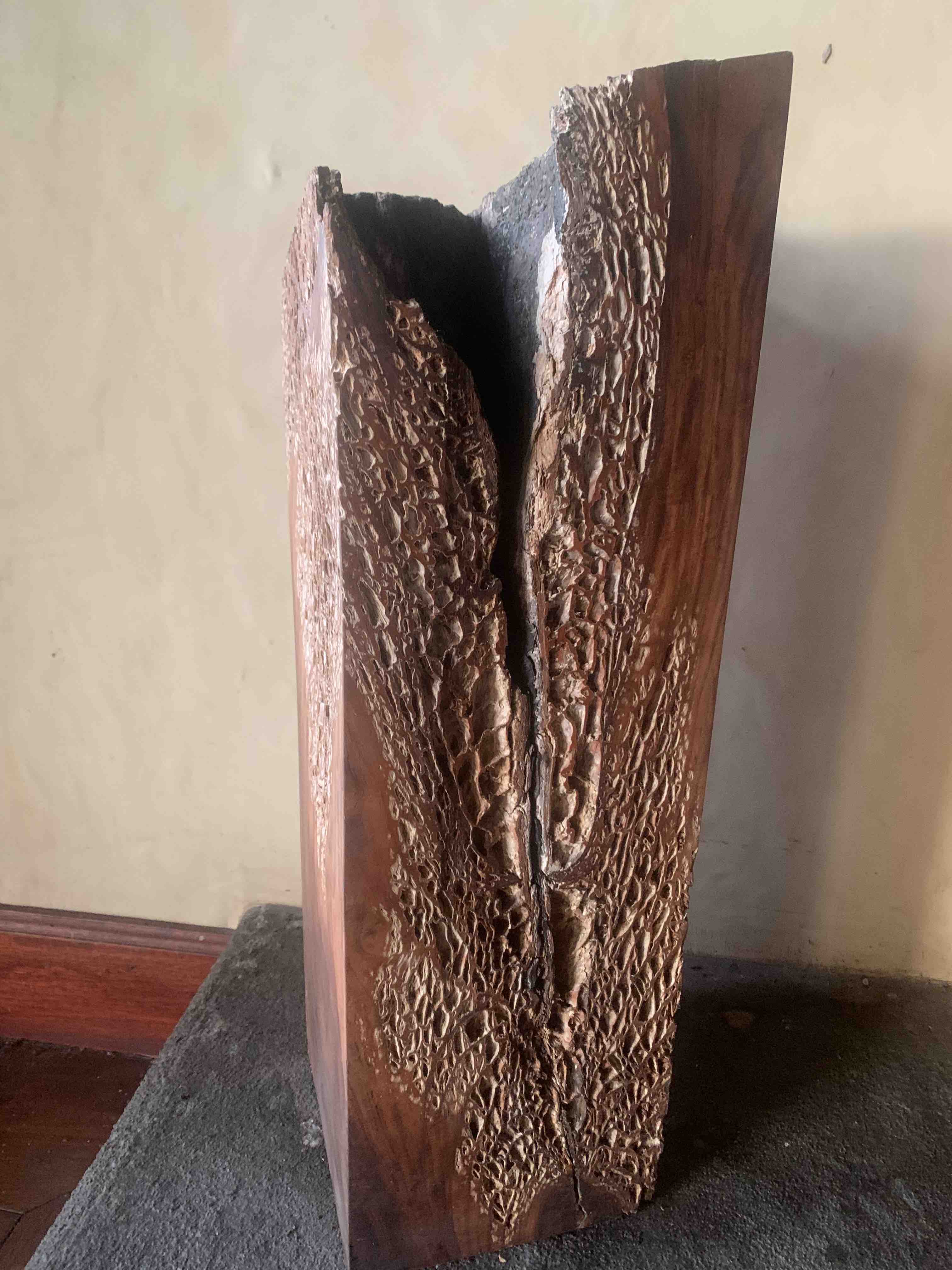
A cross-section of wood from a post-hurricane timber salvage operation in Nicaragua

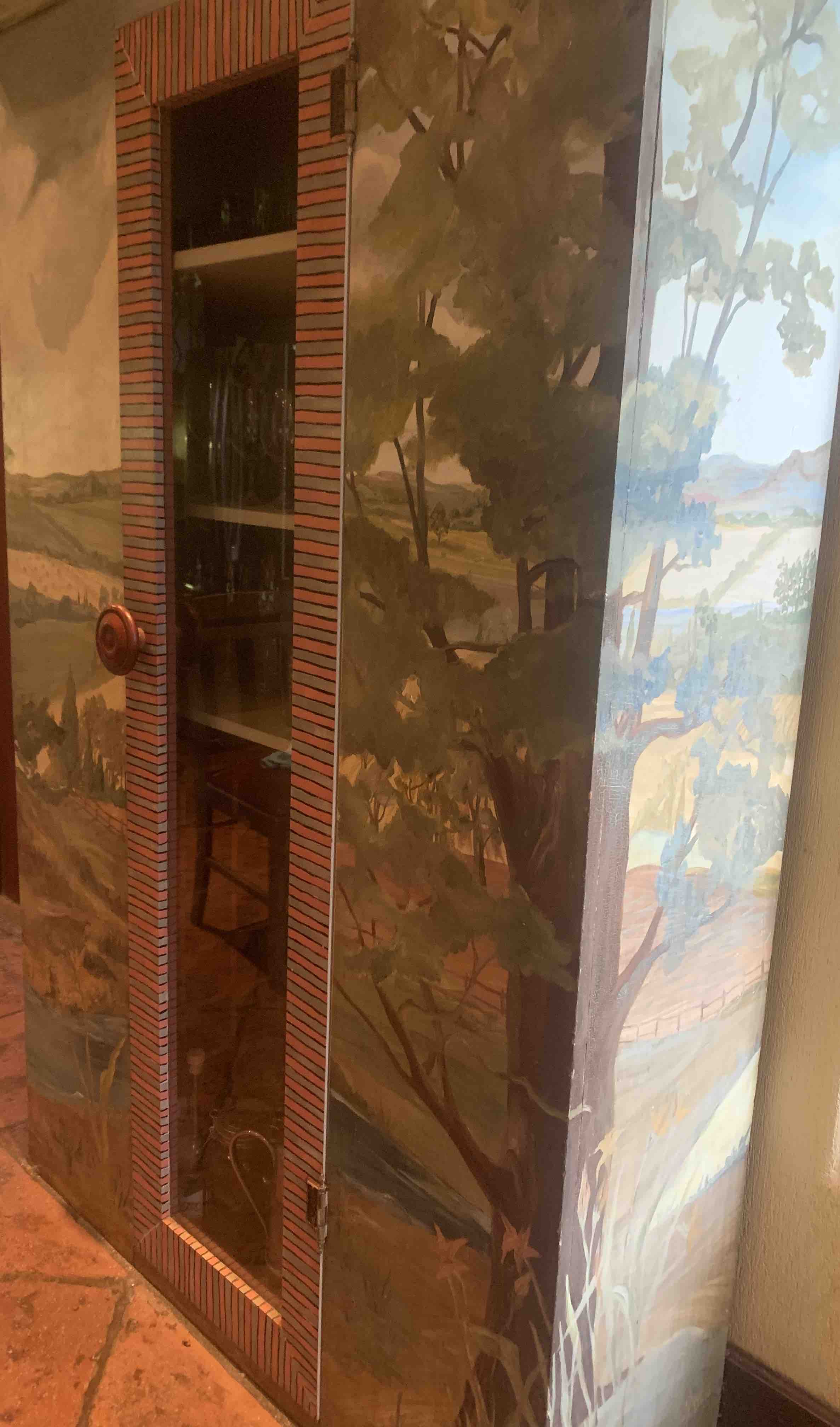
My meager doctoral student stipend, supplemented by Amie’s salary from work producing home furnishings, meant that we needed to be creative in finding materials to build out a home. The pieces that Amie painted at work, akin to the one seen in the photo above (in our family room to this day, made by Amie and her co-workers at that time) was frequently salvaged wooden furniture.

And to this day salvaged timber like this piece of wood from Nicaragua (to the right), or the pillar at the entrance to our home (below left) provide highlights to our sense of home.

Decorative pillar from the one tree removed to build our home

So, by the time we met the artisans of Ceiba, we were longtime converts to the concept of salvage. And I am always on the lookout for more reasons to appreciate salvaged wood. My reading recommendation today is this article by Rivka Galchen titled Making New Climate Data from Old Timber, for reasons related to all that salvaged wood in our lives:

Illustration by Tyler Keeton Robbins

When an old building is demolished, its construction materials can reveal the secrets of the past.

In the nineteenth and twentieth centuries, the Eastern Seaboard’s old-growth forests were cut down almost in their entirety. Today, trying to find a tree in this area that is more than two hundred years old is like looking for a button that you lost a few years back.But New York City—unlike the surrounding forests—is host to a great crowd of old wood. It’s just that it exists in the form of beams and joists within buildings. Continue reading

Still Life, Montenegro & Creative Explanation

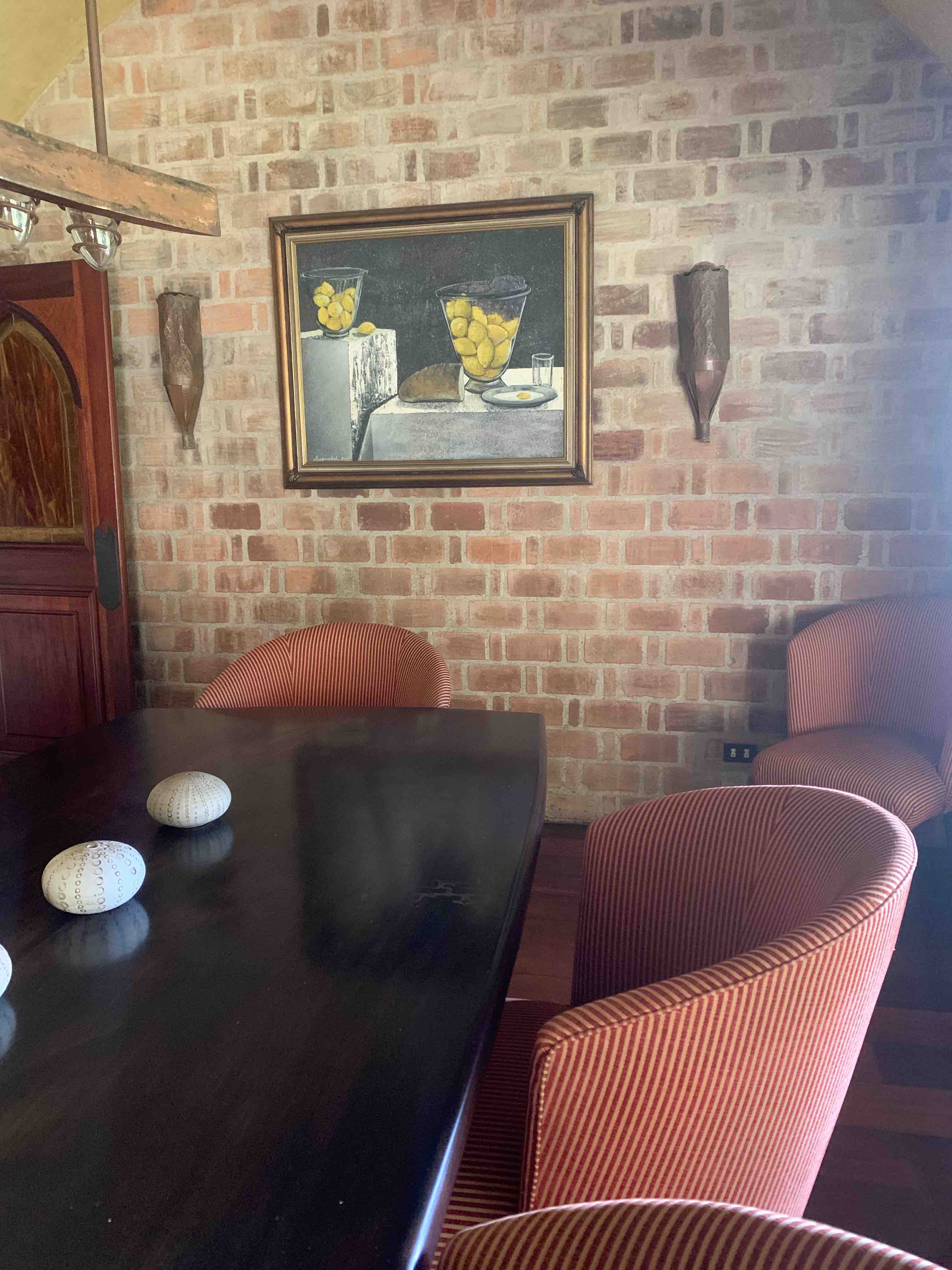
Still life painted at The Faculty of Fine Arts in Cetinje, Montenegro

While working in Montenegro two decades ago I came across the painting in the photo above, which is in our dining room.

“Still Life With a Gilt Cup” painted in 1635 by Willem Claesz Heda, displayed in the grand central gallery of the Rijksmuseum in Amsterdam.

In our travels over several decades I was on the lookout for a reasonably priced painting like the one to the right, featured in the article below. Soft, luscious, and full of items to wonder about, the style made classic by Dutch still life painters was my hoped for find. Instead, I found the one in Montenegro, which nods to traditional form but is stark.

Willem Kalf, “Still Life with a Chinese Bowl, Nautilus Cup and Other Objects,” 1662/Museo Nacional Thyssen-Bornemisza, Madrid

It seemed perfectly attuned to my personal experience of Montenegro at that moment. While not typical of the themes we cover in these pages, but continuing with our admiration for creative approaches to explanation, this piece by Jason Farago will make your Sunday if, like me, you have a thing for still life paintings and do not know exactly why. It is one of the longest explanatory multi-media articles we have ever linked to, but if you have the time it is as effective as any museum docent. Most importantly for me, it explains the tradition of lemons that wittingly or not, the Montenegran painter was adding to:

Willem Claesz Heda, “Still Life With a Broken Glass,” 1642/Rijksmuseum

A Messy Table, a Map of the World

It was a grand time, but the party’s over. Continue reading

Microfauna, Microbiota & Other Wonders Of Soil

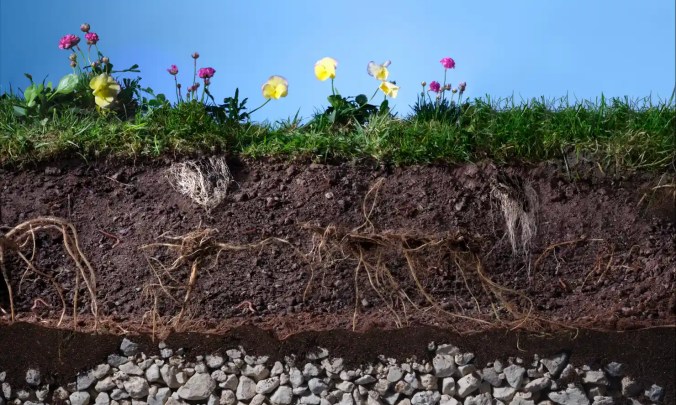
When a plant root pushes into soil, it triggers an explosion of activity in billions of bacteria. Photograph: Liz McBurney/The Guardian

I used the word microflora in the title of a post I wrote 3+ years ago, and today I learned something that serves as a correction. I used that word to distinguish from the better known charisma of megafauna. But there is a better word I should have used in that title, so I am using it in the title of today’s post. The word microbiota has made a few fleeting appearances in our pages, buried in the text of scientific explanations. This editorial by George Monbiot got me to look up the word microflora and from now on I will avoid the misnomer:

The secret world beneath our feet is mind-blowing – and the key to our planet’s future

Don’t dismiss soil: its unknowable wonders could ensure the survival of our species

Beneath our feet is an ecosystem so astonishing that it tests the limits of our imagination. It’s as diverse as a rainforest or a coral reef. We depend on it for 99% of our food, yet we scarcely know it. Soil. Continue reading

The Effects Of Fire Suppression

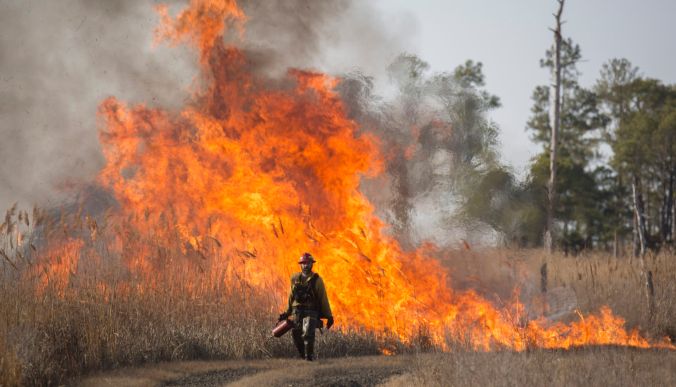
A controlled burn near the Blackwater National Wildlife Refuge in Maryland. SARAH BAKER

We have linked to many stories about wildfires over the years, noting their relationship to climate change. Our working assumption seems to have been that fire is always problematic, but here is reason to reconsider that, thanks to Gabriel Popkin and Yale e360:

Bringing Back Fire: How Burning Can Help Restore Eastern Lands

For millennia, North American ecosystems benefited from fire, mostly set by Indigenous people. Now, a movement is growing, particularly in the eastern U.S., to reintroduce controlled burns to forests and grasslands and restore the role of fire in creating biodiverse landscapes.

It’s an apocalyptic scene that has become all too familiar in recent years. Continue reading

Asking So What About Climate Change

Cynthia Rosenzweig at her farm in Tuscany, Italy, in 1969. She now works in a lab at Columbia University but her research takes her to farms around the world.
Shari Lifson

The expected effects of climate change have haunted these pages plenty over the years. We have not heard of this prize before but as practitioners who believe in the value of science, especially the value of good scientific questions, in mitigating those effects we appreciate that the World Food Prize goes to former farmer who answers climate change question: ‘So what?’

For scientist – and former farmer – Cynthia Rosenzweig, her work on climate change has always revolved around one big question: “So what?”

“Impacts of climate change are crucially important,” she says. “If the climate changes and nothing happened, why would we care?” Continue reading

Indigenous Knowhow & Conservation

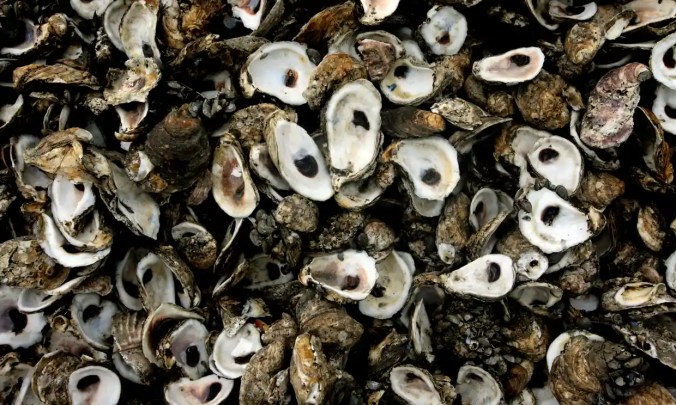
Prof Ian McNevin said ‘the scale of Indigenous oyster harvesting is extraordinary’, and compared it to contemporary commercial oyster farms. Photograph: Orjan F Ellingvag/Corbis/Getty Images

Some of us writing in these pages have been fans of oysters primarily for their culinary value (living in France, and then later in Croatia, could create such bias). But we have posted more frequently about the resiliency that oysters have come to represent in the search for protection against climate impact. Here is some more on that topic, intersecting with another theme we pay frequent attention to:

Precolonial First Nations oyster fisheries sustained millennia of intense harvests, study shows

Researchers in Australia and North America say management of oyster reefs should incorporate Indigenous knowledge

Oyster fisheries in Australia and North America survived for up to 10,000 years prior to colonisation, sustaining First Nations communities even under intense harvest, according to new research. Continue reading

Lawns Gone, Good Riddance

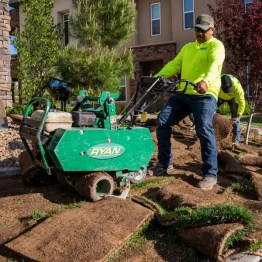
Jaime Gonzalez of Par 3 Landscape and Maintenance removed grass at a condominium complex in Las Vegas. The lawn is considered “nonfunctional” under a new state law.

In case you have been to the city, or even just heard about how water is flaunted as a key attraction, and wondered how they can justify such use of a limited resource, then Is That an Outlaw Lawn? Las Vegas Has a New Approach to Saving Water may be worth a few minutes of your time. We recently shared news of a voluntary initiative to reconsider lawns for reasons entirely different from those in the story below. Henry Fountain‘s text accompanied by Joe Buglewicz’s photos, tells the story of Las Vegas lawns, where water resources are so limited, this seems a long time coming:

Mr. Donnarumma documented water running off a sidewalk into the curb from sprinkler overspray.

With drought and growth taking a toll on the Colorado River, the source of 90 percent of the region’s water, a new law mandates the removal of turf, patch by patch.

LAS VEGAS — It was a perfectly decent patch of lawn, several hundred square feet of grass in a condominium community on this city’s western edge. But Jaime Gonzalez, a worker with a local landscaping firm, had a job to do. Continue reading

Personal Approaches To Carbon Footprint Reduction

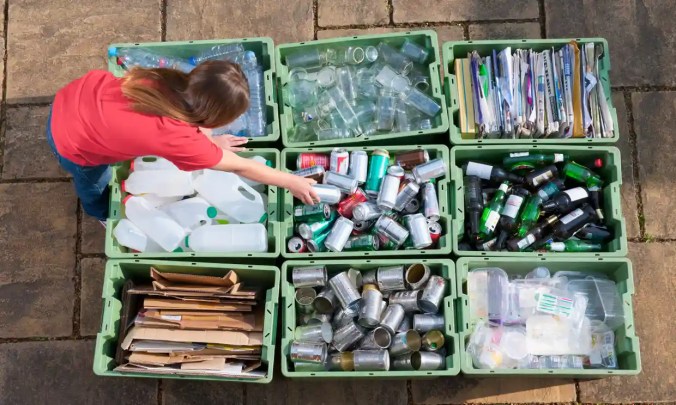
Recycle to save the planet? Photograph: Jacobs Stock Photography Ltd/Getty Images

A public service request for your input, from the Guardian:

What is the single most effective thing I could do to reduce my carbon footprint?

The long-running series in which readers answer other readers’ questions on subjects ranging from trivial flights of fancy to profound scientific and philosophical concepts

What is the single most effective thing I could do to reduce my carbon footprint? Without dying, preferably. Andrew Hufnagel, Caithness

Post your answers (and new questions) below or send them to nq@theguardian.com. A selection will be published on Sunday.

Food Waste Progress

Behind the scenes at CORe, Waste Management’s Central Organics Recycling facility in Charlestown, Massachusetts, where food waste is processed to be added to wastewater and turned into biogas and fertilizer. Photo by Saima Sidik.

Food waste has been a perennial topic in these pages since we started covering environmental issues.  Thanks to Gastropod for point us to the future of this topic:

Black Gold: The Future Of Food…We Throw Away

Food takes up more space in American landfills than anything else. About 30 to 40 percent of food produced in the US gets thrown away, rather than eaten. What’s more, putting all that rotting food inside landfills produces a lot of methane, a powerful greenhouse gas. Continue reading