Plastic Rings, Bygone Things

Plastic rings hold together sets of beer cans. GHI/Education Images/Universal Images Group via Getty Images

Why did it take this long, you might ask? It is not clear from this article. But that it is happening at all is surprising, so we hope it is correct to say better late than never: Soda and Beer Companies Are Ditching Plastic Six-Pack Rings

In an effort to cut down on plastic waste, packaging is taking on different forms that can be more easily recycled or that do away with plastic altogether.

The plastic rings ubiquitous with six-packs of beer and soda are gradually becoming a thing of the past as more companies switch to greener packaging. Continue reading

No Mow, Way To Go

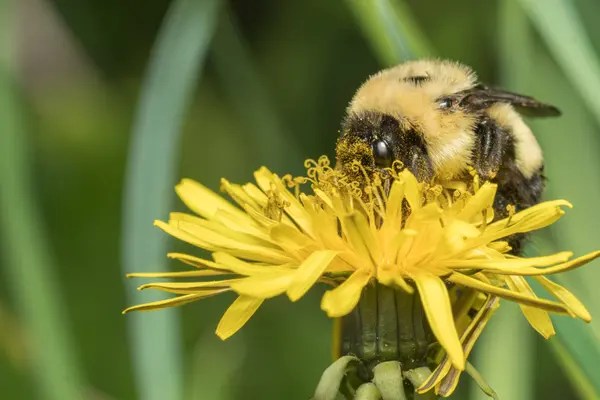
A rusty patched bumble bee queen (Bombus affinis) feeds on a dandelion flower in Madison, Wis.

It may not be the only state doing something like this, but Wisconsin is clearly on to something, and leading an important movement in favor of some important wildlife that citizens can take action to protect.

Our thanks to Anne Readel and the New York Times for this story:

In Wisconsin: Stowing Mowers, Pleasing Bees

Can the No Mow May movement help transform the traditional American lawn — a manicured carpet of grass — into something more ecologically beneficial?

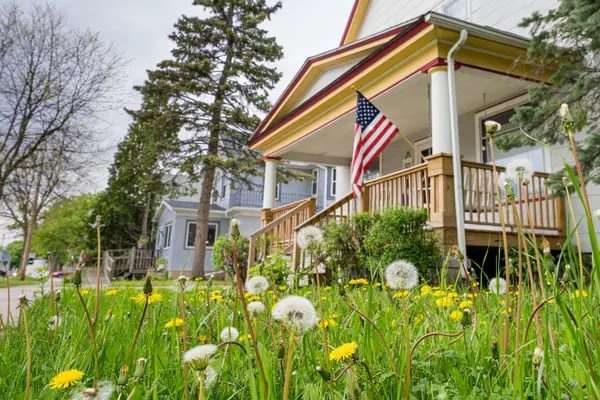
An unmown lawn in Appleton, Wis. By letting the grass grow long, plants typically identified as weeds were able to flower, providing important spring food for bees.

As I drove last May through Appleton, Wis., the small town offered up a series of idyllic scenes: children playing on tree-lined streets, couples walking their dogs, and all the while, the wind carrying the sweetness of spring.

But something was unusual here. The lawns of many of the homes were wild. Resembling miniature meadows, they sported long grass, bright yellow dandelions and carpets of purple creeping Charlie — a far cry from the traditional American lawn.

A brown-belted bumble bee (Bombus griseocollis) flies toward clover in an unmown yard in Shorewood Hills, Wis.

These homes were not abandoned or neglected, and no stacks of newspapers festooned their porches. Rather, the city had asked residents to put away their lawn mowers for the month of May. This allowed plants typically identified as weeds — including violets, white clover and dandelions — to flower.

Appleton’s No Mow May initiative had a clear purpose: to save the bees — and not just honeybees (which are European imports), but also native bees, such as bumble bees, mining bees and sweat bees. Continue reading

If You Happen To Be In New York City

If you have are in New York City with some time on your hands, immerse yourself in The Orchid Show: Jeff Leatham’s Kaleidoscope .

We who live in Costa Rica, or other places where orchids are abundant, are fortunate but can only dream of this sort of abundance on display in one location:

February 26 – May 1, 2022

10 a.m. – 6 p.m. | At the Garden

Experience Famed Designer Jeff Leatham’s Bold and Colorful Vision

The dazzling floral creations of Jeff Leatham, famed artistic director of the Four Seasons Hotel George V in Paris and floral designer to the stars, return for The Orchid Show’s 19th year. Continue reading

Youth & Perspective

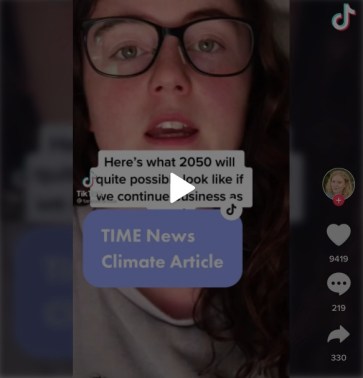
It should not be this difficult to change viewpoints on an existential topic. But apparently it is. If it requires a new social media platform, and watching a few short, catchy videos, so be it:

A growing chorus of young people is focusing on climate solutions. “‘It’s too late’ means ‘I don’t have to do anything, and the responsibility is off me.’”

Alaina Wood is well aware that, planetarily speaking, things aren’t looking so great. She’s read the dire climate reports, tracked cataclysmic weather events and gone through more than a few dark nights of the soul. Continue reading

Writing About The Banda Islands & Nutmeg & Us

Around the time we shared a book review of Amitav Ghosh’s most recent work he gave a lecture about the Banda Islands, explaining the relationship between nutmeg and our current challenges related to climate change. It includes conversation with his host, a professor of creative writing, who draws out of Ghosh on his writing process.

The best part of the lecture is about half way through, when Ghosh talks about the agency of botanicals, a topic that many of us first encountered in the writings of Michael Pollan. Thanks to Rhoda Feng for giving Ghosh’s book another review, which led me to find the video above:

A SMALL BUT INCREDIBLY VALUABLE NUT

At the end of Amitav Ghosh’s SEA OF POPPIES (2008), a character reflects on how her life has been governed not by the sign of Saturn but by the poppy seed. Offering a seed to her lover, she says: ‘Here, taste it. It is the star that took us from our homes and put us on this ship. It is the planet that rules our destiny.’ SEA OF POPPIES is part of the Ibis trilogy by Ghosh – followed by RIVER OF SMOKE (2011) and FLOOD OF FIRE (2015) – about the nineteenth-century Anglo-Chinese Opium Wars. Continue reading

Stewart Brand In Perspective

Stewart Brand Ted Streshinsky/Getty Images

He has been mentioned in our pages three times before today. Now, on the fourth occasion, it is about Stewart Brand’s Long, Strange Trip:

In 1966, Stewart Brand was an impresario of Bay Area counterculture. As the host of an extravaganza of music and psychedelic simulation called the Trips Festival, he was, according to John Markoff’s “Whole Earth,” “shirtless, with a large Indian pendant around his neck … and wearing a black top hat capped with a prominent feather.” Four decades later, Brand had become a business consultant. Continue reading

How Do We Love Thee, Forests, Let Us Count The Ways

Forests, such as this one in Indonesia, do lmore than just store carbon. Photograph: Xinhua/Rex/Shutterstock

It may sound obvious, but until now it was not quantified: The world’s forests do more than just store carbon, new research finds

New data suggests forests help keep the Earth at least half of a degree cooler, protecting us from the effects of climate crisis

The world’s forests play a far greater and more complex role in tackling climate crisis than previously thought, due to their physical effects on global and local temperatures, according to new research. Continue reading

Animal Prints & Entrepreneurial Conservation

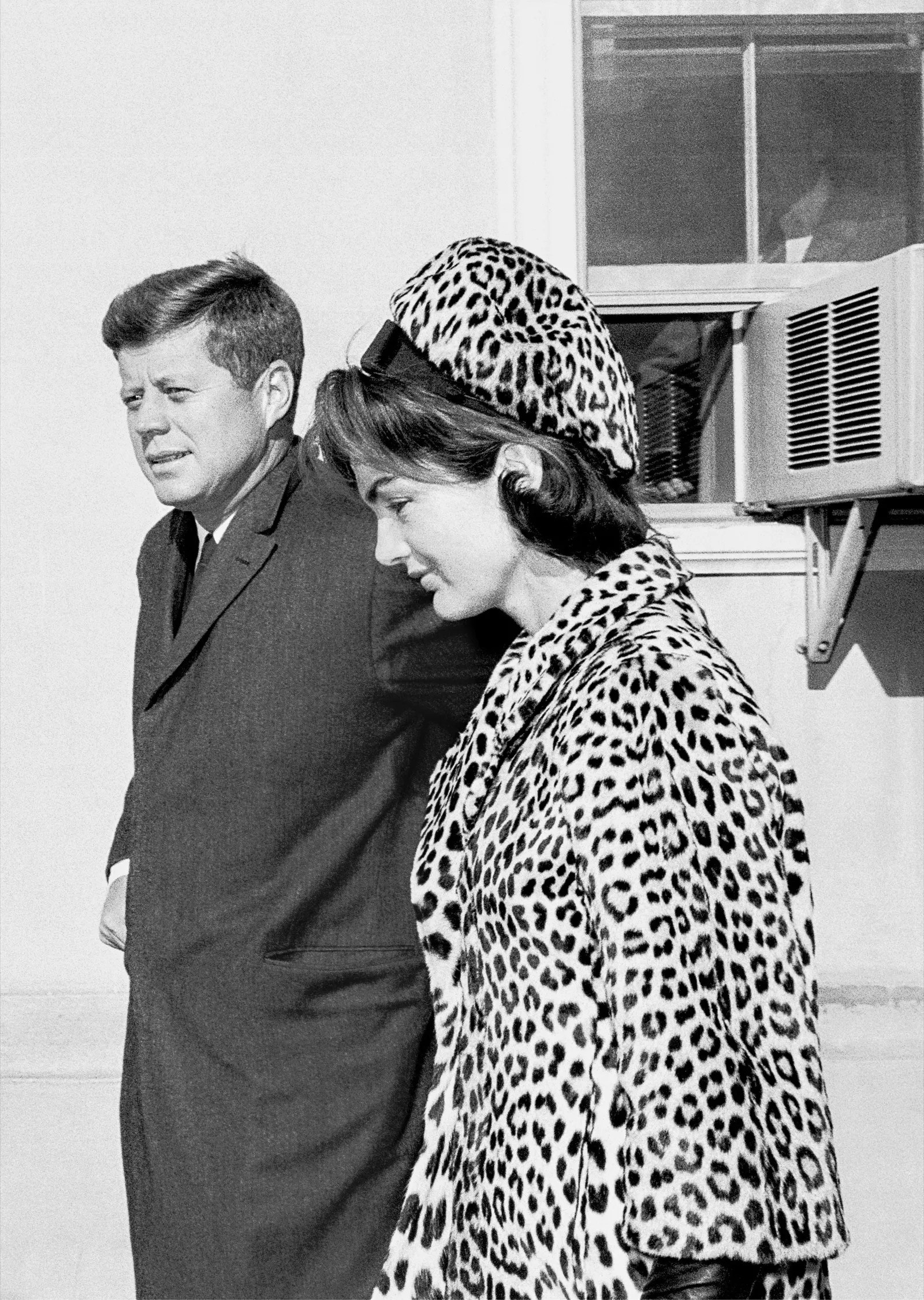
Conservation-minded scholars hope to harness the cultural power of animal prints. Illustration by Na Kim

It is difficult to judge from Rebecca Mead’s article Should Leopards Be Paid for Their Spots whether and how the idea has a practical future, although the exemplary collaboration between Panthera and Hermes has allure. The concept has plenty of merit, from my vantage point 26 years into an entrepreneurial career that shares some common ground.

If travelers are willing to pay a premium to support the conservation of a place; if they buy things to take home because those things support artisans and farmers; and continue to buy the coffee when back home because it funds bird habitat regeneration (customers tell me via email that in addition to the coffee being excellent, this is a motivator), then why not this too:

Style-setters from Egyptian princesses to Jackie Kennedy to Debbie Harry have embraced leopard prints. Proponents of a “species royalty” want designers to pay to help save endangered big cats.

Jacqueline Kennedy, in 1962. Photograph from Getty

When Jacqueline Kennedy was living in the White House, in the early sixties, she relied upon the taste of Oleg Cassini, the costume designer turned couturier, to supply her with a wardrobe that would befit her role as First Lady, one of the most photographed women in the world. In 1962, Cassini provided her with a striking leopard coat. Knee-length, with three-quarter sleeves and six buttons that fastened across the chest, the coat was not made from a synthetic leopard-patterned fabric. Continue reading

Crypto, Pigs & Possibilities

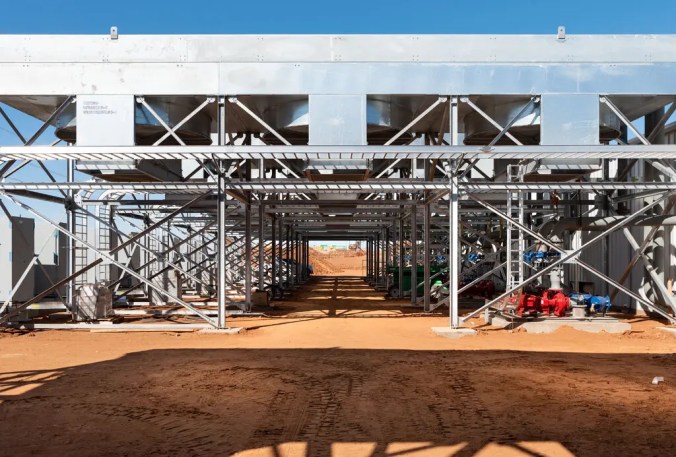
Wind turbines next to Argo Blockchain’s new facility in Dickens County, Texas. The site would be fueled mostly by wind and solar energy. Carter Johnston for The New York Times

First thought upon seeing the headline of the story below: when pigs fly. There is plenty of evidence to the contrary. If you read to the end of the story, published in the New York Times (click through to read it in full there), you will understand that some at the cutting edge of crypto want to change the name of what they do to “validators” from the less environmentally-friendly sounding “miners.” So, second thought: lipstick on pigs. But, at least they are acknowledging the complaint. Plus, the author of this story has a remarkable track record of reporting on issues we care about. So let’s read their latest claims with an open mind:

Bitcoin Miners Want to Recast Themselves as Eco-Friendly

Facing intense criticism, the crypto mining industry is trying to change the view that its energy-guzzling computers are harmful to the climate.

Texas has become a hot spot for crypto mining, attracting more than two dozen companies, partly because of an unusual incentive structure with its power grid. Carter Johnston for The New York Times

Along a dirt-covered road deep in Texas farm country, the cryptocurrency company Argo Blockchain is building a power plant for the internet age: a crypto “mining” site stocked with computers that generate new Bitcoins. Continue reading

When Fences Are Un-Neighborly

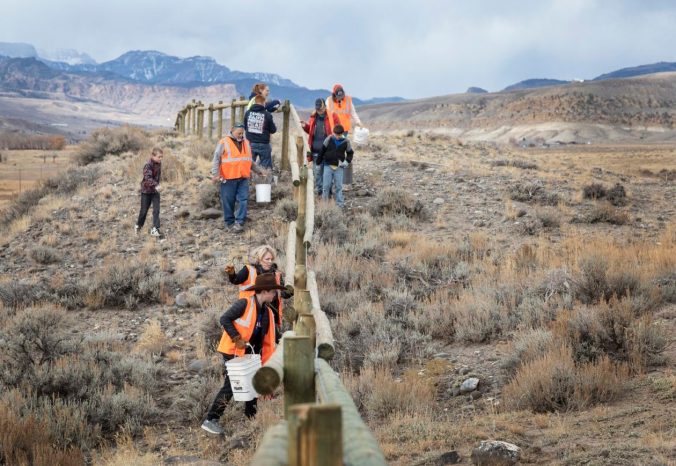
Volunteers modify a wire fence in Wyoming to allow wildlife to pass through. ABSAROKA FENCE INITIATIVE

If we take Robert Frost’s poetic license into the realm of how humans and wildlife might coexist more successfully, then the image above is powerful. Good fences might make good neighbors if they allow wildlife to migrate as needed.
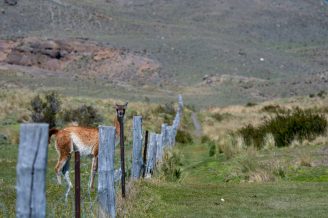
A guanaco at a fence in southern Chile. WOLFGANG KAEHLER / LIGHTROCKET VIA GETTY IMAGES

While working in the Patagonia region of Chile, 2008-2010, I saw images like this in the photo to the right regularly. On occasion the sight would be more gruesome. Ranchers had erected fences without regard for the need of guanacos to wander.

During our seven years living in India the human-elephant relationship was often one of worshipful respect, but included too many stories of fences, or worse, as methods farmers used to protect their properties from elephant intrusions. As is the case in Kenya (see the image below) fences are unneighborly. So, we were on the lookout for creative solutions. The following article by Jim Robbins, in Yale e360, is timely and welcome in this regard.
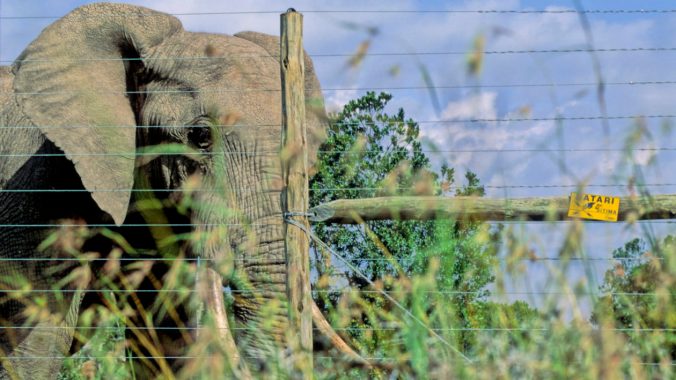
An African elephant alongside an electric fence in Laikipia, Kenya. AVALON / UNIVERSAL IMAGES GROUP VIA GETTY IMAGES

Unnatural Barriers: How the Boom in Fences Is Harming Wildlife

From the U.S. West to Mongolia, fences are going up rapidly as border barriers and livestock farming increase. Now, a growing number of studies are showing the impact of these fences, from impeding wildlife migrations to increasing the genetic isolation of threatened species.

The most famous fence in the United States is Continue reading