Close The Hose Of Fossil Fuel Cash

Michael Mann, director of the Earth System Science Center at Pennsylvania State University, said fossil-fuel funding ‘has been used to compromise leading academic institutions’. Photograph: James Ross/AAP

Hats off to Michael Mann and colleagues for this determination:

Universities must reject fossil fuel cash for climate research, say academics

Open letter from 500 academics likens fossil-energy funding of climate solutions to tobacco industry disinformation

Universities must stop accepting funding from fossil fuel companies to conduct climate research, even if the research is aimed at developing green and low-carbon technology, an influential group of distinguished academics has said. Continue reading

Climate Forests

LET TREES
GROW
PROTECT THE CLIMATE

Last week’s epic essay by Bill McKibben in the New Yorker was followed up by his weekly newsletter, in which he mentions the organization above. Visit and see what they are doing. And the newsletter is a useful footnote to the essay:

…It argues that the time has come for us to end—after 200,000 years—the central place of combustion in human affairs, and rely instead on the fact there’s a flaming ball of gas hanging 93 million miles away in the sky. I won’t repeat the argument here, but I do want to extend it a little. Continue reading
Kenya’s Coffee Climbs

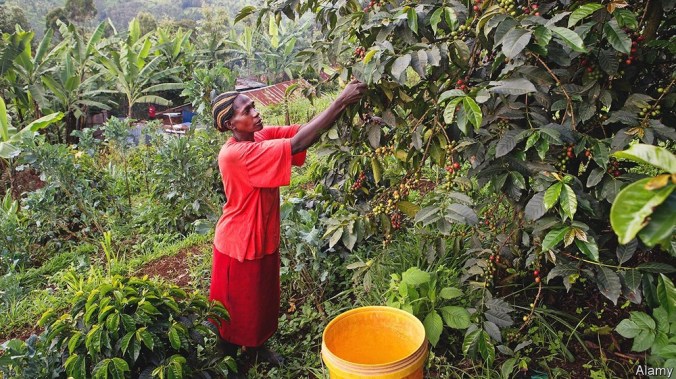
Coffee is climbing uphill in Kenya because the climate up there is more suitable. But there are no easy fixes to the climbing temperatures, for coffee or other crops. Hybrids and wild heirloom varietals had our attention already, and are mentioned in this article from the Middle East & Africa section of the Economist’s print edition under the headline “Hot coffee:”

Why global warming threatens east African coffee

Other cash crops including tea will also be affected

Jeremiah Letting learned about coffee from his father. As a child in the late 1980s, he worked on his family’s one-acre (0.4 hectare) coffee farm in the hills of Nandi county, western Kenya. The cycle ran like clockwork: cultivate, plant, ripen, harvest and sell. “Every year was the same,” he says. “It was timely.” Continue reading
McKibben’s Longform Power Pitch

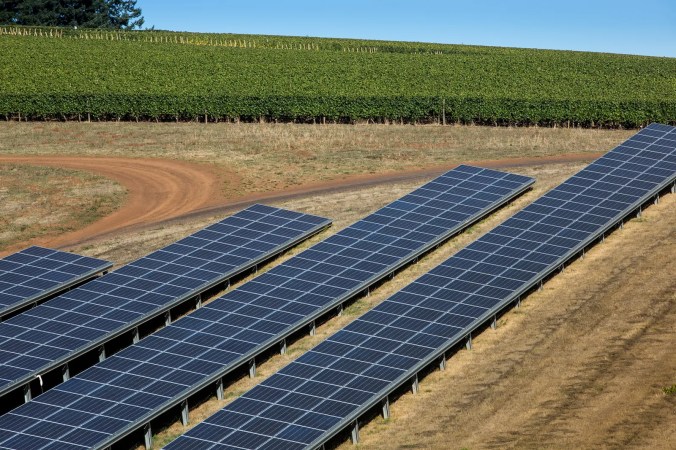
The market for electrons is predictable, meaning that solar panels installed on farmland can provide a fairly stable income for farmers. Photograph by George Rose / Getty

Illustration by Álvaro Bernis

If you have not been reading Bill McKibben regularly, or at all, here is as good a place to start as you will find. It is a long, powerful pitch:

In a World on Fire, Stop Burning Things

The truth is new and counterintuitive: we have the technology necessary to rapidly ditch fossil fuels.

In 2020, fossil-fuel pollution killed three times as many people as COVID-19 did. Photograph by Artur Widak / NurPhoto / Getty

On the last day of February, the Intergovernmental Panel on Climate Change issued its most dire report yet. The Secretary-General of the United Nations, António Guterres, had, he said, “seen many scientific reports in my time, but nothing like this.” Setting aside diplomatic language, he described the document as “an atlas of human suffering and a damning indictment of failed climate leadership,” and added that “the world’s biggest polluters are guilty of arson of our only home.” Continue reading
The Force Of Law, On Top Of Information & Protest

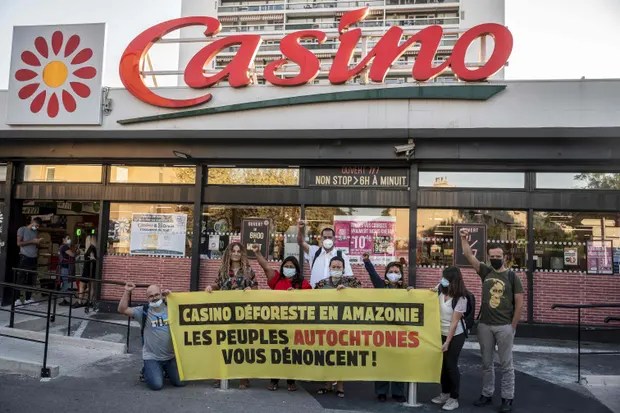
A protest in Marseille against the French supermarket chain Groupe Casino for allegedly selling meat products linked to deforestation. Photograph: Christophe Simon/AFP/Getty

What can we do when commercial interests damage our collective future? The identification of and protest against companies doing business in ways that cause environmental destruction are two important forces, but the force of law is another. Thanks to the Guardian for its ongoing coverage of these:

Legal eagles: how climate litigation is shaping ambitious cases for nature

Plans for an airport in the Tagus estuary have failed to take into account its impact on the wetlands, lawyers argue. Photograph: Handout

Environmental lawsuits are nothing new but now lawyers are turning their attention to cases that address the loss of biodiversity

The Tagus estuary near Lisbon is Portugal’s largest wetland, a vital habitat and stopover for tens of thousands of migratory birds, including flamingos, black-tailed godwits and glossy ibis. Continue reading

Why We Care About Octopus

Photo: Brandon Cole

We care about octopus for many reasons and there is plenty to learn about why. This article will make you want to know more about these creatures. Sy Montgomery, writing in Orion Magazine, is the best illuminator:

Deep Intellect

Inside the mind of the octopus

ON AN UNSEASONABLY WARM day in the middle of March, I traveled from New Hampshire to the moist, dim sanctuary of the New England Aquarium, hoping to touch an alternate reality. I came to meet Athena, the aquarium’s forty-pound, five-foot-long, two-and-a-half-year-old giant Pacific octopus. Continue reading
If You Happen To Be In London

Museum number: BP.1079
© Victoria and Albert Museum, London, courtesy Frederick Warne & Co Ltd.

Do you have the inclination of switching from city life to rural? I, for one, made the switch and have no inclination to ever live in a city again. Occasional visits are fine. But as the theme song from a tv show of my youth had it “…keep Manhattan, just give me that country life…”.

My reason for thinking about this today is related to the book on the right. Whether or not you are a fan of her books, you might find the case of Beatrix Potter’s life choices worthy of consideration. Rizzoli has published this book to accompany an exhibition at the Victoria & Albert Museum. Our appreciation to Anna Russell for describing both, and adding plenty of detail about the author’s life, in this article:

The Secret Life of Beatrix Potter

A new book and an exhibition on Potter, who wrote “The Tale of Peter Rabbit,” use letters, sketches, and a coded journal to capture an author who delighted in the detail and humor of the natural world.

Many teen-agers will go to great lengths to keep their diaries private—I kept a little key for mine in a wooden jewelry box, which I guarded jealously—but the children’s book author Beatrix Potter took it to an extreme. Continue reading

Whales, Fishing Boats & Depredation’s Discontents

Yesterday’s dramatic photograph at sea shows an interaction between two sea creatures, and combines stark beauty with the occasional terror of pure nature. Man and nature in conflict at sea is not beautiful in any manner. This article below, authored by Nick Rahaim and published in Hakai Magazine, helps put the video above in context. Please click the title to read the story in full at its origin, or listen to it here:

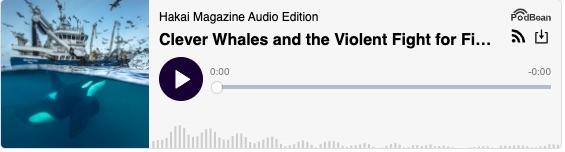
Clever Whales and the Violent Fight for Fish on the Line

As a commercial fisher, I’ve watched colleagues shoot at whales looting from their lines. Here’s why everyone loses when that happens.

Whales seem to be increasingly looking to fishing boats, especially longliners (not pictured), as sources of free meals. Photo by Audun Rikardsen

As I coiled rope on the deck of a commercial fishing boat in the western Gulf of Alaska, I felt the sudden thud of a revolver reverberate in my chest. Continue reading

2022 World Nature Photography Awards

Amos Nachoum/World Nature Photography Awards

Photography award competitions have been an annual source of relief in our pages each year over the last decade, providing needed distraction from other pressing matters. There was one more competition from 2021 that just came to our attention, and it is worth a look; then, below, find a link to the 2022 entry form if you have been snapping some nature pics that might rival the one above:

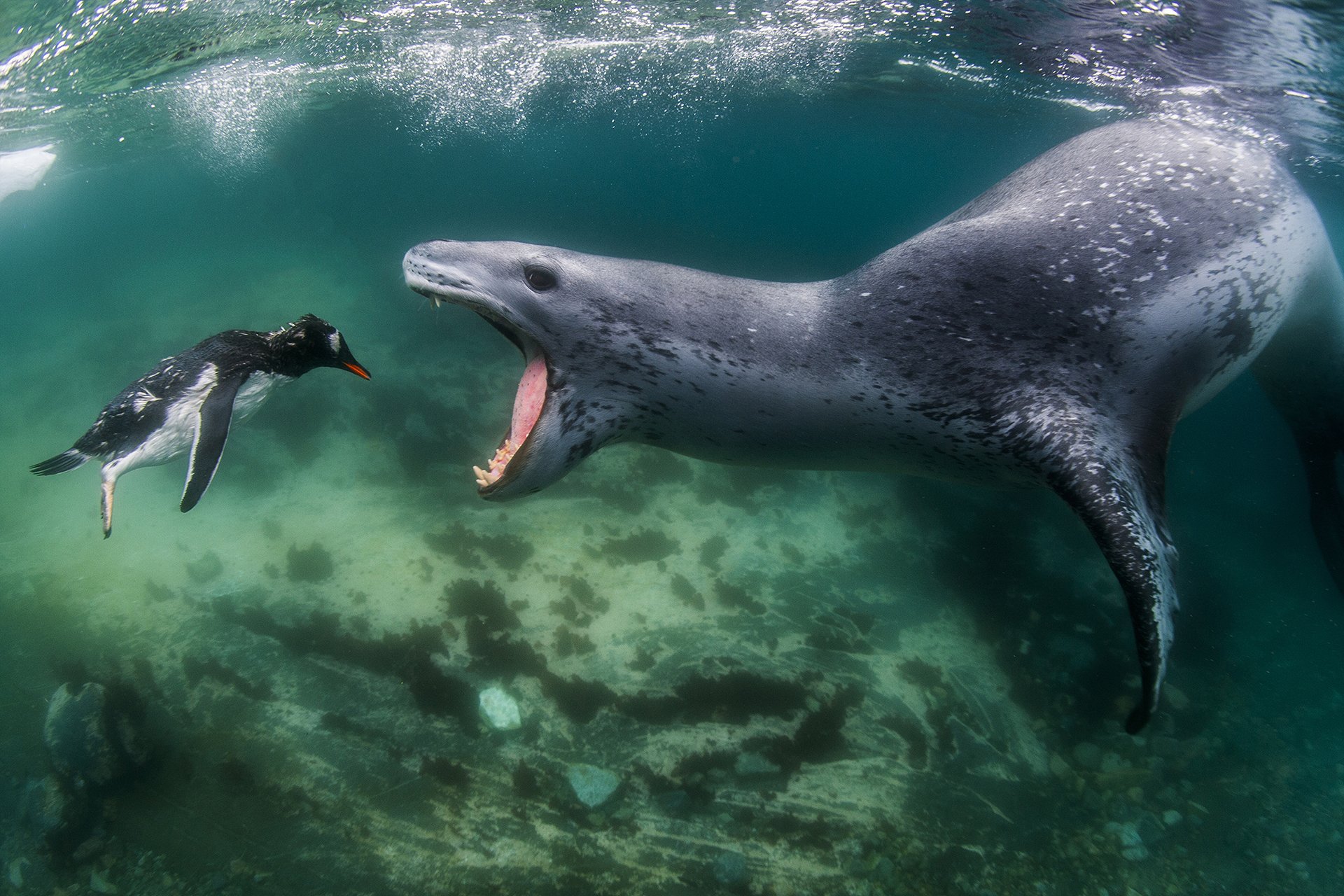
AMOS NACHOUM, USA – GOLD WINNER AND GRAND PRIZE OF WORLD NATURE PHOTOGRAPHER OF THE YEAR

For hours, I waited for the low tide to arrive along a shallow lagoon on a remote island off the Antarctic Peninsula. Like clockwork, the leopard seal arrived in the lagoon just before low tide. It put its head in the water and looked just like a rock sitting in the receding water. The young Gentoo penguins only dare to enter the water when it is shallow and when they got close enough to the seal, it turned its head at lightning speed, catching one of the penguins by its feet and taking it to deep water. Once the seal reached open water, I followed it and swam parallel to it, observing its actions. To my surprise, it let go of the penguin twice. Each time, the seal chased after the penguin again, as if it was enjoying the game. The terrified penguin tried to escape as the game continued. But soon, the end came.

Octopus Intelligence Illustrated

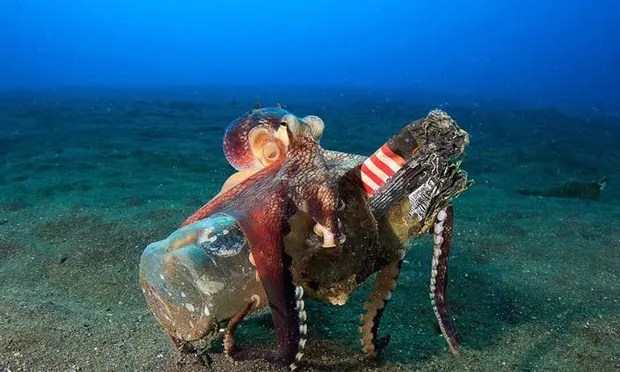
Octopuses were seen carrying plastic items around while ‘stilt-walking’. Photograph: Serge Abourjeily

It is not how we would prefer to understand them, or for these animals to demonstrate intelligence, but here are some examples of how they adapt to our discarded stuff:

Bottles, cans, batteries: octopuses found using litter on seabed

The most common interaction recorded was using rubbish as shelter. Photograph: Edmar Bastos

Creatures seen using discarded items for shelter or to lay eggs, highlighting ‘extreme ability to adapt’

Whether it’s mimicking venomous creatures, or shooting jets of water at aquarium light switches to turn them off, octopuses are nothing if not resourceful. Continue reading