2022 Harvest Is Upon Us

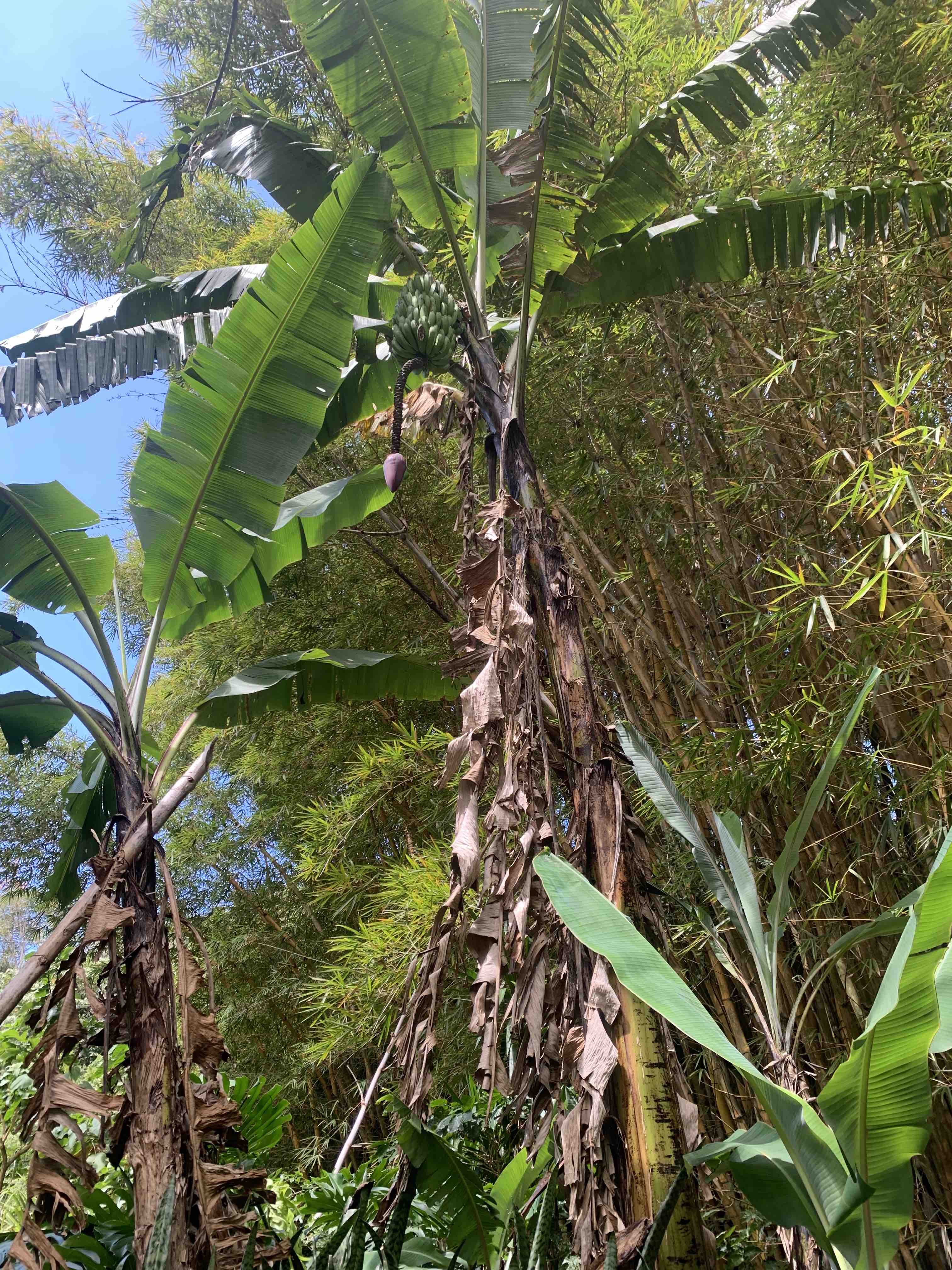
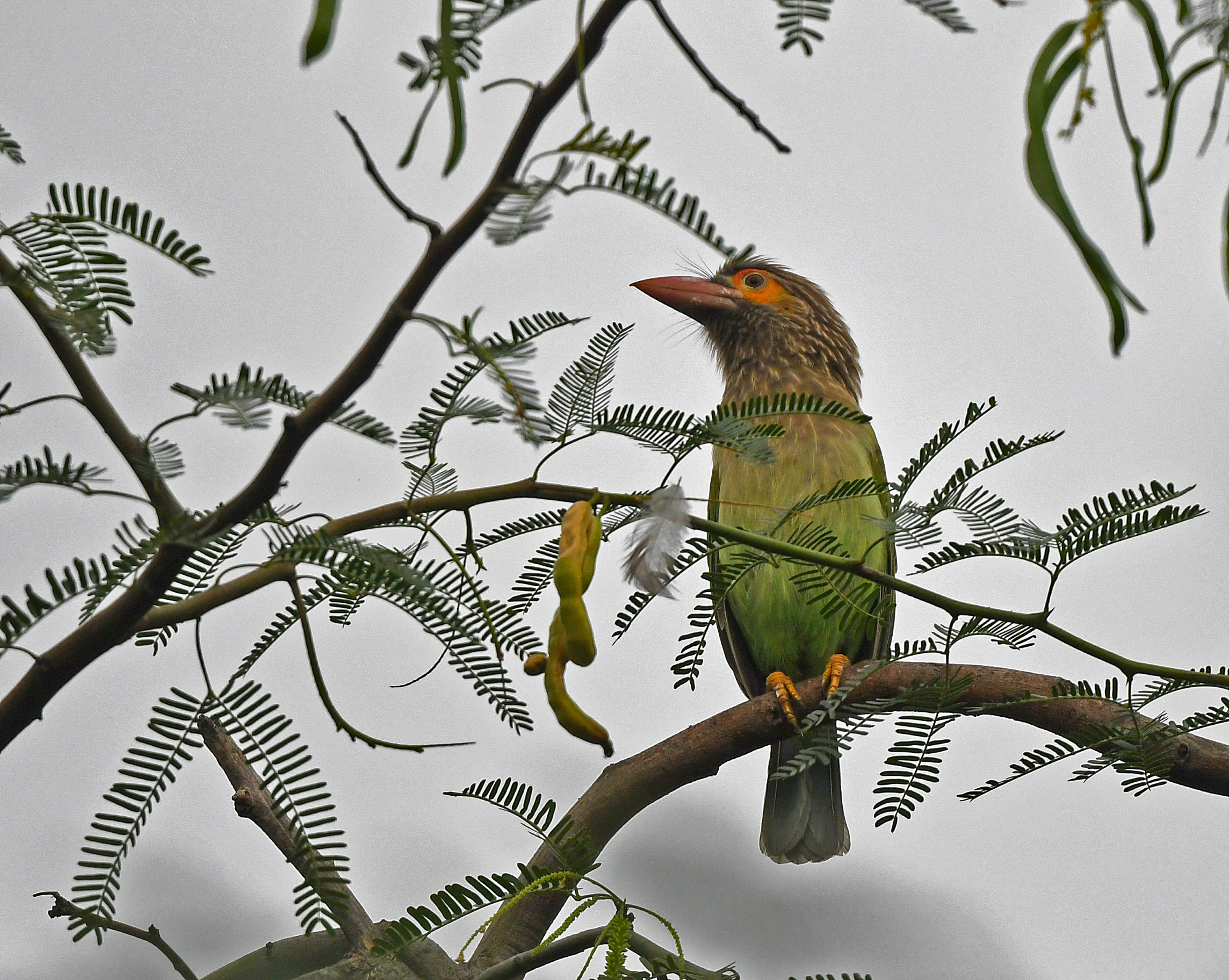
January is harvest time for most edibles growing on our property, mangos being the exception that comes mid-year. Near the top center of the image above there is a cluster of bananas. Roughly a hundred on that bunch. Bananas come in many varieties, I learned while living in India. To my surprise, just in recent months I learned that while banana is a fruit, it is botanically in the berry family. Large herbaceous flowering plants that have served as shade for coffee on this property for most of the last century, just a few feet to the right of those few banana trees are a few coffee trees. Continue reading

With All Due Respect To Taylor Swift

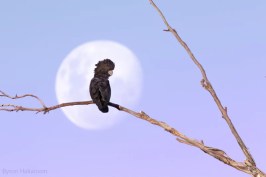
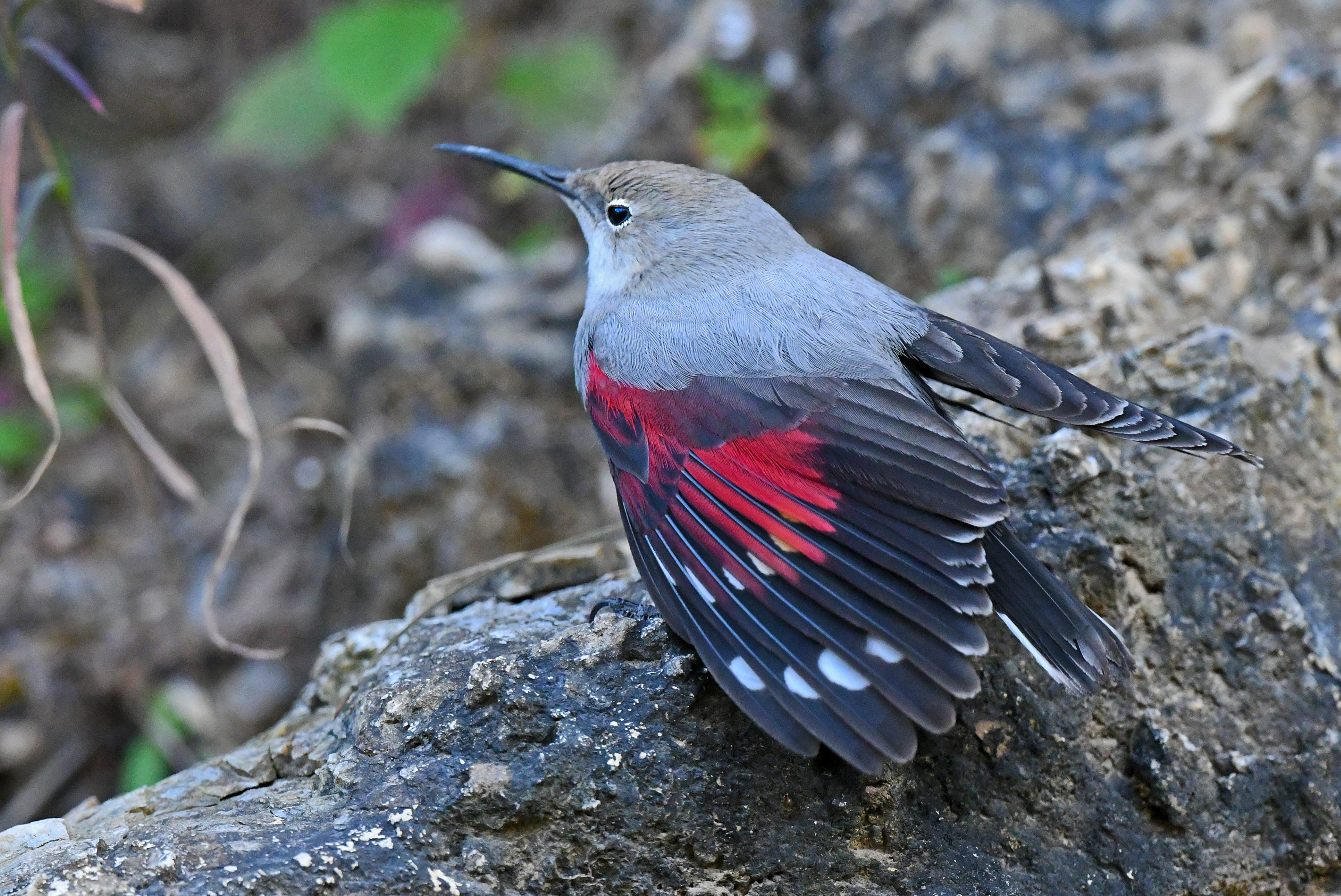
An album made entirely of endangered bird sounds beat Taylor Swift on a top 50 chart, which is as it should be:

A red-tailed black cockatoo is seen sitting on a branch with the moon behind it. The bird is one of more than 50 featured on the album Songs of Disappearance that features the sounds of many of Australia’s endangered birds. Byron Hakanson/Birdlife Australia

For most of December, Adele had the top-selling album in Australia, followed by Ed Sheeran, and then there was a collection of absolute bangers that took everyone by surprise.

Songs Of DisappearanceĀ is an entire album of calls from endangered Australian birds. Last month, it briefly perched at No. 3 on the country’s top 50 albums chart – ahead of Taylor Swift. Continue reading

Juliet Eilperin’s Sprawling, Soaring Sitka Story

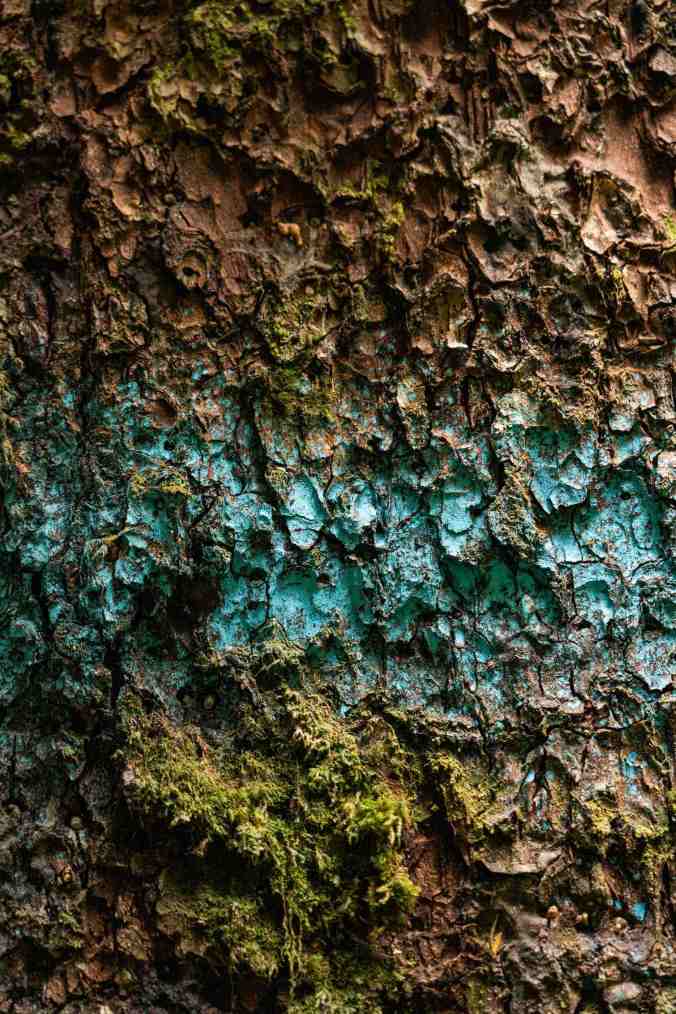
The trunk of the Sitka spruce marked to be cut down.
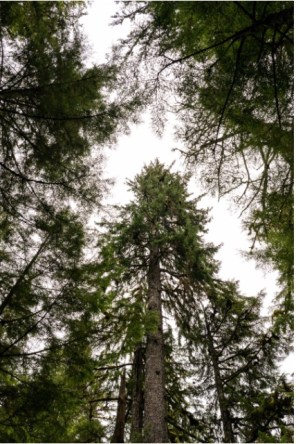
The soaring, centuries-old Sitka spruce with its blue spray-paint blaze is spared, for now.

A story about a tree, its history intertwined with five centuries of human history, this article earns your time. And it earns respect for the Washington Post, which assigned a star reporter to oversee its climate change coverage.

Juliet Eilperin features this tree’s significance from multiple angles, and accompanied by the stunning photography and video of Salwan Georges, her words are leveraged artfully with images and dramatic arc into a question you want the answer to: This tree has stood here for 500 years. Will it be sold for $17,500? Definitely worth reading on a large monitor rather than a phone screen. It may get you thinking about graduate school:
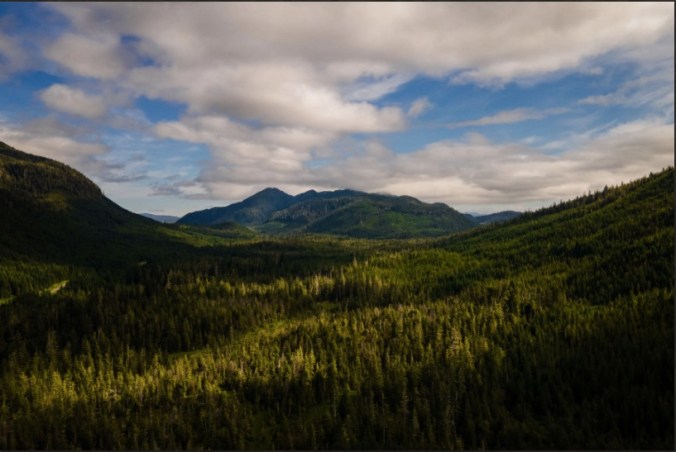
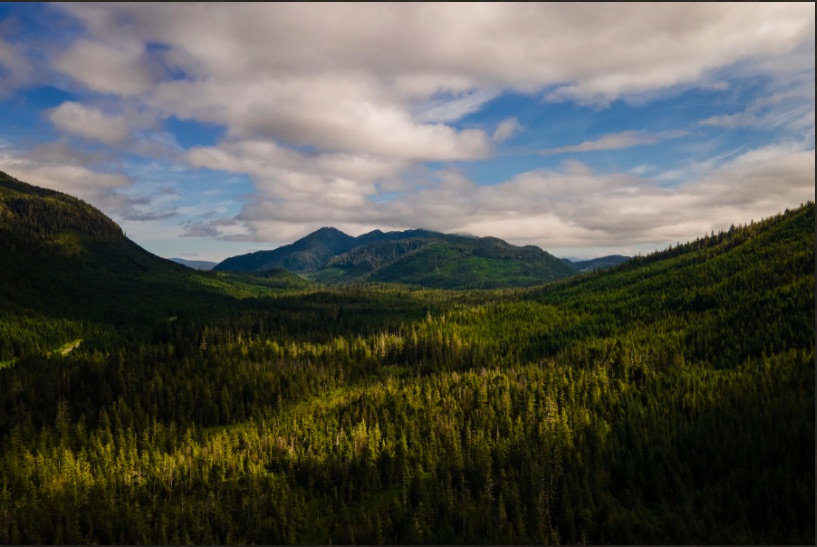
The Tongass National Forest in Alaska.

TONGASS NATIONAL FOREST, Alaska — The Sitka spruce soaring more than 180 feet skyward has stood on this spot on Prince of Wales Island for centuries. While fierce winds have contorted the towering trunks of its neighbors, the spruce’s trunk is ramrod straight. Standing apart from the rest of the canopy, it ascends to the height of a 17-story building.

This tree’s erect bearing — a 1917 publication called the Sitka species ā€œthe autocrat of timbersā€ — is what helps give it such extraordinary commercial value. Musical instrument makers covet its fine grain, as do builders whose clients want old-growth wood that’s increasingly scarce. In a world whose ancient forests have largely disappeared, this grove holds a sliver of what remains. Continue reading

Civic Responsibility, Palm Oil & Change

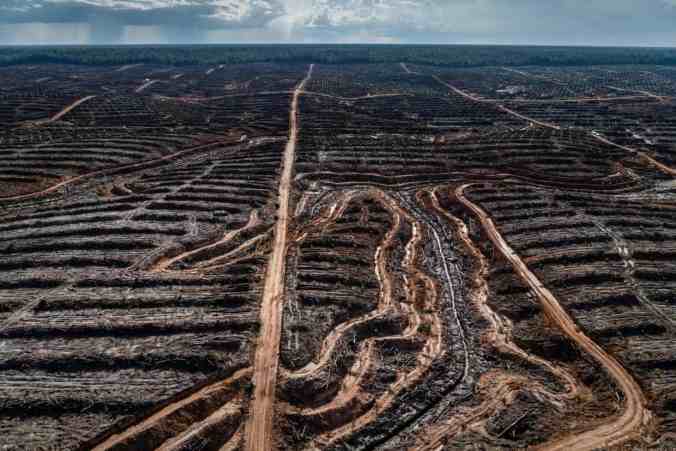
Forest clearance in Indonesia. Palm oil production in the country, which is one of the world’s largest producers, has been linked to deforestation. Photograph: Ulet Ifansasti/Greenpeace

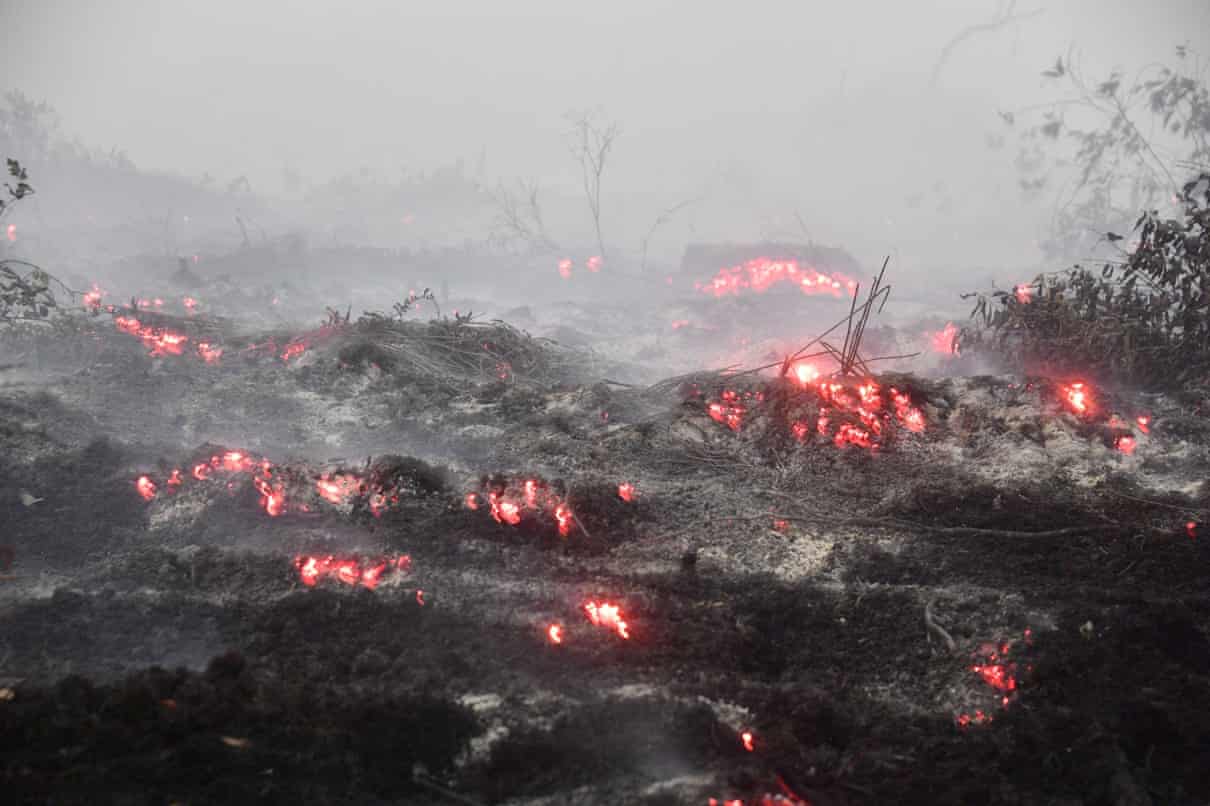
Smouldering peatland following a suspected land clearance fire in Kampar, Sumatra, in 2019. Photograph: Adek Berry/AFP/Getty Images

Palm oil has a dirty history. It causes havoc, to put it politely. May we all do our part to elect civic leaders with a keen sense of responsibility for devastation in other parts of the world, and get them to take action to reduce it. We thank Patrick Greenfield for his reporting in this article titled The UK city taking a stand on palm oil in the fight against deforestation:

A growing number of towns and villages are following Chester’s lead in helping local businesses to eradicate deforestation-linked oil from their supply chains

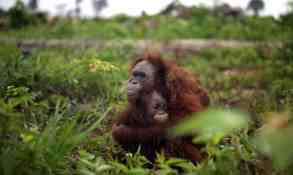
Orangutans, tigers, Sumatran rhinos and many other threatened species are affected by habitat loss and human-wildlife conflict that stems from palm oil plantations. Photograph: Vier Pfoten/Four Paws/Rhoi/REX/Shutterstock

From mince pies and biscuits to lipstick and soap, palm oil grown on deforested land in south-east Asia will have been hard to avoid this Christmas. The vegetable oil is found in almost half of all packaged products in UK supermarkets, according to WWF.

But a growing number of towns and cities are trying to use only sustainable palm oil, helping orangutans, tigers, Sumatran rhinos and many other threatened species. Continue reading

Broadening Birding’s Benefits

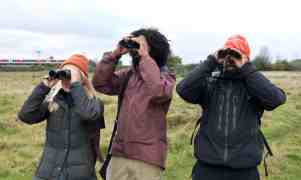
The writer, left, with Nadeem Perera and Ollie Olanipekun. Photograph: Christian Sinibaldi/The Guardian

When we managed our first lodge I came to understand that widening the audience of bird appreciation could strengthen commitment to conservation. A dozen years later, when Seth began working at the Cornell Lab of Ornithology, focused on celebrating urban birds, I knew that when he returned to work with us he would be bringing valuable knowhow.

When we started this platform for sharing news and personal stories related to our work, birds became a daily feature.

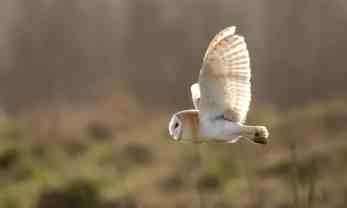
Olanipekun’s favourite bird is the ā€˜beautifully majestic’ barn owl. Photograph: Fletch Lewis/Getty Images

So Rebecca Liu’s story ā€˜It’s not just a white thing’: how Flock Together are creating a new generation of birdwatchers has various meanings for me. I can relate to the author’s novice sense of wonder as much as I can to Mr. Olanipekun’s decisive mention of the barn owl, featured frequently in our pages, as a favorite:

The nature collective was set up to encourage more people of colour to enjoy nature. Here, they take our writer on a spotting trip through the wildlands of north-east London

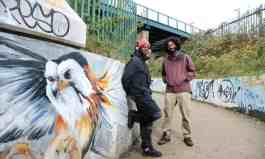
Through birding, Ollie Olanipekun (left) and Nadeem Perera are hoping to encourage children and young people to deepen their understanding and love for the environment. Photograph: Christian Sinibaldi/The Guardian

I have lived in cities all my life. My childhood did not involve any education in the outdoors. It would be fair to say my knowledge of birds doesn’t go much further than the varieties mentioned in Old Macdonald Had a Farm. So when I arrive at east London’s Walthamstow WetlandsĀ on a cloudy November day to meet Ollie Olanipekun and Nadeem Perera for an afternoon of winter birdwatching, I am already apologetic for all that I do not know. Continue reading

Something In The Air For Onetime Mining Communities

The Shoshone Museum documents the town’s scrappy past as a mining community.

When Alex Ross, a music critic, wanders from criticism to commentary or into especially unexpected territory, it is always for good reason. He clearly has a love of desert ecosystems. His most recent publication intersects desert ecosystem with a deserted mining community. It reaches me just after yesterday’s link to a model for improving the prospects of a coal extraction community, so there is something in the air:

The Queen of the Desert

How Susan Sorrells transformed a Death Valley mining village into a model of ecologically conscious tourism.

For mile after mile along California State Route 127, a two-lane desert road, there are no services, no homes.

Next services 57 milesā€Ā reads a sign at the southern end of California State Route 127, which goes from the Mojave Desert town of Baker up to the Nevada border, skirting the edge of Death Valley National Park. It’s one of those two-lane desert roads that slices across the landscape like a never-ending airport runway. There’s an extended stretch that consists of a long downward slope followed by an equally long ascent. If you’re driving at night, the headlights of cars coming in the opposite direction float above one another in midair, like planes waiting to land. But cars are infrequent. For mile after mile, there are no services, no homes. Continue reading

Extraction, Adaptation & Opportunity

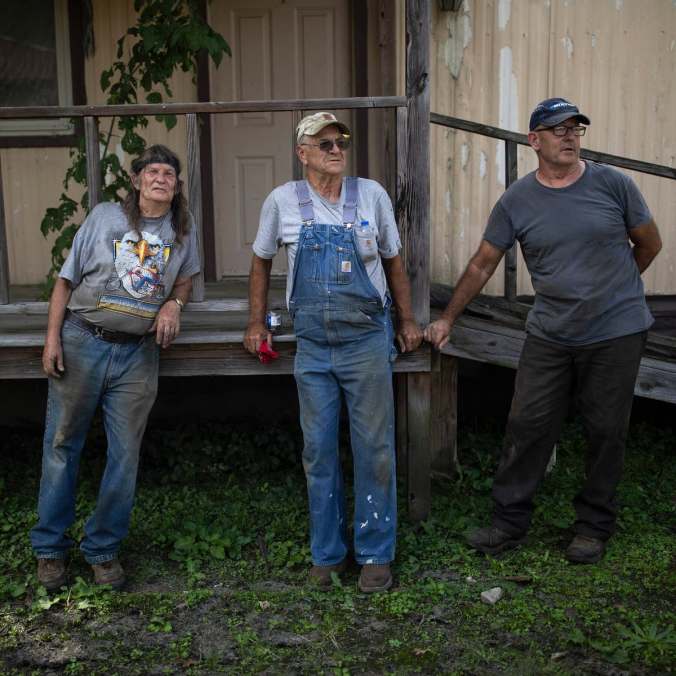
The former coal miner Gary Webb, right, with his cousins Darrell Davis and Ernie Dials, in Lovely, Ky. Mr. Webb supports the planned solar farm. ā€œIt’s good for climate change,ā€ he said. ā€œAnything that helps is good.ā€ Maddie McGarvey for The New York Times

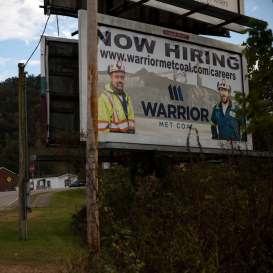
The photograph above speaks to the humanity of coal mining culture in a time when the world is trying to wind down its use of coal. It is not fair, in so many ways, that miners seem to have so few options; but a way forward will be found. The billboard in the photo below may suggest otherwise, but opportunities for those miners are not likely to include coal.Ā  Thanks to Cara Buckley for this vivid portrait of a place historically focused on extraction, its people who are in need of a better future, and the tensions that come with making that better future happen:

Coming Soon to This Coal County: Solar, in a Big Way

In Martin County, Ky., where coal production has flatlined, entrepreneurs are promising that a new solar farm atop a shuttered mine will bring green energy jobs.

A billboard advertising mining jobs in Inez, Ky. By last count, the county had just 26 miners left. Maddie McGarvey for The New York Times

MARTIN COUNTY, Ky. — For a mountain that’s had its top blown off, the old Martiki coal mine is looking especially winsome these days. With its vast stretches of emerald grass dotted with hay bales and ringed with blue-tinged peaks, and the wild horses and cattle that roam there, it looks less like a shuttered strip mine and more like an ad for organic milk.

The mountain is poised for another transformation. Hundreds of acres are set to be blanketed with solar panels in the coming year, installed by locals, many of them former miners. Continue reading

France Liberates Produce From Plastic

From Saturday cucumbers, leeks, carrots and about 30 other fruits and vegetables will no longer be sold in plastic in France. Photograph: Thibault Camus/AP

We know that there is too much plastic in our lives and that something must be done about it. Over the weekend, in France, the most obvious thing was done:

That’s a wrap: French plastic packaging ban for fruit and veg begins

Law bans sale of carrots, bananas and other items in plastic as environment groups urge other countries to follow

A law banning plastic packaging for large numbers of fruits and vegetables comes into force inĀ FranceĀ on New Year’s Day, to end what the government has called the ā€œaberrationā€ of overwrapped carrots, apples and bananas, as environmental campaigners and exasperated shoppers urge other countries to do the same. Continue reading

Natural Fiber Welding

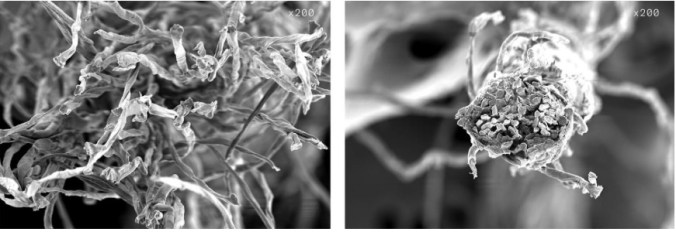
From left to right, SEM image of raw cotton and Natural Fiber Welding’s CLARUSĀ® cotton. COURTESY OF NATURAL FIBER WELDING

We look forward to hearing more as they progress:

This Company Has a Way to Replace Plastic in Clothing

Natural Fiber Welding uses an innovative process to treat cotton and make it behave more like synthetic fibers.

LUKE HAVERHALS WANTS to change how yoga pants are made. Most performance fabrics used in athletic clothing, like Spandex, are made from synthetic fibers—plastic, essentially. Those plastics are problematic for humans and the environment. Haverhals’ company, Natural Fiber Welding, offers an alternative to synthetic fabrics. Continue reading

Legacies & Possible Futures

Toward the end of his life, E. O. Wilson called for setting aside half of the world’s surface as untouchable.Photograph by Steven Senne / AP

When I read the obituary of E. O. Wilson published in the New York Times, written by one of the science writers we link to the most frequently, it was full of surprises–I had not been aware of the many controversies cited.

I was also surprised to see no mention of biophilia, the concept that first drew my attention to the scientist’s work.

Tom Lovejoy spent most of the past forty years trying to preserve the Amazon rain forest.Photograph by Lev Radin / Shutterstock

Then, this morning, I read the tribute by another of our favorite writers, and had a different surprise: we have featured stories referring toĀ conservation biologist Tom Lovejoy only four times previously. It seems a fitting way to start a new year by correcting an old mistake.

Thanks to Elizabeth Kolbert for Honoring the Legacy of E. O. Wilson and Tom Lovejoy:

The two naturalists helped to pioneer the field of conservation biology and remained determinedly hopeful that humanity would make better choices.

Over the weekend, two of the country’s leading naturalists, E. O. Wilson and Tom Lovejoy, died a day apart. Wilson, who was perhaps best known for his work on ants, was a pioneer in the field of conservation biology; Lovejoy was one of the founders of the field. Continue reading