Legal Consequences For Deforestation

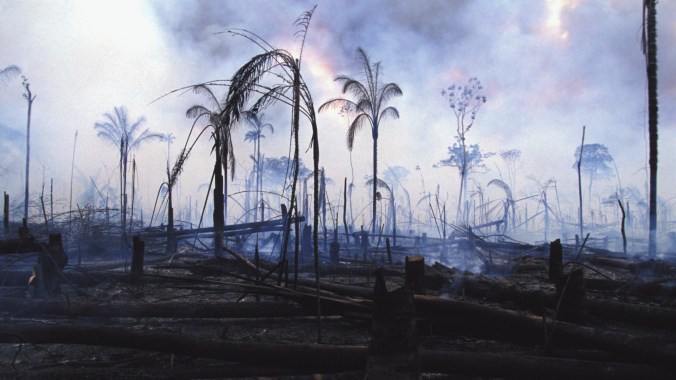
Ron Haviv / VII / Redux

This article by Robinson Meyer, a staff writer at The Atlantic and the author of the newsletter The Weekly Planet, is worth reading if Brazil’s role in climate change has been on your mind:

Deforestation Is a Crime

A new bipartisan bill would treat it that way.

The world doesn’t agree on many things, but one of them is that global deforestation is a problem. If deforestation were a country, it would be the world’s third-largest source of climate-warming pollution, after the United States and China. (It would also be a terrible place to live—bulldozers everywhere and no shade to speak of.) Parts of the Amazon now emit more carbon pollution than they capture because of deforestation, a recent study found.

Knowing about a problem is, of course, different from knowing what to do about it. Continue reading


Monbiot’s Scrutiny In Perspective

Illustration by Eva Bee

The first I heard of him, nearly a decade ago, I was immediately hooked on his writing, and the ideas he was offering were surprising to read in a mainstream, if progressive, publication. He introduced me to rewilding. If you have not been reading or perhaps listening to George Monbiot during this decade you may not have noticed how his radicalism has evolved. In this editorial ostensibly about the Pandora Papers I learned something about Madeira that I want to read more about:

…A few decades after the Portuguese colonised Madeira in 1420, they developed a system that differed in some respects from anything that had gone before. By felling the forests after which they named the island (madeira is Portuguese for wood), they created, in this uninhabited sphere, a blank slate – a terra nullius – in which a new economy could be built. Continue reading

Planned Obsolescence Reconsidered

Sandra Goldmark’s essay, Built Not to Last: How to Overcome Planned Obsolescence, is worthy of a few minutes:

What you can do as an individual consumer, a business patron, and a voter

In 2020, people worldwide bought some 24 billion pairs of shoes, 64 million cars, and 1.4 billion smartphones—200 million of them from Apple. More than 80 percent of iPhones sold last year went to “upgraders,” not first-time buyers. It’s all part of business as usual. Continue reading

Biomass & Social Justice

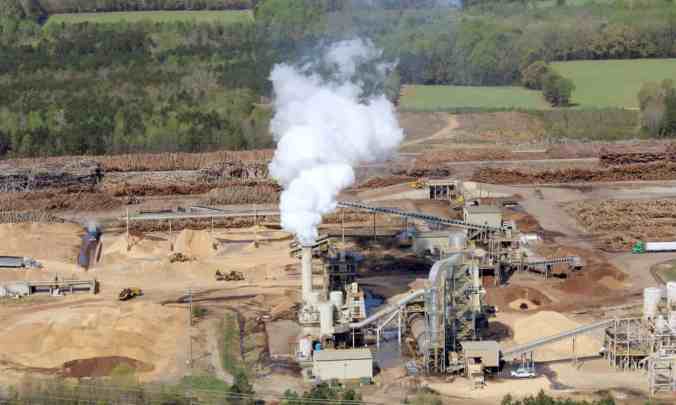
The Enviva plant in Northampton county, North Carolina. Photograph: SELC

Questions about biomass are not new, but increasingly urgent as a social justice issue as well as an ecological one:

Biomass is promoted as a carbon neutral fuel. But is burning wood a step in the wrong direction?

Many scientists and environmental campaigners question the industry’s claims to offer a clean, renewable energy source that the planet desperately needs

Thick dust has been filling the air and settling on homes in Debra David’s neighborhood of Hamlet, North Carolina, ever since a wood pellet plant started operating nearby in 2019. Continue reading

Smog, Ozone & Biodiversity

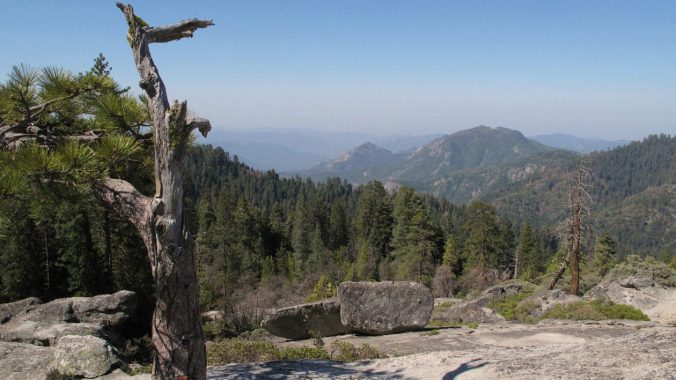
The view from Beetle Rock in Sequoia National Park, California. Smog, containing high levels of ozone, blows in from the San Joaquin Valley. TRACIE CONE / AP PHOTO

Thanks to Jim Robbins for updating our understanding of ozone’s ongoing threat (we had thought it was lessening):

Ozone Pollution: An Insidious and Growing Threat to Biodiversity

Ground-level ozone has long been known to pose a threat to human health. Now, scientists are increasingly understanding how this pollutant damages plants and trees, setting off a cascade of impacts that harms everything from soil microbes, to insects, to wildlife.

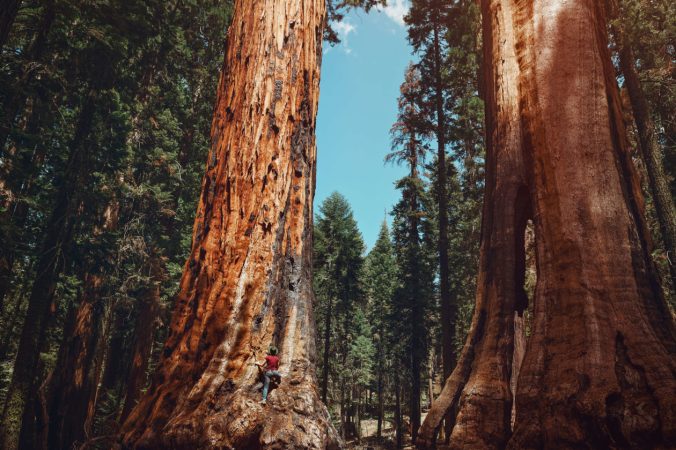
Giant sequoias in Sequoia National Park, California. MARJI LANG/LIGHTROCKET VIA GETTY IMAGES

Sequoia National Park’s famous groves of stout, 300-foot-tall trees sit high on the western side of the Sierra Nevada, above California’s San Joaquin Valley. They are threatened as never before: Wildfires have burned much of the forest, and now, for the first time, insects are killing sequoias. Continue reading

Sugarcane Rising

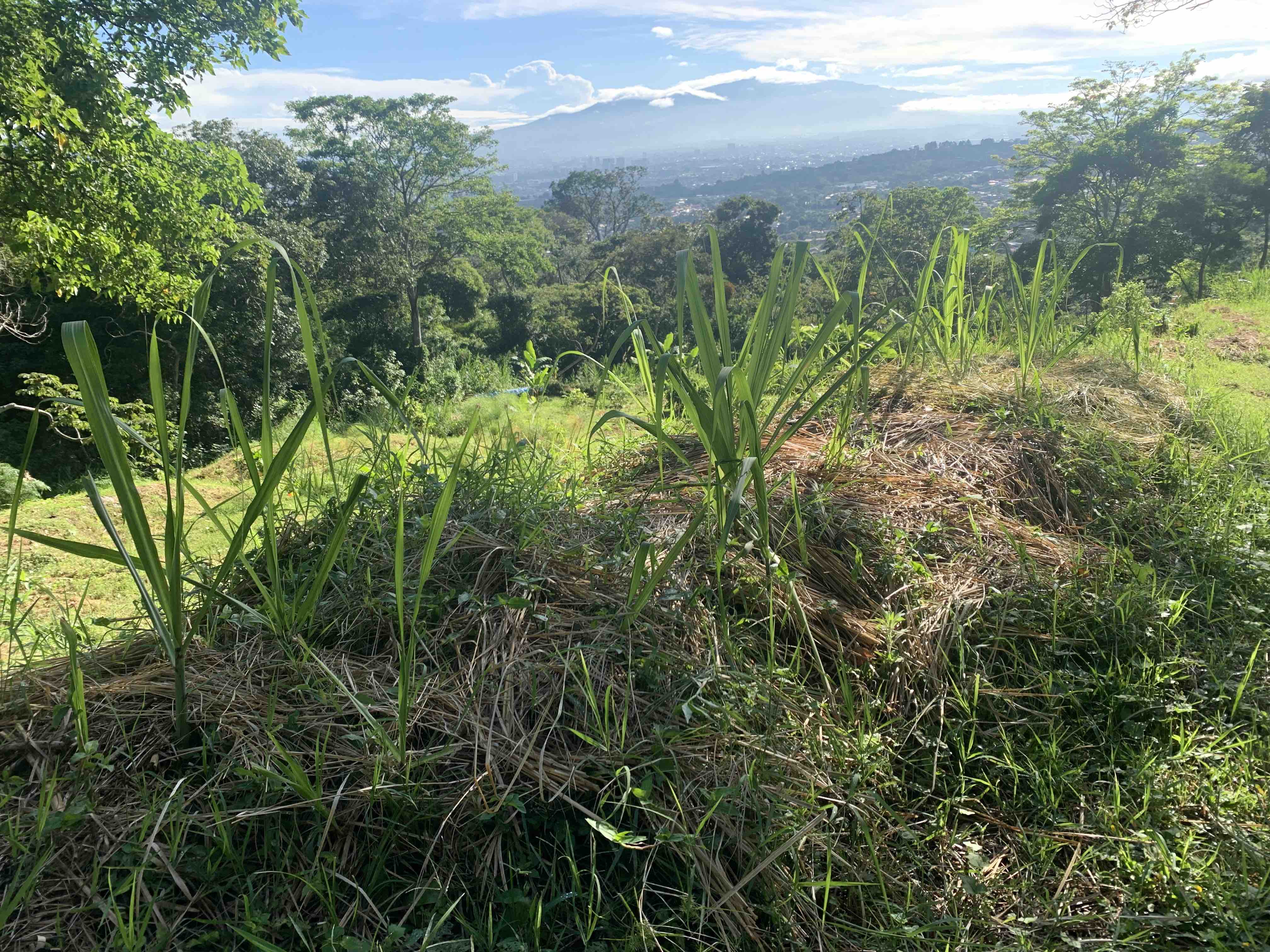
These are early signs of sugar cane that can grow very high. When we planted it a few months ago it had only a first covering of vetiver. What now looks like a mess of various grasses on the berm–at least four different species are growing through the vetiver, another grass that is there for both ground cover and soil replenishment–shows how much more vertically oriented the sugarcane is than other grasses. All the tall grass leaves in this image are sugarcane. One or two of the other grasses are also aggressive, but horizontally. They stay close to the ground and can wander as far at ground level as sugarcane grows vertically.

Nathan Myhrvold On The Splendid Table

When we posted on his book a few weeks ago the title of our post suggested that it was a frivolous offering. Not so. Surprisingly we have not posted about Nathan Myhrvold before, but the best profile on him was written before this platform launched. Then his dinosaur obsession and invention workshop were his primary talking points. In recent years those have made room for food.

And in case you do not have time for his book, you can get a sense of those talking points on this episode of The Splendid Table podcast:

Episode 741: Pizza: Origin, Culture and Making It with Nathan Myhrvold

This week, we take a deep dive into pizza with the co-author of the voluminous Modernist Pizza, Nathan Myhrvold. We get into the history, culture, and techniques behind great pizza. We hear stories from his worldwide travels and deep dives into pizza cultures and traditions. Plus, we hear about the culinary lab research devoted to making the best pizza ever, and he sticks around to answer your pizza-making questions. He is the founder of the Modernist Cuisine Lab…

The Taste of a Place

It’s a feeling we come back to again and again, especially when talking about foods we love. Coffee, cheese, wine, tea…the  significance of each one resonates with both a sense of culture and place to where quite a few of the contributors to this site have called home.

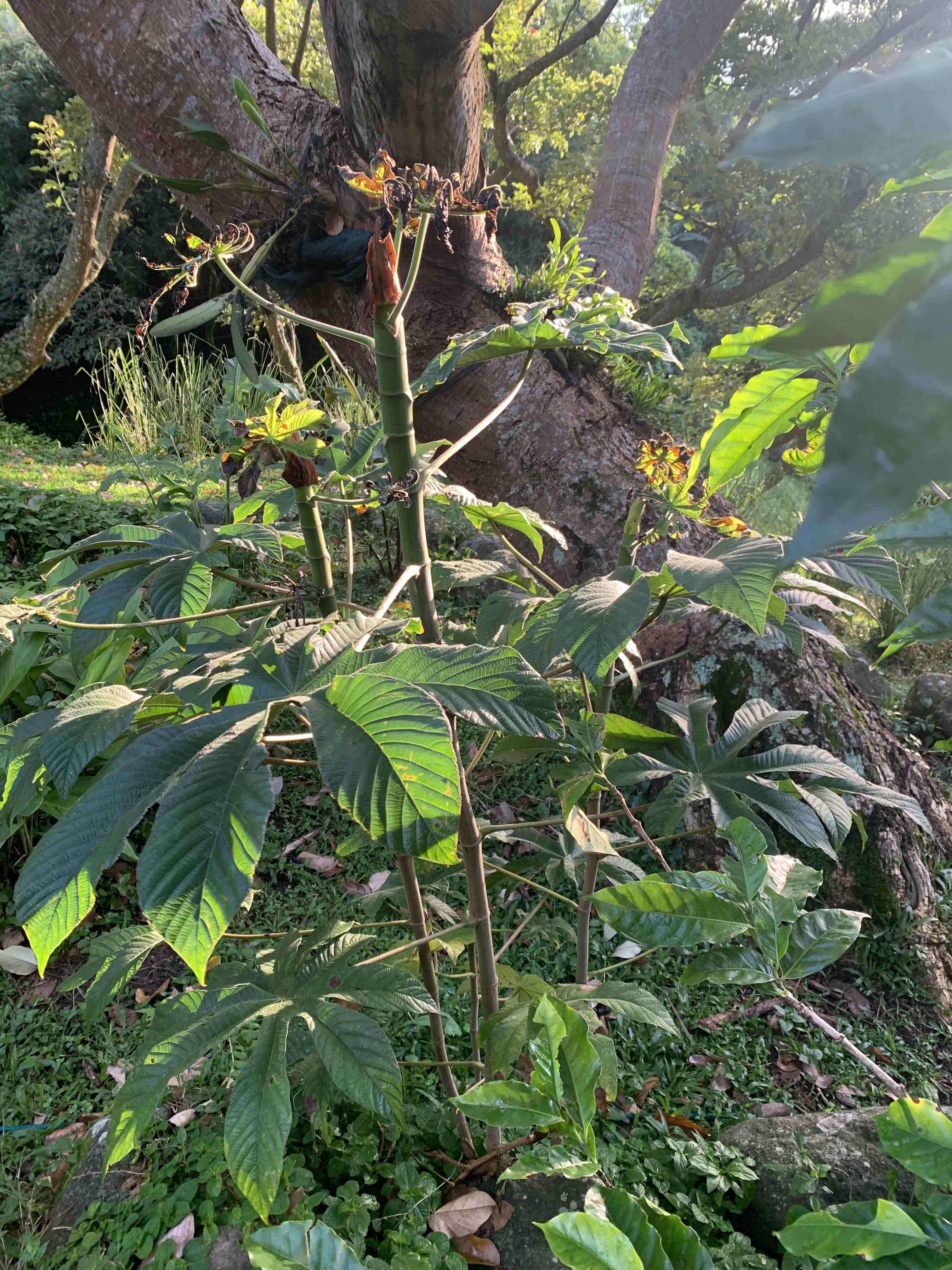
In the case of the image above, we peer into the poro trees we have mentioned numerous times. This particular poro, whose thick diagonally oriented trunk is situated at the uppermost point on the land where our coffee grows, is home to several orchids, both wild and cultivated. And in the foreground of the image a young cecropia tree is making its way upward, with a reddish top.

Next to the cecropia, out of the frame, is a mature coffee tree. Next to that is a young lime tree, and surrounding are various flowers and mano de tigre, aka monstera deliciosa. Just downhill from the trees and flowers in this image are bananas, plantain and sugar cane. The best coffees enjoy diverse company as they grow.

Will Consumers Choose Less Animal Protein, Even With Excellent Alternatives?

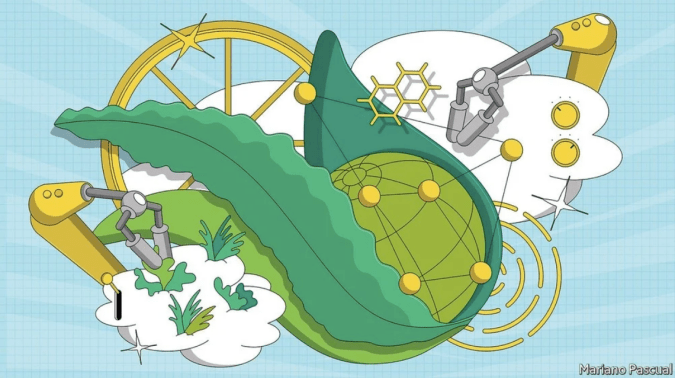
It is a theme we cover frequently, and hope to see more of in the future from the Economist’s excellent writers:

Technology can help deliver cleaner, greener delicious food

Whether consumers want it is another question, says Jon Fasman

“Tell me what kind of food you eat, and I will tell you what kind of man you are,” wrote Jean Anthelme Brillat-Savarin, a French lawyer and epicure, in the early 19th century. The epigram opens “The Physiology of Taste,” one of those delightfully dilatory, observational works at which his age excelled. Continue reading

Marckalada, Monk & Astonishment

Old maps, an occasional topic in our pages over the years, are not the only evidence demonstrating who went where, and when:

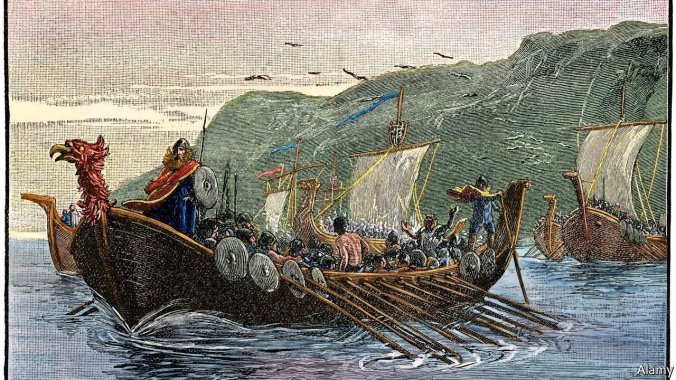
A monk in 14th-century Italy wrote about the Americas

That was long before Christopher Columbus set sail

That vikings crossed the Atlantic long before Christopher Columbus is well established. Continue reading